Delphi Digital Researcher: How Blockchain and NFTs Enhance Player Experience and Transform the Gaming Industry
TechFlow Selected TechFlow Selected
Delphi Digital Researcher: How Blockchain and NFTs Enhance Player Experience and Transform the Gaming Industry
NFT is a better business model for gaming.
 Navigating Web3 tides with focused insights
Author: 0xRyze, Delphi Digital Researcher
Translation: Alex, TechFlow
The history of game monetization is filled with tension between developers and players.
To players, NFTs are the latest in a long line of controversial monetization schemes.
At the micro level, ads are what players endure in exchange for free games.
We must clarify how this technology changes the player experience.
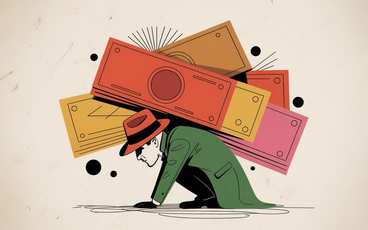
Free-to-play represented a shift in monetization.
You no longer had to pay $60 for a game—you could play for free and pay only for what you wanted.
But it became contentious: pay-to-access content created friction.
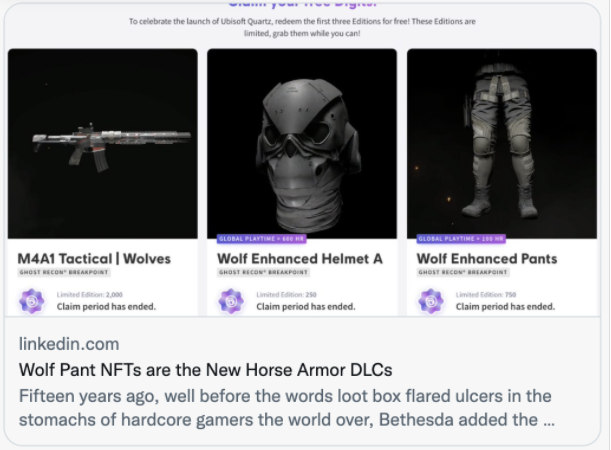
First, let’s agree that technology is value-neutral.
We can use the internet (TCP/IP) for book clubs or cyberbullying.
Likewise, we can use blockchain and NFTs to create any incentive structures we like. Content ≠ technology.
NFTs and blockchain are open technical standards.
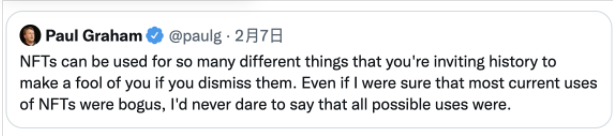
NFTs can be used for many different things, and dismissing them risks being mocked by history. Even though I’m certain most current uses of NFTs are hollow, I wouldn’t dare claim all possible uses are fake.
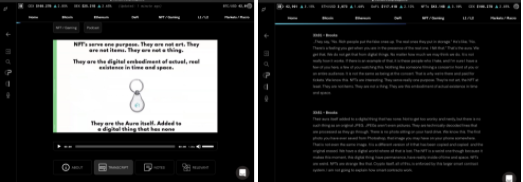
Welcome_to_Nor's PlayIsFree explains this well: NFTs carry a “halo” that digital copies lack.
Even if you right-click and save, the JPEG on your phone isn’t the same as the uploaded image.
But an NFT is a digital embodiment at a specific point in time and space.
So why care about this new way of doing things?
(1) Aligning incentives among developers, players, and investors
(2) Funding more creative labor driven by passion, not just data-driven games
(3) Enabling multidirectional value flows instead of one-way transactions
(4) Emphasizing the importance of community within games
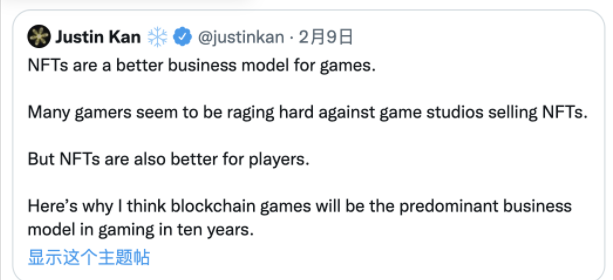
NFTs represent a better business model for gaming.
Many players seem extremely angry about game studios selling NFTs.
But NFTs are also better for players.
Here’s why I believe blockchain gaming will become the dominant business model within ten years.
Incentive Alignment
When games are fun, players are happy.
This paradigm shift allows players to own more of the game worlds where they choose to spend their time.
When players are happy, developers and investors succeed. Token data granularity can lock in this alignment.
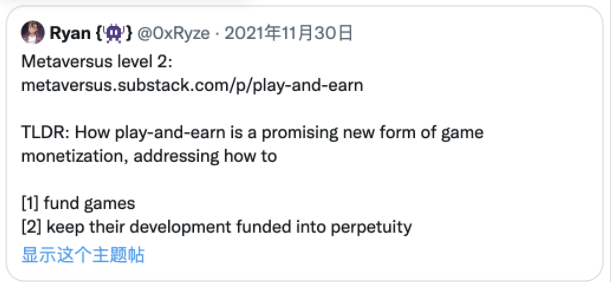
Funding more passion-driven labor compared to data-driven games.
In the F2P world, games are selected based on ad performance. So who would invest in something like Stardew Valley?
Instead, money flows into MOBA and battle royale games.
Projects = aggregated demand from the world.

Value can flow in multiple directions, not just one.
There's room to reward UGC: artists, writers, third-party developers.
Blizzard missed the chance to include DotA’s creators because there was no framework to do so.
Crypto makes such frameworks a norm/expectation.
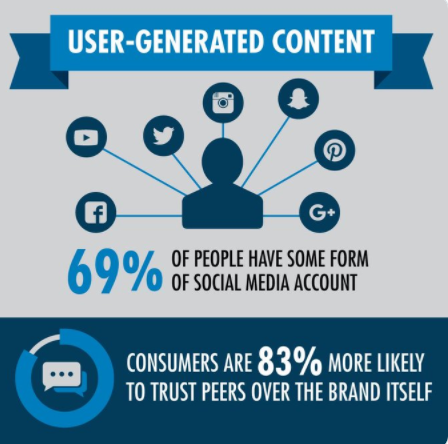
The importance of community in gaming.
Communities make games exist.
Cultivate communities, empower them, and reward them—because communities are also supporters and builders.
In return, communities drive awareness and willingly fund games.
Game-related research articles will be published on Delphi’s research portal. (http://delphidigital.io)
Join TechFlow official community to stay tuned
Telegram:https://t.me/TechFlowDaily
X (Twitter):https://x.com/TechFlowPost
X (Twitter) EN:https://x.com/BlockFlow_News
 Delphi Digital