Hacker Lurks for 15 Days, South Korea's Second-Largest Exchange Bithumb Faces KYC Data Breach Crisis
Author: TechFlow
TechFlow Summary: On November 25, Bithumb, South Korea’s second-largest cryptocurrency exchange, released its latest security investigation bulletin, confirming that the scope of the internal system data leak first disclosed in late October has expanded to cover the complete identity records of platform users, partner organization personnel, as well as both current and former employees.
External attackers remained undetected for up to 15 days, continuously extracting sensitive data from the collaborative workspace system Dow Office. Although core trading and custody systems remain unaffected, the comprehensive leak of KYC documents has placed the platform squarely in the crosshairs of secondary fraud risks and regulatory scrutiny.
Remained Undetected for 15 Days to Penetrate Collaborative System, Complete Identity and On-Chain Profiles Exposed
According to Bithumb’s latest investigation bulletin released on November 25, this security incident was first publicly disclosed on October 29. Following in-depth tracing, the affected user base has expanded beyond the initial investigation scope to include platform registered users, partner organization staff, and both current and former employees.
The investigation reveals that external attackers unauthorizedly accessed Bithumb’s internal mobile collaboration system, Dow Office (다우오피스), from 13:49 on October 12 to 15:22 on October 27, remaining undetected for a cumulative period of 361 hours and 33 minutes (approximately 15 days).
The stolen sensitive data covers core fields for personal identity verification, including member ID, real name, mobile phone number, email address, date of birth, Korean Resident Registration Number (주민등록번호), passport number, driver’s license number, linked bank account, residential address, nationality, and high-resolution scanned copies of identification documents.
More concerning to on-chain security firms is that the leaked files also contain some users’ historical on-chain transaction records and withdrawal wallet addresses. Attackers have established a mapping between users’ real-world legal identities and their anonymous on-chain addresses, completely breaching privacy safeguards at the collaborative workspace stage.
Physical Isolation Fails to Block Social Engineering, Users Face High-Risk Secondary Fraud
In response to external concerns regarding asset security, Bithumb explicitly emphasized in its announcement that the Dow Office network where the data leak occurred is completely isolated in both physical and logical layers from the core matching trading engine and the hot/cold wallet asset custody systems.
As of the announcement release, the security team has not detected any signs of abnormal intrusions or theft involving the core trading database or user custody funds, with the platform’s deposit/withdrawal and spot trading operations functioning normally.
Digital asset security experts point out that the bundled leak of fiat deposit/withdrawal channels and identity archives easily triggers highly successful, targeted social engineering attacks. Once attackers obtain core elements such as names, ID numbers, phone numbers, and bank cards, they can initiate SIM swap attacks against telecommunications carriers to hijack SMS verification codes.
By combining user withdrawal addresses and trading habits, hackers can forge highly realistic official customer service scripts to lure victims into voluntarily disabling Google two-factor authentication (OTP) or signing malicious authorization transactions. When faced with precision phishing, traditional physical system isolation struggles to provide adequate protection.
Clashes with Historically Strict VASP Review, License Renewal and IPO Process Halted
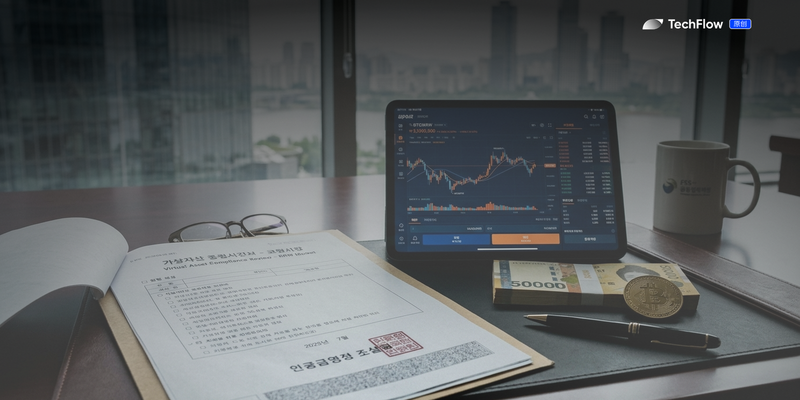
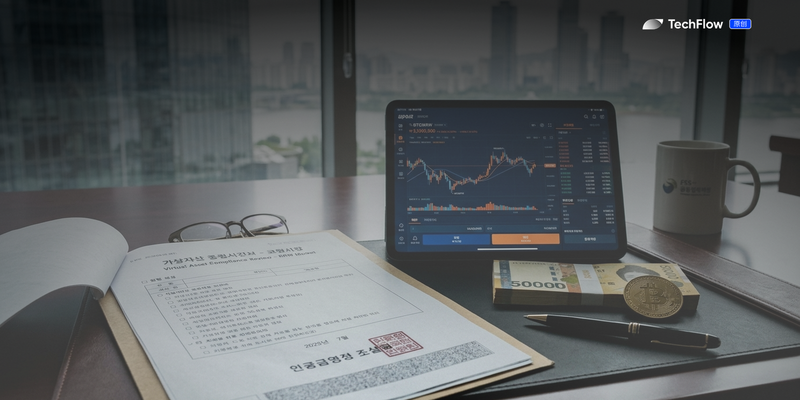
The timing of this breach in the security defense line is highly sensitive. Just on November 20, South Korea’s Financial Intelligence Unit (FIU) and Financial Supervisory Service (FSS) had just concluded their special review applications targeting the shareholder qualifications and internal control systems of 28 domestic Virtual Asset Service Providers (VASPs) for the first time in history.
Under relevant provisions of South Korea’s current Virtual Asset User Protection Act and Personal Information Protection Act, virtual asset operating institutions facing large-scale leaks of personal sensitive information due to internal management negligence could face administrative fines of up to 3% of their related business revenue, and may trigger directives for business rectification.
As a longstanding top-tier trading platform holding the second-largest market share in South Korea after Upbit, Bithumb has been vigorously advancing its South Korea KOSDAQ Initial Public Offering (IPO) plan in recent years, positioning compliance and internal controls as a core selling point during roadshows.
The revelation of a 15-day internal system undetected intrusion at the precise moment regulatory review materials were just submitted not only exposes governance blind spots in the company’s authority management over external office software, but also casts a heavy shadow over Bithumb’s upcoming VASP license renewal approval and IPO proceedings.
Join TechFlow official community to stay tuned
Telegram:https://t.me/TechFlowDaily
X (Twitter):https://x.com/TechFlowPost
X (Twitter) EN:https://x.com/BlockFlow_News
 深潮TechFlow