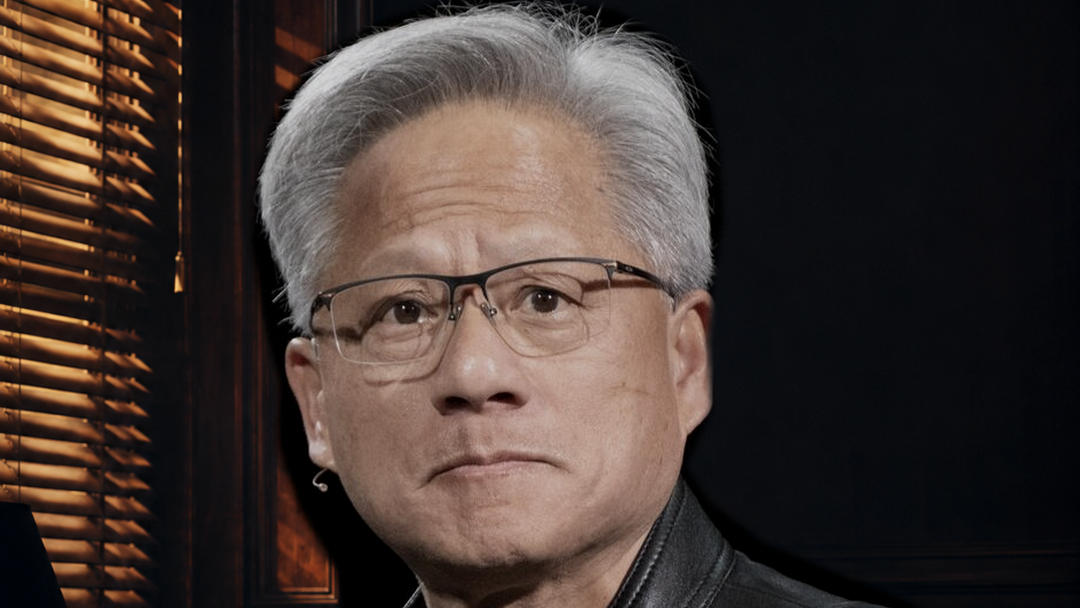
Shenzhen Dinner, White House Infighting, Boardroom Turnaround: How Did Jensen Huang Make His Comeback?
Written by: Xiao Bing, TechFlow
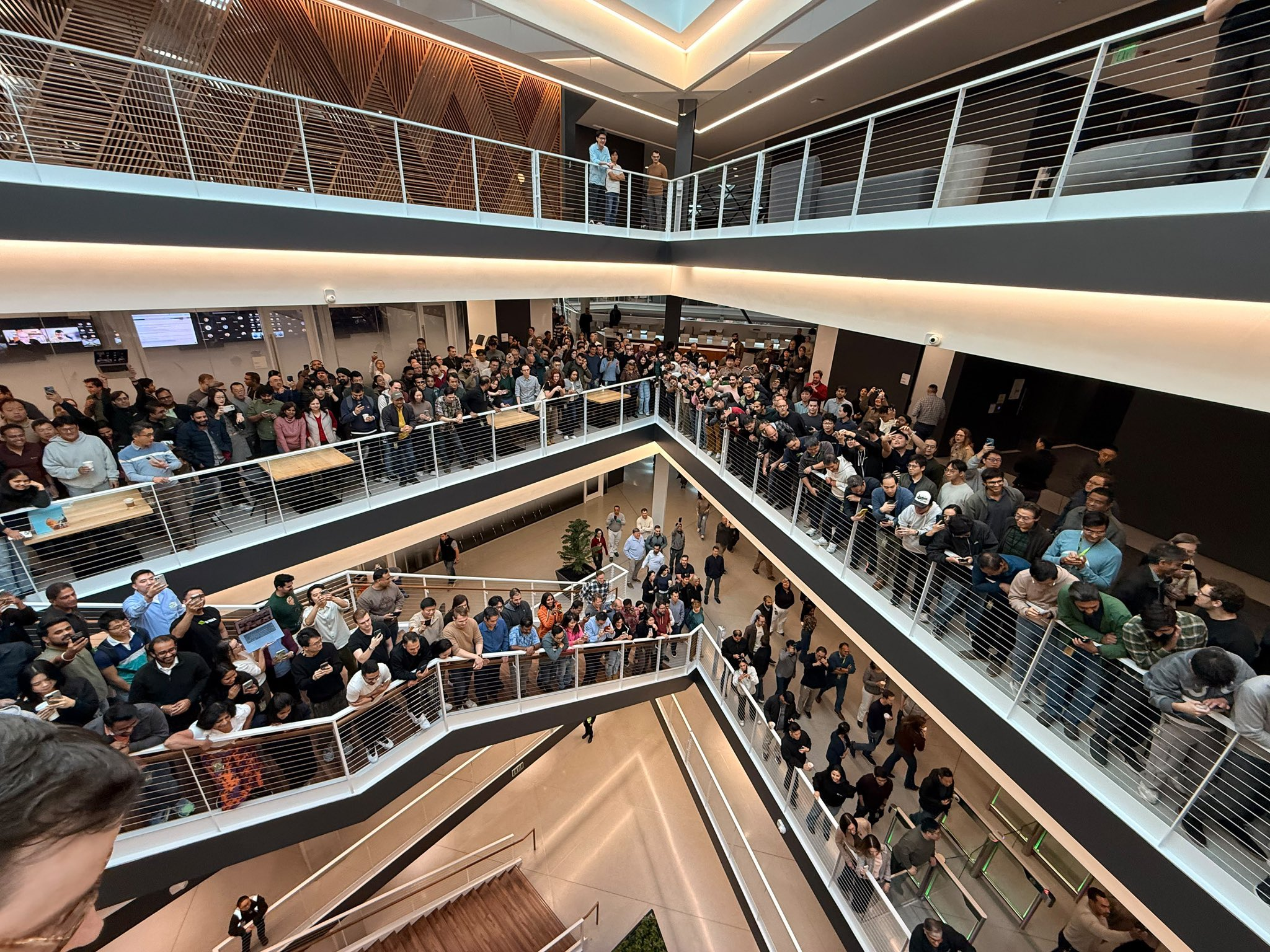
On November 23, at NVIDIA headquarters in Santa Clara, Silicon Valley, the building was packed with employees.
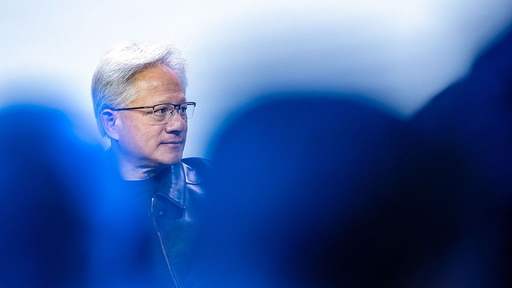
As Huang Ren-un walked back into that iconic triangular building, cheers and applause nearly shook the roof off, with crowds chanting "Jensen" over and over. He stopped, faced the excited crowd below, and said, "Thank you all for giving me a second chance. Being CEO for the second time, I will do an even better job."
Thousands of miles away, Wall Street cast its vote in his favor right at the market open.
NVIDIA closed up 31.48% that day, marking its largest single-day gain since 2003.
Semiconductor stocks, new cloud shares, and tech giants surged collectively. CoreWeave jumped 22%, the S&P 500 closed up 4.73%, the Nasdaq Composite Index soared 6.51%, and the Dow Jones industrial average skyrocketed nearly 1,450 points. All three major indices posted their best single-day performance since April 2025.
One man returned to his office, and the entire U.S. stock market took a collective sigh of relief.
No one in the audience brought up that awkward exit just under two weeks prior. According to Bloomberg, on the late night of November 11, before handing in his resignation, a drained Huang Ren-un frequently muttered "whatever" and "I don't care."
An even more absurd contrast occurred six days earlier.
On November 17, Huang Ren-un broke his silence on social media, admitted he had made serious mistakes in his personal life, and clearly stated that as long as the board deemed it appropriate, he was willing to return.
Just a few hours later, during NVIDIA's quarterly earnings call, newly appointed chairman Harvey Jones coldly shut the door on global investors: The board "has no plans to reinstate Jensen."
From a resolute rejection to a unanimous vote welcoming him back, less than six days had passed.
White House Infighting
The real decisive force came from a sudden pivot in Washington.
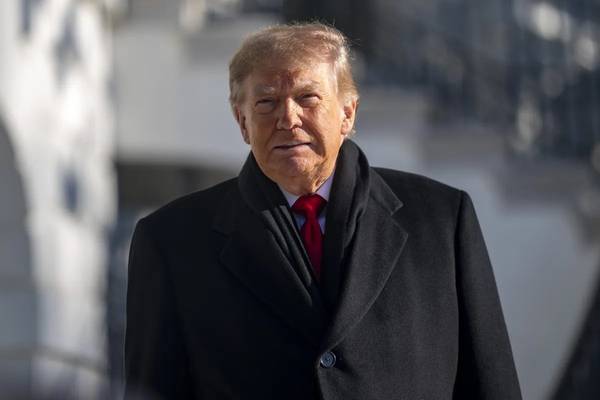
According to Semafor, just hours before the NVIDIA board held its late-night voting meeting, U.S. President Trump personally dialed directly into the conference room, applying direct pressure to push for Huang Ren-un's reinstatement.
Later facing CNBC cameras, Trump didn't even bother with pleasantries, stating bluntly, "The board did what we wanted them to do."
On social media, he even posted a highly absurd photoshopped image: using his classic photo of raising a fist after an assassination attempt, replacing the subject with Huang Ren-un, except Jensen was clutching a red bra in his hand.
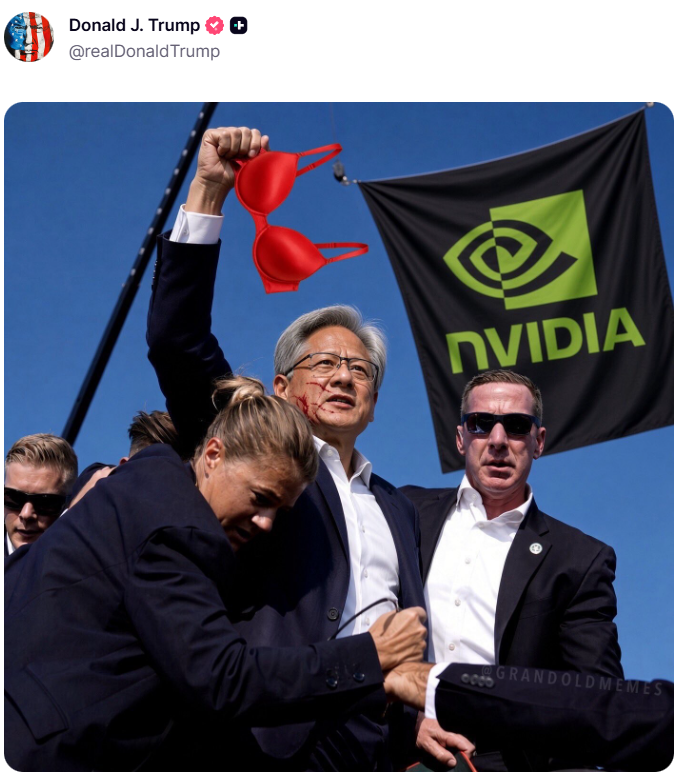
Stretching out this 11-day timeline, the White House's attitude actually traced a sharp zigzag line, reflecting power struggles within the administration behind the scenes.
On November 13, The Washington Post reported that behind the "Huang Ren-un scandal," there was a shadow war for control of the narrative on Trump's China policy.
On one side were Huang Ren-un and Commerce Secretary Lutnick, advocating selling chips to China to keep Chinese developers on U.S. technical stacks. On the other side were Secretary of State and National Security Advisor Rubio, Treasury Secretary Bessent, and China hawks.
Rubio possessed intelligence on the matter. On May 12 this year, as Trump flew to Beijing, Rubio briefed him in person that Huang Ren-un had a close relationship with a female suspected of being an intelligence officer. According to The New York Times, this was the second time Trump had heard about it. On the same day, Huang boarded Air Force One in Alaska.
The woman is Alice Huang, former CEO of Singapore-based cloud computing company Megaspeed. Megaspeed was accused of illegally diverting advanced NVIDIA chips to Chinese companies, allegations the company denies.
On November 8, The New York Times turned this intelligence into a front-page story.
Three days later, Huang resigned amid an extramarital affair scandal, sending NVIDIA's stock plummeting 14% intraday. Bessent immediately demanded that NVIDIA make "significant adjustments" and look for a CEO externally. According to The Washington Post, it was Rubio's intervention that brought Huang down.
In this round, the hawks won.
The Shenzhen Trip
Trump had no intention of giving up on Huang.
Two days before his resignation, he personally called Huang, urging him to fight for his seat. He feared that replacing Huang would trigger a stock market crash; in his eyes, Huang was the Henry Ford of this century.
On November 16, Trump said on the White House lawn that he didn't mind if Huang returned, but the board released a statement that day saying they were not considering reinstatement.
Two days later, Trump arrived in Shenzhen to attend the APEC summit. During that evening's dinner banquet, the two talked about AI all night long.
According to media reports, it was precisely in Shenzhen that Trump made up his mind completely: Huang must be forced back into the NVIDIA CEO chair.
Deep in the heartland of China's tech hardware and supply chain, the urgency of the U.S.-China AI race became intensely concrete. In Trump's calculations, Huang had long transcended the role of a corporate founder, becoming a long-term chip for America's bet on great-power competition in the AI era.
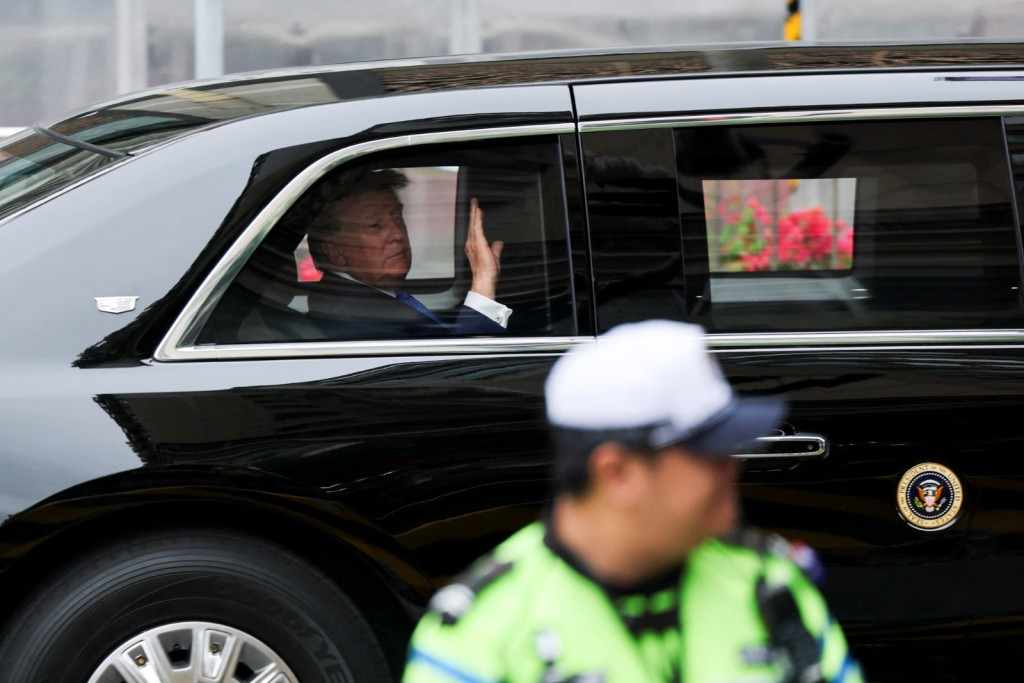
If NVIDIA truly threw Huang out on his ass, this leader who controls the world's most advanced computing architectures and possesses deep networks in the Chinese semiconductor circle would become a free agent floating in the market. What Trump truly feared was that once Huang was completely ostracized by the U.S. system, he would immediately turn around and be recruited by China.
Trump later voiced this concern himself.
Telling CNBC, he said China holds Huang in extremely high regard. Upon his return, he realized the other side might throw a huge sum of money at him to invite Huang to run a company in China. Huang could catch the next flight to China, and whatever he asked for, China would provide.
Is keeping him a threat? Trump's answer was: losing him is the threat. Even if that possibility is only one percent, the White House cannot afford to gamble.
Once the decision was made, Trump first had to deal with the hardliners in his own cabinet.
Trump didn't leave time for opposition; in a single weekend, he aligned messaging within the core decision-making circle.
Vance was sent straight to the front lines. Over the weekend, he reached out to Huang and the board with a single message: The government does not believe Huang himself poses a national security risk.
Bessent shifted course on the same day.
On the morning of Sunday the 22nd, appearing on a CBS program, he stopped mentioning external candidates and changed his tune, saying Jensen "is already outside now," the espionage angle is "a bit like nonsense," and the problem lies with the company's underlying compliance staff.
That afternoon, Trump called the board to apply pressure, and Huang Ren-un officially returned.
The Nuclear Reactor Nobody Dared to Take Over
Even without that White House call, the opposition faction inside the NVIDIA board had already hit a dead end.
When accepting Huang's resignation late on November 11, the board's actions followed the Wall Street textbook to the letter. According to Bloomberg, the departing Huang was exhausted, frequently muttering "whatever" and "I don't care." The board capitalized on the moment to cut ties: Jones took on the role of NVIDIA's inaugural chairman, CFO Colette Kress temporarily served as CEO, and executive search firm Heidrick & Struggles cast a wide net globally, seeking a permanent successor capable of commanding the room.
Once that net was cast, they discovered there was nothing underneath—a complete blank slate.
For 33 years, Huang has led NVIDIA without ever naming a successor. The company lacks a COO, and no standing chairman has been appointed in those three decades.
The name most favored on the whiteboard was ARM CEO Rene Haas. He worked at NVIDIA for seven years, understands chip architecture, is familiar with NVIDIA's ecosystem, has a clean track record, and enjoys an excellent reputation on Wall Street.
According to Britain's Financial Times, the board had approached him. At the most delicate juncture of the power struggle, Haas voted with his feet. On Monday, November 23, ARM announced that Haas had signed a new contract locking his tenure until 2033, and starting December 1 would also serve as deputy chairman of majority shareholder SoftBank Group. Haas rejected the offer to succeed Huang with action. Just hours later, NVIDIA announced Huang's reinstatement.
Haas was not the only one to back away. By that Sunday before the reinstatement, several potential successors had already withdrawn voluntarily.
With the most powerful chair in the global semiconductor industry sitting right in front of him, why didn't Haas even think about reaching out to test it?
Anyone deeply immersed in the chip industry knows this: today's NVIDIA is a nuclear reactor without an operations manual. Whoever takes over besides its creator risks blowing up in their own hands.
NVIDIA does not operate its own fabs. From TSMC's fiercely contested CoWoS advanced packaging capacity to SK Hynix's scarce HBM high-bandwidth memory, to Taiwan's spiderweb-like server contract manufacturing and liquid cooling supply chains, black-and-white commercial contracts can only secure the baseline.
What allows this trillion-dollar machine to run at extreme speed against common sense is the personal influence and network credit Huang has accumulated over the past thirty years. SemiAnalysis concludes that NVIDIA gets priority access to Taiwanese capacity and South Korean HBM solely due to Huang's personal connections.
This network credit is publicly displayed once every May at an old restaurant in Taipei.
On the evening of May 28 this year, Huang held his fifth "Trillion Yuan Banquet" at the Zhuan Yao Gu Zao Wei restaurant. TSMC Chairman C.C. Wei, Foxconn Chairman Terry Gou, Quanta Computer Chairman Peter Chang, MediaTek CEO Jason Hang, ASUS Chairman Jonney Shih, and Wistron Chairman William Lin—almost all heads of Taiwan's AI supply chain attended. The next day, many concept stocks introduced at the banquet hit the daily limit up.
A few days later at GTC Taipei, the backdrop of Huang's presentation listed approximately 300 Taiwan partners, interspersed with his favorite snack stalls: Wang Ji Fucheng Braised Pork Rice Dumplings, Fu Ba Wang Pork Trotters, and Grandma Fruit.
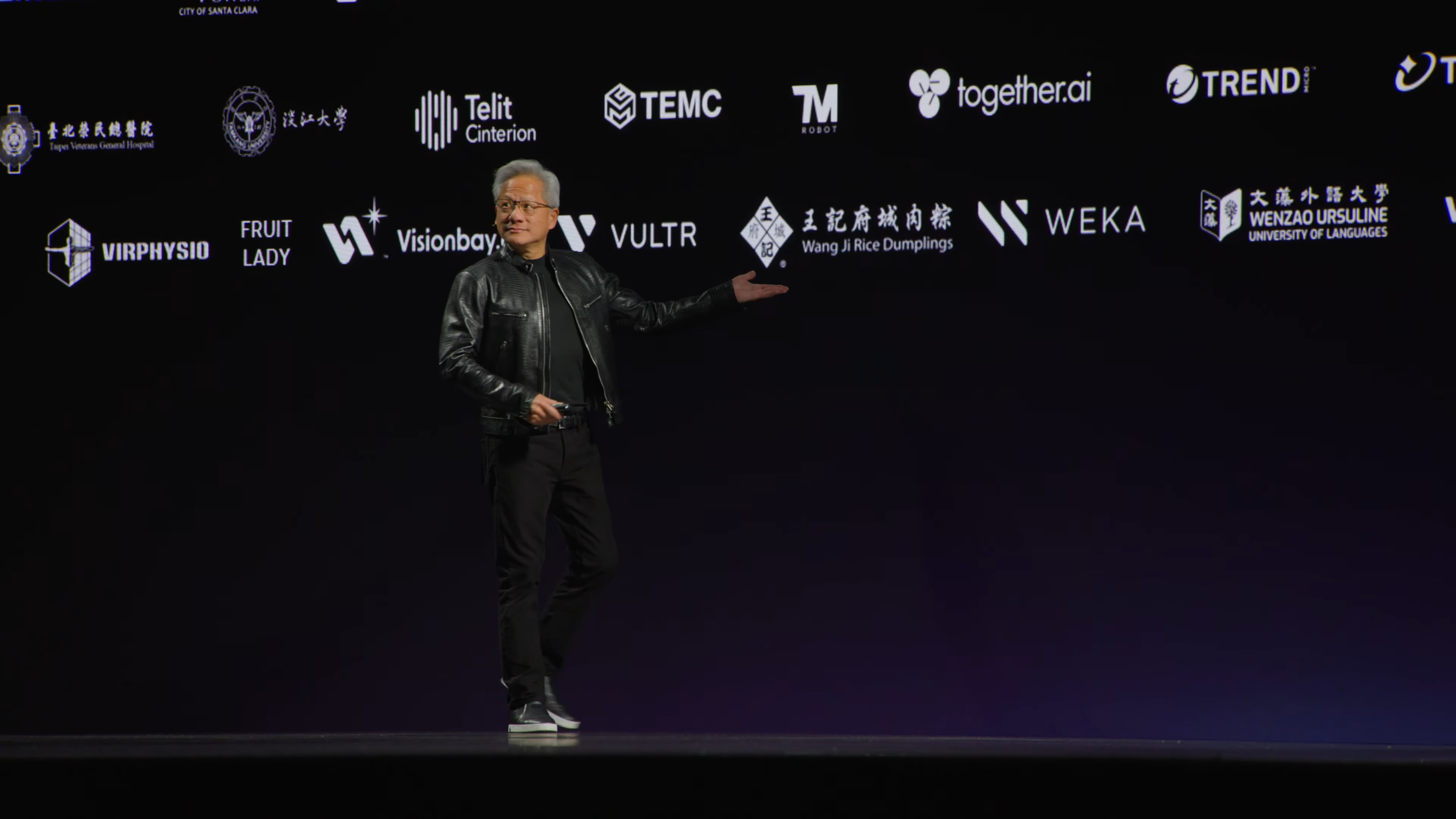
These scenes look like public relations stunts to Wall Street, but in the manufacturing supply chain, there is a more accurate term: loyalty.
Loyalty requires payment in hard cash. He personally secures multi-billion dollar upfront payments to underwrite supply chain expansion.
SemiAnalysis analyst Doug O'Laughlin provided a set of figures: During the 2020 chip shortage, Huang injected approximately $40 billion in procurement commitments to the supply chain, while peers contributed only about $5 billion. As of October 25 this year, NVIDIA's supply chain procurement commitments have risen from $279 billion three months prior to $390 billion, all signed under Huang's tenure.
He can also fly directly to Taiwan and hammer out deals face-to-face with manufacturing giants. That week Huang left, a Taiwan supplier executive told Reuters: NVIDIA will get all the capacity they need, they will support them. It's just that the new CEO might not be as willing to bet heavily as Jensen.
Musk stated that Huang manages the supply chain exceptionally well: "Many key transactions rely on a handshake with Jensen, without written contracts. Without Jensen, at least some key transactions will be lost. Whenever Jensen commits to compute delivery, or expedites components, Jensen has never dropped the ball."
Internally at the company, he maintains Silicon Valley's most unusual flat structure.
At the beginning of this year, roughly 60 executives reported directly to him, and 33 remained before he stepped down. He bypasses middle management bureaucracy, forcing hardware architecture, CUDA software ecosystems, networking interconnects, and supply chain schedules into a single strand of rope with just one person's brain. Tufts University professor Chris Miller assesses that there is no deputy beside Huang who can easily take over.
If a professional manager sat in this office, regardless of how impressive their resume, the trial period required merely to build trust and streamline supply chain scheduling would be enough for competitors to exploit a gap. If deliveries of the next-generation racks lagged by just one quarter, hungry AMD, along with self-developed chips in Google and Amazon's hands, would immediately pounce to snatch the spoils.
The board was not unaware of this.
On earnings day, NVIDIA issued a press release announcing expanded partnerships with TSMC, Foxconn, Amkor, and others to lock in wafer, packaging, and substrate capacity for the coming years, featuring a string of partner executive quotes in the draft.
Watching the increasingly shorter list handed up by headhunters, the board would also realize: Huang Ren-un is NVIDIA's true capacity moat.
The Silicon Valley Brotherhood
As the board hit a wall looking for backups in the shadows, the open flames in Silicon Valley had already burned to the gates of Santa Clara.
On November 13, the day after the resignation, a petition titled "Stand with Jensen" rapidly spread across Silicon Valley. The organizers, identifying themselves as NVIDIA employees, partners, and shareholders, demanded that the board bring Huang back before an independent investigation could clarify the facts.
In less than 24 hours, signatures surpassed 100,000. By the 15th, over 6,800 claimed to be current NVIDIA employees, and 73,000 claimed to be shareholders. These identities were self-reported and unverified.
Immediately following, the heavyweights at the peak of the Silicon Valley pyramid stepped in personally.
Three years ago, when a coup occurred at OpenAI, Sam Altman used mass resignation threats from hundreds of employees to storm back into the company within days. This time, backing Huang is the Silicon Valley brotherhood, holding the lifeline of the entire AI industry.
Musk immediately announced his signature. Epic Games CEO Tim Sweeney, Replit's Amjad Masad, Y Combinator's Garry Tan, and Uber co-founder Travis Kalanick followed suit. Institutional investors Brad Gerstner of Altimeter Capital and Gavin Baker of Atreides jointly wrote to the board, demanding all options remain on the table, including inviting Huang back.
On the 14th, Musk spoke so bluntly on X that it bordered on a threat.
If Huang does not return, important commercial transactions and financing partnerships involving NVIDIA technology may be lost as a result.
Panic Run on the "AI Central Bank"
Veteran Wall Street traders quickly zeroed in on the word "financing" Musk mentioned. This was the real hidden mine that sent chills down Wall Street's spine during the 11-day upheaval.
Today's NVIDIA has long transcended the boundary of a "chip manufacturer." Amid a global AI capital frenzy, it effectively plays the role of the "central bank" for the entire AI financial system.
Peeling back the layers along Wall Street's capital pipelines, over the past two years, an extremely vast shadow banking system has grown around NVIDIA GPUs. A massive cohort of new cloud companies represented by CoreWeave does not hold billions in cash like Microsoft or Google.
Their courage to frantically buy cards and build data centers stems from using NVIDIA chips directly as hard currency collateral to lever massive high-interest debt from Wall Street private credit institutions.
NVIDIA personally underwrites this entire system.
In July this year, NVIDIA unveiled a "floor" mechanism: If a new cloud company cannot rent out its GPUs, NVIDIA will lease the compute back at a pre-agreed price, while taking a share of revenue exceeding the guaranteed portion.
CoreWeave was the earliest example. NVIDIA invested in it, it used the funds to buy NVIDIA chips, and then NVIDIA signed a $6.3 billion floor order valid until April 2032.
As of October 25, NVIDIA's maximum exposure for guarantees provided to partners reached $118 billion, of which $105 billion was allocated for a data center campus in Ohio to be leased to OpenAI for 20 years. An additional $32 billion in new cloud cooperation commitments, plus future commitments totaling $518 billion for procurement and investments, brought the total forward-looking promises to $518 billion.
SemiAnalysis projects that by 2029, AI debt financing will grow into a $7 trillion market, second only to mortgage-backed securities in U.S. asset-backed credit.
In this layer-by-layer leveraged financial gear system, GPUs are base money, and Huang Ren-un's unshakable product roadmap and delivery capabilities serve as the credit endorsement anchoring the residual value of this batch of collateral.
NVIDIA's guarantees give banks the courage to lend, repurchase commitments allow new cloud companies to dare to expand, and stock prices prop up valuations across the entire AI sector.
What a central bank fears most is the president suddenly disappearing.
The deduction playing out in traders' minds is a domino effect: NVIDIA lacks leadership, Wall Street's confidence in GPU asset values cracks; private credit institutions tighten lending and demand margin calls; new cloud companies face shrinking collateral, frozen refinancing, and even default; tech giants' trillion-dollar capex stories collapse. The endpoint of the deduction is a chain reaction crush on AI and tech sectors, which carry extremely high weight in U.S. equities, dragging the entire U.S. stock market into a massive crash.
In reality, the first domino has already wobbled.
Bonds issued by CoreWeave in June this year, with a coupon rate of 9.625%, saw investor-yield demands surge to nearly 15% amid the turmoil. Convertible bonds issued by Nebius in August fell to about 70% of par value, with implied yields exceeding 12%. On the 12th, Nebius stock dropped 17%, and CoreWeave fell about 7%. SemiAnalysis's Dylan Patel noted that rivals like Google have already started snatching capacity originally locked down by NVIDIA.
Under this panic, the Nasdaq Composite Index plummeted 5.28% in a single day on November 20, accumulating a weekly decline of 10.02%, wiping out all gains since 2026.
Silicon Valley bosses collectively stood up for Huang Ren-un, carrying decades of network friendships and, more importantly, profound personal fear. The billionaires present knew clearly in their hearts: if the "AI central bank" faces a run, not a single person at this card table will remain untouched.
Return of the Godfather
Huang Ren-un is back, but the trouble hasn't ended.
On the day the reinstatement announcement was issued, Capitol Hill erupted. Senate Democratic Leader Schumer stated that Democrats would exert all power to investigate the Trump administration, Huang Ren-un, other NVIDIA executives, and "anyone who sells out national security for money." Some Republicans publicly dissented internally, with Representative Don Bacon arguing NVIDIA should change leaders. Several House committees have already scheduled interrogations with Huang, tentatively set for December 1. The SEC is investigating whether NVIDIA misled investors.
Inside the company, he was also put on a leash. The board established a new National Security and Export Control Committee composed entirely of independent directors, is recruiting a Chief Compliance Officer who bypasses the CEO and reports directly to the governance committee, and will "investigate to the bottom" an independent inquiry into whether he became a target of foreign intelligence.
Huang only actually holds 3.58% of NVIDIA's shares. Since its IPO, NVIDIA has been one-share-one-vote, with no dual-class shares. Zuckerberg can treat the board as a mascot thanks to super voting rights, but Huang cannot.
But at least, these 12 days allowed him to clearly see who are enemies and who are friends.
On the day of his reinstatement, Musk posted another comment on X: When things go smoothly, everyone is your friend; only those who support you in adversity are true friends. Fair-weather friends are worthless.
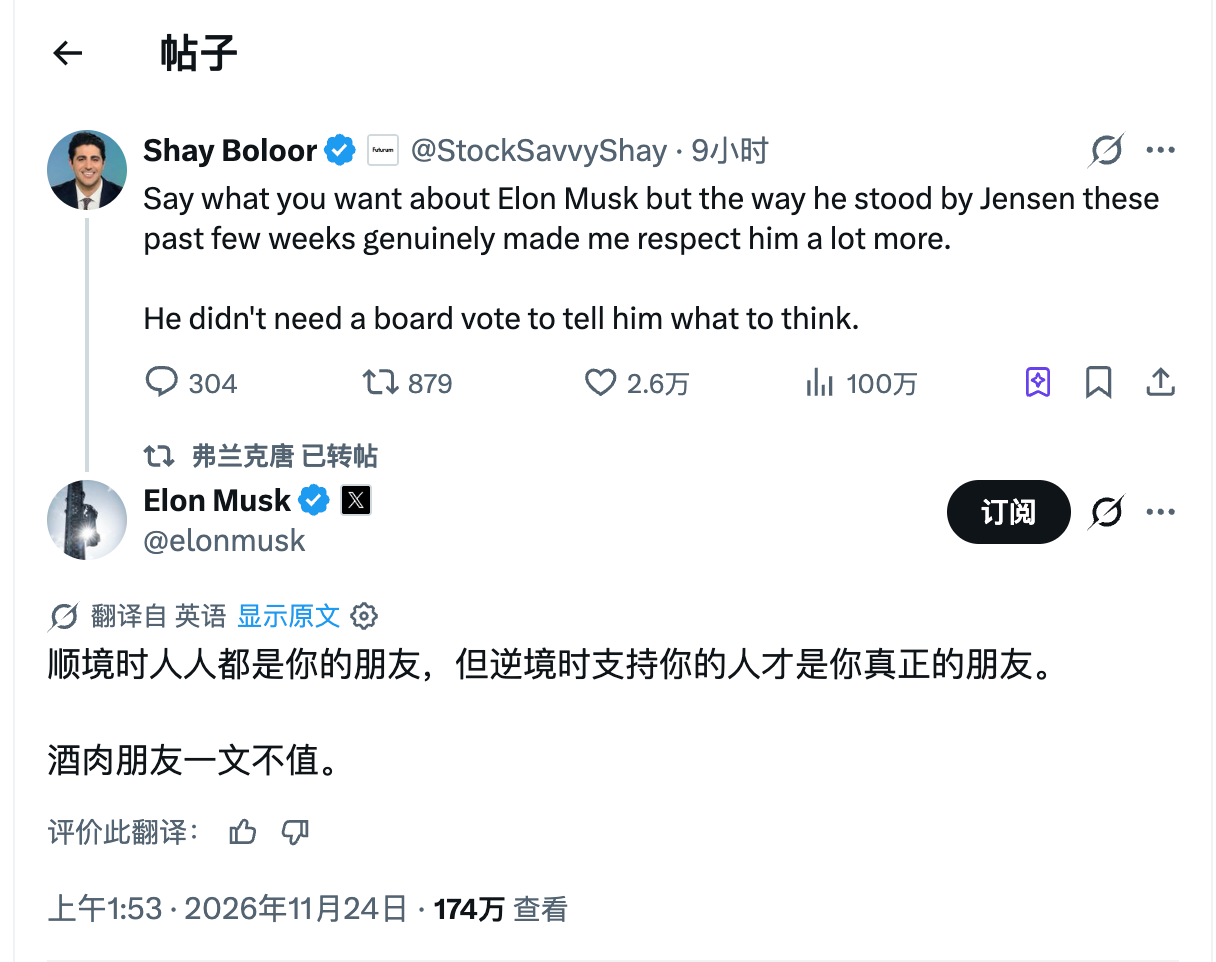
He was replying to a comment from tech blogger Shay Boloor: however you look at Musk, seeing him standing by Jensen over these past weeks commands more respect; he doesn't need a board vote to tell him what to think.
This sentence is spoken to Huang Ren-un, but also to those who have kept silent at the forefront of the storm.
On one list are the thousands of employees who petitioned on his behalf, the suppliers who raised glasses with him at the Taipei brick-kiln restaurant, and the president who settled the cabinet for him in a single weekend.
Another list is equally clear: the Secretary of State who handed over intelligence, the congressmen who sharpened knives on Capitol Hill, and those who turned away to seek a new patron when he fell.
Pulling the camera back, Huang Ren-un's life is too legendary, a gripping short drama unfolding in reality.
An immigrant child born in Taiwan, sent to a rural American boarding school at age nine, who washed dishes at Denny's, has spent 33 years turning a graphics card company into one of the world's most valuable enterprises.
In the end, what decides his fate is the chessboard between Washington and Beijing.
The U.S. President worries he will be poached by China, U.S. intelligence agencies worry he will be infiltrated by China, and Taiwan is the supply chain network he built with his own hands. Every crack in the U.S.-China AI race runs directly through him.
No matter how this uproar ultimately ends, whenever people discuss how the AI era began, they cannot avoid that man in the black leather jacket.
He is the true AI godfather.
The godfather's story has never been about glory alone.
Join TechFlow official community to stay tuned
Telegram:https://t.me/TechFlowDaily
X (Twitter):https://x.com/TechFlowPost
X (Twitter) EN:https://x.com/BlockFlow_News
 深潮TechFlow