Freezes Controlled, Refunds Unregulated: On-Chain Power and Rule Vacuums in the Stablecoin Duopoly
Authors: Ryan Weeks, Olga Kharif, Bloomberg
Compiled by: Saoirse, Foresight News
Original Link: https://www.bloomberg.com/news/articles/2026-11-25/behind-binance-hack-a-reckoning-over-who-controls-crypto
Last month, North Korean hackers stole billions from Binance. The world's largest cryptocurrency exchange had to turn to Tether and Circle to minimize its losses.
Both companies issue USD-pegged stablecoins, and this time they reacted with unusual speed, directly freezing the addresses used by the hackers to launder the stolen funds. This incident highlights both the severity of the attack and the gradual maturation of the industry, while also demonstrating that Tether and Circle wield extremely strong control over their own issued stablecoins. Together, they dominate the market; just their mainstream stablecoins account for 86% of the global circulating supply.
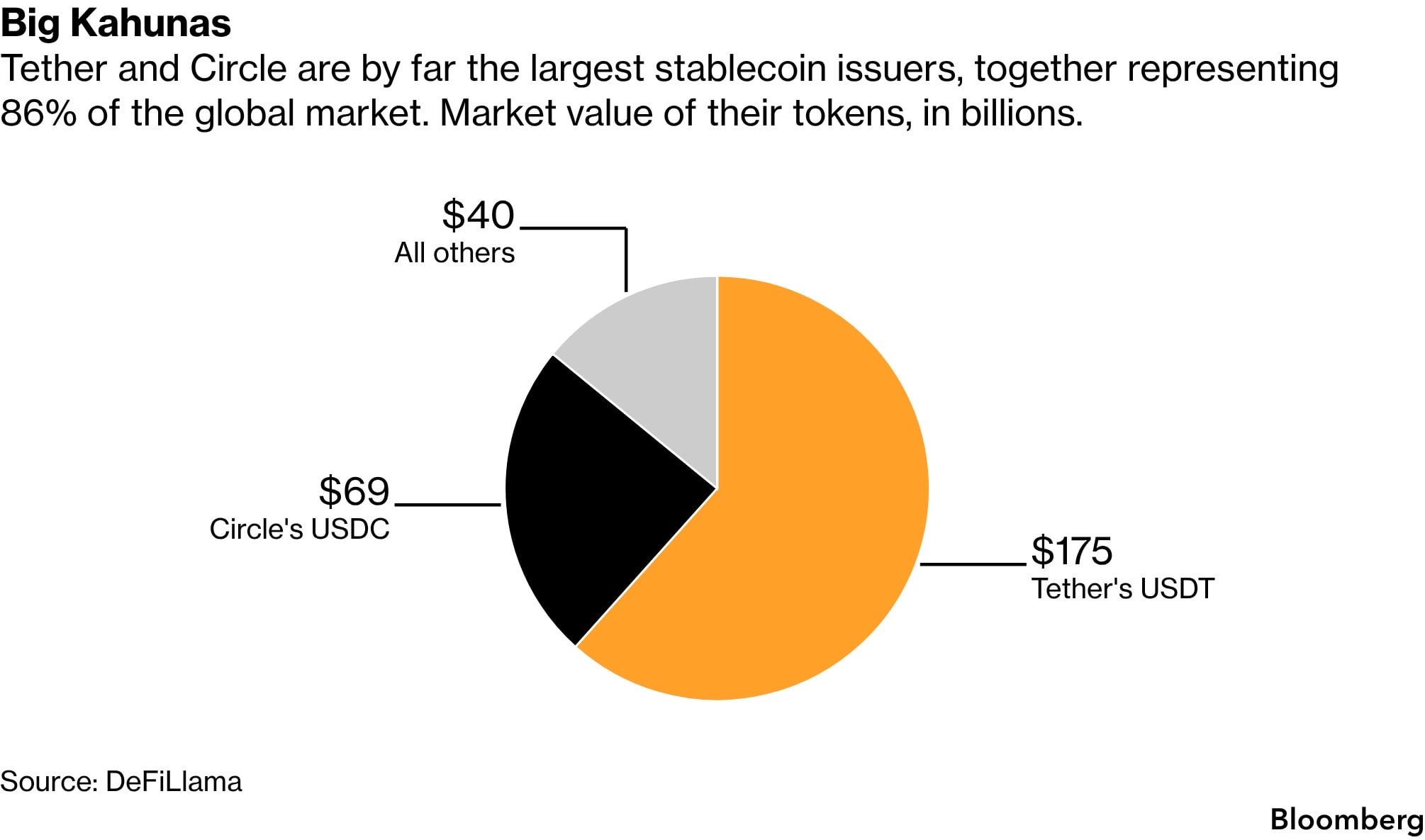
Figure: Tether's USDT ($175 billion) and Circle's USDC ($69 billion) together account for 86% of the global stablecoin market, while all other stablecoin projects combined have a market cap of only $40 billion, indicating extremely high industry concentration
During this $6.3 billion theft, Tether froze over $1.5 billion worth of USDT in just 30 minutes, and Circle froze $1.1 billion in USDC. This swift action was triggered after Binance and the U.S. government made requests, effectively slamming on the brakes to prevent further escalating losses from the massive heist.
Prior to this, Tether and Circle handled freezes very differently. Freezing simply means blocking assets at a specific address on the blockchain to prevent incoming or outgoing transfers. Tether has long been criticized for inconsistent standards, sometimes allowing funds to move freely while other times outright blacklisting addresses. Many users have reported that Tether may charge a fee when returning assets. In contrast, Circle's previous policy required a court order before executing a freeze. This process was slow and cumbersome, often resulting in funds being moved long before the ruling was finalized.
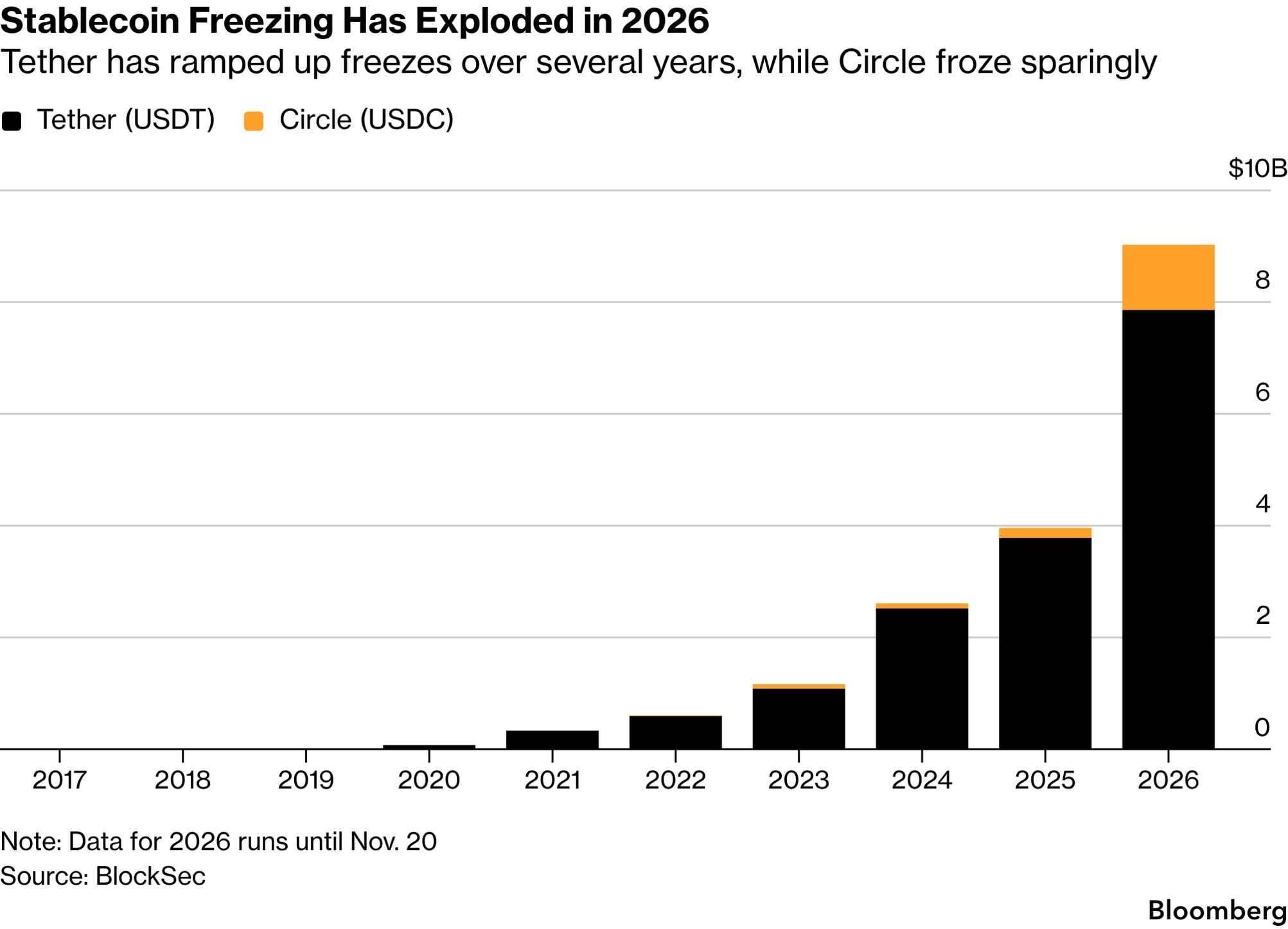
Figure: Stablecoin freeze amounts surged significantly in 2026; Tether's USDT freeze volume has been climbing steadily for years, while Circle's USDC previously saw little activity but also increased noticeably in 2026 (data as of November 20, 2026)
However, following this Binance hack, both companies acted almost immediately. Circle describes this model as: collective defense must keep pace with on-chain transaction speeds. Binance previously invested $100 million in Circle, deepening their partnership and renewing a five-year agreement. Thanks to this relationship, Circle's approach this time differed from past hacks. Back in May, Circle updated its website policies, dropping the strict requirement for court orders and stating that legitimate directives from law enforcement authorities would suffice for freezes. A spokesperson noted that this change merely codified practices they had already been following.
Afterwards, Binance gradually reopened withdrawals and used its own capital to compensate users for stolen tokens. For crypto investors, this is already a relatively positive outcome, as otherwise users would either be unable to recover their funds or face indefinite waits. Nevertheless, Binance's rapid handling this time stands in stark contrast to the experiences of early hacking victims: many struggled for years yet still couldn't recover frozen assets.
Frozen Assets: Unresolved Recovery Claims
Bittok Technology Pte. Ltd., a small Singapore-based crypto exchange, is a typical example. It was hacked out of $50 million in June 2020, and Tether froze a portion of the implicated funds. Over five years later, after rounds of legal maneuvering, the USDT belonging to Bittok remains unrecovered.
Emails seen by Bloomberg show that Tether's proxy lawyer informed the company that acquired Bittok that reclaiming the assets requires paying a 20% "reissuance fee." This is not an isolated case: multiple individuals involved in negotiations, who wished to remain anonymous, stated that in several instances, victims could only recover stolen USDT in installments, subject to the same fee.
Some victims fared even worse. Valentyn Golyshenko from Berlin was scammed out of $75,000 and spent months online pleading for help from Tether, regulators, and officials. According to him, his request to freeze the assets was denied, and the funds in his wallet were ultimately drained. Tether CEO Paolo Ardoino appears to have blocked him, and Golyshenko recently set his X account to private.
Criticism of Circle largely centers on its rigid rules. In April this year, Drift Protocol was hacked, and a large amount of stolen funds were converted into USDC. Circle did not freeze them immediately, citing the need for a court order. Researchers have documented over a dozen similar cases over the past few years where Circle opted against immediate freezing. Ollie Smith, a senior investigator at crypto tracking firm zeroShadow and former police officer, stated: "Obtaining such court rulings involves complex procedures and high barriers, making it completely impossible to accomplish within 35 minutes."
Balancing Competing Demands
This $6.3 billion Binance hack is unprecedented in terms of amount, scope, and methods. It ranks not only as the largest cyber heist in the crypto industry's history but also as the highest-value property crime globally. The U.S. government and industry analysts attribute the attack to North Korea. Binance has released details revealing that hackers spent months infiltrating its systems, employing tactics such as fake job interviews.
In a recent interview, Paolo Ardoino explained that Tether's approach is to cooperate with law enforcement while simultaneously managing its own risks.
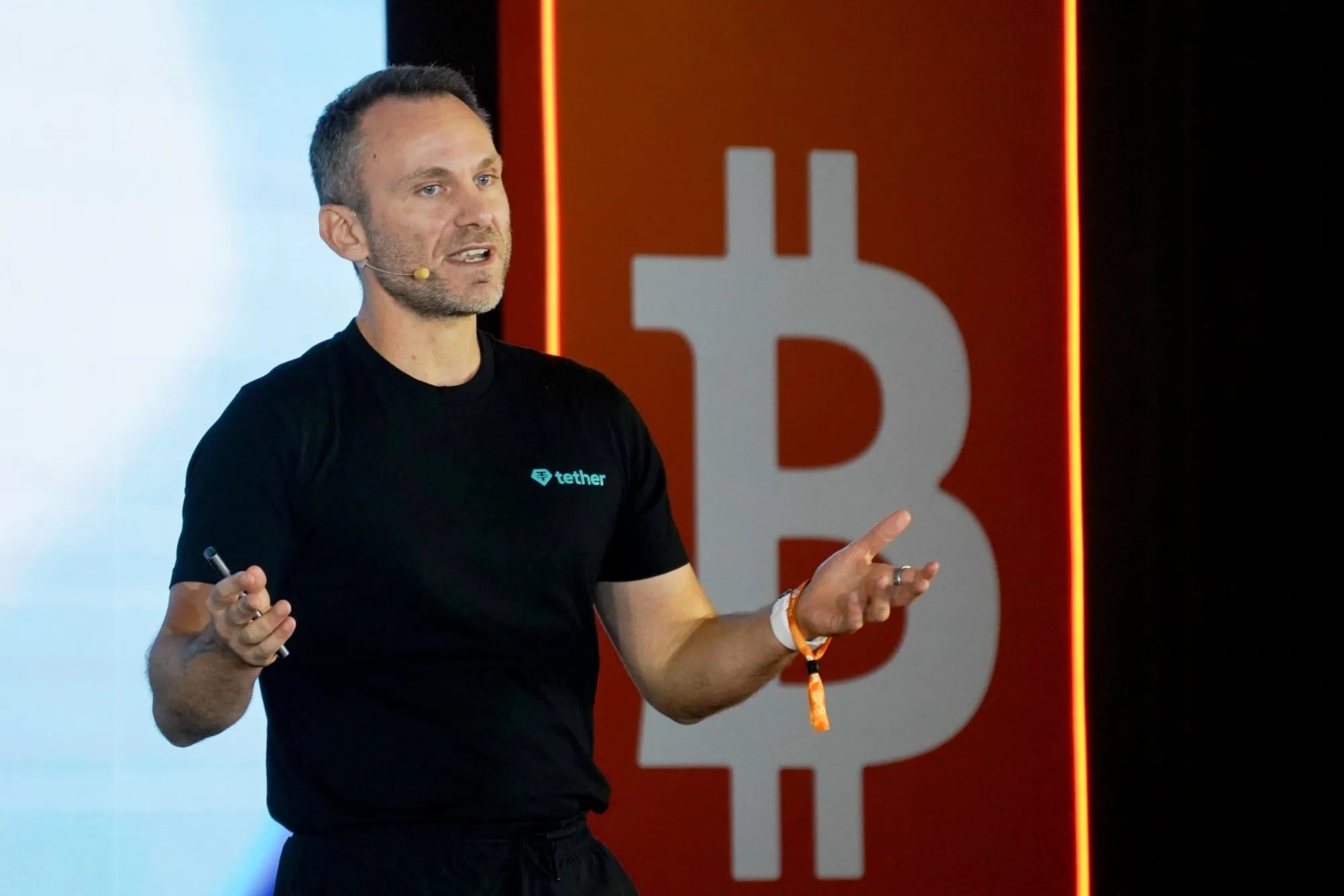
Figure: Tether CEO Paolo Ardoino, Photo: Camilo Freedman/Bloomberg
"In civil cases, we reissue tokens in batches to manage risk, as multiple parties may claim entitlement to the same funds," he said. "The biggest issue now is the lack of clear guidelines or dedicated legislation governing this area."
A Tether spokesperson said the company is establishing emergency channels with several top crypto exchanges to rapidly respond to situations like the Binance hack. The spokesperson added that so far, Tether has reissued $1.2 billion in USDT, with collected fees covering processing and legal costs.
Tether has consistently promoted its efforts to combat illicit funds, particularly during Trump's second term. In its announcement regarding the Binance hack, it stated it has frozen over $7 billion in assets to date; the U.S. Department of Justice has also acknowledged Tether's cooperation in fighting money laundering and intercepting funds heading to sanctioned regions like Iran.
The spokesperson noted that Tether currently collaborates with law enforcement agencies across 73 countries, totaling over 170 entities, to prevent the illegal use of stablecoins. It also conducts training for officers on four continents, teaching them how to investigate cryptocurrency-related crimes.
However, frequent asset freezes have led to a string of lawsuits against Tether in various countries. Over the past few months, multiple institutions and payment companies have sued Tether over its freezing policies, and it is simultaneously entangled in litigation concerning Iranian-linked assets. Five years ago, Tether's situation was entirely different. In 2021, U.S. state and federal regulators accused it of misreporting USDT reserves, fining it approximately $60 million—a penalty targeting the collateral that underpins the token's peg to the dollar. Tether did not admit wrongdoing.
At that time, Tether rarely executed large-scale freezes and did not proactively publicize them. But during this Trump administration, Tether has actively aligned itself with U.S. policies, including the new stablecoin regulatory framework implemented in 2025, as well as American initiatives aiming for USD-pegged stablecoins to play a prominent role in global currency markets.
Ari Redbord, head of global policy at a blockchain security firm, noted that the increasing prevalence of stablecoin freezes stems from the frequent occurrence of large-scale hacks and illicit fund transfers in the sector. He believes this trend will persist, arguing that the real test isn't whether Tether or Circle can instantly freeze funds, but whether victims ultimately recover their money. "The core of the entire matter is token reissuance. Only through reissuance can victims get their funds back," Redbord stated.
The 'Rule of Law First' Stance
Headquartered in El Salvador, Tether is a private company known for its independent operational style and expanding business scope, which now includes gold and private securities. Circle, an NYSE-listed company based in New York, has prioritized compliance since its inception. Circle CEO Jeremy Allaire has historically taken a cautious approach, striving to avoid regulatory scrutiny.
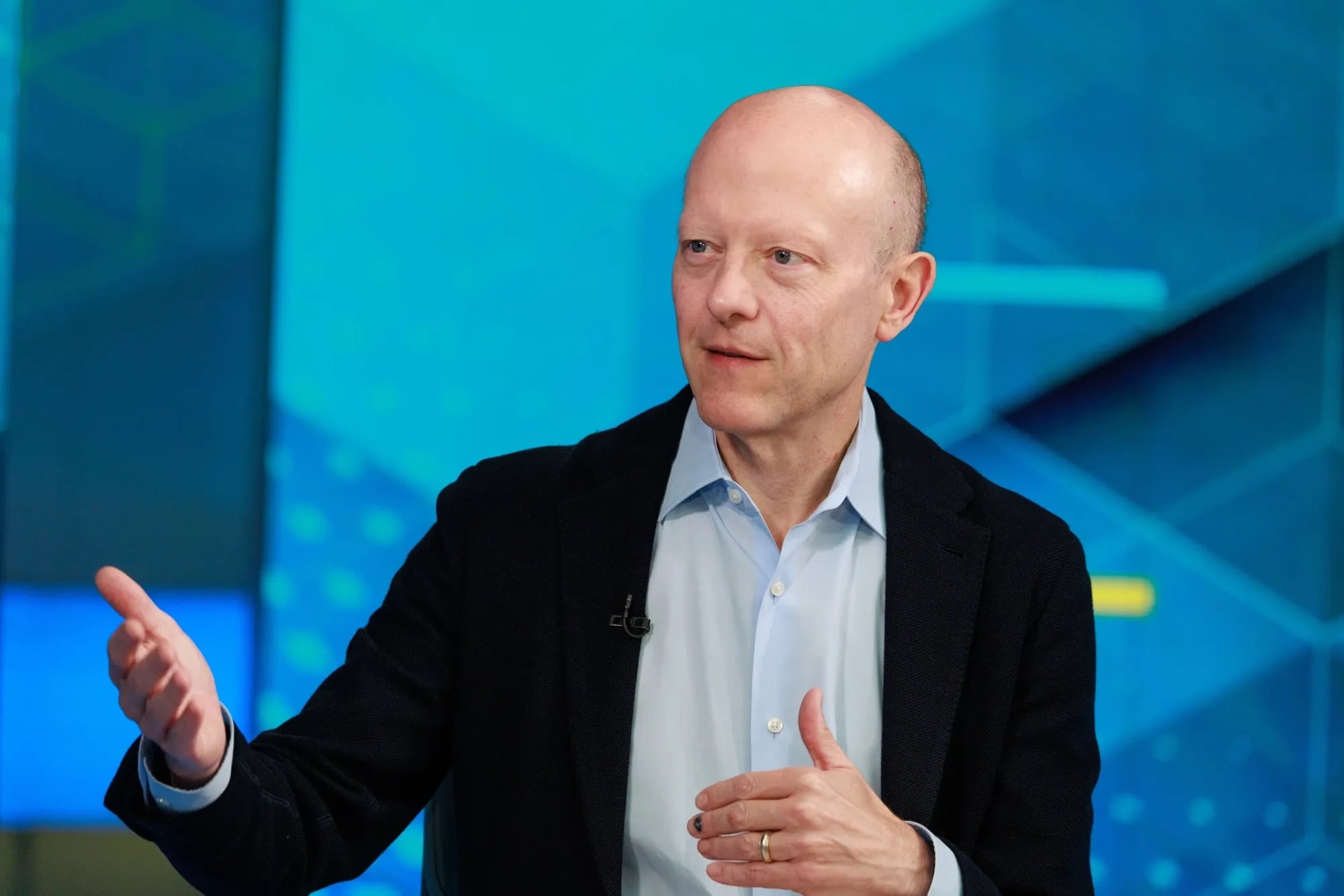
Figure: Circle CEO Jeremy Allaire, Photo: Jason Alden/Bloomberg
Jeremy Allaire stated in a recent interview: "We are a company that operates according to the law." He explained that as hacker tactics grow more sophisticated and law enforcement demands evolve, Circle's methods adapt accordingly. "Security threats change rapidly, showing significant shifts even within three months. Circle, the entire industry, and law enforcement must now collaborate and respond much faster."
However, this rationale lacks persuasiveness for Joshua McCollum, lead plaintiff in the class-action lawsuit stemming from the Drift hack. Court documents show McCollum lost approximately $23,500 in a vulnerability exploit on April 1 and joined over 100 other plaintiffs in seeking damages. The complaint notes that at the time of the attack, numerous prominent figures in the crypto space had already alerted Circle via social media that funds were being siphoned off. Nevertheless, Circle refused to freeze the assets, citing the need for a court order, with Allaire also warning that premature intervention could create ethical dilemmas.
McCollum's representing law firm, Gibbs Mura, wrote in a statement: "Circle's swift action last month during the Binance hack proved it has always had the capability to cut losses promptly and protect users and investors. Unfortunately, for Drift victims, this measure arrived too late."
Circle has already filed a motion to dismiss the case, with a spokesperson stating that the company does not comment on ongoing litigation.
Divergent Paths, Converging Recovery Hurdles
While each case presents unique circumstances, the obstacles to recovering frozen stablecoins from either Tether or Circle remain largely similar.
Sathya Narayanan Subramanian, a lawyer at India's VSM Legal Associates, has assisted USDT holders from Russia, Germany, and Spain. He notes that while Tether promptly executes freeze directives, none of his clients have successfully reclaimed their reissued assets. "To be honest, Tether hardly suffers any loss. Ultimately, they hold the control over the funds," Subramanian said. Along with him, numerous victims and lawyers have expressed that reclaiming frozen assets faces substantial resistance.
The shifting political landscape in the U.S. may also impact all victims awaiting recovery. Policy analysts suggest that although Trump remains in the White House, Democrats now control both chambers of Congress, a development unfavorable to the crypto industry. How this translates to those pursuing stolen funds remains unclear.
Notably, in September, the Senate Permanent Subcommittee on Investigations released a report concluding that Iran exploited USDT to circumvent sanctions and fund regional militias like Hezbollah, holding Tether accountable.
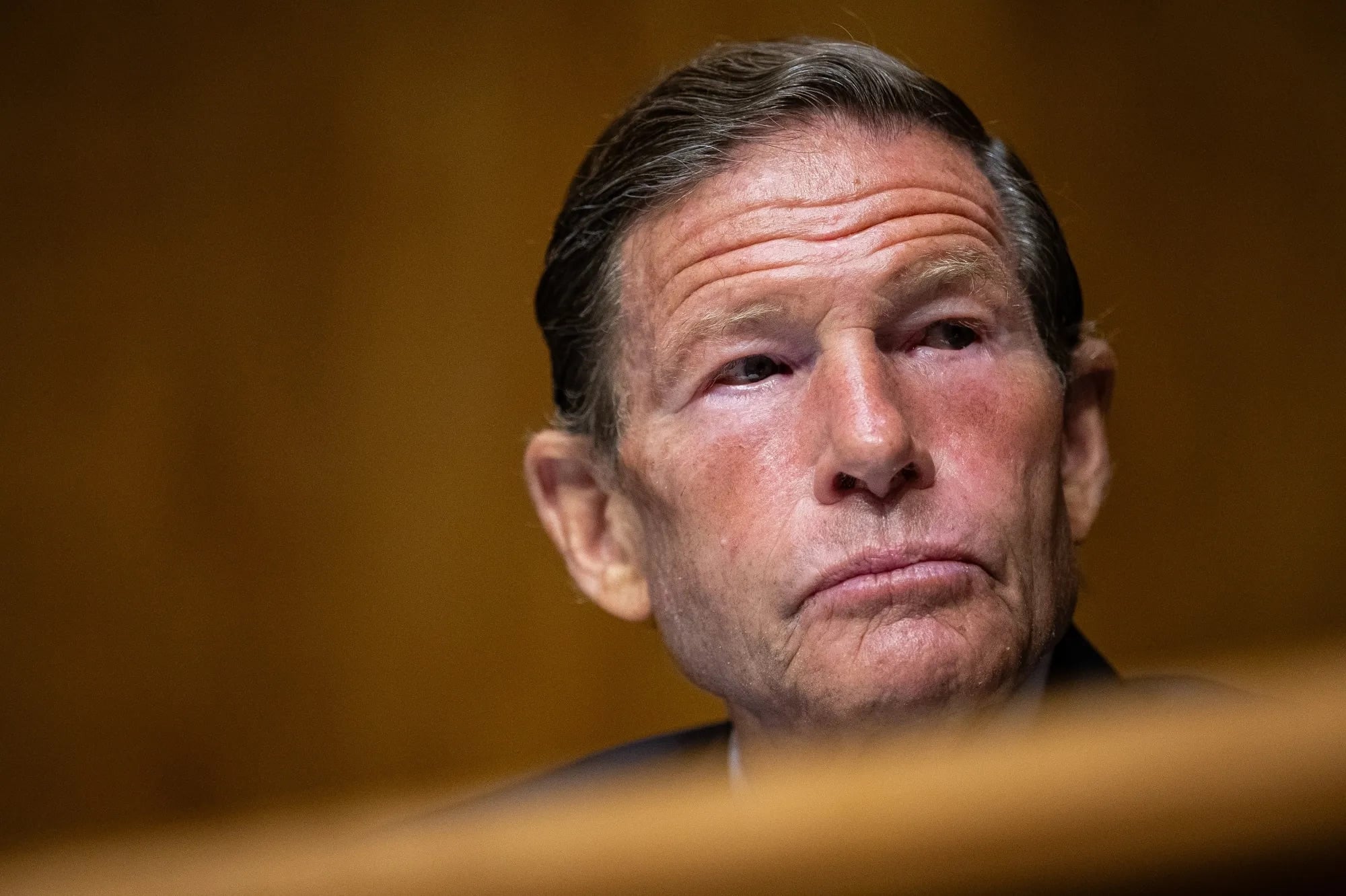
Figure: Senator Richard Blumenthal, Photo: Graeme Sloan/Bloomberg
Richard Blumenthal, the Connecticut Democratic senator who authored the report, stated that Tether has done far too little to prevent criminals from using its tokens. A longtime advocate for strengthening consumer protection regulations in the crypto sector, he said in an interview: "This company deserves a comprehensive and thorough audit."
Paolo Ardoino countered Blumenthal, dismissing his claims as baseless and politically motivated. Yet both Ardoino and Allaire recognize internally that this Binance hack serves as a critical moment for both companies to prove themselves to users and regulators. "Bad actors will always devise new methods, and we will continuously upgrade our tactics to track and intercept them," Ardoino remarked in the interview. "It's akin to how robbery won't disappear entirely, but law enforcement constantly evolves to catch perpetrators. That's exactly what we're doing now."
Join TechFlow official community to stay tuned
Telegram:https://t.me/TechFlowDaily
X (Twitter):https://x.com/TechFlowPost
X (Twitter) EN:https://x.com/BlockFlow_News
 @Bloomberg