The Clarity Crypto Bill Journey: The Thorny Path of US Bipartisan Compromise
TechFlow Selected TechFlow Selected
The Clarity Crypto Bill Journey: The Thorny Path of US Bipartisan Compromise
Clarity Bill Rushes Through Congress: Ethics and Banking Resistance Back in Spotlight After Stablecoin Yield Compromise.
 Navigating Web3 tides with focused insights
By: Forbes
Compiled by: AididiaoJP, Foresight News
Bipartisan lawmakers in the US Congress are preparing to advance crypto market structure legislation, namely the highly anticipated Clarity Act. As with all landmark bills before it, whether compromise can be reached on contentious issues will determine the life or death of this legislation.
For the Clarity Act, this road has been quite bumpy.
In January this year, Coinbase CEO Brian Armstrong suddenly intervened, overturning a bipartisan agreement and vote already reached by the Senate Banking Committee. The bill has failed to effectively restart since then.
Racing Against the Congressional Clock
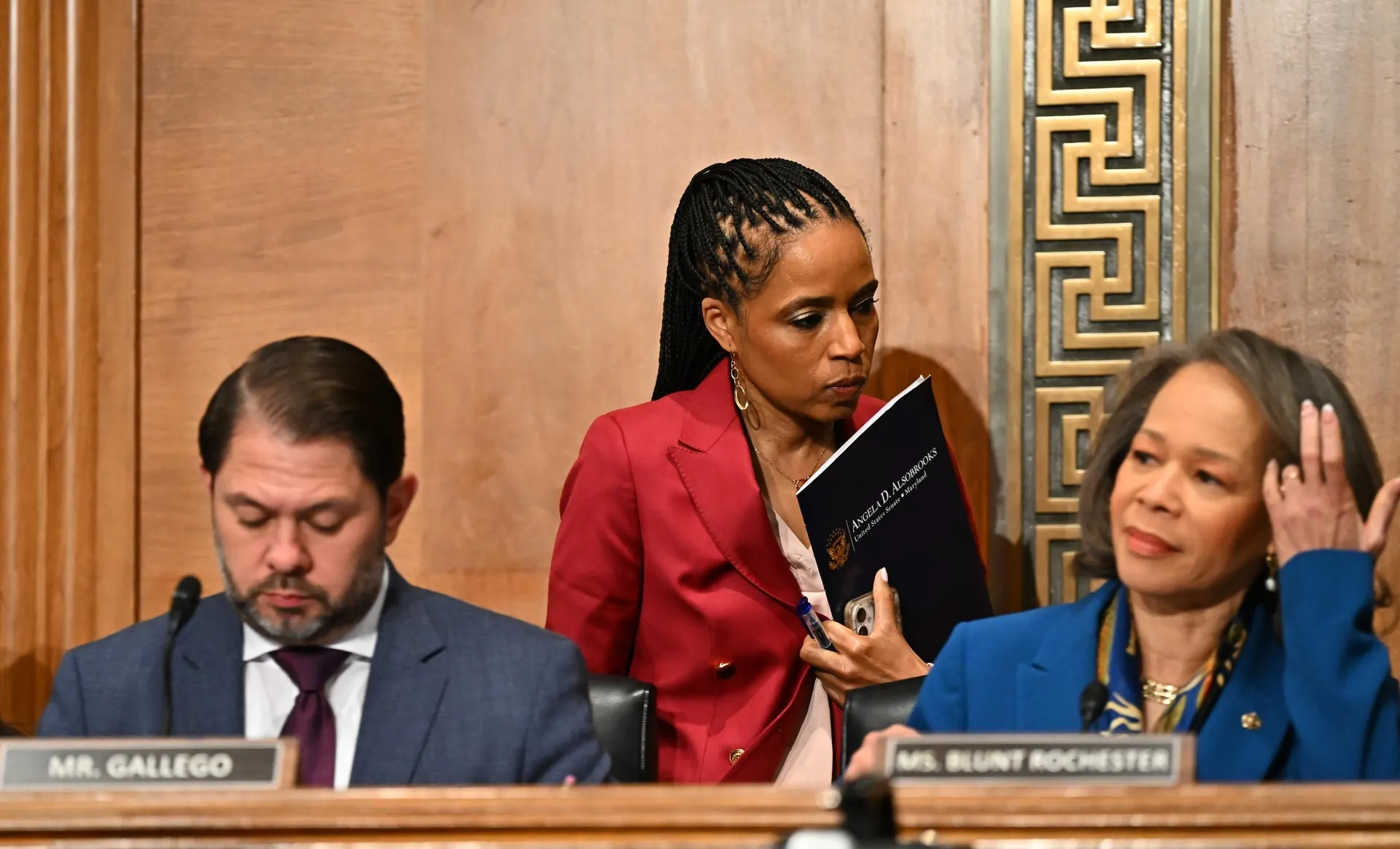
It took another four months for the committee to schedule the bill on the congressional agenda. This green light benefited from a bipartisan compromise reached by Maryland Democratic Senator Angela Alsobrooks and North Carolina Republican Senator Thom Tillis on the issue of "yield".
This was originally positive progress, but at this point, ethics provisions had become a critical non-negotiable condition for Democrats. Ultimately, when the committee advanced the bill in May, it received support from only two Democratic senators—Alsobrooks and Arizona Senator Ruben Gallego. Both clearly stated that the next vote would depend on how ethics issues were handled.
Senator Alsobrooks clarified her position in a statement: "I have been working hard to make the bill better. Please allow me to state very clearly: my vote today is to continue moving forward in good faith. This does not mean I will support passing the Clarity Act on the Senate floor. We still have work to do."
Senator Gallego expressed a similar view: "My vote today is to allow us to continue these efforts. But I want to be clear: the vote here does not guarantee my support on the floor. We still have many unresolved issues to address. The most difficult and critical among them is reaching an agreement on ethics guardrails for elected officials."
Due to the failure to reach an agreement on ethics issues, the Clarity Act in the Senate Agriculture Committee ultimately passed via a party-line vote, without any Democratic support.
Is Crypto Policy Compromise Possible?
Entering the heat of July, Senate Republicans are rushing to schedule a floor vote. At this point, those demanding ethics provisions are no longer just Democrats. Controversy over yield has also caused more Republicans to side with big banks, while law enforcement agencies strongly oppose developer protection provisions.
Illicit finance and consumer risk remain core concerns, and statements from two senior senators last week were notable.
Wyoming Republican Senator Cynthia Lummis posted on the X platform, emphasizing consumer protection provisions: "We drafted the Clarity Act to give law enforcement more tools, not fewer. The bill writes into law real-time interception between exchanges and investigators, allowing illicit funds to be frozen within hours rather than waiting years, and preserves all money laundering charges investigators have already relied upon."
Virginia Democratic Senator Mark Warner expressed optimism and concern when talking about bad actors at a recent Senate Finance Committee nomination hearing: "I want to get this done. I am tired of being in 'crypto hell'. But we must do it in a way that does not make things worse. I hope the US leads in the digital asset space. If we mess this up, the consequences are equally huge."
What Is the Path Forward for Congress?
Indeed, there is consensus between both parties on the need for market structure legislation, but compromise, the hallmark of the Washington legislative system, is facing significant resistance.
Nevertheless, momentum is still building. On July 17, the US House Financial Services Committee held a field hearing in New York City. Senator Lummis and Ohio Senator Bernie Moreno met with White House officials to discuss the bill and explore possible ethics language.
There is high expectation from all sides for the reconciliation text of the Senate Banking Committee and Agriculture Committee versions, which is expected to be released later this week. However, some lawmakers question whether it can gain sufficient bipartisan support. Senator Gallego stated in an interview with media last week: "They are taking their own version of ethics provisions to see the President, not what we Democrats agreed to... Ultimately, we do not have strong ethics provisions. I don't care what the President says. No Democratic votes."
Congress Holds Legislative Authority
It is Congress, as the legislative branch, that can advance legislation. Can Congressional Republicans obtain a strong ethics agreement from the executive branch that Democrats are willing to co-sign? The answer seems to vary. Industry grassroots enthusiasm is high, news reports are filled with speculation, and C-suite executives are generally optimistic.
But beyond this noise, does the crypto community have short-term collective goals in the congressional process?
- A symbolic Senate floor action before the August recess, even if votes are insufficient?
- Passage in both chambers, ultimately signed into law in 2026?
- A framework reached through rigorous debate, containing compromises on ethics and BRCA (bank-related provisions?) to supplement the yield agreement previously reached?
Most likely, it is all of the above. Since both parties passed the "Financial Innovation and Technology for the 21st Century Act" (FIT21), substantial work to advance Clarity has never stopped.
At the current stage, setting clear goals helps clarify the timeline and provides guidance for bipartisan strategy on Capitol Hill when the July sprint is hindered.
Although the obstacle course for the Clarity Act is rough, the long and frustrating tradition of counting votes one by one and lobbying senators one by one for bipartisan support is exactly the tactic the crypto industry has time to employ and refine.
Join TechFlow official community to stay tuned
Telegram:https://t.me/TechFlowDaily
X (Twitter):https://x.com/TechFlowPost
X (Twitter) EN:https://x.com/BlockFlow_News
 Forbes