U.S. Stock Market Trend: Nasdaq Plunges 3.5% Intraday, Then Makes a Miraculous Recovery—CPI Data Tomorrow Will Reveal the Truth
TechFlow Selected TechFlow Selected
U.S. Stock Market Trend: Nasdaq Plunges 3.5% Intraday, Then Makes a Miraculous Recovery—CPI Data Tomorrow Will Reveal the Truth
If the CPI reading comes in above 4.5%, last week’s sharp decline may only be an appetizer.
 Navigating Web3 tides with focused insights
Author: Tide Research
On Tuesday, Wall Street staged a “kill-then-rescue” thriller.
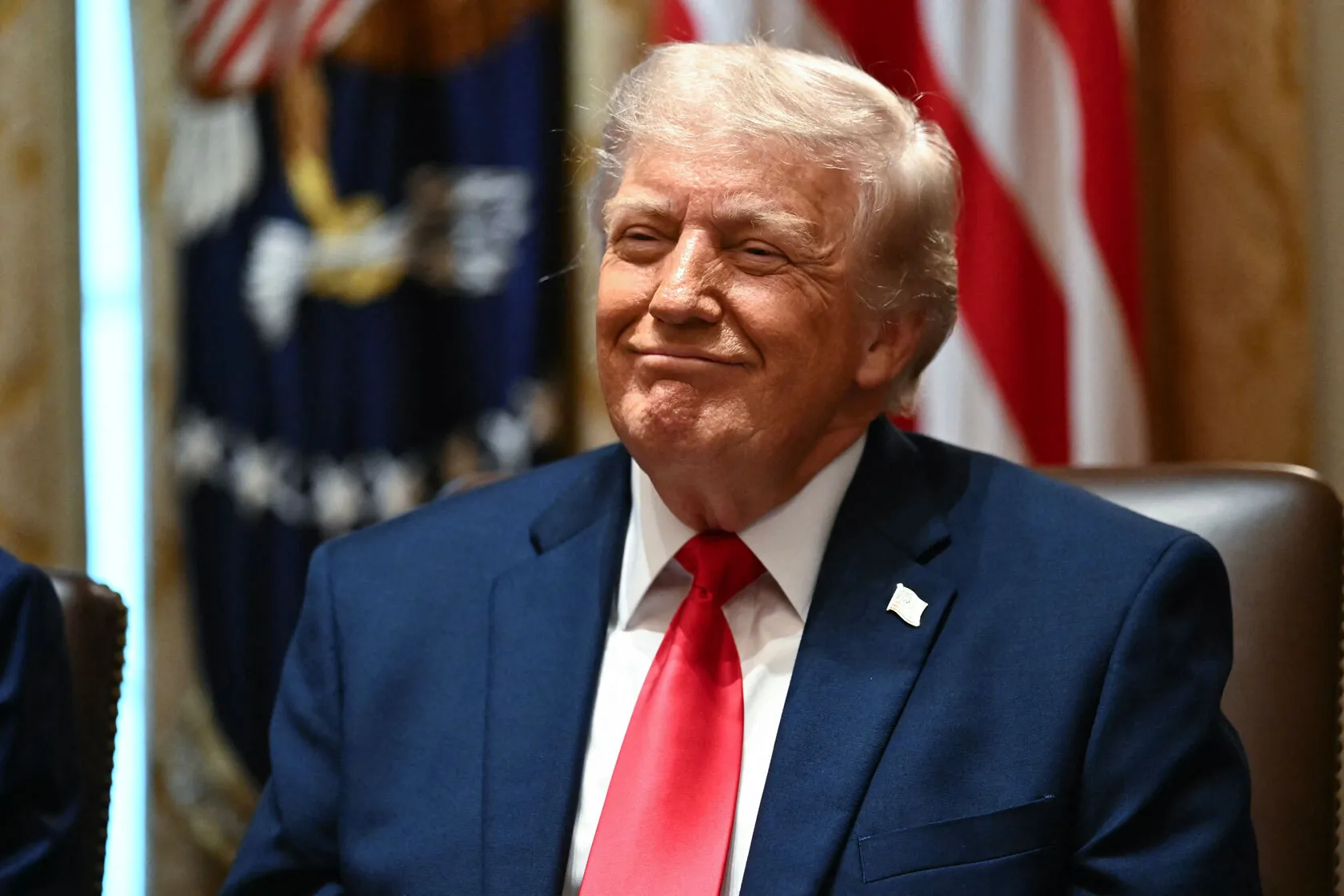
Markets advanced calmly in the morning, with the Nasdaq Composite rising nearly 0.7% at one point and chip stocks continuing Monday’s rebound. In the afternoon, Trump posted on Truth Social claiming that Iran had shot down a U.S. Army Apache helicopter over the Strait of Hormuz; although both pilots were safely rescued, the U.S. “must respond to this attack.”
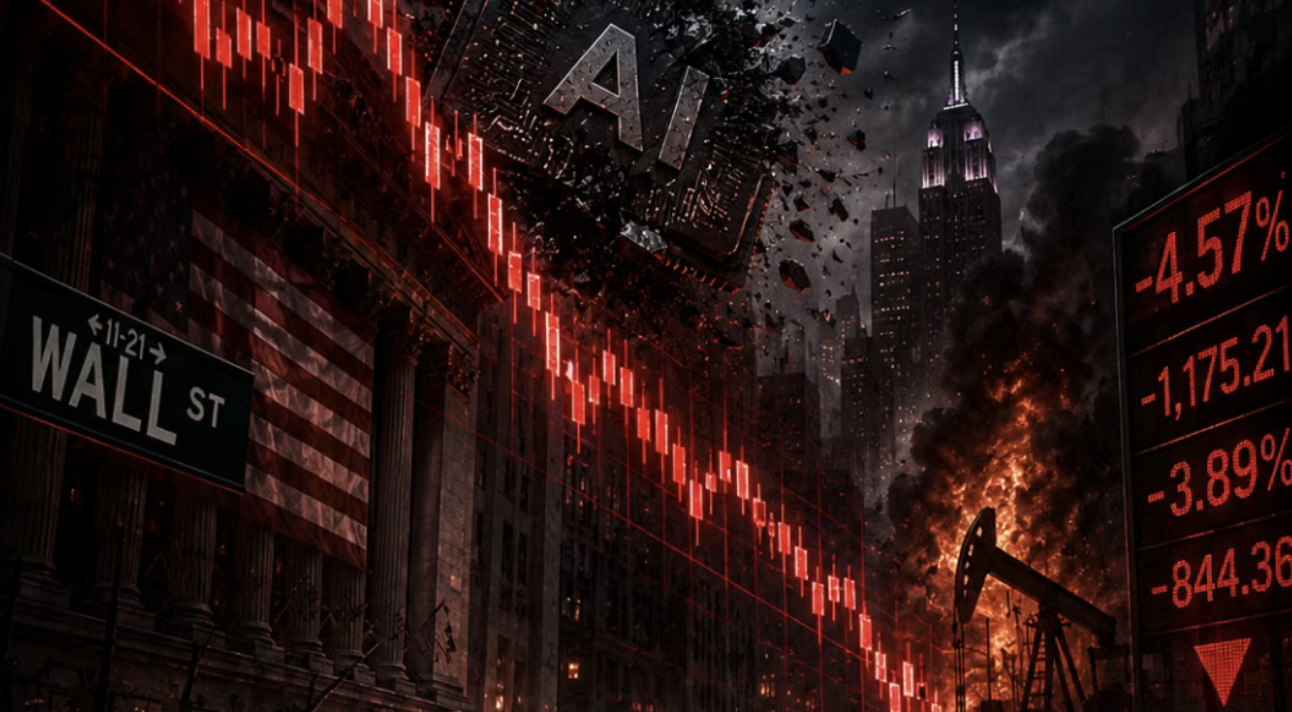
The Nasdaq instantly plunged, hitting an intraday low of -3.5%.
Over the next two hours, markets gradually recovered amid Trump’s follow-up remarks—“negotiations are still progressing” and “an agreement could be reached within two or three days”—ultimately narrowing losses. The Nasdaq closed down 0.97% at 25,678.82; the Nasdaq-100 fell 1.12%. The S&P 500 declined 0.26% to 7,386.65. The Dow Jones Industrial Average (Dow), supported by its non-tech constituents, rose 0.17% (+86 points) to 50,872.11.
From -3.5% to -0.97%, the Nasdaq recovered over 70% of its intraday loss in the final two hours before market close. This strong rebound signals two things: first, short sellers are hesitant to aggressively add positions ahead of tomorrow’s CPI release; second, the market remains confident that the “Iran issue will ultimately be resolved”—it’s merely a matter of timing.
The Helicopter Incident: First U.S. Military Asset Struck
This marks the first Apache helicopter lost by the U.S. since the U.S.-Iran conflict escalated at the end of February. Though no personnel were killed or injured, the mere fact that a U.S. military asset was struck crossed a psychological red line. Trump’s phrasing—“must respond”—represents one of his strongest statements yet on the Iran issue.
CNN reported that U.S. unmanned vessels rescued both pilots. Iranian Foreign Minister Araghchi responded on X: “Foreign military forces operating near our territory always face risks stemming from human error, accidents, or getting caught in crossfire.” The subtext is clear: Iran neither admits to shooting down the helicopter nor denies it.
Vice President Vance told CBS in an interview that the agreement is “very close,” but “some work remains.” After attending the NBA Finals (Spurs vs. Knicks), Trump told reporters the final deal could be reached “within two or three days,” and the Strait of Hormuz would reopen “immediately” upon signing. He stressed, however, that the U.S. blockade of Iranian ports would remain in place until an agreement is finalized.
Markets digested this shock during trading hours because, from March through June, investors have endured 100 days of Middle East volatility: every escalation has been followed by de-escalation; every missile launch has been followed by a tweet declaring “negotiations continue.” This is “war fatigue”—not fatigue with war itself, but fatigue with markets repeatedly being held hostage by war.
Sector Divergence: Tech Takes Another Hit; Dow Holds Steady
Of the S&P 500’s 11 sectors, only Technology (-2%) and Energy ended the day lower; all other nine sectors gained. The Dow’s non-tech components held the line.
This divergence has persisted for the past week: the Dow steady, the Nasdaq collapsing. From June 4 (Thursday) to June 9 (Tuesday), the Nasdaq fell over 5%, while the Dow declined less than 1.5%. The flow of capital from AI chips into defensive sectors—including healthcare, financials, and consumer staples—shows no signs of slowing.
NVIDIA edged down 0.22%; Micron fell 1.41%. Following last Friday’s trillion-dollar chip-sector bloodbath, chip stocks neither plunged again in panic nor staged a convincing V-shaped recovery—they’ve simply been grinding sideways at lows. Institutions are waiting for one thing: tomorrow’s CPI report.
Oil: Helicopter Shot Down—but Oil Prices Fall
Tuesday’s most counterintuitive move occurred in crude oil markets.
With a U.S. military helicopter shot down, logic suggests oil prices should surge. Yet WTI crude plummeted 3.93% to $87.73 per barrel; Brent fell 1.3% to $93.02. Three bearish factors converged: Trump and Vance’s “deal is imminent” comments dampened war-related risk premiums; OPEC+ approved an additional 188,000 barrels per day of output starting in July; and after last week’s blowout nonfarm payrolls report, markets began pricing in Fed rate hikes that could curb demand.
WTI falling below $90 is a key psychological threshold—the last time it traded there was in mid-April, right after the first ceasefire. If tomorrow’s CPI shows inflation cooling due to falling oil prices, that would give the Fed its strongest justification yet to pause hikes.
Gold remained under pressure, hovering near its two-month low around $4,300. A stronger dollar and rising rate expectations jointly suppressed safe-haven buying in precious metals. Silver rose modestly 0.81% to $68.90, buoyed slightly by industrial demand.
Bitcoin slid to ~$62,500, down 27% year-to-date in 2026 and cut in half from its all-time high. Spot BTC ETFs recorded net outflows for four consecutive weeks, totaling $5.4 billion over the past month. Strategy (formerly MicroStrategy) plunged 24.29% last week—the worst weekly performance since the FTX collapse in November 2022—indicating even crypto’s staunchest institutional bulls are bleeding.
Looking Ahead: CPI Day—the Most Important 8:30 in June
Tomorrow (Wednesday), at 8:30 a.m. ET, May’s CPI data will be released.
This reading carries far more weight than just another monthly economic indicator. It serves as critical evidence for answering all the following questions:
Did last week’s red-hot jobs report—172,000 new positions—already feed through to prices? How deeply has oil-driven inflation from the Middle East conflict penetrated core inflation? At the Fed’s June 16–17 meeting, will officials maintain their wait-and-see stance—or pivot decisively hawkish?
Markets currently price in a 70% chance of a December rate hike. If CPI surprises to the upside, that probability could surge to 90%, triggering fresh selling pressure on the Nasdaq. Conversely, if CPI cools unexpectedly—especially core CPI—that would be the strongest catalyst yet for chip stocks to stabilize; short-covering could spark a sharp technical rebound.
Oracle’s earnings report drops after Wednesday’s close. As a key player in AI cloud infrastructure, Oracle holds over $500 billion in remaining performance obligations (RPO). Markets need to see those contracts translating into real revenue. Thursday brings a triple whammy: PPI data, the ECB’s interest-rate decision, and OPEC’s monthly report.
A major IPO looms too. SpaceX plans to price its offering on June 11 and begin trading on the Nasdaq on June 12 (ticker: SPCX), with a valuation range of $1.75 trillion to $2 trillion. The FIFA World Cup kicks off in the U.S. on June 11.
But all of these events come after tomorrow morning’s 8:30.
Over the past six trading days, the Nasdaq has dropped 5.2%, falling from its record high of 27,094 to 25,679. The VIX spiked from 16 to 19. The chip sector has erased over $1 trillion in market value. The Middle East ceasefire exists in name only. Bitcoin has halved. It’s a market under broad-based stress.
In this context, a CPI reading below 4% would act like a shot of adrenaline; a reading above 4.5% would suggest last week’s selloff was merely an appetizer.
At least one thing is clear today: oil falling below $90 signals markets are pricing in peace. But whether peace actually arrives depends on whether the “two- or three-day” Iran deal is yet another empty promise—or finally the real thing.
It’s been 100 days. Markets are tired of guessing. They just want results.
Join TechFlow official community to stay tuned
Telegram:https://t.me/TechFlowDaily
X (Twitter):https://x.com/TechFlowPost
X (Twitter) EN:https://x.com/BlockFlow_News
 深潮TechFlow