Bitget UEX Daily Report | U.S. House of Representatives Restricts Trump’s Authority to Use Military Force Against Iran; Bitcoin Plunges Deeply to $63,000; AI Chip Supply Crisis Intensifies
TechFlow Selected TechFlow Selected
Bitget UEX Daily Report | U.S. House of Representatives Restricts Trump’s Authority to Use Military Force Against Iran; Bitcoin Plunges Deeply to $63,000; AI Chip Supply Crisis Intensifies
Investors are advised to maintain flexible positions, focus on opportunities in the supply chain and energy sectors, and remain cautious about the impact of AI-related bubble discussions on technology valuations.
 Navigating Web3 tides with focused insights
I. Top News Highlights
Federal Reserve Developments: Beige Book and Official Comments Highlight Policy Balancing Challenges
- The Beige Book indicates mild to moderate economic growth across 10 of the 12 Federal Reserve districts; rising energy costs have become the primary driver of inflation—spilling over into multiple sectors—while consumer confidence has weakened and the labor market remains characterized by low hiring and low layoffs.
- New York Fed President John Williams emphasized that current monetary policy is appropriately positioned, with no immediate need for either rate hikes or cuts, viewing recent energy price increases as a one-off effect. Escalating Middle East tensions have pushed up energy prices, and persistent services-sector pricing pressures may delay the Fed’s easing timeline, offering short-term support to the U.S. dollar while weighing on risk assets.
Global Commodities: Middle East Tensions Support Oil Prices; Energy Costs Fuel Inflation
- Geopolitical risks are driving oil prices higher; the potential reopening of the Strait of Hormuz represents a key variable.
- Trump stated that a U.S.-Iran agreement could be finalized this weekend; if signed, Iran would commit to nuclear disarmament. Rising energy prices intensify imported inflation risks while boosting energy-sector performance—but an agreement could rapidly ease supply concerns.
Macroeconomic Policy: Services PMI Surges Beyond Expectations; Price-Payment Index Hits Multi-Year High
- May ISM Services PMI rose to 54.5—above expectations—with improvements in new orders and business activity metrics.
- The price-payment sub-index climbed to 71.3—the highest since 2022—reflecting mounting pressure from energy and transportation costs. The resilience of the services sector supports overall economic stability, yet elevated price payments may reinforce the Fed’s cautious stance on inflation, increasing policy uncertainty.
II. Market Recap
Commodities & FX Performance
- Spot Gold: ~$4,435/oz, down ~0.7%–1.1% over 24 hours.
- Spot Silver: ~$73.10/oz, down ~1.25% over 24 hours.
- WTI Crude Oil: -0.98%, at ~$95.40/barrel.
- Brent Crude Oil: -1.18%, at ~$97.10/barrel.
- U.S. Dollar Index: -0.08%, at ~99.45, supported by safe-haven demand and inflation data.
Cryptocurrency Performance
- BTC: -5.6%, at $63,100.
- ETH: -4.5%, at $1,780.
- Total Crypto Market Cap: -3.7% to $2.3 trillion.
- Liquidations: $1.16 billion liquidated over 24 hours, including $991 million in long positions.
- Spot ETF Net Flows: BTC spot ETFs recorded $519 million net outflow on June 2.
- BTC Spot Flows: $158 million net outflow yesterday.
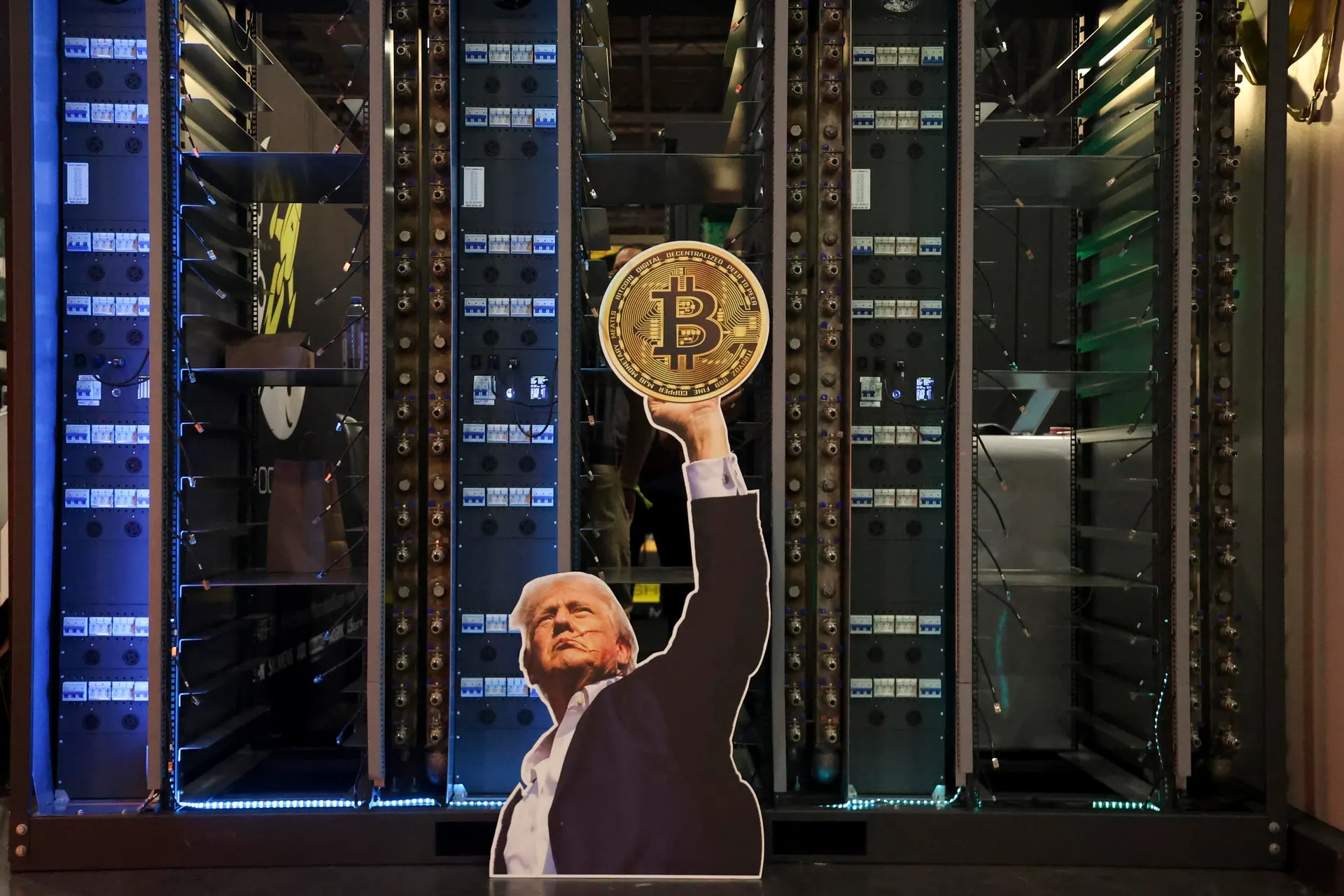
Institutional capital continues withdrawing—undermining the core buying support previously underpinning the bull market. Meanwhile, MicroStrategy sold 32 BTC—the first small-scale sale in nearly four years—triggering market-wide “true believer selling” fears and amplifying downward pressure. A cascade of highly leveraged long-position liquidations created a positive feedback loop, magnifying losses. Macro factors—including geopolitical tension, sticky inflation, and growing uncertainty around Fed rate-cut timing—have heightened risk aversion, prompting capital outflows from risk assets. Overall, markets remain in a cyclical correction phase following the 2025 highs, with multiple converging forces driving the current pullback. The market has now entered a deep correction zone; near-term direction hinges on ETF outflow trends and evolving macro risks.
U.S. Equity Index Performance
- Dow Jones Industrial Average: Down ~1.2%, at 50,687 points—continuing profit-taking.
- S&P 500: Down ~0.7%, at ~7,554 points—pulling back from recent highs.
- Nasdaq Composite: Down ~0.9%, led by tech-stock profit-taking.
Tech Giants’ Performance
- Microsoft: Down 3.17%, at ~$427.55—dragged by AI-related concerns.
- Google-A: Down 0.79%, at ~$355.68.
- Amazon: Down 2.53%, at ~$250.09.
- NVIDIA: Down 3.62%, at ~$214.75—impacted by chip supply constraints.
- Apple: Down 1.57%, at ~$310.26.
- Tesla: Down 0.01%, at ~$423.70.
- Meta: Up 4.24%, at ~$622.98—relatively strong. Overall, dragged by Middle East tensions, inflation worries, and profit-taking; memory stocks rose counter-cyclically.
Sector Movement Spotlight: Memory Stocks Surge Over 5%
- Key names: SanDisk up over 6%, closing above $1,800 for the first time; Western Digital up over 5%; Marvell Technology up over 3%; Micron Technology up over 1%.
- Catalyst: Nine major U.S. industry associations jointly wrote to the government warning that AI data center expansion is causing severe NAND memory chip capacity shortages—driving chip prices to unprecedented levels and squeezing manufacturing and consumer-goods supply chains. Markets fear near-term consumer price increases, prompting capital inflows into memory stocks to hedge against AI infrastructure bottlenecks. This sector’s divergence from broader tech reflects investor confidence in AI’s long-term demand certainty.
III. In-Depth U.S. Equity Analysis
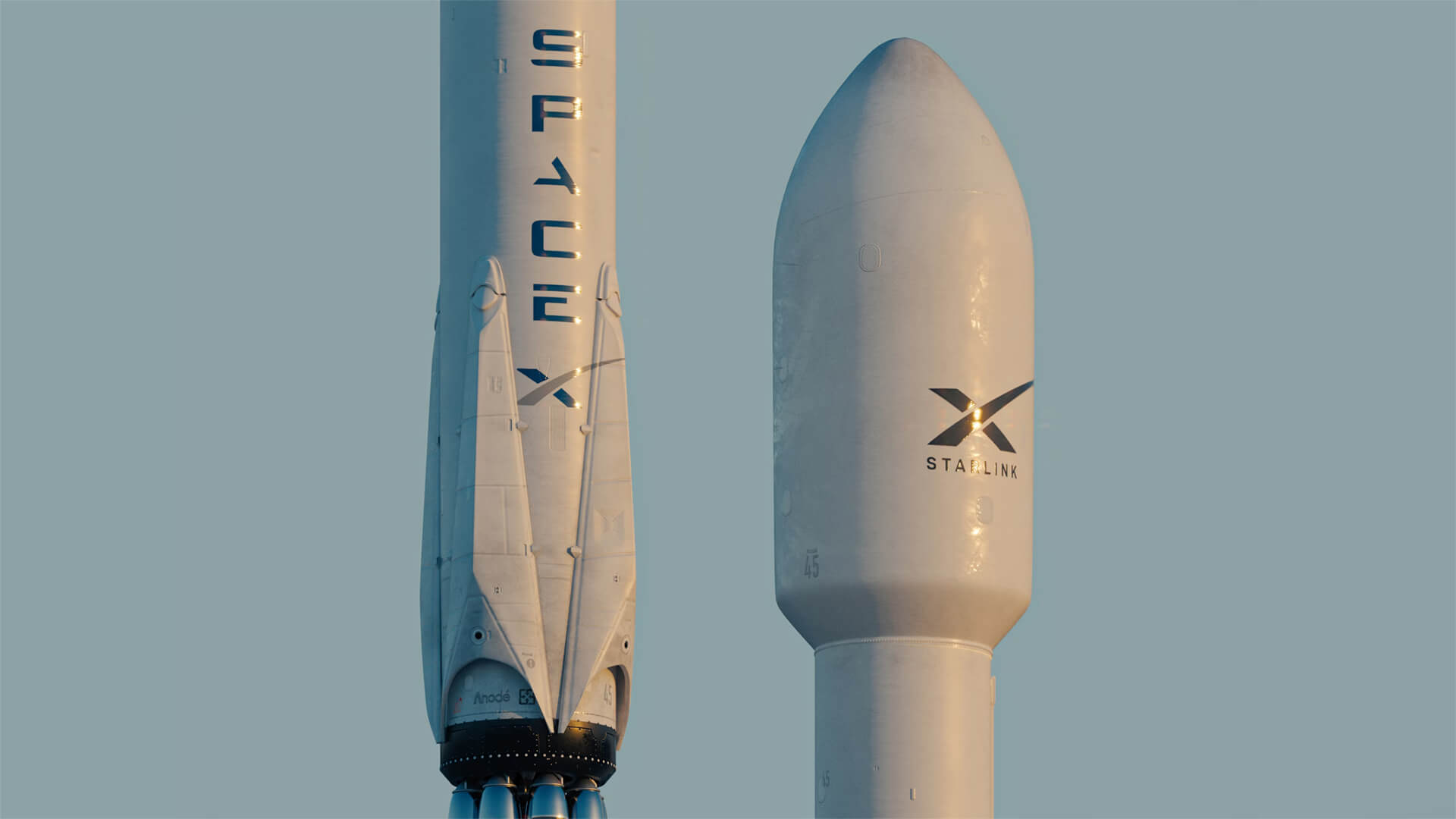
1. SpaceX – IPO Progress Overview: SpaceX has set its IPO offering price at $135 per share, targeting an official listing on June 12. Having completed multiple prior funding rounds at elevated valuations, Starlink continues expanding—generating $18.7 billion in 2025 revenue but still reporting losses, primarily due to increased Starship development and AI computing investments. The company aims to raise $75–80 billion through this IPO to scale up its Starlink network and AI infrastructure. Market Interpretation: Multiple investment banks commend SpaceX’s dominant position and long-term growth potential in aerospace and satellite communications—but caution persists around its high valuation (potentially exceeding $1.75 trillion) and execution risks, as well as Elon Musk’s controlling ownership structure. Investment Takeaway: Post-IPO liquidity will rise significantly, likely attracting broad institutional interest. Investors should prioritize assessing technical moats and Starlink commercialization progress—not short-term valuation fluctuations.
2. Energy & Defense Stocks – Impact of Middle East Tensions Overview: The U.S. House of Representatives passed, by a 215–208 vote, a resolution limiting Trump’s authority to use military force against Iran. Trump indicated a U.S.-Iran agreement may be reached this weekend; if signed, the Strait of Hormuz would reopen immediately. Markets are assessing the potential impact of geopolitical risk on energy supply chains, keeping oil prices volatile at elevated levels. Market Interpretation: Analysts expect near-term oil volatility to directly benefit energy and defense stocks (e.g., XOM, CVX, LMT, RTX)—but rapid agreement progress could reverse gains. Close attention is warranted regarding Trump’s red lines on ceasefire terms and future sanctions adjustments. Investment Takeaway: Consider modest defensive allocations to hedge geopolitical uncertainty; however, sector sustainability post-deescalation remains questionable. Focus on high-dividend energy majors and defense firms with robust order books.
3. SanDisk – AI-Driven Memory Demand Surge Overview: As a pivotal player in memory chips, SanDisk’s stock has surged recently amid warnings from U.S. industry groups about critical AI data center NAND memory shortages. As a pure-play NAND flash vendor, SanDisk benefits directly from AI infrastructure bottlenecks—surging chip prices are lifting earnings expectations. Market Interpretation: Institutions have broadly raised price targets, noting global NAND capacity is effectively sold out; AI-driven demand is expected to sustain high pricing, and SanDisk’s strategic position within the supply chain is clear. Investment Takeaway: Short-term NAND shortages are unlikely to ease quickly—offering diversification against broader tech corrections—but monitor secondary-market supply increases for potential downside pressure.
4. Western Digital – Memory Supply Chain Beneficiary Overview: Closely tied to SanDisk, Western Digital’s shares have risen in tandem amid surging AI storage demand. The company actively supports calls to expand U.S. and allied memory production capacity—and stands to benefit from potential support under the CHIPS Act. Market Interpretation: Investment banks expect continued sector divergence, with Western Digital poised to gain enterprise SSD market share—though current valuations already reflect substantial optimism. Investment Takeaway: Suitable as a long-term AI-themed holding; adjust positioning dynamically based on broader market risk appetite.
IV. Cryptocurrency Project Updates
1. Bitcoin’s recent weakness stems not from fading institutional demand nor Michael Saylor’s BTC sales, but rather from losing its role as the dominant momentum trade in crypto markets. Historically, crypto investors follow momentum—and momentum has now shifted away from crypto entirely. Capital is flowing into AI-linked equities and IPOs; SpaceX’s IPO alone could reach a $1.8 trillion valuation, while other upcoming IPOs may collectively raise over $200 billion—draining liquidity from crypto markets.
2. According to The Block, May’s monthly count of crypto venture deals fell to roughly 50—the lowest since before 2021. Infrastructure and crypto financial services—the two historically most active categories—both hit multi-year lows. Investor attention has structurally pivoted toward AI, while crypto has failed to generate early-stage opportunities on the scale seen in the 2021 and 2024 cycles.
3. In a filing submitted Wednesday to the U.S. Securities and Exchange Commission (SEC), Elon Musk’s SpaceX disclosed plans to fix its IPO offering price at $135 per share—consistent with earlier reports. SpaceX intends to issue 555.6 million shares, raising $75 billion.
4. Hyperliquid’s HYPE token surpassed Solana in price on Wednesday, as SOL declined to its lowest level since 2023. HYPE hit an all-time high of $74.67 on Tuesday and currently trades at $74.47—above Solana’s $71.62. Over the past month, HYPE gained ~24%, among the few top-20 crypto assets posting gains, while Solana fell nearly 14%.
5. Per QCP Capital’s latest market report, Bitcoin has fallen ~11.6% week-to-date, remaining under sustained pressure. Market sentiment was shaken by MicroStrategy’s rare sale of 32 BTC—even though the $2.5 million transaction barely affects its holdings of over 840,000 BTC, it shattered the longstanding market expectation of MicroStrategy’s “never sell” stance, denting investor confidence.
V. Today’s Market Calendar
June 4 (Thursday)
- SpaceX launches IPO roadshow: One of the most anticipated historic IPOs—likely to boost market sentiment.
- COMPUTEX continues, spotlighting AI compute, PCs, and supply-chain developments.
- Earnings: Ciena (CIEN) pre-market; Planet Labs (PL) after-market.
- New listing: Quantinuum (QNT) debuts on U.S. exchanges (quantum computing theme).
June 5 (Friday)
- U.S. May Nonfarm Payrolls (NFP): Expected to add ~115,000–130,000 jobs; unemployment rate ~4.2%; average hourly earnings growth—a key inflation gauge. ★★★★★
Institutional Viewpoints: Leading investment bank analysts widely agree that markets are navigating a sensitive juncture where geopolitical risk and macro data intersect. Middle East tensions are lifting energy prices, while record-high services-sector price-payment indices reinforce concerns about inflation stickiness—raising the probability of continued Fed caution. The S&P 500’s pullback reflects both profit-taking and safe-haven flows; tech stocks show pronounced divergence, with memory-chip names gaining on AI demand. Crypto markets face headwinds from persistent ETF outflows and leveraged liquidations—intensifying near-term volatility. Overall, a U.S.-Iran agreement could trigger a risk-asset rally; conversely, oil and inflation pressures would test market resilience. Investors are advised to maintain flexible positioning, explore opportunities in supply-chain and energy sectors—and remain vigilant against growing discussions around AI bubble risks impacting tech valuations.
Disclaimer: The above content was compiled via AI search and verified manually for publication only—it does not constitute investment advice. Data herein may contain unavoidable discrepancies; please rely on real-time market data for decision-making.
Join TechFlow official community to stay tuned
Telegram:https://t.me/TechFlowDaily
X (Twitter):https://x.com/TechFlowPost
X (Twitter) EN:https://x.com/BlockFlow_News