Eight months after returning from space, Sun Brother got into a conflict with the presidential family.
TechFlow Selected TechFlow Selected
Eight months after returning from space, Sun Brother got into a conflict with the presidential family.
Ten minutes of weightlessness cannot rewrite a billionaire’s operating system.
 Navigating Web3 tides with focused insights
Author: Kuli, TechFlow
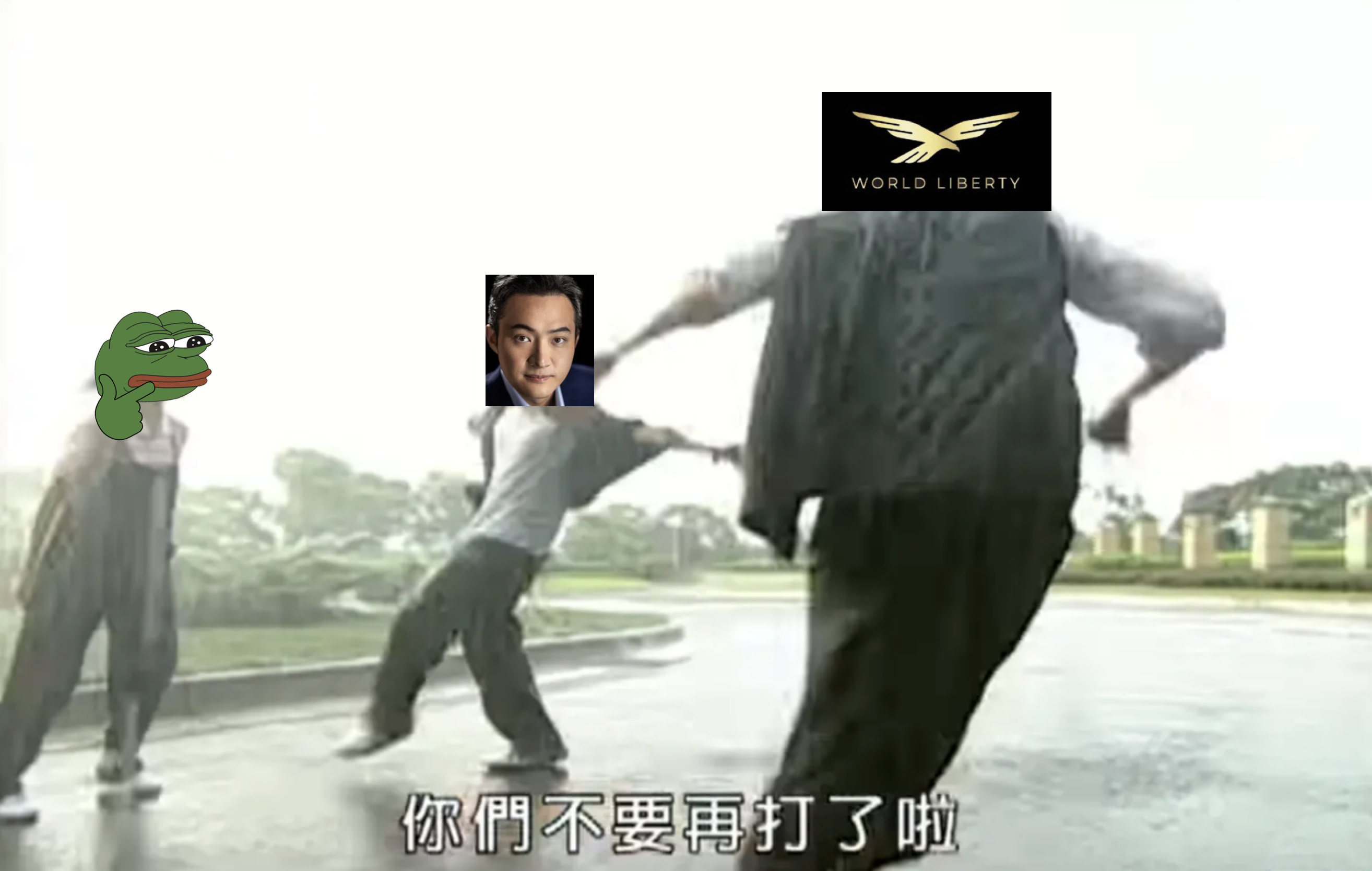
Yesterday, Sun Yuchen—the founder of TRON—published a lengthy post on X accusing World Liberty Financial (WLFI), a DeFi project backed by the Trump family, of embedding a hidden “freeze backdoor” in its token smart contract, effectively treating investors as “personal ATMs.”
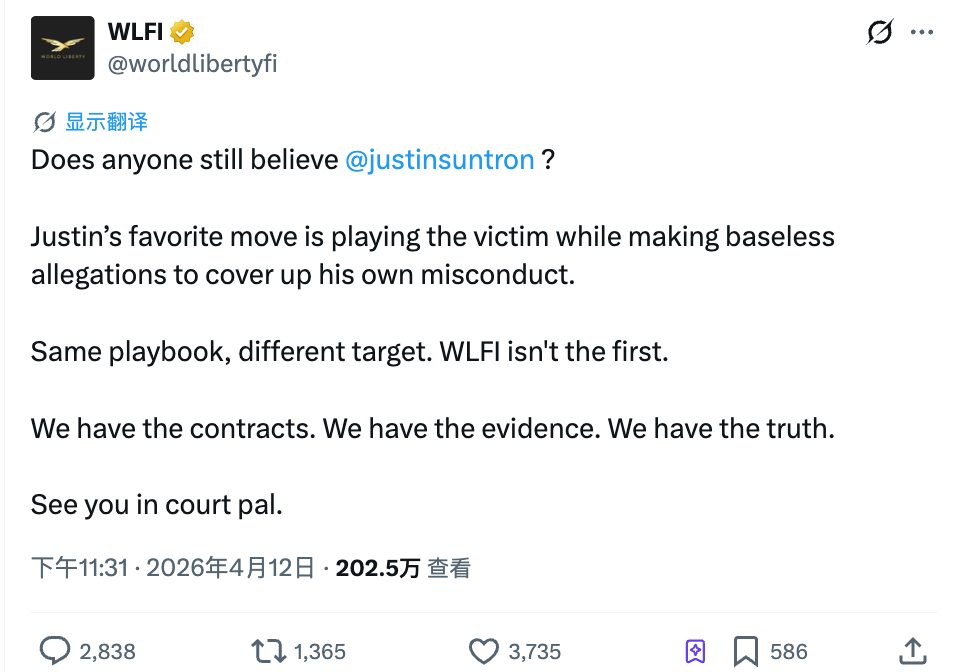
Within hours, WLFI responded with three words: “See you in court.”
Sun is WLFI’s largest external investor, having invested a total of $75 million. In September last year, shortly after the token began trading, his wallet was blacklisted by the project team, freezing over $100 million worth of tokens—a freeze that remains in effect to this day.
Last week, WLFI pledged 5 billion of its own tokens as collateral to borrow $75 million—causing ordinary users’ deposits to become temporarily inaccessible. Some observers likened this maneuver to FTX’s collapse.
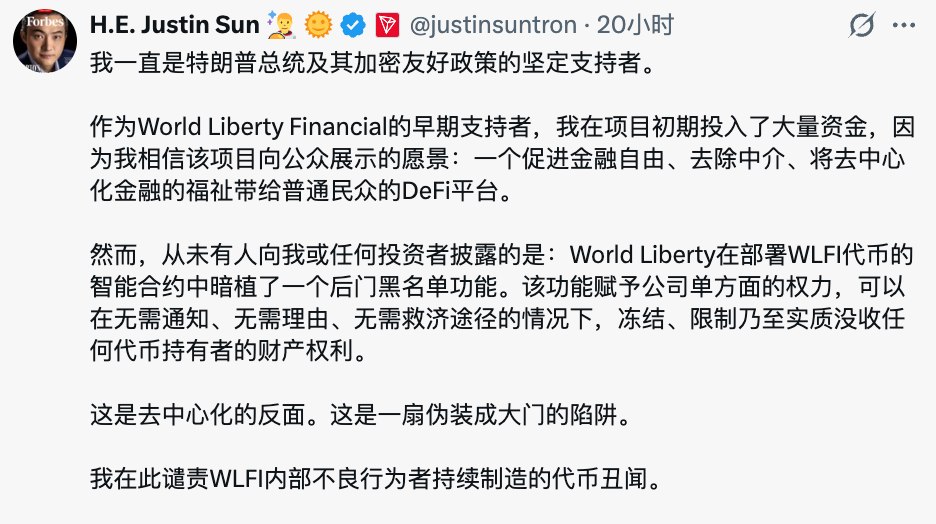
WLFI has also leveled accusations against Sun, and the dispute remains unresolved. Meanwhile, WLFI’s token price has plunged over 76% from its all-time high.
The scale and intensity of this conflict are substantial—but the most widely circulated interpretation within the community is this: Sun Yuchen dared to confront WLFI head-on because he traveled to space last August.
On August 3 last year, Sun flew aboard a Blue Origin rocket on an suborbital flight, paying $28 million for the seat after waiting four years. His spacecraft crossed the Kármán line, floated in weightlessness for several minutes, then returned safely to Earth.
The entire flight lasted 10 minutes and 14 seconds.
Upon landing, he told the camera: “From space, Earth looks small—it is our home. We must do everything we can to protect it.”
Some social media users seriously argue that spaceflight alters one’s mindset and perspective—hence Sun’s willingness to challenge a well-connected project. People who’ve been to space, they claim, simply see things differently.
Can space truly change a person?
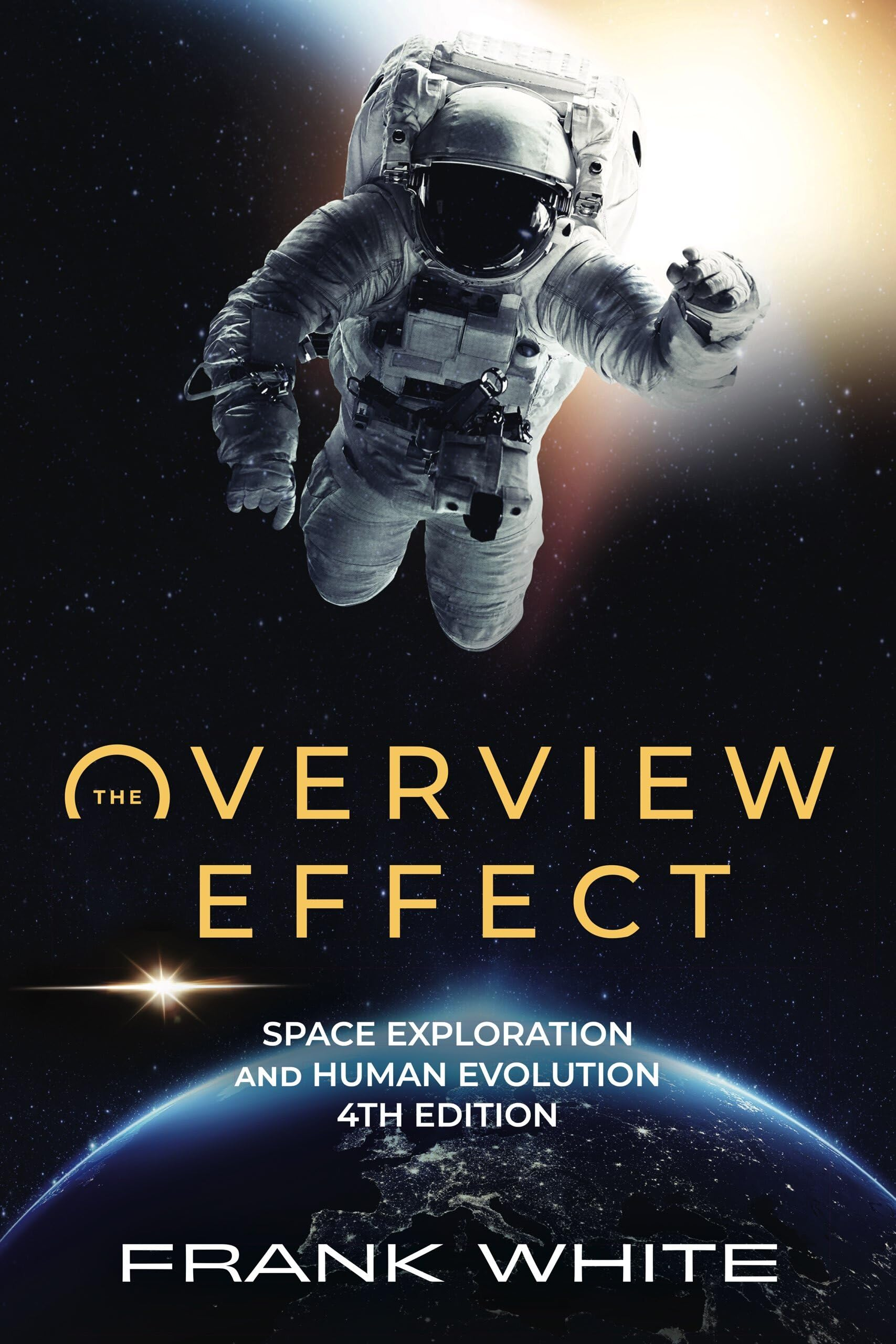
The Overview Effect
In 1987, researcher Frank White coined the term “Overview Effect” after interviewing dozens of astronauts.
It describes the profound, lasting shift in perception that occurs when viewing Earth from space—seeing its atmosphere as a fragile, gossamer-thin layer, observing continents unmarked by political borders—and realizing, viscerally, how small and interconnected our world really is.
A 2018 study surveying 39 astronauts found significant shifts in their perception of Earth—and these perceptual changes strongly correlated with whether they subsequently engaged in environmental advocacy upon returning home.
NASA astronaut Mike Foreman once famously said: “If you’re not an environmentalist before going to space, you’ll at least be half one when you return.”
Yet there’s an important distinction rarely discussed: those reporting deep, enduring cognitive shifts are almost exclusively professional astronauts who lived aboard the International Space Station for months—or even half a year. They drifted daily to the observation cupola, watched hundreds of sunrises and sunsets, and had ample time for that perspective to settle in.
By contrast, commercial suborbital passengers experience only about 10 minutes of weightlessness. Their experience may be profoundly different.
The most authentic emotional reaction documented among commercial space tourists came from William Shatner—the actor who portrayed Captain Kirk in *Star Trek*. At age 90, he flew aboard Blue Origin in 2021. He burst into tears upon landing. Later, he wrote in his book that it took him several hours to understand why he cried.
“I was mourning Earth,” he said.
Yet Shatner spent just 10 minutes in space. After returning, he appeared on several talk shows—and then resumed life as usual.
The Overview Effect may well be real. During those few minutes of weightlessness, gazing at that blue marble suspended in darkness, you may indeed feel something you’ve never felt before.
But a momentary emotional jolt does not necessarily equate to permanent cognitive rewiring. You may feel moved. You may post a heartfelt reflection. You may even perceive everything as insignificant for the first few days back on Earth.
Then you return to your life—and resume being the person you always were.
Space Can’t Move a Balance Sheet
Back to Sun Yuchen’s battle.
The community says he’s “gotten perspective,” his “horizon has expanded”—that space changed him. This narrative makes for romantic, shareable content, but it almost certainly misses the core economic incentives.
He poured tens of millions of dollars into WLFI. His wallet was frozen for over half a year. The frozen tokens kept falling in value—giving him a firsthand taste of what retail investors routinely endure. If your money vanishes, wouldn’t you seek recourse?
In his public statement, Sun carefully distanced himself from Donald Trump personally, targeting only “bad actors within the WLFI team.” That reveals clear awareness of exactly whom—and how powerful an entity—he’s confronting.
Rather than portraying him as an idealist transformed by space and acting recklessly, it’s more accurate to say he’s a major investor seeking redress after losing money.
But some might object: “He doesn’t need this money.”
Hurun estimates his net worth at RMB 10 billion this year. Opposing a presidential family carries obvious risks—silence would likely be the safer choice. So why would someone widely regarded as shrewd choose a path that appears less rational?
When Sun invested in WLFI, he wasn’t buying just tokens—he was purchasing a ticket onto Trump’s crypto ecosystem. Yet WLFI tells a different version of that story.
In September last year, shortly after the token launched on exchanges, reports indicated Sun’s wallet transferred approximately $9 million worth of WLFI tokens to HTX—the exchange where he serves as an advisor. Around the same time, HTX was offering WLFI depositors an annualized yield of 20%.
To many in the community, this sequence looked suspiciously like shouting “I’m not selling!” while quietly offloading tokens through a backchannel. WLFI’s response yesterday targeted precisely this point, accusing him of being “most skilled at playing the victim.”
Sun claims the transfer was merely a deposit test—and on-chain data shows the transaction occurred after the token’s price had already declined, not before. Still, the controversy persists.
Regardless of the truth, once his wallet was frozen, the practical value of that relationship effectively hit zero.
This arithmetic doesn’t require the Overview Effect to compute.
The project team may claim freezing his wallet was a security measure—grouped alongside phishing wallets. But as the largest investor, he now shares a blacklist with scammers.
So the author believes: silence no longer redeems the ticket.
Public statements generate community sympathy. Public pressure shapes the narrative landscape ahead of potential legal proceedings. Every move appears calculated. A shrewd person won’t suddenly act recklessly just because of 10 minutes of weightlessness.
When silence ceases to be cost-effective, switching tactics is entirely rational.
You don’t need spaceflight to change behavior—you just need to run the numbers.
Join TechFlow official community to stay tuned
Telegram:https://t.me/TechFlowDaily
X (Twitter):https://x.com/TechFlowPost
X (Twitter) EN:https://x.com/BlockFlow_News
 深潮TechFlow