March 10 Market Recap: Oil Prices’ Most Chaotic Day Ever, U.S. Stocks Stage V-Shaped Reversal
TechFlow Selected TechFlow Selected
March 10 Market Recap: Oil Prices’ Most Chaotic Day Ever, U.S. Stocks Stage V-Shaped Reversal
Investors are betting early on the war’s end.
 Navigating Web3 tides with focused insights
Author: TechFlow
U.S. Equities: Glimmer of War’s End Sends Dow Soaring 206 Points
Monday witnessed an epic reversal on Wall Street.
The Dow Jones Industrial Average surged 206 points (+0.43%) to close at 47,707; the S&P 500 jumped 0.83% to 6,796; and the Nasdaq Composite soared 1.38% to 22,696. This marks the first broad-based rebound since the outbreak of the U.S.-Iran conflict—and the strongest single-day gain in nearly two weeks.
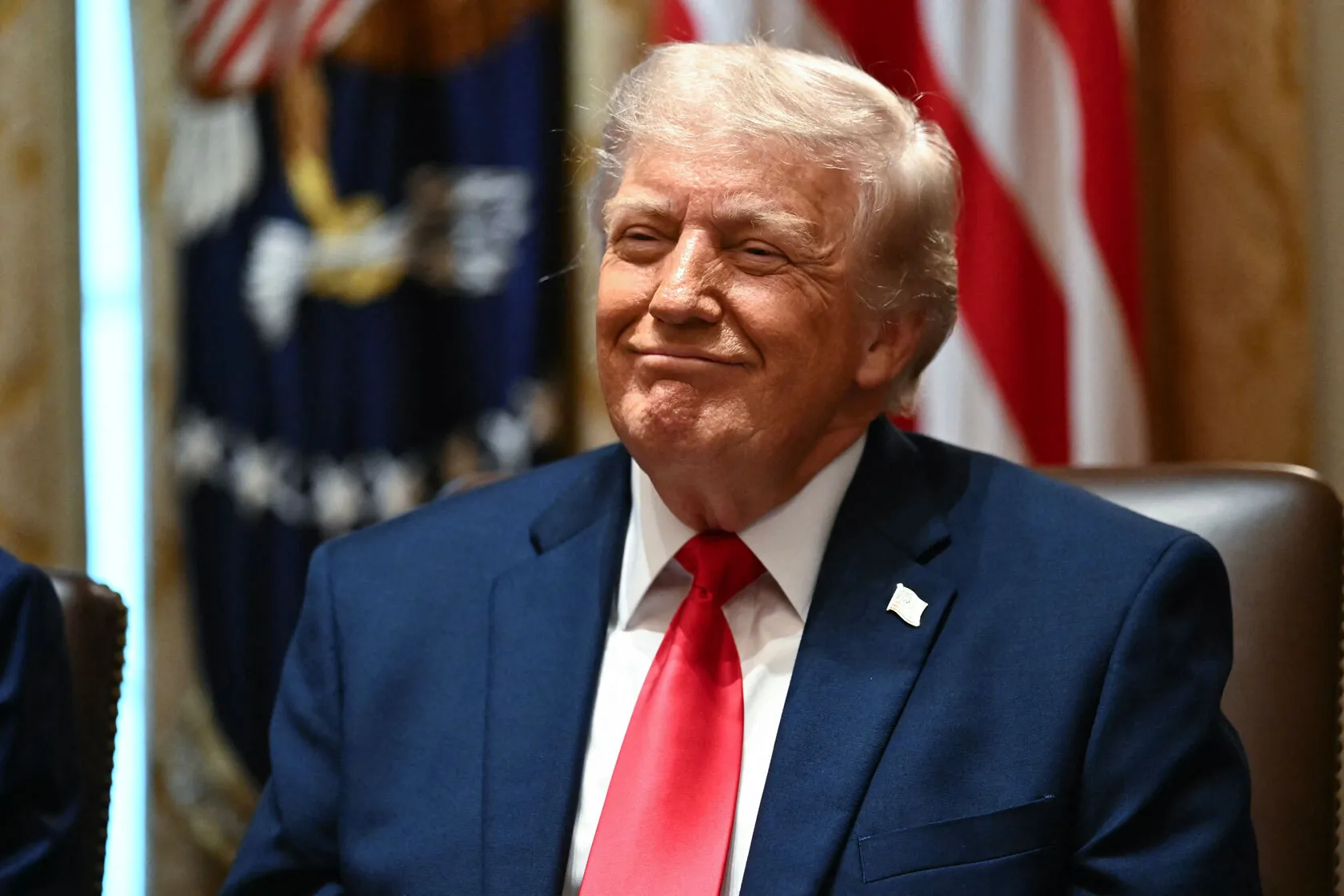
Why did markets swing so abruptly from panic to euphoria? Early Monday, Trump stated that U.S. military operations in Iran could “end very soon” and that the Strait of Hormuz was reopening. That statement acted like a shot of adrenaline—completely reversing market sentiment.
The Dow plunged as much as 600 points intraday before staging a V-shaped recovery to finish higher. Such roller-coaster moves have become the norm this week—markets swinging wildly between expectations of “escalation” and “de-escalation.”
Sector performance: Semiconductors led gains. Broadcom and AMD surged over 4.6%, NVIDIA rose 2.73%, and Micron Technology gained over 5%. The tech sector drove the rally, as investors renewed bets on the AI narrative.
Dow 30 components: Caterpillar led with a 3.39% surge; NVIDIA rose 2.73%; Amgen gained 2.01%. Cisco Systems fell the most—down 3.08%, followed by Boeing (-2.70%) and IBM (-2.08%).
Financial stocks underperformed, with Wells Fargo continuing its decline. Energy stocks were mixed—despite oil’s sharp drop, some energy names saw profit-taking as the “war premium” dissipated.
Year-to-date performance: The Dow remains down for the year, but Monday’s rally offered investors a glimmer of hope. Should the conflict truly end this week, March could mark a turning point for markets.
Oil: Crude Plunges from $120 to $90—Most Chaotic Day Ever
Monday brought historic volatility to oil markets.
WTI crude spiked to $119.48 per barrel pre-market Sunday—but crashed into the $95–$100 range Monday. Brent crude similarly plunged from Sunday’s $119 peak, closing near $90 Monday.
A single-day drop of 25%—the largest since March 2020.
The catalyst? G7 finance ministers discussed releasing strategic petroleum reserves. Though no immediate action was announced, markets priced in the expectation. More importantly, Trump signaled the Strait of Hormuz was reopening—unblocking a critical chokepoint handling 20% of global oil supply.
Yet oil remains up ~35% versus pre-war levels. Before the conflict (Feb. 27), WTI traded near $66; though it has since plunged from $120, it still hovers in the $90–$95 range—up roughly 40% from pre-war levels. The lingering question: Has the war truly ended—or is this merely a temporary ceasefire?
OPEC+’s subtle moves: Saudi Arabia began cutting output Monday—joining Iraq, Kuwait, and the UAE as Gulf producers impacted by the Strait of Hormuz crisis. Even if hostilities cease, restoring production capacity will take time.
Gold: War Premium Fades, Price Breaks Below $5,100
Monday, gold tumbled 1.91% to $5,081 per ounce—a one-day loss of $92. Silver fell 1.16% to $83.51.
Why did safe-haven assets collapse? Trump’s signals of de-escalation lifted risk appetite, prompting capital flows out of gold and into equities and crypto. A stronger U.S. dollar also weighed on dollar-denominated gold.
Still, gold remains near historic highs. It hit an all-time high of $5,595 on Jan. 29. Though it has pulled back, it’s still up over 100% year-on-year. Longer-term, geopolitical risks, inflation pressures, and Fed rate-cut expectations continue to support gold.
The World Gold Council warns: If oil prices remain elevated while U.S. Treasury yields rise concurrently, gold may face structural headwinds. Higher oil prices stoke inflation expectations, potentially forcing the Fed to maintain higher rates—raising the opportunity cost of holding gold.
Crypto: Bitcoin Holds $67,000 Amid Cautiously Optimistic Sentiment
Monday brought stability to crypto markets.
Bitcoin traded near $67,146—up slightly over 24 hours. Total crypto market cap stood at ~$2.44 trillion, with Bitcoin’s dominance at 56.8%.
Bitcoin proved more stable than U.S. equities Monday. While stocks swung violently in a V-shaped reversal, Bitcoin remained largely range-bound—holding the $67,000 support level. This suggests crypto investors are growing less sensitive to geopolitical risk—the war no longer triggers panic selling as it did last week.
Spot Bitcoin ETFs saw net inflows of $568 million last week (Mar. 2–6), marking two consecutive weeks of inflows and reversing February’s outflow trend. BlackRock transferred 2,200 BTC ($149 million) to Coinbase—evidence of continued institutional accumulation.
Technically, Bitcoin remains range-bound between $65,000 and $75,000. Should the war truly end, oil prices fall further, inflation ease, and Fed rate-cut expectations rise, Bitcoin could retest $75,000. But if this is only a temporary ceasefire, markets will remain cautious.
Per Polymarket prediction markets, Bitcoin has a 45.5% probability of reaching $75,000 by March—and an 86.5% probability of hitting that level by year-end.
Summary: De-escalation Hopes Spark Rally—But Confirmation Still Needed
March 10 marks Day 11 of the U.S.-Iran conflict—and the first full-scale market rebound:
U.S. equities: Dow up 206 points (+0.43%), S&P 500 up 0.83%, Nasdaq up 1.38%. Semiconductors led gains—Broadcom and AMD up >4.6%, NVIDIA +2.73%. The Dow plunged 600 points intraday before a V-shaped reversal, as investors bet on war’s end.
Oil: Fell from Sunday’s pre-market $120 peak to the $90–$95 range—down over 25% in one day, the largest drop since March 2020. Trump’s comments signaling imminent conclusion of military operations and reopening of the Strait of Hormuz—plus G7 discussions on SPR releases—drove the move. Yet oil remains up 35–40% versus pre-war levels.
Gold: Dropped 1.91% to $5,081 as the “war premium” faded and risk appetite improved.
Crypto: Bitcoin held $67,000; total market cap stood at $2.44 trillion. Spot ETFs logged two straight weeks of net inflows, with ongoing institutional accumulation. Market sentiment remains cautiously optimistic.
Markets now focus on just one question: Is the war truly over?
If Trump’s statements hold true—and the Strait of Hormuz fully reopens this week—oil could retreat further to the $70–$80 range, U.S. equities would rally strongly, and the Dow could climb back toward 48,000–49,000.
But if this is merely a temporary ceasefire—and Iran could strike back at any moment—oil will likely surge again, and markets will plunge back into panic.
At least today, one signal is unmistakable: Investors are pricing in war’s end ahead of confirmation. Oil’s 25% crash, the Dow’s V-shaped reversal, and gold’s sharp drop all tell the same story: Wall Street believes the worst is behind us.
Join TechFlow official community to stay tuned
Telegram:https://t.me/TechFlowDaily
X (Twitter):https://x.com/TechFlowPost
X (Twitter) EN:https://x.com/BlockFlow_News
 深潮TechFlow