








Visiting Network School: A Web3 Utopia Built in a Half-Completed Country Garden Tower in Malaysia
TechFlow Selected TechFlow Selected
Visiting Network School: A Web3 Utopia Built in a Half-Completed Country Garden Tower in Malaysia
Is it worth paying $1500 to join Network School?
 Navigating Web3 tides with focused insights
By June, TechFlow
Is paying $1,500 to join Network School—an experimental community founded by former Coinbase CTO Balaji Srinivasan—actually worth it?
The author visited Network School in Forest City, Malaysia, to find out.
Building a Network School in a Real Estate Ghost Town
In August 2024, Balaji officially announced via Twitter that Network School would enter a 90-day trial operation phase from September to December of the same year.
In a tweet, Balaji excitedly stated: "With the power of Bitcoin, we now own a beautiful island near Singapore where we are building Network School."
This tweet quickly sparked widespread attention and discussion within the Web3 community. Balaji’s wording painted a vivid picture of this “beautiful island.” However, the reality is far more complex.
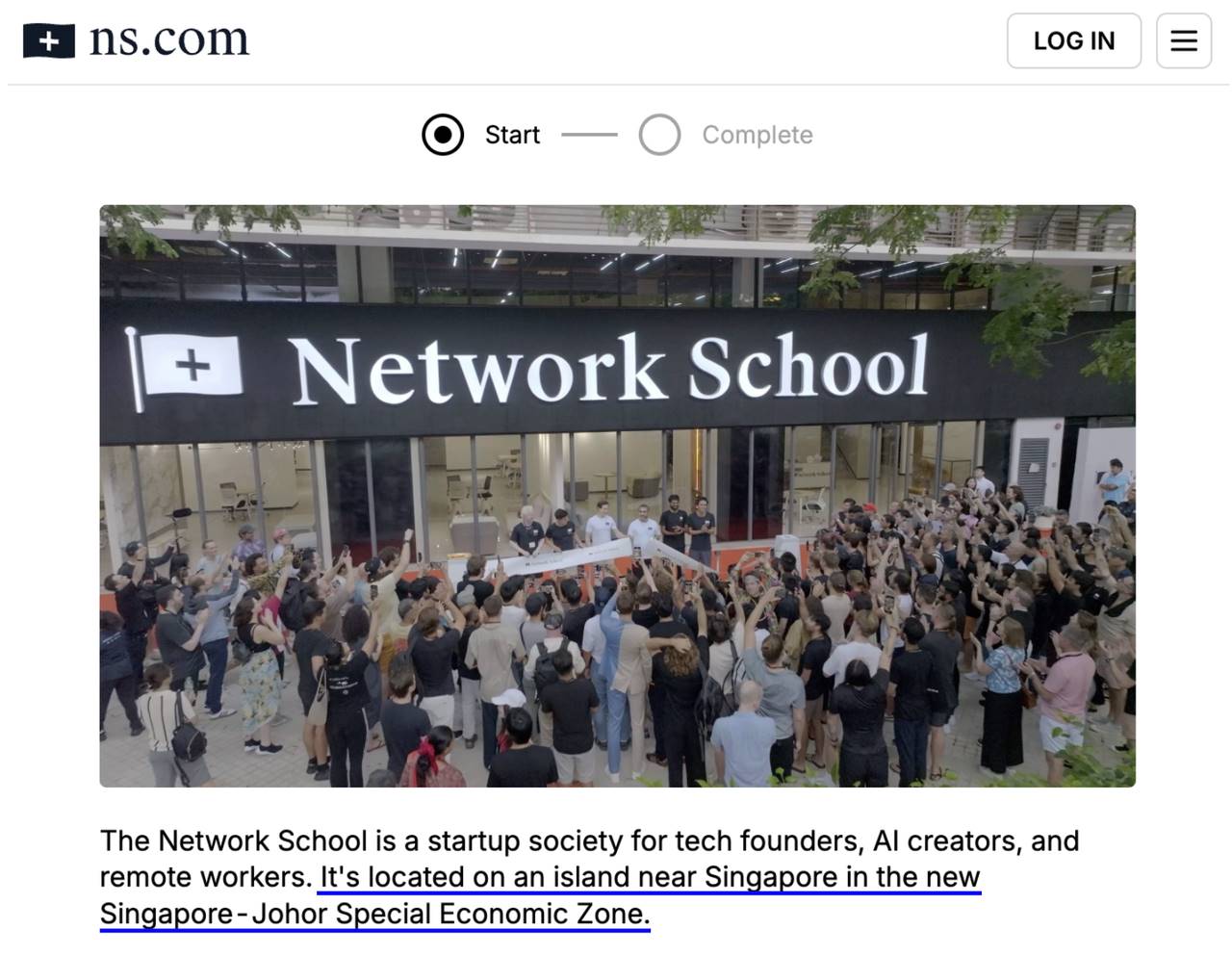
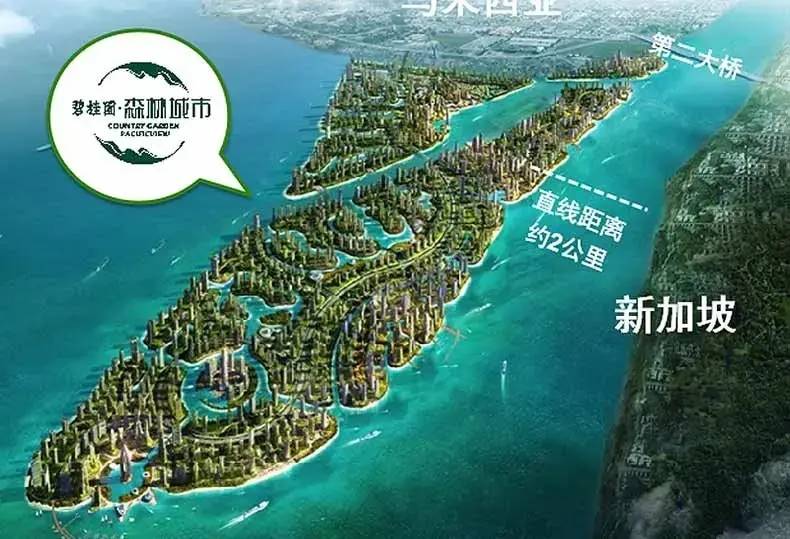
To be precise, Network School is located in Forest City, Johor, Malaysia—about a 30-minute drive from central Johor Bahru.
Forest City is a large-scale project developed by China's Country Garden, consisting of four artificial islands. However, as the real estate market has declined in recent years, this Malaysian project has not been spared.
The city has even been labeled a "ghost town" by the BBC—its numerous modern high-rises stand nearly empty, forming an abandoned urban landscape. It is another reflection of the downturn in the real estate market and the struggles faced by property developers.
Premium Geographic Location
Undeniably, Forest City still boasts a highly advantageous location.
It takes only about an hour to drive from Forest City to Singapore. Network School also provides dedicated shuttle services for members. On the other hand, separated from Singapore by just a narrow strait, residents enjoy relatively lower living costs. As a major international financial center and tech hub, Singapore hosts many key events and conferences in the crypto space, offering Network School members excellent opportunities for learning and networking.
Yet, there remains a gap between ideal and reality.
Despite its prime location, daily convenience still needs significant improvement. Residents rely mainly on ride-hailing services like Grab to reach nearby city centers, while public transportation infrastructure remains weak—limiting the mobility and convenience for community members to some extent.
This relatively isolated and desolate environment, however, contributes to the unique atmosphere of the community.
Welcome to Network School
First-time visitors to Forest City might feel slightly surprised by what they see.
Stepping into Forest City, one is immediately struck by the coexistence of modernity and desolation.
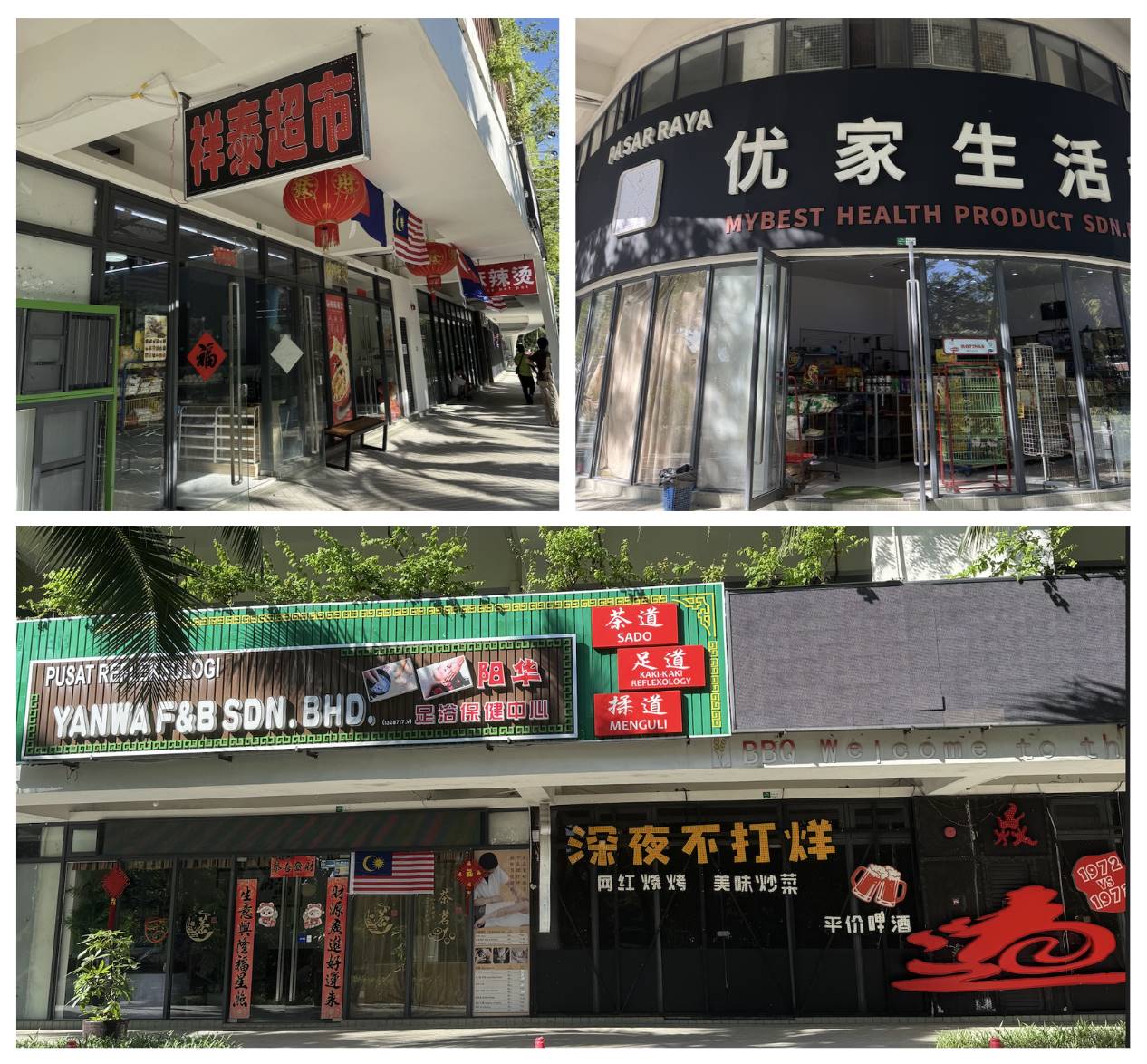
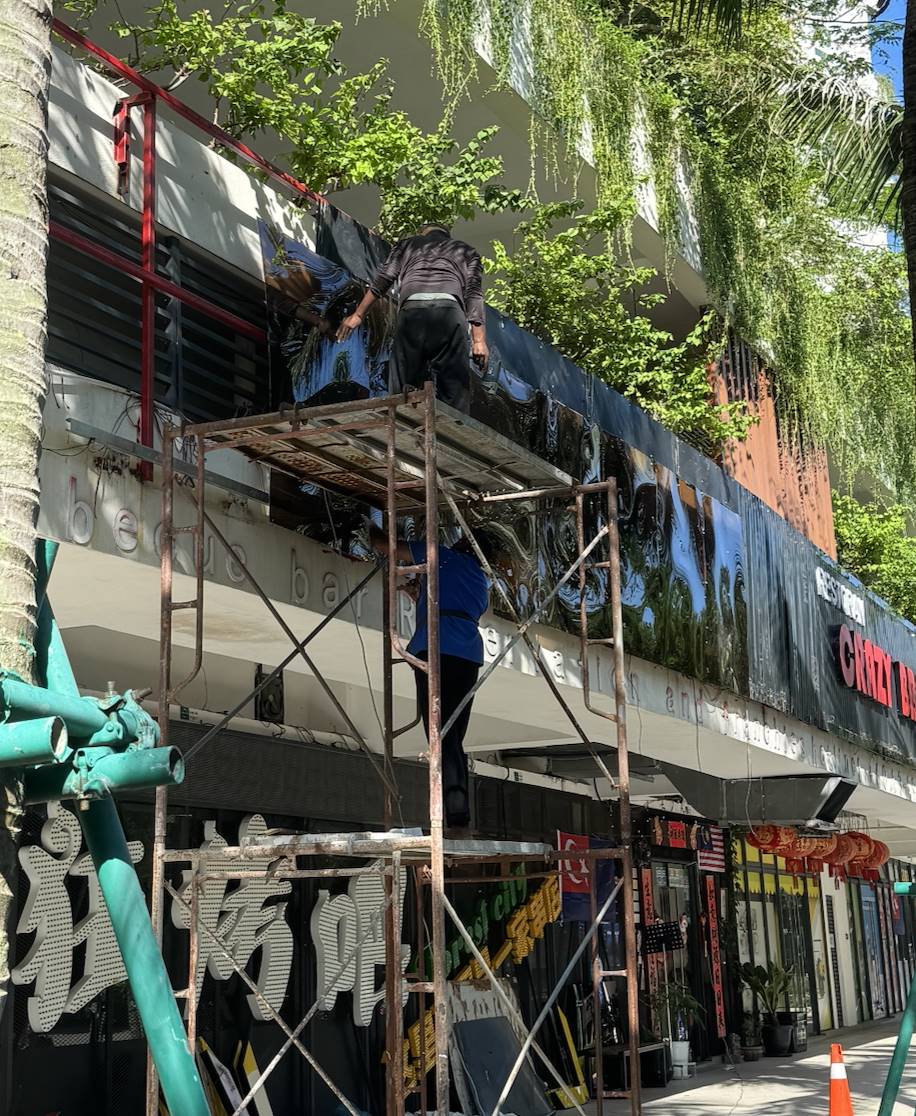
Lush greenery gives the area a vibrant feel, sharply contrasting with the numerous shuttered shops. Every apartment balcony is filled with dense plants, living up to its name “Forest City.” Chinese elements are everywhere—spicy hot pot restaurants, Chinese supermarkets, red lanterns, and familiar Chinese signage make it feel like a small town in China. Empty streets and scattered shops occasionally host a few explorers arriving from around the world.
For professionals in the Web3 field, this striking contrast may not seem unfamiliar.
In China, many people have adopted a “geographic arbitrage” lifestyle—writing code by Erhai Lake in Dali, attending online meetings from a beachside villa in Aranya, or maintaining remote work in Hegang at one-tenth the cost of a first-tier city.
The desolation of Forest City juxtaposed with the vitality of Network School mirrors the Web3 industry itself: outside mainstream view, a group of people are building something new atop ruins.
The people gathered here often share similar paths: tired of internal competition in traditional tech companies, believing in the future of Web3, and willing to trade lower living costs for greater entrepreneurial freedom. They might attend Token2049 in Singapore, then return to this unusually quiet island to continue coding.
This community, built by Balaji, attempts to create a Web3 utopia in the most unlikely place.
Hello, welcome to Network School—the ambitious, undefinable-by-convention city striving to become the Harvard of a new era.
Cost of Living and Accommodation
Most community activities at Network School revolve around two main locations: the community activity center and the hotel area.
The community activity center, located on the ground floor of an apartment building, features meeting rooms and co-working spaces.
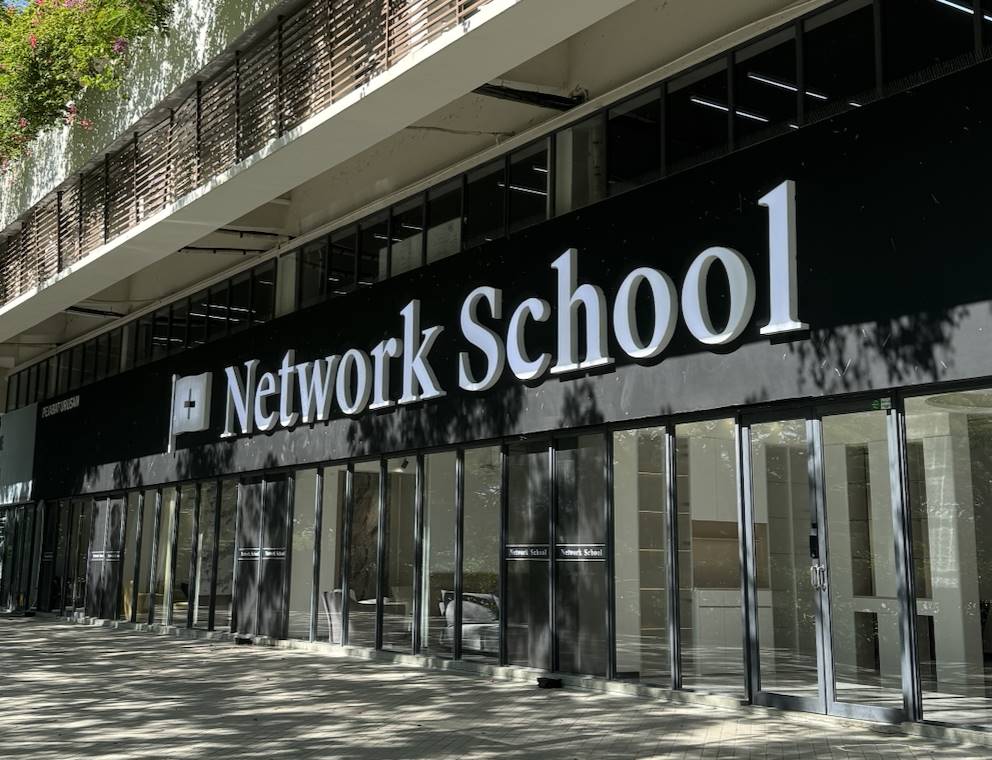
The permanent base of Network School is set within a seaside hotel. Short-term participants typically stay in hotel rooms, while shared facilities such as gyms, meeting rooms, the exclusive Network School café, and library are all centralized within the hotel.
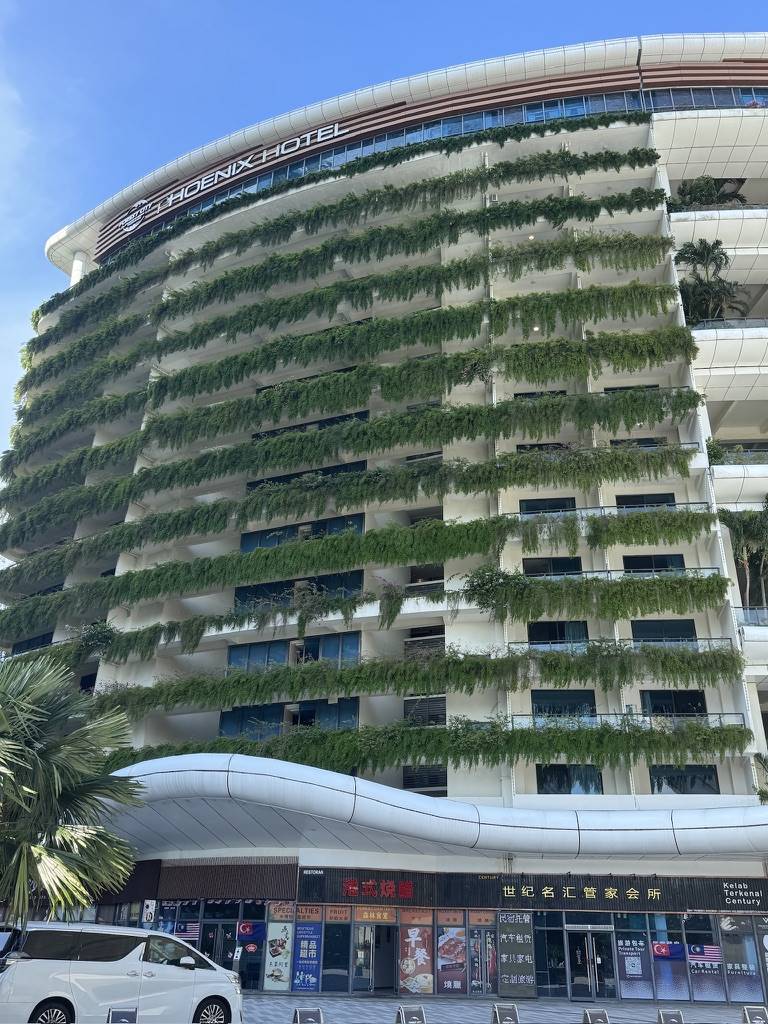
In terms of living costs, the current monthly rate for a double room is $1,500, covering accommodation, three meals a day, gym access, and participation in all courses. Network School operates year-round, allowing participants to flexibly choose their length of stay based on personal needs and schedules.
Short-term participants, such as those staying for only one month, reside in fully equipped hotel rooms, while long-term members move into more complete two-bedroom apartments, enjoying greater comfort.
Regarding dining, the community provides full meals: breakfast and dinner are buffet-style, while lunch is delivered in bento boxes. Notably, the community follows the health-focused eating plan promoted by Bryan Johnson (founder of Blueprint), emphasizing nutritional balance and healthy lifestyles.
The gym at Network School is another highlight. Built from scratch on unused hotel space, it is fully equipped, and members can initiate their own fitness programs.
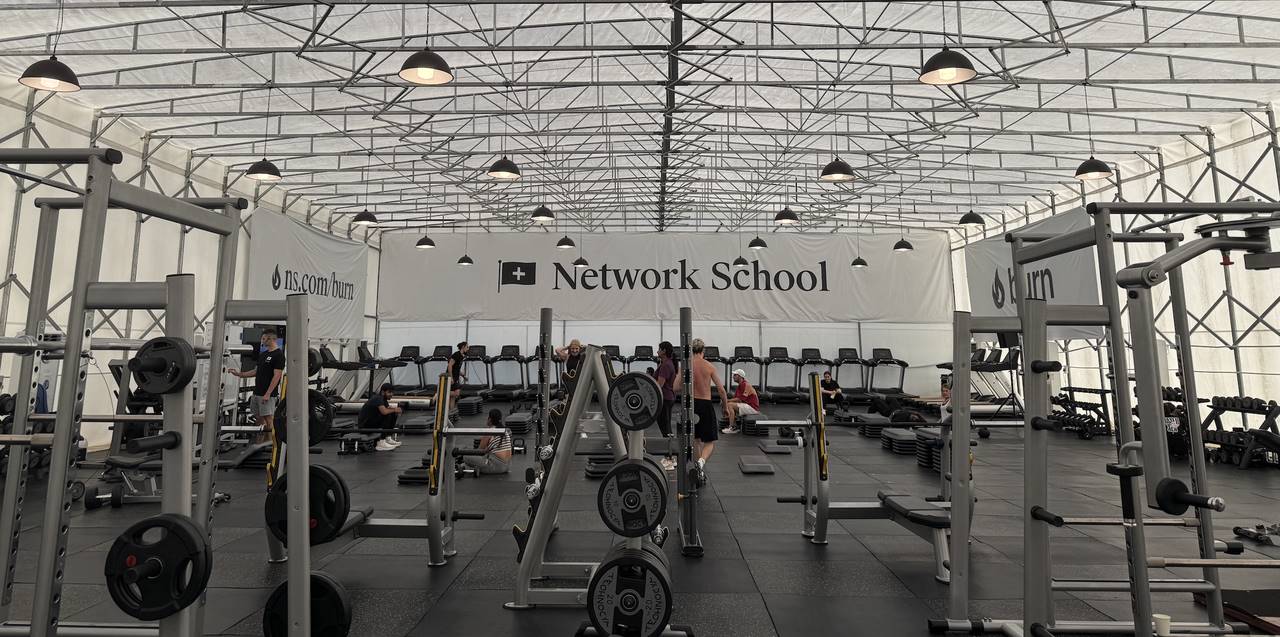
Network School’s operational philosophy revolves around four core principles: Learn, Burn, Earn, and Fun. A typical day here looks like this:
-
Morning: Wake up, exercise, eat a Blueprint-style breakfast.
-
Mid-morning: Head to the co-working space and focus on remote work.
-
Afternoon: Book clubs, Vibe Coding sessions, AI discussions, DeFi 101 classes, or side projects.
-
Evening: Community dinners, self-organized small events.
A Gathering Place for Dark Talent
"Many people see Network School and instinctively think of it as a school, but in essence, it's more like a community for like-minded Web3 individuals. There’s no fixed curriculum—learning here is free," explains Nikki.
Nikki (@nikkideyy) from the Philippines has been living here since June and has now spent four months at Network School.
There are no formal course schedules or unified learning tasks. However, the community occasionally launches engaging learning challenges—such as identifying technical vulnerabilities on websites, creating promotional content, or producing short videos. The "education" here resembles an ongoing process of collective exploration.
According to Nikki, the current cohort includes 270 people—the largest group so far. Network School has gone through two development phases: the first was a 90-day trial operation from September 23 to December 23, 2024.
The second phase began on March 1, 2025, marking the official launch under the concept of "Society-as-a-Service," aiming to systematically train "social builders" and prepare for a permanent campus.
"Some are digital nomads, others have relocated their offices here, and various accelerator and incubator programs—like Solana Superteam and Monad Residency—have set up operations here."
The Solana Superteam Singapore team conducted a six-week Ignition incubation residency at Network School from May to June, while the Monad Founder Residency ran a three-week program in August this year.
For Network School participants, the most important aspect is arguably the community atmosphere. Living, learning, and exchanging ideas with like-minded people is the biggest draw. Nikki shares this sentiment: "I'm at a crossroads between wanting to create something and wanting to join something, and Network School gave me the perfect opportunity to explore what I truly want to do in the future."
Her experience reflects the core value of Network School: it is a gathering place for dark talent—individuals overlooked by traditional education systems but eager to shape the future. These talents possess innovative thinking and practical skills but may be ignored by mainstream systems due to non-traditional backgrounds.
Different people use the platform in different ways. Some move their entire office here; others use it as a transition point to figure out their next steps.
Network School is gradually becoming a convergence point for Web3 culture and entrepreneurship.
The View from the Presidential Suite
The hotel’s guest rooms now serve as activity hubs for Network School members. Nikki showed us the presidential suite—the largest of these meeting rooms. Located right by the coast, standing on the balcony offers a clear view of Singapore across the water, along with panoramic views of Forest City. In the distance, newly constructed skyscrapers and large planned residential zones rise up. Unfortunately, most of these buildings remain largely unoccupied.
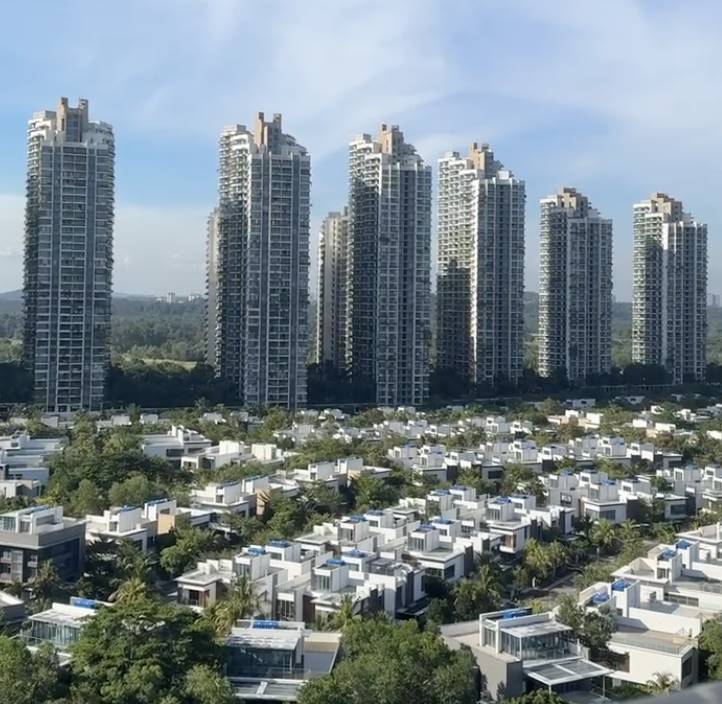
View from the presidential suite, photo by the author
Nikki admitted that she once went jogging with friends in nearby residential areas and found that most houses along the route were completely vacant. She joked that what started as an ordinary run turned into a strangely adventurous experience.
In fact, the stunning scenery of Network School’s location is itself a major unique selling point. As you drive into Forest City, rows of towering buildings stretch ahead, dramatically contrasting with the surrounding flat terrain, creating a cinematic effect. At the hotel entrance, a prominent signboard marks the presence of Network School. Upon entering the lobby, the modern NS Cafe sits directly in front of floor-to-ceiling windows overlooking the sea.
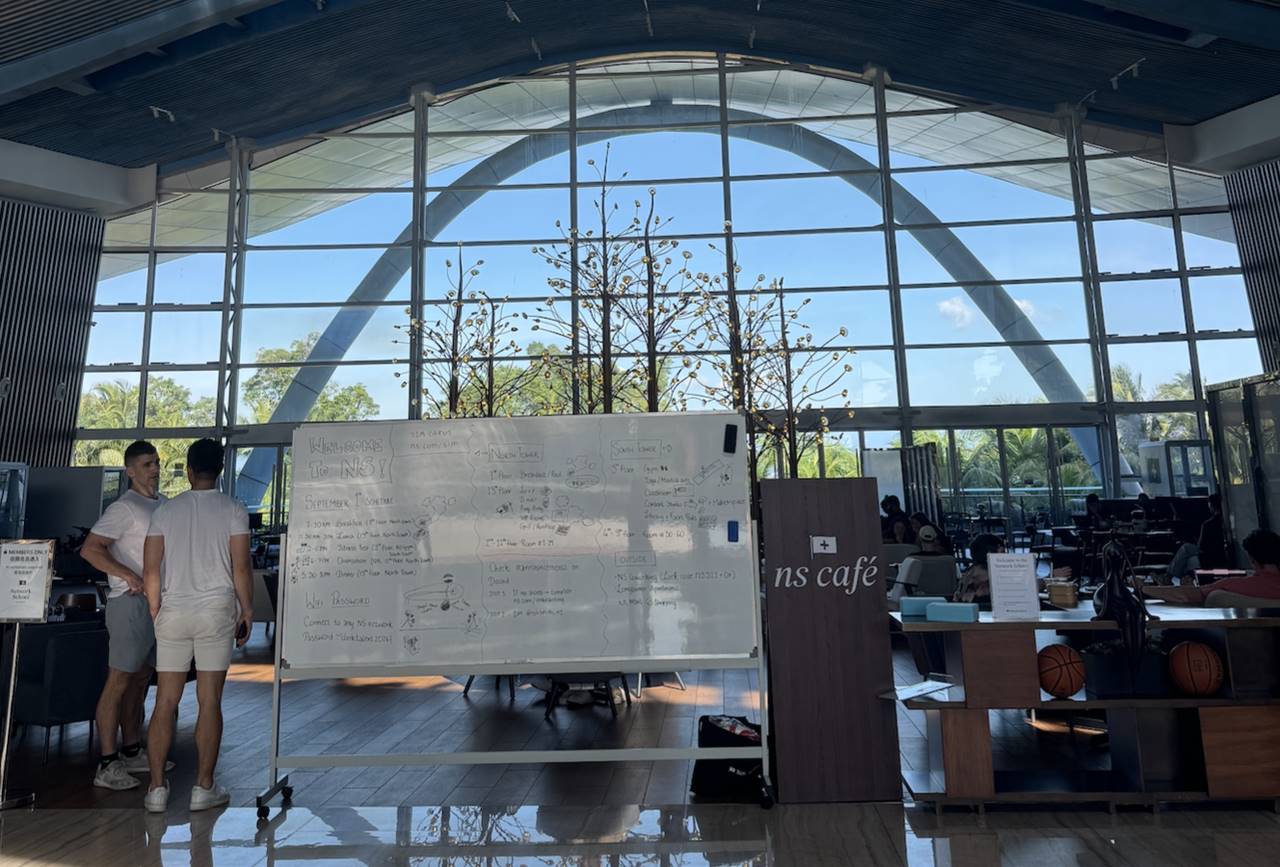
NS Cafe, located by the floor-to-ceiling windows, offers free coffee and drinking water to members
Author’s Postscript
Before departure, the author had already heard fragments of Forest City’s story. Most memorable was a widely circulated "ghost town" video on social media two years ago, depicting Forest City as dilapidated and dark, with fallen shop signs—appearing exactly like a ghost town.
Because of this, the author was deeply curious about Network School choosing to establish itself here.
Driving into Forest City, the first sight is a row of towering buildings, straight out of a movie scene. After entering, the author first visited the community activity center located beneath an apartment block. Its brand-new appearance starkly contrasts with the surrounding abandoned shops.
At that moment, one couldn’t help but wonder: Is this really all Network School has to offer?
Only after visiting the permanent hotel base did the author’s perception completely change. Upon entering the lobby, members were quietly working in the café, with expansive blue sea views beyond the glass walls. Nikki guided the author through meeting rooms, dining areas, the library, yoga studio, and gym. All facilities are open to members, who can also independently form clubs or organize sports activities.
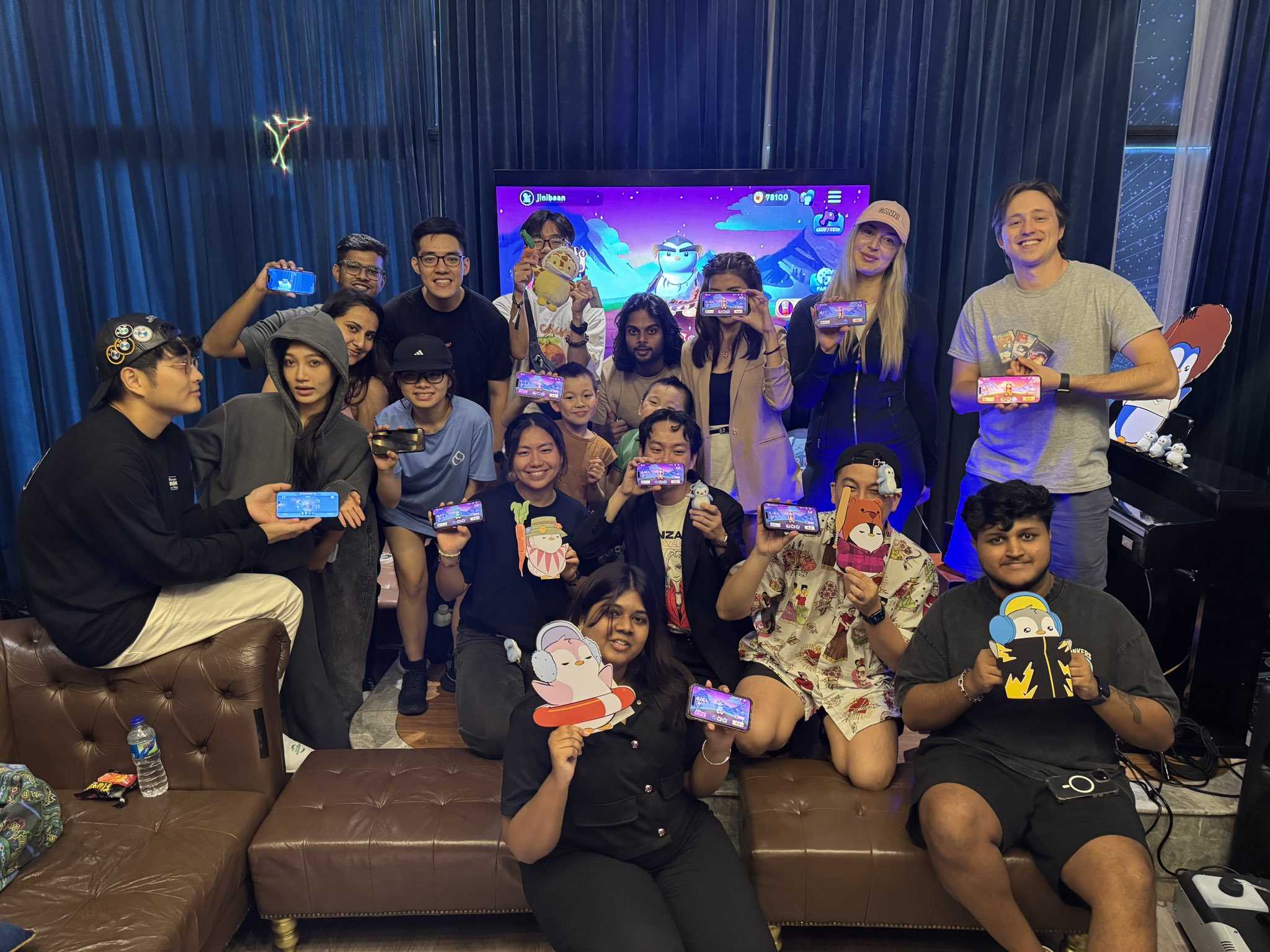
Nikki and her fellow Pudgy Penguin holders founded Pudgy NS and hosted a Pudgy Party event
Having lived here since June, Nikki noted that more shops have recently begun opening. After the on-site visit, it became clear that Forest City isn’t as deserted as portrayed online. It’s not dirty or chaotic—employees are seen sweeping leaves, security guards patrol the buildings, and maintenance crews keep facilities in order.
So, is spending $1,500 to join Network School worth it?
Perhaps the answer doesn't lie in the price tag, but in whether you’re willing to join these “dark talents” in building a digital-age utopia here.
Join TechFlow official community to stay tuned
Telegram:https://t.me/TechFlowDaily
X (Twitter):https://x.com/TechFlowPost
X (Twitter) EN:https://x.com/BlockFlow_News
 深潮TechFlow


