After "suffering from EF for so long," can the newly established Ethereum community fund reignite faith in ETH?
TechFlow Selected TechFlow Selected
After "suffering from EF for so long," can the newly established Ethereum community fund reignite faith in ETH?
Regardless of success or failure, the emergence of ECF itself sends a positive signal: the Ethereum ecosystem still has the ability to self-renew, and there are still developers unwilling to stay silent who are willing to step forward.
 Navigating Web3 tides with focused insights
Author: Zen, PANews
There was a time when ETH reaching $10,000 seemed to be a shared belief among crypto industry professionals and investors. Yet in reality, Bitcoin has dominated this cycle while ETH's price has remained stagnant around $2,000—plunging even below $1,500 at one point.
Faced with ETH’s underperformance, many in the community have directed their frustration toward the Ethereum Foundation (EF), criticizing it from multiple angles—ranging from perceived weakness and inaction, centralized governance, low transparency, poor brand management, bloated organizational structure, to lack of strategic vision. In response to these criticisms, EF announced a strategic restructuring in June—but skepticism remains high.
Against the backdrop of ETH's stagnation and growing sentiment of "long suffering under EF," at EthCC 8—the eighth annual Ethereum community conference held in Cannes, France—in July, core Ethereum developer Zak Cole launched the Ethereum Community Foundation (ECF). “ECF will say what the Ethereum Foundation cannot say, and do what the Ethereum Foundation is unwilling to do,” Cole declared during his presentation. Positioned as an independent organization, ECF’s core mission is “to support Ethereum as an asset,” with the explicit goal of pushing ETH’s price to $10,000.
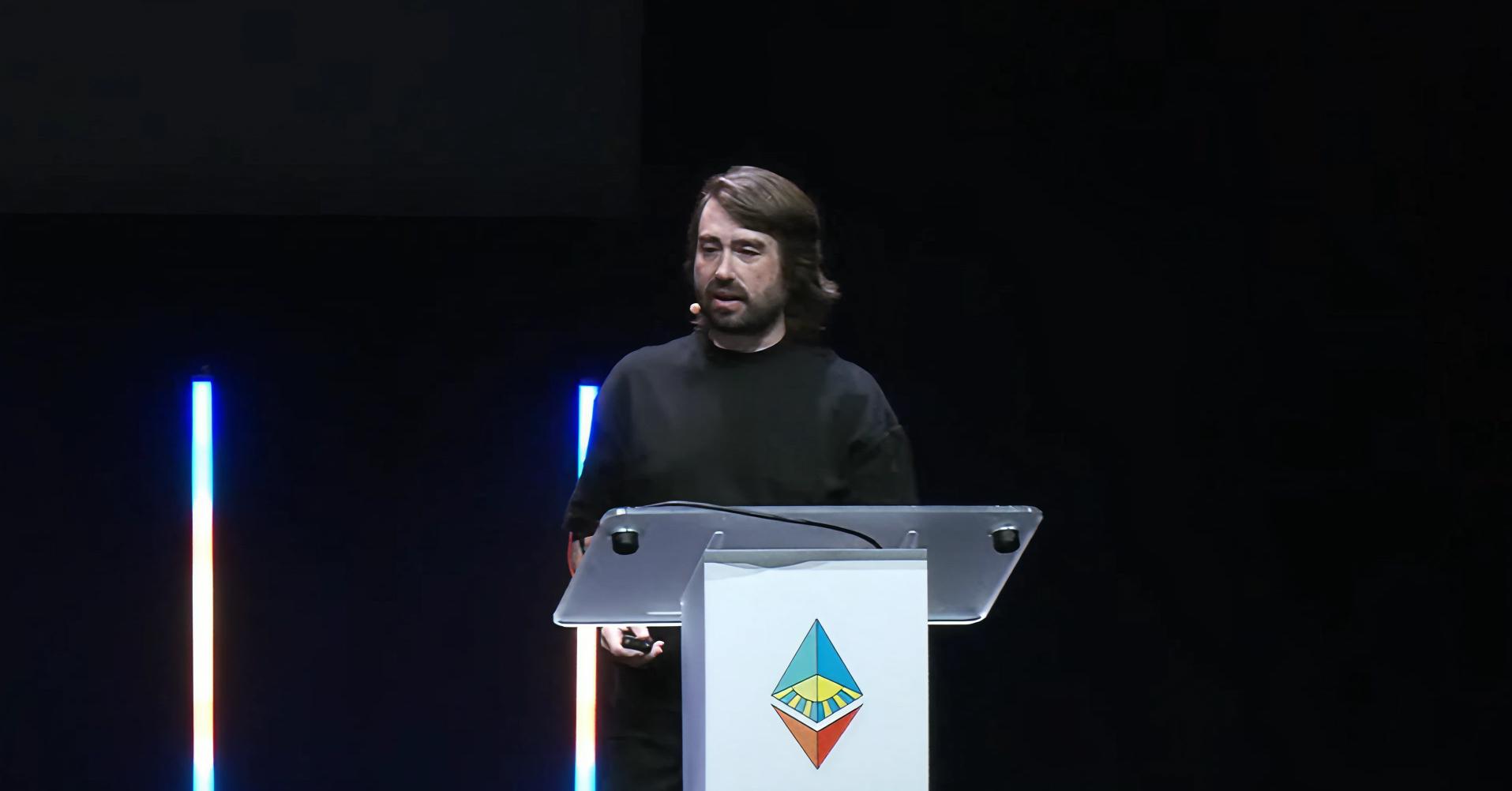
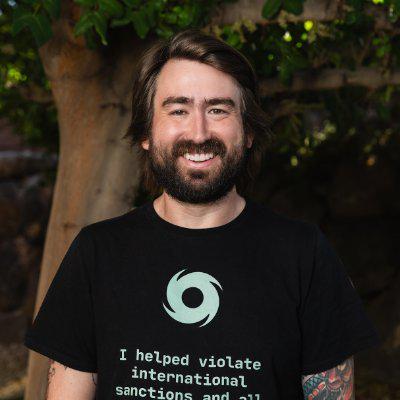
Who Is Zak Cole, the Leader Behind ECF?
As ECF’s founder, Zak Cole brings a rich and diverse background. Early in his career, he received network engineering training in the U.S. Marine Corps and, during the 2007–2008 “Operation Iraqi Freedom,” led a team responsible for building critical data infrastructure in Anbar Province, Iraq.
After leaving the Marines, Zak worked as a network engineer and began exploring Bitcoin. He continued advancing in network development, network engineering, and applied cryptography, eventually founding several companies in ad tech, web hosting, and cybersecurity—before moving into the Ethereum ecosystem and broader blockchain space.
In 2017, recognizing a gap in commercially viable, user-friendly blockchain development tools, Zak founded Whiteblock. Initially offering testing services, the company later pivoted to productizing its platform as a SaaS solution. According to early Whiteblock disclosures, its clients included the U.S. Department of Defense, ConsenSys, Beam, RChain, Syscoin, and the Ethereum Foundation itself.
Beyond Whiteblock, Zak has been actively involved in numerous influential Web3 projects and organizations. He is a co-founder of Code4rena, a smart contract security audit competition platform, and previously served as co-founder and CTO of Slingshot Finance, a decentralized trading experience platform. He also mentored startups at ETC Labs Accelerator and chaired the testing working group at the Enterprise Ethereum Alliance, providing technical consulting for projects including DeFi Pulse and Syscoin.
What has truly elevated Zak Cole’s profile recently is his launch of the Ethereum Community Foundation (ECF). His declaration that “ETH reaching $10,000 is not a meme—it’s a demand, a benchmark, an instruction” electrified many members of the Ethereum community.
Currently, aside from Zak himself, ECF’s other core team members and supporters have not yet been publicly disclosed. The full organizational structure and leadership lineup are expected to be revealed in due course.
How to Make ETH Great Again?
The ECF website states: “ETH’s price has been ignored for too long. Our mission is to enhance its value through education, funding, outreach, and ecosystem support.” To achieve this, ECF plans to fund projects that strengthen Ethereum’s foundational infrastructure, increase ETH burn rates, expand public goods contributions, and advance network scalability. Zak argues that the Ethereum Foundation (EF) has inadequately prioritized ETH as an asset and failed to advocate for the interests of all ETH holders.
ECF has already secured community backing and initial funding. It has raised several million dollars worth of ETH to support aligned projects, primarily from anonymous ETH holders and community donors. ECF enforces strict funding criteria: only “tokenless, immutable” projects are eligible, and all funded initiatives must directly contribute to burning ETH—thereby reinforcing its economic value. This approach is described as a “credible neutrality” funding strategy, deliberately avoiding any models that issue new tokens and risk diluting value.
On the technical and ecosystem front, ECF has initiated several collaborative efforts. Its first major grant supports the Ethereum Validator Association (EVA), which aims to give validators a formal voice—enabling them to vote on and prioritize protocol upgrade roadmaps using their staked ETH.

Cole emphasized that EVA will “introduce validator representatives” who can influence client development and monetary policy direction based on validator performance. ECF is also proactively engaging governments, regulators, and traditional financial institutions to promote institutional adoption of Ethereum. The foundation stresses “radical transparency” in all grants and decisions—community members can participate in funding decisions via “coin voting,” and all financial flows and project progress will be publicly disclosed.
Some crypto KOLs and users view ECF’s focus on tokenless, public-chain infrastructure funding as a return to Ethereum’s original values, potentially enhancing network security and reliability. Others question the sustainability of a completely tokenless incentive model, expressing concerns about long-term project maintenance and developer compensation.
While ECF’s emergence has drawn significant attention, whether it can truly deliver on its promise of returning ETH to $10,000 remains to be seen. Whether driving token value or reshaping Ethereum’s governance and funding paradigms, the path ahead will be challenging. ECF’s ability to maintain credible neutrality while continuously attracting developers and capital will ultimately determine its success.
Nevertheless, regardless of its ultimate outcome, ECF’s very existence sends a positive signal: the Ethereum ecosystem still possesses the capacity for self-renewal, and there remain passionate developers unwilling to stay silent. The emergence of diverse voices and new forces may well represent a fresh hope for Ethereum at a critical inflection point.
Join TechFlow official community to stay tuned
Telegram:https://t.me/TechFlowDaily
X (Twitter):https://x.com/TechFlowPost
X (Twitter) EN:https://x.com/BlockFlow_News
 PANews