Ethereum's next move: scaling, upgrading, and moving toward an aggregation era
TechFlow Selected TechFlow Selected
Ethereum's next move: scaling, upgrading, and moving toward an aggregation era
Scale L1, bring back Rollup, integrate everything, and launch as soon as possible.
 Navigating Web3 tides with focused insights
Author: mteam.eth
Translation: TechFlow
Any successful blockchain must create a flywheel effect as shown below:
Economic progress (e.g., TVL, price, revenue, transaction volume) must bring attention and visibility to the chain, thereby:
Enabling new applications to be funded, new developers to learn the technology, and new users to leverage everything we’ve built to improve their lives—this inevitably leads to:
Innovation, along with improvements in infrastructure and applications to increase efficiency and explore new use cases and architectures. Collaboration is especially critical during the innovation phase, but this stage often causes teams to fragment due to natural incentive structures. Innovation drives economic progress, and the cycle restarts.
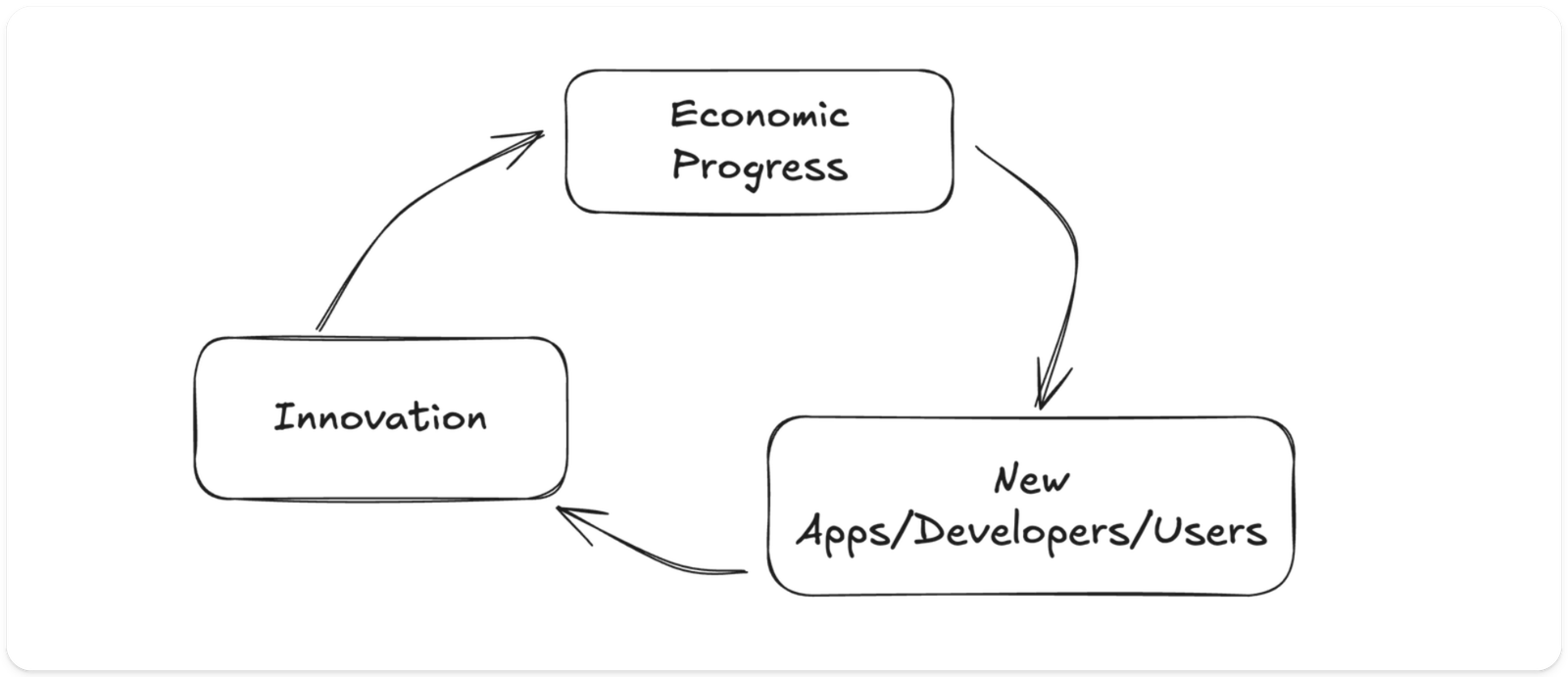
The problem Ethereum faces is simple—we’ve broken every part of this flywheel.
Note: This article discusses Ethereum’s high-level technical roadmap, not its social roadmap. Both must be combined to present the full picture.
First, Acknowledge the Problem
New applications, developers, and users are all on L2s! Innovation happens on L2s! Economic progress is also shifting toward L2s.
If these L2s could feed back into the flywheel, this wouldn’t be an issue for Ethereum—but that rarely happens.
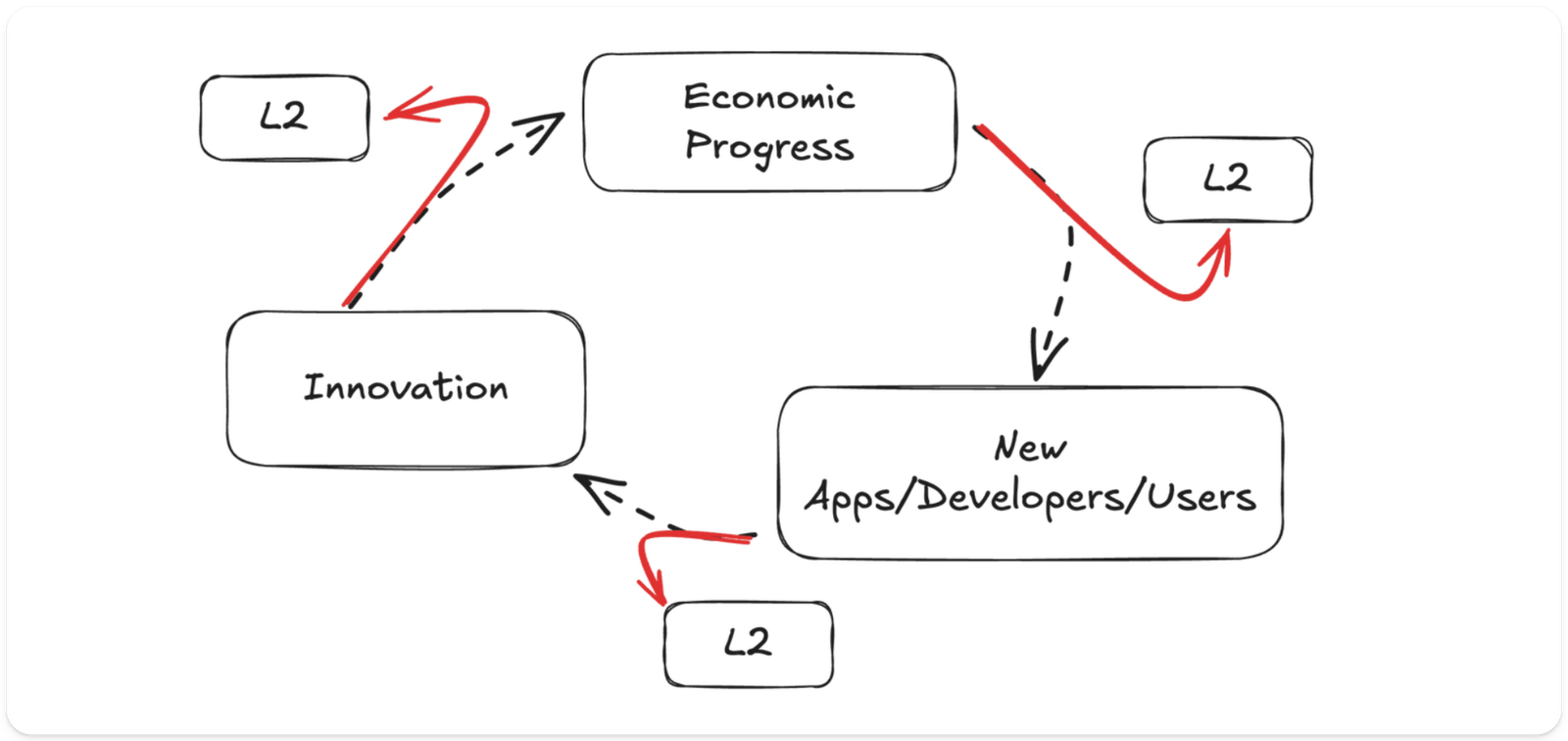
Where does the breakdown originate?
Ethereum (starting around 2020) believed rollups were the only way to scale and greatly overestimated how much L2s would contribute to Ethereum’s overall flywheel.
Rollups were seen as a scaling solution. Compared to sharding, rollups appeared simpler, avoided diluting Ethereum L1 security, and even offered better composability.
But rollups are not just a scaling architecture—they’re also an incentive architecture. A simplified logic chain might look like this:
-
We need to scale Ethereum.
-
Some form of sharding is necessary to scale blockchains with the properties we want.
-
Sharding in protocol execution is too complex and has other issues.
-
Therefore, rollups are the only way to scale Ethereum.
In my view, point 2 here was the first major mistake. Empirically, it's clear we were wrong (at least to some extent). For example, both Solana and Monad have demonstrated viable scaling roadmaps without any form of sharding. Meanwhile, many core Ethereum developers have already proven that we can push L1 performance further than it currently stands.
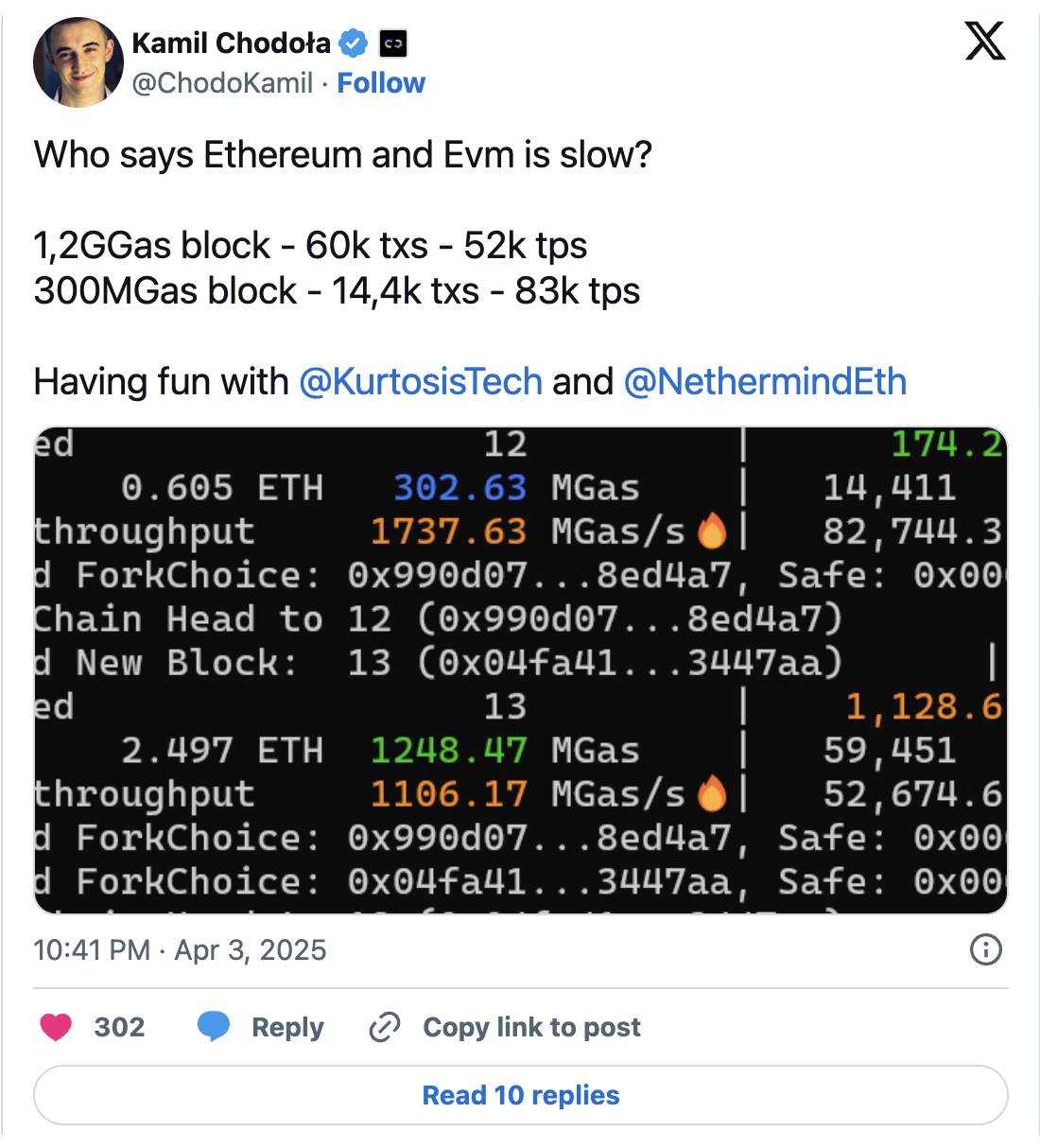
While I don’t believe one chain can meet all needs, I think we rushed to this endgame before fully exploring L1 scaling opportunities.
Point 4 in this reasoning is also insufficient. We failed to properly assess the potential downsides of a rollup-centric roadmap on the L1 network effects flywheel.
The Ideal Flywheel
I believe we can reframe the network effects flywheel like this:
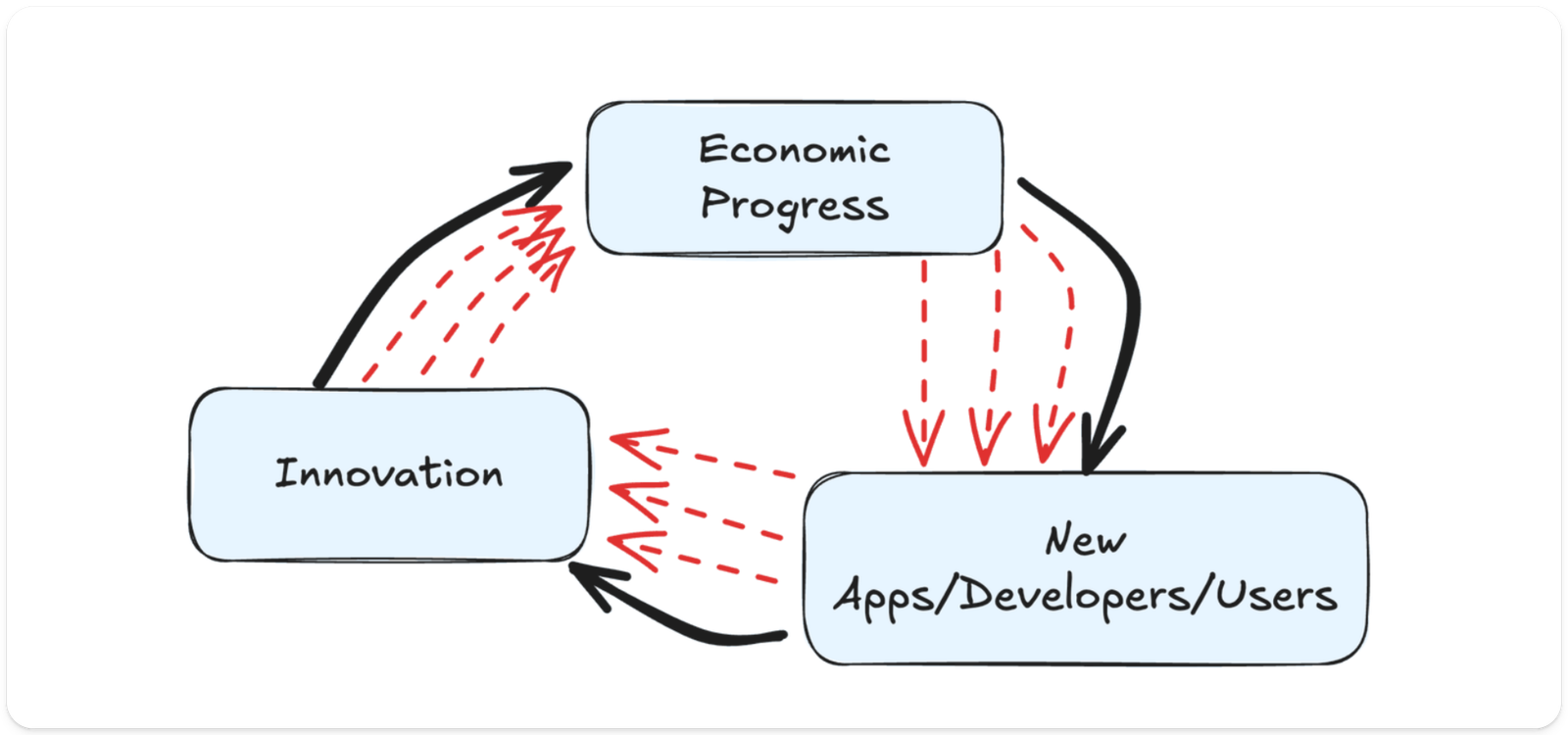
L2s should not drain network effects from the flywheel, but rather accelerate the flow between each effect.
Specifically, this means:
-
Providing nearly infinite flexible scaling as overflow
-
Driving customization, specialization, and bold experimentation
-
Attracting users and developers
-
Increasing total income across the Ethereum ecosystem and ETH L1 itself
-
Maintaining high composability with Ethereum
This interaction produces the desired outcome for both Ethereum and L2s—rising tide lifts all boats.
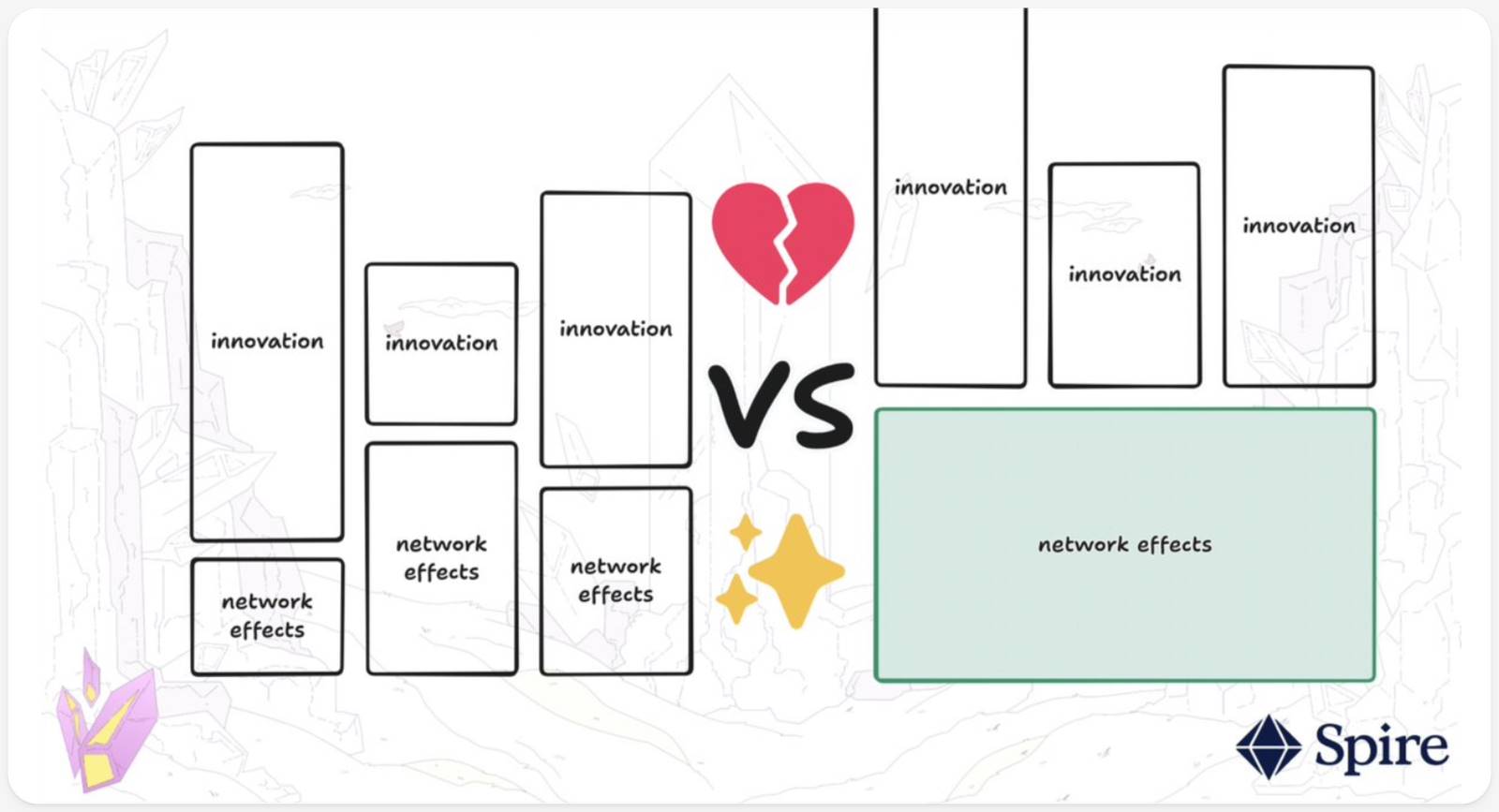
Slide from my "Sequencing Day" talk in November 2024
Solid Foundation
To effectively restart the flywheel, we need a strong L1. An L1 worth composing with. An ETH worth holding in your treasury. A coordination point for innovation.
How do we achieve this? The answer couldn't be simpler. Actively scale the L1.
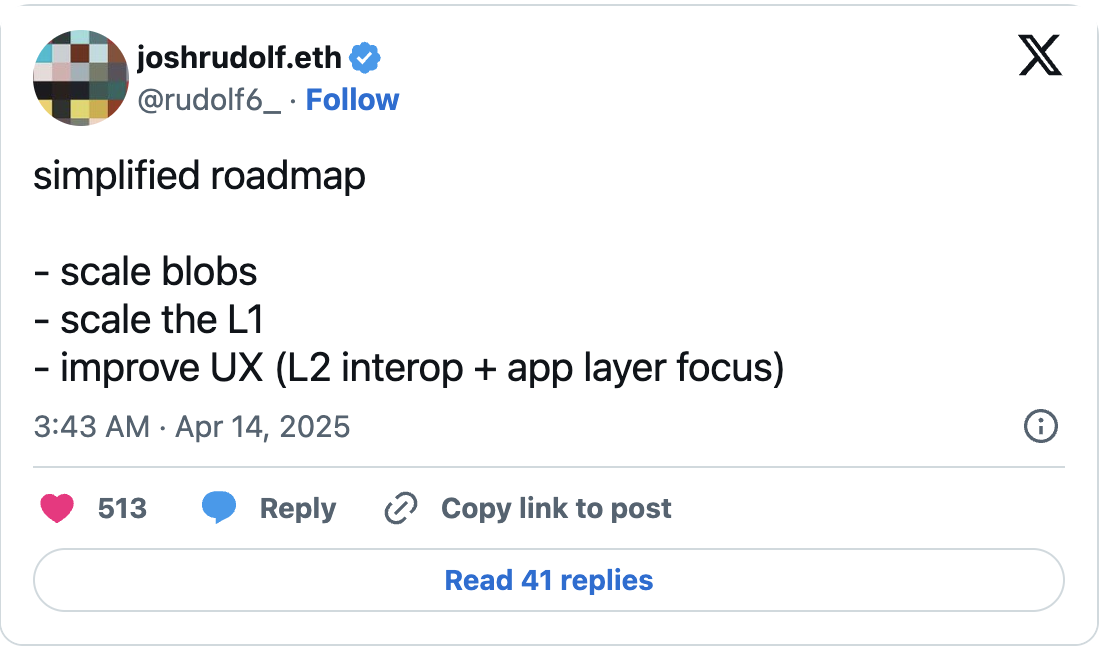
We begin with innovation at the L1 layer.
There are three reasons:
-
Scaling L1 increases network effects under the ideal flywheel
-
Scaling L1 raises the competitive bar for any L2
-
Scaling L1 benefits L2s! (Especially the kind I'll discuss in the next section)
Most readers likely understand what scaling L1 means in practice, but the core idea is increasing TPS and gas per second while reducing slot time. We must make Ethereum L1 the most powerful settlement network, yes—but also a powerful execution network.
Together, this forms the solid foundation L2s need.
Bring Rollups Back
As the L1 scales and builds its own network effects, we must act quickly to optimize L2s to contribute to the ideal flywheel.
Several things need balancing here:
-
Ethereum gives rollups the impression they will be prioritized within Ethereum.
-
Rollups have successfully grown their own network effects.
Any shift back toward L1 scaling must be handled carefully to avoid alienating major L2s (though some L2s had no reason to exist in the first place and absolutely should die out).
I propose a simple rollup design:
-
Rollups use Ethereum for data availability (DA).
-
Rollups use Ethereum for execution. This makes them native rollups.
-
Rollups use Ethereum for sequencing. This makes them based rollups.
-
Rollups use ETH as their native gas token.
-
Rollups designed this way are called “Ultrasound Rollups” and “Based + Native Rollups.” I’ve written about them in detail!
“Ultrasound Rollups” cannot yet be implemented on current Ethereum. To enable their native component, Ethereum needs a hard fork adding a new opcode—the execution engine opcode. Based sequencing designs also face practical challenges today, all closely tied to L1 scaling.
Assuming we can achieve this, what do we get?
Ultrasound Rollups contribute to Ethereum’s network effects flywheel by maintaining composability while enabling customization. Their combined scaling capacity is theoretically immense—any single Ultrasound Rollup could drive execution as powerfully as MegaETH or RISE. Ultrasound Rollups aren’t a step backward, but a necessary step forward.
The synergy between Ultrasound Rollups and Ethereum is so strong I view them as extensions of Ethereum’s network effects. Solana got the philosophy of network scaling right, but Ultrasound Rollups aren’t just adding capability to Ethereum—they are Ethereum’s network.
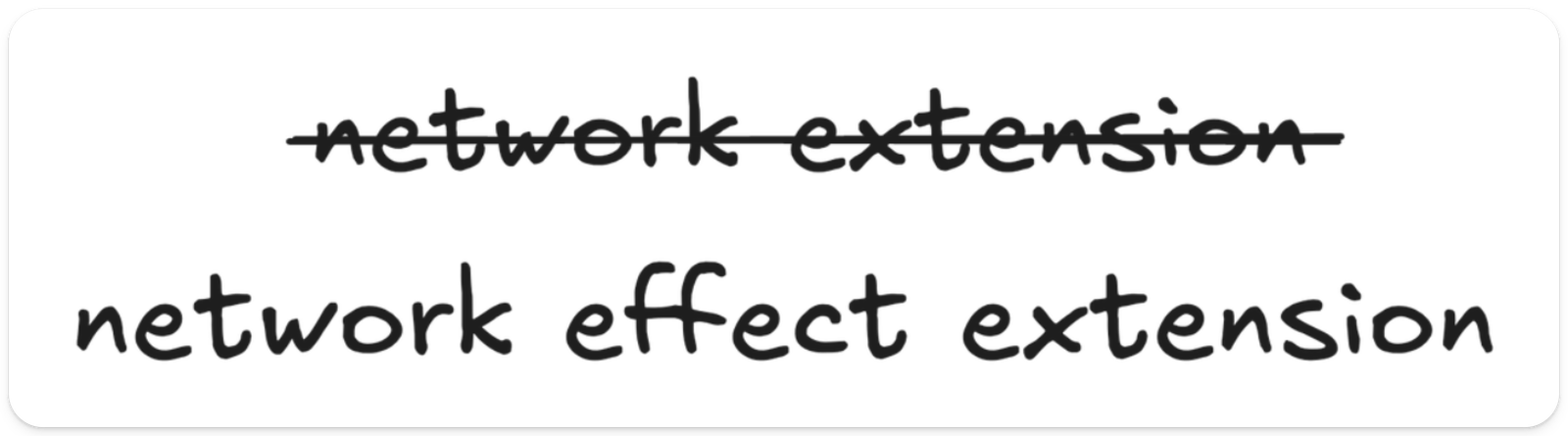
Existing rollups have the potential to transition into Ultrasound Rollups. In fact, several teams have already committed to exploring this option further. New rollups and appchains should prioritize this direction.
Through this approach, a unified Ethereum ecosystem can achieve “Universal Synchronous Composability,” delivering insane scalability alongside infinite expressiveness.
In this ecosystem, user and developer activity occurs on L1 or specialized rollups. Important and contentious state may remain on L1. Developers can build cross-chain applications without worrying about underlying chain-to-chain gaps. Users experience chain abstraction within Ethereum’s expanded economic zone.
This is Ethereum’s era of integration.
From “Many Choices” to “The Obvious Choice”
Ethereum is building best-in-class data availability (DA), based rollups are advancing our improved sequencing tech, and native rollups will deliver superior execution.
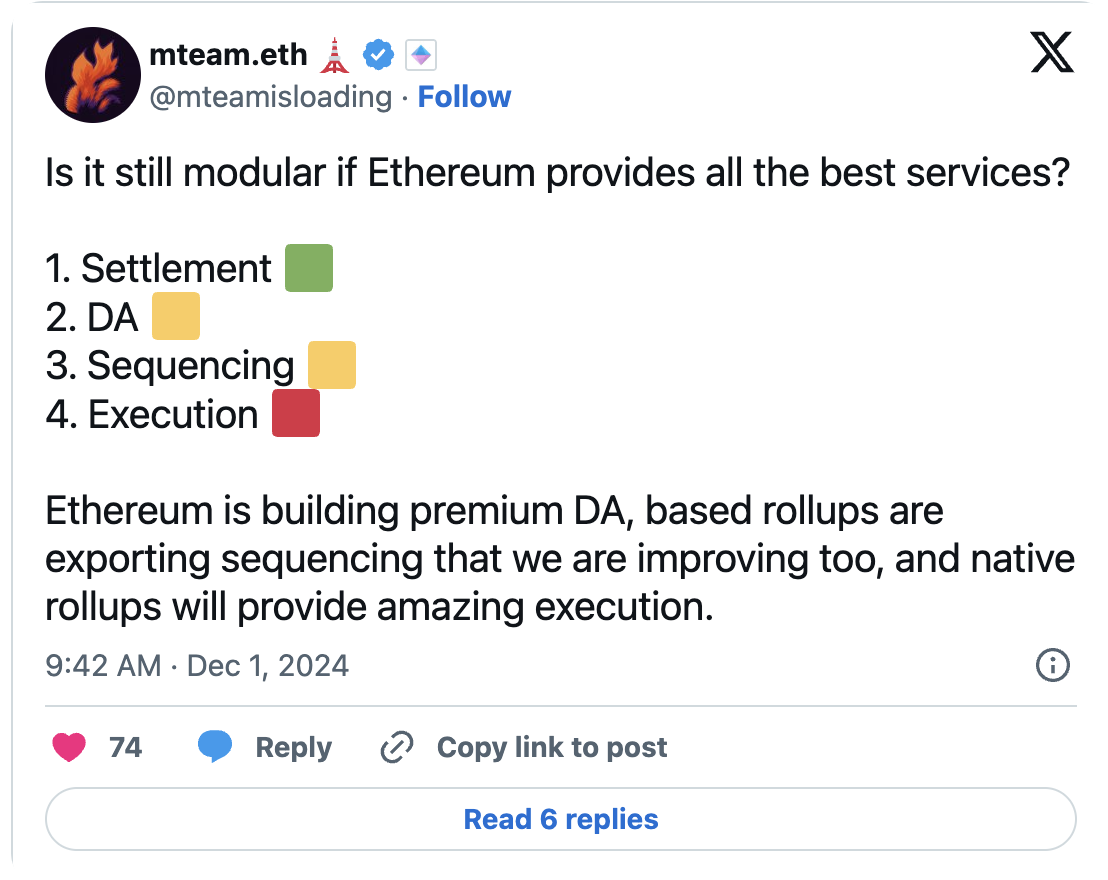
Ethereum L1 integrates core rollup services into a unified Ultrasound Rollup. While the market remains permissionless and chains stay modular, Ethereum itself provides such vital and refined services that competitors become irrelevant.
Value accrual (in fees) becomes straightforward: provide the most valuable service, access the largest synchronous economic zone, strongest economic security, most censorship-resistant sequencing, most reliable settlement layer, and most secure data availability.
The narrative forms naturally: “Ethereum is the best”—> Ethereum actually is the best.
Scale the L1.
Bring rollups back.
Integrate everything.
And launch it soon.
Join TechFlow official community to stay tuned
Telegram:https://t.me/TechFlowDaily
X (Twitter):https://x.com/TechFlowPost
X (Twitter) EN:https://x.com/BlockFlow_News
 Bankless