USDS channel costs eat into profits, MakerDAO posts $5 million loss in Q1
TechFlow Selected TechFlow Selected
USDS channel costs eat into profits, MakerDAO posts $5 million loss in Q1
Although USDS was launched to attract sophisticated investors, it remains unclear whether Sky's user base has significantly expanded.
 Navigating Web3 tides with focused insights
By: Tim Craig & Sheldon Reback, CoinDesk Authors
Translation: Deep by律动
Editor's Note: DeFi savings protocol Sky (formerly MakerDAO) reported a $5 million loss in the first quarter of 2025, a sharp contrast to the previous quarter's $31 million profit. The loss was primarily driven by a 102% surge in interest payments due to incentives for using the new USDS stablecoin instead of DAI. Although USDS was designed to attract sophisticated investors, its user base growth remains unclear, and the protocol's profitability is being strained by high interest rates.
Below is the original content (slightly edited for clarity):
TL;DR
· DeFi savings protocol Sky (formerly MakerDAO) posted a $5 million loss in Q1, a significant drop from the prior quarter’s $31 million profit.
· Interest payments to depositors increased by 102% as the protocol incentivized users to adopt the newer Sky Dollar stablecoin (USDS) over DAI.
· Despite launching USDS to attract sophisticated investors, it remains unclear whether Sky has significantly expanded its user base.
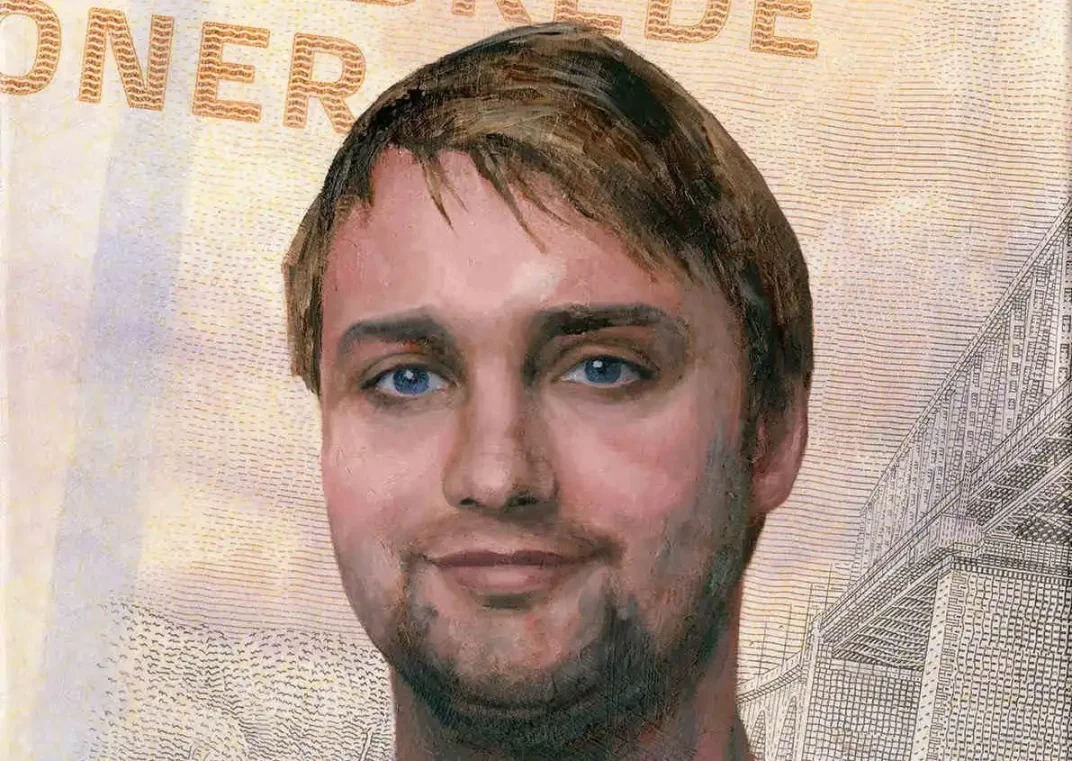
Rune Christensen, co-founder of Sky (Photo courtesy of Trevor Jones)
According to a report from Steakhouse Financial, a contributor to Sky, the DeFi savings protocol lost $5 million in the first quarter due to more than doubling interest payments to token holders.
This loss stands in stark contrast to the previous quarter, when Sky recorded a $31 million profit. The 102% increase in interest payments stemmed from the protocol’s decision to incentivize use of the newer Sky Dollar stablecoin (USDS) rather than the existing DAI.
"Sky savings rate remained at 12.5%, which is very high compared to the rest of the market, attracting significant capital inflows," Rune Christensen, co-founder of Sky, told CoinDesk via Telegram. Even after Sky reduced the rate to 4.5% in February, many investors chose to stay, he said.
This situation presents a double-edged sword for the protocol, one of the first decentralized finance applications to emerge on Ethereum in 2017.
Sky operates similarly to a traditional bank. It needs to lend money at a higher rate than what it pays depositors.
However, offering higher rates without a corresponding increase in USDS demand is harming the protocol's profitability, PaperImperium, governance liaison at blockchain research and development firm GFX Labs, told CoinDesk via Telegram.
"USDS is a major drag on earnings," he said. "DAI makes money; USDS does not."
Promoting USDS is part of Sky's so-called "Endgame Plan," led by Christensen, aiming to transform the protocol into a more decentralized and resilient system.
No New Demand?
When Sky rebranded from MakerDAO and launched USDS in August as part of the Endgame Plan, the idea was that the new stablecoin would attract a different user segment than DAI.
USDS is designed to better meet regulatory and financial reporting standards, targeting hedge funds, family offices, and other sophisticated institutional investors looking to enter decentralized finance.
But it remains unclear whether USDS has attracted substantial new users.
Investors receive different returns on USDS versus DAI: USDS offers a 4.5% yield, while DAI offers 2.75%.
Many investors swapped DAI for USDS, meaning Sky now pays more to users who previously accepted lower or even zero yields, according to PaperImperium.
The report states that total supply of USDS and DAI combined has grown 57% since the start of the quarter. However, much of this growth came from the synthetic dollar protocol Ethena, which deposited over $450 million in staked USDS and passed the yield on to users staking its own stablecoin, USDe.
In the past week, Ethena shifted part of its reserves from USDS to USDtb—a stablecoin backed by BlackRock’s BUIDL (Bitcoin Institutional Digital Liquidity Fund).
This move means less USDS in circulation. But it could also benefit Sky by reducing the amount of interest the protocol must pay.
Join TechFlow official community to stay tuned
Telegram:https://t.me/TechFlowDaily
X (Twitter):https://x.com/TechFlowPost
X (Twitter) EN:https://x.com/BlockFlow_News
 CoinDesk