What Does the End of the Fed's "Operation Choke Point 2.0" Mean for the Crypto Market as Banks Ease Restrictions?
TechFlow Selected TechFlow Selected
What Does the End of the Fed's "Operation Choke Point 2.0" Mean for the Crypto Market as Banks Ease Restrictions?
The three-year era of high-pressure cryptocurrency regulation has come to an end.
 Navigating Web3 tides with focused insights
Author: BlockBeats
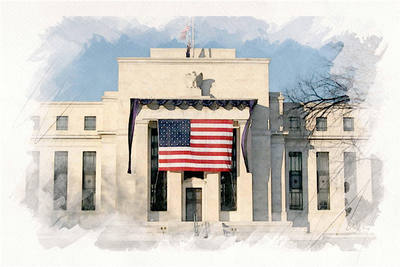
On April 25, the Federal Reserve announced a major decision: it is revoking its 2022 regulatory guidance on banks’ activities involving crypto assets and dollar-backed tokens, terminating the 2023 "no-action" procedures, and withdrawing from the joint policy statement previously issued with the Federal Deposit Insurance Corporation (FDIC) and the Office of the Comptroller of the Currency (OCC) regarding risks associated with crypto-related banking activities.
Choke Point 2.0: The Strangulation of the Crypto Industry
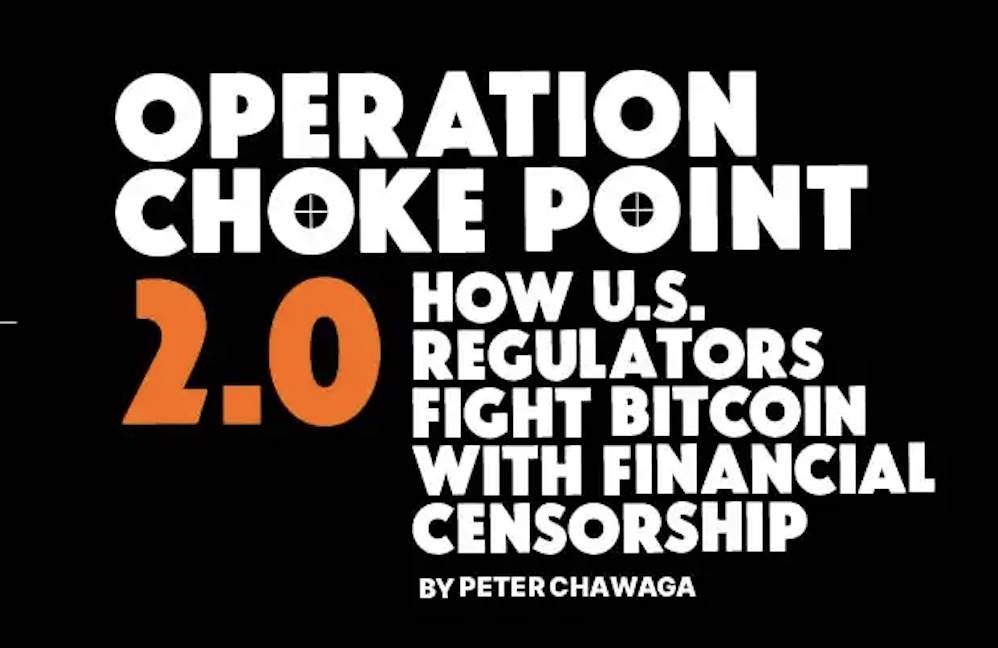
"Choke Point 2.0" is the term used within the crypto industry to describe a series of bank regulatory policies implemented during the Biden administration. The name references the original "Choke Point" initiative from the Obama era, which involved pressuring banks to cut off financial services to targeted industries as a means of indirect regulation.
In the context of cryptocurrency markets, Choke Point 2.0 generally refers to actions taken between 2022 and 2023 by the U.S.'s primary financial regulators—the Federal Reserve, FDIC, and OCC—through guidance documents and policy statements that strongly discouraged banks from engaging in crypto-related activities, thereby indirectly restricting connections between crypto firms and the traditional banking system.
It began in 2022 when the Federal Reserve issued a supervisory letter requiring state member banks to seek prior approval before engaging in crypto asset activities. While seemingly procedural, this significantly raised the barrier for banks entering the crypto space.
In early 2023, regulatory pressure intensified further. The Fed, FDIC, and OCC jointly released a statement asserting that issuing or holding crypto assets on public, decentralized networks “is likely inconsistent with safe and sound banking practices.” Later that year, regulators required banks engaging in dollar-backed token (i.e., stablecoin) activities to obtain prior “no-action” relief—an arduous and time-consuming process that gave regulators de facto veto power.
As a result, many dubbed this wave of regulatory pressure “Choke Point 2.0.” Nic Carter, the first crypto analyst at Fidelity Investments, described these actions in a deep-dive analysis as “a precise and widespread crackdown on the crypto industry through the banking system.”
He noted that the regulators’ goal was to sever the link between crypto companies and the fiat financial system by making it harder for banks to serve the industry. This not only restricted crypto firms’ access to bank accounts and payment channels but also severely disrupted the on- and off-ramps for stablecoin issuers and exchanges. Some crypto businesses faced the risk of being completely cut off from banking services, threatening both stablecoin liquidity and exchange operations.
FTX Collapse: The Catalyst for Regulatory Crackdown
Choke Point 2.0 was closely tied to the collapse of the FTX exchange in November 2022. The FTX implosion led to billions of dollars in customer losses and shattered market confidence. While the 2022 crypto credit crisis had minimal impact on traditional finance, regulators opted for preemptive action to prevent contagion. Thus, they moved to insulate the banking system by limiting banks’ exposure to the crypto sector.
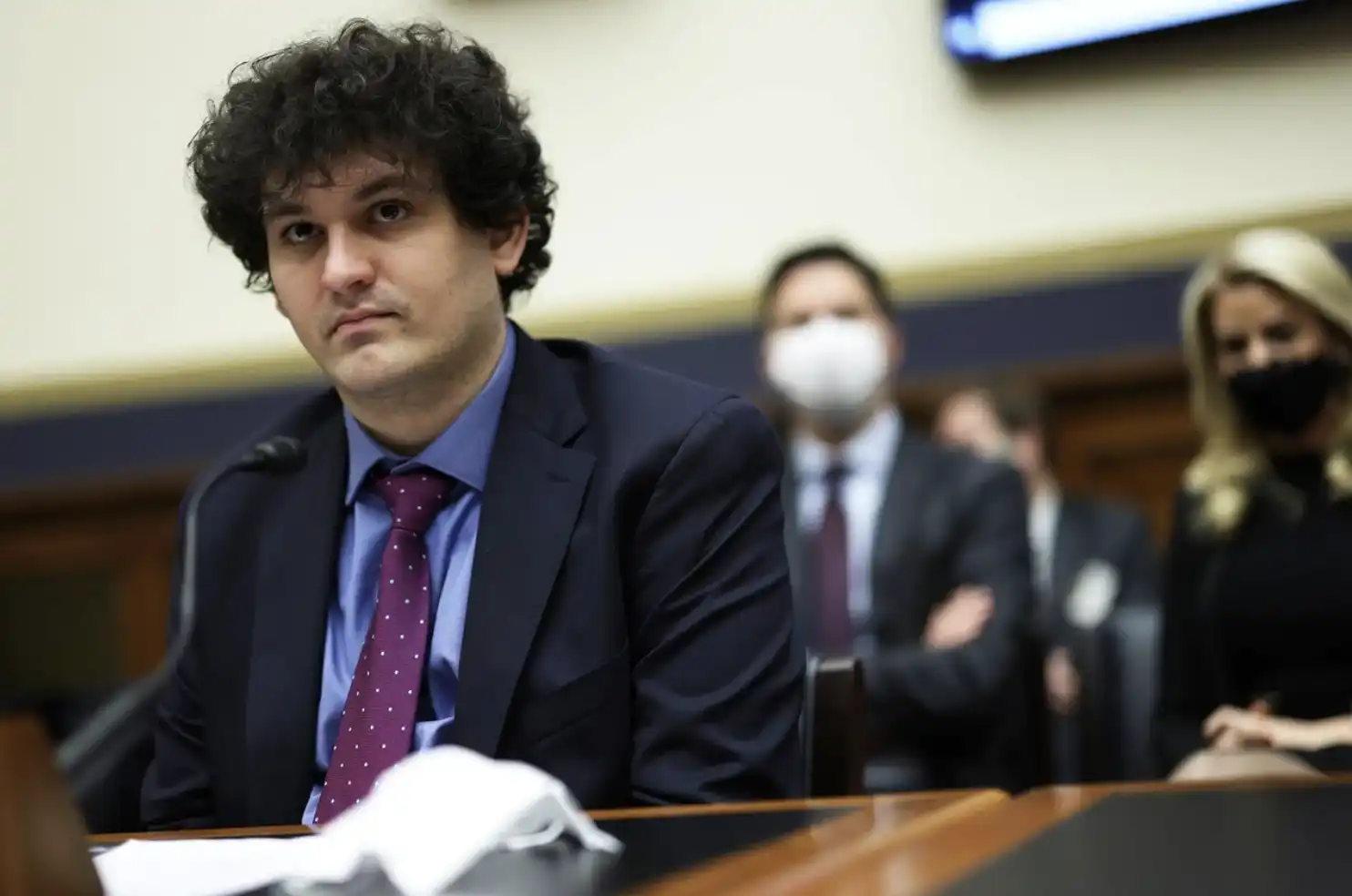
Crypto-friendly banks were naturally the first targets of this scrutiny. Silvergate and Signature were among the few institutions willing to serve crypto clients and thus bore the brunt of regulatory pressure. In December 2022, Senators Elizabeth Warren, John Kennedy, and Roger Marshall jointly wrote to Silvergate criticizing its failure to detect suspicious activity related to FTX and its affiliate Alameda Research.
Silvergate subsequently suffered a bank run following the FTX collapse, with its stock plummeting from a high of $160 in March 2022 to $11.55 by January 2023. Signature announced plans to reduce its crypto deposits from $23 billion to $10 billion and fully exit the stablecoin business. Another crypto-serving bank, Metropolitan Commercial Bank, also shut down its crypto operations in January 2023.

A Regulatory Shift Under Trump’s Return
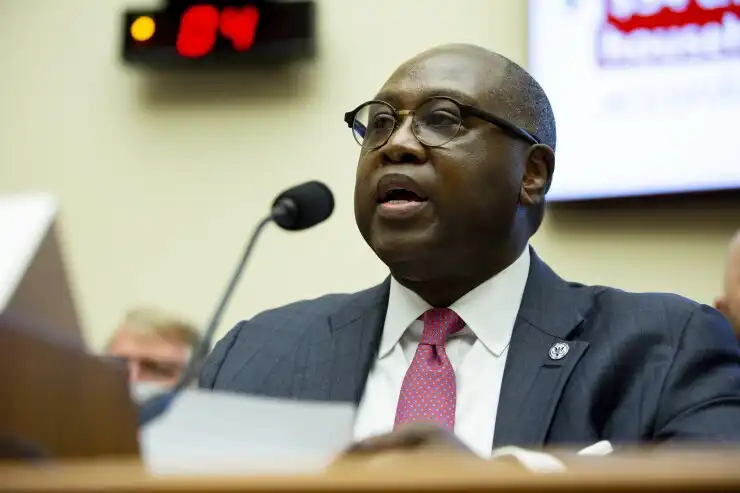
In 2025, with Donald Trump returning to the White House, the U.S. crypto regulatory landscape underwent a significant transformation. On March 7, the White House hosted its first-ever cryptocurrency summit. The Office of the Comptroller of the Currency (OCC) then issued a series of interpretive letters allowing national banks to provide cryptocurrency custody, stablecoin reserve management, and blockchain node participation services without special regulatory approval—overturning the restrictive guidance from the Biden era that required prior consultation with regulators and rescinding OCC Interpretive Letter #1179 from 2021.
OCC Acting Comptroller Blake Todd stated: “Digital assets should and must be part of the American economy.” The new rules allow banks to securely store private keys for customers, hold reserves backing dollar-pegged stablecoins, and act as nodes to validate blockchain transactions—providing greater flexibility for banks to integrate into the digital asset ecosystem.
The OCC’s reversal may be closely linked to Trump’s campaign promises. At this year’s White House crypto summit, Trump said: “Some people have been badly hurt. What they did was absurd... It will all end very soon.” He criticized Choke Point 2.0 for “forcing banks to shut down crypto business accounts” and “weaponizing the government against an entire industry.”
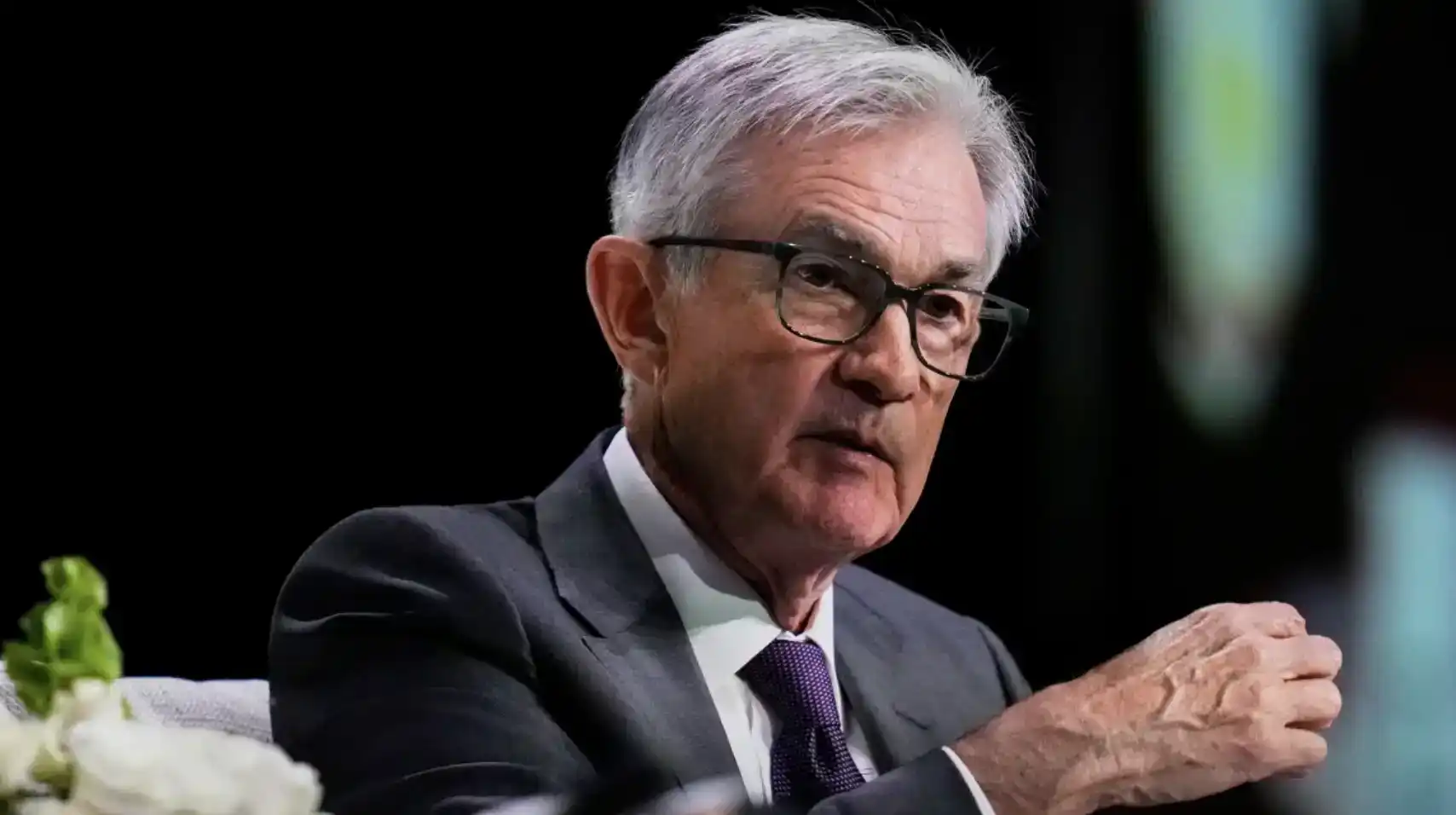
On April 17, Powell delivered a speech at the Economic Club of Chicago, further clarifying the direction of regulatory easing. He stated that current crypto regulations on banks “have room for relaxation,” acknowledging the growing mainstream adoption of crypto in recent years. While regulators had previously taken a cautious stance due to repeated incidents of fraud and collapses, he noted that the market has fundamentally changed and emphasized the need to establish a clear regulatory framework for stablecoins—sending a strong signal in support of innovation.
Today, the Federal Reserve has officially revoked the key guidance underpinning Choke Point 2.0. Banks are no longer required to file pre-approvals for crypto-related activities, which will now be monitored through regular supervisory processes. This move aligns with the Trump administration’s pledge to eliminate policies that excluded crypto firms from banking services. Congressional oversight investigations and newly disclosed FDIC documents have also contributed to greater policy transparency.
The Next Regulatory Boost for Crypto Markets?
Since 2025, the crypto market has seen a continuous stream of positive developments. Following the SEC's confirmation of multiple altcoin ETF applications, the return of traditional crypto market makers, the repeal of DeFi broker rules, the dismissal of several crypto-related lawsuits, and Trump’s appointment of a pro-crypto chair to lead the SEC, the latest favorable shift comes from the banking sector. The Federal Reserve’s formal rollback of Choke Point 2.0 marks the end of a three-year era of heightened regulatory pressure on bank-crypto relationships.
The most immediate benefit is a dramatic reduction in barriers and legal risks for banks serving the crypto industry. More banks may now offer accounts, payments, and custody services to crypto firms. Additionally, stablecoin issuers and exchanges will enjoy smoother fiat on- and off-ramps.
More importantly, the Trump administration has made pro-crypto policy a priority, and Powell’s endorsement of a stablecoin regulatory framework has provided clearer market expectations. This concentrated series of favorable signals could attract more traditional financial institutions into the crypto space, increasing market liquidity and boosting investor confidence.
Join TechFlow official community to stay tuned
Telegram:https://t.me/TechFlowDaily
X (Twitter):https://x.com/TechFlowPost
X (Twitter) EN:https://x.com/BlockFlow_News
 BlockBeats