One Month to Departure: Has Trump's Political Alliance with Musk Cracked?
TechFlow Selected TechFlow Selected
One Month to Departure: Has Trump's Political Alliance with Musk Cracked?
Allies, yet also checks and balances.
 Navigating Web3 tides with focused insights
By Penny
Recently, a high-profile altercation outside the White House has once again placed the U.S. government under intense public scrutiny. Elon Musk, head of the Department of Government Efficiency (DOGE), and Treasury Secretary Ferdinand "Beesont" engaged in a heated verbal clash over policy disagreements, nearly escalating into physical confrontation. Ultimately, Trump endorsed Beesont's appointment proposal, sparking speculation about whether cracks are emerging in the relationship between Trump and Musk. This conflict is not merely a power struggle between Silicon Valley and Washington—it reveals the complex evolution of the Trump-Musk alliance from "close allies" to a dynamic of mutual checks and balances.
Earlier this year, Trump initiated one of his most significant political reforms by partnering with Musk to establish the Department of Government Efficiency (DOGE). Under the banner of "streamlining government," DOGE launched radical initiatives aimed at cutting federal spending, digitizing bureaucratic systems, and replacing human decision-making with algorithmic processes. The core team consists of six tech-savvy individuals aged 19 to 25. Since Trump’s January 20 inauguration, DOGE has aggressively pursued downsizing efforts—shutting down the United States Agency for International Development (USAID), drastically reducing the federal workforce, and accessing taxpayer private data to enhance fiscal efficiency. With Trump’s backing, Musk has pushed forward amid mounting pressure, unleashing a wave of sweeping reforms across America.
According to official DOGE website data as of April 20, 2025, DOGE has saved approximately $160 billion overall, averaging about $993.79 in savings per taxpayer, across multiple domains:
Contract terminations: 8,454 contracts canceled, saving around $30 billion. For example, terminating the Risk Management Agency’s lease in Topeka, Kansas—which had an annual rent of $121,800—is expected to save roughly $964,000 over multiple years.
Grant cancellations: 9,699 grants terminated, saving about $33 billion. For instance, canceling USAID’s funding to the Gavi Alliance saved a total of $1.75 billion.
Lease cancellations: 643 leases ended, saving approximately $3 billion.
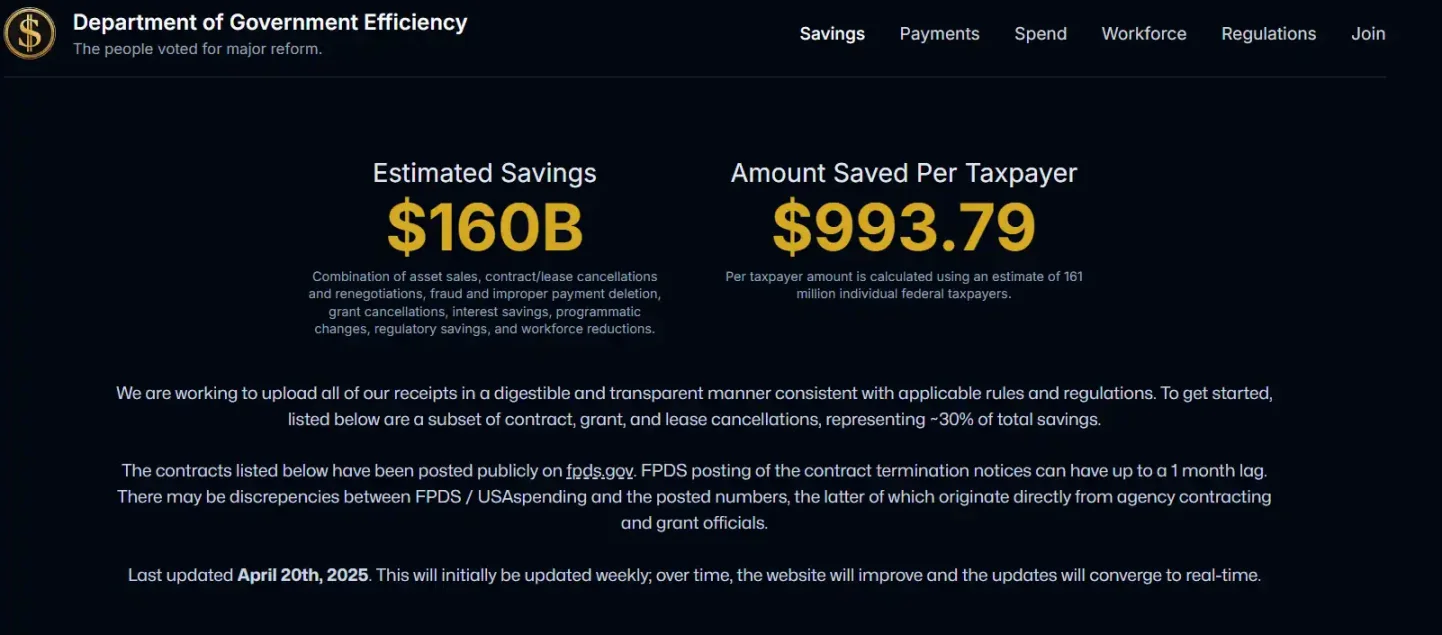
However, NPR Analysis pointed out that some contract cancellations did not yield actual savings. For example, 794 canceled contracts are projected to generate zero savings because funds were already fully committed. Additionally, DOGE calculated savings based on the maximum potential value of contracts rather than actual expenditures, sparking controversy.
Honeymoon Phase: A Political Alliance of Mutual Interest
Prior to the 2024 U.S. presidential election, Musk and Trump began frequent interactions. At that time, Musk invested $259 million, mobilized all available Silicon Valley resources, and leveraged his personal influence to become a crucial force behind Trump’s return to the White House. After Trump took office, Musk—acting as his “angel investor”—naturally gained unprecedented political status and power.
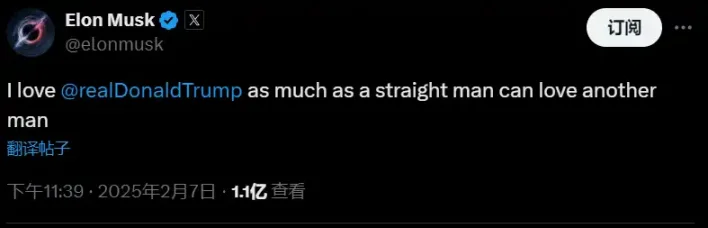
On February 7, Musk publicly expressed strong support for Trump on social media, stating his affection was “the maximum level of love one straight man can give another.”
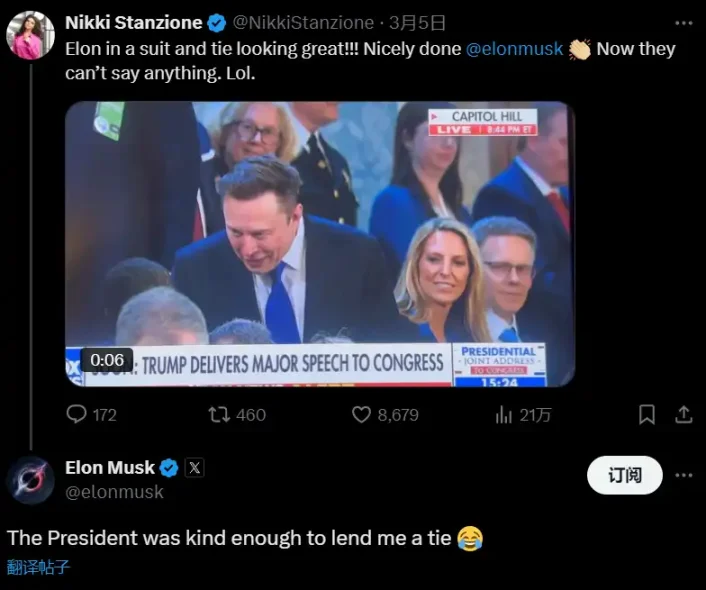
On March 4, while attending Trump’s joint address to Congress, Musk wore a tie lent to him by Trump himself.
As Musk proceeded with large-scale layoffs of federal employees, nationwide backlash erupted in the form of Tesla vehicle vandalism, threats against owners, and protests targeting dealerships. Peaceful demonstrations and acts of sabotage occurred at Tesla factories, including incidents of charging stations catching fire. There was also a surge in Cybertruck vandalism across the country, with some owners even defacing their own Tesla vehicles in protest against Musk.
Reports of attacks on Tesla cars and dealerships indicate opposition to Musk has reached boiling point. Baird analyst Ben Kallo remarked during a CNBC segment: “When people’s cars face risks of being scratched or burned, even those who support Musk or are indifferent may think twice before purchasing a Tesla.”
Musk has repeatedly stated that managing his businesses has become “extremely difficult.” Tesla’s stock experienced its worst decline in five years, and his social media company X suffered repeated outages.
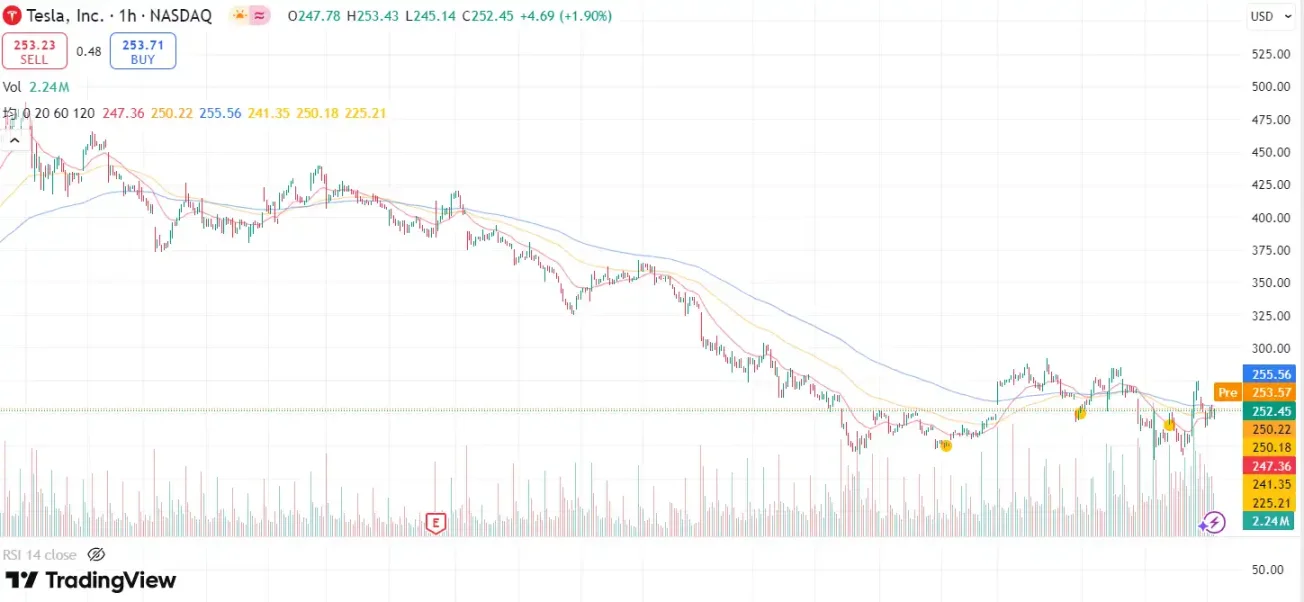
Such aggressive reforms inevitably harmed many interests, and criticism of Musk emerged from day one of his entry into politics. Tesla’s share price plummeted after Musk assumed his government role, nearly halving in market value—the worst drop in five years. As a result, Musk lost approximately $121 billion in personal wealth since the beginning of the year.
As Musk’s most powerful political backer and ally, Trump naturally stepped in to defend him when he came under widespread attack.
On the afternoon of March 11, U.S. local time, Trump held a 30-minute press conference on the White House driveway—an event that resembled more of a grand Tesla showcase. Accompanied by Musk, Trump answered questions about the U.S. stock market, Canadian tariffs, and the Russia-Ukraine war while test-driving five different types and colors of Tesla vehicles.
“That one is my favorite,” Trump said, pointing to a bright red Model S priced at around $80,000. In the end, Trump chose the Model S and announced he would write an $80,000 check to buy it outright.
Trump also lashed out at Tesla boycotters, accusing them of harming a great American company and vowing to identify and “curse” them to “hell” if they continued such actions. White House spokesperson Harrison Fields added: “The heinous acts of violence by radical leftists against Tesla amount to domestic terrorism.”
Following Trump’s endorsement, Tesla’s stock rebounded during Tuesday trading, closing up 3.79%.
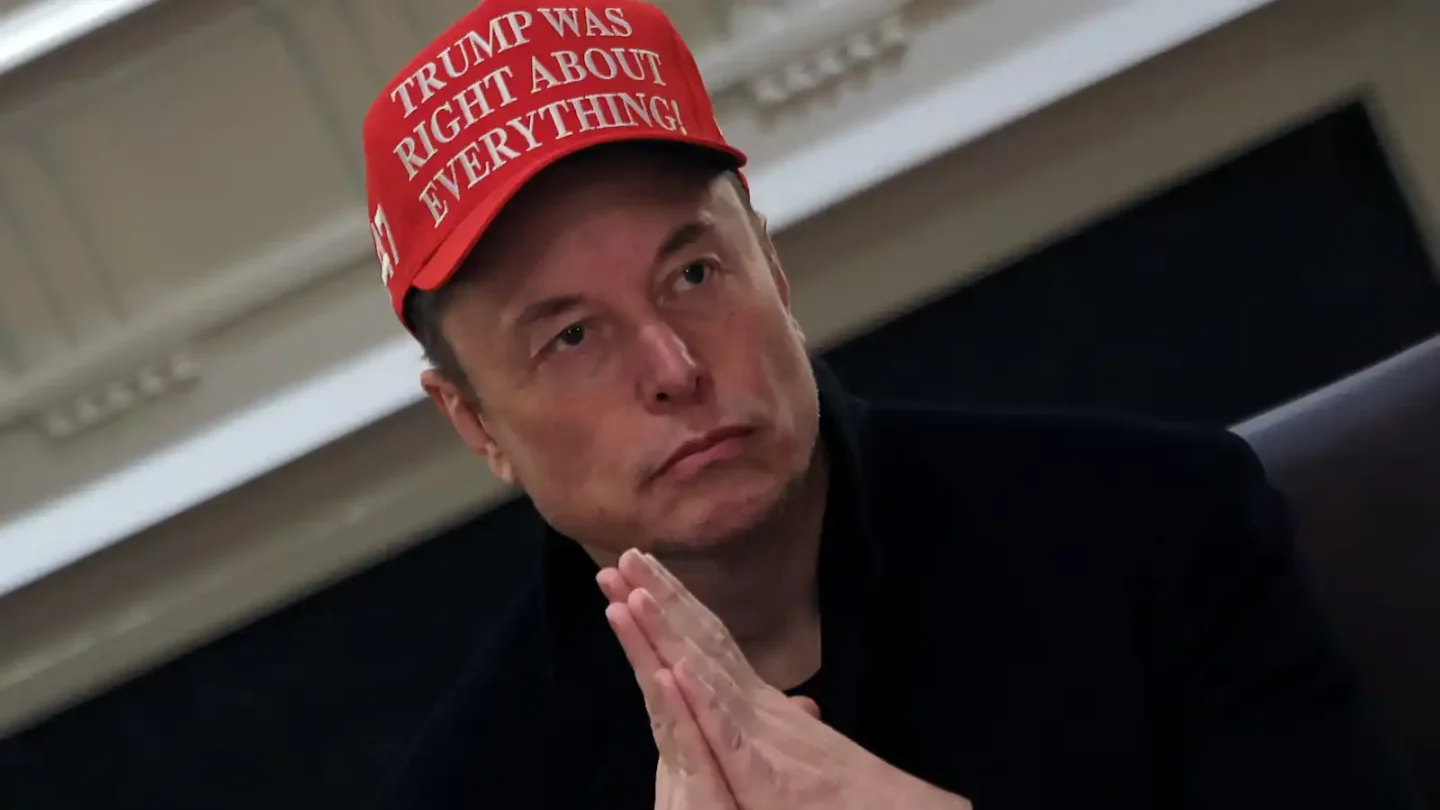
To demonstrate loyalty, Musk wore a red hat inscribed with “Trump Is Always Right” during Trump’s third cabinet meeting on March 24.
During this period, both men remained close allies united in advancing reform. Trump needed a “sharp blade” to carve out new territory; Musk needed a platform to fulfill his political ambitions. Their goals and interests were highly aligned.
Early Cracks: Policy Divergence and Interest Conflicts
After Trump unveiled his high-tariff policy, a rift emerged between his political objectives and Musk’s personal interests, straining their relationship. The steep tariffs caused a sharp downturn in the U.S. stock market, leading to Musk’s net worth shrinking by over $100 billion since the start of the year. As an entrepreneur, Musk evaluates policies through an economic lens and strongly supports lower barriers and free trade. He has repeatedly voiced public opposition to the tariff policy.
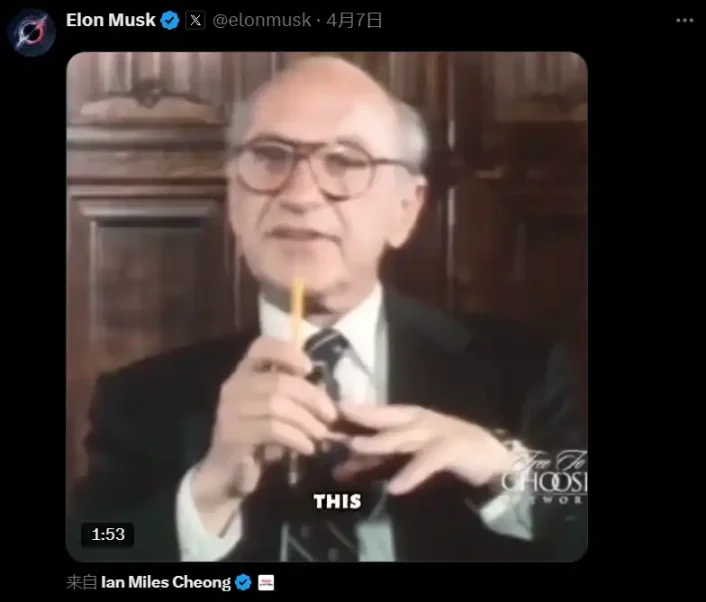
On April 5, during the League Party congress in Florence, Italy, Musk participated via video link in an interview with Deputy Prime Minister Matteo Salvini. He stated: “Ultimately, I hope Europe and the United States can reach an agreement. Ideally, we should move toward zero tariffs, effectively establishing a free trade zone between Europe and North America.” On April 7, Musk shared a video clip on Twitter featuring the late free-market economist Milton Friedman discussing the benefits of free trade. Though Musk added no commentary, the act was widely interpreted as criticism of Trump’s tariff policy.
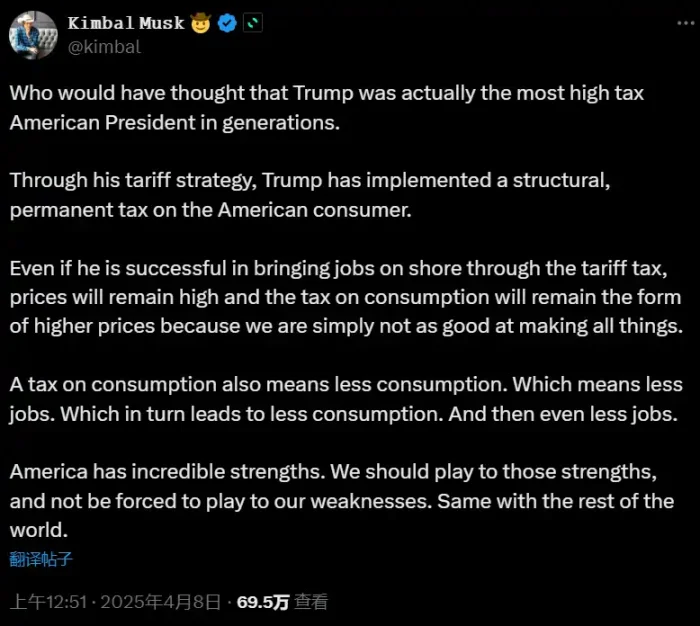
Musk’s brother, Kimbal Musk, also criticized Trump’s tariff policy on Twitter, arguing: “Taxing consumption leads to reduced spending, which means fewer jobs, which in turn reduces consumption further, resulting in even fewer jobs.” He described the tariffs as a “structural, permanent tax on American consumers.”
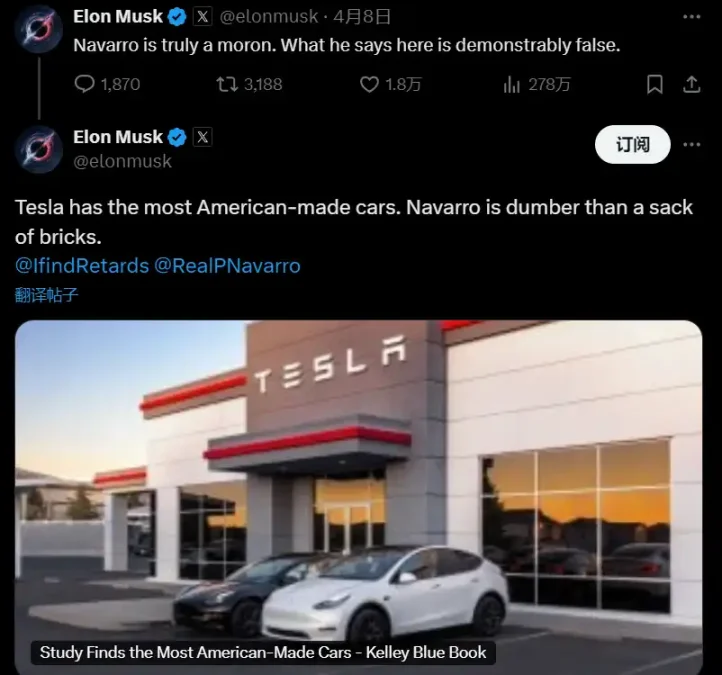
Particularly regarding trade advisor Peter Navarro, Musk has made numerous critical and sarcastic remarks. On April 8, he responded to a post quoting Navarro’s interview, in which Navarro claimed Tesla was more of an “assembler” than a “manufacturer,” criticizing its reliance on parts from China, Japan, and Taiwan. Musk fired back: “Navarro is a real idiot—what he said here is clearly false,” attaching a community note proving the Tesla Model Y is “the most American-made car.” Not satisfied with one rebuttal, Musk later called Navarro “dumber than a bag of bricks” in another post.
Escalation: Beesont and Musk Engage in Fierce Public Feud
Their conflicting stances on tariffs gradually intensified within the intricate web of power struggles.
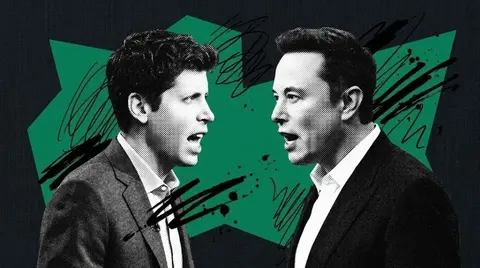
On April 23, according to sources, Musk and Treasury Secretary Beesont clashed violently during a meeting in the West Wing of the White House on April 17. Beesont lost control and shouted obscenities; Musk provocatively replied, “Speak louder,” and the exchange escalated into personal attacks. Beesont accused Musk of exaggerating budget cuts at DOGE and making no real progress. Musk shot back, calling Beesont a “Soros puppet” and mocking his failed track record managing a hedge fund. The shouting drew the attention of Trump and visiting Italian Prime Minister Giorgia Meloni, and aides ultimately intervened to separate them.
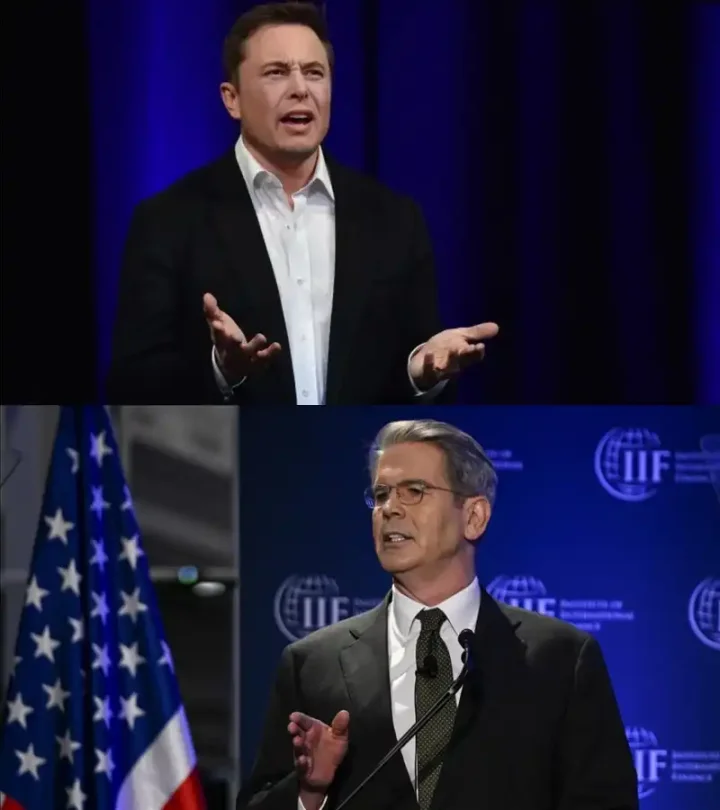
The immediate cause of the conflict was a dispute over the appointment of the IRS commissioner. As head of DOGE, Musk proposed Gary Shapley as acting IRS commissioner without consulting Treasury Secretary Beesont. Since the IRS reports to the Treasury Department, Beesont viewed this as an encroachment on his authority and lobbied Trump to revoke the appointment, instead pushing for his deputy, Michael Faulkender, to assume the role.
The outcome appeared to favor Beesont: Trump ultimately supported his recommendation,撤销了 Musk’s nomination of Shapley and appointed Faulkender as acting IRS commissioner.
That two senior U.S. officials could descend into such undignified shouting matches at the White House gates reflects long-standing tensions between them. Early in Trump’s administration, Musk aggressively lobbied for Howard Lutnick to be named Treasury Secretary, but Trump ultimately chose Beesont and appointed Lutnick to lead the Department of Commerce. Perhaps from the outset, Trump intended to keep his subordinates in check by balancing competing factions—aligning with whichever side better served his interests at any given moment—laying the groundwork for future conflicts.
Their feud represents a deeper power struggle within the Trump administration: reformers like Musk seek to reshape governance through radical new policies, while traditionalists like Beesont resist changes that threaten their institutional interests. Trump’s handling of the incident is seen as a sign of Musk’s diminishing influence within the government.
Notably, unlike Musk’s clear opposition, Beesont has publicly supported the tariff policy, arguing that new U.S. tariffs are necessary and rejecting claims that they would trigger an economic recession. This alignment in policy stance may explain why Trump is increasingly leaning toward Beesont and distancing himself from Musk. After all, for a businessman like Trump, there are only permanent interests—not permanent friends.
Musk’s role is constrained by the 130-day service limit for special government employees, which began counting from Trump’s January 20, 2025, inauguration and is set to expire by the end of May. In late February, anonymous sources within the White House suggested Musk would “stay on,” but by March 31, Trump himself acknowledged Musk’s business responsibilities take priority and showed no intention of retaining him. As DOGE’s mission nears completion, Musk’s 130-day tenure as a government official appears to be entering its final phase. Trump may gradually shift Musk away from the center of power, turning instead to newer allies who better align with his current interests—a transition evoking the classical lament of “discarding the bow after the birds are gone.”
Elon Musk, the world’s richest man, has had a brief but intense experience at the heart of American politics—a taste of “tech-driven workplace restructuring” on a national scale. He ignited sweeping change for Trump’s new administration, disrupting countless entrenched interests and transforming the massive U.S. government at an astonishing pace. What he leaves behind is not just a controversial prototype of “algorithmic governance,” but also a stark exposure of the deep entanglement between capital and power in American politics. This radical experiment in “tech remaking politics” seems to be approaching its conclusion. When Musk finally departs, that red hat reading “Trump Is Always Right” may stand as the most dramatic footnote to this fleeting political alliance.
Join TechFlow official community to stay tuned
Telegram:https://t.me/TechFlowDaily
X (Twitter):https://x.com/TechFlowPost
X (Twitter) EN:https://x.com/BlockFlow_News
 BlockBeats