








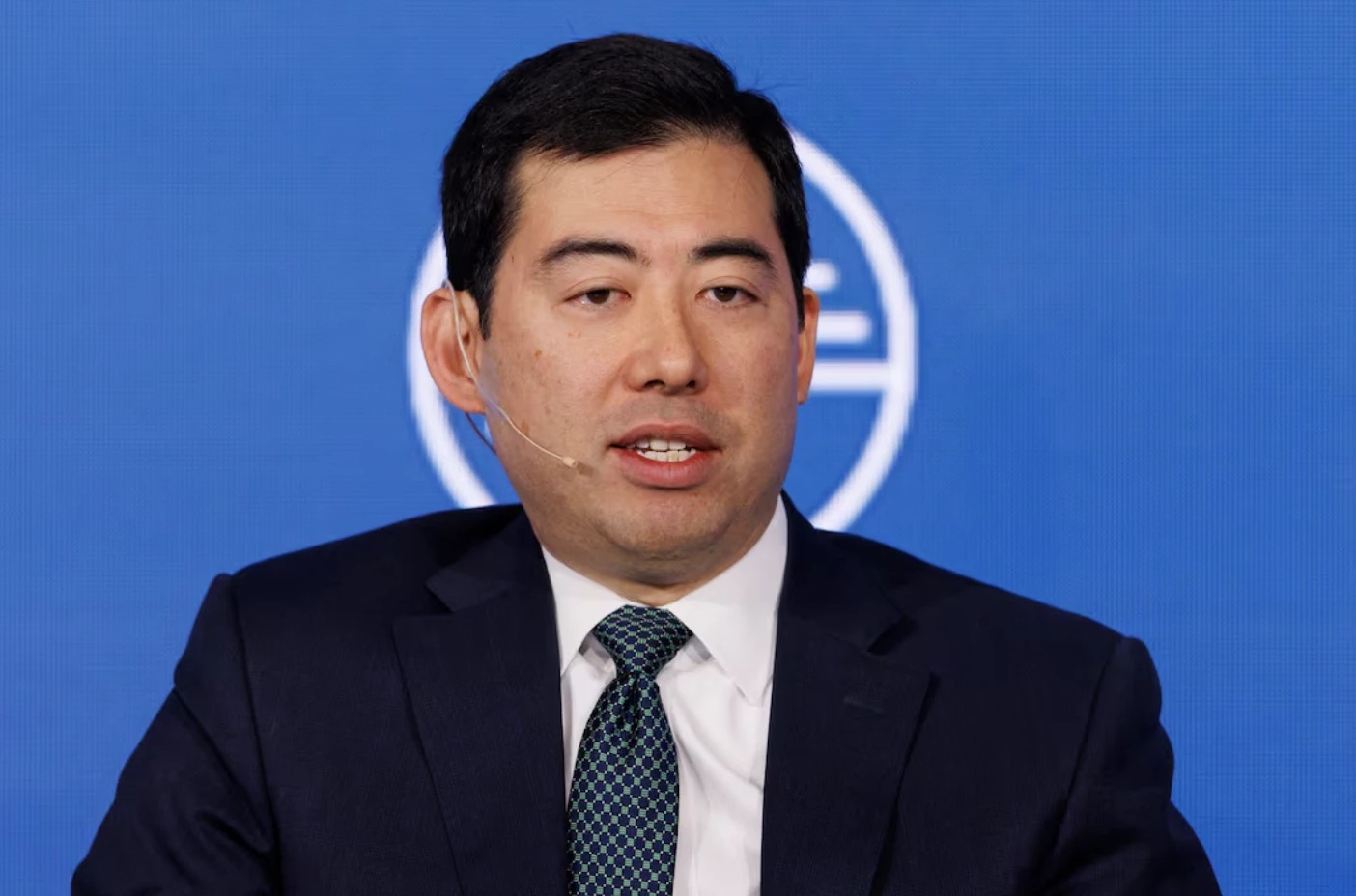
Mark Uyeda succeeds Gary Gensler, signaling the beginning of a shift in SEC's direction
TechFlow Selected TechFlow Selected
Mark Uyeda succeeds Gary Gensler, signaling the beginning of a shift in SEC's direction
Insiders revealed that Uyeda will immediately begin reforming the SEC's cryptocurrency policy.
 Navigating Web3 tides with focused insights
By Azuma, Odaily Planet Daily
In the early hours of January 21, the U.S. Securities and Exchange Commission (SEC) officially announced that today would be Gary Gensler’s last day as SEC Chair. The regulator's leader—who has been deeply entangled with the cryptocurrency industry over the past three years—has finally reached the end of his tenure.
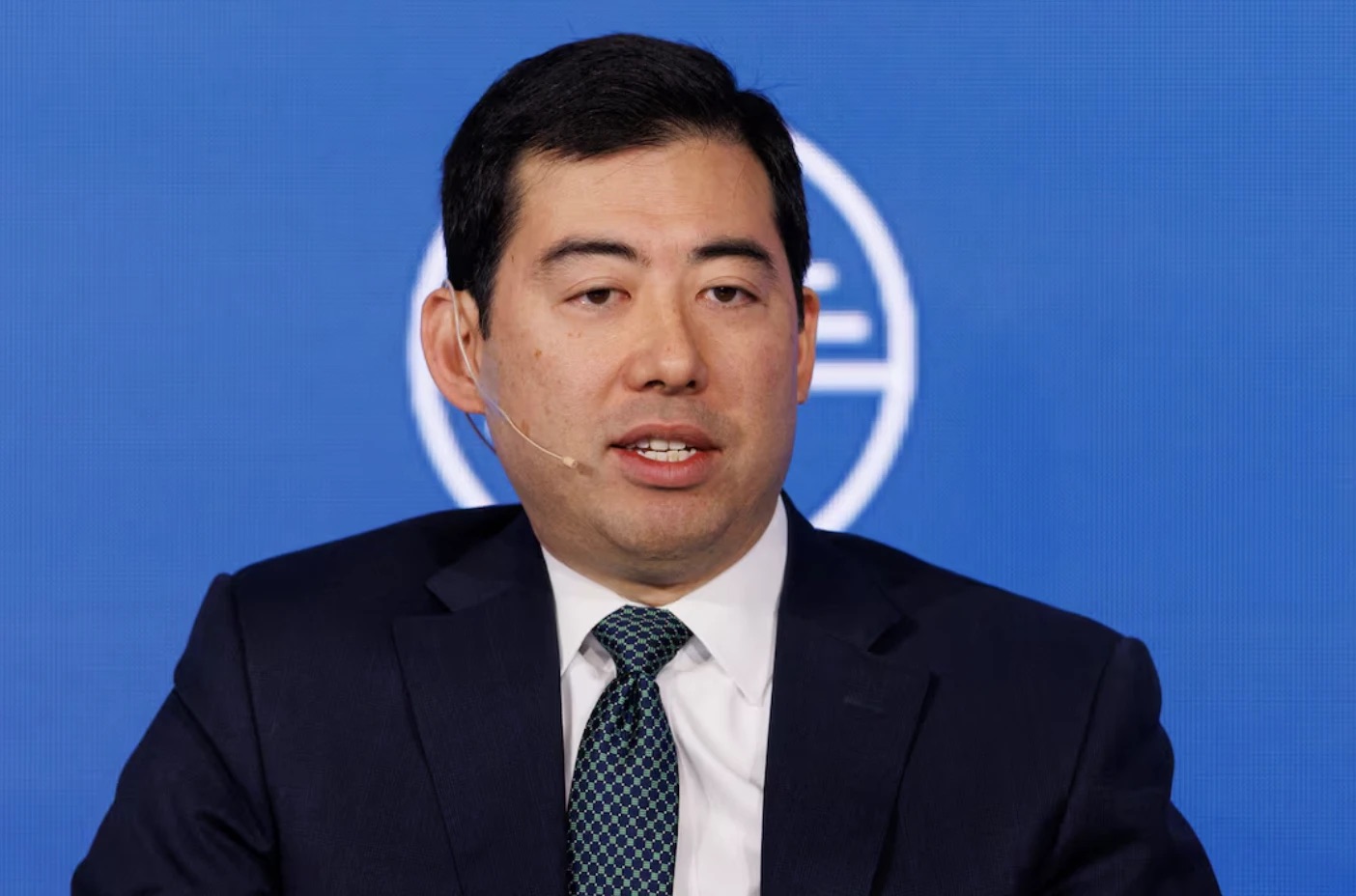
Shortly afterward, the White House released a document stating that current SEC Commissioner Mark Uyeda will serve as Acting SEC Chair, temporarily leading this critically important regulatory body until a new permanent chair (expected to be Paul Atkins) is confirmed and takes office.
Uyeda, a Republican, has served as an SEC commissioner since June 30, 2022. Prior to becoming a commissioner, he worked at the SEC for more than 15 years, accumulating extensive frontline experience.
What is his stance on cryptocurrencies?
On matters related to cryptocurrency, Uyeda has consistently held a favorable position and, along with "Crypto Mom" Hester Peirce, has been widely regarded within the industry as a steadfast ally inside the SEC.
He cast a crucial vote in favor during last year’s pivotal decisions regarding industry-wide ETF approvals.
Despite being part of the SEC, Uyeda disagrees with Gary Gensler’s aggressive enforcement approach toward the industry. He previously joined Peirce in opposing multiple enforcement actions initiated by the SEC against crypto projects.
In October last year, during an interview with Fox Business, Uyeda said that Trump described the SEC’s past actions as a “war on crypto” and emphasized the need to end this era and establish clearer regulatory guidelines.
"I think our policies and practices over the past few years have truly been a disaster for the entire crypto industry. We’ve been pushing forward a ‘regulation by enforcement’ policy while failing to provide any meaningful guidance," he stated.
Last week, Reuters reported that several sources indicated senior Republican officials at the SEC are preparing to reform the agency’s crypto policies immediately after Trump takes office. Measures under consideration by Uyeda and Peirce include launching procedures that could ultimately lead to formal guidance or rules clarifying when the agency will classify cryptocurrencies as securities, as well as reviewing ongoing crypto-related enforcement cases currently before the courts.
Future leadership of the SEC
It should be emphasized that Uyeda is only serving as acting chair. Trump has nominated former SEC commissioner Paul Atkins to formally lead the agency, though it remains unclear when Atkins’ appointment will be approved. Until then, Uyeda is expected to remain in charge and may implement substantive policy changes.
Concerns about potential shifts under Atkins’ leadership appear unwarranted. Atkins once served under both Peirce and Uyeda, and although he has made fewer explicit statements on crypto, he has publicly criticized the SEC’s excessive regulation of the cryptocurrency sector.
Judging from his background and likely inclinations, Atkins’ stance is also expected to be supportive of cryptocurrency.
CFTC leadership transition
Besides the SEC, another key regulatory body—the Commodity Futures Trading Commission (CFTC)—is also undergoing a leadership change. Rostin Behnam has stepped down, and Trump has nominated Caroline Pham to serve as CFTC Acting Chair, with expectations she will later assume the role permanently.
Similar to Atkins, Pham hasn't been as outspoken as Uyeda in openly endorsing cryptocurrencies. However, market participants still anticipate that she will adopt a relatively friendly posture toward the industry.
The beginning of a regulatory shift
With Trump now officially inaugurated and major regulatory bodies like the SEC and CFTC entering new leadership phases, a shift in the regulatory landscape for cryptocurrencies has clearly begun.
For an industry long burdened by regulatory uncertainty, the coming years may represent the most favorable operating environment in its history—although this "honeymoon period," which is partly tied to political vote-seeking, remains inherently fragile.
Purist decentralization idealists might object, arguing that relying on political shifts contradicts Satoshi Nakamoto’s original vision when writing the Bitcoin whitepaper. But from a pragmatic standpoint, this upcoming spring of regulatory leniency may offer the best opportunity yet for industry participants to drive growth and innovation.
Join TechFlow official community to stay tuned
Telegram:https://t.me/TechFlowDaily
X (Twitter):https://x.com/TechFlowPost
X (Twitter) EN:https://x.com/BlockFlow_News
 Odaily









