Navigating the Cryptographic Labyrinth: A Beginner's Map to the World of Cryptography
TechFlow Selected TechFlow Selected
Navigating the Cryptographic Labyrinth: A Beginner's Map to the World of Cryptography
How XT.COM Helps Power Your Crypto Journey?
 Navigating Web3 tides with focused insights
Key Takeaways
-
Cryptocurrencies can be understood as "digital money," with increasingly diverse uses such as value storage, gaming, and more.
-
There are many categories of crypto, each serving different purposes: mainstream coins like Bitcoin and Ethereum, meme coins driven by community hype, and NFTs for digital collectibles.
-
Risk and research matter: Cryptocurrencies are highly volatile, so always do your own research (DYOR) and never invest more than you can afford to lose.
-
Next step: Explore different categories at your own pace. In future articles, we'll dive deeper into the exciting world of cryptocurrency.
If you're still confused about cryptocurrencies, think of them as digital currencies secured by cryptography—a sophisticated mathematical technique. Since Bitcoin first emerged in 2009, the crypto space has exploded like a rocket, introducing new concepts ranging from NFTs (digital collectibles) to DeFi (decentralized finance). This guide will help you understand the most common types of cryptocurrencies, explain why they matter, and offer practical guidance to keep you from getting lost in this "new frontier."
Why Categorize Cryptocurrencies?
To be honest, today’s crypto landscape is flooded with projects—new tokens and platforms pop up every day. Classifying them—whether as stablecoins, NFTs/metaverse tokens, or meme coins—can greatly improve your understanding and prevent blind following. Here are some key benefits:
Clarity:
-
Each token has its own purpose and function. Understanding these helps avoid confusion before making decisions.
Risk Management:
-
Given crypto's high volatility, spreading risk requires understanding the characteristics of different categories.
Strategic Thinking:
-
Are you trading short-term or holding long-term? Knowing a token’s category helps make smarter choices.
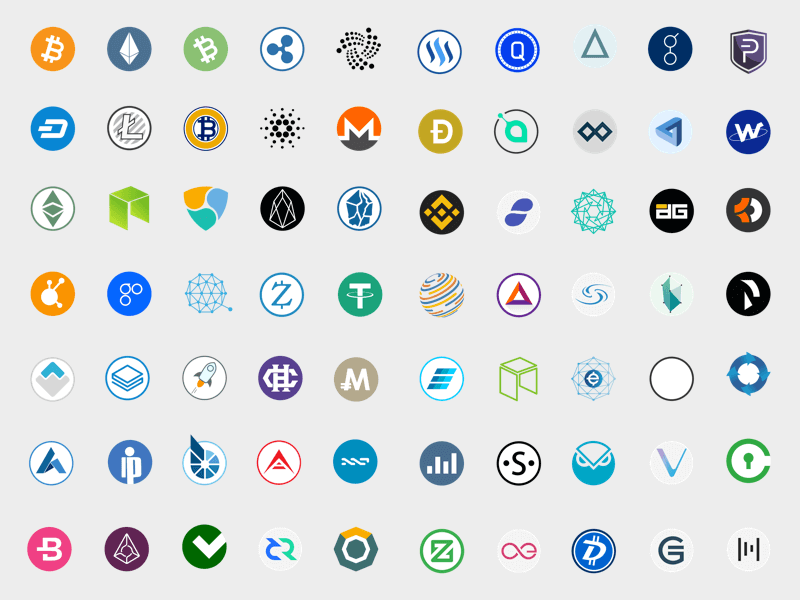
Image Credit: MasterTheCrypto
What Exactly Is Cryptocurrency?
In One Sentence
Cryptocurrency is a blockchain-based digital currency. Blockchain acts like a public ledger, eliminating the need for banks or other centralized institutions to record transactions.
What Makes It “Cool”?
Fast and low-cost transfers:
-
International transfers take minutes and are often cheaper than traditional banking.
You’re in full control:
-
No need for banks as intermediaries—you own your funds directly.
Constant innovation:
-
From in-game rewards to decentralized financial applications, people are inventing new use cases all the time.
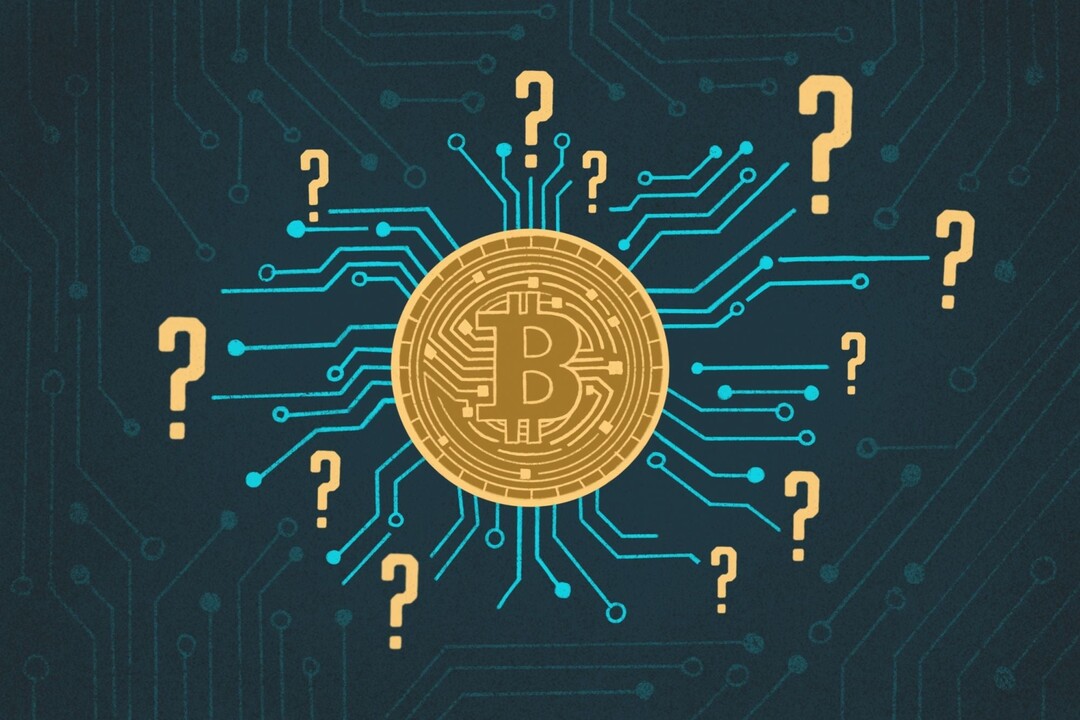
Image Credit: LinkedIn (Raajashri Sathyamurti)
Main Types of Cryptocurrencies
Now, let’s look at the most common types of cryptocurrencies and their unique functions. With this knowledge, you’ll be able to make smarter decisions in the vast sea of digital assets.
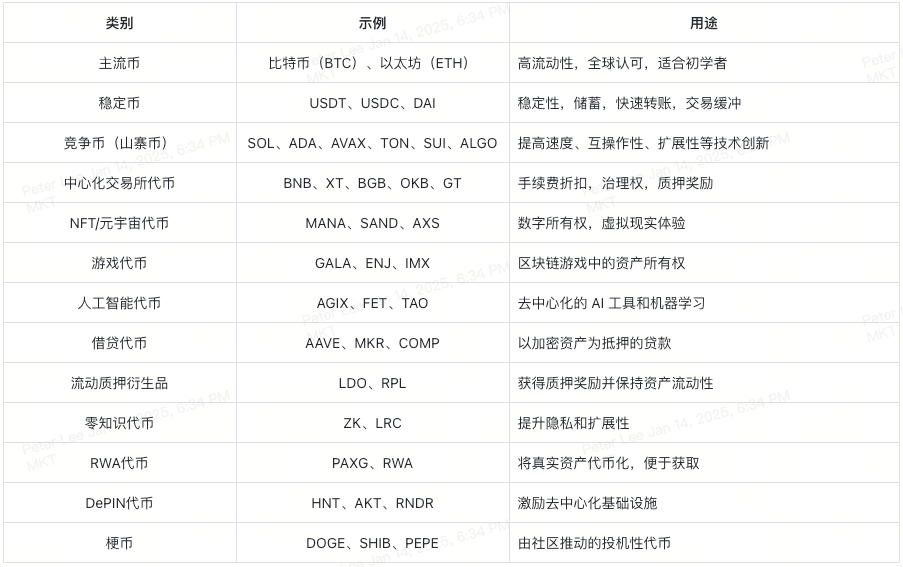
Mainstream Coins: The Core of Crypto
Examples
-
Bitcoin (BTC): Known as "digital gold," it's the most recognized cryptocurrency.
-
Ethereum (ETH): Powers decentralized apps (dApps) and smart contracts, forming the foundation for countless projects.
Why They Matter?
-
These coins typically have the highest liquidity and global recognition, making them ideal for beginners.
-
While still volatile, they are widely accepted and relatively easier to get started with.
Tips
-
If you're new to crypto, consider starting with Bitcoin or Ethereum.
-
Compare their historical price trends and development paths to decide which one aligns better with your goals—or consider holding both.
Stablecoins: Stability Amid Volatility
Examples
-
Tether (USDT): A dollar-pegged stablecoin.
-
USD Coin (USDC): Transparent and audited, also pegged to the US dollar.
-
DAI: A decentralized stablecoin maintained via smart contracts to stay pegged to the dollar.
Main Uses
-
Reduce exposure to crypto price swings. You can temporarily park funds in stablecoins during market turbulence.
-
They’re also used for fast transfers or short-term savings, and some platforms offer interest on stablecoin holdings.
Did You Know?
-
Some DeFi platforms allow you to deposit stablecoins to earn yield, which is generally less risky than volatile assets (though platform security should still be carefully evaluated).
Altcoins: Driving Innovation
Examples
-
Solana (SOL): Known for high-speed transactions, widely used in DeFi and dApps.
-
Cardano (ADA): Focuses on security and scalability.
-
Avalanche (AVAX): Scalable blockchain for dApps and NFTs.
-
Toncoin (TON): Relaunched with a focus on financial applications and strong community backing.
-
Sui (SUI): Innovative blockchain emphasizing usability and efficiency.
-
Algorand (ALGO): Prioritizes security and scalability for decentralized applications.
Why Are These Coins Valuable?
-
They often represent new directions in blockchain technology—faster speeds, cross-chain interoperability, governance features, and more.
Actionable Step
-
Start by picking one altcoin from the top 10 by market cap that interests you. Read its whitepaper or in-depth analysis to evaluate the team and technical roadmap.
Centralized Exchange Tokens (CEX Tokens): The Exchange’s “Native Coins”
Examples
-
Binance Coin (BNB): Offers fee discounts when used on Binance.
-
XT Token (XT): The ecosystem and incentive token for the XT.COM platform.
-
Bitget Token (BGB): The "platform coin" for Bitget.
-
OKX Token (OKB): Used for trading, governance, and fee reductions within the OKX ecosystem.
-
GateToken (GT): Gate.io’s platform token, enabling trading and other ecosystem privileges.
Where’s the Value?
-
Holding these tokens often grants lower trading fees, access to governance rights, and potential staking rewards.
Good to Know
-
If you frequently trade on a particular centralized exchange, using its native token can save you significant fees over time.
NFT/Metaverse Tokens: Digital Ownership and Virtual Worlds
Examples
-
Decentraland (MANA): Used to buy virtual land and experiences.
-
The Sandbox (SAND): Allows users to create and monetize virtual spaces.
-
Axie Infinity (AXS): Earn rewards through gameplay and trading characters (Axies).
Why So Popular?
-
They enable true ownership of virtual items—like owning a piece of digital land or a unique in-game character.
Quick Tip
-
If you’ve never tried a metaverse project, start by creating a free account on one of these platforms. Explore the environment and community vibe before deciding whether to invest.
GameFi Tokens: Where Entertainment Meets Earnings
Examples
-
Gala (GALA): Focused on blockchain games, allowing players to own and trade in-game assets.
-
Enjin (ENJ): Supports NFTs within games.
-
Immutable (IMX): Solves high NFT "gas fees," enabling zero-fee minting and trading.
What’s the Benefit?
-
Truly enables "play-to-earn." You gain full control over your in-game digital assets.
Practical Step
-
If you're interested in blockchain gaming, try a low-barrier, free, or low-cost game to see if you enjoy this new model.
AI Tokens: The Intersection of Blockchain and Artificial Intelligence
Examples
-
SingularityNET (AGIX): A decentralized marketplace for AI services.
-
Fetch.ai (FET): Uses AI agents to automate real-world tasks.
-
Bittensor (TAO): Rewards decentralized machine learning collaboration.
What’s New?
-
Makes AI more decentralized and open, enabling broader participation in AI development and usage.
You Might Not Know
-
In the future, AI tokens may play key roles in predictive modeling, AI tools, and decentralized markets.
Lending Tokens: New Financial Models in Crypto
Examples
-
Aave (AAVE): Deposit crypto to earn interest or borrow funds by collateralizing assets.
-
MakerDAO (MKR/DAI): Generate DAI (a stablecoin) by locking up crypto collateral.
-
Compound (COMP): A decentralized platform for lending and borrowing crypto assets.
How It Works?
-
Lend: Deposit your crypto to earn interest.
-
Borrow: Use your crypto as collateral to borrow funds without selling.
Heads Up
-
When borrowing, monitor your collateralization ratio closely. If the market drops sharply, your collateral may be liquidated—sold off by the platform.
Liquid Staking Derivatives (LSD): Staking Without Losing Liquidity
Examples
-
Lido (LDO): After staking ETH, you receive stETH, which remains usable in DeFi protocols.
-
Rocket Pool (RPL): A more decentralized approach to Ethereum staking.
Why It’s Cool?
-
Normally, staked assets are locked. With derivative tokens, you can earn staking rewards while still using your assets elsewhere in DeFi.
How to Get Started?
-
Compare annual yields and risks across platforms, then decide how much ETH to stake. Starting small is a great way to experiment.
Zero-Knowledge (ZK) Tokens: Privacy and Scalability Powerhouses
Examples
-
zkSync (ZK): Uses ZK-rollups to reduce fees and speed up transactions on Ethereum.
-
Loopring (LRC): Enables fast, private decentralized trading.
Why Important?
-
ZK technology protects user privacy while improving blockchain speed and efficiency.
Knowledge Boost
-
Zero-knowledge proofs are a leading scaling solution for Ethereum, enabling higher transaction throughput without compromising security.
RWA Tokens: Tokenizing Real-World Assets
Examples
-
PAX Gold (PAXG): Each token represents ownership of real physical gold.
-
RWA.Inc (RWA/USDT): Offers tokenization services for various real-world assets, making investment more accessible.
What’s Interesting?
-
You don’t need to rent a safe or manage logistics—just buy shares of gold or other tangible assets directly on the blockchain.
Simple Advice
-
Study how traditional assets like gold or real estate are being tokenized. Compare the token price with the underlying asset value to understand any discrepancies.
DePIN Tokens: The Building Blocks of Decentralized Infrastructure
Examples
-
Helium (HNT): Earn tokens by setting up wireless network nodes for IoT devices.
-
Akash Network (AKT): A decentralized cloud computing platform.
-
Render (RNDR): Distributed GPU rendering service, giving digital creators decentralized access to rendering power.
Why Pay Attention?
-
These projects incentivize individuals to contribute hardware or software infrastructure—like networks or computing power—to build decentralized resource ecosystems.
Practical Tip
-
If running nodes appeals to you, check out Helium. Buy a device, set up a hotspot at home, and earn tokens—but carefully assess hardware costs and market conditions first.
Meme Coins: Born From Community Hype
Examples
-
Dogecoin (DOGE): The original "meme coin," once went viral.
-
Shiba Inu (SHIB): Has a highly active community and expanding ecosystem.
-
Pepe (PEPE): Inspired by the iconic "frog meme."
What to Watch Out For?
-
Prices heavily depend on social media buzz and community sentiment, often experiencing extreme volatility.
-
If you want to try one, only invest what you can afford to lose. Don’t let FOMO (fear of missing out) push you into risky bets.
How to Buy Your First Cryptocurrency?
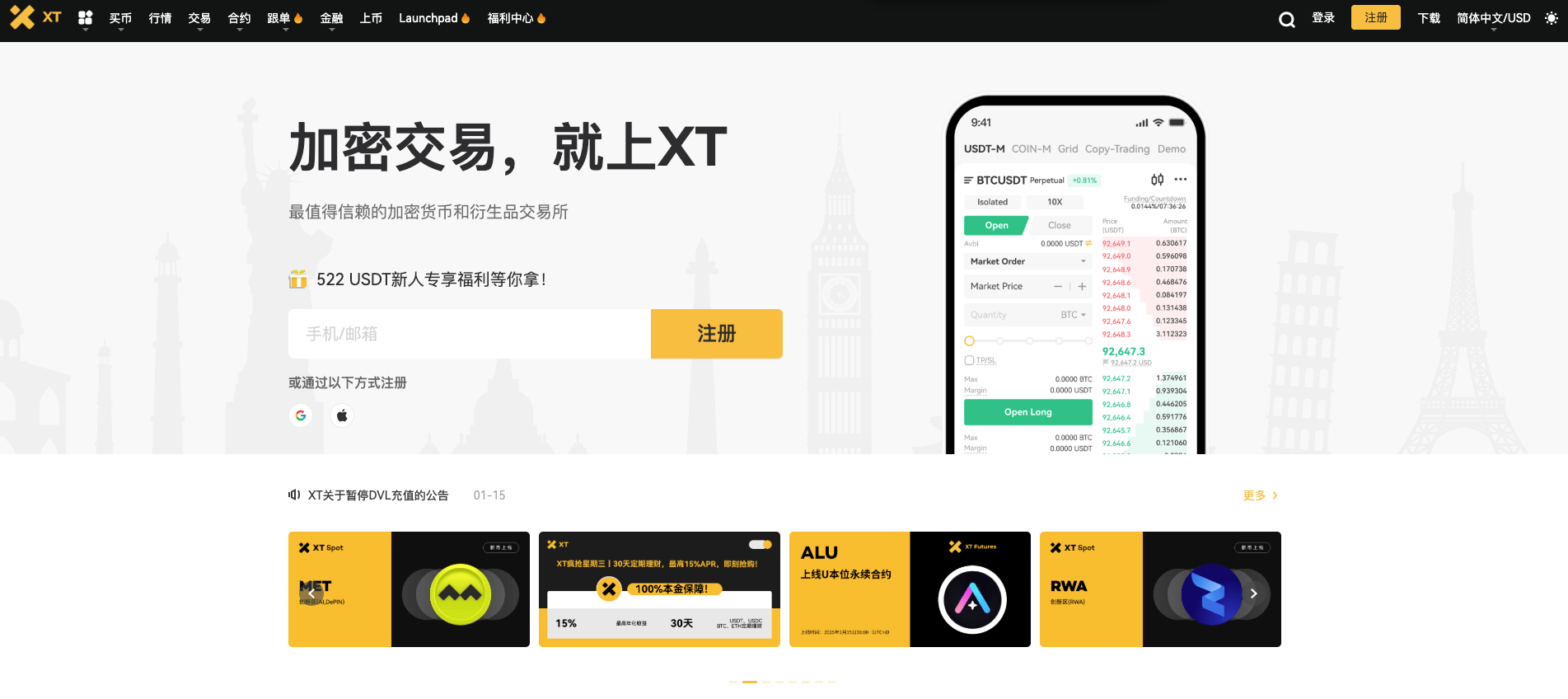
1. Choose an Exchange
-
Evaluate security, ease of use, and reputation. (For example, XT.COM)
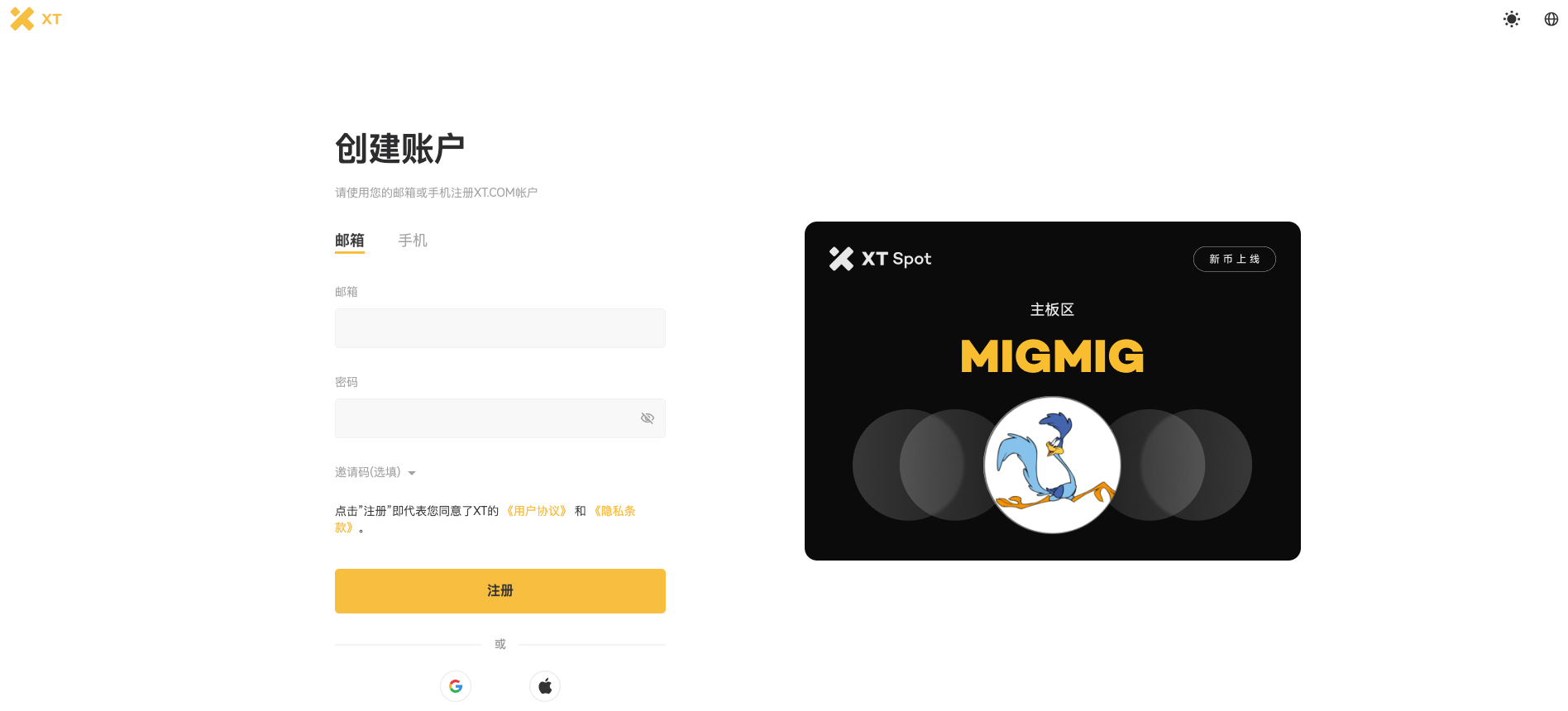
2. Register an account and complete identity verification
-
Most reputable exchanges require KYC (identity verification), which is standard procedure.
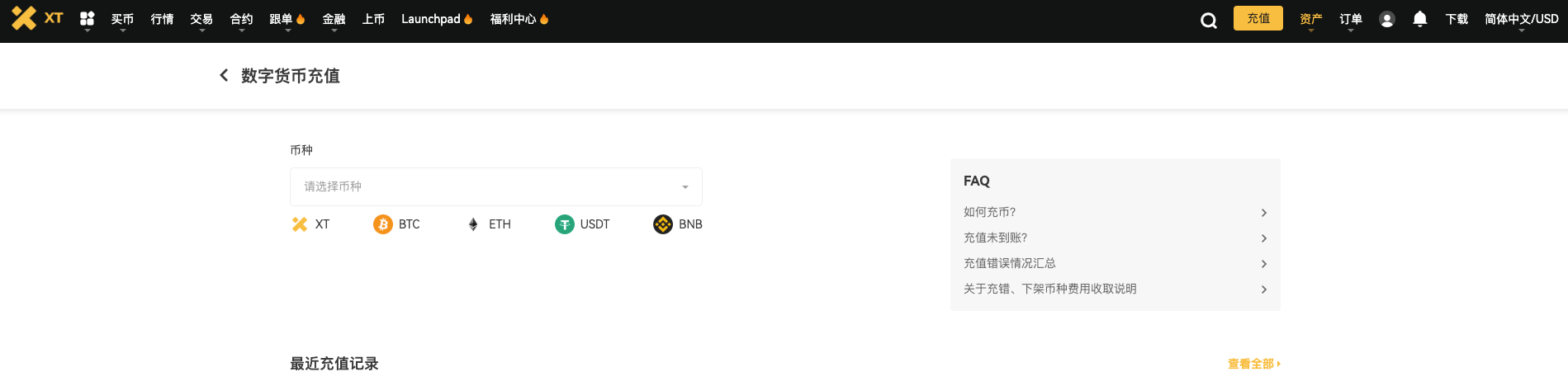
3. Deposit Funds
-
You can deposit existing cryptocurrencies, or fund your account via bank transfer, credit card, or other methods using fiat currency (e.g., USD).
4. Select a Cryptocurrency
-
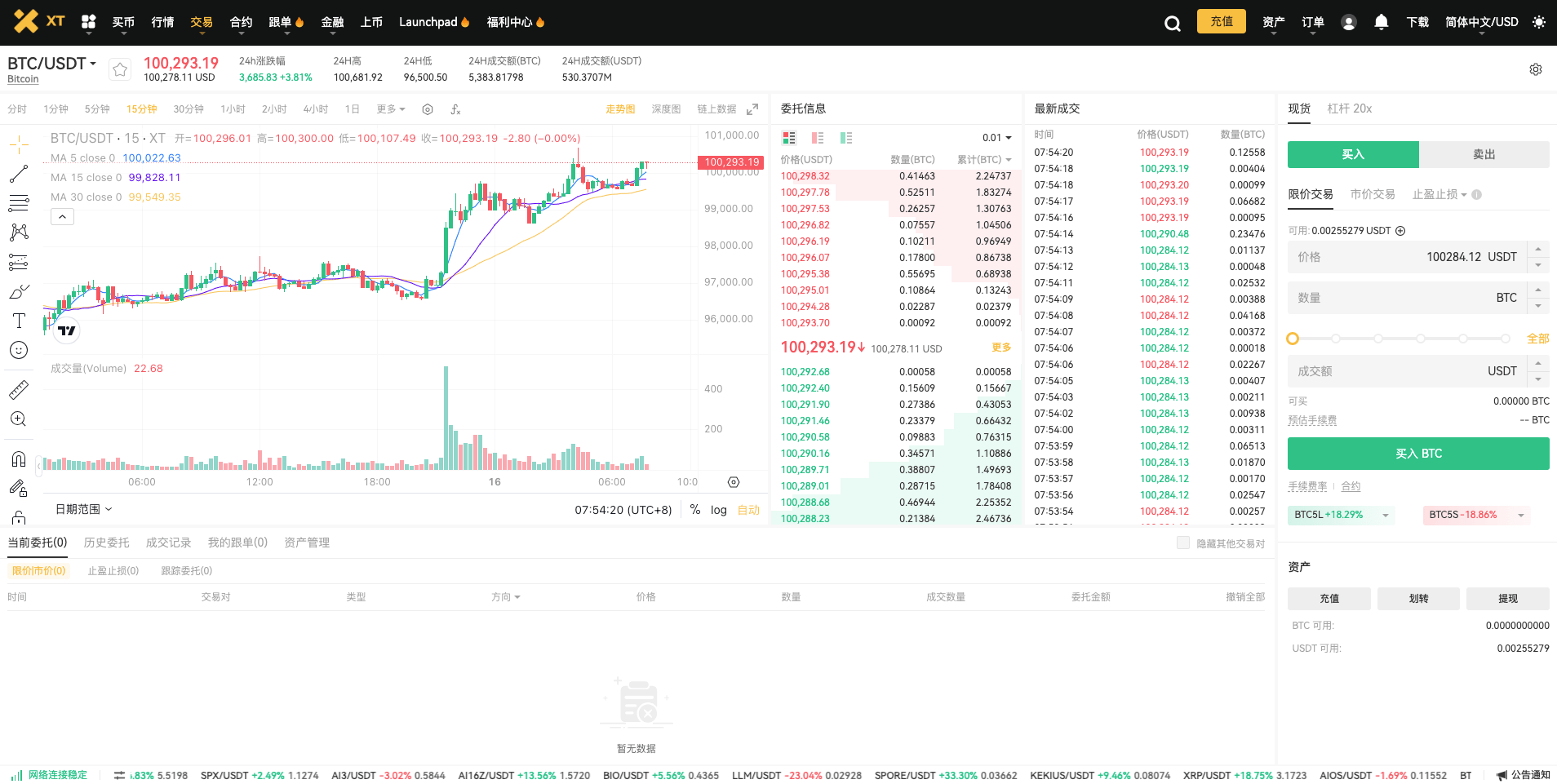
Beginners might consider buying Bitcoin (BTC/USDT) or Ethereum (ETH/USDT). You can also use stablecoins like USDT for trading pairs.
5. Confirm Fees and Click “Buy”
-
Exchanges charge trading or network fees—make sure you understand them before confirming.
How XT.COM Can Support Your Crypto Journey
If you want to dive deeper into the crypto world, XT.COM offers a suite of tools and services to make learning and trading easier:
-
Diverse asset selection: Covers nearly all the categories mentioned above, giving you room to explore.
-
User-friendly yet powerful trading tools: Whether you're a beginner or experienced trader, you'll find features that suit your needs.
-
Educational resources: Tutorials, articles, and guides to help you learn from scratch.
-
Community support: We offer active Telegram groups, Discord channels, and responsive customer service to answer your questions.
(Pro tip: If you're new, check out the platform’s "beginner tutorial" to familiarize yourself with the interface and security features.)
Final Reminders and Encouragement
This "beginner’s map" is just the starting point of your crypto journey. There are many fascinating corners of the crypto world waiting to be explored. But while enjoying the ride, stay cautious:
FOMO & Price Volatility:
-
Don’t let market emotions drive your decisions. Only invest what you can afford to lose. Consider dollar-cost averaging (DCA) to smooth your entry.
Security Awareness:
-
Use strong passwords and enable 2FA (two-factor authentication).
-
Beware of phishing sites—always double-check the URL before logging in.
-
Never share your recovery phrase (seed phrase) with anyone, and store it securely offline.
Hardware Wallet Storage:
-
For long-term holdings, consider a hardware wallet (e.g., Ledger, Trezor) to keep assets offline.
Stay Curious:
-
Blockchain technology keeps evolving. Follow trusted information sources and keep learning.
Whether you're just trying to grasp the basics or planning to dive into advanced projects, you now have a map of the crypto world.
Have fun, and welcome to this world of endless possibilities!
Join TechFlow official community to stay tuned
Telegram:https://t.me/TechFlowDaily
X (Twitter):https://x.com/TechFlowPost
X (Twitter) EN:https://x.com/BlockFlow_News
 @XTexchange