








Japan Web3 Market Insights: Government Policies, Major Corporate Movements, and Outlook for 2025
TechFlow Selected TechFlow Selected
Japan Web3 Market Insights: Government Policies, Major Corporate Movements, and Outlook for 2025
This article will analyze the latest developments in Japan's Web3 landscape in 2024 from three perspectives: "Society and Politics," "Enterprises," and "Individual Users."
 Navigating Web3 tides with focused insights
Author: Pacific Meta
Introduction
Japan is currently attempting to pioneer a new chapter on the Web3 stage. As a global leader in cryptocurrency regulation, Japan’s efforts go beyond merely refining laws and regulations—it serves as a bridge connecting emerging technologies with society, drawing significant attention both domestically and internationally. This trend is accelerating rapidly, and Japan's Web3 ecosystem is evolving at an unprecedented pace.
As the world explores the potential of Web3, which direction is Japan heading toward? What specific regulations have been introduced? What challenges are businesses facing, and what do individual users and investors need? To answer these questions, this article analyzes the "Latest Developments in Japan's Web3 Ecosystem in 2024" from three perspectives: “Society & Politics,” “Enterprises,” and “Individual Users.”
This report is authored by the Web3 accelerator Pacific Meta. Pacific Meta is a specialized firm dedicated to advancing Web3 innovation through services such as fundraising, marketing, and business development support. For more information, please visit the official website below.
1. Societal and Political Trends
1-1. The Shigeru Ishiba Administration

Image source:Nikkei
In September 2024, Shigeru Ishiba was elected as the new president of the Liberal Democratic Party (LDP). Under Japan’s political system, the ruling party’s leader typically becomes Prime Minister. As the head of the LDP—the current ruling party—Mr. Ishiba will lead Japan and form a new government. During the previous Kishida administration, Japan made consistent progress in promoting Web3 development. There is now strong anticipation that this momentum will accelerate further under the Ishiba administration.
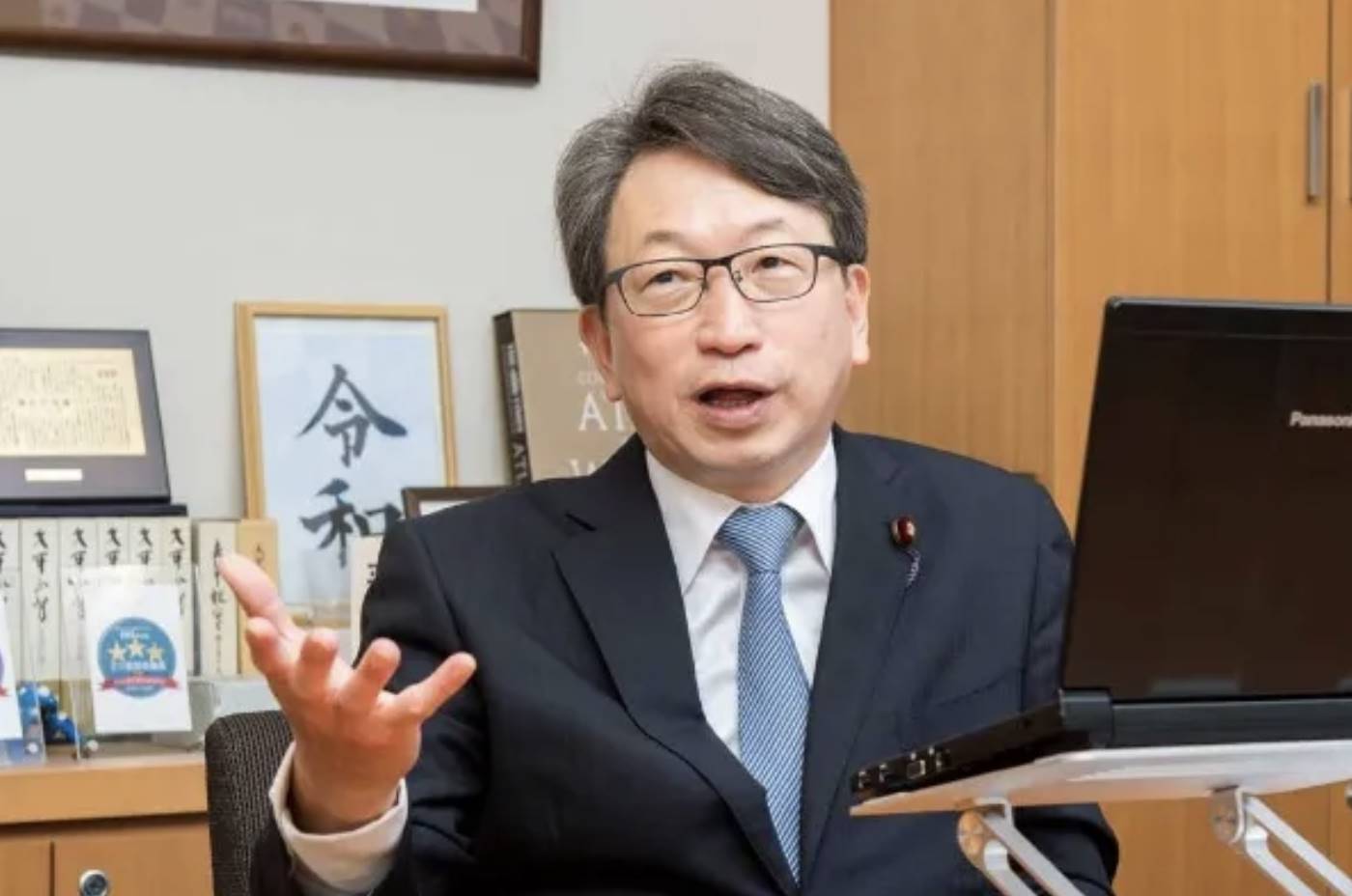
Image source:“Web3 Minister” Among Cabinet Reshuffle Highlights – Akihiro Hira’s National Strategy
A key figure to watch is Akihiro Hira, head of the LDP’s Web3 Project Team (Web3PT). As a central force behind Web3 initiatives during the Kishida administration, Mr. Hira has been appointed Minister of Digital Affairs in the new cabinet. This influential role is expected to significantly strengthen his impact and decision-making power in shaping national policy.
In Japan, Web3 technology is widely seen as a driver of new economic growth. Thus, there has long been demand for clearer legal frameworks. With the formation of the Ishiba administration, policy momentum is expected to intensify—particularly in legal clarification within the Web3 space and measures aimed at enhancing international competitiveness.
1-2. Regulatory and Tax Reforms
Exemption of Corporations from Year-End Market Valuation Tax on Crypto Assets
As part of the 2024 major tax reform, Japanese corporations holding crypto assets have been exempted from the "year-end market valuation tax." Previously, domestic companies faced taxation on unrealized gains simply for holding digital assets, prompting many to establish overseas entities to conduct related operations. This regulatory shift creates a more favorable environment where domestic enterprises can operate without fear of tax burdens on unrealized gains.
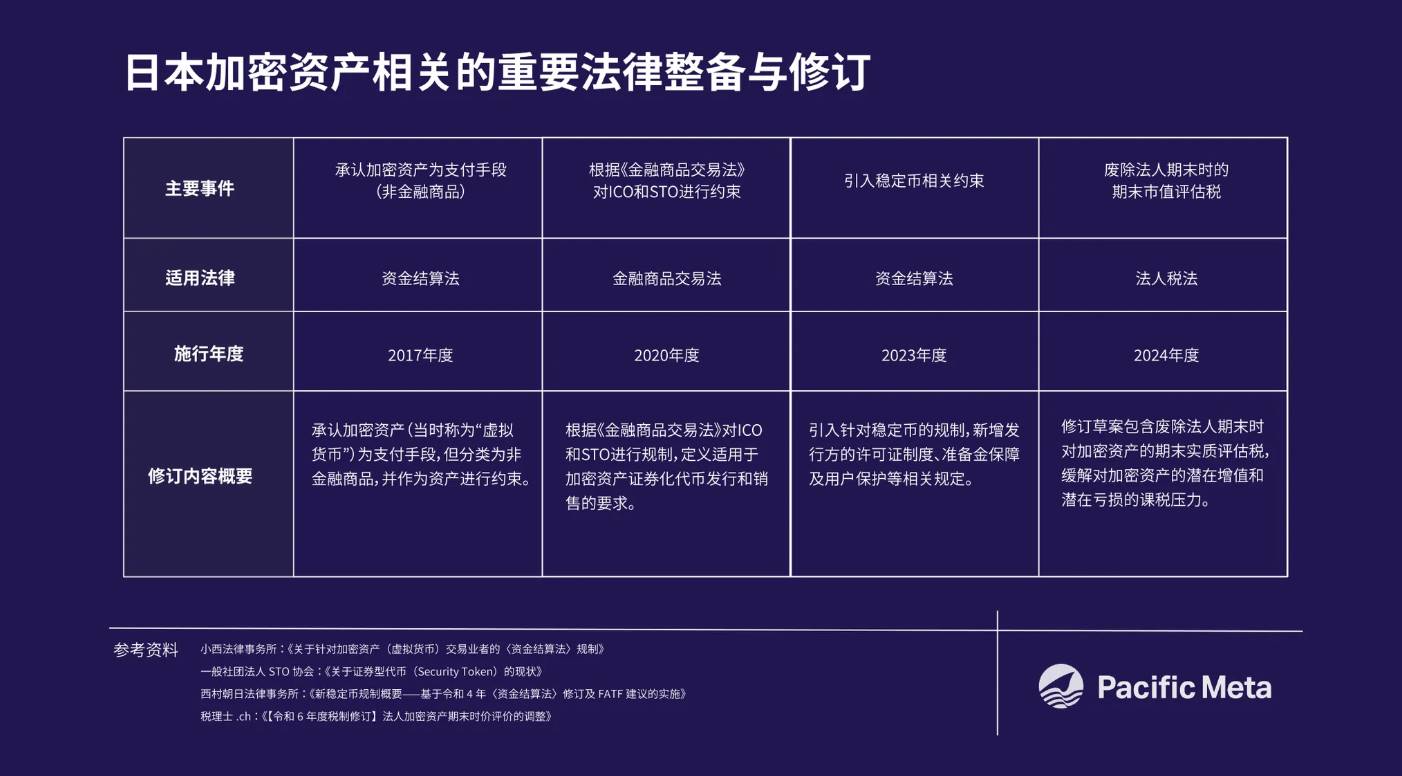
Japan began strengthening its crypto regulatory framework in 2017 with amendments to the Payment Services Act, which recognized Bitcoin and other cryptocurrencies as payment methods distinct from fiat currency. In 2020, ICOs (Initial Coin Offerings) and STOs (Security Token Offerings) were brought under the Financial Instruments and Exchange Act, establishing investor protection mechanisms. Furthermore, in 2023, Japan introduced regulations for stablecoins (crypto assets pegged to fiat currencies), steadily advancing its legal infrastructure for Web3.
However, tax policy had long lagged behind. The treatment of corporate-held crypto assets remained a critical obstacle to the growth of Japan’s Web3 industry. Under the prior regime, companies were taxed on the unrealized gains of their crypto holdings at year-end—a policy known as "year-end market valuation taxation." This ignored the volatility risks inherent in digital assets and created substantial financial pressure. Consequently, many firms interested in operating in Japan chose to avoid domestic crypto holdings by setting up offshore subsidiaries.
This tax reform is expected to boost domestic token issuance and fundraising activities. In particular, Japan is poised to become a more attractive market for startups and new entrants considering market entry.
Tax Challenges for Individual Investors and Future Outlook
Conversely, the tax framework for individual investors still presents numerous issues. Currently, profits from personal crypto transactions are classified as “miscellaneous income” and subject to progressive taxation under the comprehensive income tax system, with rates reaching up to 55%. These heavy tax burdens and complex reporting procedures pose significant hurdles for individual investors.
Akihiro Hira, head of the LDP’s Web3 Project Team, highlighted these drawbacks during the “WebX2024” conference in August 2024. He advocated for shifting individual crypto investment gains to a separate 20% flat tax system similar to capital gains taxation. If implemented, such a reform would not only alleviate the burden on retail investors but also stimulate activity in the domestic market.
https://x.com/TAIRAMASAAKI/status/1830950932332584995
With ongoing discussions around tax reform, the movements of the government and the Financial Services Agency (FSA) are closely watched. Multiple reports suggest that deliberations are progressing steadily. Should personal investor tax reforms be enacted, they are expected to expand Japan’s retail investor base and drive overall growth in the crypto market.
Shift in FSA’s Regulatory Stance
Image source: Shutterstock
Historically, the FSA maintained strict oversight over crypto assets, citing investor protection. However, in 2024, a noticeable shift in its approach emerged. The FSA is now exploring the inclusion of crypto assets under the scope of the Financial Instruments and Exchange Act. This suggests that digital assets may be legally reclassified as “financial instruments,” potentially leading to two transformative changes:
-
Acceleration of Tax Reform
Recognizing crypto assets as financial products could catalyze further tax reforms, easing the tax burden on both individuals and corporations.
-
Discussion on Bitcoin ETF Introduction
Such reclassification would pave the way for financial products tied to crypto assets, making the launch of a Bitcoin ETF more feasible. This could integrate traditional finance with the crypto market, attracting greater participation from retail and institutional investors alike.
Additionally, the FSA is reviewing relaxed regulations on in-game tokens to create a more supportive environment for game developers to leverage tokenization flexibly. These policy shifts could fuel the expansion of crypto-related businesses and strengthen Japan’s competitive edge in the global Web3 landscape.
1-3. Business Opportunity Expansion via New Legal Frameworks
Legal Recognition of LLC-Structured DAOs
On April 22, 2024, Japan officially permitted the establishment of Decentralized Autonomous Organizations (DAOs) in the form of Limited Liability Companies (LLCs). This legislative change grants DAOs formal legal status in Japan, enabling them to act as contractual parties and own tangible assets such as real estate. Originating from the LDP’s Web3 White Paper 2023, this proposal was realized at remarkable speed, capturing widespread attention across the global blockchain industry.
The process of establishing LLC-based DAOs previously faced several legal hurdles, most notably regarding “employee rights tokens” and “disclosure obligations for employee information.” Regarding “employee rights tokens,” the revised framework treats certain DAO-issued tokens as “non-dividend-distributing tokens” or “tokens held by executing employees,” categorizing them as Type II securities under the Financial Instruments and Exchange Act. On the issue of “employee information disclosure,” the new system allows DAOs to keep employee details confidential.
The legalization of LLC-structured DAOs opens diverse application scenarios, including regional revitalization projects and community-driven initiatives in sports and entertainment.
Cabinet Approval of Legal Amendment Allowing LPS Investment in Crypto Assets
In February 2024, Japan’s Ministry of Economy, Trade and Industry (METI) approved a legal amendment allowing Limited Partnership Systems (LPS) to hold crypto assets. This revision enables LPS entities—which traditionally invested in stocks and bonds—to now participate in crypto asset investments.
Previously, Japanese LPS structures could not invest in crypto assets, forcing domestic Web3 projects to rely heavily on overseas venture capital (VC) funding. This legal update is expected to diversify funding sources and invigorate the domestic market.
The bill is currently under review in the Diet. If passed smoothly, domestic VCs are expected to begin investing in tokens starting in 2025.
1-4. Local Government Applications of Web3: Initiatives in Tokyo and Osaka
In Japan, Web3 technology is being actively explored as a tool for regional revitalization. Many cities have launched unique local initiatives. Below are notable examples from Tokyo and Osaka as of 2024.
Tokyo – A Steady Stream of Innovations
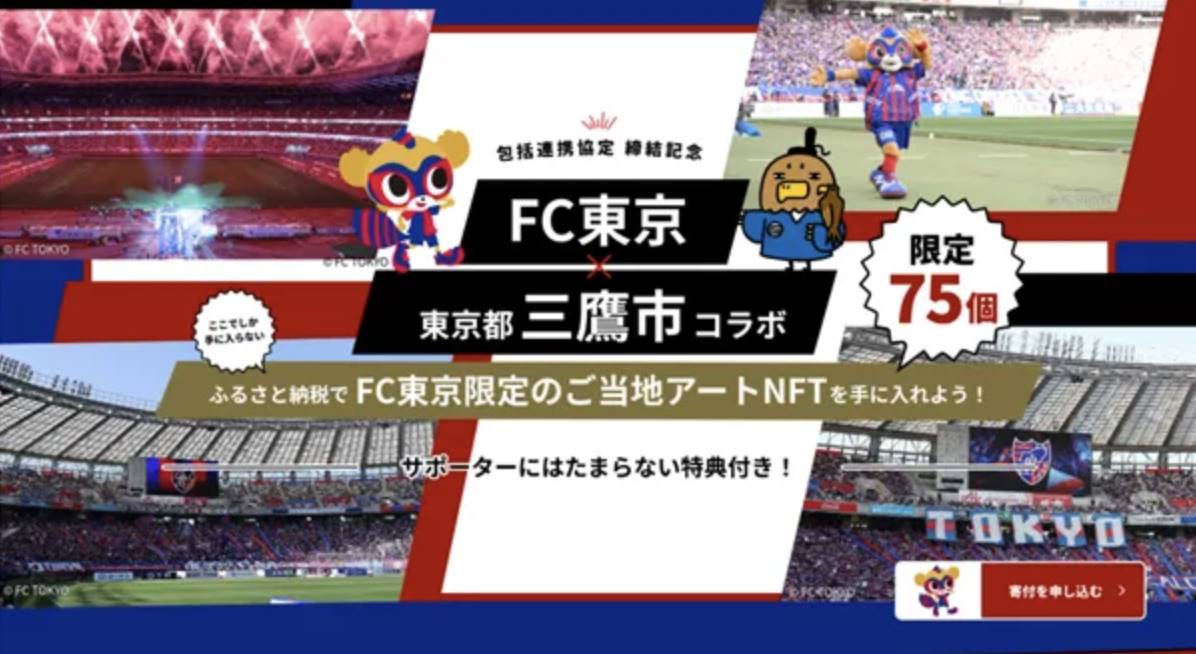
Image source:FC Tokyo Official Website
Tokyo is advancing regional revitalization using Web3 technology.
In Mitaka City’s collaboration with FC Tokyo, the “Furusato Nōzei NFT Gift Project” innovatively offers limited-edition NFT digital art co-created with FC Tokyo as a return gift for hometown tax donations. This initiative allows football fans and local residents alike to support Mitaka while enjoying the novelty of NFTs.
Meanwhile, the “Aoshima DAO Project” aims to transform Tokyo’s remote island of Aoshima into a DAO, emphasizing resident input and participation to manage local affairs through community-led governance, exploring sustainable resource utilization and future development models.
In Okutama Town, a token-based crowdfunding model has been adopted to protect tourism resources. Funds raised through token sales are used to open traditional-style restaurants and hotels. This allows individuals interested in regional revitalization to contribute financially and participate directly.
These case studies clearly demonstrate how Web3 brings new value to local communities.
Osaka – Expo 2025 Accelerates Digital Society Development
Osaka Prefecture, host of the upcoming 2025 World Expo, is leveraging the “EXPO 2025 Digital Wallet” to pioneer innovative applications of Web3 technology. This digital wallet supports cashless payments, NFT collection, and point rewards, aiming to deliver diverse experiences across Expo venues and facilities, ultimately realizing a fully cashless World Expo.
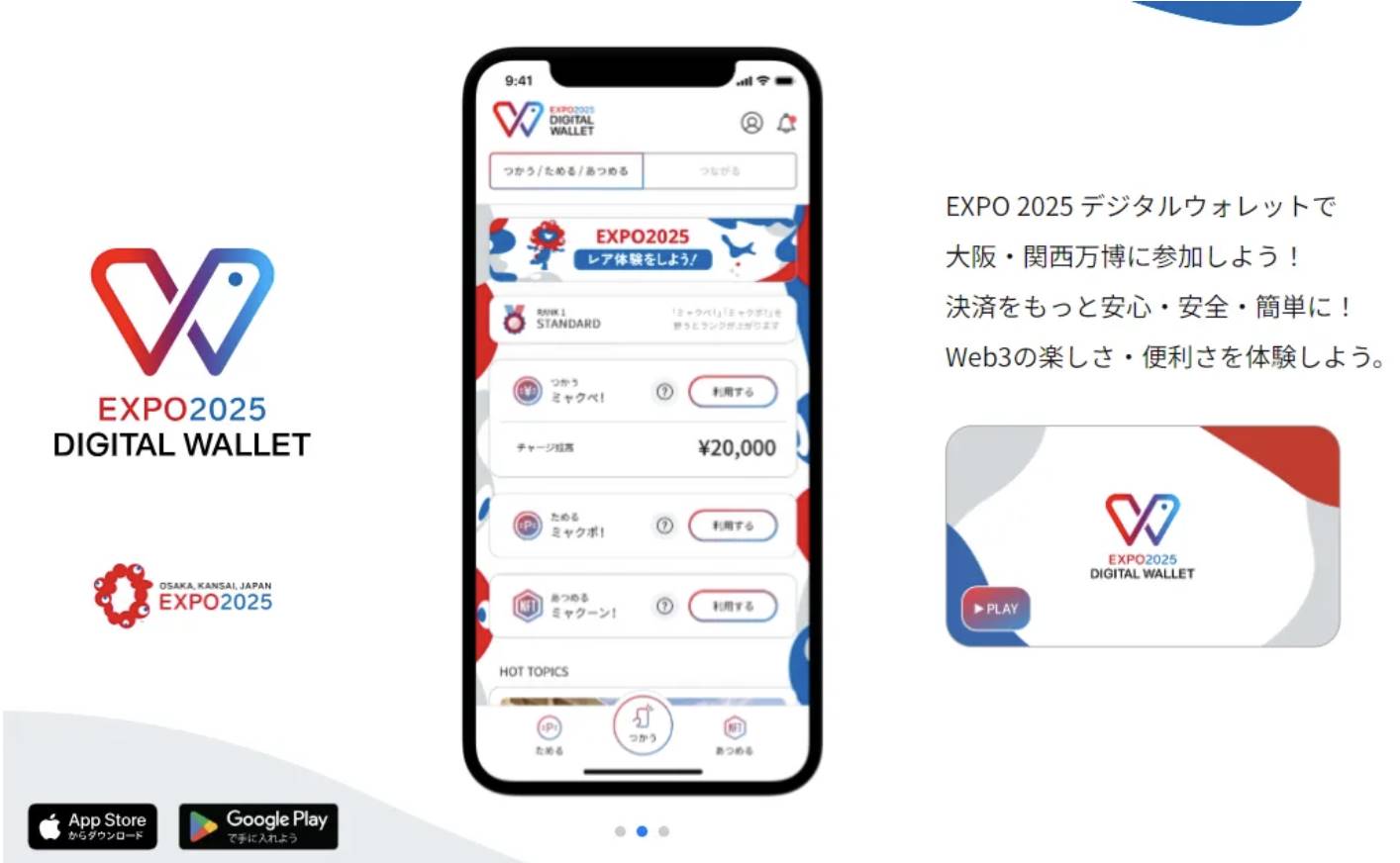
Image:EXPO2025
Built on this platform, a digital stamp NFT campaign was launched in April 2024, targeting restaurants near the Expo site. Users collect digital stamps from visited eateries, enhancing engagement through gamification.
Additionally, Osaka City Museum Organization plans to launch an NFT-based digital stamp program from November 2024 to enhance museum experiences using digital technology ahead of the Expo.
Furthermore, in October 2024, Hanyu City in Osaka became the first municipality in the Kansai region to sell a “Digital Resident Ticket NFT.” Holders receive free services or discounts at local yakiniku restaurants and experience facilities.
Leveraging the World Expo as a catalyst, Osaka Prefecture is actively adopting Web3 technology to advance both regional revitalization and the development of a digital society.
2. Corporate Developments
2-1. Financial Sector Trends
Sony Bank: Launching Multiple Web3 Technology Initiatives
In 2024, Sony Bank announced a series of Web3-based initiatives, signaling its intent to merge finance with entertainment. In April, it launched digital securities based on entertainment IPs (intellectual property). This initiative enables content such as music, films, and games to be issued as digital securities, offering users novel financial products. Additionally, Sony Bank began piloting a fiat-backed stablecoin and developing blockchain wallet technology to expand the use cases of the Web3 economy.
In July, Sony Bank released a Web3 entertainment app called “Sony Bank CONNECT.” Integrated with SNFT, Sony Group’s NFT marketplace, the app allows users to view and manage their NFT collections. It features NFT display on home screens and 3D gallery (“Rooms”) functionality, enhancing the entertainment experience.
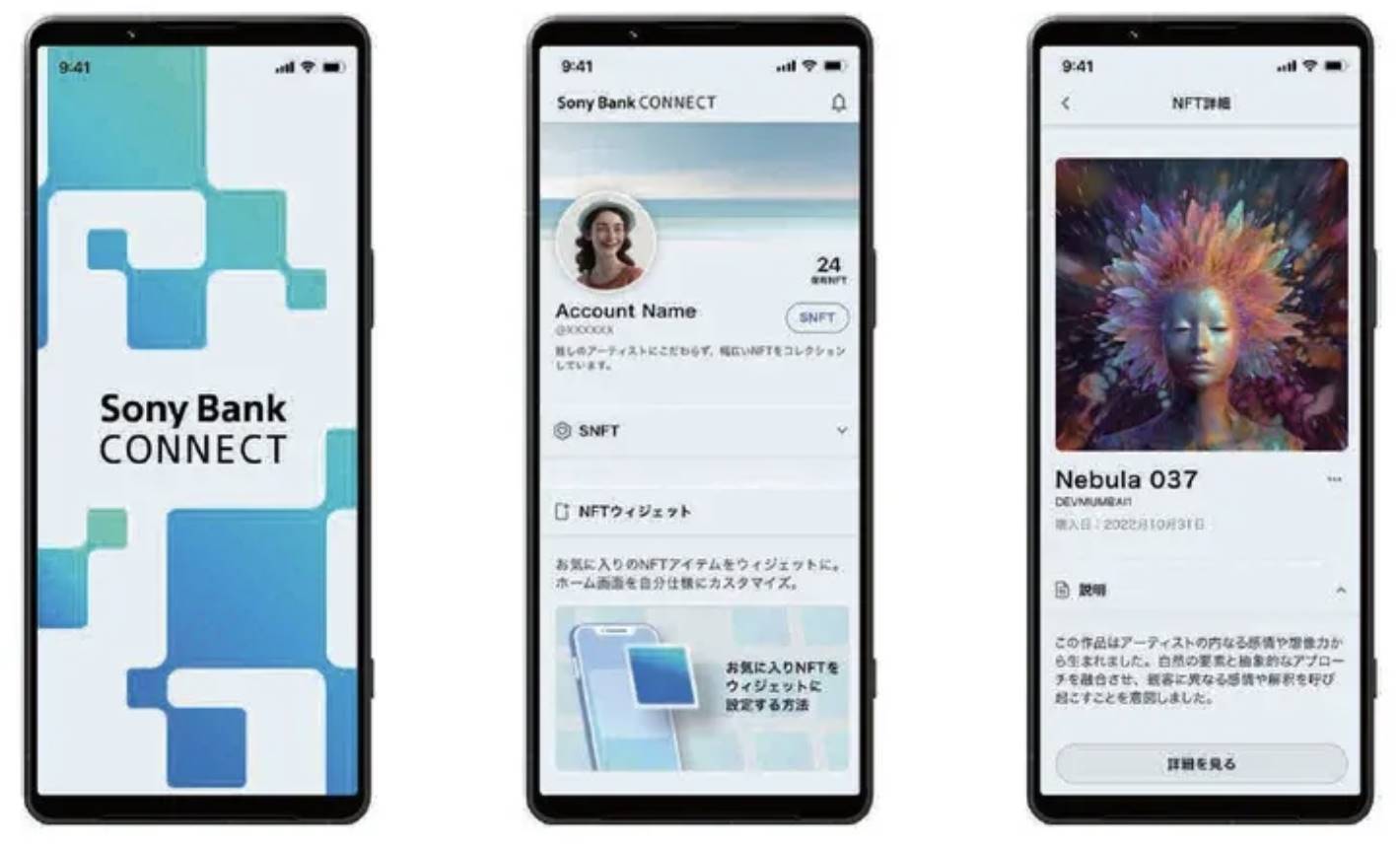
Image source:App for Web3 Entertainment to Launch Summer 2024 – Service Name Announced as Sony Bank CONNECT
These initiatives leverage Sony Group’s strengths in entertainment while exploring the potential of Web3. Through these efforts, Sony Bank aims to transcend traditional financial services, building an integrated “Finance × Entertainment” ecosystem and showcasing a new vision of service and value creation.
2-2. Gaming Industry Trends
Sony: Officially Entering Web3, Drawing Global Attention
https://x.com/soneium/status/1826832581897126367
A major highlight in Japan’s Web3 sector is Soneium, a Layer 2 blockchain developed by Sony Block Solutions Labs—a joint venture between Sony Group and Startale. Established in September 2023, the company combines technological expertise from both partners to build a public blockchain designed to seamlessly integrate Web2 and Web3, driving mass adoption.
Soneium focuses not only on delivering Web3 solutions but also on integrating with Sony’s existing businesses and supporting creators, aiming to establish systems centered on rights protection and revenue sharing. This announcement has spurred active project development. In August 2024, YGG Japan announced YAIBA, a game-specific Layer 3 chain built on Soneium, to support the infrastructure required for Web3 gaming.
Square Enix: Partners with SuiPlay
https://x.com/_smkotaro/status/1830793420690043327
At Korea Blockchain Week in September 2024, Mysten Labs, the developer of Sui, surprised attendees by announcing a partnership between its portable Web3 gaming platform “SuiPlay” and Japanese gaming giant Square Enix. SuiPlay leverages simple yet highly scalable blockchain technology to offer a platform that easily integrates traditional game development with Web3 elements. While specific details remain undisclosed, this collaboration highlights Web3’s growing potential in the traditional gaming market and has drawn significant industry attention.
double jump.tokyo: Developing New “Romance of the Three Kingdoms Battle” Game Using SEGA IP
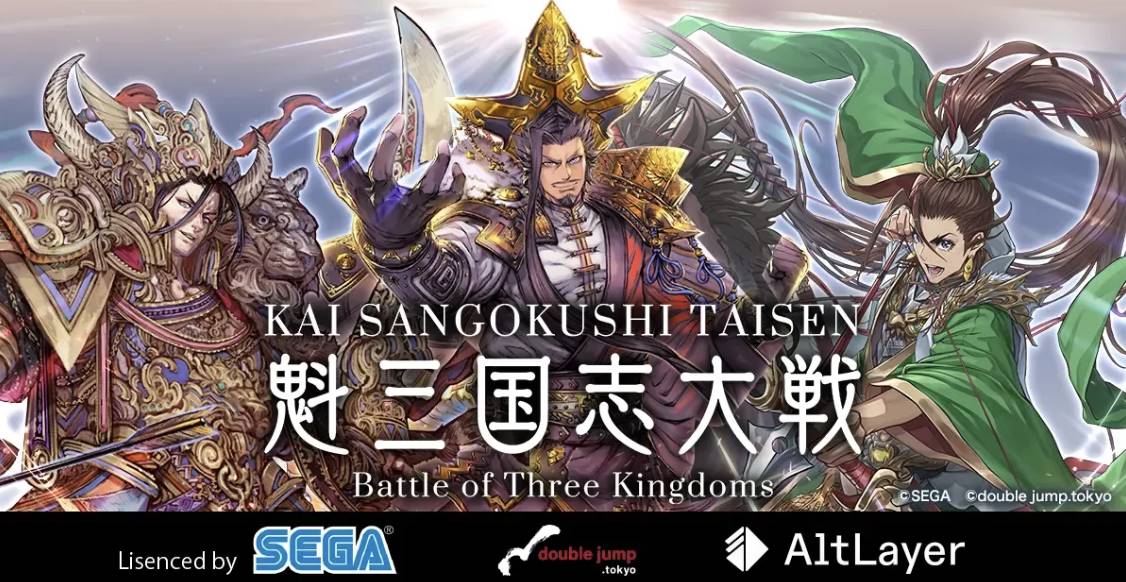
At Tokyo Game Show 2024, double jump.tokyo announced the development of a new blockchain game titled *Kai: Romance of the Three Kingdoms -Battle of Three Kingdoms-*, based on SEGA’s popular franchise. Utilizing NFT technology, the game promises players a fresh interactive experience rooted in the beloved IP.
2-3. Real Estate Industry Trends
NOT A HOTEL: Raises ¥5.5 Billion to Expand Operations

Image source: X
https://x.com/notahotel_inc/status/1859507038524424341
NOT A HOTEL, a real estate innovator utilizing NFTs, has gained significant attention. Its core business model revolves around shared villas—users can purchase entire properties or share ownership in units of 10 or 30 days per year.
In 2024, NOT A HOTEL successfully raised approximately ¥5.5 billion, planning to expand its presence domestically and internationally, particularly in tourist and resort destinations, targeting foreign investors and travelers.
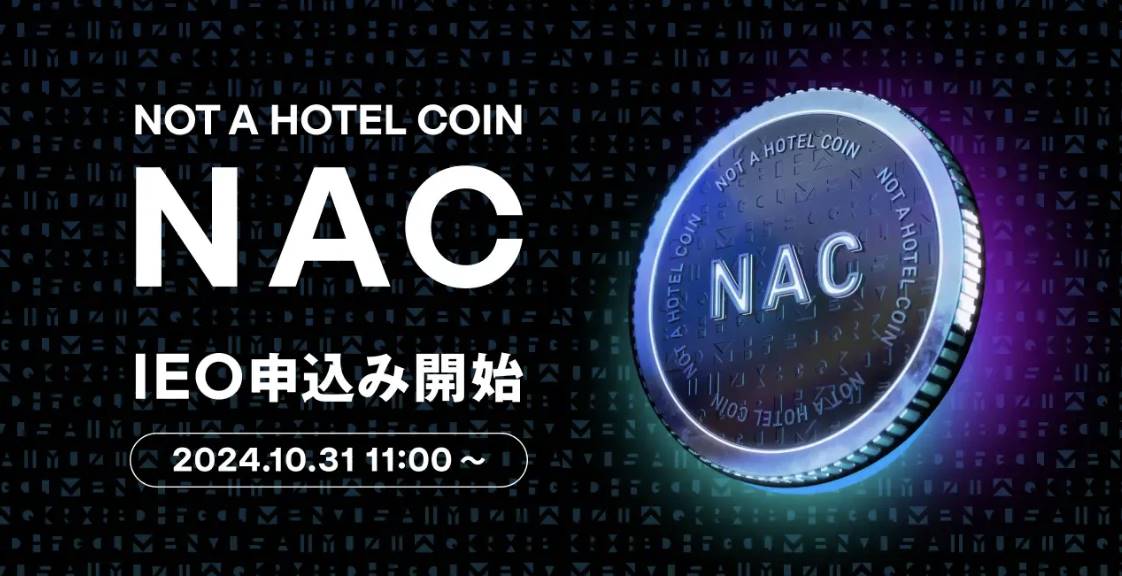
Image source:NOT A HOTEL COIN Begins IEO—Japan’s First RWA-Based IEO—Whitepaper and New Website Launched Today, October 31
In October, the company launched its native token, “NAC,” via an Initial Exchange Offering (IEO). NAC holders can book and rent accommodations using tokens and earn lodging rights as rewards. Additionally, by participating in the “NOT A HOTEL DAO,” users can influence decisions on location selection and operational policies. NAC serves as a foundational element of this user-driven ecosystem.
2-4. Transportation Industry Trends
Toyota Blockchain Lab: Exploring Tokenization of Vehicle Usage Rights via “Smart Accounts”
In 2024, Toyota Blockchain Lab (TBL) unveiled a concept to tokenize vehicle-related rights and manage them through “smart accounts,” linking various automotive services.
Unlike traditional accounts, these smart accounts use Ethereum ERC-4337’s “Modular Ownership Account (MOA).” MOA abstracts account management, decoupling authentication from private key control. Even if a user loses their private key, the account itself remains recoverable, providing enhanced security and flexibility.
Users can perform operations like unlocking via smartphone apps, with customizable permission levels—for example, full access or restricted trunk-only access with time limits. This digitized management of vehicle usage rights could facilitate car-sharing services and other mobility innovations.
Toyota announced its “Mobility Concept” in April 2023, with its final phase—“Mobility 3.0”—aiming to integrate transportation with societal systems. The smart account initiative is seen as part of this broader vision, with public blockchains potentially serving as a key enabler.
KINTO: Issuing NFT Certifications to Safe Drivers
KINTO, in collaboration with Toyota Motor Corporation, launched a pilot program that collects and analyzes driving data to identify safe drivers. Certified safe drivers receive non-transferable NFTs, known as “Soulbound Tokens (SBTs),” permanently recording their safety credentials on the blockchain. This marks the transportation industry’s first attempt to utilize blockchain for driver certification. In the future, these verified records may support the development of cost-efficient mobility services. This initiative is expected to promote safer driving and advance mobility ecosystems.
2-5. Energy Industry Trends
TEPCO Power Grid: Launches Mobile Game App Trial for Power Infrastructure Imaging
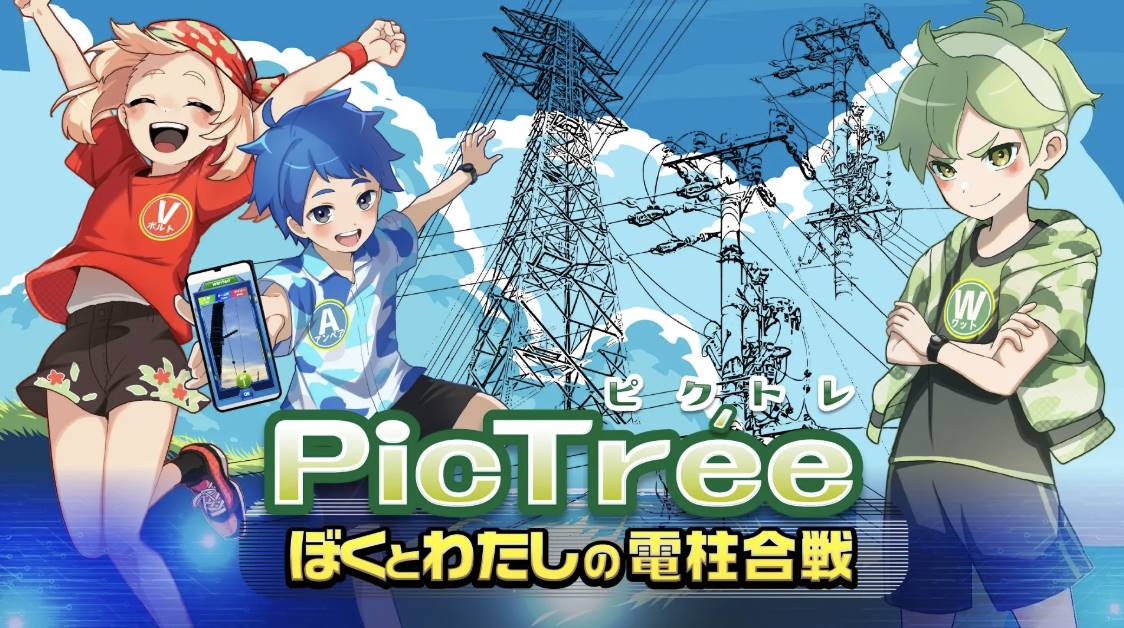
Image source: PicTrée X Official Account
https://x.com/pictree_dea/status/1764538716415279119
TEPCO Power Grid, in partnership with Greenway Grid Global and Digital Entertainment Asset, launched a trial for a mobile game app called “PicTrée.” Users take photos of utility poles and power infrastructure to compete in battles. Beyond entertainment, the game aims to improve regional infrastructure maintenance and enable early detection of equipment anomalies, generating social value.
2-6. Environmental Industry Trends
Klima DAO Japan: Launching Carbon Credit Trading via ReFi Projects in Japan
Image source:KlimaDAO Establishes Japanese Subsidiary “KlimaDAO JAPAN” to Revolutionize Climate Action with Web3 and Blockchain
In 2024, Klima DAO established its Japanese subsidiary, “KlimaDAO Japan,” focusing on developing a marketplace platform for tokenizing Japan’s public carbon credit system, “J-Credit.” In April, it launched a platform tailored for Japanese citizens and enterprises, creating new opportunities for greenhouse gas reduction participation.
On November 19, the company initiated a trial for the “KlimaDAO JAPAN MARKET,” tokenizing J-Credits on the Polygon blockchain to enhance liquidity and transparency. Participants include Mizuho Financial Group and Optage. The platform is expected to open to the public in spring 2025. These initiatives aim to address inefficiencies in Japan’s carbon credit market and contribute meaningfully to climate action, earning broad recognition.
2-7. Telecommunications Industry Trends
NTT Docomo: Launches Web3-Compatible Wallet
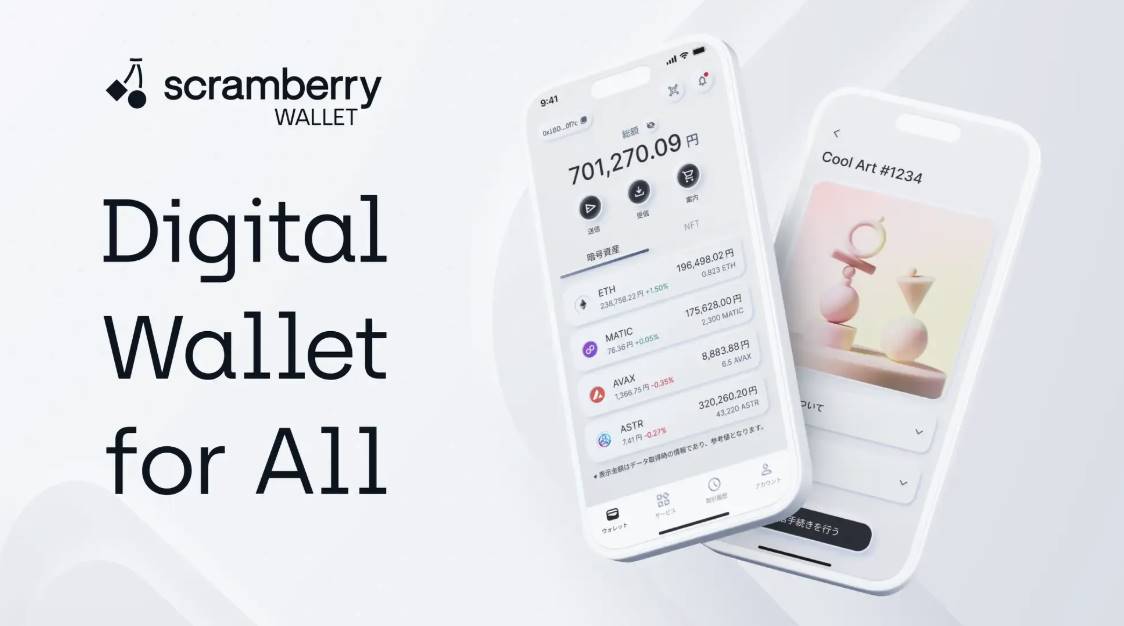
Image source:Launch of “Scramberry Wallet”—Everyone’s Digital Wallet
NTT Docomo, through its Web3-focused subsidiary NTT Digital established in 2022, launched a Web3-compatible wallet called “scramberry WALLET.” Registration requires only a phone number, data is stored in the cloud, and backup functions allow easy recovery. Security features include filtering for small-value crypto assets and NFTs, significantly improving safety.
KDDI: Partners with Animoca Brands

Image source:Animoca Brands Japan and KDDI Begin Business Collaboration in Web3
In March 2024, KDDI partnered with Animoca Brands Japan to sell NFTs from the blockchain game *PHANTOM GALAXIES* on KDDI’s NFT marketplace “αU market.” This collaboration strengthens ties between the telecom sector and Web3, establishing new NFT-based business models.
2-8. Food Industry Trends
Suntory: Integrates NFTs with Beer
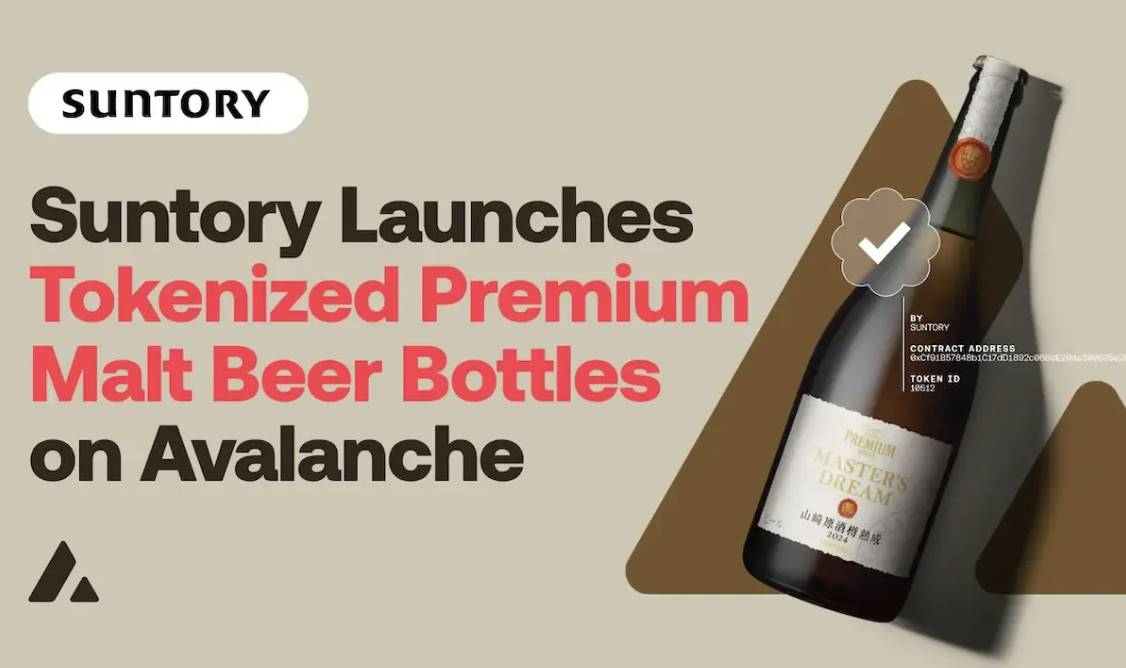
Image source:Suntory Launches Beer with NFT—Uses Avalanche Blockchain
Suntory utilized Avalanche technology to release a special edition beer titled *THE PREMIUM MALT'S Masters Dream
Calbee: Brings “Jagariko Brothers” and “Kappa Ebisen” into Popular Web3 Games!

Calbee announced a pioneering collaboration as the first Japanese food manufacturer to enter Web3 gaming. Themed NFT items featuring its iconic snacks “Jagariko” and “Kappa Ebisen” will be rolled out across three Web3 games: *CryptoSpells*, *JobTribes*, and *HEAL-III*. This introduces a novel form of fan engagement bridging virtual and physical worlds. Leveraging cross-game interoperability, Calbee will also host a collaborative event called “WEB3 GAME FES” to deepen interaction.
2-9. Watch and Apparel Industry Trends
Casio Computer: Launches “VIRTUAL G-SHOCK” and Partners with “STEPN GO”
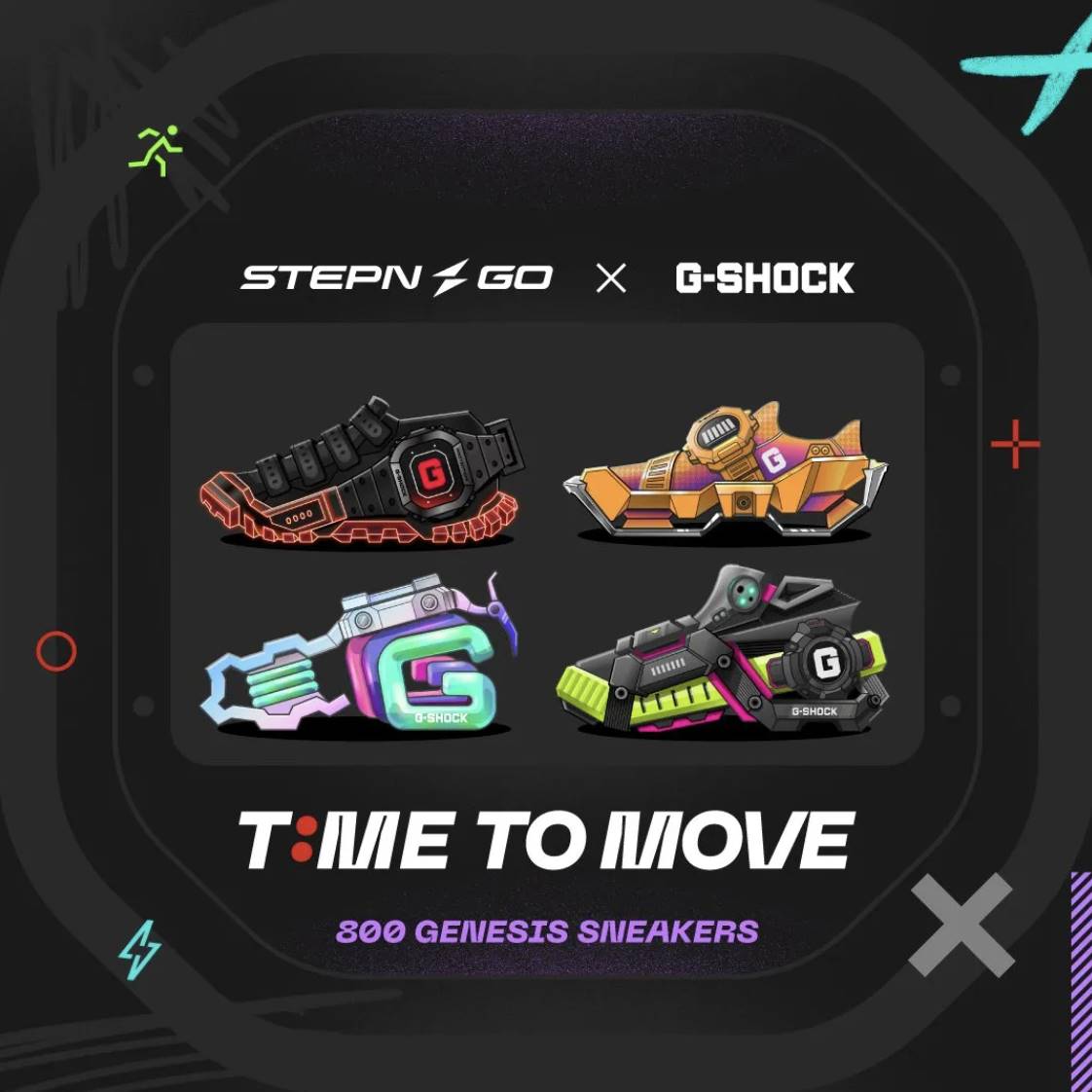
Image source: X
https://x.com/CASIOJapan/status/1826514893668831469
Casio is actively engaging Web3 users through its virtual communication project “VIRTUAL G-SHOCK.” By partnering with the Web3 lifestyle app “STEPN GO,” Casio strengthens its connection with younger, Z-generation audiences. This initiative exemplifies Web3’s potential in the watch and apparel industries and sets a benchmark for digital-era brand strategies.
3. Individual Users and Retail Investor Trends
3-1.Trends in Domestic Exchange Account Registrations
Chain analysis estimates show that account registrations at Japanese domestic crypto exchanges continued to grow throughout 2024.
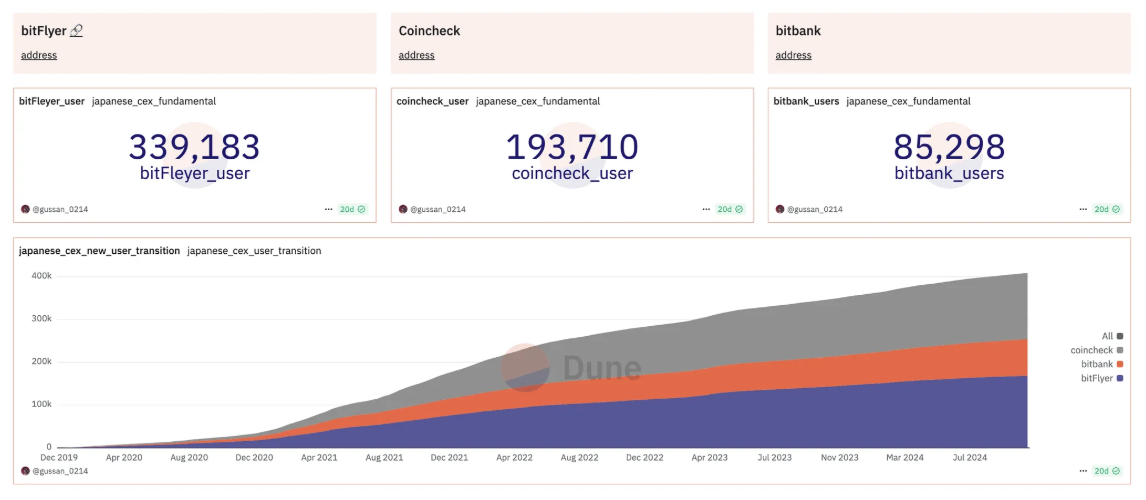
Image: Dune
https://dune.com/gussan_0214/japanesecentrlizedexchangesuserfeature
Data from a Dune Analytics dashboard tracks unique external wallet addresses receiving funds from major exchanges (Coincheck, bitbank, bitFlyer). Chain data shows that in January 2024, these three exchanges collectively received 356,917 unique wallets, increasing to 408,039 by November 2024.
Based on this data, assuming unique external wallet addresses represent about 20% of total accounts and that these three exchanges hold roughly 60% of the market share, the estimated total number of exchange accounts in Japan reached approximately 3.4 million by November 2024.
Similarly, estimating January 2024 figures yields around 2.97 million accounts. Therefore, net new account growth in 2024 is projected at about 426,000. Despite two months remaining in the year, the growth rate aligns with previous years, indicating steady expansion. The number of individual investors holding crypto assets is expected to continue rising.
3-2. Prominent Japanese Web3 Projects in 2024
SNPIT
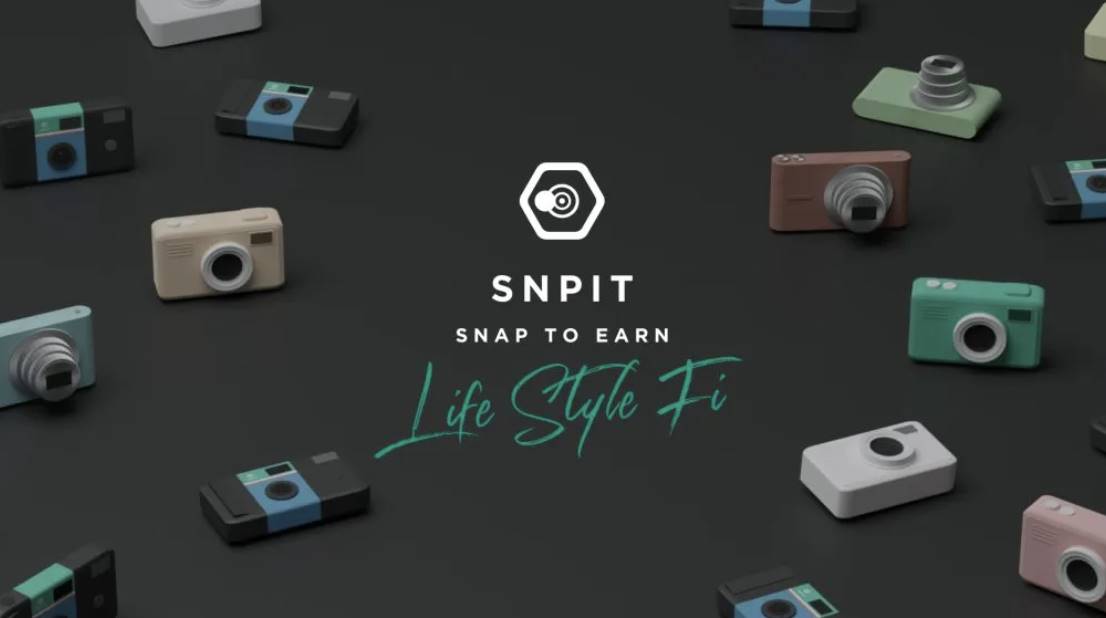
Image source:Start Free, Earn Just by Taking Photos! The Appeal of the Blockchain Game SNPIT Enjoyed by Families
In 2024, SNPIT, a unique GameFi project centered on photography, attracted widespread attention. Players own camera NFTs within the app, take photos via smartphones, and earn tokens through voting. This mechanism cleverly integrates social networking (SNS) elements, fostering vibrant community interactions. The use of NFTs as photography props appeals to creators and collectors alike, forming a well-received economic model. SNPIT stands as a representative example of “mobile app × Web3 gaming,” showcasing new possibilities.
CoinMusme (Currency Idol)

CoinMusme is a blockchain game that personifies cryptocurrencies as idol characters. Launched in December 2024, players engage in turn-based battles with idols, predict cryptocurrency price movements based on scores, and earn tokens accordingly. Prior to launch, the project conducted extensive marketing campaigns, collaborating with Web3 ventures such as gaming guild IGG, metaverse platform Yay!, and JPY stablecoin JPYC, generating significant buzz.
Brilliantcrypto
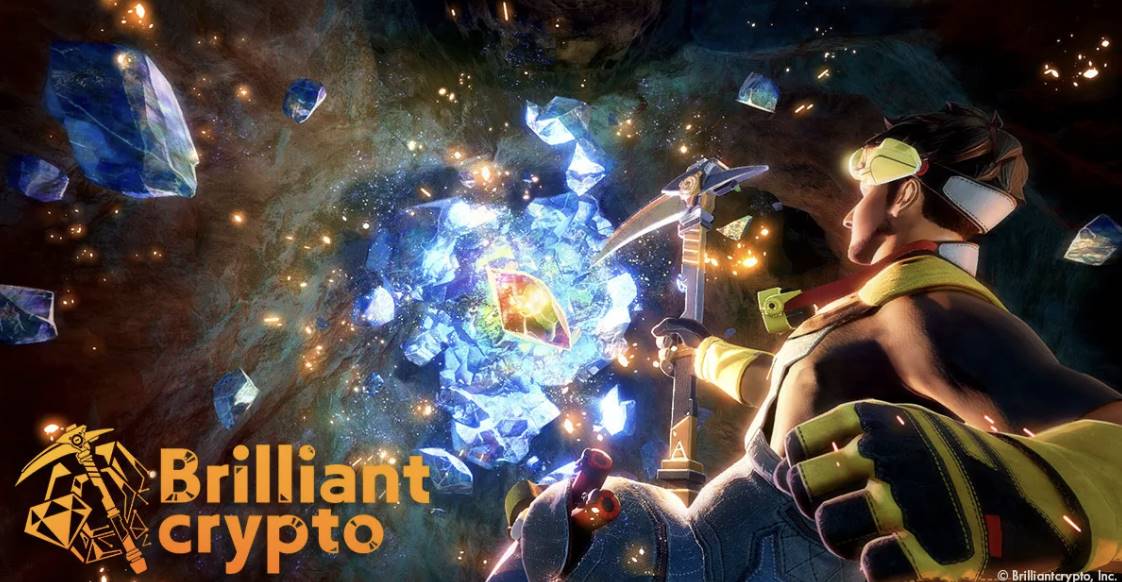
Image source:Brilliantcrypto Official
In 2024, Brilliantcrypto, a Japanese GameFi project themed around mining gems and crystals, gained attention. Players mine to earn BRIL tokens, then use them to purchase NFT tools like pickaxes or gemstones to improve efficiency and enjoy progression. The project conducted an IEO on Coincheck, Japan’s leading crypto exchange, sparking discussion among retail investors and becoming a hot topic among GameFi enthusiasts. Brilliantcrypto stands as one of the flagship Japanese GameFi projects of 2024.
Yay!

Image source:Yay! Reveals Web3 Features and Airdrop Site – Staking to Begin August 28
The social app “Yay!” accelerated its expansion into Web3 in 2024, gaining prominence. With over 9 million users, the platform offers community spaces for shared interests. The August launch of the “Yay! Staking Campaign” marked a pivotal step in strengthening its Web3 ecosystem. By staking Ethereum, users receive in-game NFTs (“Yay! Pals”) and utility tokens (“EMPL”). This mechanism attracted Web2 users and boosted expectations for mass adoption. Governance via the “YAY” token and partnerships with liquid staking protocols like StakeStone introduced diversified rewards, making its novel tokenomics a trending topic.
FiNANCiE
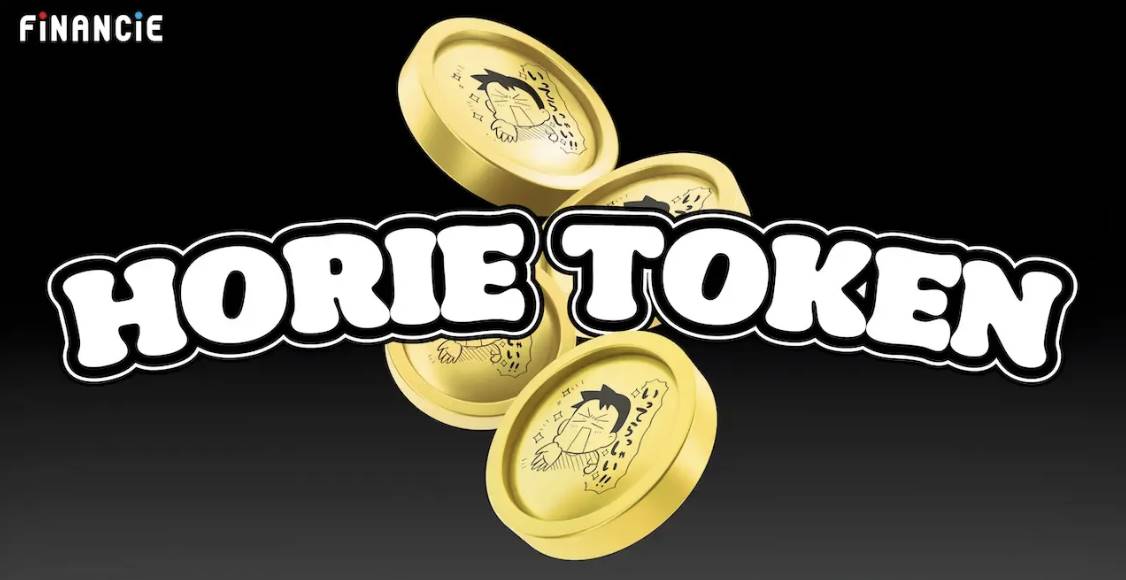
FiNANCiE is a platform allowing anyone to issue unique tokens or collectible cards. In January, popular Japanese influencer Ikehaya launched his character IP token on FiNANCiE, triggering a wave of influencers issuing personal or community tokens. In 2024, notable figures such as entrepreneur Takafumi Horie and participants from the YouTube show “Reiwa no Tora” launched their own tokens on FiNANCiE, making it a major trend.
3-3.Main Media Used by Individuals for Information
In 2024, the primary media used by Japanese individuals to obtain crypto-related information exhibited distinct patterns. X (formerly Twitter), valued for its real-time updates, became the main platform for news and market trends. Although YouTube remains popular, a decline in crypto-focused channels has reduced the volume and quality of available content.
Investor-focused users increasingly turned to Discord and Telegram, which serve as hubs for in-depth discussions and professional information exchange.
Specialized media outlets such as CoinPost, CoinDesk Japan, and Cointelegraph Japan are widely trusted for reliable coverage of industry developments, technical insights, and regulatory updates. These platforms serve as essential resources for both beginners and advanced investors, playing a vital role in the crypto ecosystem.
3-4. Notable Japanese Crypto Influencers
Join TechFlow official community to stay tuned
Telegram:https://t.me/TechFlowDaily
X (Twitter):https://x.com/TechFlowPost
X (Twitter) EN:https://x.com/BlockFlow_News
 @PacificMeta






