








1960s Community Heritage: Ecovillages, Solarpunk, and Anarchism
TechFlow Selected TechFlow Selected
1960s Community Heritage: Ecovillages, Solarpunk, and Anarchism
Living together means maintaining thought even when wearing slippers.
 Navigating Web3 tides with focused insights
Text: Alexis
"Time Zone Correspondent" is an original column by Uncommons, offering frontline reports from Ethereum and other crypto conferences, as well as global pop-up co-living cities. It gathers voices from Chinese-speaking attendees within the offline crypto context.
Unlike industry media coverage, this column focuses more on first-hand, subjective perspectives of participants—being immersed in the experience, anchored in community, and embracing diversity.
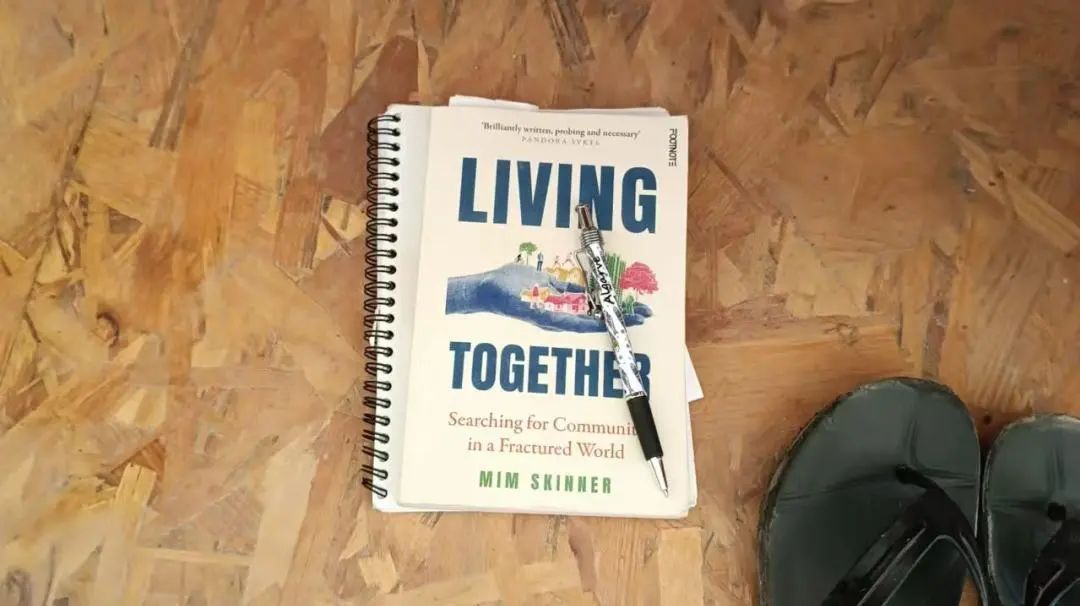
Living together means staying thoughtful even when wearing slippers.
I first met Erik online. After growing out his hair, he no longer looked as neat as he did in photos taken years ago in China—he appeared somewhat disheveled and worn down.
The first time I truly met Erik was on the streets of Paris. After struggling to find our accommodation, we discovered Erik had already been waiting at the door. Wearing a holey blue T-shirt, carrying two large bags and a guitar, he greeted me by pulling out the guitar and playing a short tune from behind his back.
The first time I saw Erik fully at ease was in Longomai. Sitting at the piano in the community hall, he played “The Outside World Is Wonderful,” casually singing along with Guan Hua, clearly back in his element.
Yet every time, Erik gave off a sense of contradiction: he was highly educated but lacked elitist airs; he held strong political beliefs yet remained calm and gentle; he opposed capitalism but especially loved Chinese supermarkets.
I summarize this contradiction as a shared trait among many similar communities:
They live on the fringes of modern society, striving to create alternatives, yet struggle to escape reality.
Part 1 Longomai (Dragon Valley Pulse)
Stepping off the train in Marseille, it felt like suddenly entering a different France. Located in northern Mediterranean and home to many North African immigrants, Marseille is jokingly called the capital of North Africa. Erik led us through piles of trash, saying we should visit a local "alternative space" before leaving for Longomai.
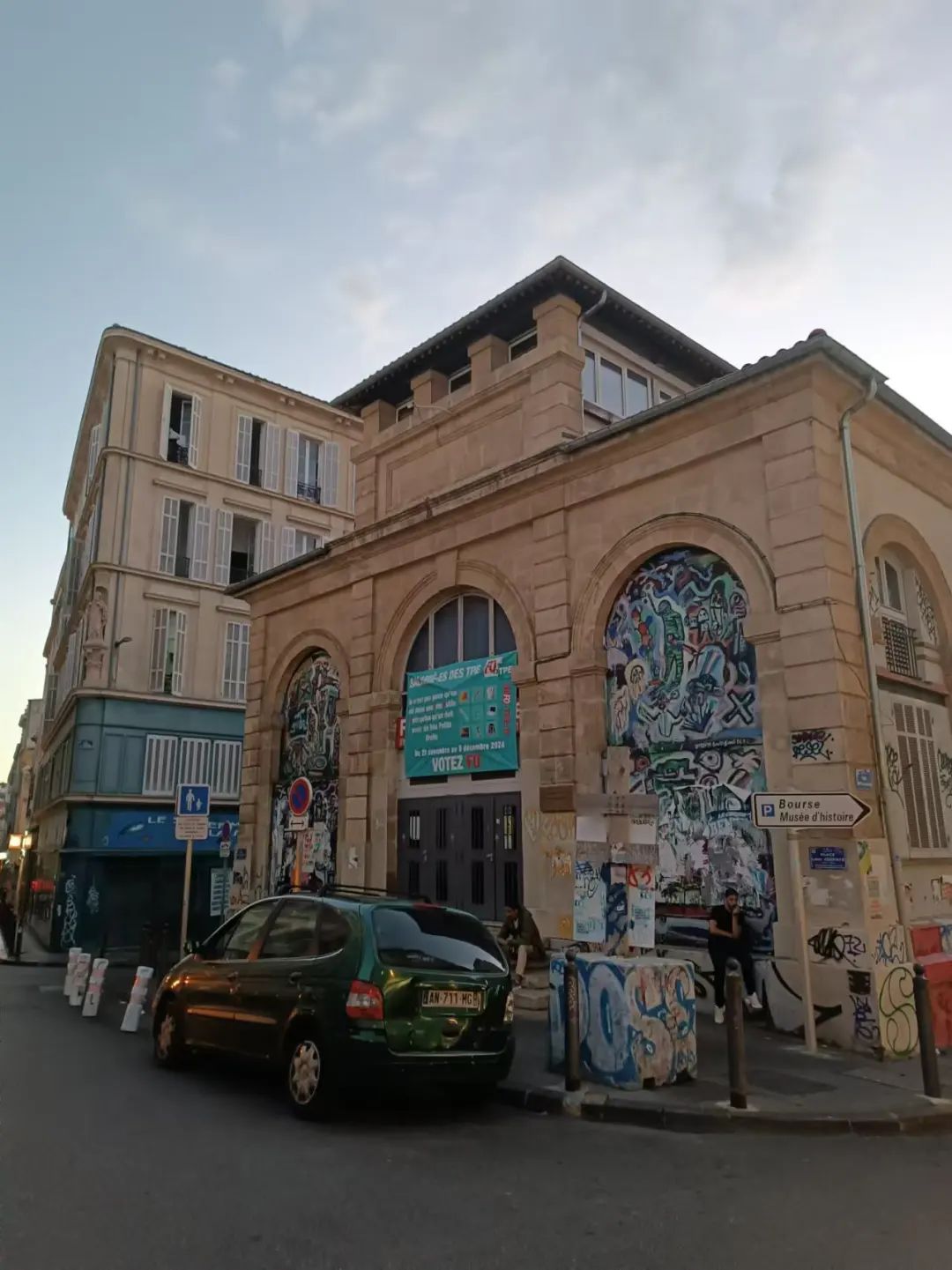
Marseille walls covered in graffiti | Photo source: author
Under watchful eyes from both sides, we dragged our luggage down cobblestone paths. As we passed Cours Julien, one of Marseille’s most famous districts, graffiti on walls and pavement multiplied. Reportedly the largest street art zone in France, it hosts local designers, artists, secondhand shops, booksellers, and comic book stores.
Videodrome is a multi-level independent screening room, facing an open-air bar area. Crowded any day of the week, it buzzes like a marketplace. On the day we visited, they were screening a film exploring intimate relationships, serving DIY simple dinners and beer alongside.
Everyone except Erik seemed slightly uneasy. We sat with our suitcases at an overcrowded outdoor table, eating mushy vegetarian food. Erik said that compared to capitalist, ever-adaptable Paris, Marseille's atmosphere felt much closer to his heart.
Our night in Marseille was fleeting—a brief glimpse not into the city itself, but into what kind of urban life Erik appreciates: alternative, existing outside mainstream discourse. I felt anxious, wondering whether others were ready to truly “enter Longomai.”
After stocking up on ingredients and seasonings at a Chinese supermarket, Eli picked us up in his small truck. Driving north from Marseille, southern France offered few flat highways. Two hours of winding roads followed by a serpentine mountain path finally revealed Grange neav, perched halfway up a hillside.
The Grange neav we visited (hereafter referred to simply as Longomai, unless otherwise specified) is the oldest and largest community in the Longomai network, located in Provence. In French, its name means "new farmhouse." Originally indeed a farmhouse, the surrounding area is known for limestone production. Like many old villages across France and China, it hollowed out during urbanization. Many 13th-century stone houses have since been renovated, repaired, and expanded by residents into today’s communal living spaces.
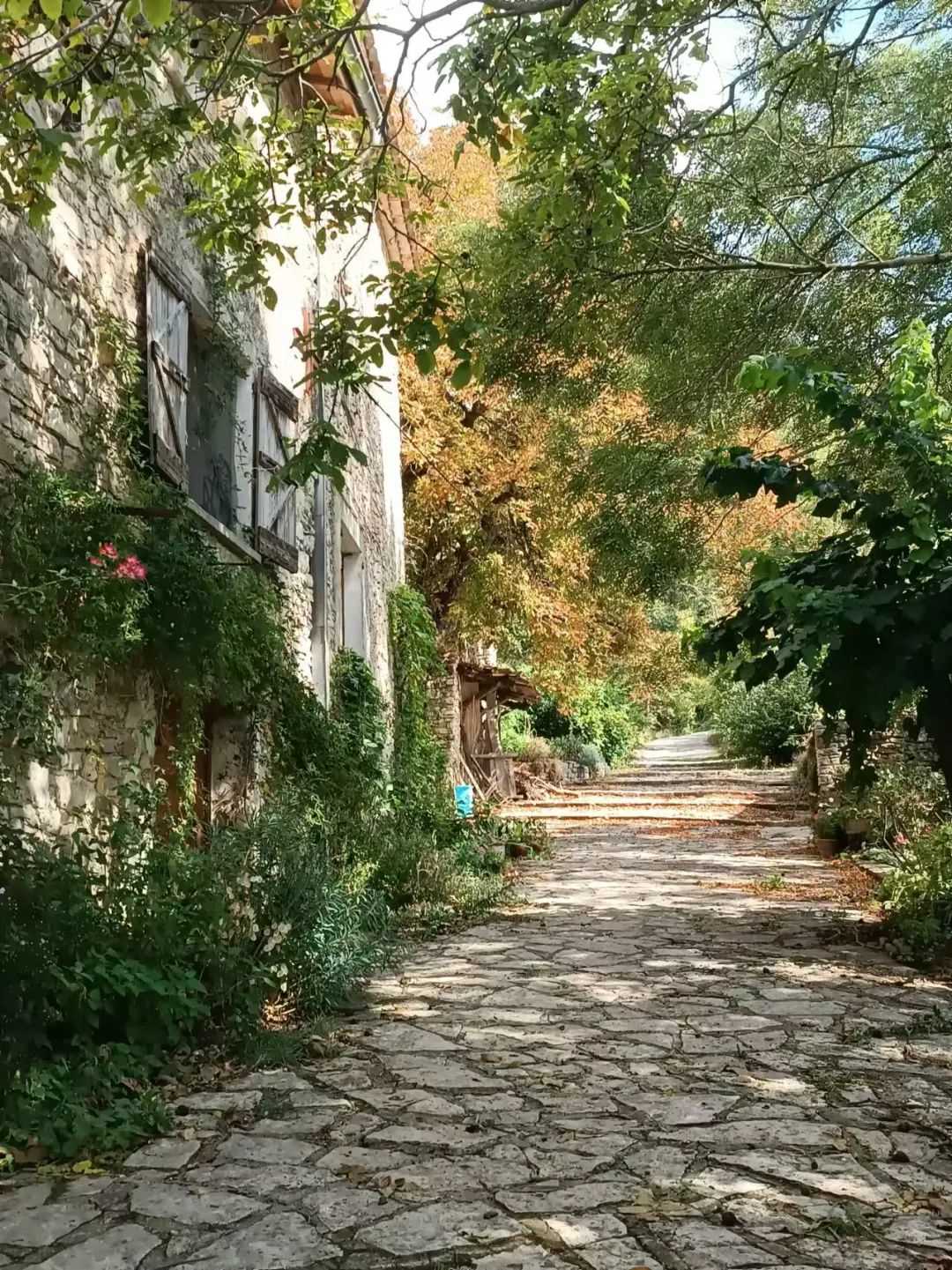
Stone houses nestled among trees
Most are around five hundred years old | Photo source: author
The Longomai community network originated in 1968, initially composed mainly of students involved in France's countercultural movement. This wave swept across the Western world, drawing countless youth into leftist actions and anti-mainstream cultural practices.
In the early 1970s, seven students from diverse backgrounds joined forces with others passionate about social change, gathering in Austria. They pooled resources—some selling their homes—to fund a different anti-capitalist social experiment. With these funds, they purchased land in southern France’s Provence region, now known as Longomai. These seven student leaders became the founding members of the Longomai network.
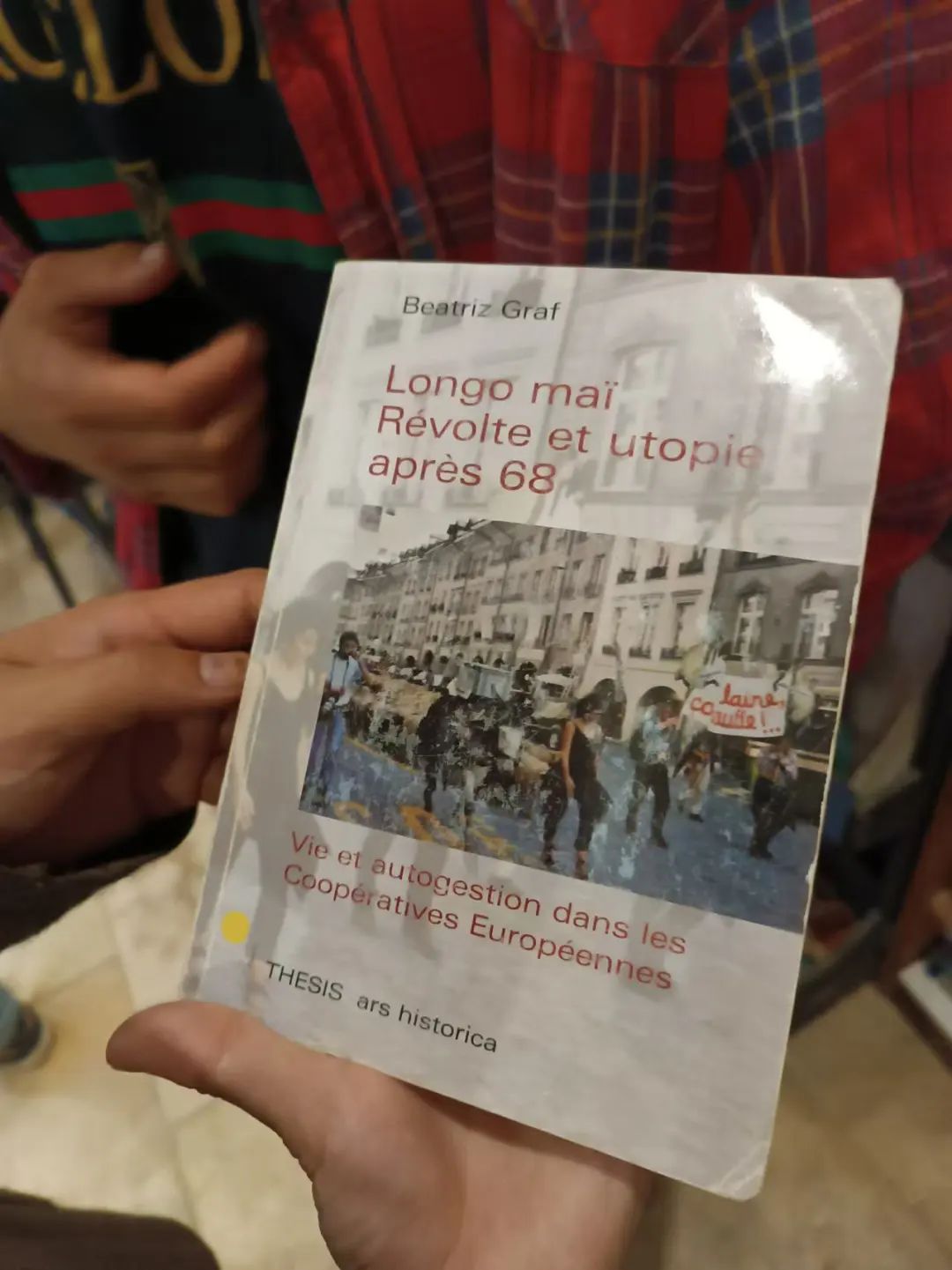
In a feminist library in a nearby town,
books documenting Longomai’s history can be found
The author now lives in this town | Photo source: author
In the local Provençal dialect, Longomai means "everlasting existence." Inspired by this phrase, they named their community, hoping it would endure long-term.
This turned out to be prophetic. While Longomai and the student movements of the 60s and 70s faded from public view due to neoliberal resurgence and historical shifts, the community network has persisted and evolved to this day.
We stayed in a colorful little cabin with hippie vibes, which also has its own name: Fatza.
According to Longomai consensus, one must reside here for at least three months before applying to join. Over more than fifty years, word-of-mouth among hippies and DIY-spirited backpackers—from North America to South America and Europe—has drawn many wandering between communes and communities. Some arrive and end up staying for decades.
During their stay, driven by both personal convenience and consideration for future visitors, a group of DIY-minded travelers built a house suitable for living or short-term stays. Thus emerged Fatza, this whimsical rammed-earth cottage full of hippie charm.
The room is dim but not eerie. Leather sofas and wool blankets lie casually in the small living room. French graffiti and inscriptions cover the walls—“Let us live and create” (Laisse nous vivre et creer), “Hippies, go compost” (Les hippies, au compost). Simple wooden shelves hold books in various languages, just like the countless mismatched cups and shoe racks by the door, reminding you: “Countless people have left traces here.” A discreet wooden ladder leads to a hidden second floor, capable of sleeping four more. Opening the small upper door reveals the hillside behind; at night, stepping out for the toilet, you can see the Milky Way with the naked eye.
A thick notebook contains messages left for Fatza by past visitors.
I think this is a place where you can connect with those who came before.
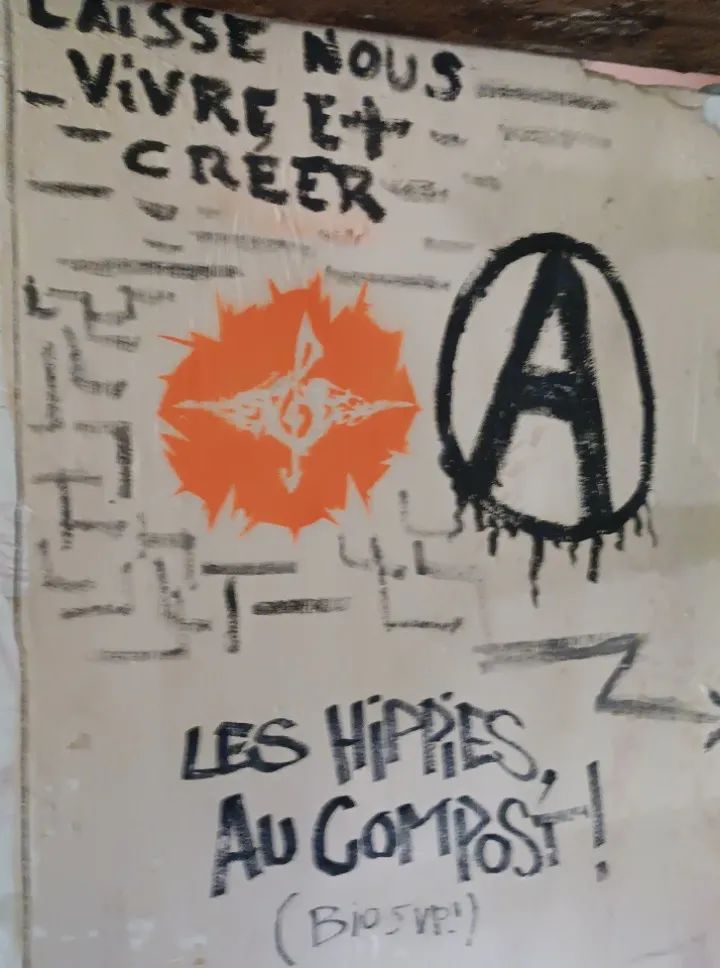
Graffiti covers every wall of Fatza | Photo source: author
In Longomai, we met Holand, whose hands bear tattoos of the “Dao” and Taiji. Nearly 70, Holand was one of the original seven founders. Every day, he sits under a tree beside the community hall, basking in sunlight, reading, chatting. Interestingly, although all seven founders still participate in Longomai activities, they mostly don’t live in the same community. Holand now permanently resides in another Longomai community in Costa Rica. His current trip to Europe includes plans to visit and share experiences across different communities in the network.
There are currently 11 communities in the Longomai network. Besides three in France and one in Costa Rica, seven others are scattered across Europe—including Germany, Switzerland, and Austria. Each community has distinct characteristics and orientations, yet all share an anti-capitalist value system.
In Costa Rica, Longomai provides housing and agricultural cooperatives where refugees from Nicaragua and elsewhere in Latin America can work in exchange for food. As such, it functions not only as a “community” but also as an agricultural cooperative supporting 700 people.
In fact, beyond Costa Rica, in Longomai communities worldwide, once members complete a certain amount of daily labor, everyone enjoys free access to food within the community. Residents and volunteers alike typically work four to five hours per day—split between morning and afternoon—with the rest of the day free. During non-working hours, they enjoy complimentary wine, bread, and other foods, as well as public facilities. Consequently, aside from required working periods, most people can be seen sitting under trees chatting or reading, occasionally engaging in collective events or external knowledge-sharing sessions.
Public goods approach near infinity—this is their so-called “cooperative” model of work and organization.
Outside the main entrance of the community hall sits an unremarkable wooden board where people update news, list needed tasks, and post cooking schedules. Most routine jobs are completed voluntarily, while important or complex ones are discussed and assigned during meetings.
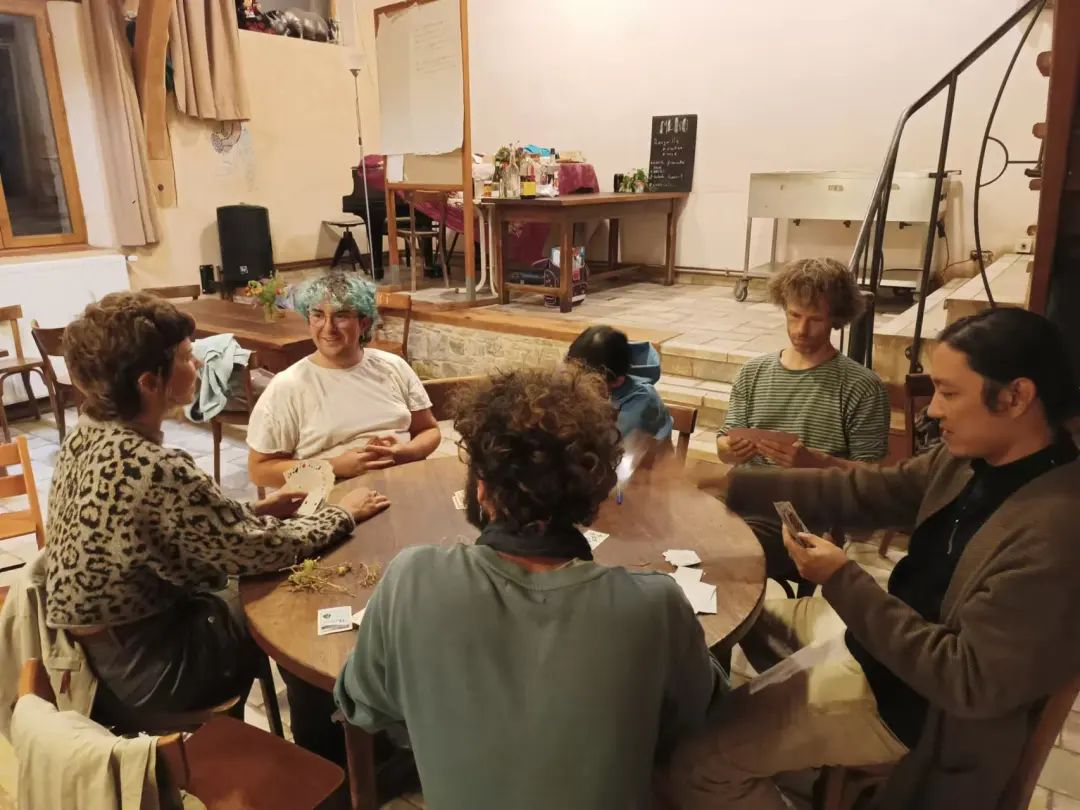
Chatting and playing cards with members in the community hall | Photo source: author
The hall also serves as the common dining and assembly space. Someone usually volunteers to cook lunch and dinner for all residents each day. If no one signs up, the community kitchen remains closed, and individuals must prepare their own meals or find food independently.
In the process of self-governance, there is a noticeable anarchist flavor and great freedom.
Much of the “governance” happens during community assemblies. Members gather after dinner each Monday to discuss pre-submitted topics. Whenever significant issues arise—such as housing allocation or new construction projects—the relevant task group convenes members for discussion until unanimous agreement is reached.
Although primarily agricultural, Longomai members actually engage in various types of work. Over several days, we participated in nearly ten different workshops: making jam, honey, and bread; managing radio broadcasts, meetings, and documentation…
Longomai has achieved an 80% self-sufficiency rate. Most food, clothing, and daily necessities are produced internally. Only a small portion of essential consumer goods that cannot be made locally—like shampoo—are purchased externally. Funding may come from individuals or the community fund.
A foundation established in Switzerland since the 1970s continues to operate, supporting the 20% of needs that cannot be self-produced. Through dedicated fundraising efforts and management, and leveraging attention accumulated over years of activism, the foundation receives substantial annual donations.
All cash income generated from community labor flows into sub-funds of this foundation across locations. Reasonable expenditures are approved upon application from respective communities.
Cedric is an anarchist who never calls himself one—an active participant in various social movements across France and Europe. His interest in global actions keeps him deeply involved in Zinzine’s work.
Zinzine, the decades-old radio station within the community, still broadcasts citizen and human rights actions from around the world. Organized as a project team, they meet weekly to discuss content and regularly compile and publish information sent globally. Across Longomai communities, if you look carefully, you’ll find radio transmission towers atop hills—sending signals throughout southern France and streaming worldwide via the internet.
One evening after dinner, we sang and played music together. When excitement peaked, someone began performing The Internationale. Starting with a solo in Chinese, then Cedric joining for a Sino-French duet, eventually evolving into a full Sino-French chorus—it felt like affirming Longomai’s international revolutionary status.
Sometimes he shares critiques among French leftists; sometimes he reflects on how today’s youth practice activism. He knows radio is no longer a mainstream medium for sharing information, yet insists on maintaining “their generation’s way.”
He expresses curiosity toward so-called “crypto-punks” and internet-based actions globally, inviting us: “If you’d like, I can take you to meet anarchists across France.”
The specifics of how the “community” operates—its governance mechanisms or workload calculations—may actually be secondary to them. What matters more is political engagement, action, and holding firm political stances. After establishing foundational consensus and enduring cohabitation, precise accounting of minor differences seems unnecessary.
In French practice, they rarely document their methods nor focus on theoretical frameworks of community-building. Instead, they prioritize voicing opinions and realizing political aspirations.
To me, “community” functions merely as a medium for political action rather than a primary dimension. This is my observation of those engaged in this work in France. Whether Longomai or something else, people tend to treat political ideals as central, relegating community governance to secondary importance.
But regardless, in this green-and-blue landscape of southern France, “life” comes first.
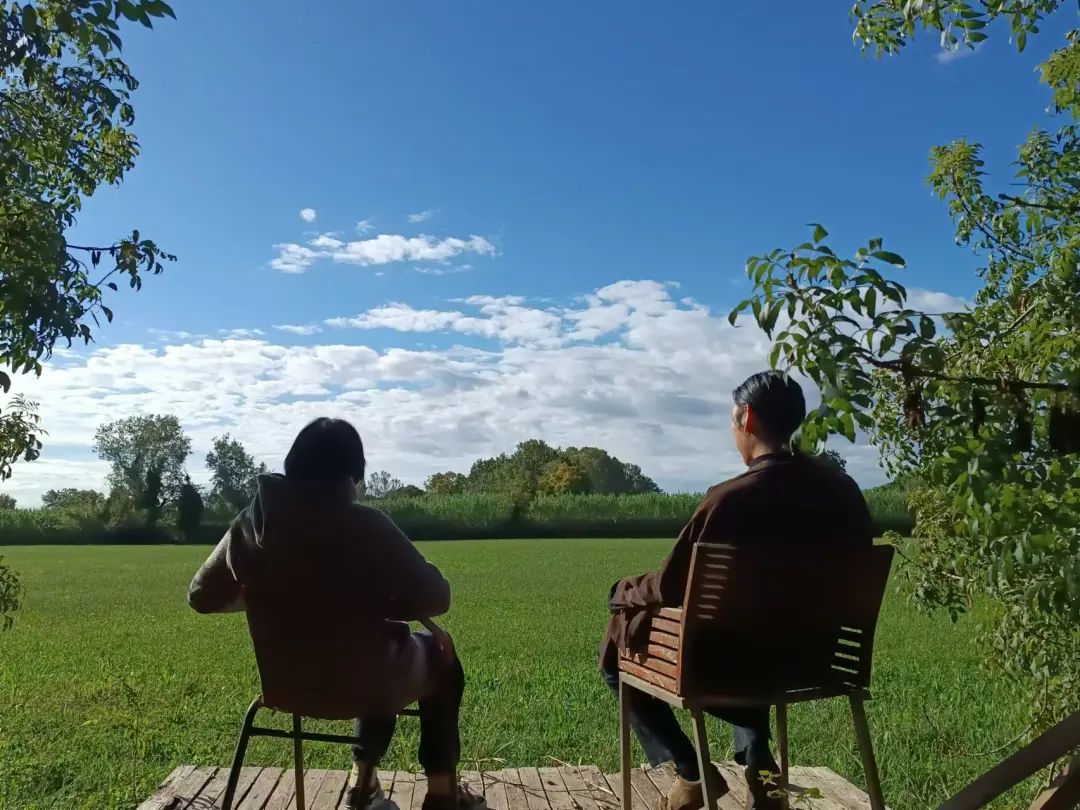
As far as the eye can see: sprawling green and blue | Photo source: author
Part 2 Traditional Dream Factory
Using a computer in Longomai makes me feel out of place, but at TDF, things seem different.
The decision to visit TDF came through my friend Nico, who shared details of this new southern Portugal community on her website www.agartha.one/. Conveniently located between Lisbon and Tamera, we had the chance to make a brief stop. Practically speaking, since our visit coincided with Portugal’s dry season, TDF’s already minimal structures stood stark against barren grasslands—less an eco-community, more like an abandoned factory.
Yet precisely this condition is what TDF aims to transform.
Sam, TDF’s founder, previously worked in the U.S. and served several high-tech companies, often remotely while traveling globally. But his travels weren’t just about completing work—he sought places to realize his vision: a space embodying OASA ideals, across South Africa, the U.S., and Europe.
OASA is an online community co-created with like-minded friends aiming to regenerate human habitats, described as “A Web3-powered nature conservancy network serving regenerative human living spaces and the planet.”
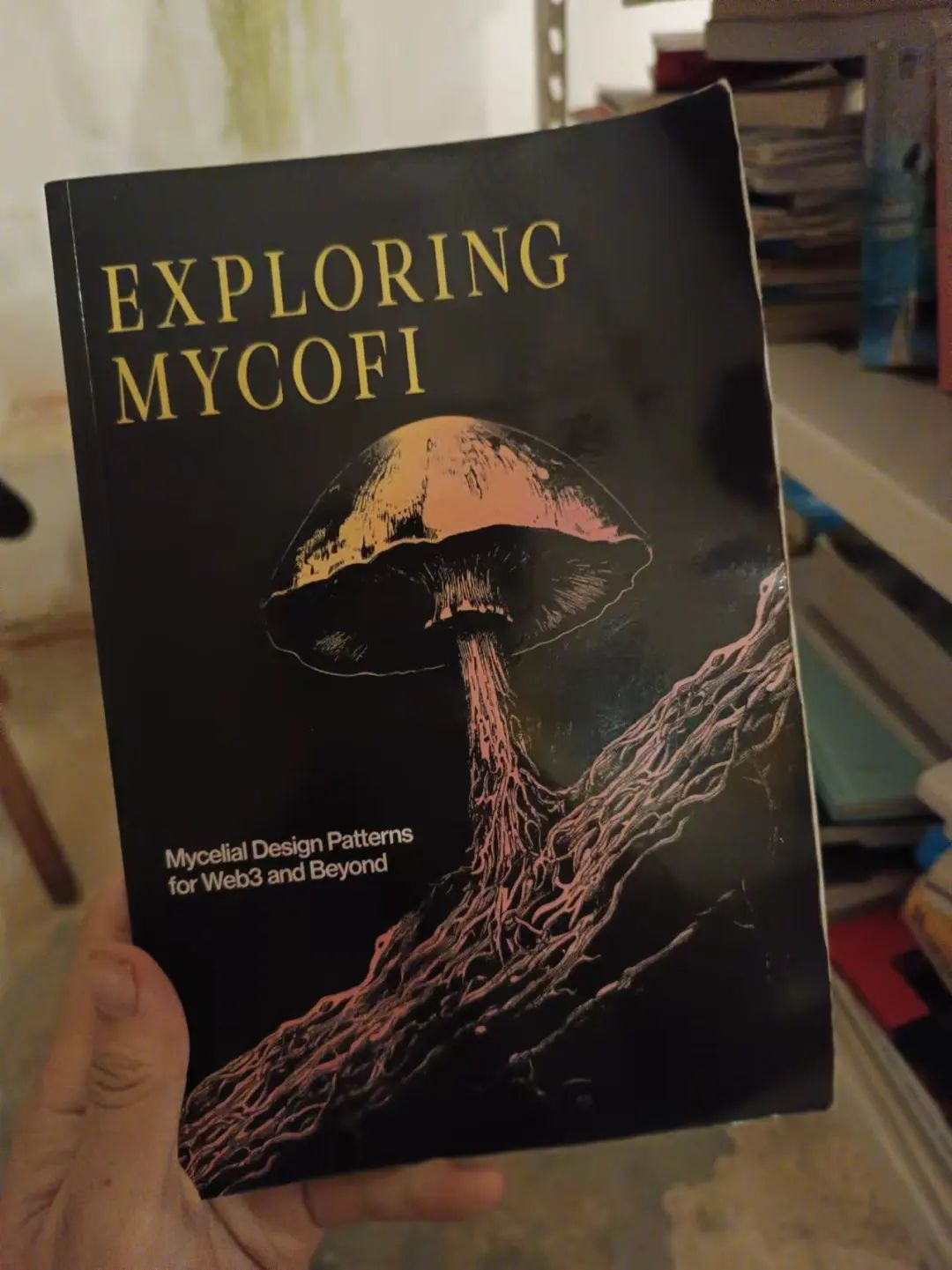
Familiar Mycofi books on TDF’s shelf
Feels like we’re part of the same movement | Photo source: author
In the OASA whitepaper, concepts like Network State, Mycorrhizal Networks, and Regenerative visions are seamlessly integrated into a coherent narrative. Starting from regeneration and blockchain technology, OASA envisions an alternative future—an Anti-dystopia, Solarpunk-inspired positive technological imagination.
It imagines not a cyberpunk future of high tech and low life, but a technologically empowered future of harmonious coexistence between humans and nature. As Cedric put it, this seems like “a new generation’s approach to practice.” But before these layered concepts become concrete in an experimental setting, no one really knows what it will look like.
OASA Whitepaper: Web3 and regeneration
Available for download on official site | Source: OASA official website
Sam and his OASA friends long searched for a physical location to ground their experiments and ultimately chose Portugal. Since the 21st century, Portugal has occupied a subtle position in Europe—increasingly resembling Yunnan or Dali in China. Like Yunnan, Portugal lies in southwestern Europe, distant from traditional European economic and political centers, boasting beautiful natural scenery and low living costs. These shared traits suggest similar developmental potential across regions: Yunnan, Portugal, California, Central America, and Southeast Asia—all ripe for Alternative development.
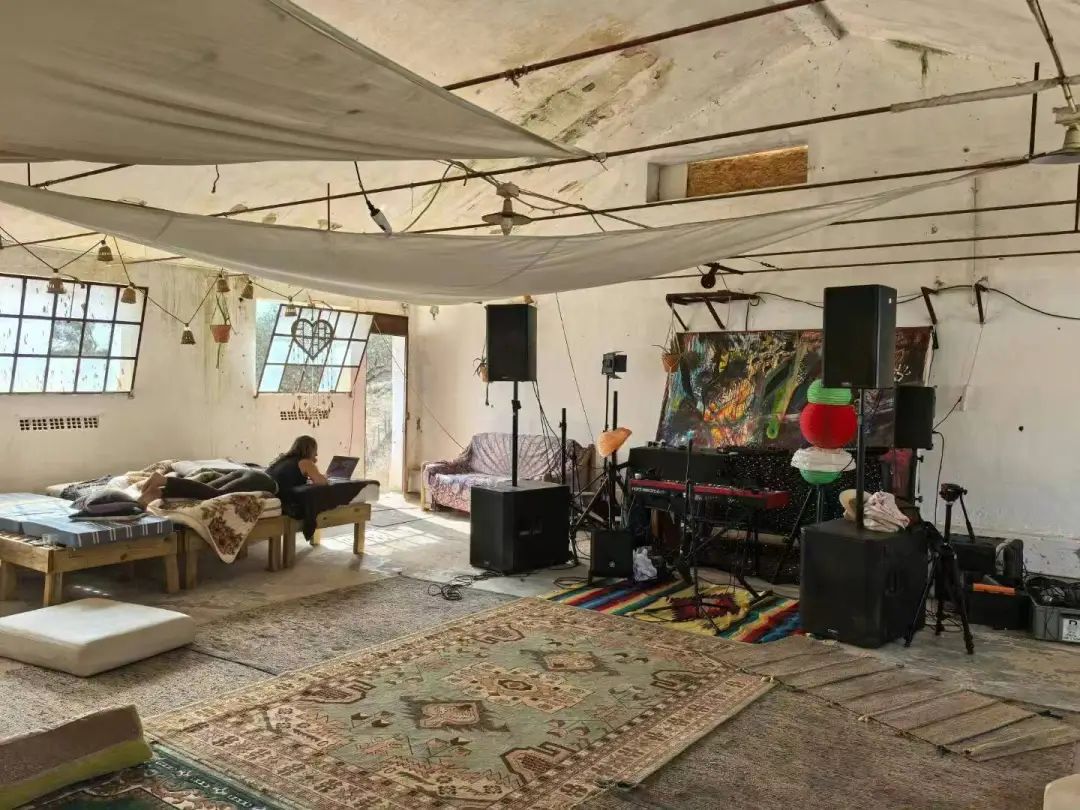
TDF lounge: when tired from coworking,
just lie down and keep working | Photo source: author
The area where TDF stands used to be a chicken farm beside a small town whose economy relied heavily on farming and animal husbandry. Generations of agriculture have depleted southern Portugal’s soil, leading to desertification in many areas. The town declined alongside environmental degradation. TDF was founded with the hope of revitalizing this land—not just sustainably, but regeneratively—bringing life back to the region.
During our tour guided by August, he pointed to a distant livestock facility: “We often hear animals crying from that farm—even from here. Seeing that world so close reminds us we can’t live in a bubble. It shows us what most of the world truly looks like.”
With support from local council members, Sam secured a loan to buy the land and began practicing here with friends three years ago. Three years isn't long enough to transform the ecological environment, but sufficient to form a micro-habitat. From just a few people initially, over a dozen now live here temporarily or permanently, participating in life and experimentation. Starting from a chicken farm, food forests and diverse eco-buildings are gradually emerging—though their swimming pool plan remains just a rocky pit for now.
What I observe in TDF residents is integration and balance: they launch tokens, but avoid letting quantitative governance dilemmas spill into real life; they embrace technology while respecting human rhythms and natural health; they learn from commune experiences without falling into the paradox of脱离modern society.
Though born from a traditional factory, I believe it can become fertile ground for many dreams to grow.
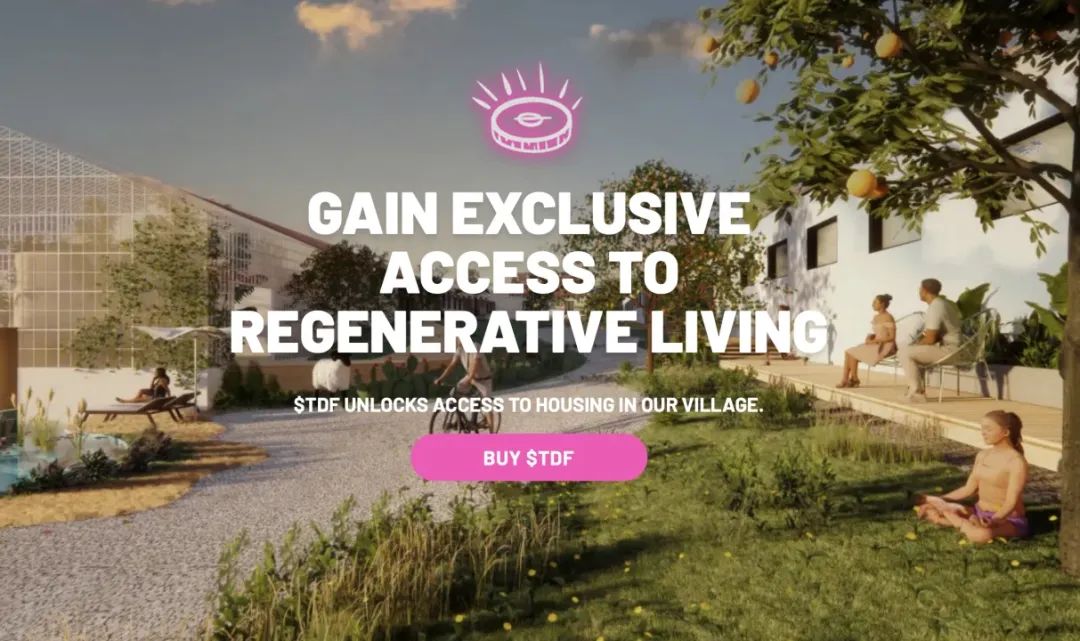
On TDF’s official website, you can see their vision for the future
Though the swimming pool is still just a big dirt hole | Source: TDF official website
Part 3 Tamera
Tamera exists differently in different people’s impressions: open relationships, love and peace, social experiments, ecological protection, solar technology... Amid fragmented glimpses, it’s hard to form a complete picture of Tamera before visiting.
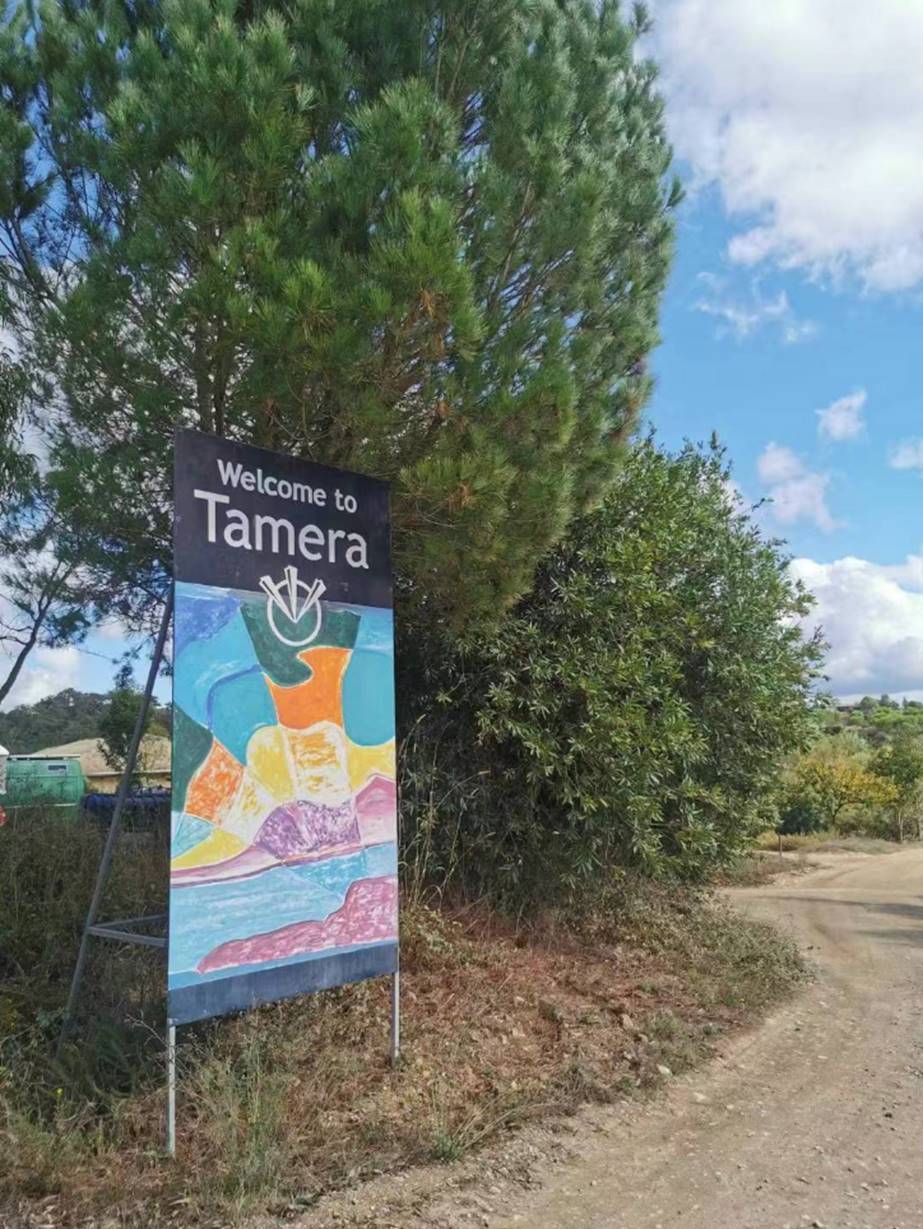
Signboard at Tamera’s entrance
My first encounter with Tamera was in a Dali community, where a friend mentioned a documentary screening project they were organizing—titled *The Village of Lovers*, telling the story of Tamera.
Missing the screening in Dali, I later helped organize screenings in Guangzhou and other cities. From the film, people formed an impression: too good to be true, like a polished promotional video. Later, while coordinating nationwide screenings of *The New Us*, among ten different community cases, Tamera showed me another side: ecological, natural.
It seemed to aim beyond merely building a living community—striving to test something greater: becoming a prototype for an alternative society.
Origins
In Germany, there’s a renowned, still-operating ecological community experiment—ZEGG. In the 1990s, originally known as the “Center for Social and Cultural Research” or “Experimental Site for Social and Cultural Innovation.” Following the wave of anti-cultural currents across Europe after 1968, idealistic practitioners who had begun various social experiments in the 1970s eventually gathered here to begin their exploration.
Clearly, however, they didn’t all share identical ideologies. Under the leadership of Dieter Duhm and Sabine Lichtenfels, a group of Germans brought the idea of “creating a place to launch a global healing biosphere project” to Portugal, founding what is now known as Tamera.
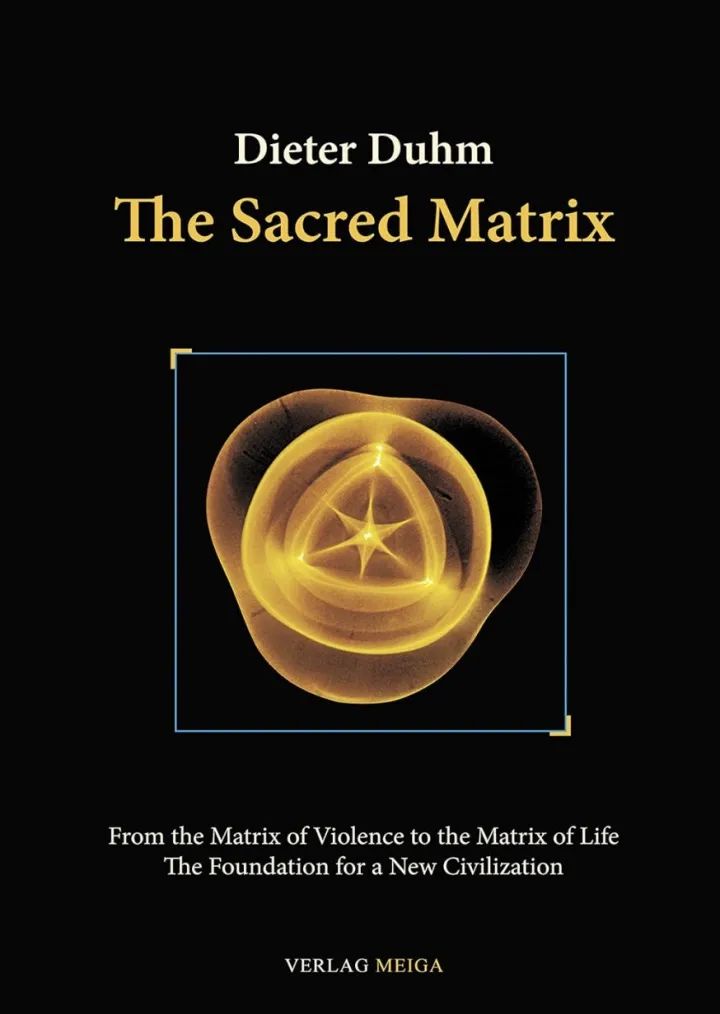
Dieter Duhm’s influential book on new cultural forms
Source: Tamera official website
Dieter Duhm, a sociologist, influenced countless Germans with his thoughts on capitalism and modern civilization. Sabine Lichtenfels possessed unique gifts in spiritual exploration and communication with all beings. Under their leadership, Tamera developed a distinctive character. It’s said that activists coming here start exploring spirituality, while spiritual seekers begin engaging in social and political actions.
Notably, the scenic Tamera we see today was a desert over thirty years ago. Due to prolonged over-farming, southern Portugal faced severe land degradation and desertification. These practitioners transformed it into an oasis over three decades.
Tamera believes in “two worlds”: one that created us (the natural world), and one we created (modern society). Modern society, urban civilization, and the capitalist system have gradually detached from natural systems, forming an independent operational framework that begins large-scale transformation of nature.
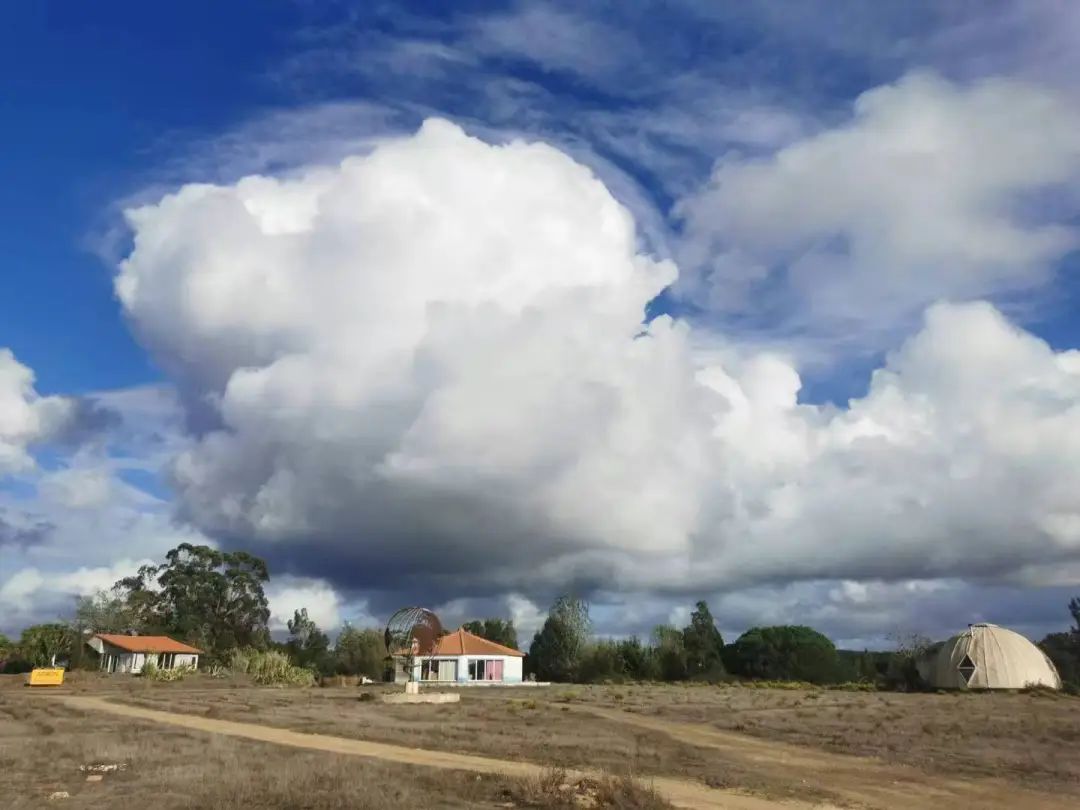
Above the International Center for Peace Research,
floating clouds resemble sky cities | Photo source: author
In their view, the fundamental feature of contemporary capitalist society is fear—anxiety permeating every aspect of life, shaping people’s thinking. Based on scarcity and competition, it traps individuals in repression and unhappiness. Human initiative is suppressed, embedding people deeper into fixed industrial systems.
Facing this, Tamera attempts to create a “healing habitat”—opening an alternative space within the capitalist system. Within this space, they explore a self-sustaining, non-capitalist system pursuing harmonious coexistence between humans and nature, centered on building a new civilization based on love and trust.
Why Love?
Within the entire capitalist system, the family is the hardest entity to observe.
As a private domain, it's difficult for outsiders to peer into others’ families. Thus, private spaces and hidden domains provide ideal grounds for capitalism and patriarchal society to operate. By controlling families, especially nuclear families, the system becomes extremely resilient. Hence, the nuclear family is in fact the core of the entire system.
What they want to do is simple: dismantle or transform family structures. Because human needs for family, possessiveness, and current one-on-one relationships aren’t naturally occurring—they are deeply tied to cultural constructs.
If we liberate monogamous relationships, people could love within the community, support each other in groups, and no longer limit themselves to exclusive pairs.
They believe this allows individuals to step beyond narrow personalities, overcoming fears of loss and abandonment. Changing familial relationships might liberate people from the fear system, constructing a social system centered on love and peace.
Why Spirituality?
In Tamera, there’s a place every visitor hopes to see yet approaches with reverence: the Stone Circle.
Composed of 96 stones arranged in specific positions, each bears unique symbols. Allegedly, this formation helps people perceive higher energies or feel energy flows more clearly.
To be honest, I’m not very spiritual. Coming early in the morning for the “Ring of Power” meditation session, aside from getting soaked in rain, I didn’t feel any high-dimensional energy affecting me.
I respect it, yet remain curious: in long-lasting communities I’ve observed, many seem to evolve toward belief in certain values, consensus, or even objects—abstracted into a form of faith. Is this the inevitable fate of every community?
Ideals
Tamera is not a production-based community. Unlike other communes that develop further, it leans more toward self-sufficiency, relying on external donations and course offerings to cover basic expenses. There is no internal trade or currency collection. While following principles close to communism, they allow members to work externally and depend on visiting participants for course fees and donations.
They aim to support similar peace-and-love research groups and schools globally, also exerting influence externally through platforms like the United Nations.
Thus, although they emphasize daily life as an alternative practice and expression, this expression partially alienates their actual living. In conversations with us, several members expressed dissatisfaction with open-relationship ideals, and many newer residents voiced discontent with elderly-dominated ideologies and governance.
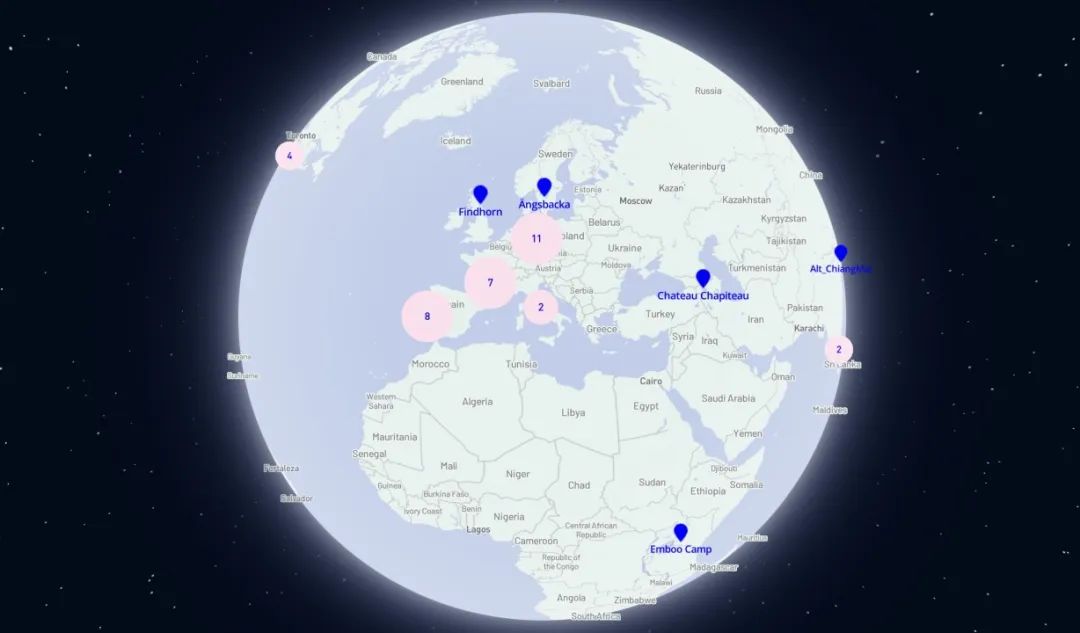
Worlds connect; together we form one Earth
Source: agartha.one
Such contradictions appear repeatedly across many other ecovillages. While we were visiting, an elder resident from Findhorn—the oldest ecovillage in Europe—also arrived and shared his story. It seems communities once formed by hippies, alternative lifestyle explorers, spiritual seekers, and political dissidents all face similar challenges. How can they survive within advanced capitalist societies? How can they attract more young people into the movement? How can they genuinely influence mainstream society instead of being marginalized by it?
They’re still searching for answers—and perhaps, so are we.
Join TechFlow official community to stay tuned
Telegram:https://t.me/TechFlowDaily
X (Twitter):https://x.com/TechFlowPost
X (Twitter) EN:https://x.com/BlockFlow_News
 @Un__commons









