DeFi is recovering, and RWA and Bitcoin could ignite a new round of growth
TechFlow Selected TechFlow Selected
DeFi is recovering, and RWA and Bitcoin could ignite a new round of growth
Although DeFi's TVL is currently around 60% of its all-time high due to token price volatility, its daily trading volume has already recovered to previous peak levels.
 Navigating Web3 tides with focused insights
Author: 0xPain.sui
Translation: TechFlow

Conclusion: The DeFi market is recovering and remains active.
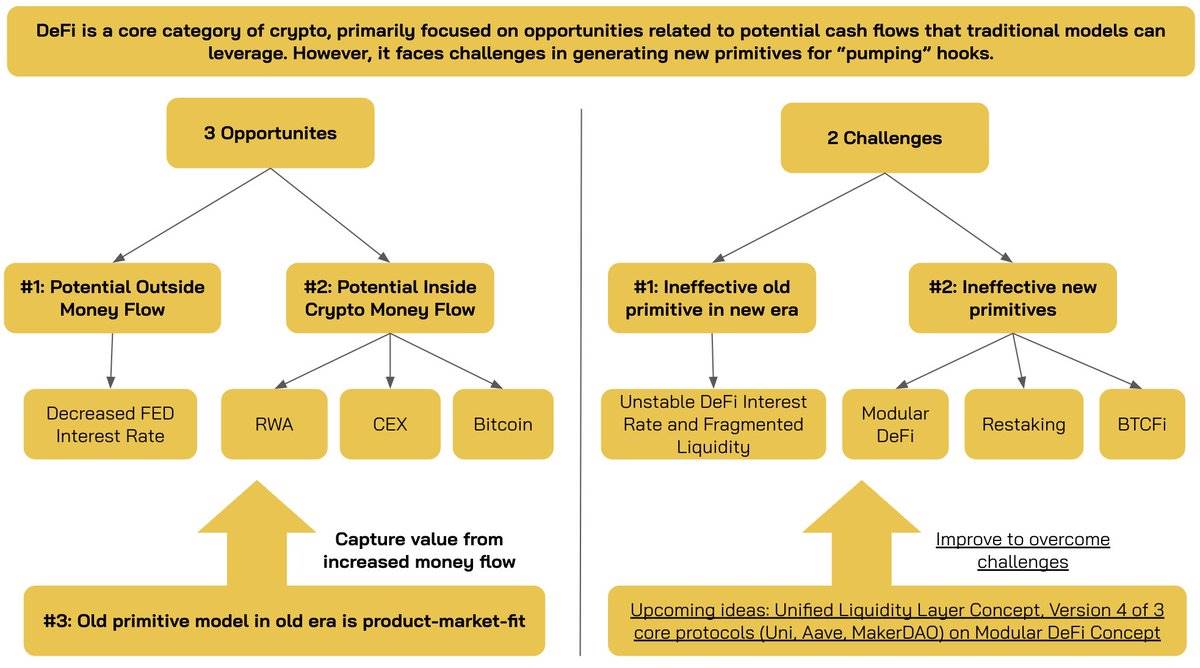
What’s happening in DeFi?
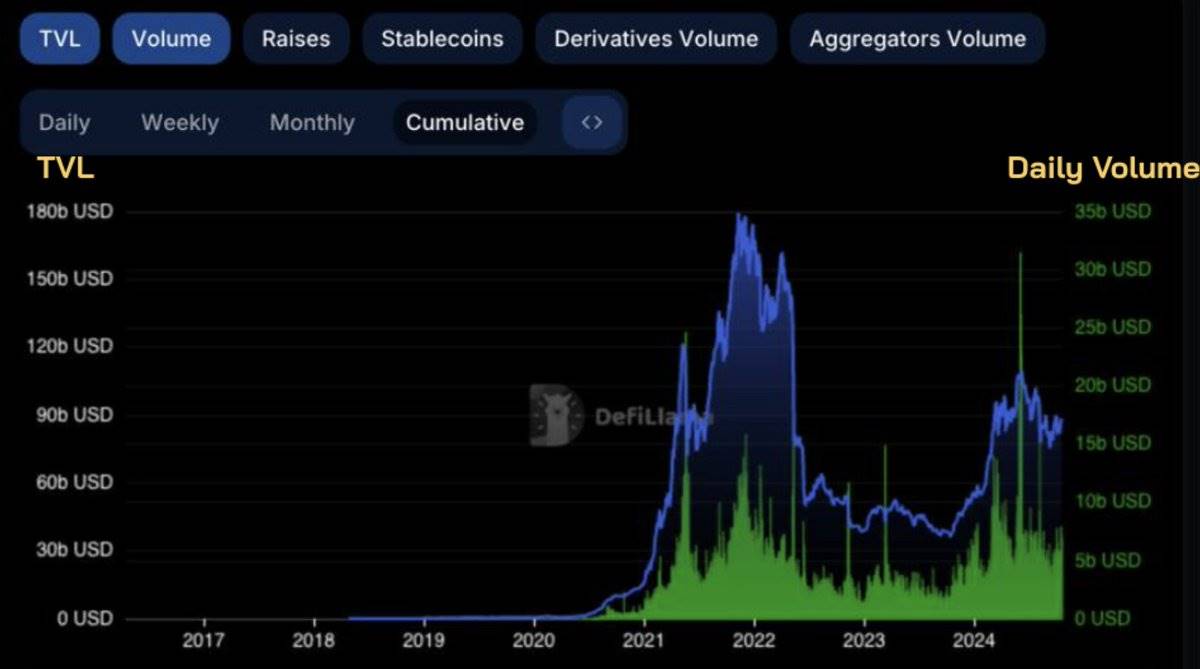
Although affected by token price volatility, DeFi's total value locked (TVL) currently stands at around 60% of its all-time high. However, its daily trading volume has rebounded to previous peak levels, ranging between $5 billion and $15 billion. This indicates a resurgence in DeFi market activity.
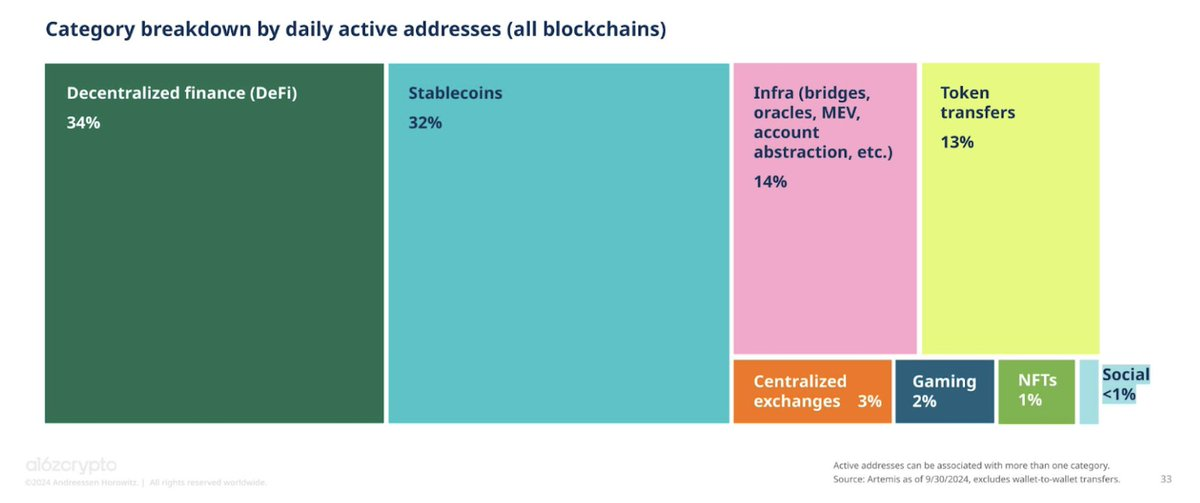
Based on data for daily active addresses, as of the end of September 2024, DeFi continues to hold a significant position within the broader crypto market. It should be noted, however, that these figures may be influenced by bot activity.
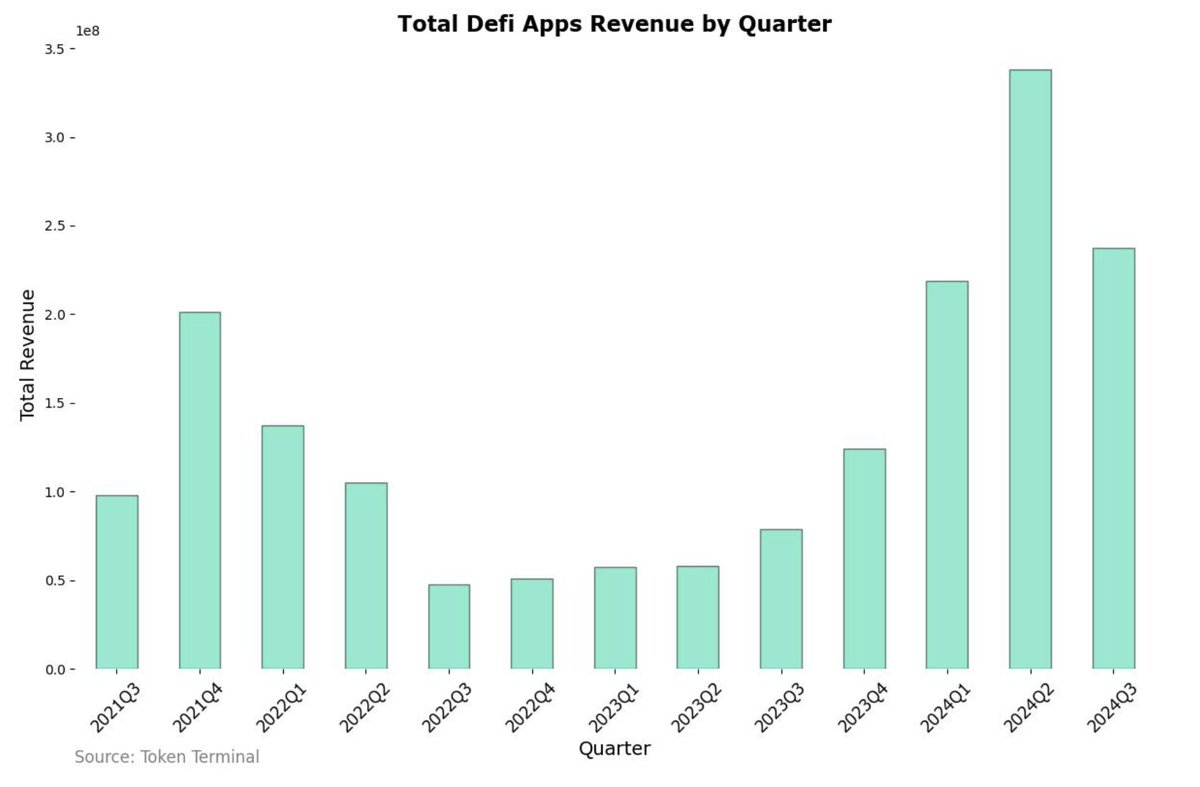
In terms of revenue, DeFi projects achieved record highs in Q2 and Q3 of 2024—surpassing even the levels seen during the 2021 "DeFi summer."
Therefore, it can be concluded that DeFi has remained a core component of the cryptocurrency ecosystem. However, current market attention has shifted toward other sectors such as meme coins and AI, leading to reduced visibility for DeFi recently.
Three Potential Catalysts for DeFi Growth
1: Declining Interest Rates
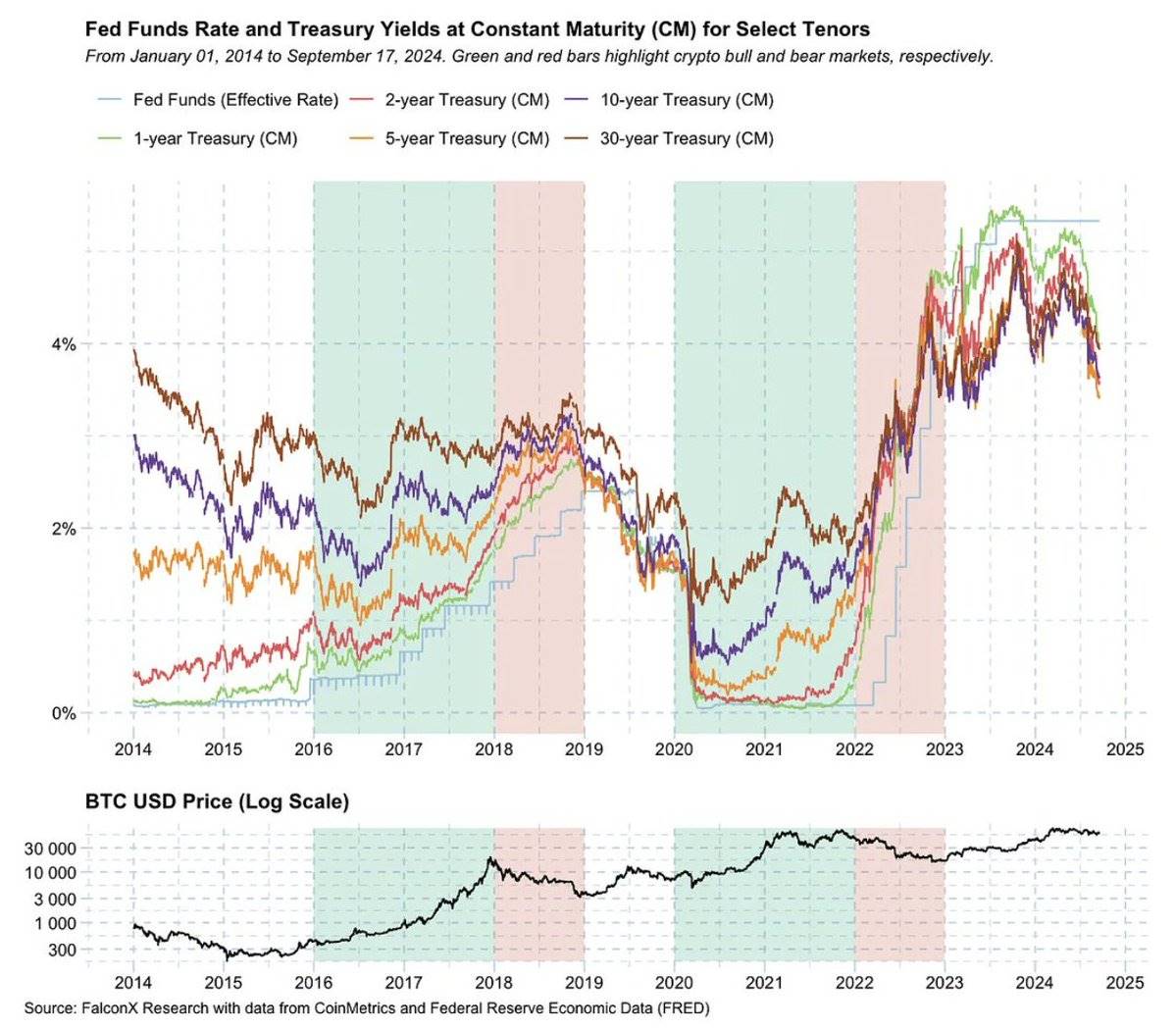
During the bull markets of 2016–2018 and 2020–2022, DeFi experienced golden eras coinciding with the Federal Reserve slashing interest rates to near zero. During these periods, DeFi benefited in two key ways:
-
When traditional investment instruments like treasury bills lose appeal due to low yields, capital tends to flow into higher-yielding alternatives such as DeFi.
-
Influxes of external capital drive investments in risk assets like crypto tokens, increasing demand for yield generation when holding these assets.
Even amid high interest rate environments in 2023, DeFi continued to grow. Therefore, with expectations of declining rates ahead, DeFi is well-positioned for explosive growth.
2: Capital inflows from Real-World Assets (RWA), Centralized Exchanges (CEX), and Bitcoin
2.1 RWA
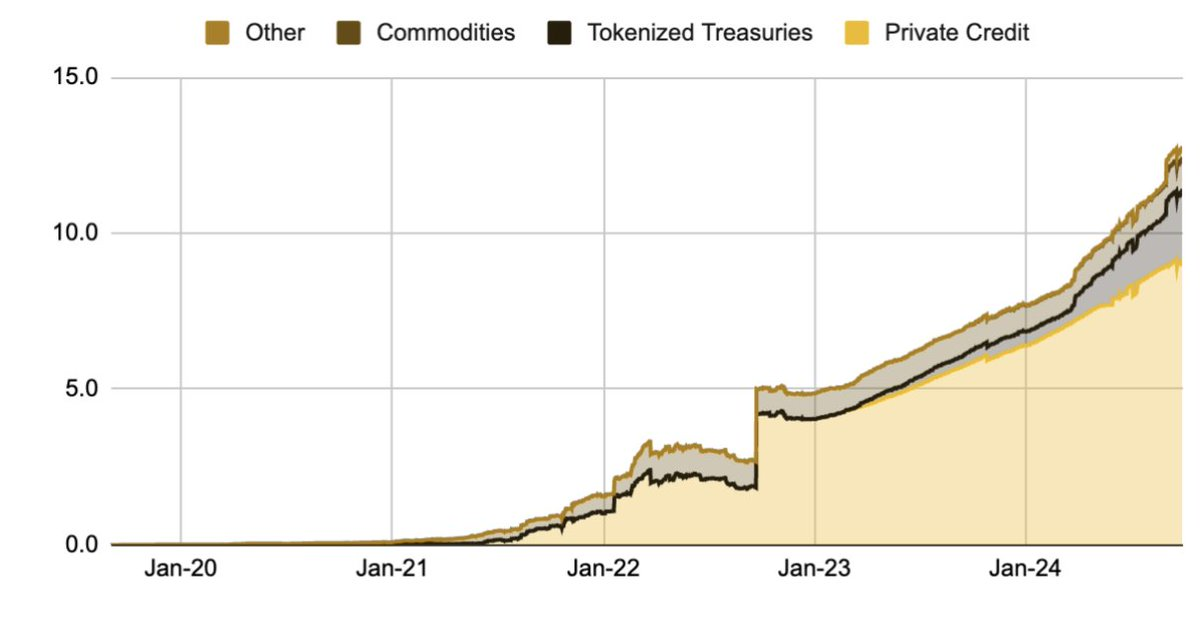
RWA Market Cap Data Source: Binance Research
As of the end of August 2024, the RWA sector's market cap exceeded $12 billion, more than doubling compared to the same period in 2023. Breakdown:
-
Private credit accounts for approximately 75%, or $9 billion. This represents just 0.9% of the traditional private credit market, highlighting vast untapped potential. Key platforms include @centrifuge, @maplefinance, and @goldfinch_fi.
-
Tokenized treasuries account for 17%, with a market cap exceeding $2.2 billion. Platforms involved include Ondo, @Securitize (partnering with BlackRock’s BUIDL fund), @FTI_Global, @Hashnote_Labs, and @OpenEden_Labs.
Private credit refers to loans provided by non-bank financial institutions to small and medium-sized enterprises.
Recognizing this opportunity, @MorphoLabs has taken steps to integrate such assets into DeFi by partnering with Coinbase’s KYC system to support lending pairs for Centrifuge Anemoy’s Liquid Treasury Fund (LTF), Midas’ short-term U.S. Treasury (mTBILL), and Hashnote US Yield Coin (USYC). Integrating these asset types into DeFi appears increasingly inevitable in the near term.
2.2: Centralized Exchanges (CEX)
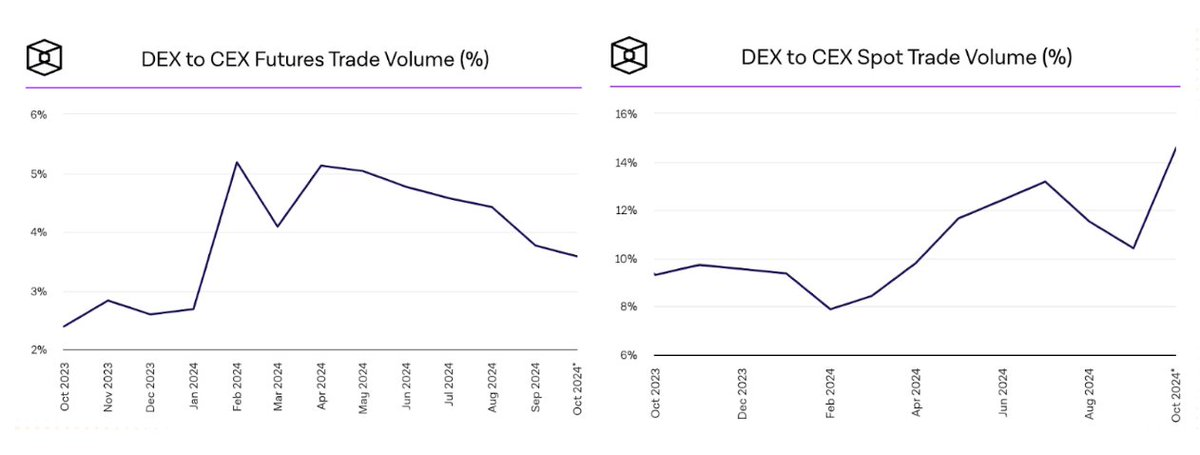
Capital is also shifting from centralized exchanges (CEX) to decentralized exchanges (DEX) via both derivatives and spot trading. According to The Block, since late 2023, DEXs have significantly increased their market share in both segments, reaching an all-time high in spot trading of over 15%.
More broadly, CEXs themselves are driving on-chain adoption through initiatives like launching appchain L2s—for example, Coinbase’s Base and Kraken’s Ink—which bring off-chain users onto blockchain networks.
2.3: Bitcoin
The integration of BTC into DeFi has attracted major institutional interest, particularly after @coinbase launched cbBTC amid concerns over WBTC’s security. Within just one month, cbBTC reached a market cap of $500 million and is now primarily used across DeFi protocols on Ethereum and Base. If this trend continues, billions of dollars worth of BTC could eventually flow into DeFi.
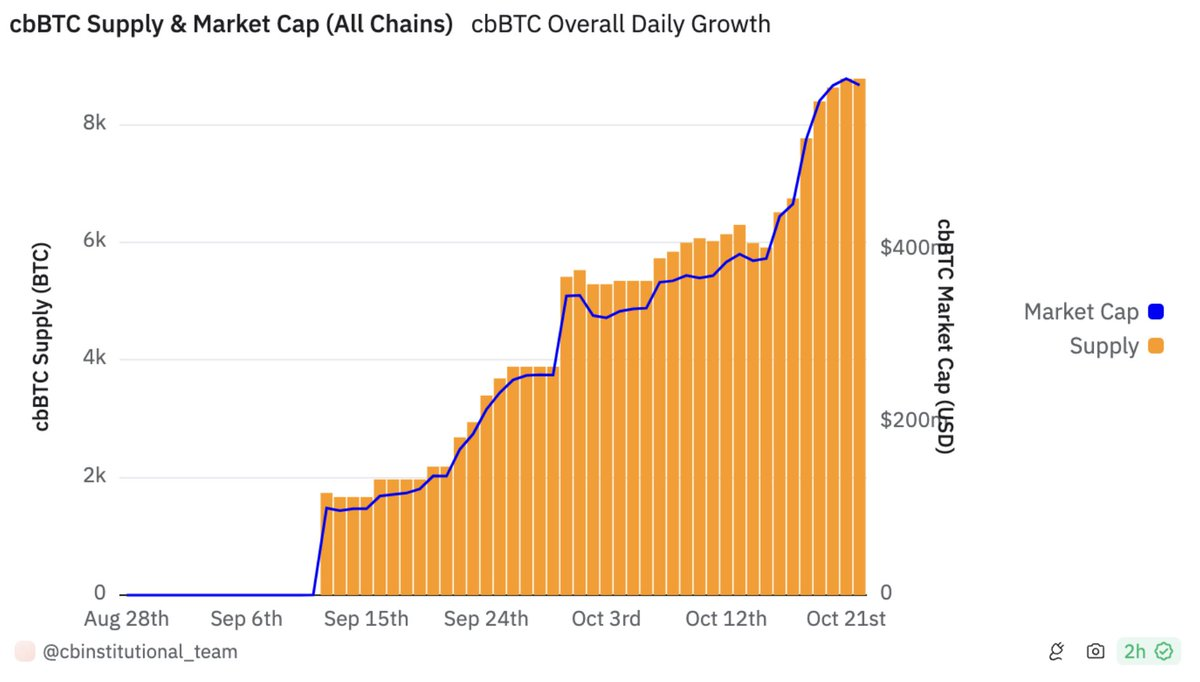
As of the end of October 2024, the combined market cap of WBTC and cbBTC represents only about 1/1300th of Bitcoin’s total market cap—indicating massive untapped liquidity potential from the largest cryptocurrency.
3: Legacy DeFi Models Have Proven Product-Market Fit
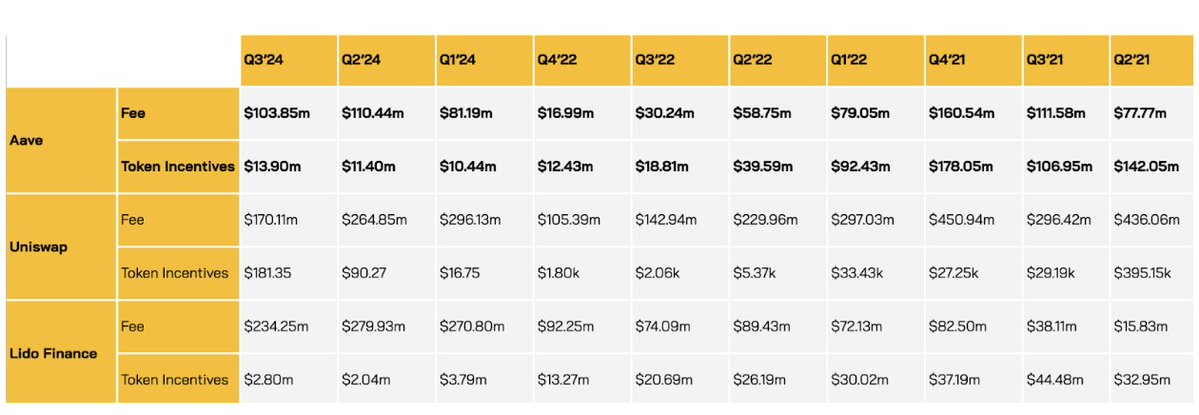
Fees and incentives. Data source: Artemis
DeFi has long been a foundational segment of the crypto market, and over time, its models have demonstrated strong product-market fit. This is evident in sustained usage demand even as incentive mechanisms like token rewards decline. Major projects such as Aave (lending), Uniswap (decentralized exchange), and Lido (liquid staking) continue to generate high fee revenues, while the token prices and quantities distributed for user incentives have steadily decreased each quarter since 2021.
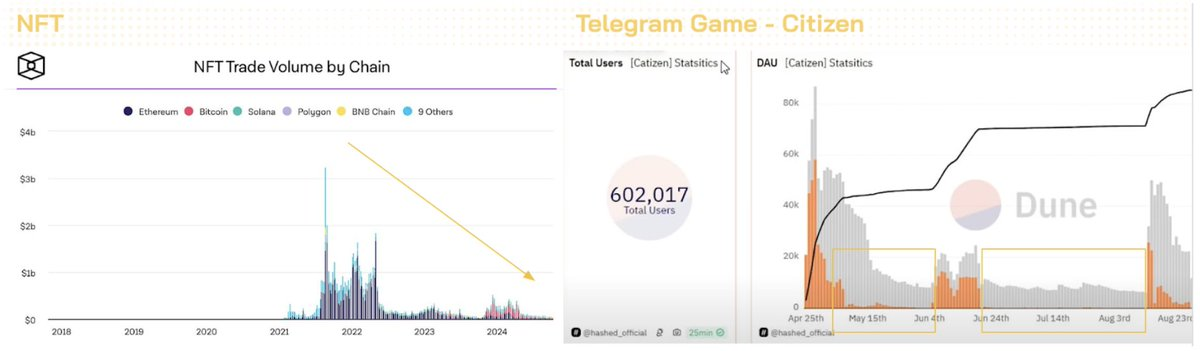
In contrast to other trends in crypto, we observe:
-
NFTs: Trading volumes remain depressed, showing no signs of recovery post the 2021–2022 boom (which coincided with DeFi growth).
-
Telegram games (e.g., Citizen via Binance Launchpool): Daily active users (DAU) spike only around key airdrop-related events, failing to sustain consistent engagement over time.
-
SocialFi: Friendtech has officially relinquished protocol control after struggling to grow, while Lens Protocol has seen sharp declines in both user numbers and NFT prices...
Two Major Challenges Facing DeFi
1: Rate Instability and Liquidity Fragmentation
As previously mentioned, lower Fed interest rates are essential to attract traditional capital—including retail and institutional investors—into DeFi seeking yield. However, DeFi yields are inherently unstable and highly sensitive to market conditions. For instance:
-
MakerDAO adjusts its savings rate based on whether USDS trades above or below $1.
-
Liquidity provider yields on Uniswap or other DEXs depend heavily on trading activity levels.
-
Interest rates on lending platforms like Aave are governed by DAO-defined curves and pool utilization rates.
Additionally, DeFi protocols face challenges related to liquidity fragmentation across different blockchains, exacerbating rate volatility and reducing capital efficiency—especially as hundreds or even thousands of new chains come online in the future.
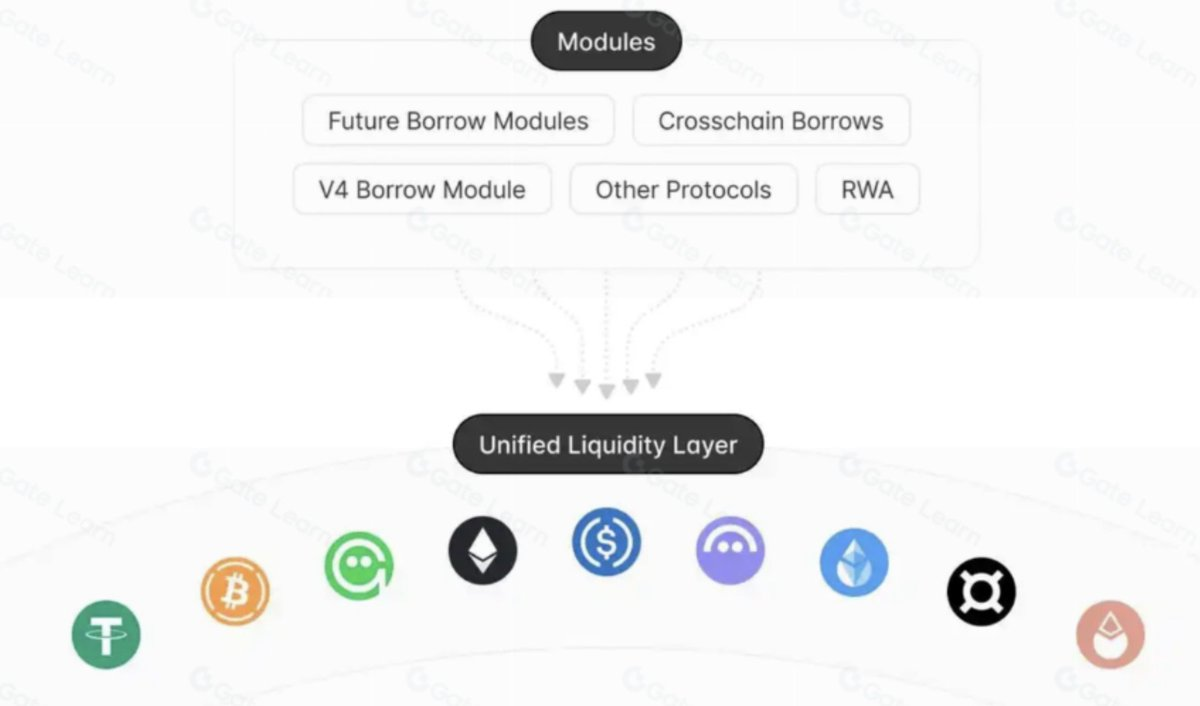
Aave V4’s unified liquidity layer concept. Source: Aave
To address this, leading DeFi projects have proposed solutions for unified liquidity, such as Aave’s cross-chain liquidity layer and Uniswap’s participation in the Superchain initiative. However, these remain theoretical and have yet to be implemented.
2: Emerging Models Have Yet to Deliver Results
2.1: Modular DeFi
DeFi may return in a modular form rather than relying on liquidity mining. This shift could be led by the three giants: Uniswap, Aave, and MakerDAO (now known as Sky). @SkyEcosystem recently rebranded to Sky Money and continues advancing its endgame strategy. @Uniswap plans to launch V4 in Q4 of this year, introducing a new Hooks model that allows users to build custom automated market makers (AMMs) on Uniswap. @aave’s V4 is scheduled for release in early Q2 2025.
So far, only smaller protocols like Morpho and Euler have completed development of new models. Morpho enables curators to leverage liquidity from Morpho Vaults to design lending markets. @eulerfinance launched v2 with the Ethereum Vault Connector (EVC), linking borrowing pools on Euler.
A common trend in this phase of DeFi evolution is the expansion of collateral asset types, opening up new use cases and access to broader user groups.
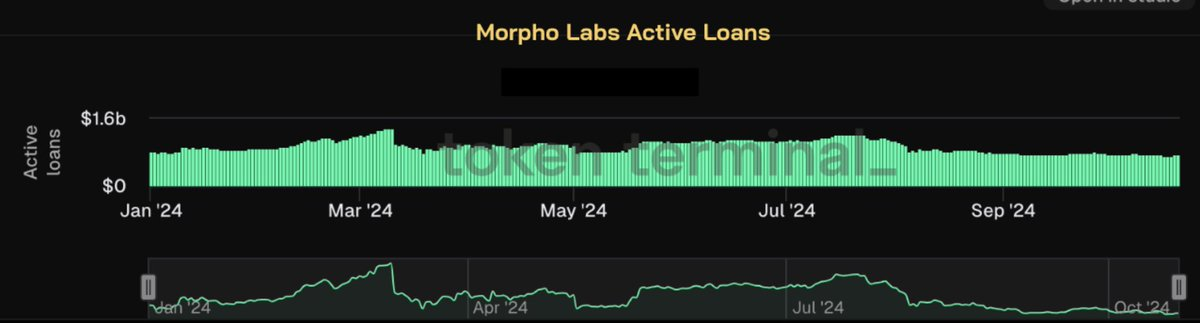
However, judging from the activities of Morpho Labs—the company behind this trend—we haven’t seen a corresponding increase in loan volume. → Thus, while DeFi may be moving toward modularity, the effectiveness of this approach remains unproven and requires further validation over time.
2.2: Restaking
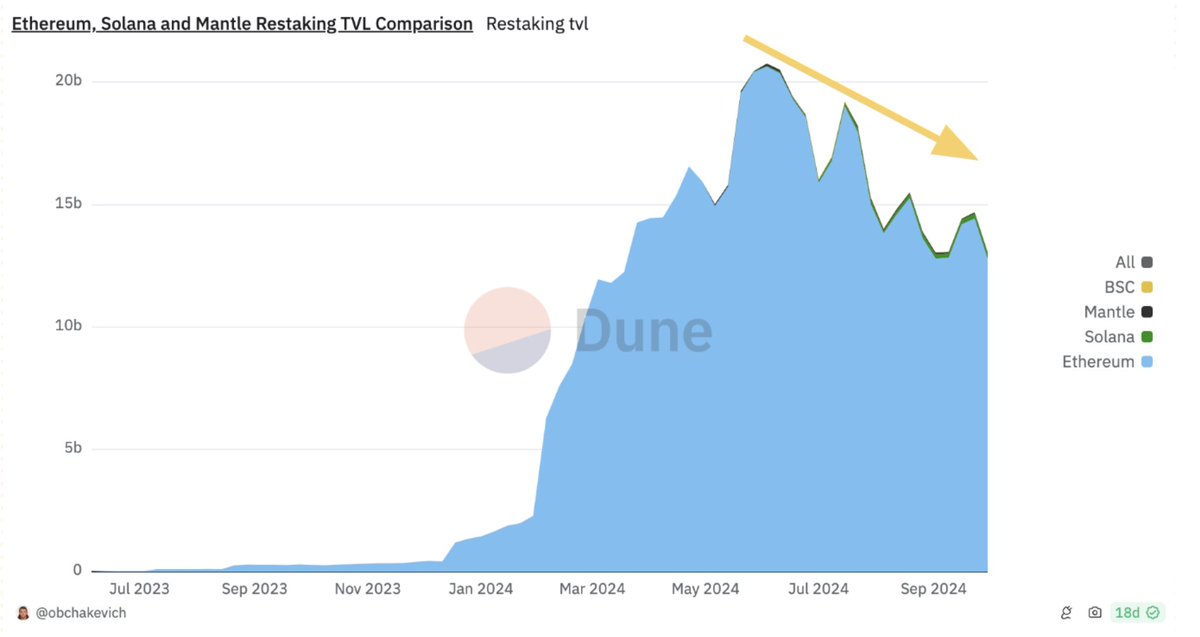
Despite being launched only in early 2024, restaking has already amassed a TVL of $15 billion—about 5% of ETH’s market cap—with roughly $10 billion concentrated in @eigenlayer on Ethereum. However, there are almost no AVSs (Application-Specific Validation Services) actively using restaking as a security economic layer. This presents a long-term challenge: beyond project tokens, stakers lack stable income sources. If this persists, TVL could significantly decline.
2.3: BTCFi
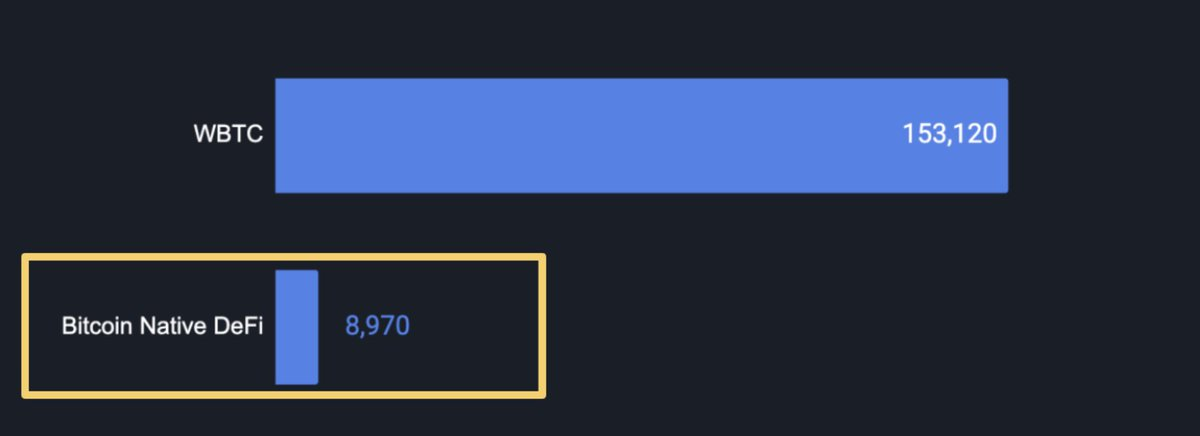
BTCFi TVL. Source: Coinmarketcap BTCFi Report
Beyond bringing BTC into DeFi via WBTC or cbBTC, efforts to create standalone ecosystems for Bitcoin have emerged, primarily developing on sidechains like Stacks and Merlin. Although this concept dates back to 2021 (with the launch of the Stacks mainnet), its TVL remains relatively small—at around $1 billion. Possible reasons include:
-
These projects fail to leverage unique characteristics of Bitcoin L1, such as Ordinals or Runes, instead resembling Ethereum clones.
-
They are not fully regarded as “native” because they merely use BTC as an asset without deep integration with Bitcoin L1.
DeFi has consistently been a major growth engine in the crypto market. Over time, legacy DeFi models have proven their durability and market fit. In the near future, inflows from traditional finance, real-world assets (RWA), centralized exchanges (CEX), and Bitcoin could further accelerate DeFi’s expansion.
Currently, the development of new DeFi models remains unclear and underwhelming, with most still dependent on established frameworks—partially constraining growth momentum. Nevertheless, we can remain optimistic about upcoming innovations such as modular DeFi, cross-chain liquidity solutions, or even fee-switch mechanisms in major protocols. Once capital flows activate and new models demonstrate clear market demand, DeFi could enter a phase of unprecedented growth.
Join TechFlow official community to stay tuned
Telegram:https://t.me/TechFlowDaily
X (Twitter):https://x.com/TechFlowPost
X (Twitter) EN:https://x.com/BlockFlow_News
 @0xPain__