








An Optimistic Outlook on 2049: The Rise of the New Four Kings, the Dawn of Mass Adoption, and Crypto Entering the Mobile Era
TechFlow Selected TechFlow Selected
An Optimistic Outlook on 2049: The Rise of the New Four Kings, the Dawn of Mass Adoption, and Crypto Entering the Mobile Era
Three years of TOKEN2049, three rounds of era shifts—what remains unchanged is Bitcoin, what has changed is us.
 Navigating Web3 tides with focused insights
Written by: Zhou Zhou, Foresight News
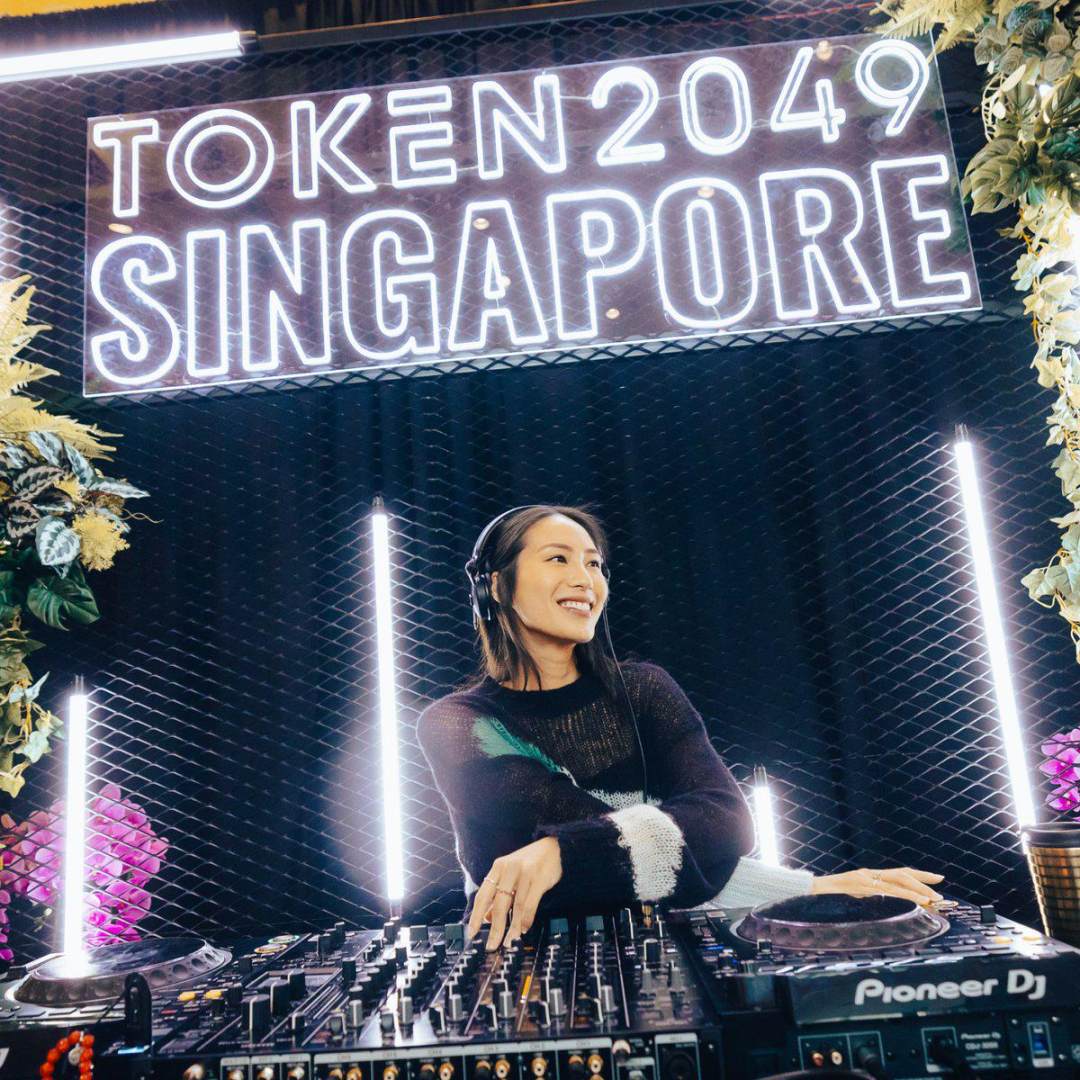
Over 20,000 attendees at the main venue, more than 400 booths, and 281 side events recorded by Foresight News alone—TOKEN2049 this year has been exceptionally vibrant.
The narrative has changed. NFTs and the metaverse were central in 2022; Ethereum L2s dominated the conversation in 2023. Now, Solana, Base, TON, and BTCFi are the ecosystems capturing the most attention in 2024.
The protagonists have shifted. The crypto ecosystem is no longer led solely by American projects—Americans, Russians, and Chinese builders are now all creating their own stages. Ethereum is no longer the undisputed leader; the rise of Solana and TON has convinced many that they stand a real chance of matching or even surpassing Ethereum.
Capital dynamics have also transformed. Gone are the days of 2023 when attending any conference could easily secure a full round of seed funding. Many founders now find few well-funded institutions left to raise from, forcing them to seek capital in Europe and North America.
Three years of TOKEN2049—three entirely different eras for the crypto industry. Bitcoin remains unchanged, but the rest of the space has undergone a sea change.
1. "The New Four Kings Emerge"
In the past year, most major developments have revolved around four ecosystems: Solana, Base, TON, and BTCFi—and this trend is likely to continue into the next. The Matthew effect is clear: the strong grow stronger, while the weak fall further behind. These four ecosystems have repeatedly demonstrated exceptional innovation, event-driven momentum, and strong capital attraction, making them focal points for entrepreneurs and investors alike.
However, some practitioners remain skeptical about BTCFi. "UTXO isn't suitable for large-scale applications." "BTCFi feels more like a recursive game—yield ultimately comes from later entrants. Where's the positive value?" Despite nearly two years of development since the emergence of Ordinals, concerns persist among multiple industry participants regarding BTCFi’s long-term sustainability.
2. Solana: Earth’s Most Eventful Blockchain
Solana has quietly pulled far ahead of other blockchains in its pursuit of broader market reach.
Solana may currently be the blockchain with the most mobile-first projects. A Jupiter team member told me that Jupiter will soon launch its mobile app. Meanwhile, Magic Eden (Solana’s largest NFT marketplace), Phantom (Solana’s leading wallet), Backpack (one of Solana’s top DEX platforms), and Solana’s dominant DePIN platform have already released mobile apps. In this regard, compared to other crypto ecosystems, Solana-based projects are better positioned to capture mass-market users.
Solana is also the first blockchain ecosystem to successfully launch a Web3 phone (the SAGA phone). During TOKEN2049, the JamboPhone 2—backed by the Solana ecosystem—was officially unveiled at Solana Breakpoint. It was the first to popularize DePIN (via Helium), the first to scale meme platforms (Pump.fun), and recently began aggressively promoting PayFi.
Solana’s ecosystem activity far surpasses other platforms—perhaps why seven of the top 100 tokens belong to Solana projects. In terms of performance among the top 100 ecosystem tokens, Solana still significantly outperforms Base, TON, and BTCFi.
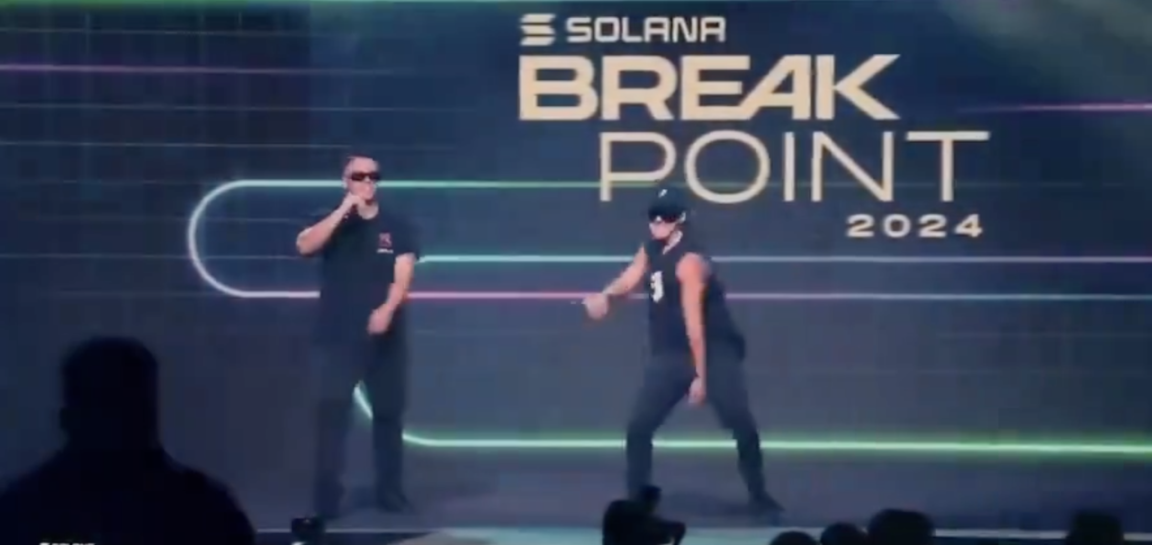
This year’s Solana Breakpoint event received widespread attention during TOKEN2049. With gaming consoles, rap battles, dancing, debates, and phone launches, it was hailed by many as the best side event—on par with the main TOKEN2049 conference itself.
Solana remains the most dynamic blockchain today.
3. Telegram Aims to Be the “Global WeChat,” Becoming a New Hub for Crypto
A senior industry insider revealed to me: Telegram will soon launch “video streaming,” fully replicating WeChat’s functionality to become a global version of WeChat.
Telegram’s version of mini-programs has already gained traction. Its equivalent of WeChat Pay—powered by TON—is operational. Next, Telegram plans to roll out video features to keep users engaged within the platform.
In the crypto space, Telegram holds an unmatched advantage: its user base overlaps heavily with existing crypto users. An alarming trend is emerging—Telegram is becoming one of the most important hubs in the entire crypto industry. Top exchanges like Binance, Bybit, Bitget, OKX, HashKey, and Huobi, along with projects from ecosystems like Blast, Base, and Solana, are all launching mini-programs on Telegram to capture user traffic.
At TOKEN2049, I noticed that DePIN teams want to grow on Telegram, AI application developers want to build on Telegram, Base and Blast teams developing mini-games and bots aim for Telegram, and even Web2 ride-hailing companies (like TADA) see Telegram as a strategic platform. Whether Web2 or Web3, Telegram welcomes all. Some investors believe Telegram’s successful transformation could position it as the largest Web3 social application.
TON and Telegram are distinct entities. But in this process, TON stands to benefit the most.
The organization controlling TON’s ecosystem governance is TOP, consisting of around 200 members—mostly Russians. Key TON projects such as Notcoin, Catizen, and Ston.fi are developed by TOP members. For entrepreneurs seeking maximum support in the TON ecosystem, connecting with TOP is essential.
4. Behind Data Illusions: Gresham’s Law Takes Hold
The source of Base’s millions of daily active addresses remains a mystery—and similar questions plague other ecosystems.
The night before TOKEN2049, I tweeted an article titled “Is Base’s Traffic Overstated?” If a project truly had millions of daily active addresses, wouldn’t we already have achieved blockchain mass adoption?
Dune Analytics shows Base has over 44 million total addresses. On September 14 alone, Base recorded 1.55 million active addresses. But how accurate are these figures? Analysis suggests most activity came from Coinbase Wallet, Aerodrome, and cbBTC—none of which allow precise tracking of real user counts.
We know only that cbBTC had 2,472 holders who conducted 37,903 transfers that day. Aerodrome’s most active pool (WETH/USDC) interacted with just 1,049 addresses in 24 hours. So where did those 1.55 million active addresses come from? Blockchain’s praised attributes—openness, transparency, permissionless access—are now overshadowed by rampant fake data.
After analyzing multiple metrics including protocol revenue, I acknowledge Base is indeed the fastest-growing L2—but I still maintain that its traffic is overstated, though not intentionally by Base itself.
Base isn’t alone. TON and Solana face similar issues: What’s the real number of organic users behind TON’s mini-games? How many are bots? How much of Solana’s activity stems from memes versus genuine applications? And these are considered the healthiest ecosystems.
Beneath the facade of data prosperity lies a harsher truth. When we finally strip away the emperor’s new clothes, the reality is brutal. Can investors, retail users, and builders still calmly accept a project when its true, underwhelming numbers are exposed—yet continue to believe in it?
When survival is at stake, deception becomes relatively cheap. Thus, Gresham’s Law continues to play out across the blockchain landscape.
5. Five Paths Toward Mass Adoption: Glimpsing the Future
Finding Web3 products capable of mass adoption and identifying real-world use cases remain among the industry’s most urgent priorities. After attending TOKEN2049 and speaking with participants across various sectors, five potential directions emerged.
1. Next-Gen Telegram Mini-Games. Games like Catizen, boasting tens of millions of users, have proven the viability of this category. The next wave of Telegram mini-games holds immense promise.
2. Prediction Markets Like Polymarket and Products Enabled by New Payment Models. Stablecoins like USDT have already achieved mass adoption. Web3 applications directly tied to stablecoins may be next. Platforms including Base, Blast, TON, Wintermute, DYDX, and BitMEX are launching prediction markets. While Polymarket resembles a stock-trading platform today, a peer-versus-peer (PVP) model is still missing. Meanwhile, TADA gained traction during TOKEN2049 by redefining value through alternative payment methods.
3. Web3 Social: Persistent and Unrelenting. Though Friend Tech failed, Warpcast persists, and the Farcaster protocol hosts numerous undiscovered projects. While hiking with StepN founder Yawn, he shared that he’s seriously exploring location-based social networking.
4. TADA: Bridging Real-World Web2 Use Cases into Web3. TADA’s founder, a Korean entrepreneur, previously worked in cross-border logistics in Hong Kong and built Singapore’s second-largest ride-hailing company, expanding into multiple Southeast Asian markets. More Web2 companies operating in global markets may soon integrate both traditional equity and crypto economies. TADA issued its token MVL back in 2018, now valued near $100 million—possibly explaining its ability to dominate Singapore’s ride-hailing market with low-cost pricing.
5. RWA and DePIN. These two sectors offer ideal gateways for traditional finance to enter crypto. At TOKEN2049, several investors compared RWA and DePIN, noting that although progress may be slower, these areas hold greater potential for achieving scalable product visions. “Imagine being able to buy Japanese stocks, Hong Kong funds, U.S. bonds, or European real estate with a single token click—that would be a massive market. Most investors don’t care which platform they use,” said one practitioner.
Yet, as the saying goes, thunder roars in silence. I believe the true mass adoption product is still quietly growing, unnoticed, somewhere in the shadows.
6. The Crypto World Is a Giant Matchmaking Market
"The crypto world is a giant matchmaking market," said Vivi from the TON blockchain.
Vivi explained: "Everyone wants to build on top-tier blockchains, but approaching them with a ‘free-rider’ mindset may backfire. High-tier chains have limited resources—they won’t allocate them to average builders." Conversely, weaker ecosystems may offer more support to ordinary Web3 projects, but building there inherently reduces chances of success.
"In these ‘matchmaking events,’ neither side wants to lose. The weaker party often tries to gain an advantage, but remember—the stronger side isn’t stupid," Vivi added.
For average founders: drop illusions. Without connections or resources, join weaker ecosystems first and focus on survival. For lesser-known blockchains: concentrate resources on a few flagship projects, attract serious builders with funding—not empty promises.
The good news? Today’s blockchain landscape offers abundant choices for entrepreneurs:
-
L1s: Ethereum, Solana, TON, Sui, Aptos, Sei, berachain, Zetachain, Aleo, TRON, etc.
-
L2s: Base, Arbitrum, ZK, Scroll, Blast, HashKey Chain, BSC, Morph, etc.
The crypto world is a vast matchmaking arena. For ordinary founders, the key is to bet early on overlooked chains—secure a core position before the chain becomes a “rich, handsome prince.” By then, ask yourself: are you a “beautiful, wealthy princess” worthy of partnership? The reverse also applies.
7. Founders Are Lonely—They Need to Huddle Together for Warmth
During TOKEN2049, I attended the closing gathering of Wanhudao’s third Web3 Incubator “Creator Camp.” The participants were founders of early-stage Web3 startups.
Wanhudao covers seven tracks: TON, Solana, BTC, ETH, AI, DePIN, RWA. Each track recruits founders from corresponding sectors, mentored by a leading figure in that field serving as Core Coach. Coaches can be replaced if they no longer fit the role.
Some founders asked whether they should join an incubator. I posed the same question to many incubatee founders—they each gave different answers, but the underlying sentiment was the same: “Founders are too lonely. We just want to talk to people who think alike.”
Founders shape the future of the industry. Their qualities define the future standards of the sector. They need more communication, more collaboration—and this perhaps is the true significance of events like TOKEN2049 and Web3 incubators: foundational infrastructure for the ecosystem.
8. This May Be the Busiest TOKEN2049 Yet
With over 20,000 attendees, 400+ booths, and 281 side events counted by Foresight News, this year’s TOKEN2049 wasn’t just larger—it doubled last year’s attendance and raised the bar for side events.
Solana Breakpoint, for instance, was called the best ever by Solana co-founder Toly, featuring singing, dancing, rap, games, and more. HashKey Capital hosted the world’s first immersive crypto-themed theater production, *Decode: Legacy*, turning crypto into literature. StepN and Future3Campus organized hiking events in Singapore parks.
Ecosystems hosting the most events: Solana, Base, BTCFi, TON. Leading organizers: Bitget, HashKey, and others.
Bitget held nine events during TOKEN2049—a 2,000-person music festival, a CEO meet-and-greet, a La Liga partnership signing, and five regional KOL and channel gatherings (Turkey, CIS, SEA, EN). This doesn’t include events by affiliated companies like Bitget Wallet and Morph.
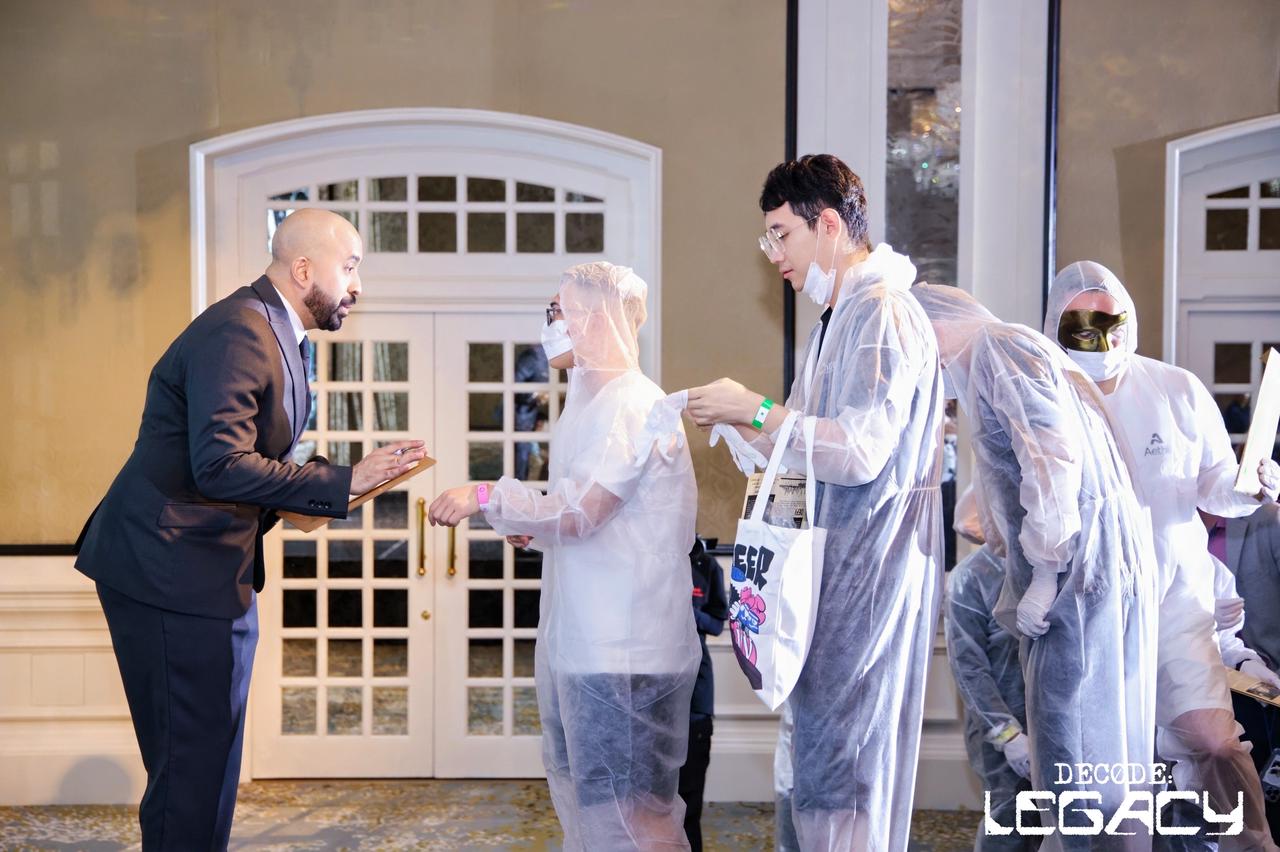
HashKey Group announced 10 TOKEN2049 side events, including hiking, immersive crypto theater, and themed gatherings on TON and AI. Base hosted six events of varying scales.
As some of the fastest-growing and largest organizations over the past year, they spared no effort showcasing their strength at TOKEN2049.
9. Three TOKEN2049s, Three Eras of Change
Crypto evolves rapidly. The past three TOKEN2049 conferences feel like three entirely different industries.
In 2022, NFTs and the metaverse ruled. East-West inequality was stark—Western VCs largely ignored Eastern projects, and pessimism grew among Chinese teams. Amid the bull-to-bear shift, compounded by the collapses of FTX and Luna, crypto’s credibility suffered greatly. Governments tightened regulations, and some feared the industry’s end.
In 2023, aside from Ordinals, few breakthroughs emerged. Yet, genuine builders remained optimistic. Many VCs made bold investments, aiming to position themselves ahead of the next bull run. “Attend one conference like TOKEN2049, and your funding round closes instantly,” said one investor.
In 2024, Solana, Base, and TON surged. Yet, memes dominated, VC tokens faced heavy FUD, and for the first time, early-stage funding dried up. Still, many remain bullish on a 2025 bull market. Beyond optimism, more practitioners are adopting a rational view—advocating for sustainable Web3 building rather than chasing short-term cycles and exiting.
Three TOKEN2049s, three waves of transformation. Bitcoin remains constant; everything else has changed. Along this journey, tides rise and fall, people come and go. We’ve traveled far—but an even longer road lies ahead.
Join TechFlow official community to stay tuned
Telegram:https://t.me/TechFlowDaily
X (Twitter):https://x.com/TechFlowPost
X (Twitter) EN:https://x.com/BlockFlow_News
 Foresight News









