








Revisiting the old article by Black Myth: Wukong's producer, "Who Murdered Our Games?" – Are blockchain games repeating the same mistakes?
TechFlow Selected TechFlow Selected
Revisiting the old article by Black Myth: Wukong's producer, "Who Murdered Our Games?" – Are blockchain games repeating the same mistakes?
Blockchain games need to re-examine their core value—aiming to create entertainment or merely pursuing profit?
 Navigating Web3 tides with focused insights
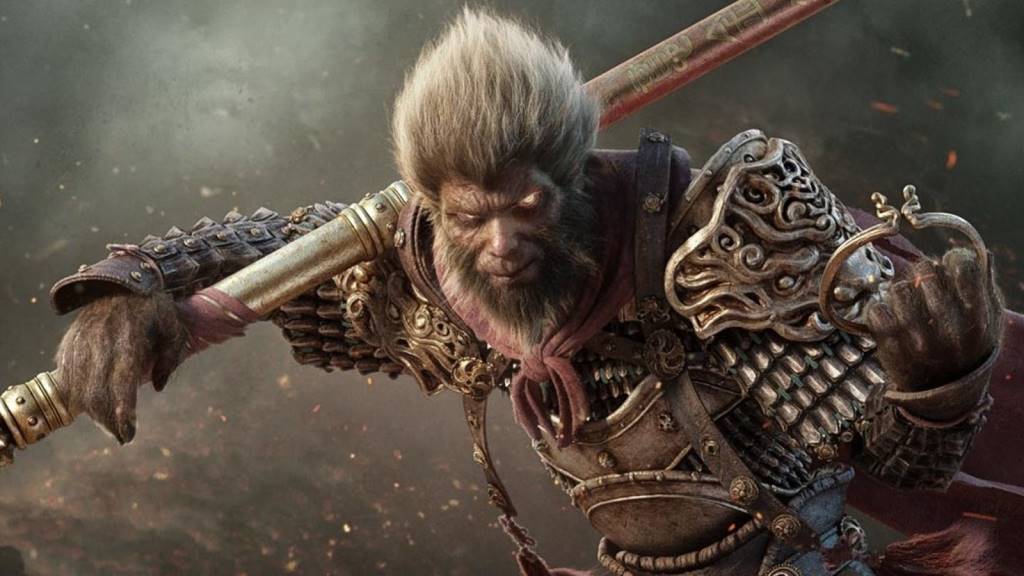
On August 20, 2024, Chinese game company "Game Science" will launch its highly anticipated title Black Myth: Wukong. With stunning visuals and exhilarating action sequences, the game has already sparked immense excitement among players and received strong international reviews. Feng Ji (Yocar), co-founder of Game Science, which has been in operation for ten years, once wrote a thought-provoking article in 2007 titled Who Killed Our Games? – Uncovering the Truth Behind the Failures of Domestic Online Games, reflecting on why China’s homegrown online games had failed.
Looking back today, the analysis in that article—on how profit-driven design, excessive monetization, and neglect of gameplay led to disastrous outcomes—is highly relevant as a cautionary tale for blockchain games. Even though blockchain game companies attempt to offer players more opportunities to "earn," they still operate under fundamentally profit-first solutions. This can even be extended to crypto startups at large, which meticulously craft token economies designed to keep money circulating, often at the expense of real utility and user experience.
The following is a summary by BlockTempo of that seminal article; the original article is available here.
Feng Ji (Yocar): Where Did the Golden Age of Domestic Online Games Go?
Once hailed as a golden industry capable of “printing money while you sleep,” the game industry now sees countless development teams fail before their titles even launch. In 2006 alone, over 60 domestic online games flooded the market, yet only about 15 turned a profit. Faced with this bleak reality, we must ask: Who killed our games? This article attempts to analyze the issue from a game design perspective and uncover the truth behind these failures.
Stillborn Projects: The Games That Never Saw the Light of Day
In China's online gaming sector, many projects undergo months or even years of development, only to quietly die during testing. Many blame short-term capital, poor management, or volatile markets. But what is the true root cause? Successful games aren’t successful simply because they had more resources or time—they succeeded because their designers knew how to avoid the traps that lead to failure.
Yet the industry widely celebrates myths of the “elite team,” “endless polishing,” and “perpetual delays,” obscuring deeper reflection on the actual causes of failure.
The Cursed Team: Failure Begins at Design
Many doomed projects are fated to fail from the very beginning. Especially in game design, when the designer themselves lacks faith in the project, the entire team seems cursed, gradually losing passion. If a designer wouldn’t want to play the game they’re building, how can they expect players to embrace it? When creators grow bored with their own work, the game’s market prospects are already grim.
Closer to Design, Further from Players
In China’s online game industry, the role of game design has drifted far from its original purpose—creating fun experiences—and instead focuses on how to make players addicted and drive spending.
Designers are forced to balance profitability against gameplay, but under intense financial pressure, many have crossed into a “dark side.” The systems they build no longer aim to enhance enjoyment, but to maximize player spending and retention. This trend drives a growing disconnect between game designers and player needs, ultimately turning games into soulless profit machines.
Behind Anti-Addiction Measures: Capital’s Bottomless Greed
China’s unique “online game anti-addiction system” did not emerge by accident. Vast populations of disillusioned individuals have become fertile hunting grounds for capital, with online games serving as their primary outlet for virtual validation and achievement. As such, operators go to extreme lengths to design mechanisms that keep players hooked, disregarding negative real-world consequences. The introduction of anti-addiction systems is, in essence, a desperate check on unchecked capitalist profiteering.
The Dark Side of the Force: The Corruption and Compromise of Designers
Under capital’s influence, game designers have gradually turned to the “dark side,” shifting from creative visionaries to architects of profitable traps.
They no longer focus on enhancing playability, but on engineering stronger addiction mechanics. Innovation is suppressed, copying and minor tweaks dominate, and designers lose emotional connection with players. When games exist not to bring joy, but to extract every penny from users, the online gaming industry loses its soul entirely.
The Dilemma of Operations Design: Conflict Between Service and Creativity
Compared to creative design roles in game development, operations designers are often treated as “second-class citizens.” Their job centers on keeping players engaged and designing activities to maintain activity levels. However, the standardization and repetitiveness of these events gradually drain player interest. Designers get bogged down in trivial tasks, neglecting overall game experience. Over time, player dissatisfaction accumulates, and the game slowly dies through repetitive, uninspired content updates.
The Future of Design: Finding Hope Amid Crisis
Despite being less valued than programming or art within game development, designers remain the soul-makers of games. Yet, an industry obsessed with profits and indifferent to gameplay is eroding its own long-term health. The future of game design lies in preserving creative passion and empathy for players. Only then can the true joy of gaming be restored. Otherwise, domestic online games will continue to drift aimlessly in a sea of impatience and greed.
Who Killed Our Games?
The failure of domestic online games isn’t merely a market or management issue—it stems from designers’ compromises and moral decline under financial pressure. When game development ceases to prioritize creating fun, player disillusionment and eventual collapse become inevitable.
Only by returning to our original intentions and rediscovering the essence of gaming can domestic online games rise again in a fiercely competitive market.
Re-evaluating Blockchain Gaming Issues
Reflecting on the past state of the gaming industry helps us better understand current trends and challenges in “blockchain gaming.” While blockchain games face similar issues, they also introduce new variables. Let’s examine several key points:
1. Conflict Between Speculation and Gameplay
Previously, online game designers focused heavily on player retention and monetization—the so-called “dark patterns”—often at the cost of fun and innovation. This problem is even more pronounced in blockchain games. Most emphasize “earning money” as their core selling point, relegating gameplay to secondary status. Players engage less for entertainment and more for financial returns. As a result, these games become speculative instruments, and when market hype fades, their viability quickly collapses.
2. Short-Sighted Development Models
The rushed mentality in traditional online game development resulted in numerous unfinished projects. Similarly, blockchain game developers often rush to launch new titles to capitalize on market speculation, lacking sustainable product planning. This leads to many blockchain games rising rapidly—and collapsing just as fast—mirroring the boom-and-bust cycle seen in early online games.
3. Alienation of the Player Role
In traditional online games, players were increasingly reduced to data points and consumption targets, with designers focusing not on fun, but on maximizing payments. Blockchain games take this further by treating players purely as investors and asset managers. In-game “fun” is replaced by economic incentives. This alienation weakens emotional bonds between players and games, leaving only cold financial transactions.
4. Innovation Suppressed by Commercial Interests
In the past, innovation in online games was stifled, replaced by proven formulas and rampant imitation. Likewise, truly innovative blockchain games are rare. Most simply bolt blockchain technology onto existing game models—or function little more than NFT marketplaces—lacking fresh ideas or compelling content that could captivate players.
5. Sustainability of Economic Models vs. Capital Greed
Blockchain games often rely on complex tokenomics to sustain operations, but the long-term viability of these models is questionable. Designs overly focused on yield can create Ponzi-like structures, where early participants profit from later entrants. Once new capital dries up, the entire economy collapses. This mirrors the old online game practice of using addictive numerical designs to extract value—a direct consequence of capital’s insatiable greed.
The Way Forward for Blockchain Games?
To avoid repeating the mistakes of the past, blockchain games must re-examine their core values: Are they built to entertain, or merely to profit? Truly successful blockchain games should strike a balance between “play” and “earn,” making economic incentives a complement to the experience—not the sole purpose. Furthermore, developers must prioritize innovation and genuine player needs, avoiding short-term thinking that fuels endless market bubbles. Only then can blockchain games shed their image as mere speculative tools and evolve into enduring forms of entertainment.
Join TechFlow official community to stay tuned
Telegram:https://t.me/TechFlowDaily
X (Twitter):https://x.com/TechFlowPost
X (Twitter) EN:https://x.com/BlockFlow_News
 @ABMedia_Crypto









