12 Cryptocurrencies to Watch in July 2024
TechFlow Selected TechFlow Selected
12 Cryptocurrencies to Watch in July 2024
This article analyzes 200 top cryptocurrencies and identifies a dozen with the highest investment potential.
 Navigating Web3 tides with focused insights
Author: Jon Nielsen, coincodex
Translation: Mars Finance, MK
Which Cryptocurrencies Are Worth Buying Now?
Although the cryptocurrency market remains volatile, many investors are weighing whether to sell now for profit or continue holding—or even increase their positions—to take advantage of potential price rebounds in the short to medium term.
Despite gradual recovery from the last bear market, each downturn eliminates weaker projects. Therefore, identifying high-quality crypto projects capable of surviving bear markets and thriving afterward is crucial.
This article analyzes 200 top cryptocurrencies based on key factors such as liquidity, technological innovation, industry leadership, and tokenomics. Detailed criteria will be introduced later in the article.
Through careful analysis, we have identified a dozen of the most promising cryptocurrencies currently available. Our top three rankings will be updated weekly based on the latest developments in the crypto and blockchain space.
List of Cryptocurrencies Worth Investing in July 2024:
-
Bitcoin — A decentralized peer-to-peer cryptocurrency
-
Toncoin — A blockchain tightly integrated with the Telegram messaging app
-
Cardano — A major competitor to Ethereum
-
Maker — A key decentralized finance (DeFi) project
-
Ethereum — The leading smart contract platform
-
Solana — A high-performance smart contract blockchain platform
-
Kaspa — A scalable Layer-1 blockchain built on BlockDAG architecture
-
BNB — A mainstream cryptocurrency used within the Binance ecosystem
-
XRP — An efficient digital currency exchange tool
-
Uniswap — The largest decentralized exchange (DEX) on Ethereum
-
Notcoin — A TON blockchain project originating from a popular clicker game
-
Shiba Inu — The second-largest meme coin in the market
Researching Currently Promising Cryptocurrencies
We first focus on three cryptocurrency projects that have recently seen significant progress or upcoming important events. This information will be updated weekly to reflect the latest developments in the crypto and blockchain fields.
Before diving into our recommended list, it's important to note that choosing which cryptocurrency to invest in is only the beginning of your digital asset journey. Selecting the right trading platform and secure storage method is equally critical.
We recommend transferring purchased cryptocurrencies from exchanges to hardware wallets for secure storage. Starting with KuCoin for purchases and Ledger for storage is an excellent approach.
1. Bitcoin:
Bitcoin is a decentralized peer-to-peer digital currency first proposed in 2008 and launched in 2009. Its creator, known by the pseudonym Satoshi Nakamoto, has never been publicly identified.
Bitcoin introduced blockchain technology, offering a fully decentralized and highly secure payment system. It uses proof-of-work (PoW), making transaction tampering or double-spending extremely difficult. The network is maintained by miners who add blocks to secure the network and are rewarded with bitcoins.
BTC can be transferred globally, 24/7, without intermediaries. By managing their private keys, users independently control their bitcoins without relying on banks or financial institutions.
Despite the emergence of countless alternative cryptocurrencies and blockchain platforms, Bitcoin remains one of the largest by market capitalization.
Why Invest in Bitcoin?
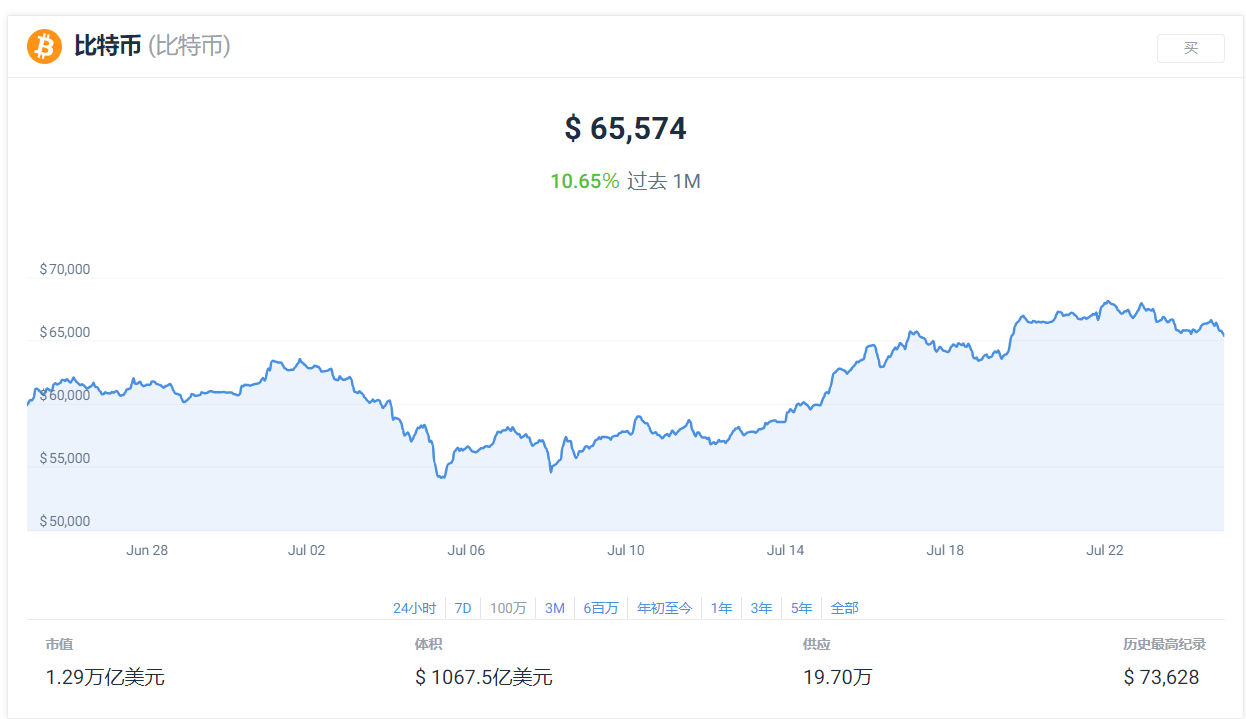
Over the past 14 days, Bitcoin’s price surged 22% against the US dollar, leading a broad rally across the crypto market. This rise coincided with increased political uncertainty in the U.S., including an assassination attempt on former President Donald Trump.
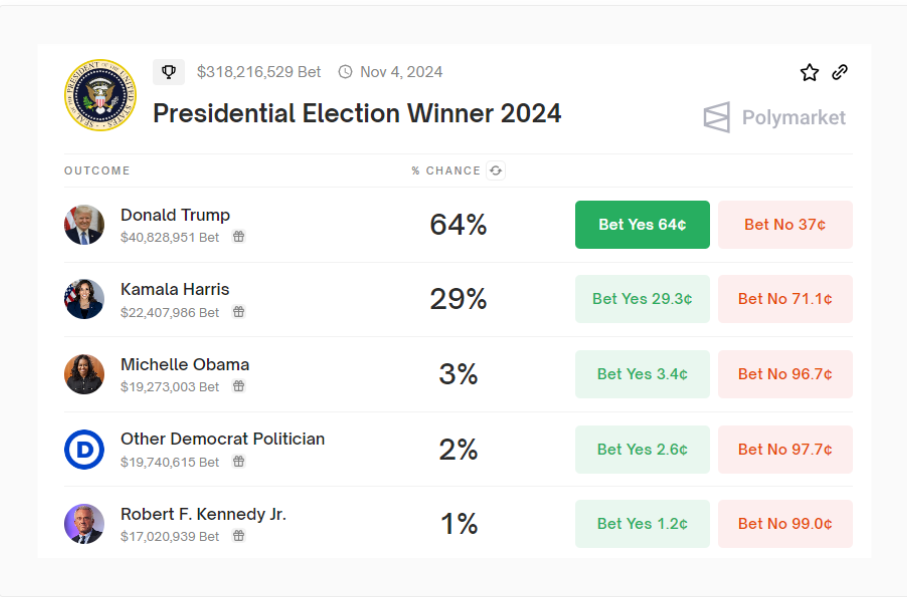
Many analysts believe the attack may have increased Trump’s chances of winning the November presidential election. According to Polymarket, a blockchain prediction market, his odds rose from around 60% before the event to 71%. After initial reactions, his probability of defeating contenders like Kamala Harris and Michelle Obama settled at 64%.
The Bitcoin market reacted positively to the rising likelihood of Trump becoming president, as he holds a more favorable stance toward Bitcoin and other cryptocurrencies compared to his opponents and current President Joe Biden.
If Trump wins, it could mean the end of Gary Gensler’s tenure as Chair of the U.S. Securities and Exchange Commission (SEC)—a positive signal for crypto. His successor may adopt a more open attitude toward blockchain-based financial products.
Trump once claimed in 2019 that Bitcoin and other cryptos were “not real money” and “highly volatile, born of fantasy.” But his tone has since shifted. In June this year, he tweeted: “We want all the Bitcoin made in America!!!” and stated, “Bitcoin mining might be our last line of defense against central bank digital currencies.”
Trump is also scheduled to speak at the Bitcoin 2024 conference in Nashville, Tennessee, on July 27.
Additionally, net inflows into spot Bitcoin ETFs have increased. While daily net flows were mostly negative between mid-June and mid-July, over $2.8 billion has flowed in since then. This indicates institutional investors see current BTC prices as an attractive entry point. At the time of writing, BTC trades just 8% below its all-time high.
2. Toncoin
Toncoin is a blockchain originally designed by the Telegram team. Although Telegram officially abandoned the project due to legal disputes with U.S. securities regulators, community members recognized its potential and continued development under the name Toncoin.
Development is now led by the TON Foundation, which operates independently of Telegram. Notably, Telegram is integrating various Toncoin-powered features into its messaging service, including the TON Space wallet within the Telegram app.
Technically, Toncoin is a scalable blockchain with smart contract capabilities and a proof-of-stake consensus mechanism. Its initial token distribution used proof-of-work to ensure fairness.
Why Invest in Toncoin?
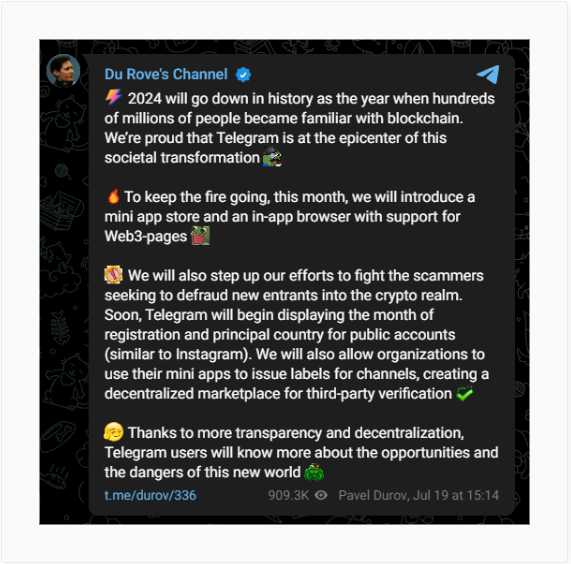
On July 19, Telegram founder Pavel Durov announced the launch of a built-in decentralized app store and Web3 browser, emphasizing efforts to combat scams targeting new blockchain users.
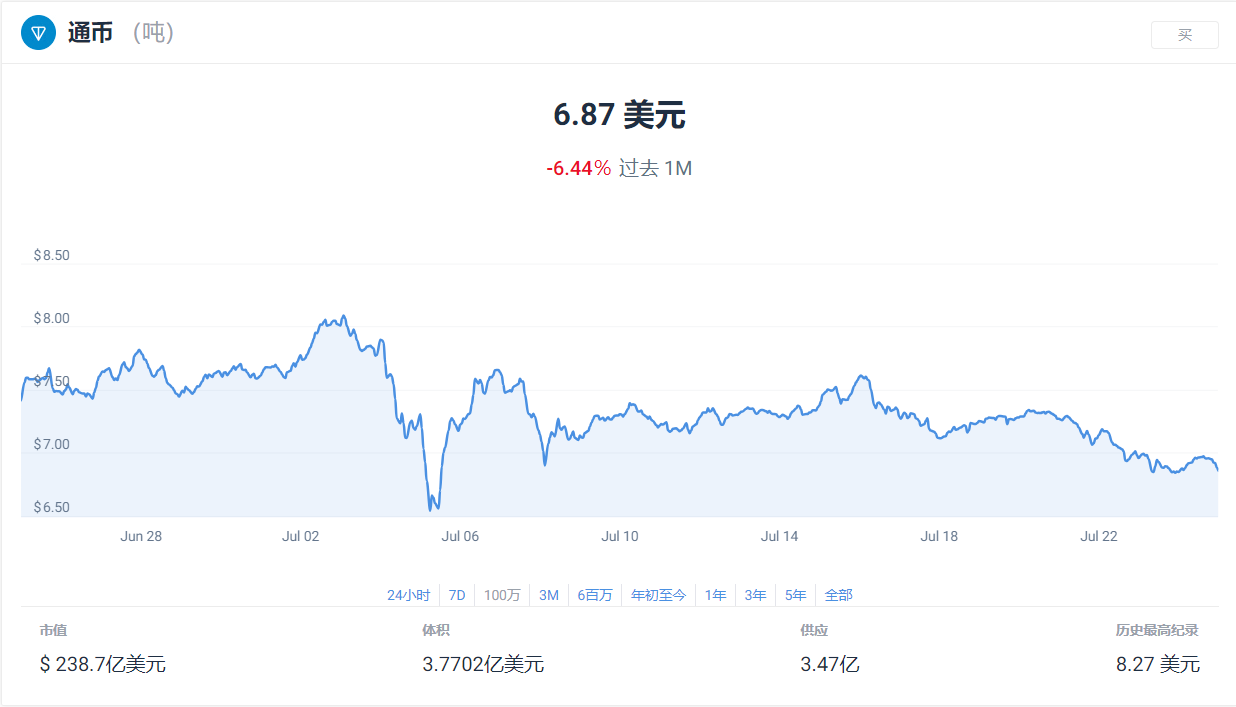
According to DeFi Llama, Toncoin is one of the fastest-growing blockchain ecosystems globally, with total value locked (TVL) reaching $768 million—up from just $13 million at the start of the year. This growth is driven by Telegram’s massive user base, deep integration with the open web, and recent incentive programs.
Additionally, the upcoming Hamster Kombat airdrop is expected to further accelerate growth. This globally popular game has attracted over 250 million users since March. The integration and launch of its native token are likely to boost TON’s price.
3. Cardano
Cardano is a decentralized blockchain platform founded by Ethereum co-founder Charles Hoskinson, aiming to provide a more secure and scalable infrastructure for smart contracts and decentralized applications (dApps). Launched in 2017, it uses a unique proof-of-stake consensus algorithm called Ouroboros, which is more energy-efficient and secure than traditional proof-of-work systems.
ADA, Cardano’s native cryptocurrency, supports transactions and operations on the network. The platform emphasizes academic research and peer review to build a scientifically rigorous blockchain ecosystem. Its layered architecture separates value settlement from computational logic, enhancing flexibility and security.
Why Invest in Cardano?
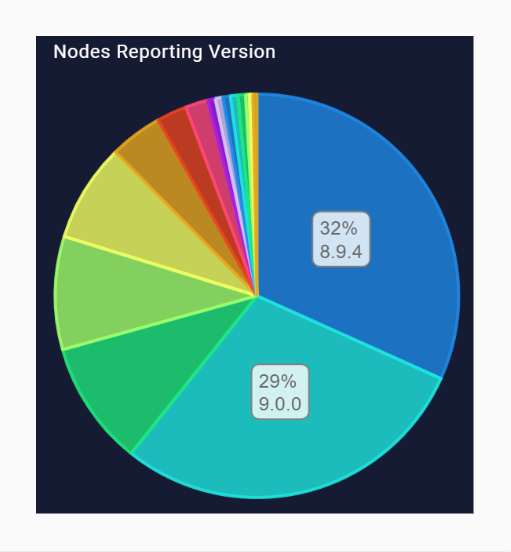
Earlier this month, Cardano released Node 9.0, a validator software update preparing for the upcoming Chang hard fork—a major upgrade introducing decentralized governance. Currently, 29% of nodes have upgraded, marking a significant step toward broader adoption.
Additionally, Cardano’s price has performed strongly recently, with ADA surging 26% between July 8 and 16, indicating strong growth potential.
4. Maker
Maker is a decentralized finance protocol running on Ethereum, managing Dai, a decentralized stablecoin pegged to the U.S. dollar. Users lock assets like ETH in Maker’s smart contracts to mint Dai.
The system requires collateral value to exceed the amount of Dai minted, and users must monitor their positions to avoid liquidation. MKR is the governance token of MakerDAO, a decentralized autonomous organization overseeing the Maker protocol.
Why Invest in Maker?
MakerDAO recently launched the Spark Tokenization Grand Prix, a public competition to allocate $1 billion via the Maker platform into tokenized real-world assets (RWA). Major asset management firms have lined up to participate, signaling broad support and trust in the Maker platform.
5. Ethereum
Ethereum is a blockchain platform supporting smart contracts, enabling developers to build complex applications such as decentralized lending protocols and non-fungible tokens (NFTs). Proposed by Vitalik Buterin in late 2013, it officially launched in July 2015.
One of Ethereum’s earliest use cases was enabling custom token issuance, tradable on its blockchain. Numerous projects successfully raised funds through initial coin offerings (ICOs) and other token sales.
Today, Ethereum hosts a vibrant ecosystem of decentralized applications (DApps), spanning DeFi, NFT markets, publishing platforms, and decentralized exchanges—making it a top investment choice in 2023.
ETH is Ethereum’s native asset, incentivizing users to secure the network. Initially using proof-of-work (PoW), Ethereum transitioned to the more environmentally friendly proof-of-stake (PoS) in September 2022.
Why Invest in Ethereum?
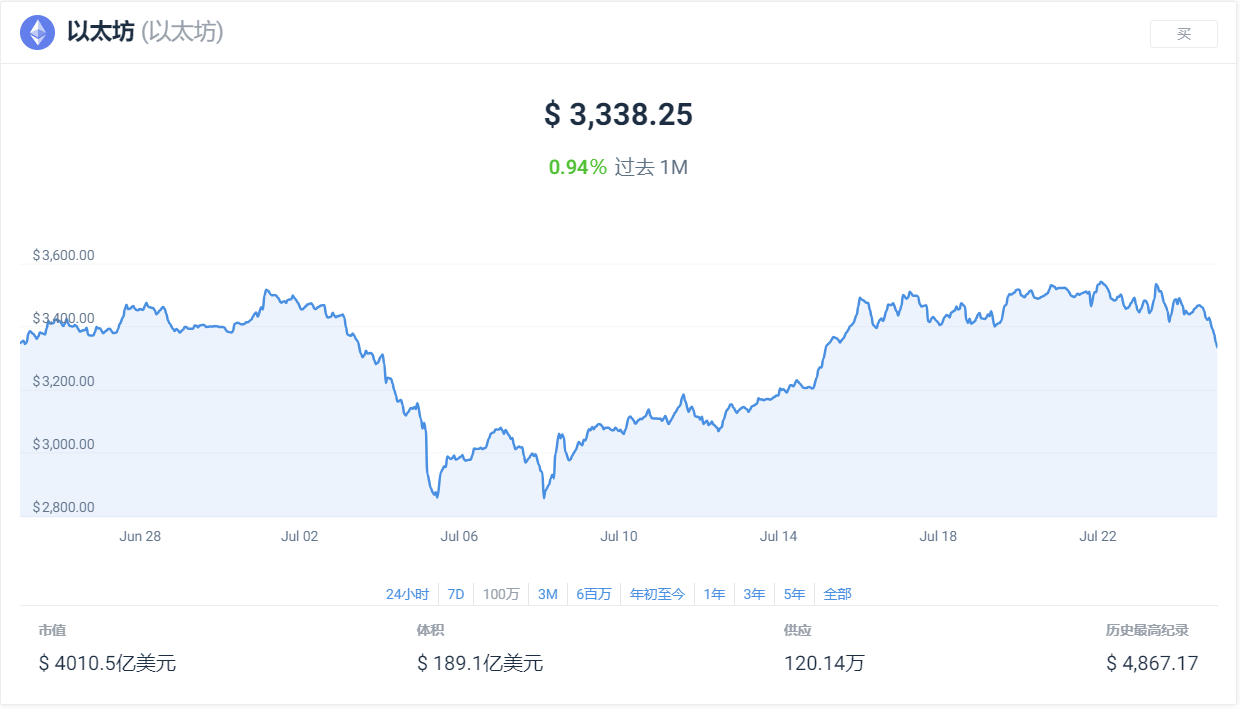
With spot Ethereum ETFs expected to launch soon in the U.S., ETH has become one of the most watched crypto assets in the short term. After the SEC approved related 19b-4 filings, ETH briefly spiked to around $3,900. Though it pulled back, another bullish surge is anticipated once ETFs begin trading.
Considering the market reaction when the first spot Bitcoin ETFs launched earlier this year—BTC surged from ~$45,000 to a record high above $73,600—the impact of spot Ethereum ETFs is expected to be similarly positive. Bloomberg analysts recently reported the SEC may approve spot Ethereum ETFs by July 15.
6. Solana
Solana is a smart contract platform known for its unique architecture, capable of processing thousands of transactions per second at extremely low cost. It achieves this by combining a novel proof-of-history algorithm with proof-of-stake consensus. SOL, the native cryptocurrency, is favored for its ultra-low transaction fees—averaging less than $0.001 per transaction.
Founded by Anatoly Yakovenko in 2018, Solana’s mainnet launched in March 2020 and gained widespread adoption in 2021. Despite value declines during the 2022 bear market, Solana maintains one of the most compelling ecosystems in crypto.
Why Invest in Solana?
Asset managers VanEck and 21Shares have filed applications in the U.S. for spot Solana ETFs, both seeking listing on the CBOE BZX Exchange. 21Shares plans to use Coinbase as custodian, storing funds in wallets on the Solana blockchain. Notably, due to regulatory constraints, the fund will not stake SOL.
Outside the U.S., 21Shares has already launched a 100% physically backed SOL exchange-traded product (ETP), allowing holders to earn staking rewards. It trades on Swiss, Stuttgart, and Amsterdam stock exchanges.
Despite active ETF applications, the path to a U.S. Solana ETF may be more complex than the recently approved Ethereum ETFs. The SEC has claimed in at least two lawsuits that SOL is an unregistered security, and unlike Bitcoin and Ethereum, there is currently no regulated Solana futures market in the U.S.

7. Kaspa
Kaspa is a decentralized cryptocurrency project focused on high scalability and fast transactions. Using block-DAG instead of traditional blockchain technology, Kaspa enables rapid block confirmation for a more efficient and user-friendly experience. This Layer-1 blockchain combines proof-of-work (PoW) with directed acyclic graphs (DAG), optimizing block finality and outperforming other PoW chains in energy efficiency and transaction throughput.
Why Invest in Kaspa?
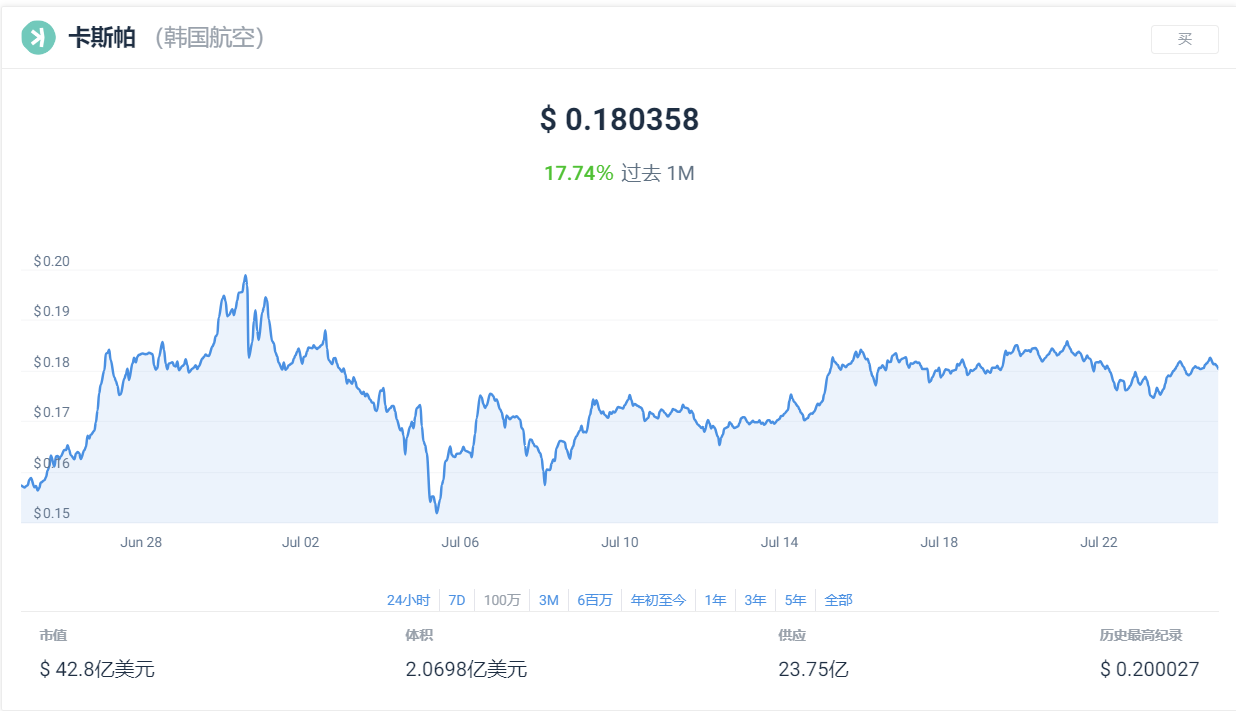
Kaspa surged 19.5% against the U.S. dollar last week. The rally followed Marathon Digital’s announcement that it has been mining Kaspa since September 2023. The company acquired $60 quadrillion hash worth of Kaspa mining hardware (Bitmain KS3, KS5, and KS5 Pro), with half currently operational. Once fully deployed, Marathon expects to control 16% of the global Kaspa hash rate.
Adam Swick, Marathon Digital’s Chief Growth Officer, said: “Kaspa’s technological innovation and active community allow us to diversify revenue streams and improve profitability per kWh. While Bitcoin holds unique value, Kaspa’s innovative tech gives us valuable opportunities to support and nurture PoW innovation.”
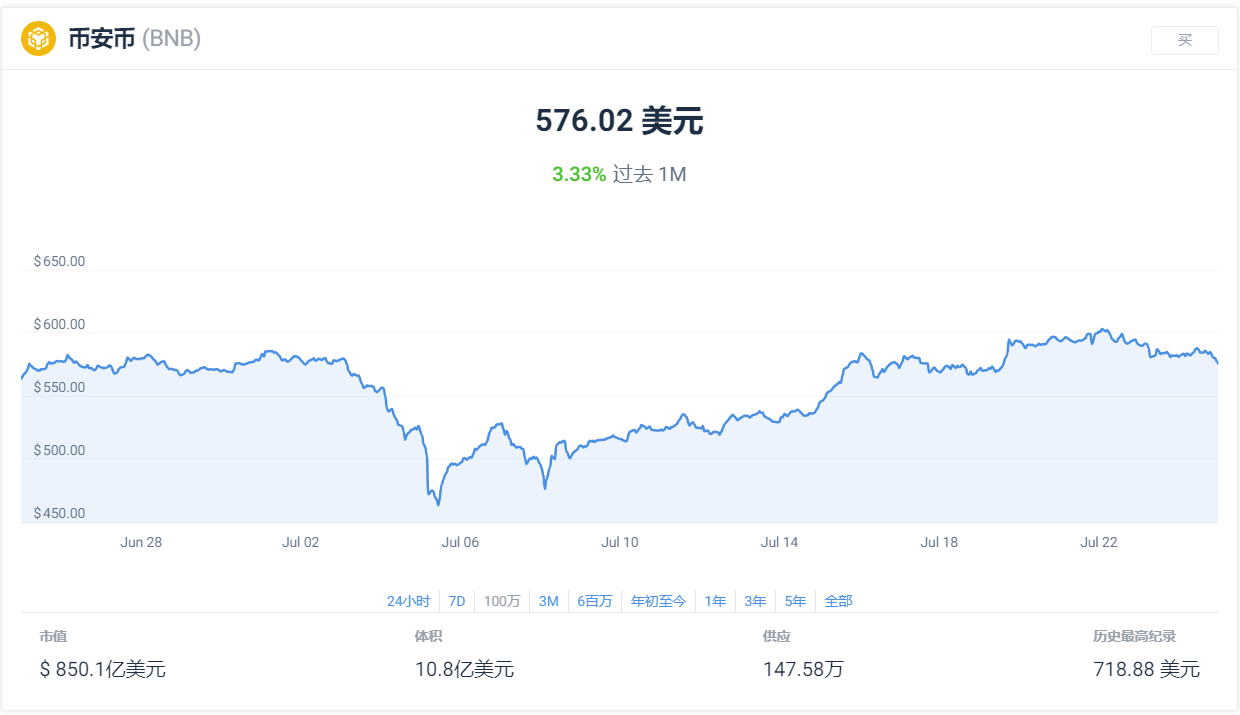
8. BNB
BNB is a token launched in 2017 by Binance, the world’s largest cryptocurrency exchange. It serves two primary purposes: First, holders enjoy benefits on the Binance platform, including reduced trading fees, priority access to Launchpad and Launchpool projects, and cashback via the Binance Visa card. Second, BNB is the native asset of BNB Chain, an Ethereum-compatible blockchain offering low transaction fees and easy deployment of EVM-compatible dApps. Formerly known as Binance Coin, BNB has undergone extensive rebranding in recent years.
Why Invest in BNB?
Binance recently launched "HODLer Airdrops," rewarding users who hold BNB in its Simple Earn products. These airdrops will distribute tokens of upcoming projects with large circulating supplies. Binance promises these will be fundamentally sound, community-driven mid- to small-cap projects. Participants in Simple Earn not only receive airdrops but also gain access to Launchpool, Megadrop, and Binance VIP benefits.
9. XRP
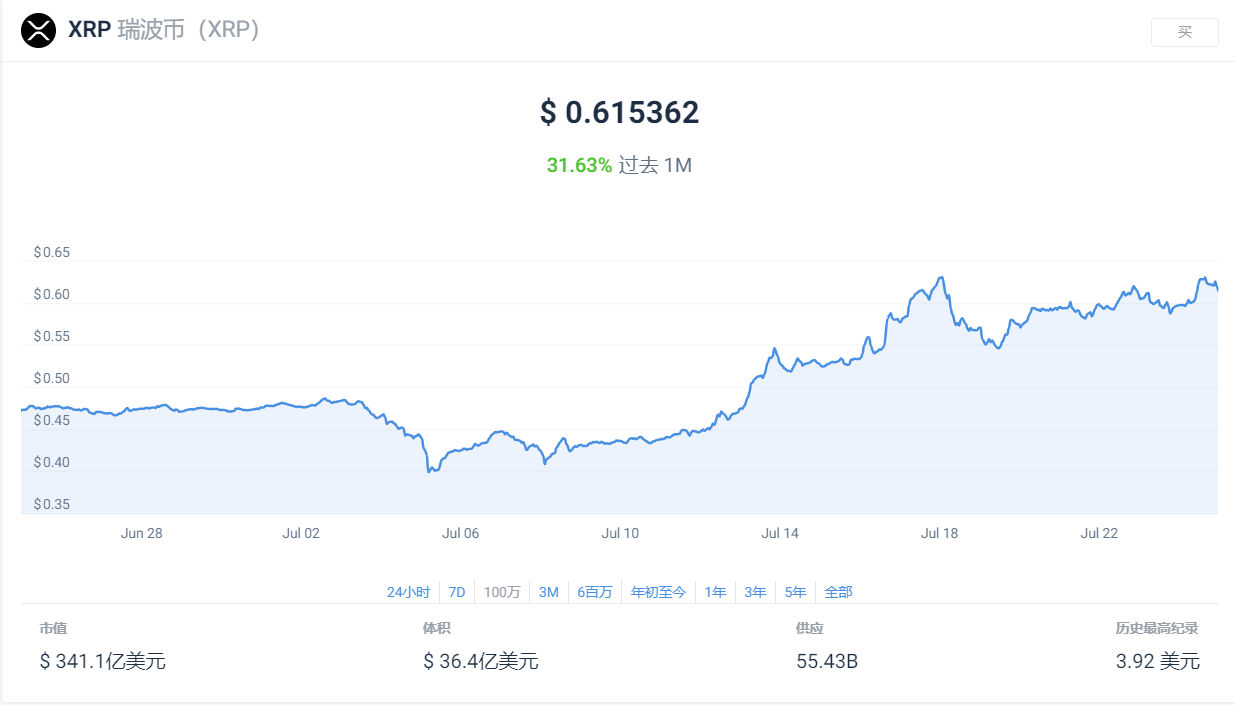
XRP is a cryptocurrency launched in June 2012 by David Schwartz, Jed McCaleb, and Arthur Britto, who co-founded OpenCoin with Chris Larsen. Initially, 80% of the XRP supply was allocated to OpenCoin, later renamed Ripple, which placed most of its XRP holdings into escrow accounts.
XRP offers fast, low-cost transfers, ideal for cross-border payments. Unlike PoW or PoS systems, XRP uses the XRP Ledger Consensus Protocol, where each network participant selects a set of trusted validators to maintain security and stability.
Ripple has integrated XRP into multiple products, especially its On-Demand Liquidity (ODL) service, partnering with crypto exchanges to enhance the efficiency of international remittances using XRP.
Why Invest in XRP?
As a core member of the XRP Ledger ecosystem, Ripple recently announced the launch of a USD-pegged stablecoin on both the XRP Ledger and Ethereum platforms. This stablecoin will follow a full-reserve model, backed by U.S. dollar deposits, short-term U.S. Treasuries, and other cash equivalents. For transparency, Ripple plans monthly third-party audit reports to verify full backing. This move is expected to significantly boost liquidity on the XRP Ledger and drive new momentum for XRP.
10. Uniswap
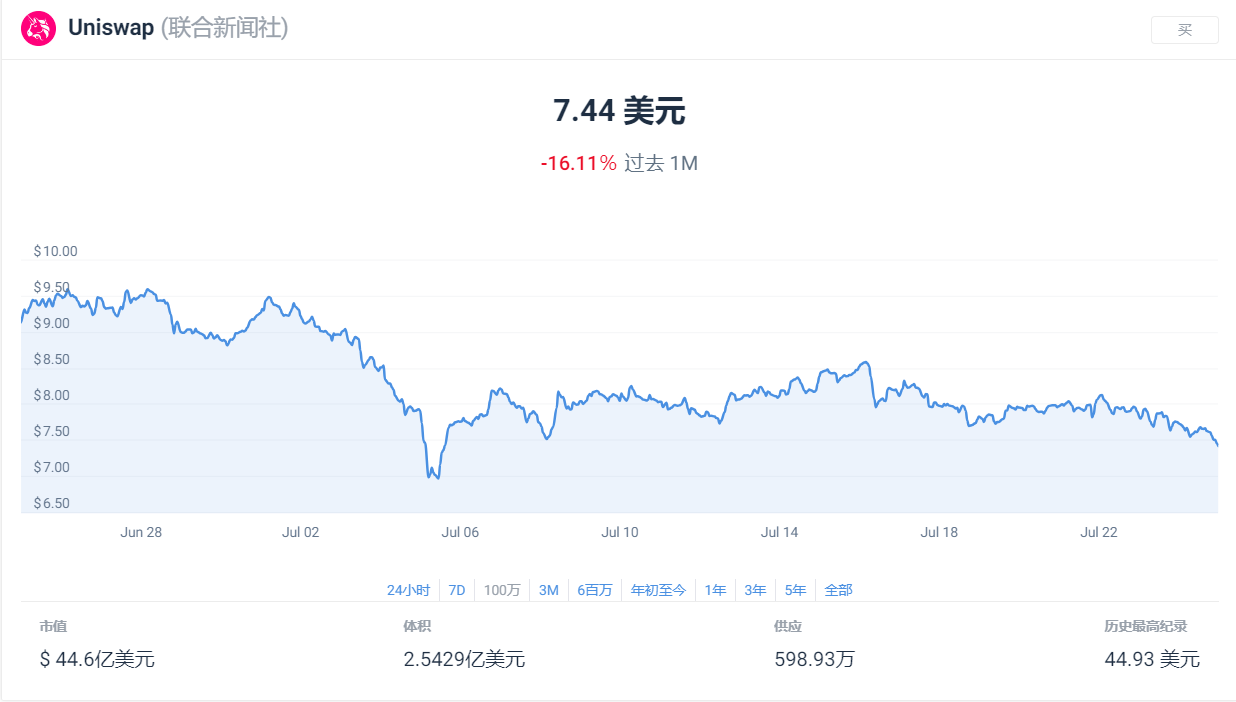
Uniswap is a decentralized cryptocurrency exchange that popularized the automated market maker (AMM) model. This innovative design allows direct token swaps on-chain without relying on traditional order books, greatly simplifying trading.
The Uniswap protocol is fully decentralized—anyone can create liquidity pools, often enabling new crypto assets to trade on Uniswap before listing on centralized exchanges. Additionally, Uniswap is among the largest decentralized exchanges by trading volume.
UNI tokens are held by Uniswap users, who can submit and vote on protocol proposals. Initially distributed via airdrop to early users, UNI is now tradable on multiple decentralized and centralized platforms.
Why Invest in Uniswap?
UNI performed exceptionally well last week, rising 12% to hit multi-week highs while most other cryptos declined. On-chain data shows growing open interest aligning with market trends, reflecting increasing investor interest. Additionally, Uniswap recently added support for ZKsync, enabling users to trade on an efficient Ethereum Layer-2 network with lower fees and faster transactions—likely boosting sentiment toward UNI.
11. Notcoin
Notcoin began as a simple clicker game within the Telegram messaging app. Players tap a shiny coin image to earn points and activate boosts to increase earning speed. The Notcoin Mini App includes basic social features—users can form “squads” and compete on leaderboards—helping it rapidly attract millions of users.
Now, the Notcoin team has launched a real token, NOT, on the TON blockchain. Designed as a community token, it rewards users for exploring the web3 ecosystem, playing games, or contributing value.
Why Invest in Notcoin?
Notcoin has partnered with DeFi project 1inch and on-chain verification platform Sign to launch Triangle, an accelerator program on the TON blockchain. The program supports teams building apps that enhance TON user experience and bridge web2 and web3. Participants receive go-to-market services, investments, mentorship, access to TokenTable’s token management platform, and Sign Protocol to prevent malicious behavior. 1inch will also support DeFi integration. The inaugural cohort includes several industry heavyweights, signaling strong potential for Notcoin.

12. Shiba Inu
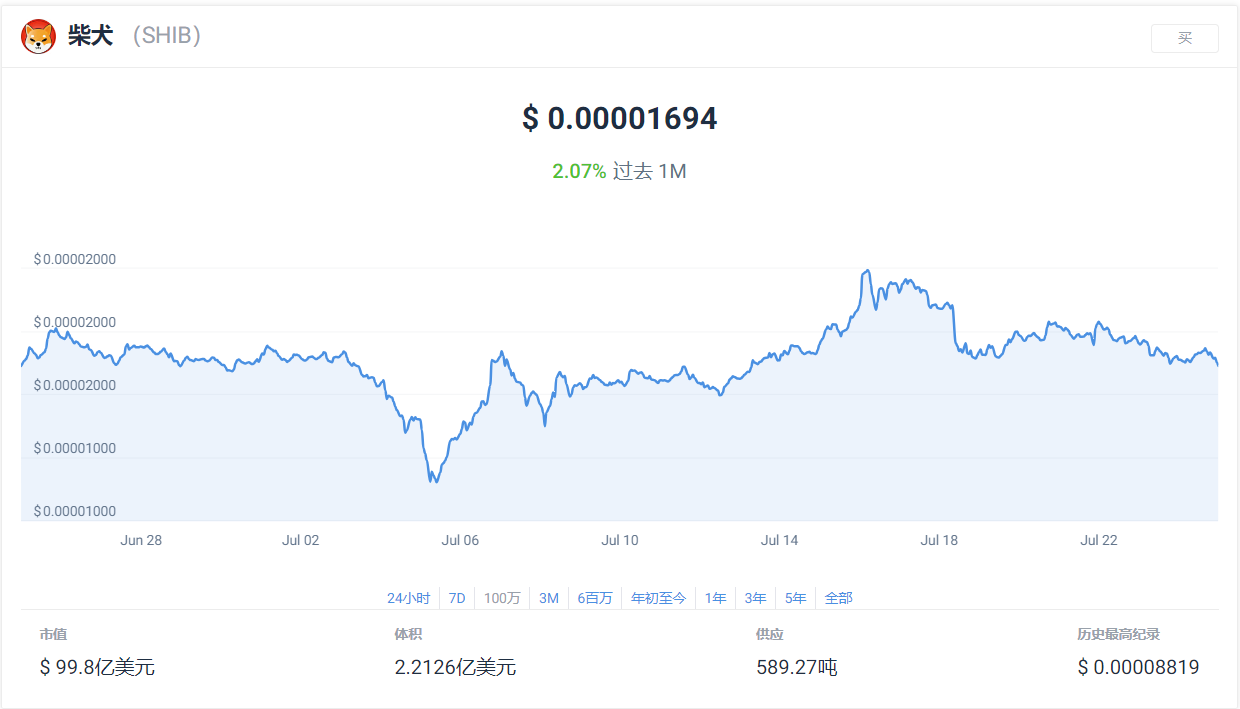
Shiba Inu is a meme cryptocurrency created in 2020 by an anonymous developer known as “Ryoshi.” Inspired by Dogecoin, it uses the Shiba Inu dog breed as its brand. Unlike Dogecoin, which has its own blockchain, Shiba Inu is an ERC-20 token issued on the Ethereum blockchain.
During SHIB’s initial distribution, half the supply was sent to Ethereum co-founder Vitalik Buterin, despite his lack of involvement. This act was framed as a token burn. Buterin later burned most of his SHIB and donated the proceeds from selling the rest to charity.
In 2021, SHIB’s popularity surged, becoming the second-largest meme coin by market cap after Dogecoin. Today, SHIB remains one of the most popular low-priced cryptocurrencies.
Why Invest in Shiba Inu?
The Shiba Inu project raised $12 million through the TREAT token sale, backed by international venture capital firms including Mechanism Capital and Big Brain Holdings.
TREAT is designed as the final new token in the Shiba Inu ecosystem, serving as a utility and governance token for a new blockchain aimed at enhancing transaction privacy.
This new blockchain will use fully homomorphic encryption (FHE) technology developed by Zama and run as a Layer-3 solution atop Shibarium.
Shytoshi Kusama, lead developer of the Shiba Inu project, commented:
“We’re thrilled to have such strong support from leading VCs, angel investors, and brand partners advancing this ambitious decentralized project. These strategic partnerships bring credibility and significantly enhance what Shiba Inu can deliver to our community, the ShibArmy.”
[Disclaimer] Markets are risky; invest with caution. This article does not constitute investment advice. Readers should consider whether any opinions, viewpoints, or conclusions presented are suitable for their individual circumstances. Investments made based on this information are at the user’s own risk.
Join TechFlow official community to stay tuned
Telegram:https://t.me/TechFlowDaily
X (Twitter):https://x.com/TechFlowPost
X (Twitter) EN:https://x.com/BlockFlow_News
 @CoinCodex