









Trump's Participation in Bitcoin Conference: U.S. Election Could Bring a Turning Point for Crypto Markets
TechFlow Selected TechFlow Selected
Trump's Participation in Bitcoin Conference: U.S. Election Could Bring a Turning Point for Crypto Markets
As the election approaches, cryptocurrency has never been more influential.
 Navigating Web3 tides with focused insights
Author: Crypto, Distilled
Translation: TechFlow
Introduction:
Public information shows that Trump plans to deliver a speech at the 2024 Bitcoin Conference.
Unlike meme coins created by crypto projects themselves to ride on the U.S. election hype, this time it's Trump himself actively seeking connections with the crypto community. Political-related tokens may experience another round of volatility.
However, beyond individual figures, the U.S. election as a political phenomenon indeed introduces new variables into the crypto market. What kind of impact will it have?
Below is an analysis from renowned overseas analyst @DistilledCrypto, translated by TechFlow.
Main Content:
2024 could be the most important election year in cryptocurrency history. The policies of new leaders will profoundly affect the crypto market for years to come. Here’s everything you need to know about the upcoming U.S. election.

Why is this year special?
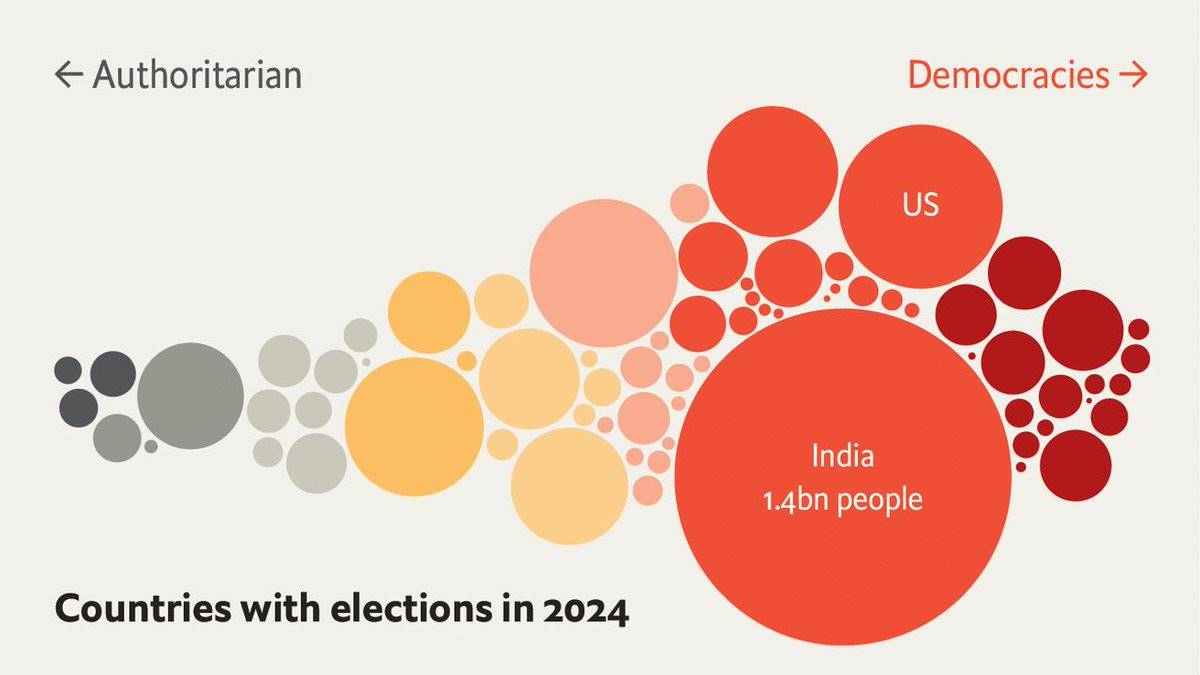
One significant reason is scale. 2024 is one of the largest global election years in history, with over 60 countries—accounting for 49% of the world's population—participating. (Thanks to @TheEconomist)
$BTC's Global Influence:
Traditional stock investors usually focus only on elections within one country, but digital assets like $BTC are global—making every election relevant.
Motivation to Embrace Cryptocurrency:
In recent years, mainstream perception of $BTC has shifted dramatically, largely due to the growing monetary and political influence of cryptocurrencies. Countries may reward politicians who support crypto and penalize those who oppose it.
A perfect example:
In regions where $BTC is well understood, pro-crypto candidates have already won, such as in Latin America. For instance, pro-Bitcoin candidates dominate in El Salvador and Argentina. (Thanks to @Coinmarketcap)

Shifting Toward Crypto:
Just as BlackRock made a complete 180-degree shift in its stance toward $BTC, governments may follow suit. Many governments now embrace crypto to gain support from this cash-rich industry.

Donald Trump’s major shift: from calling it a “scam” to building a “crypto army”
Rise of $BTC ETFs:
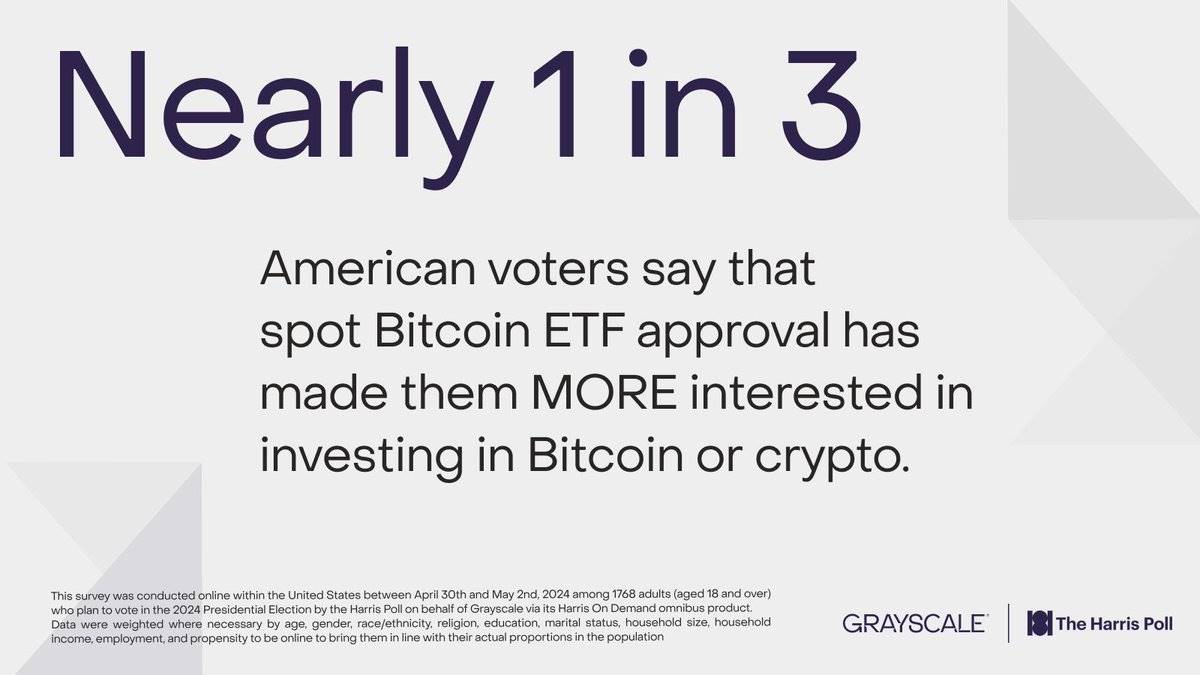
A key turning point was the approval of spot $BTC ETFs. Nearly one-third of American voters said this made them more interested in $BTC and crypto.
This survey was conducted by Harris Poll on behalf of Grayscale between April 30 and May 2, 2024, among 1,768 U.S. adults (aged 18+) planning to vote in the 2024 presidential election. Data were weighted by age, gender, race, religion, education, marital status, household size, income, employment, and internet usage to ensure representativeness. (Thanks to @grayscale)
Passive Retail Capital?
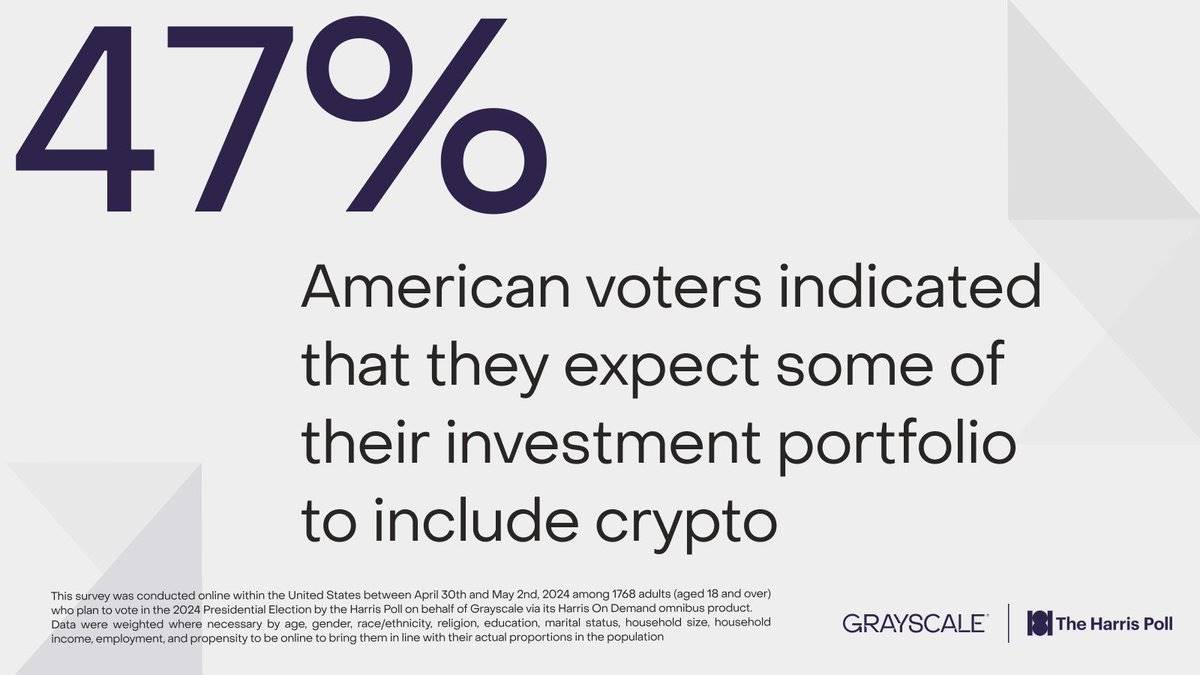
In the next election cycle, we may see more capital flowing into $BTC. 47% of American voters expect part of their portfolio to include cryptocurrency.
This survey was conducted by Harris Poll on behalf of Grayscale between April 30 and May 2, 2024, among 1,768 U.S. adults (aged 18+) planning to vote in the 2024 presidential election. Data were weighted by age, gender, race, religion, education, marital status, household size, income, employment, and internet usage to ensure representativeness. (Thanks to @grayscale)
Bullish Election Trends:
Beyond potential regulatory impacts, elections often drive asset prices upward. In past election years, the S&P 500 Index has shown more positive than negative performance.
-
When Republicans win: average return of 15.3%
-
When Democrats win: average return of 7.6%
-
All election years combined: average return of 11.28%
(Thanks to @morganstanley)
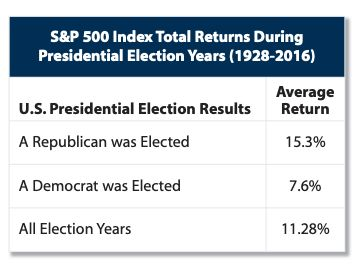
Total return of the S&P 500 Index in U.S. presidential election years (1928–2016)
S&P 500 Election History
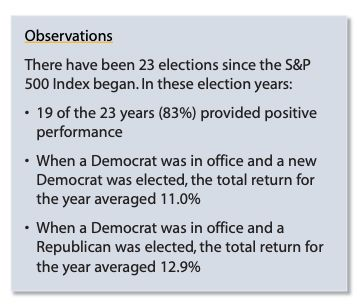
Since the inception of the S&P 500 Index, there have been 23 elections. Among these election years:
-
19 out of 23 election years (83%) showed positive returns
-
When a Democrat is in office and another Democrat is elected: average total return of 11.0%
-
When a Democrat is in office and a Republican is elected: average total return of 12.9%
(Thanks to @morganstanley)
Why do elections push asset prices higher?
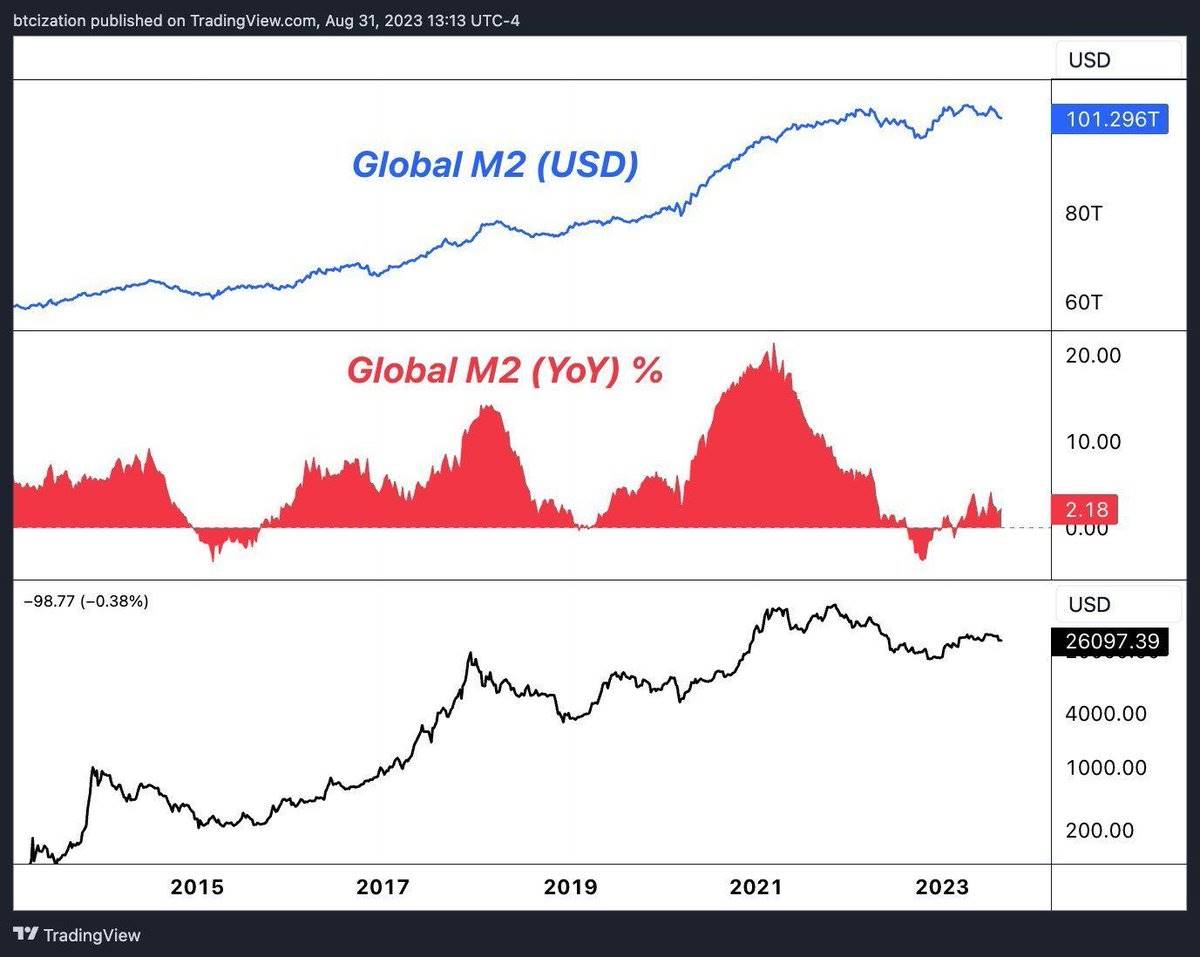
Elections typically stimulate dynamic changes and growth in markets, often achieved through increased money supply.
Historically, Bitcoin ($BTC) tends to perform well during periods of monetary inflation. (Thanks to @beincrypto)
$BTC Price Now Higher Than in Previous Election Cycles:
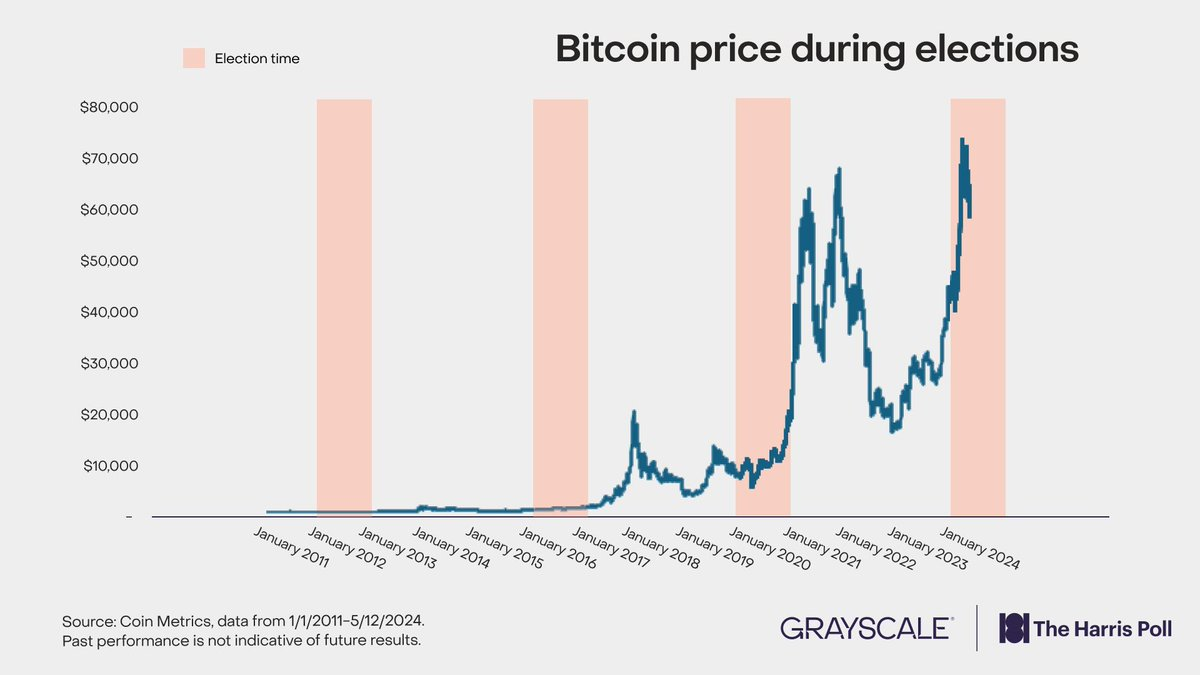
The current price of $BTC is higher than at any previous election period (we also saw all-time highs before the halving).
Some worry this could lead to an early peak (left-shifted cycle), while others believe we are witnessing the birth of a supercycle. (Thanks to @grayscale)
The Crypto Battleground in the U.S.:
Republicans are generally favorable toward cryptocurrency—but what about Democrats?
The Biden administration and the SEC have traditionally held anti-crypto positions.
However, recent approvals of multiple crypto ETFs signal a change.
Democratic Shift:
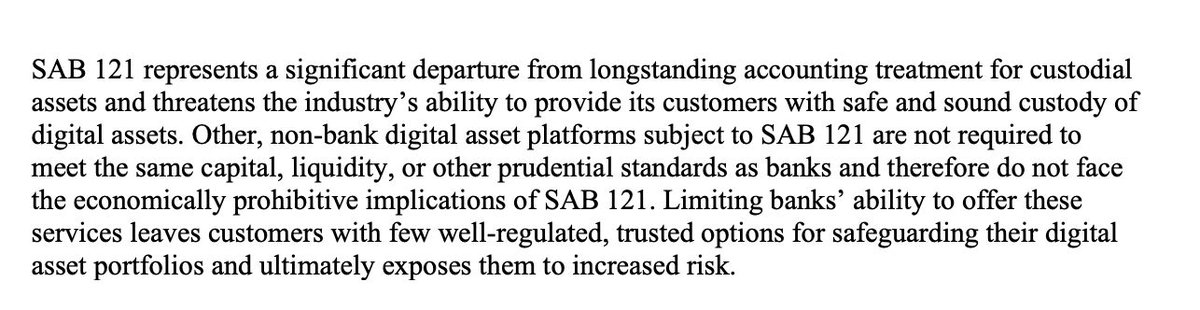
Recently, several Democratic members of Congress and the Senate voted to overturn SAB 121. This rule previously imposed significant restrictions on financial institutions engaging with Bitcoin ($BTC).
SAB 121 marked a major change in long-standing accounting practices for custodied assets and threatened the industry’s ability to offer secure and reliable digital asset custody services. Other non-bank digital asset platforms subject to SAB 121 are not required to meet the same capital, liquidity, or prudential standards as banks, thus avoiding the economic burdens imposed by SAB 121. Restricting banks’ ability to provide these services leaves customers with few well-regulated and trusted options for safeguarding their digital asset portfolios, ultimately exposing them to greater risk. (Thanks to U.S. government)
Bitcoin Accounting Rules:
Another major development is the long-awaited release of Bitcoin accounting standards.
The FASB (Financial Accounting Standards Board) fair value rule for Bitcoin will take effect in 2025, potentially encouraging more companies to adopt Bitcoin as a strategic reserve asset.
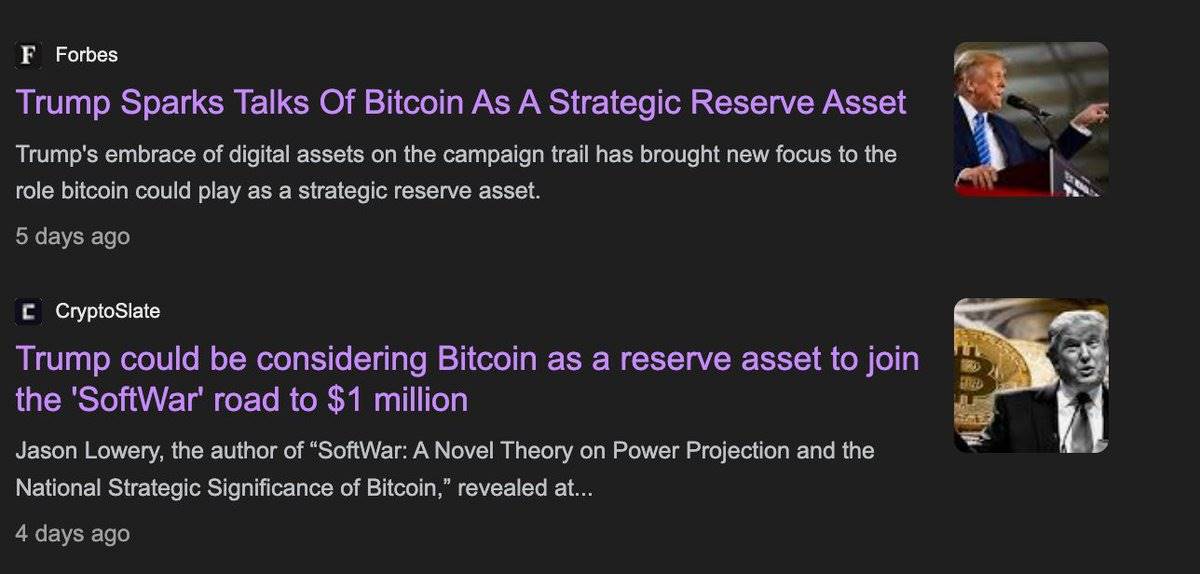
Final Thoughts:
The United States faces critical choices on multiple fronts.
Yet unlike previous elections, Bitcoin is now a key factor in politicians' calculations.
As the election approaches, the influence of cryptocurrency has never been greater.
Join TechFlow official community to stay tuned
Telegram:https://t.me/TechFlowDaily
X (Twitter):https://x.com/TechFlowPost
X (Twitter) EN:https://x.com/BlockFlow_News
 @DistilledCrypto









