








Forbes: One Fish, Two Bites—How Much Could Galaxy Earn from FTX’s Bankruptcy Liquidation?
TechFlow Selected TechFlow Selected
Forbes: One Fish, Two Bites—How Much Could Galaxy Earn from FTX’s Bankruptcy Liquidation?
Galaxy Digital's asset management division helped sell FTX's assets, while its trading division was one of the buyers.
 Navigating Web3 tides with focused insights
By Nina Bambysheva, Forbes Staff
Translated by Luffy, Foresight News
When FTX filed for bankruptcy, savvy crypto traders sniffed out a profitable opportunity. Sam Bankman-Fried’s (SBF) cryptocurrency empire had emptied billions of dollars in customer funds but still held $3.4 billion worth of various cryptocurrencies. This estate had to be sold to satisfy creditor claims—and likely at prices far below market value.
Most firms handling bankruptcy asset management had little to no experience with cryptocurrency, and early attempts to consolidate funds sometimes led to embarrassing losses amounting to tens of thousands of dollars. In September 2023, the bankrupt FTX enlisted billionaire Michael Novogratz’s Galaxy Digital Holdings’ asset management arm to help manage its vast cryptocurrency reserves, including selling, hedging, and staking digital assets. The staking process allows token holders to earn passive income by validating transactions added to blockchain networks.
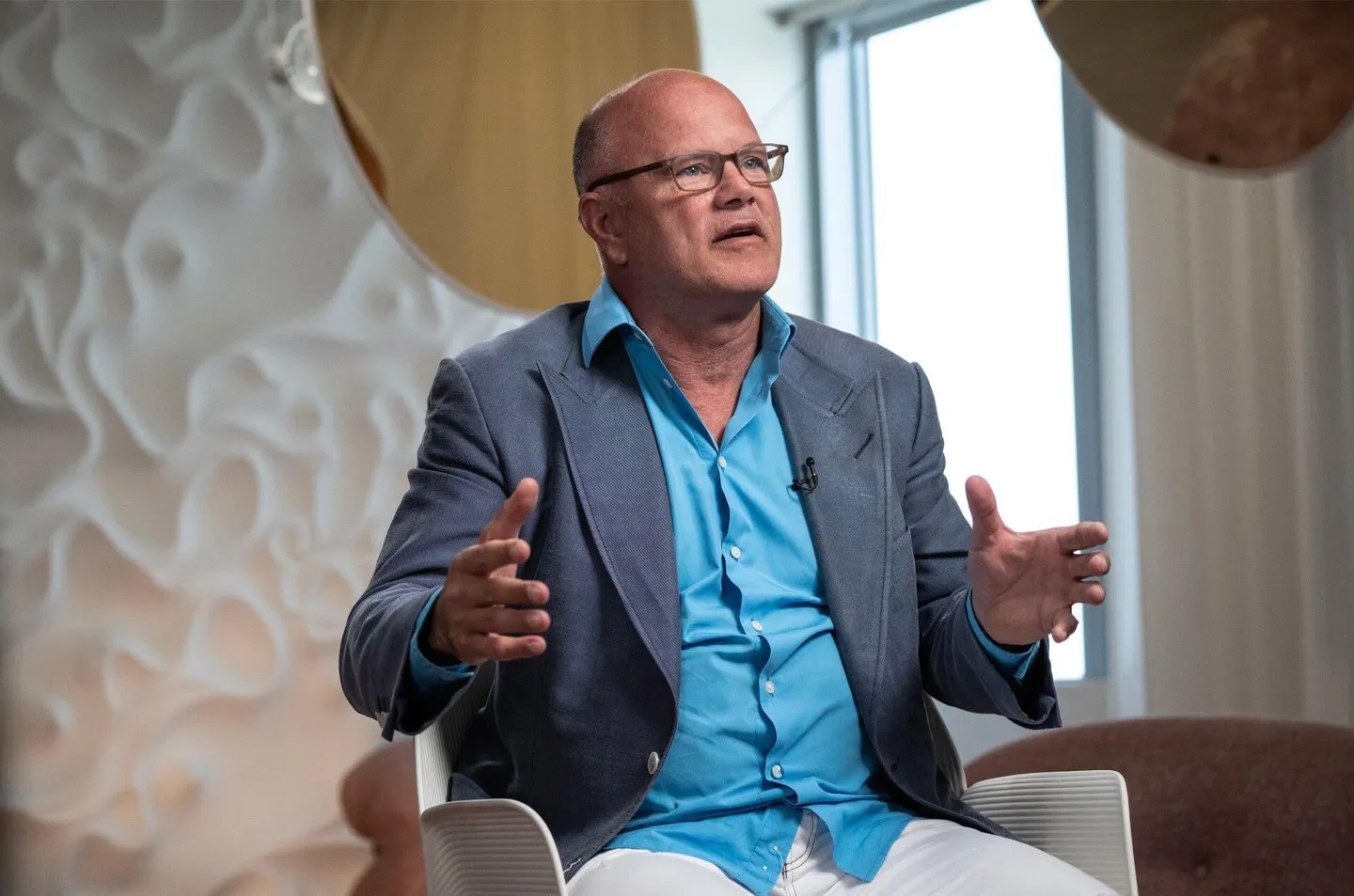
Michael Novogratz, Founder of Galaxy Digital
Approximately one-third of FTX’s cryptocurrency holdings were in SOL, the native token of the Solana blockchain championed by SBF. According to the Solana Foundation, between August 2020 and May 2021, Bankman-Fried’s companies purchased nearly 60 million SOL tokens, most of which were locked. In late August 2023, SOL traded at around $20 per token, but by year-end, its price had quintupled, exceeding $100. It seemed that if FTX could quickly liquidate its SOL and other assets, it might fully satisfy its customers’ claims (calculated in USD value at the filing date)—a rare outcome for creditors in major bankruptcies.
It should be noted that most of the tokens owned by SBF were locked, meaning they could only be sold off monthly in batches between 2025 and 2028. Such multi-year vesting schedules typically require tokens to be auctioned at steep discounts to compensate buyers for the significant risk posed by cryptocurrency volatility. Yet, the potential returns could be enormous. Galaxy’s trading division was among the buyers in FTX’s asset auctions.
In the fall of 2023, the debtor faced a daunting task. Selling billions of dollars’ worth of SOL rapidly would destabilize an already volatile market—one just beginning to recover from the damage caused by FTX’s collapse. After taking advice from Galaxy Asset Management, it opted to conduct multiple separate auctions.
The first batch of SOL tokens—between 25 million and 30 million—was sold at the end of March at $64 per token, more than 60% below the market price of SOL at the time. The auctioned tokens were acquired by a small group of firms, including hedge fund Pantera Capital and Neptune Digital Assets.
According to a source familiar with the transaction, previously undisclosed buyers also included Brevan Howard Digital, venture firm Multicoin Capital, and the Solana Foundation. The Solana Foundation is a nonprofit organization based in Zug, Switzerland, originally founded by developers who created the blockchain, dedicated to advancing and securing the Solana network.
But Novogratz’s Galaxy was also among the first buyers of FTX’s locked SOL. As Bloomberg reported, Galaxy Trading purchased the tokens on behalf of investors through a special-purpose fund that raised approximately $620 million and charged a 1% management fee. Assuming the Galaxy fund transacted at the discounted price of $64, it would ultimately receive 9,687,500 SOL tokens. Pantera, which also participated in the bidding, created a similar fund to purchase up to $250 million worth of SOL. At current prices, the 9.7 million tokens expected to be acquired by the Galaxy fund have already generated an unrealized profit of $1.03 billion.
In a second auction reportedly held in late April, FTX sold another 1.8 million SOL tokens at winning bids ranging from $95 to $110 per token—15% to 26% below market prices. According to The Block, Galaxy Trading again raised capital from investors for this auction, with a minimum commitment cap of $5 million. Pantera also took part. The final SOL sale concluded on May 22, attracting Pantera and newly established crypto exchange Figure Markets. Figure purchased 800,000 tokens at $102 each, about 42% lower than the token’s recent market price of $177. What was the total potential profit from the second auction? Calculated at current prices, it would exceed $130 million.
When details of the first auction emerged, many FTX creditors and other bidders were stunned. “It looks very bad when both the buyer and seller in a house sale are involved in the same transaction,” said one source familiar with the sales, speaking anonymously.
“It’s not uncommon for investment banks to participate in multiple aspects of a sale or liquidation, as is happening here,” said Rob Hadick, general partner at Dragonfly, a crypto-focused venture firm. “That said, this clearly raises concerns and will attract scrutiny from the creditors’ committee… Issues like unfair access to information and flawed price discovery are legitimate worries.”
A spokesperson for Galaxy declined to comment specifically on the SOL token sales or its dedicated fund, directing Forbes to contact FTX instead. It remains unclear how much Novogratz’s Galaxy will ultimately profit from FTX’s bankruptcy restructuring. Galaxy Digital’s stock trades in Toronto and has risen 161% over the past 12 months, with a current market capitalization of $3.6 billion. According to the company’s first-quarter financial report, as of March 31, Galaxy held a $104.1 million investment in the Galaxy Digital Crypto Vol Fund, which acquired a large volume of SOL from FTX assets during the quarter.
FTX’s official unsecured creditors committee, composed of former major clients and market makers of the exchange, has approved the token sales. An FTX spokesperson issued a statement supporting Galaxy’s dual role in the bankruptcy proceedings:
“The bankruptcy court approved the retention terms for Galaxy Asset Management, which were subject to stakeholder review (no objections received), including Galaxy’s ability to transact with Galaxy-affiliated entities… The price paid by Galaxy affiliates for Solana was equal to or higher than that paid by other buyers, and all Solana sales were approved by both the Official Committee of Unsecured Creditors and the Ad Hoc Committee of Non-U.S. Customers. Sales conducted under the court-approved framework involving Galaxy do not present conflicts of interest, and any reports suggesting otherwise are false.”
Nonetheless, some FTX creditors and customers continue to complain. Consider Sunil Kavuri, a former FTX client who invested over $2 million on the exchange and is a member of the unofficial “Customer Ad Hoc Committee,” a group comprising over a thousand former FTX users: “I think the people managing the bankruptcy assets have lost over $10 billion. So even more than the initial damage SBF caused us,” Kavuri said. “The biggest loss was Solana.”
Join TechFlow official community to stay tuned
Telegram:https://t.me/TechFlowDaily
X (Twitter):https://x.com/TechFlowPost
X (Twitter) EN:https://x.com/BlockFlow_News
 Forbes









