








Why did the Bitcoin address in Mentougou transfer 140,000 BTC?
TechFlow Selected TechFlow Selected
Why did the Bitcoin address in Mentougou transfer 140,000 BTC?
Years after being delayed, the Mentougou incident may finally be reaching its conclusion.
 Navigating Web3 tides with focused insights
By Joyce
Today, a major outflow was suddenly detected from the Mt.Gox (Magic Door Trough) exchange address, which had been bankrupt for ten years. Over the following six hours, Mt.Gox gradually transferred 10 transactions totaling 141,685 bitcoins, with individual transaction values ranging from $200 million to $2.3 billion, amounting to approximately $9.8 billion.
This marks the first activity in five years from Mt.Gox’s cold wallet addresses. The movement of nearly 140,000 bitcoins worth close to $10 billion has drawn significant attention from the community. In comparison, today's total inflow into bitcoin ETFs was only 3,028 BTC. Wall Street ETF giants such as BlackRock and Grayscale each hold around $2 billion worth of bitcoin. The volume of bitcoin moved by the Mt.Gox address today accounts for nearly half of the holdings of either BlackRock or Grayscale.
This massive transfer indicates that one of the most significant events in crypto history—the Mt.Gox theft and bankruptcy—is nearing its conclusion, with the decade-long compensation process reaching its final stage.
As early as January this year, Mindao, founder of dForce, shared on Twitter an email received as an Mt.Gox creditor. The email confirmed users’ previously submitted exchange addresses for BTC/BCH receipt and stated, “Approximately 200,000 bitcoins will be unlocked within the next two months for creditor payouts.” According to the latest balance sheet at the time, the precise number of bitcoins to be unlocked by Mt.Gox over the next two months would be 141,000.
BlockBeats interviewed Mindao regarding this morning’s outflow of 140,000 bitcoins from Mt.Gox. He said, “Creditors already registered their receiving addresses earlier this year. They will later receive tokens through exchanges like Kraken. This large-scale outflow is likely part of Mt.Gox’s preparation for bitcoin distribution.”
Will the 140,000 Bitcoins Create a ‘Magic Door Trough Pit’?
In response to this transaction activity, some community members reacted with panic.
A community member shared past timing of Mt.Gox’s trustee Nobuaki Kobayashi selling bitcoins. Between December 2017 and February 2018, he sold 35,800 bitcoins via OTC trades to compensate users, hitting market peaks at the time. Given the recent signs of market exhaustion amid rising prices, many believe this could trigger a downward trend. This morning, after briefly surpassing $70,000, bitcoin reversed course and dropped more than 3%.
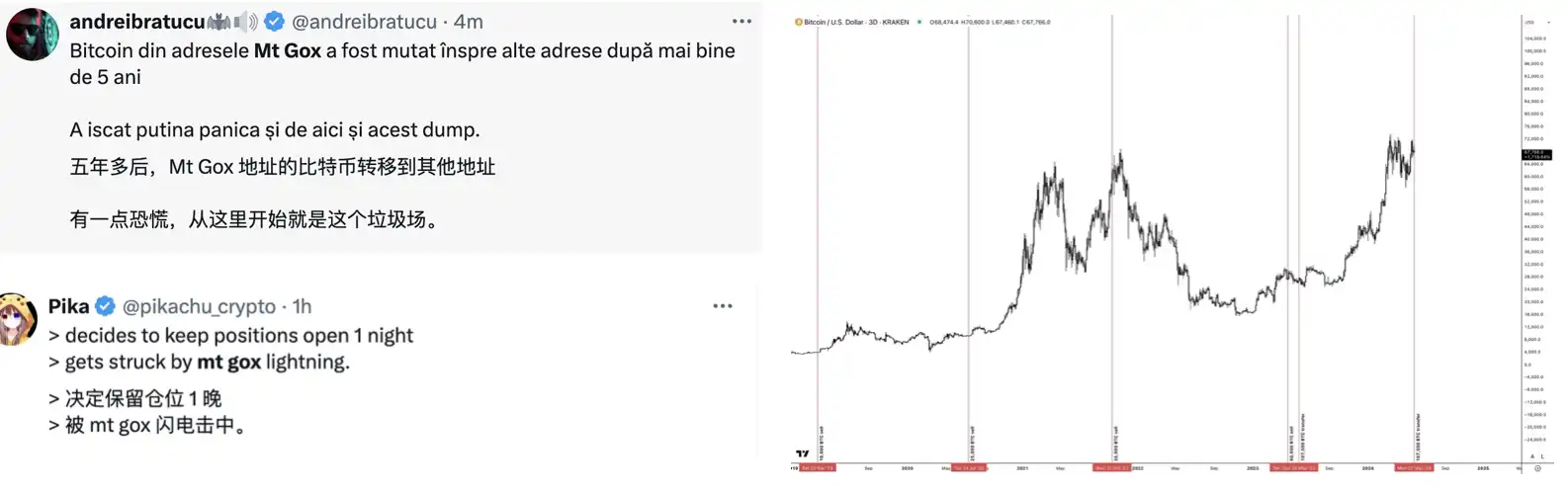
After settling the 140,000 bitcoins, will there really be substantial selling pressure? Regarding this event alone, the market consensus is: “There might be some impact, but probably not too severe.”
The repayment plan offered by Mt.Gox to creditors includes both a “base repayment” portion—uniform across creditors—and a “proportional repayment” portion, where creditors can choose between “interim and final payments” or an “early lump-sum payment.” Specific details have not been disclosed by Mt.Gox, meaning creditors won’t receive all assets at once.
Mindao noted, “Most creditors have already sold their entitlements to funds, so that selling pressure has long been hedged. As for those of us holding out until the end, we certainly won’t sell at this moment.”
Looking back over recent years, fear surrounding Mt.Gox has become a “retail investor rite of passage”—a scare every year. Since 2019, when it was ruled that Mt.Gox must repay creditors 140,000 bitcoins, the “Mt.Gox event” has functioned like a recurring bearish time bomb, with repeated “wolf coming” episodes stirring market sentiment.
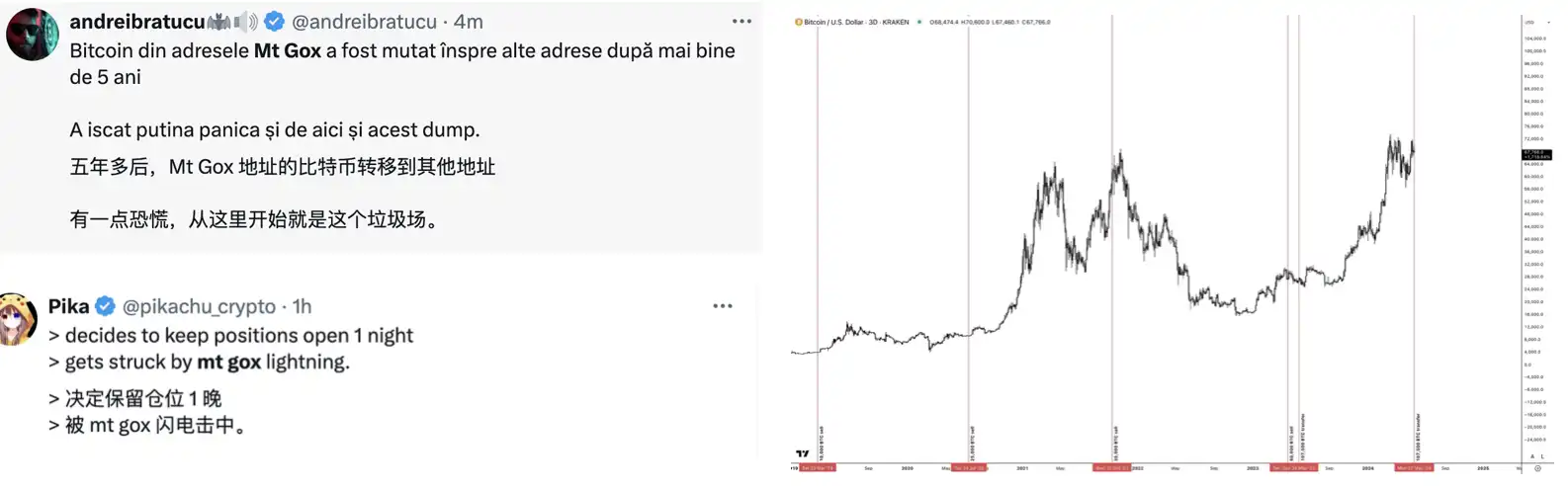
Despite institutional players now dominating the cryptocurrency market thanks to bitcoin ETFs, the impact of 140,000 bitcoins on trading markets continues to diminish. Aside from direct selling pressure, some argue psychological fear may still exert considerable influence.
Crypto KOL Ri Yue Xiao Chu tweeted, “Many compare it to Grayscale and think it won’t affect the market. I disagree… If payouts happen, the market will react… Fear often lasts for a while. But in reality, the actual selling pressure isn't as big as imagined, so this could be a good opportunity to buy the dip ahead of time.”
According to previous announcements by Mt.Gox, the deadline for repaying the debt of 140,000 bitcoins is October 31, 2024.
Revisiting the ‘Crypto Earthquake’ of a Decade Ago
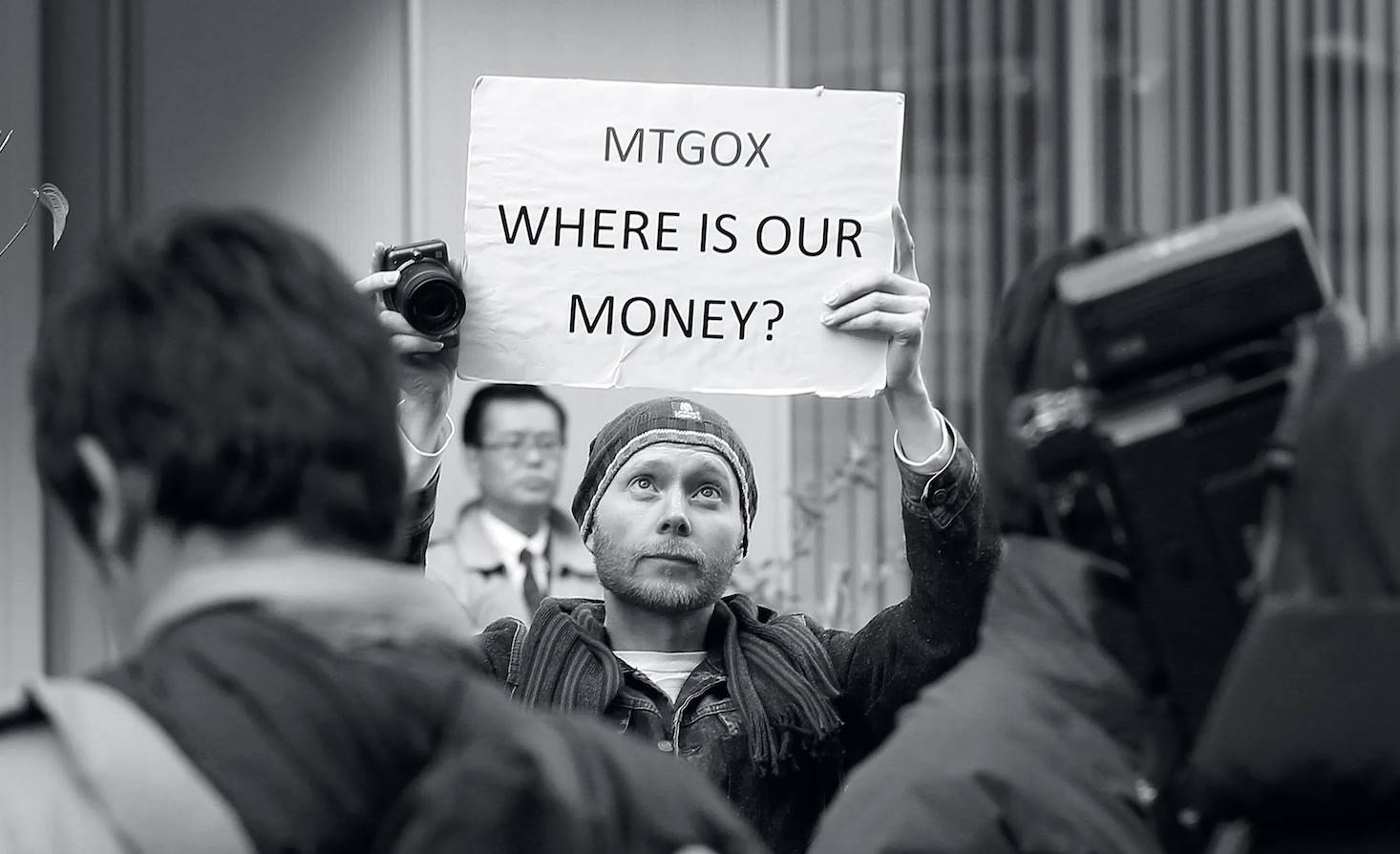
The Mt.Gox bankruptcy is one of the most famous incidents in cryptocurrency history. Originally established in 2010, Mt.Gox once dominated over 90% of global bitcoin trading volume at its peak.
In 2011, Mt.Gox suffered its first hacker attack, resulting in thousands of bitcoins stolen. Then in 2014, Mt.Gox abruptly announced that about 850,000 bitcoins (worth approximately $450 million at the time) were missing, suspended all trading, and filed for bankruptcy protection. This incident triggered a “seismic shock” across the crypto market, causing bitcoin’s price to plummet from a high of $951 that year to $309—a 67% drop.
Since declaring bankruptcy and liquidation, Mt.Gox has been entangled in prolonged negotiations with creditors. In the years that followed, bitcoin prices steadily climbed, reaching $19,000 by 2019.
In 2019, the Tokyo District Court ruled that Mt.Gox recover 141,000 bitcoins to be placed under trust management, and coordinate with creditors to vote on a settlement plan. According to Mt.Gox’s 2019 balance sheet, it held approximately 142,000 BTC, 143,000 BCH, and 69 billion yen (about $510 million at the time).
However, the 140,000 bitcoins valued in 2019 peaked at around $10,000 each. Two years later, when bitcoin surpassed $60,000, the Mt.Gox payout process was further delayed.
In 2022, Mt.Gox announced that its bitcoin repayment plan had been approved by the court. Django Bits, operator of the Mt.Gox creditor portal, indicated that the repayment process could take “months or even years.”
If Mt.Gox doesn’t renege this time, in five months, this decade-long, 800,000-bitcoin bankruptcy saga will finally come to a close. Mt.Gox returning to the center of community attention has sparked a wave of nostalgia among OGs. A decade ago, when Mt.Gox announced the loss of 800,000 bitcoins, Ethereum was just emerging and gradually moving toward the center of the crypto world. Ten years later, with the successive approval of bitcoin ETFs and ether ETFs, the crypto industry is entering a new phase.
Join TechFlow official community to stay tuned
Telegram:https://t.me/TechFlowDaily
X (Twitter):https://x.com/TechFlowPost
X (Twitter) EN:https://x.com/BlockFlow_News
 BlockBeats









