








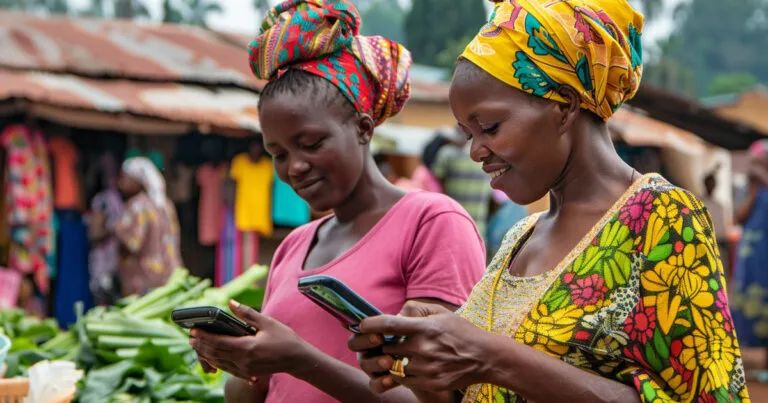
How Decentralized Payments Can Become the "Economic Gateway" in Developing Countries
TechFlow Selected TechFlow Selected
How Decentralized Payments Can Become the "Economic Gateway" in Developing Countries
The rise of Web3 payments in developing countries also suggests a profound shift in how we perceive and participate in financial transactions.
 Navigating Web3 tides with focused insights
Source: cryptoslate
Compiled by: Blockchain Knight
The world of financial transactions is undergoing a transformation, driven by the emergence of Web3 payment solutions.
While this evolution is visible globally, what stands out is that developing countries are leading this change.
Their proactive exploration of Web3 payment solutions reflects the flexibility and adaptability of developing nations, placing them at the forefront of financial innovation.
From revolutionary decentralized fund transfers to the democratization of payment tools, the rise of Web3 payments in developing countries signals a profound shift in how we perceive and engage with financial transactions.
Venturing into the uncharted territory of "decentralization," developing countries have the potential to surpass mature economies like the United States, ushering in a vibrant new era of the global economy.
For a long time, developing countries have faced numerous challenges regarding financial inclusion, such as costly and inefficient economic systems.
Traditional money transfer methods often involve fees of 10% or higher, cross-border payments can take up to five business days to process, and certain populations frequently lack permanent addresses, government-issued identification, or stable income—limiting their access to convenient transfer options.
However, the emergence of Web3 technology is reshaping this landscape, offering a new solution for those excluded from traditional financial systems.
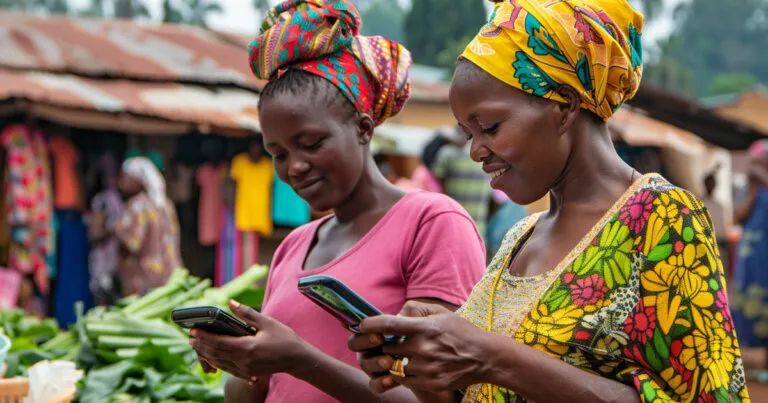
In developing countries, Web3 everyday payments are revolutionizing transaction methods across both macro and micro levels.
Whether purchasing meals, paying rent, or sending cross-border remittances, Web3 daily payments not only streamline the processes of sending and receiving funds but also reduce reliance on intermediaries, thereby alleviating bank-related "Know Your Customer" requirements and delays.
At the same time, using crypto assets for payments benefits business owners, as companies adopting crypto payments achieve an average return on investment (ROI) of 327%, with new customer acquisition rates surging by 40%.
Globally, we can observe successful implementations of Web3 payments in emerging economies such as Brazil.
From peer-to-peer crypto asset exchanges to decentralized protocols facilitating cross-border transactions, these platforms offer unprecedented transparency and security, restoring trust in previously questionable financial systems.
Indeed, the shift toward Web3 payments brings immense hope to developing nations. By removing barriers to financial access and promoting greater financial inclusion, it paves the way for economic empowerment and resilience.
As developing countries embrace the transformative potential of Web3 payments, they are not only narrowing the gap with developed nations but also becoming pioneers in the evolving global financial landscape.
The rapid adoption of Web3 payments in developing countries is driven collectively by economic, regulatory, and grassroots factors, each accelerating this trend.
Meanwhile, the impact of this adoption extends far beyond these nations' borders, contributing to reshaping global economic and financial development trends.
Developing countries’ adoption of Web3 payments is not merely about convenience—it responds to pressing economic and social needs.
In countries like Venezuela and Argentina, plagued by hyperinflation, traditional currencies have become unstable, while crypto assets provide a lifeline—offering both a stable store of value and a hedge against economic volatility.
Likewise, concerns over financial freedom and government overreach are driving crypto asset adoption in regions like Afghanistan, where the ability to freeze assets could have dire consequences, especially for marginalized groups such as women.
Due to the urgent need for alternative solutions, the regulatory environment in many developing countries is becoming increasingly favorable toward adopting Web3 technologies.
Recently, South Africa's FSCA clarified cryptocurrency regulations, sparking efforts toward formalization.
Recognizing the potential benefits of crypto assets, member states of the African Union continue taking proactive steps to establish frameworks supporting innovation and investment in this sector.
By providing clarity and regulatory certainty, these initiatives encourage the flourishing of Web3 solution ecosystems, further driving adoption and stimulating economic development.
Grassroots movements and entrepreneurial initiatives are playing an increasingly important role in driving global adoption of Web3 payments.
From community-driven projects to innovative startups, these efforts demonstrate a bottom-up demand for alternative financial solutions capable of addressing the unique needs and challenges faced by individuals and businesses.
Grassroots cryptocurrency adoption in low- and middle-income (LMI) countries continues to surge, with total adoption exceeding pre-bull market levels starting from the third quarter of 2020.
Notably, 40% of the global population lives in low-income countries—more than any other single income category.
As these grassroots movements grow stronger, they will lead the world into a new era of Web3 application. The Web3 revolution has only just begun, and the entire world is watching.
Join TechFlow official community to stay tuned
Telegram:https://t.me/TechFlowDaily
X (Twitter):https://x.com/TechFlowPost
X (Twitter) EN:https://x.com/BlockFlow_News
 @CryptoSlate









