








Claiming Airdrops in NFTs? Just One Feature! Explained: xNFT, Backpack's Secret Weapon
TechFlow Selected TechFlow Selected
Claiming Airdrops in NFTs? Just One Feature! Explained: xNFT, Backpack's Secret Weapon
Claiming airdrops via NFTs is just the appetizer of xNFT gameplay; it has the potential to turn wallets into a "Web3 WeChat."
 Navigating Web3 tides with focused insights
Author: Alex Liu, Foresight News
Can You Claim Airdrops Inside Your NFT?
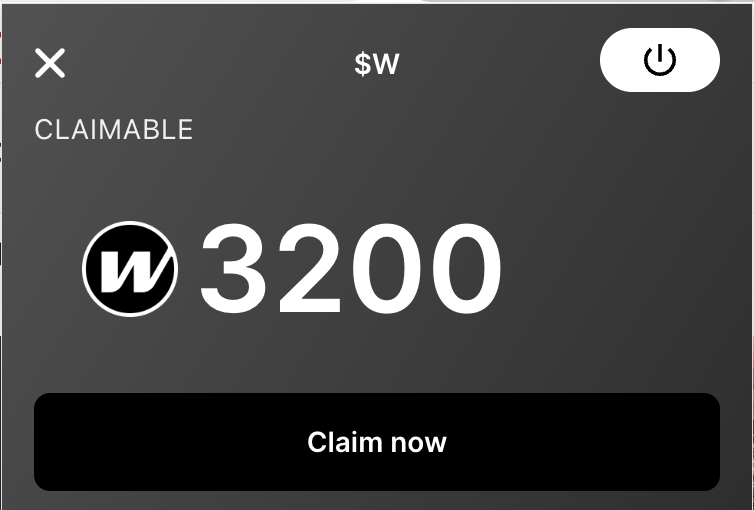
Mad Lads W airdrop claiming interface
Holders of Mad Lads NFTs have just claimed Wormhole's W token airdrop — not on the official airdrop website, but inside their "NFT." This novel experience has sparked curiosity. Upon closer inspection, it turns out that Backpack’s xNFT protocol tokenizes code, allowing NFTs to function as executable programs and enabling advanced, customizable features.
An NFT in your wallet is an executable program. Owning it grants you the right to use it. By combining NFTs with applications, Mad Lads previously built staking point systems and badge achievement systems within its NFTs—features known only to holders. The arrival of the Wormhole airdrop triggered widespread online discussions like “Does your Mad Lads have a W badge?” bringing this model into the spotlight.
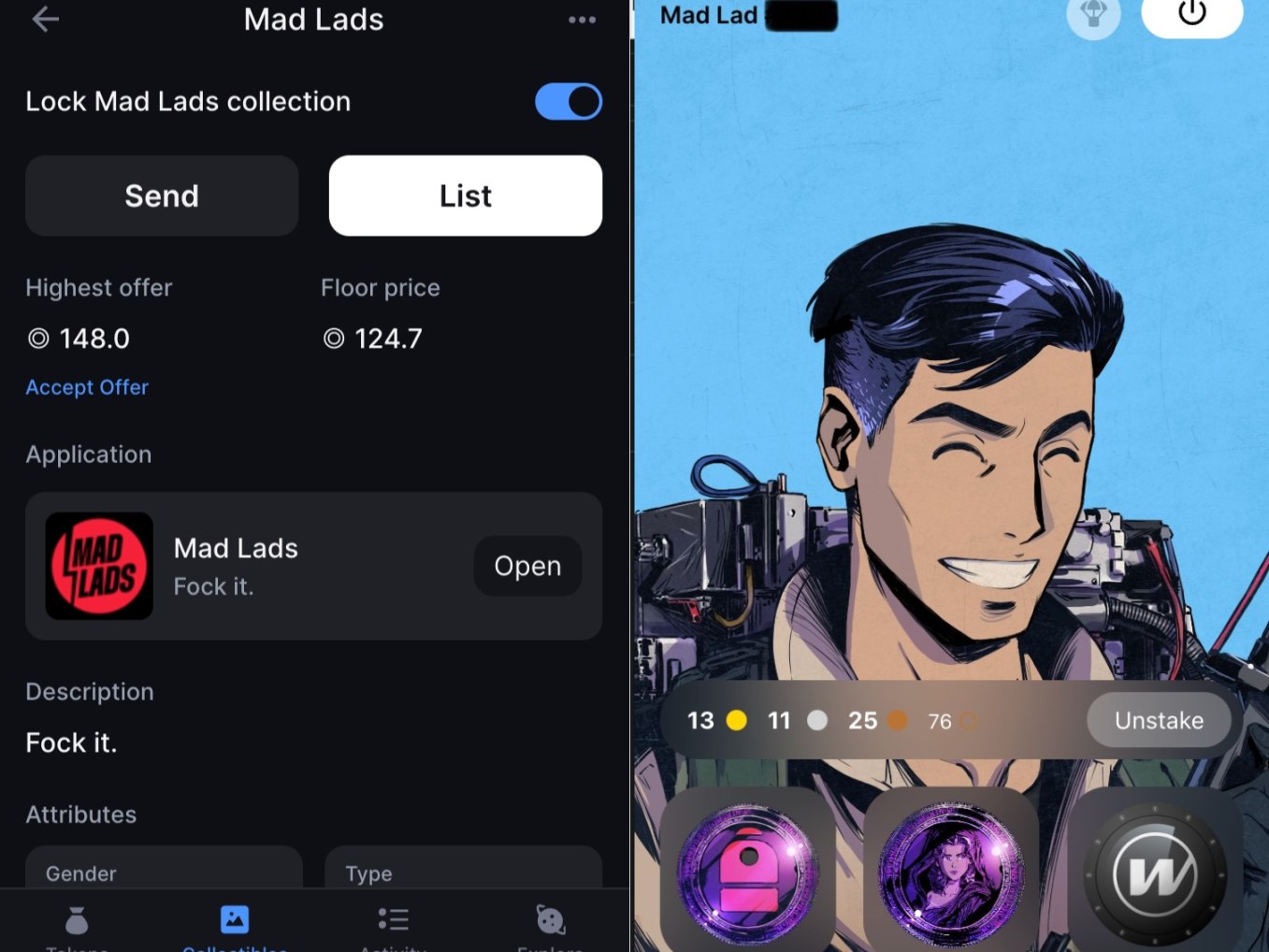
Mad Lads xNFT application entry (left), staking points and badge system (right)
People may have underestimated the xNFT protocol.
“Can you claim airdrops inside your NFT?” seems like a simple question. Currently, except for Mad Lads holders, the answer is uniformly “NO.” Even top-tier NFT projects that received project team airdrops require users to visit official websites to claim them; there's no direct interaction with the NFT itself. More commonly, PFP (profile picture) NFTs have had little value beyond art—even when eligible for airdrops. Such airdrops are disconnected from the NFTs themselves; value lies in the airdrop, not the NFT. One could simply sell the NFT after claiming, effectively reducing its value post-ex-dividend. The floor price trend of Tensorians following the TNSR airdrop somewhat validates this view.
As mentioned earlier, xNFT enables advanced and customized functionalities. Behind the Mad Lads airdrop module lies a complex unlocking contract. Beyond the initial 3,200 W tokens unlocked, the remaining 12,800 W tokens unlock linearly over one year. The airdrop moves with the NFT—“The NFT *is* the airdrop.” Sell it, and you lose any unclaimed W. After the Wormhole airdrop, Mad Lads’ price stabilized, and listed supply steadily decreased.
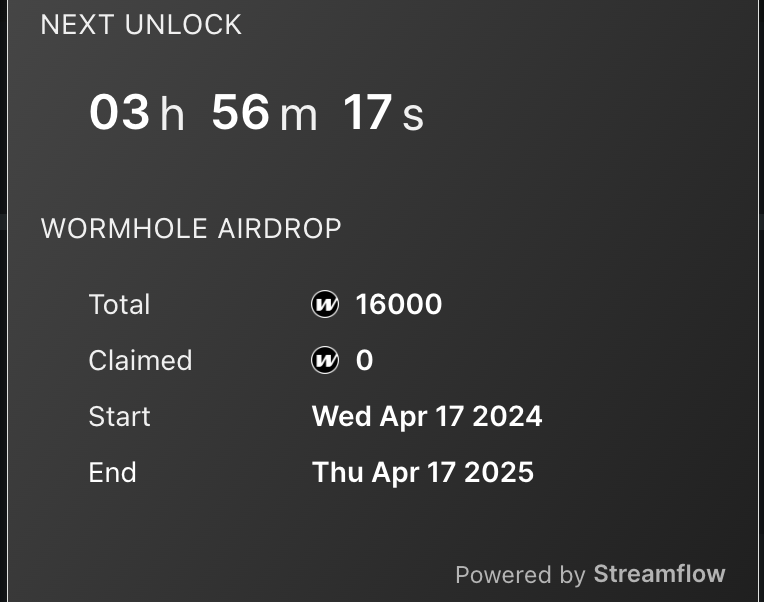
Mad Lads' W airdrop allocation unlocks linearly via vesting contracts
This is a simple use case of xNFT for distributing airdrops. It quickly becomes clear that the underlying idea—"application and NFT as one, NFT ownership equals application ownership"—might enable many more possibilities. Mad Lads was the first to showcase such potential, acting as a “promotional video.” This also explains why Backpack, primarily a wallet product, prioritized building the Mad Lads NFT community first—active and influential community members demonstrate what Backpack’s products can achieve.
There’s much more possible.
Web2 Dilemmas in the Web3 World
Let’s pose the problems first, then discuss solutions. Today’s Web3 world is actually quite “Web2.”
Browsers Stuffed Into Wallets
Why do startup teams want to build wallets? Why can crypto wallets—typically non-tokenized products—secure hundreds of millions in funding? Probably because everyone bets wallets will become the “traffic gateway” for Web3, just like browsers were for Web2. But here’s the issue: most current crypto wallets are essentially browsers with integrated wallet modules, wrapped in a shell. If the goal is to onboard traditional users using familiar Web2-like experiences, how do they compete against browser giants like Brave, which already integrates wallet functionality and has tens of millions of users?
Such wallets are highly replaceable. They merely replicate Web2 experiences without leveraging blockchain’s strengths as a public ledger or solving ownership issues. They fail to create truly native Web3 experiences.
Barriers to Joining Holder Communities
Many people buy NFTs to join Token-Gated Communities (communities where tokens serve as access passes). Being in chat groups with celebrities like Stephen Curry and Justin Bieber or top traders and founders was once BAYC’s biggest selling point.
But joining these communities remains difficult. First, transferring tokens from exchanges to a crypto wallet during NFT purchase can stump many users unfamiliar with on-chain interactions. Then comes visiting NFT marketplaces, authorizing transactions, and purchasing. After buying, users must go to project-specific tools to link Discord and verify NFT ownership via wallet.
If everything goes smoothly, you finally enter a Discord holder channel. This process is far from Web3-native. Any mistake along the way—sending to the wrong address, falling victim to phishing during authorization or verification—can lead to financial loss. As Web3 users, even when gifting a favorite NFT to a Web2 friend, unless we provide detailed step-by-step instructions, they’re unlikely to complete the process successfully. Can such user experience support mass adoption?
Web3 WeChat
How does xNFT solve these problems? What inspired it?
The Answer Lies in the East
In China, are browsers still Web2 traffic gateways? The domain name prices—now just a fraction of their peak—may hint at the answer. Few Chinese users type URLs into browsers anymore; instead, they directly use various apps. An even stronger trend is the rise of “super apps” like WeChat, where different services operate as “mini-programs” within the platform, making WeChat the new form of traffic gateway.
Executable NFTs Enable Native Experiences
Backpack co-founder Armani Ferrante is married to a Chinese woman and has openly stated that Backpack drew inspiration from China’s WeChat. Leveraging the xNFT protocol, Backpack aims to evolve toward a “Web3 WeChat” model.
With the xNFT protocol, “wallet + executable NFT” could replace “browser + web app” as a new, Web3-native interaction paradigm. In this model, Web2 concepts dissolve. Wallets manage assets, while executable applications become part of those assets. Users owning different xNFTs can access various dApps through them. The relationship between Backpack and individual xNFTs mirrors that between WeChat and mini-programs.
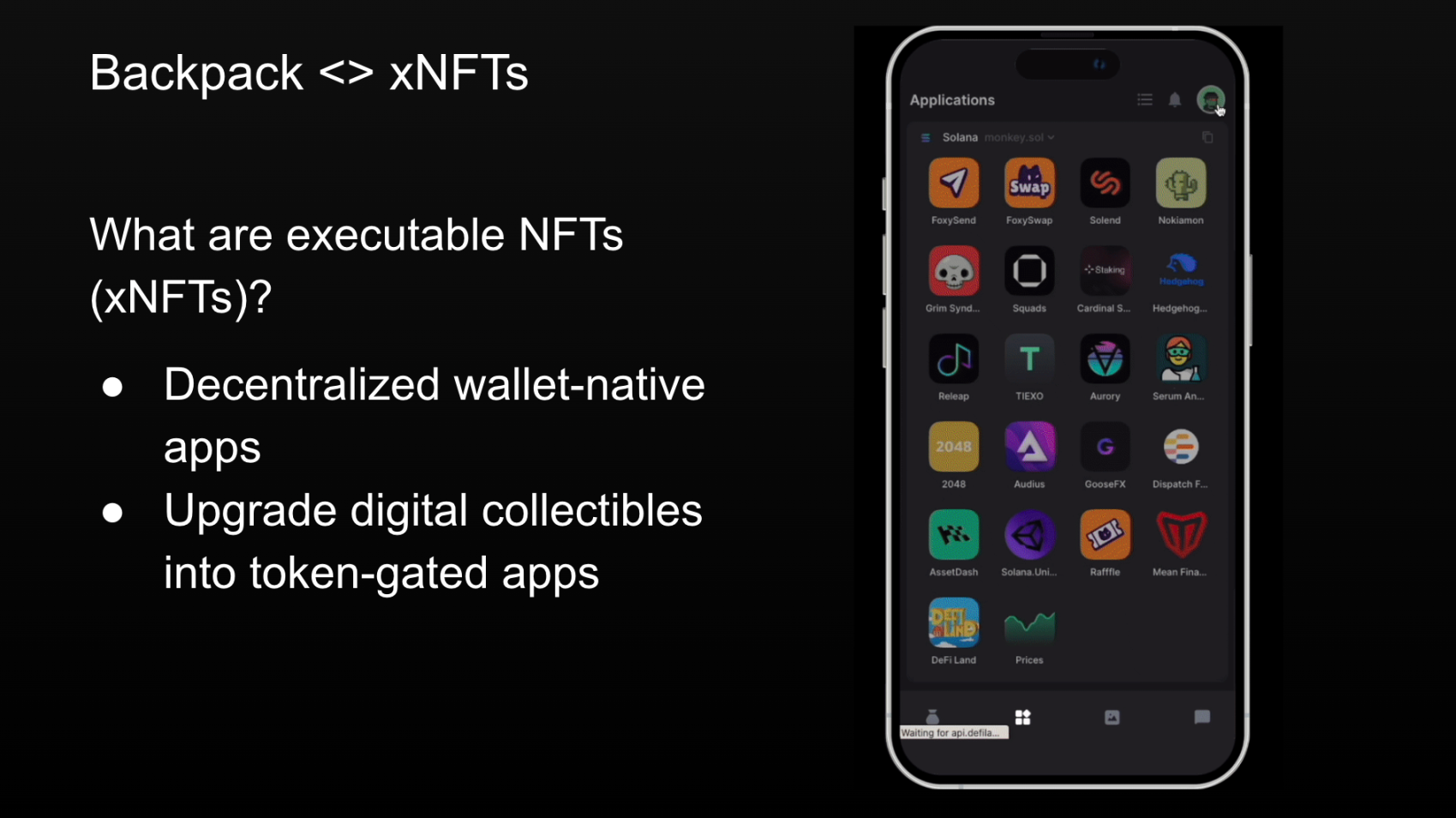
Managing native, token-gated applications within the wallet
Now imagine owning a PFP xNFT. Open and execute it, and you instantly enter an exclusive chat group for holders—all within your wallet. No need for Discord, no external NFT ownership verification sites, no complex steps. “Wallet + NFT” represents a more Web3-native interaction pattern, and feels more natural: owning this NFT should grant access to the private group—why involve unrelated websites?
Now, if you gift your favorite NFT to a Web2 friend, all they need is to download Backpack and share their wallet address. Once they receive the NFT, opening and executing it places them in the same encrypted holder community as you—successfully onboarded. This kind of user experience better supports mass adoption.
Everything happens within Backpack. Executable NFTs may make Web3 experiences truly native.
New Distribution Methods, New Traffic Gateways
xNFT enables new ways to distribute content and applications—and may help Backpack become a major traffic gateway.
In Web2, advertising is the most common way to get users to adopt your app. But this approach isn’t efficient. Bombarding YouTube with massive ad campaigns to earn user clicks is costly and doesn't guarantee reaching target audiences. To reach NBA fans, some Chinese companies display ads in Chinese at NBA arenas—but these expensive ads are meaningless to non-Chinese-speaking fans.
How can content and apps be distributed more precisely and efficiently?
Since xNFTs are applications, project teams can analyze on-chain interaction data to identify target users and directly distribute xNFTs to wallets exhibiting specific behavioral patterns. For example, a blockchain game developer could airdrop their xNFT app for free to wallets of well-known blockchain gaming enthusiasts while selling it at regular price on NFT marketplaces. Would players who received a premium game for free be inclined to try it? If they enjoy it, would they naturally promote it, boosting overall sales? Likely yes.
This entirely new distribution method could attract many developers to package their apps as xNFTs and distribute them via Backpack. In turn, Backpack could emerge as a key “traffic gateway,” a “Web3 WeChat.”
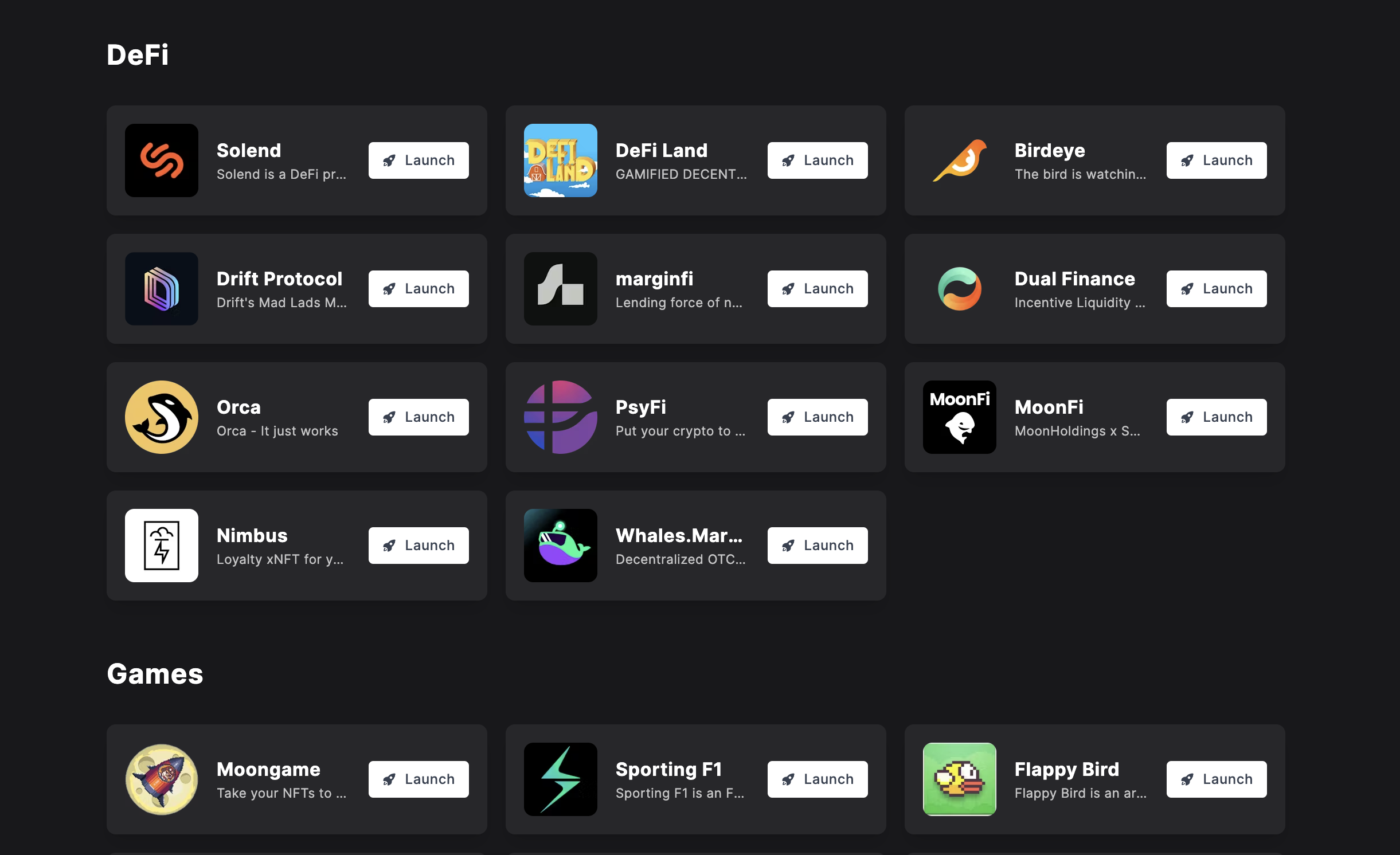
DeFi and gaming xNFTs on the xNFT store xnft.gg
A Key Piece of Backpack’s Vision
Backpack co-founder Tristan Yver said in his Consensus 2023 talk that it was the power of the xNFT idea that made them believe founding a company around it was worthwhile. This underscores xNFT’s critical role in Backpack’s long-term vision.
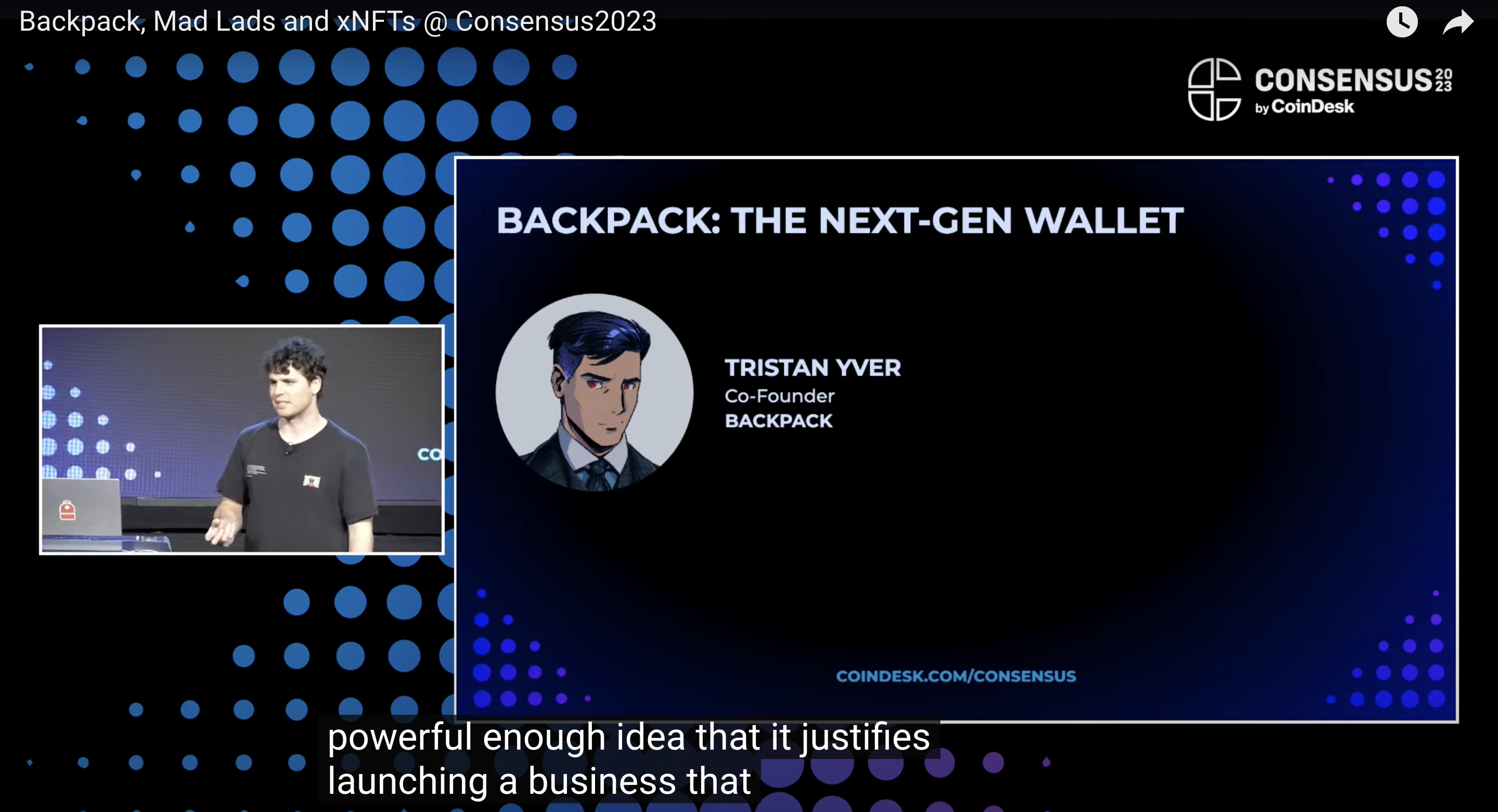
Tristan Yver speaking at Consensus 2023
Trying Backpack’s mobile exchange app reveals attempts to tightly integrate exchange and wallet functions. Two traditionally separate features share similar UI designs and allow instant switching. The author believes Backpack is trying to unify today’s fragmented user experience by integrating all crypto-related functions into a single, cohesive interface. Achieving this vision likely depends on xNFT’s ability to make Web3 experiences native and help Backpack become a central traffic gateway.
Note: This article reflects the author's personal views, based on publicly available internet information. Accuracy is not guaranteed. It is unrelated to Backpack.
Join TechFlow official community to stay tuned
Telegram:https://t.me/TechFlowDaily
X (Twitter):https://x.com/TechFlowPost
X (Twitter) EN:https://x.com/BlockFlow_News
 Foresight News






