









Inside Nvidia's Profit Hub: Rethinking a Neglected Web3.0 Sector
TechFlow Selected TechFlow Selected
Inside Nvidia's Profit Hub: Rethinking a Neglected Web3.0 Sector
What inspiration does NVIDIA offer for Web3.0?
 Navigating Web3 tides with focused insights
Author: Hedy Bi, OKG Research
Recently, Nvidia released its Q4 2023 financial report, surpassing Wall Street expectations and performing strongly in after-hours U.S. stock trading. Through an analysis of Nvidia’s earnings report, OKG Research found that its primary source of profit is its data center business (USD 18.4 billion), which achieved over 400% growth in the fourth quarter of fiscal year 2024, accounting for as high as 83.3% of total revenue. However, we may sometimes limit our view to a single perspective when examining Nvidia's operations, failing to fully capture the core logic of its business strategy and founder Jensen Huang’s grand ambitions. What exactly is a "data center" for Nvidia? And what insights can Nvidia’s asset-light model and extreme focus on data offer Web3.0, where “data is the asset”? In this article, we explore these questions.
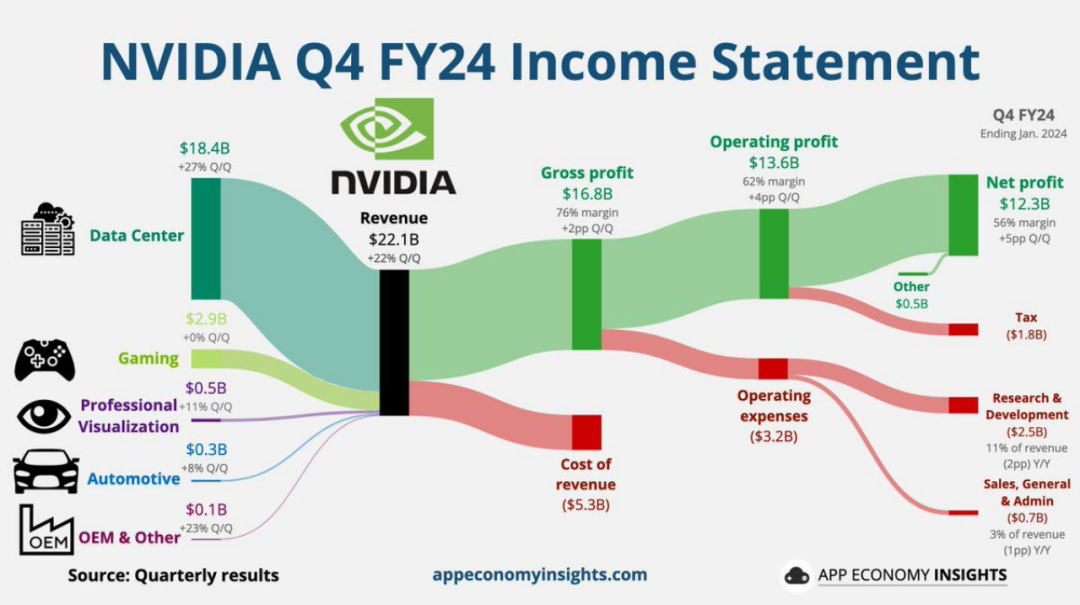
Figure 1: Nvidia’s Q4 Fiscal Year 2024 Earnings Overview
Source: Quarterly results, appeconomyinsights.com
Note: Companies have different fiscal year definitions
What exactly is the data center driving massive revenues for Nvidia?
In a recent interview with Lauren Goode, Jensen Huang stated: “We are building a new type of data center. We call it an AI factory. With today’s data centers, many people share a set of computers and store their files in this large facility.” According to Nvidia’s latest earnings report, its data center business includes AI chips, more than half of whose revenue comes from cloud service providers. Its operating margin reached a record high of 61.6%, driven by Nvidia’s asset-light + “sell shovels” business model (Figure 2).
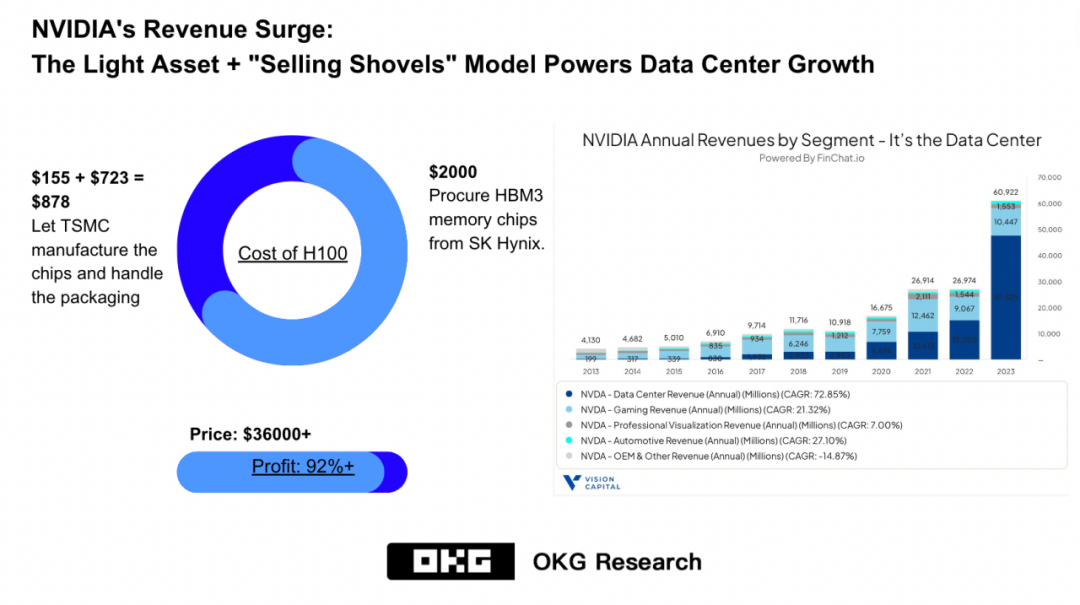
Figure 2: Using H100 as an example, Nvidia adopts an asset-light + “sell shovels” model
Source: OKG Research, Vision Capital
Nvidia isn’t alone in focusing on data. According to Microsoft’s latest annual report (Figure 3), its main profit center is not its flagship product Office, but rather its Intelligent Cloud business, primarily dedicated to data storage and processing.
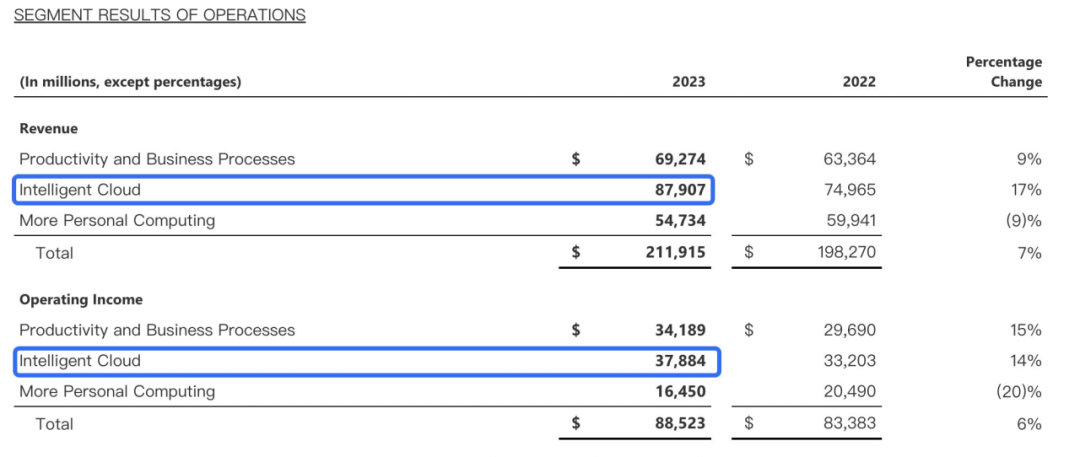
Figure 3: Microsoft’s FY2023 Financial Report
Source: Public information from Microsoft’s official website
From AI to Web3.0: Data Will Also Be the Core Profit Driver in Web3.0
The core logic remains unchanged when upgrading from Web2 to Web3.0. In Web3.0, when all data is open-source and anyone can query on-chain transactions and data via blockchain explorers—especially as innovative applications like GameFi, DeFi, DeSci, and DePIN emerge—users will increasingly focus on these new applications. Yet every interaction within these applications generates on-chain data, making such data readily accessible and causing related business models and potential profits to be overlooked. Just as attention often focuses on Microsoft’s Office products, while it is actually the data-centric Intelligent Cloud that generates the company’s highest revenue.
The data-focused strategies of both tech giants offer valuable lessons for Web3.0. Microsoft and Nvidia generate their largest revenues not from directly producing data, but from businesses deeply tied to data. Within the AI industry chain, Nvidia’s most profitable segment lies precisely in the data/algorithms layer—not the application layer. Or, as Jensen Huang puts it: “We try not to serve any particular industry, but we excel at AI computing.” This characteristic of being “industry-agnostic and foundational” allows Nvidia to serve multiple industries simultaneously.
Currently, AI applications require substantial computing resources and storage capacity for high-performance data processing and analytics. Nvidia’s data centers provide powerful computing capabilities and large-scale storage infrastructure.
In Web3.0, companies such as Chainalysis and OKLink expand their commercial footprint based on on-chain data (Figure 4). This direct entry into the on-chain data space mirrors Nvidia’s approach of “not serving any specific industry,” meaning they can deliver value across all public blockchain ecosystems. The more public blockchains a company integrates, the greater its commercial value—and the stronger its demonstrated data processing capability.
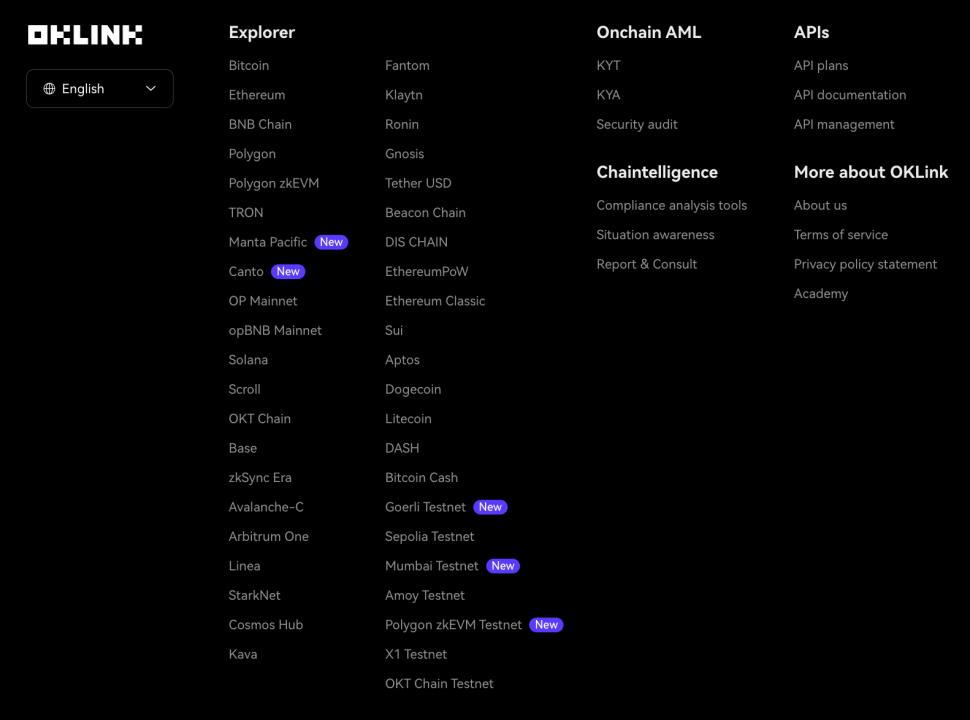
Figure 4: OKLink’s On-Chain Data Business Landscape
Source: oklink.com
Unlike Web2, where data is controlled by centralized platforms, Web3.0 gives users far greater opportunities to manage their own data effectively. Web3.0 empowers individuals with data sovereignty and control. Data in Web3.0 is no longer passively used—it becomes an active asset enabling user participation in innovation, value exchange, and co-creation. This shift has given rise to new methods of data processing, verification, privacy protection, and analytics, opening up fresh opportunities and possibilities for users.
Whoever Builds the Web3.0 Data System First Will Establish Leadership
Beyond individual explorations in areas like on-chain data analytics and privacy protection, from a systemic view of the AI industry chain, we can broadly divide it into hardware layer, data/algorithms layer, large models layer, and application layer. For Nvidia, its data centers tightly focus on AI computing, engaging across the hardware, data/algorithms, and large model layers—gradually establishing a competitive advantage that rivals find hard to match.
Similarly, the Web3.0 industry chain can be divided into blockchain layer, service layer, and application layer (Figure 5). At the blockchain layer, blockchain explorers serve as fundamental tools for querying on-chain data, supporting data analytics, research reports, and consulting services. Solving data scalability has also become a hot area, with Layer2 solutions offering higher transaction throughput and lower fees—critical for building scalable Web3.0 applications and handling large-scale data. At the service layer, digital identity and wallets rely heavily on verification, tracking, and visualized path mapping of on-chain data. At the application layer, customized data services and solutions cater to various industries, such as RWA and on-chain analytics tools integrated with finance. Businesses centered around on-chain data span the entire industry chain.
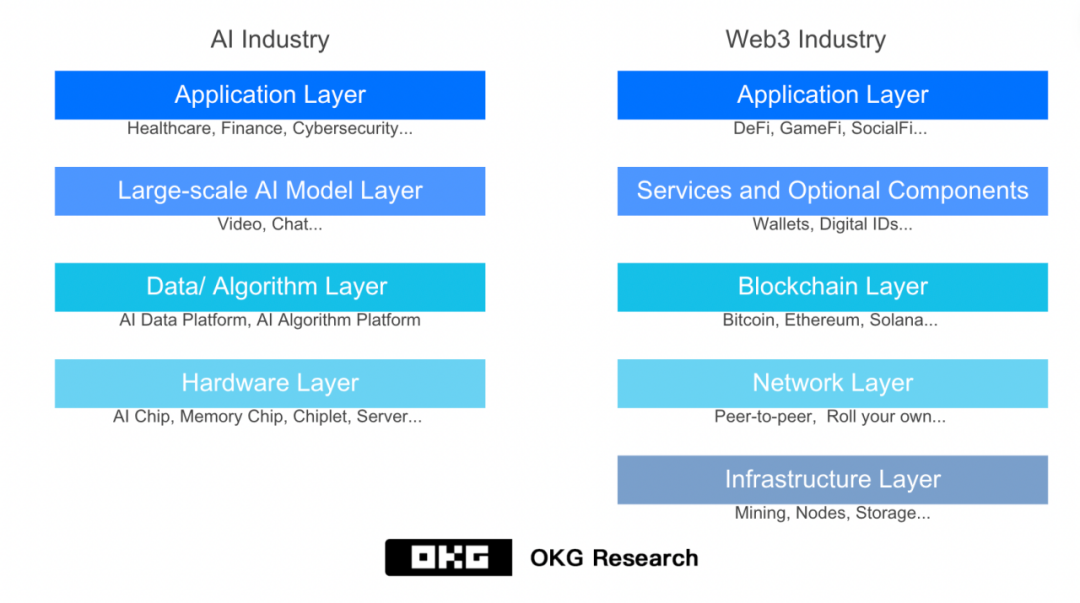
Figure 5: AI and Web3 Industry Technology Stacks
Source: OKG Research
However, on-chain data has unique characteristics: decentralization and openness. Therefore, unlike Nvidia’s “data center,” there is no concept of a “center” in Web3.0. Yet companies capable of building their own on-chain data systems—or, in Web3.0 terms, establishing their own “ecosystems”—will gain absolute advantages in the industry. Currently, two main business models dominate the sector.
The first, well-known model involves building an ecosystem around a single public blockchain. A successful example is the Ethereum ecosystem, which hosts numerous decentralized applications (DApps) and smart contract platforms, attracting broad developer and user engagement.
The second model, currently underappreciated, is “directly entering on-chain data and building a data system.” Because on-chain data is open-source, its commercial value is often overlooked. However, some players entered this space years ago. For instance, OKLink uses multi-chain browsers as data access points and continuously develops compliance-oriented on-chain data tools tailored for institutional clients, meeting diverse user demands.
This model emphasizes delivering high-quality, reliable on-chain data services, evolving and innovating data tools to meet the needs of various industries and users. Especially as the industry shifts from wild growth to regulated development, traditional financial institutions’ requirements for assets are now reflected directly in on-chain data. In Web3.0, on-chain data equals assets—making the systematic construction of an on-chain data system increasingly crucial for this sector (Figure 6).
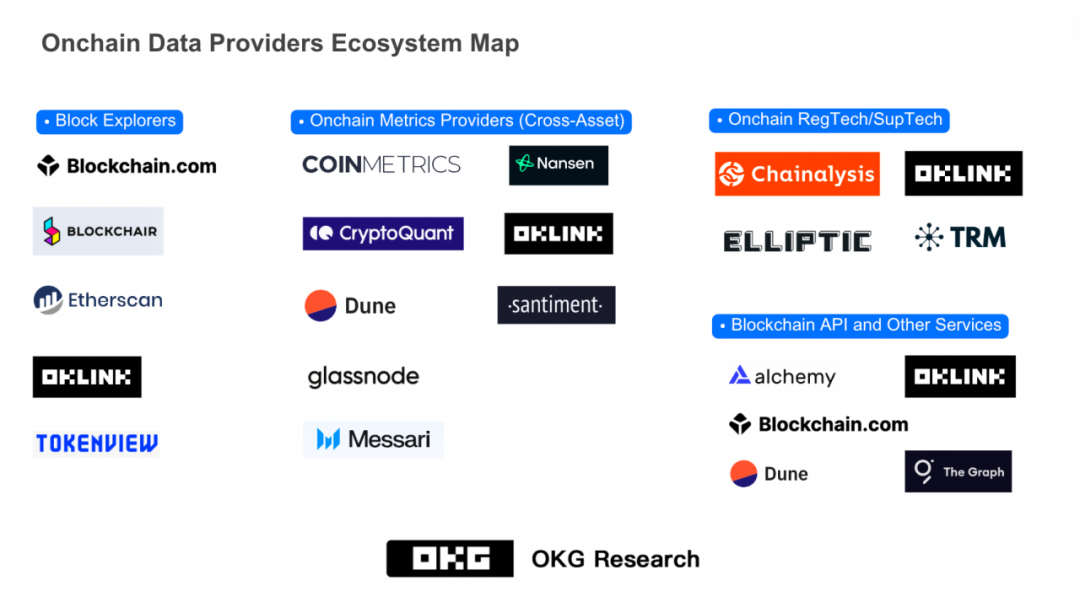
Figure 6: Web3.0 On-Chain Data Sector Industry Landscape
Source: OKG Research
Regarding the open-source nature of data, several cases from the big data industry offer insights: Cloudera, Hortonworks, and MapR—the three leading U.S. big data firms built on Hadoop—successfully commercialized Hadoop, discovered new business models, and captured significant value. Notably, Cloudera and Hortonworks have listed on the NYSE, gaining market recognition.
A Hundredfold Growth Potential Still Awaits
Currently, Nvidia’s market capitalization exceeds USD 2 trillion, with its data center segment valued at approximately USD 1.6 trillion; Microsoft’s data-related valuation is preliminarily estimated at USD 1.2 trillion. Meanwhile, players in the on-chain data sector are still growing alongside the emerging Web3.0 industry. Based on public information, the highest-valued company in this space reaches only USD 8.6 billion—representing over a hundredfold gap compared to the data businesses of Web2 tech giants.
In the Web2 era, companies that tightly focused on data—particularly in areas like computing and storage—achieved trillion-dollar market valuations. In the Web3.0 era, this experience offers valuable guidance. Companies that move first to build comprehensive on-chain data systems will secure a leading position in this decentralized Web3.0 world.
Join TechFlow official community to stay tuned
Telegram:https://t.me/TechFlowDaily
X (Twitter):https://x.com/TechFlowPost
X (Twitter) EN:https://x.com/BlockFlow_News
 @OKGResearch









