








Apple, Samsung, Google and other tech giants are betting on XR—will it become mainstream, or is this another collapse of the metaverse?
TechFlow Selected TechFlow Selected
Apple, Samsung, Google and other tech giants are betting on XR—will it become mainstream, or is this another collapse of the metaverse?
With Apple's near-cult following, adoption rates for XR devices could surge.
 Navigating Web3 tides with focused insights
Author: Rory Greener
Translation: MetaVerse Heart
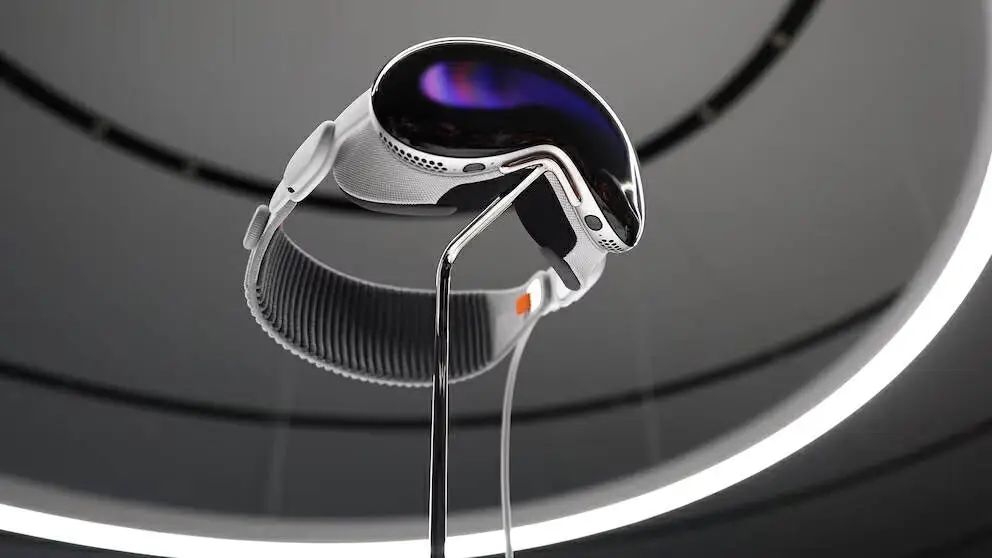
Apple's Vision Pro has officially launched. After years of leaks and previews, the tech giant has finally released this product to users in the United States.
Apple’s entry into this market could mean several things: with its near-cult-like following, adoption rates for XR devices may surge, and greater attention might be drawn to Apple’s spatial productivity mission.
This year, XR could go mainstream. With a major player like Apple placing a strong and decisive bet on the market, XR may finally gain the momentum needed to achieve what once seemed like a distant corporate goal.
Pre-orders for the device have already sold out. While some purchases may come from scalpers and bots, an estimated 180,000 units sold could positively impact adoption after launch.
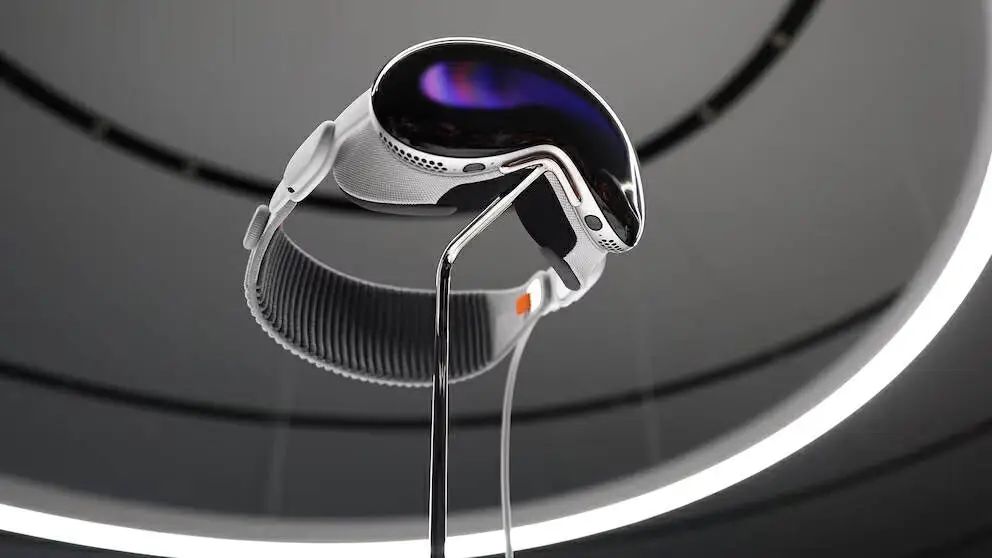
Moreover, Apple is eager to introduce new users to XR and its related technologies. Still, XR and “next-generation” computing remain unfamiliar concepts for many users.
Some people simply don’t understand these technologies, while others—accustomed to older tech—are reluctant to learn about them.
Apple is taking a hands-on approach to educate users and overcome their knowledge gap around XR. The company is flying XR experts to retail stores across the U.S. to conduct 25-minute demonstrations and onboarding sessions for staff, helping guide potential customers through the product.
Additionally, as international media anticipates a global release window at WWDC 24, Vision Pro adoption may continue to rise. However, whether the device will reach enterprise end-users remains an open question.
Although the device offers impressive productivity gains, we have yet to see a clear roadmap for widespread enterprise adoption. Meanwhile, competitors like Meta and Microsoft are actively working to get XR devices into employees’ hands.
Can Apple’s vision of spatial computing reach enterprise customers?
Enterprise applications may eventually arrive. Some believe it’s as simple as giving Quest headsets as holiday gifts under the Christmas tree to familiarize more consumers with XR and thus drive its popularity.
Similar to smartphones and its iOS platform, Apple excels at starting with consumer-focused immersive productivity devices. Perhaps Apple will take the first step, driving consumer adoption of spatial productivity tools, eventually placing Vision Pros in every office building.
Tom Carter, CEO and co-founder of Ultraleap, commented on the Vision Pro launch:
"We welcome Apple and Vision Pro. We see its launch as validation of over a decade of work we’ve dedicated to perfecting XR: blurring the lines between virtual and real, breaking down key barriers to XR adoption, and making it more aligned with consumer and user needs."
"Users want less strain when using XR devices, and what sets Apple’s Vision Pro apart from other products on the market is its focus on a 'fingers-first' user interface, allowing arms to remain in relaxed positions. Users interact with content through simple pinches of the fingers."
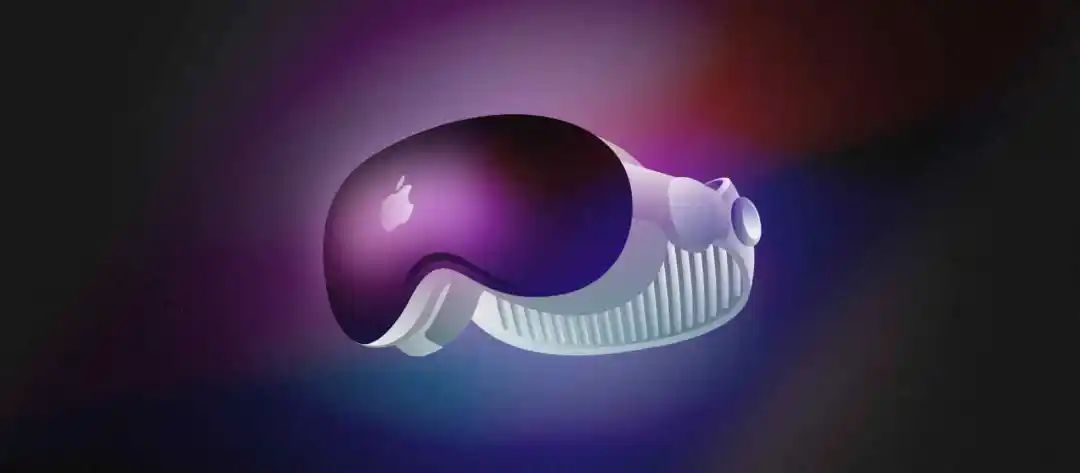
Carter also highlighted how Ultraleap technology goes "a step further," achieving millimeter-level precision.
"Users can scroll by simply rubbing their thumb against their fingertip, bringing natural, tactile interactions into digital environments."
"Apple’s arrival will only push the entire market forward—we look forward to being part of that journey."
Comments like Carter’s are significant. While Apple dominates headlines and brings potential “mainstream moments” to casual audiences, XR enthusiasts already have countless options—from specialized XR hardware providers to solution vendors laying the groundwork for enterprise-grade XR.
From Ultraleap to Xreal, HTC Vive, and Immersed—the list goes on. It is hoped that as more people discover XR through Apple, other companies in the space will also thrive.
Furthermore, as Apple dives deeper into XR, other giants like Samsung, LG, and Google appear to be eyeing the market, closely watching Apple to see if its XR bet pays off.
Will we witness another 'metaverse crash'?
Despite the promising outlook, sharp-eyed XR observers might experience déjà vu.
Not long ago, Meta CEO Mark Zuckerberg was touting the metaverse as the next big thing.
Fueled by 2022/2023 tech trends like NFTs, the metaverse concept captured imaginations through incredible marketing, convincing many that immersive worlds were the future.
Many startups built extensive metaverse services—a trend that may still persist—but Meta’s prediction came a decade too early.
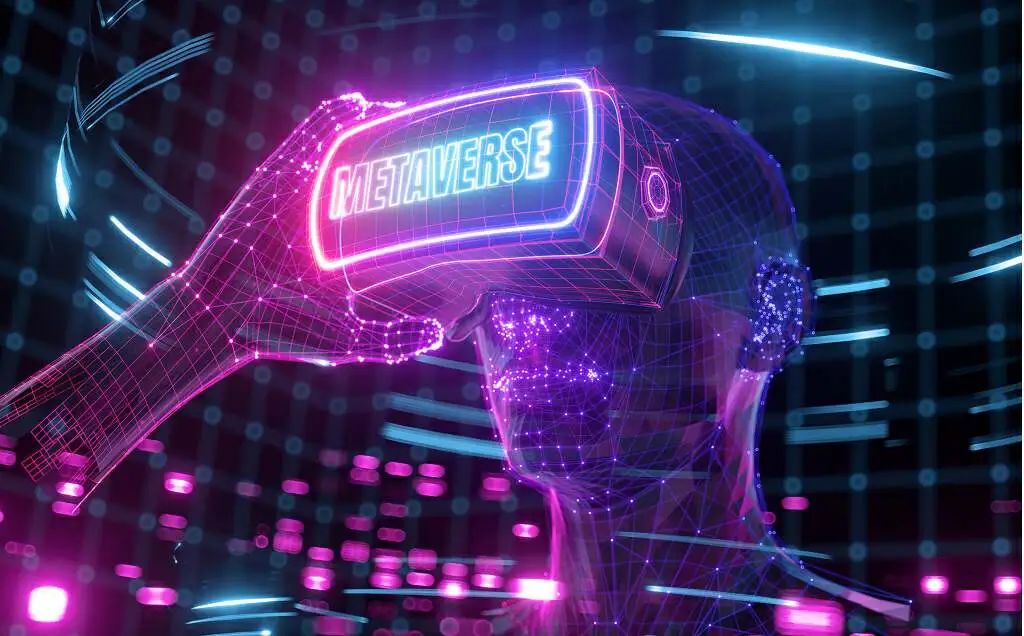
Given the pandemic and the rise of remote meeting apps, it’s no surprise the metaverse captured public imagination. Unfortunately, at Meta’s 2023 Connect event, the company didn’t even mention its previously hyped digital dream.
Reports also emphasized how quickly user numbers declined on Meta Horizon. Like others, Meta has now shifted focus toward MR devices and the industrial metaverse.
Apple wants to distance itself from that era—avoiding terms like mixed reality or metaverse, instead using “spatial computing” to describe its solution.
Due to its high price, Apple may struggle to find buyers beyond its loyal, devoted fanbase.
As Apple appears to have learned from the 2023 metaverse crash, XR may be approaching its next mainstream moment—but how long will it last?
Join TechFlow official community to stay tuned
Telegram:https://t.me/TechFlowDaily
X (Twitter):https://x.com/TechFlowPost
X (Twitter) EN:https://x.com/BlockFlow_News










