








Uncovering the Next 100x Alpha in the Stacks Ecosystem: "BTC Ecosystem"
TechFlow Selected TechFlow Selected
Uncovering the Next 100x Alpha in the Stacks Ecosystem: "BTC Ecosystem"
If the "Nakamoto" version launches successfully in the first quarter of 2024, Stacks could very likely experience a breakout under the BTC Layer 2 narrative.
 Navigating Web3 tides with focused insights
Author: Asher
Editor: Qin Xiaofeng
Stacks: A Bitcoin Layer 2 Solution
Basic Information
The Stacks blockchain was co-founded in 2013 by Muneeb Ali and Ryan Shea, originally named Blockstack and later rebranded as Hiro Systems PBC. One of the project's distinguishing features is that it raised funds under SEC regulation via Reg A+, making it a blockchain project compliant with SEC standards. To date, Stacks has completed five funding rounds totaling $88 million (see figure below).
Image source: Rootdata
According to official announcements, Stacks plans to launch a new version called "Nakamoto" in Q1 2024. The highlight of this upgrade is transaction speed—increasing block time from the current 10–30 minutes (tied to Bitcoin L1) to just 5 seconds per block.
Inscriptions Drive Stacks' Popularity
The recent surge in interest around inscriptions has also reached the Stacks chain. Since the launch of its first inscription project, STXS, the price of STX has risen from $1 to around $1.50—an increase of approximately 50%.
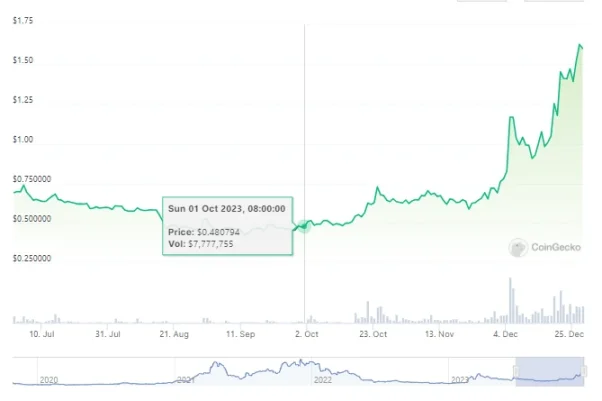
Image source: CoinGecko
More notably, after STXS gained popularity, most exchanges suspended STX withdrawals for much of the past week. Today, exchanges have gradually resumed withdrawal services, though many have significantly increased withdrawal fees. The chart below shows current exchange support for on-chain wallet withdrawals.
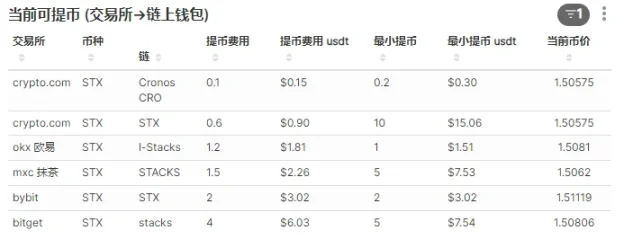
Exchange Withdrawal Status
Ecosystem Development
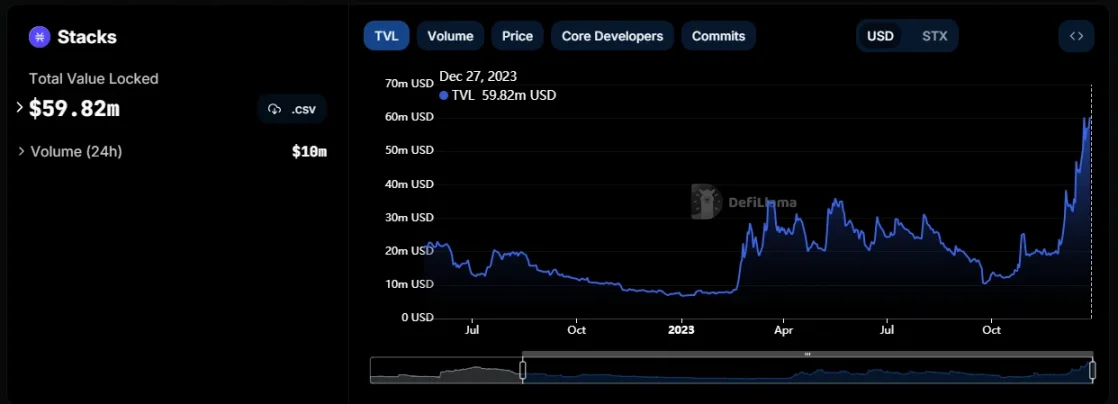
Image source: DefiLlama
Analyzing on-chain data from Stacks reveals that its ecosystem remains in early stages, with a total value locked (TVL) of nearly $60 million. If product upgrades proceed smoothly in 2024 while riding the momentum of the BTC L2 narrative, there’s strong potential for several projects within the ecosystem to reach valuations exceeding $100 million—or even surpassing $1 billion. So, which sectors and leading projects are currently worth watching? Odaily Planet Daily compiles the most notable projects gaining traction in the Stacks ecosystem.
Inscription Sector
During this wave of inscription enthusiasm, Stacks has developed its own native inscription projects. While not matching the热度 seen on Ethereum or Solana, Stacks has produced standout projects such as STXS—the first inscription launched on the chain—which has gained significant traction in Western markets and enjoys official support. Currently, the market capitalization rankings of inscriptions issued on Stacks are shown in the chart below. It’s clear from the data that inscription development on this chain is still very nascent—even the leading project, STXS, has a market cap under $7 million, and only three inscription projects exceed a $100,000 valuation.
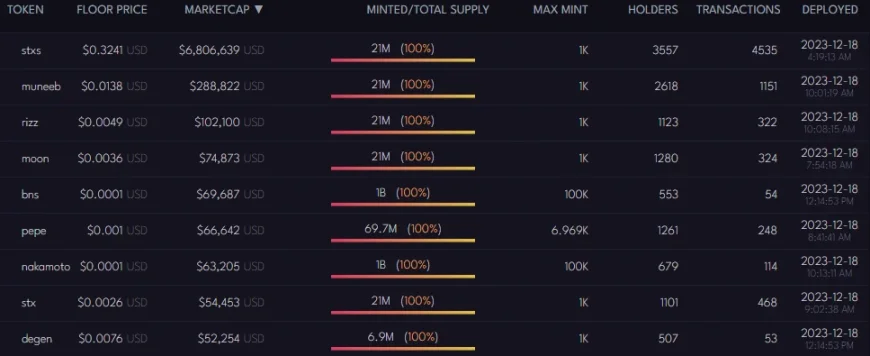
Market Cap Ranking of Stacks Inscriptions
Although the overall market cap of the Stacks inscription market remains small, secondary trading platforms already exist (see figure below). After one version iteration, the basic user experience for trading STX-20 projects on these platforms is functional, though some pain points remain:
-
Excessively long pending times during purchases. Due to the current Stacks protocol syncing block times with Bitcoin, even simple transfers can take over 20 minutes. Additionally, the platform requires six block confirmations after a transaction is recorded on-chain before completion, further extending transaction duration—estimated at nearly two hours minimum.
-
Users unfamiliar with gas adjustments often leave transactions stuck in pending status. Most users rarely interact with wallets on Stacks, if at all, so they don’t know how to adjust gas fees when transacting. This leads to failed transactions and network congestion (where subsequent transactions cannot proceed until prior ones are confirmed), forcing users to wait up to 256 blocks for unconfirmed transactions to expire automatically before retrying.
Precisely due to these issues, immediately after the secondary marketplace launched, the floor price of top inscription STXS plummeted from an OTC high of $600 to a low near $200, now stabilizing around $300. However, compared to other chains launching inscriptions, Stacks developed a secondary exchange within just one week and released an improved second version shortly after Christmas—an impressively fast pace. Should Stacks successfully increase block speeds in Q1 next year, most transaction challenges would be resolved, potentially driving substantial growth across inscription-based projects. Therefore, this space warrants close attention.
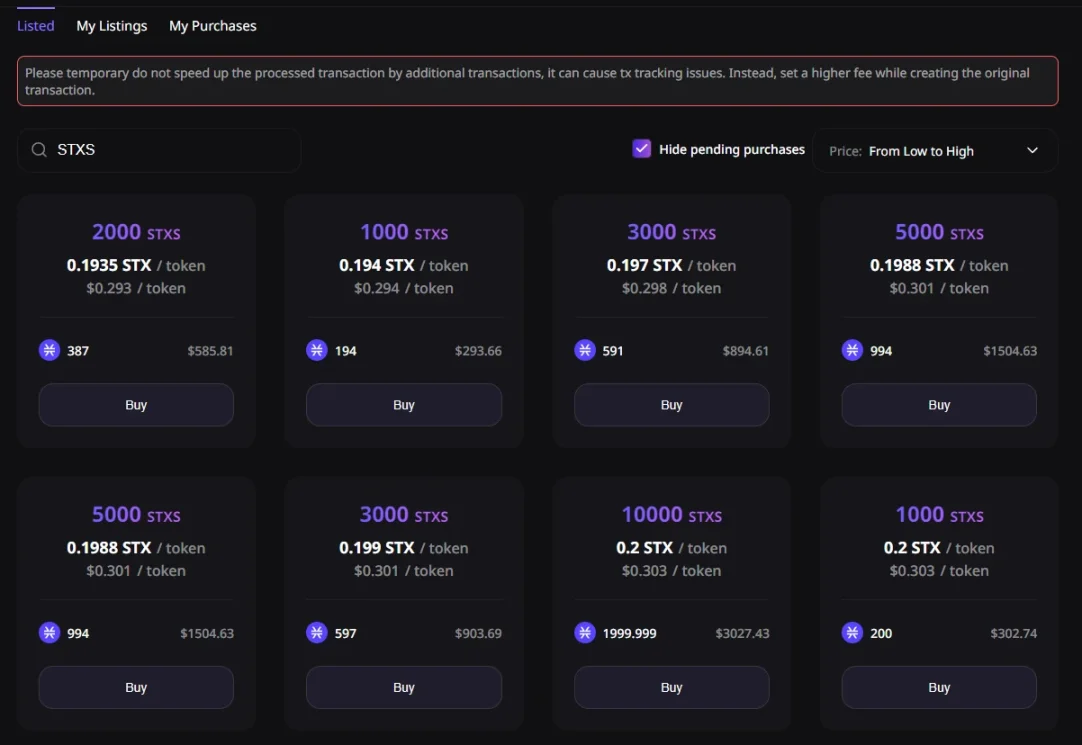
Image source: stx20.com
DeFi Sector
ALEX
ALEX is an open-source DeFi protocol built on the Stacks blockchain, aiming to deliver a full suite of DeFi products for the Bitcoin network. Currently, ALEX holds a position on Stacks similar to Uniswap on Ethereum.
Currently, ALEX’s mainnet offers Swap, lending, staking, yield farming, and a Launchpad. Moreover, amid rising interest in BRC-20 tokens, ALEX has launched an order-book-based BRC-20 exchange.
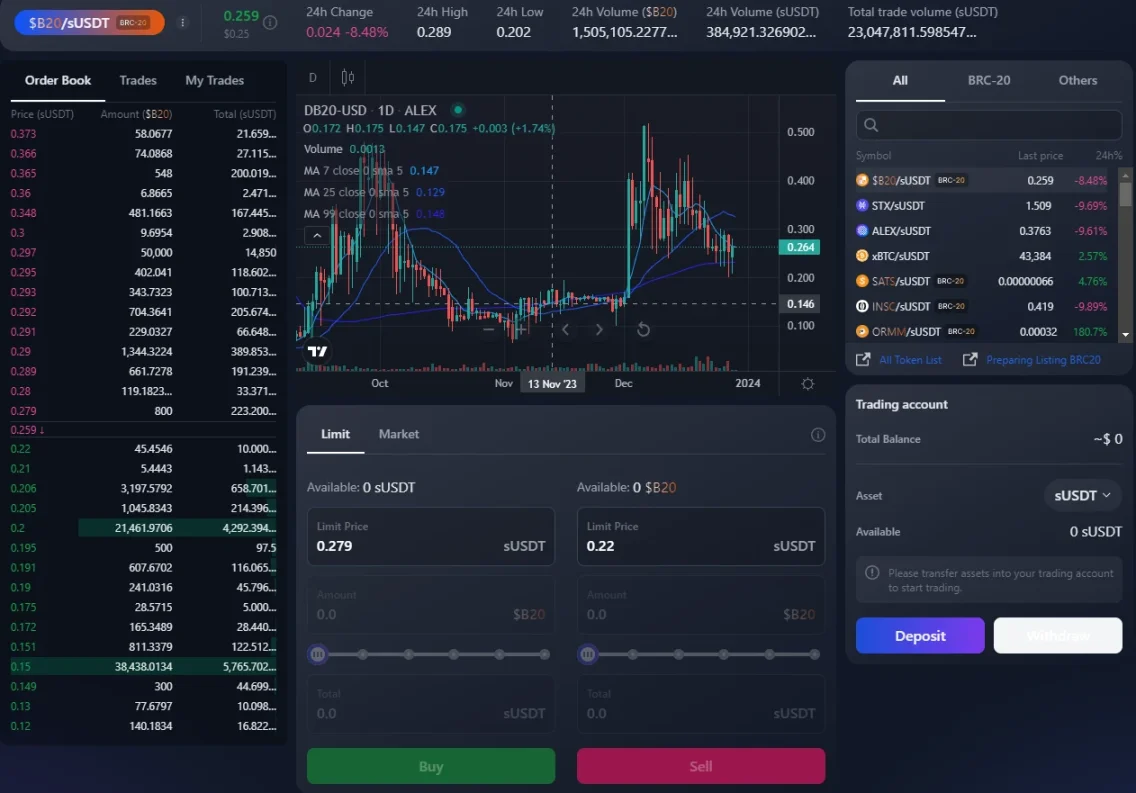
Notably, ALEX’s Launchpad service deserves attention. As part of the trending sector, ALEX has entered this space as well. Its latest Launchpad offering involves a relaunch of a veteran OG project with existing community backing—making it particularly noteworthy.
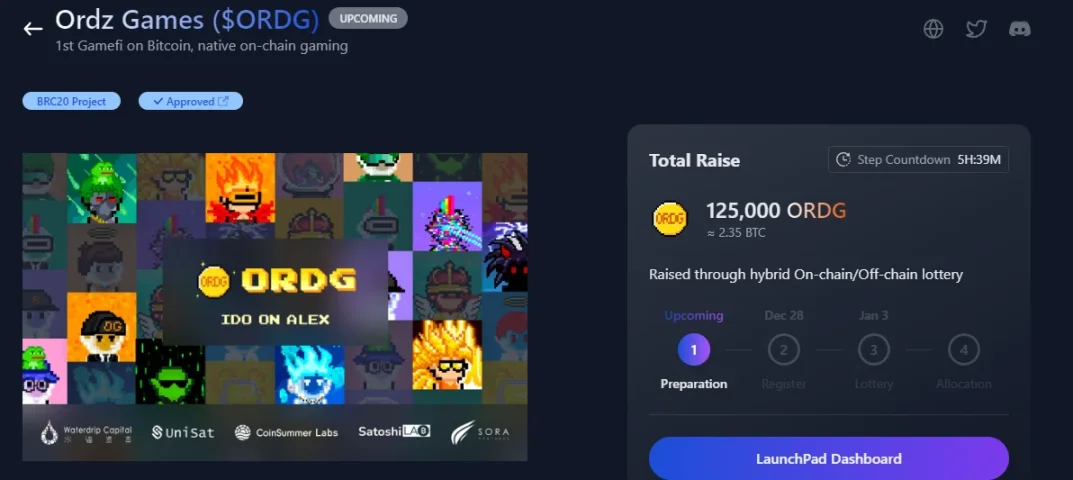
ALEX is the native token of Alex Labs and serves as the reward mechanism for providing liquidity and staking. The current price of ALEX is $0.375, with a market cap of approximately $245 million.
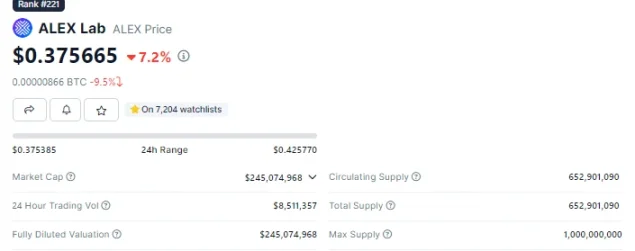
Source: CoinGecko
Official Twitter: https://twitter.com/ALEXLabBTC
Website: https://app.alexlab.co/swap
NFT Sector
Gamma
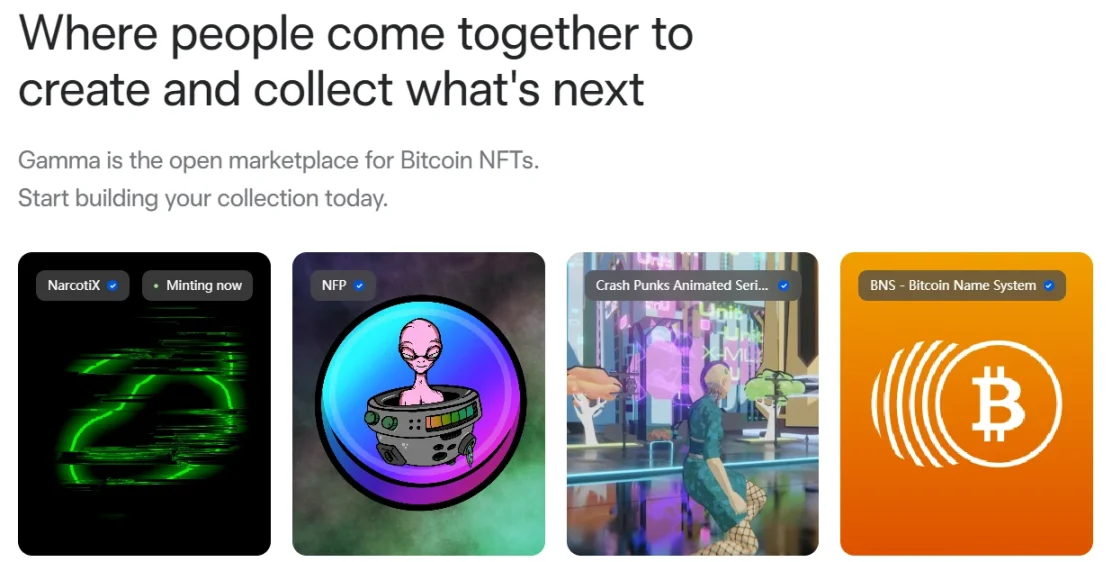
Gamma is the largest NFT trading platform within the Stacks ecosystem, composed of three core components: an NFT marketplace, an NFT Launchpad, and a Web3 social platform. Gamma aims to bring together collectors, creators, and investors within the Bitcoin ecosystem to explore, trade, and showcase NFTs. Users can use the Gamma bot to mint unique digital works and then collect or sell them. Similar to mainstream NFT decentralized exchanges on other blockchains, Gamma.io allows users to create Bitcoin NFTs without coding—completing the process in just minutes.
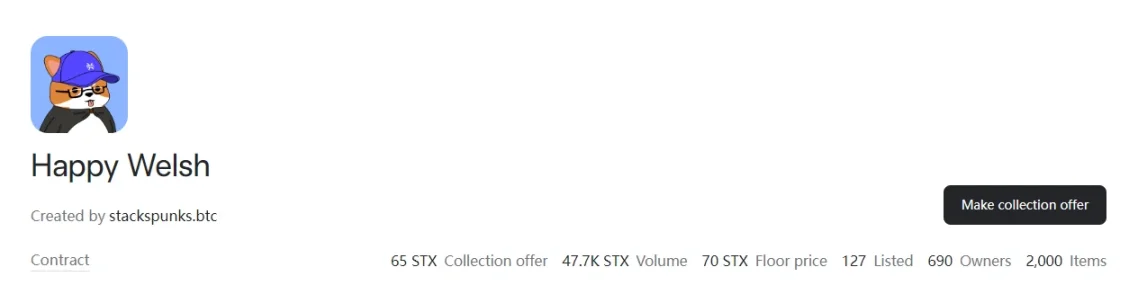
Over the past week, the most discussed NFT project in the Stacks ecosystem has been Happy Welsh, whose project token surged dozens of times from near zero earlier this year. Happy Welsh has a fixed supply of 2,000, with a current floor price of 70 STX (see figure below).
Official Twitter: https://twitter.com/trygamma
Website: https://stacks.gamma.io/
Wallet Sector
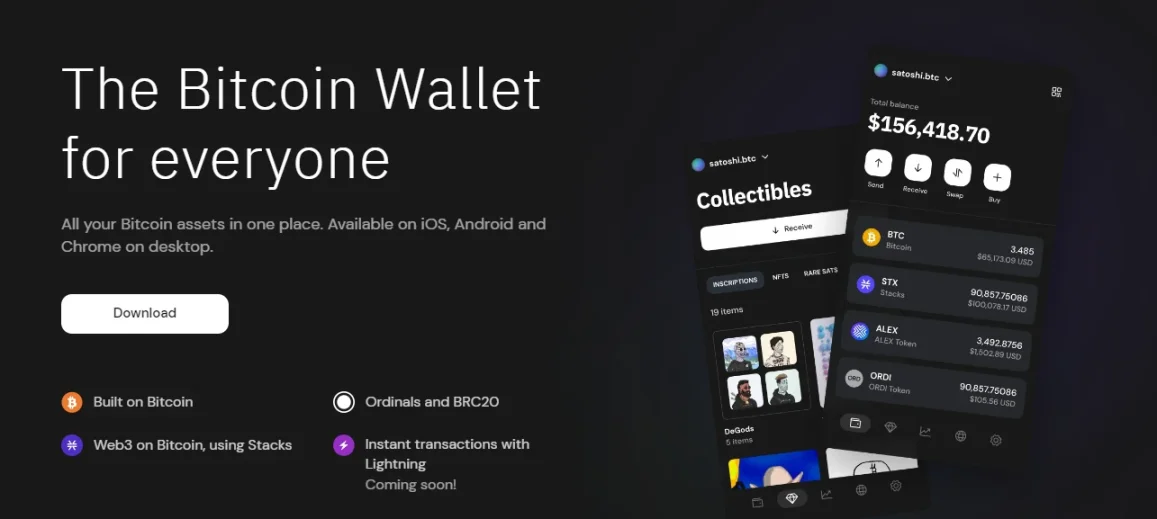
Xverse
Xverse is a Web3 crypto wallet built on Stacks and compatible with the Ordinals protocol. It enables users to manage both BTC and Stacks-based assets. Additionally, the wallet includes a built-in staking feature, allowing users to stake STX and earn Bitcoin rewards, currently offering a 9% annual yield.
Overall, Xverse features a clean UI and a wallet creation process similar to many EVM-compatible wallets, using seed phrases for recovery. For users accustomed to MetaMask, this significantly lowers the barrier to entry. Upon creation, the wallet generates multiple addresses—one Bitcoin address for sending and receiving BTC, and one Stacks network address for managing Stacks-based assets.
Official Twitter: https://twitter.com/xverseApp
Website: https://www.xverse.app/
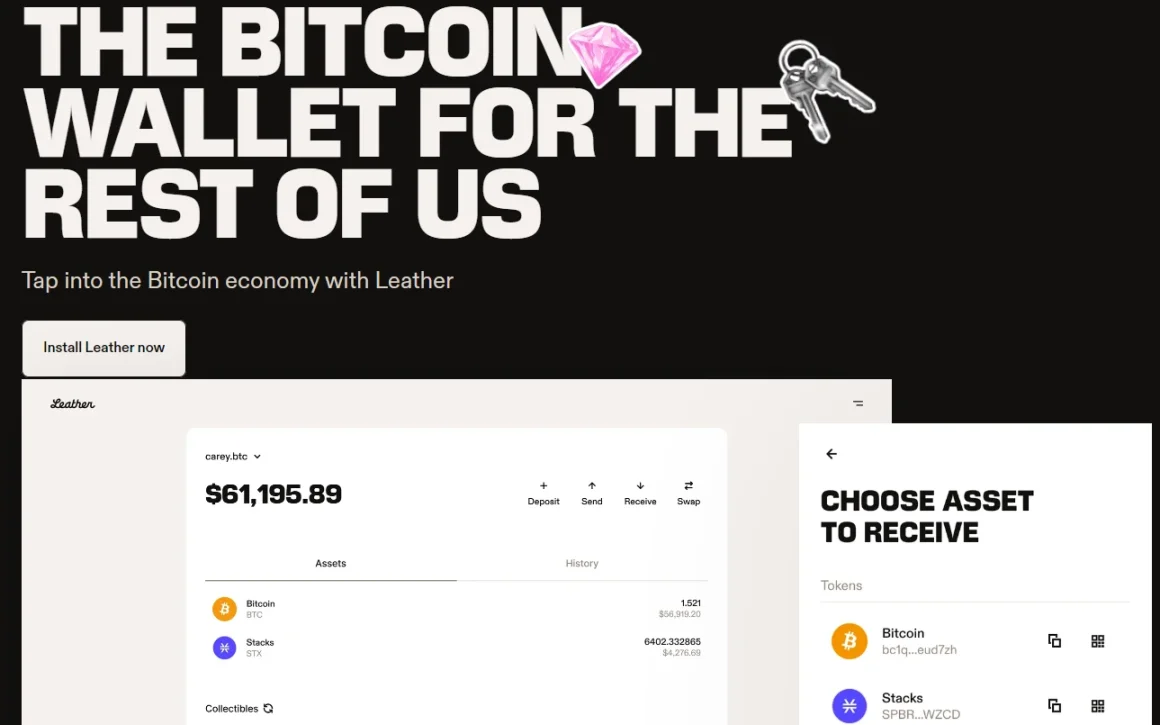
Leather
Leather is a wallet application built on Bitcoin, formerly known as Hiro Wallet. Hiro is a developer tools company supporting developers on the Stacks blockchain. Like Xverse, Leather offers an intuitive setup process familiar to MetaMask users. Leather also includes convenient built-in features, enabling users to directly purchase STX using credit cards, debit cards, or even bank transfers.
Currently, the wallet supports browser extensions for Chrome, Firefox, and Brave, as well as desktop versions for macOS, Windows, and Linux. Browser extensions allow users to connect dApps, buy STX, mint and purchase NFTs, and integrate with Ledger hardware wallets. Desktop versions support staking to earn Bitcoin and securing assets via Ledger hardware wallets.
Official Twitter: https://twitter.com/LeatherBTC
Website: https://leather.io/
Summary
Overall, Stacks has not yet experienced a true breakout during this market cycle and remains in its early stages. If the "Nakamoto" upgrade launches successfully in Q1 2024, Stacks could see explosive growth under the BTC Layer 2 narrative.
Should the Stacks ecosystem undergo rapid expansion, key areas to watch include the current hotspots—inscriptions, Launchpad projects, and meme coins—while closely monitoring infrastructure projects for data shifts to uncover alpha opportunities.
Join TechFlow official community to stay tuned
Telegram:https://t.me/TechFlowDaily
X (Twitter):https://x.com/TechFlowPost
X (Twitter) EN:https://x.com/BlockFlow_News
 Odaily









