








Data Availability: A New Value Proposition for L1?
TechFlow Selected TechFlow Selected
Data Availability: A New Value Proposition for L1?
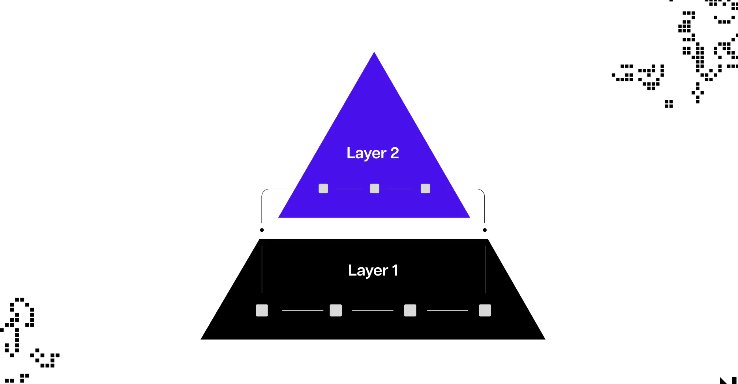
L1 is increasingly being used less for execution and more for storing data related to L2.
 Navigating Web3 tides with focused insights
Author: Lincoln Murr, Bitpush
Smart contract blockchains like Ethereum have historically derived their value from executing code and serving as a global computing engine. However, with the transition toward Layer 2 (L2) solutions as interaction points and scalability layers, Layer 1 (L1) is increasingly being used less for execution and more for storing data related to L2.
The shift toward data availability (DA) has become one of the hottest topics in the industry over recent months, with tokens of some DA solutions increasing by over five times in the past month alone. This article will explain what data availability means, why it matters, and offer some outlook on the future of blockchain computing.
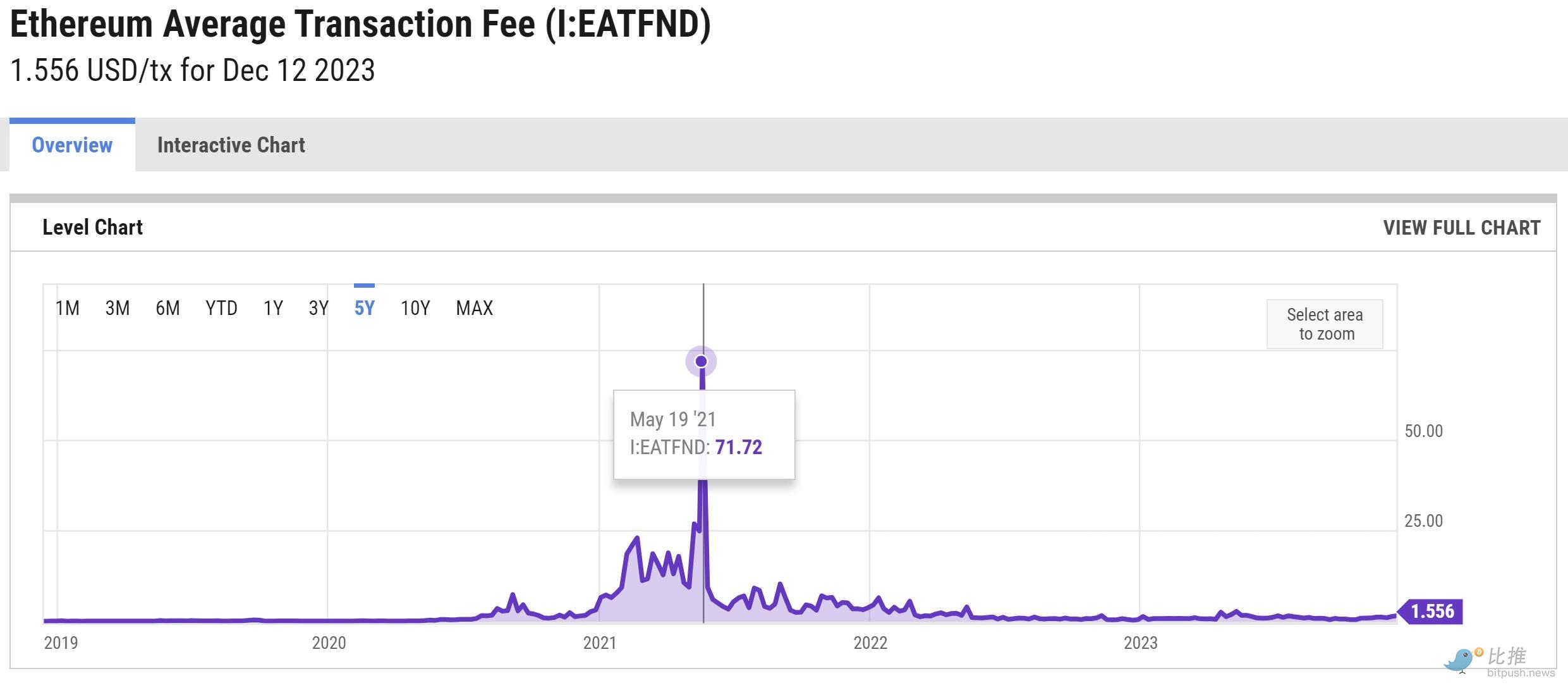
Before Layer 2, Ethereum’s advantage over other chains lay in the Ethereum Virtual Machine (the part of the blockchain enabling smart contract and arbitrary code execution) and the liquidity within its smart contracts. Yet during the previous bull market, it became clear that Ethereum was not yet ready for mass adoption and suffered from serious scalability issues—simple token transfers could cost as much as $10. To achieve greater scale while maintaining similar levels of security and decentralization, the concept of L2 rollups emerged.
Rollups work by abstracting blockchain transactions into two separate components: data storage and computation execution—and optimizing how each is handled.
Performing computation on a decentralized blockchain is costly, so developers designed rollups to execute computations off-chain at lower cost. Cryptographic proofs verifying that data has been correctly processed are posted on-chain, allowing anyone to quickly verify that given inputs lead to correct outputs from the off-chain computation engine.
But a problem remains: How do we know the off-chain engine used the correct data? Therefore, it's necessary to publish all transaction data on-chain, enabling anyone who wishes to re-execute transactions and detect fraud. This also brings additional benefits, such as allowing users to query state-specific information like account balances, which would otherwise be unavailable.
Storing rollup data on-chain is known as data availability (DA), and has recently become a major topic in the Web3 industry. As the number of rollups and appchain solutions grows, there is an increasing need to reduce the cost of data availability and support higher data throughput.
For example, currently on Ethereum, data is stored using a type called "calldata," which is expensive and permanently stored by validators. A new upgrade called EIP-4844 introduces a new storage type called "blobs," specifically designed for storing L2 data. This data automatically expires after 1–3 months, meaning users can download it for later use while preventing unnecessary bloat of the Ethereum chain. In theory, this could reduce user costs for using rollups by up to 20x.
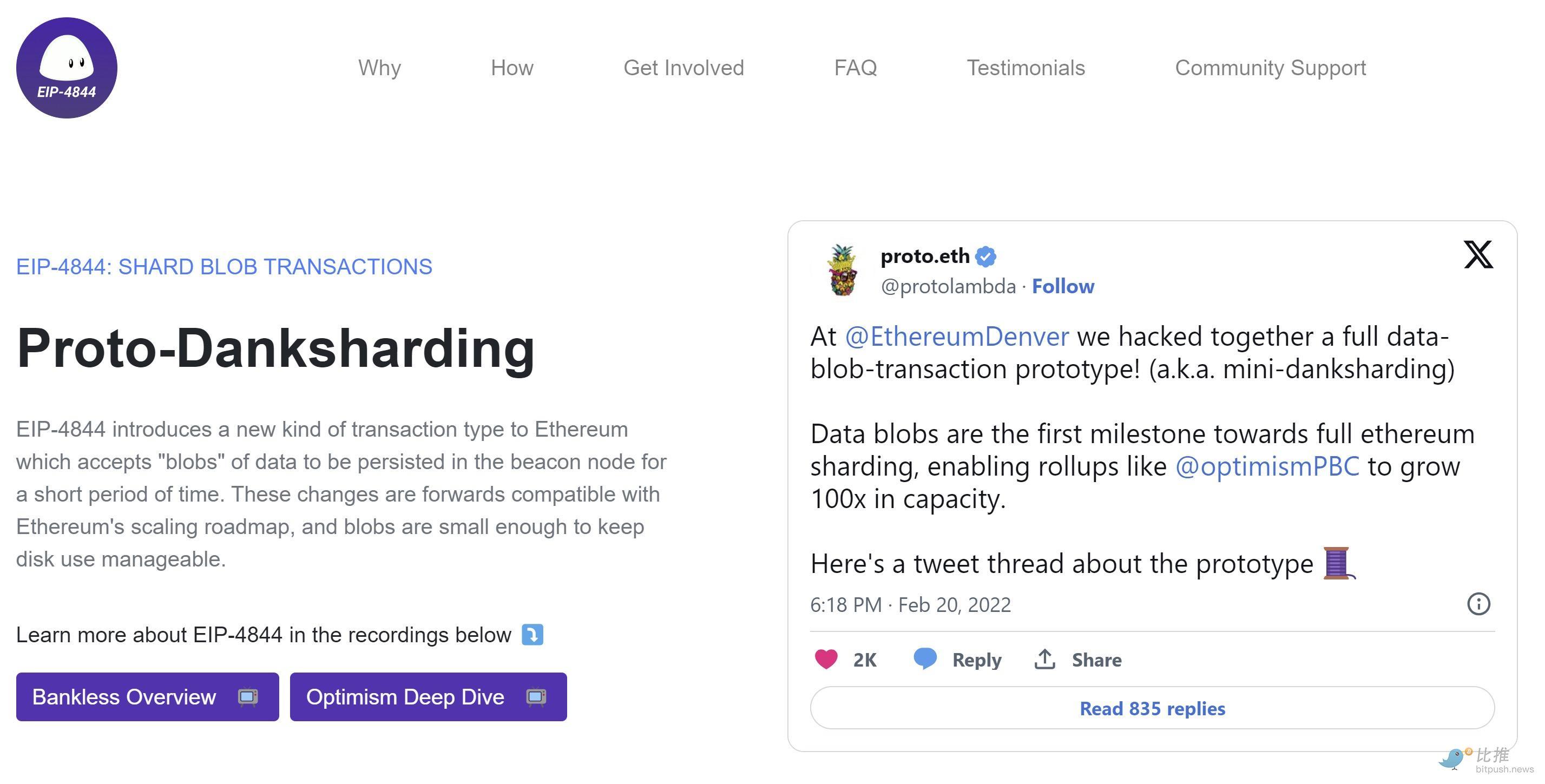
However, EIP-4844 and blobs are not the only data availability (DA) solutions. Numerous new and existing projects are building novel DA solutions aiming to capture a share of the growing L2 ecosystem.
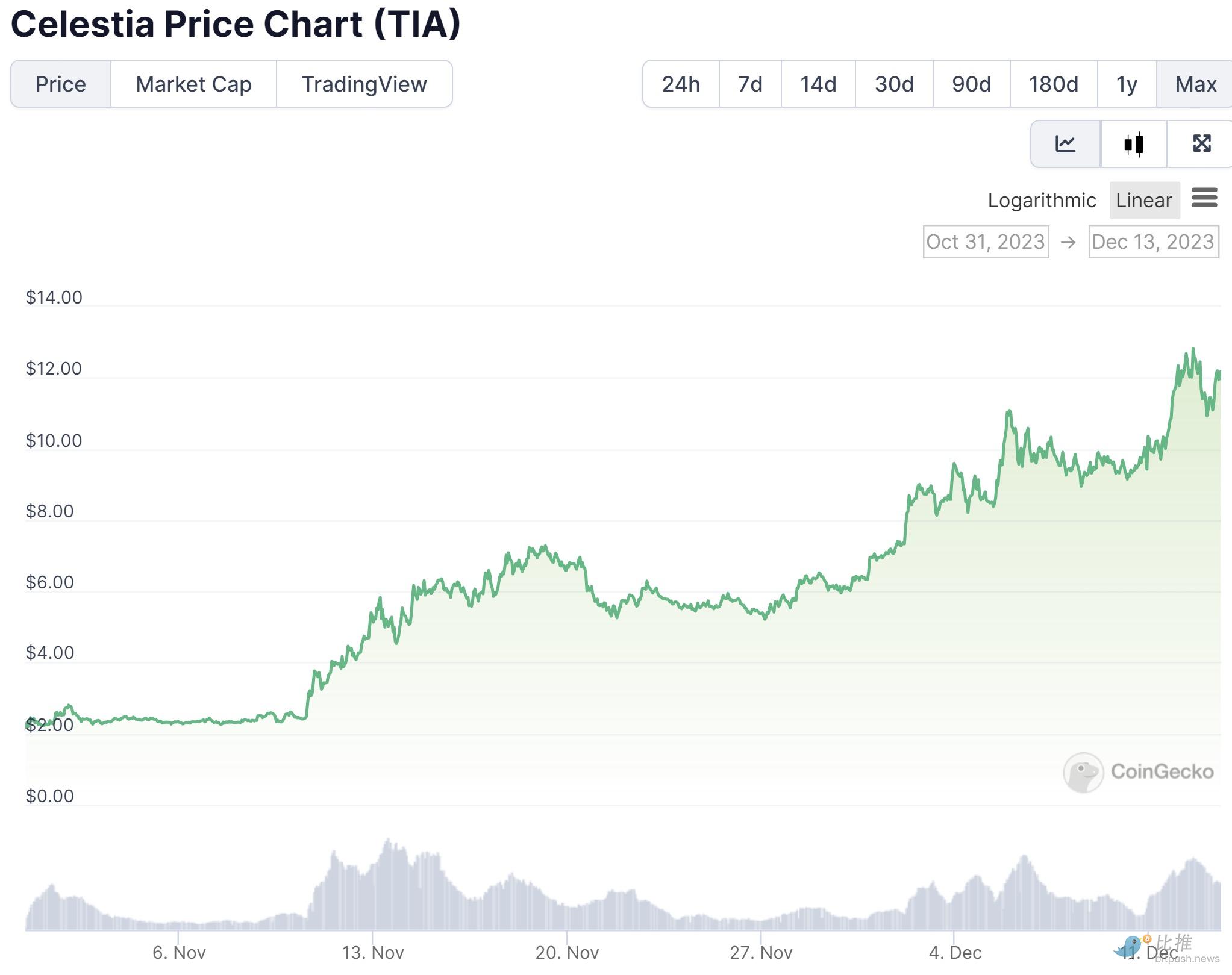
For instance, Celestia, a Cosmos SDK-based network launched recently, aims to become a cheap and efficient DA layer for all blockchains. The associated hype has driven its token price from a $2 airdrop valuation to over $12 in under two months. Other projects, such as NEAR, have modified their existing products to include DA functionality. Another highly anticipated project, EigenLayer, plans to accelerate the launch of its EigenDA service, allowing Ethereum validators to opt into supporting L2 data availability in exchange for enhanced staking rewards.
The idea of using an L1 and its large-scale distributed validator set effectively as redundant storage space is quite novel—and fundamentally different from previous L1 value propositions. In a sense, it creates greater modularity and flexibility for rollups, since any DA layer can be chosen with minimal impact on end users. That said, this makes the L1 DA space more competitive, with protocols vying against each other based on fees, scalability, and uptime/activity.
It's difficult to predict how L2s will choose their DA layers. On one hand, existing L2s on Ethereum seem to function well, but if cheaper alternatives offer them a competitive edge without compromising user experience, what reason do they have not to switch?
Other primary risks of migration involve disruptions or outages, though these have historically been rare on Ethereum. Additionally, zero-knowledge (ZK) L2s can still use Ethereum to verify proofs of transaction execution by posting them to Ethereum-based smart contract verifiers—a process far cheaper than DA posting and without compromising security.
Both investors and L2 architects are showing immense interest in data availability layers—and the competition has only just begun. As Celestia brings on more partners, Ethereum rolls out EIP-4844, and other solutions begin launching and promoting their offerings, the L2 DA landscape will grow increasingly heated. Ultimately, the ability to better integrate privacy, efficiency, and security will define the core competitiveness of leading projects.
Join TechFlow official community to stay tuned
Telegram:https://t.me/TechFlowDaily
X (Twitter):https://x.com/TechFlowPost
X (Twitter) EN:https://x.com/BlockFlow_News
 比推 BitpushNews









