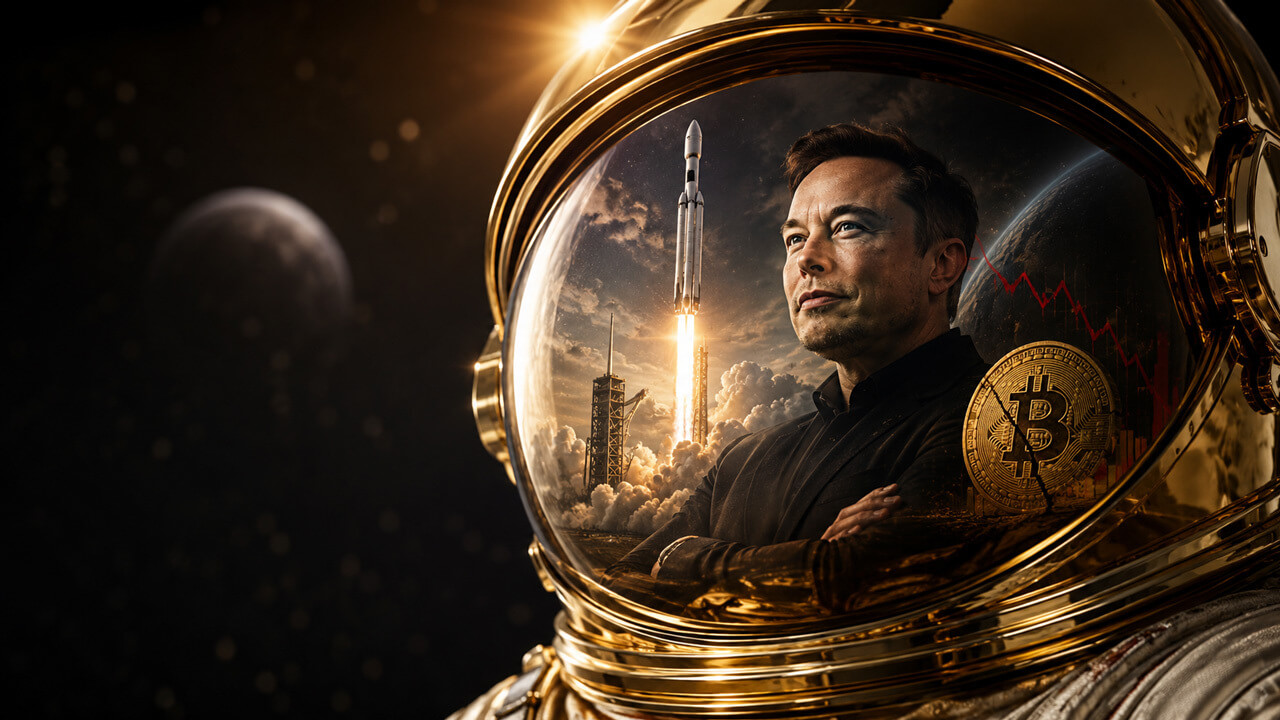
Vitalik's cat, Toly's dragon: when this generation of Memes sets its sights on founders' pets...
TechFlow Selected TechFlow Selected
Vitalik's cat, Toly's dragon: when this generation of Memes sets its sights on founders' pets...
Nothing fundamental, just driven by sentiment.
 Navigating Web3 tides with focused insights
By TechFlow
If there are no assets, we create them; if there is no narrative, we fabricate one.
This quote perfectly captures the inscription frenzy in this year's crypto market — anti-VC, asset creation, consensus building, and ultimately, strong FOMO.
Beyond inscriptions, the sky is filled with Meme coins that follow a similar logic. Animal-themed Meme coins featuring dogs, cats, monkeys, frogs, and more keep emerging, delivering astonishing gains during the recent bull run.
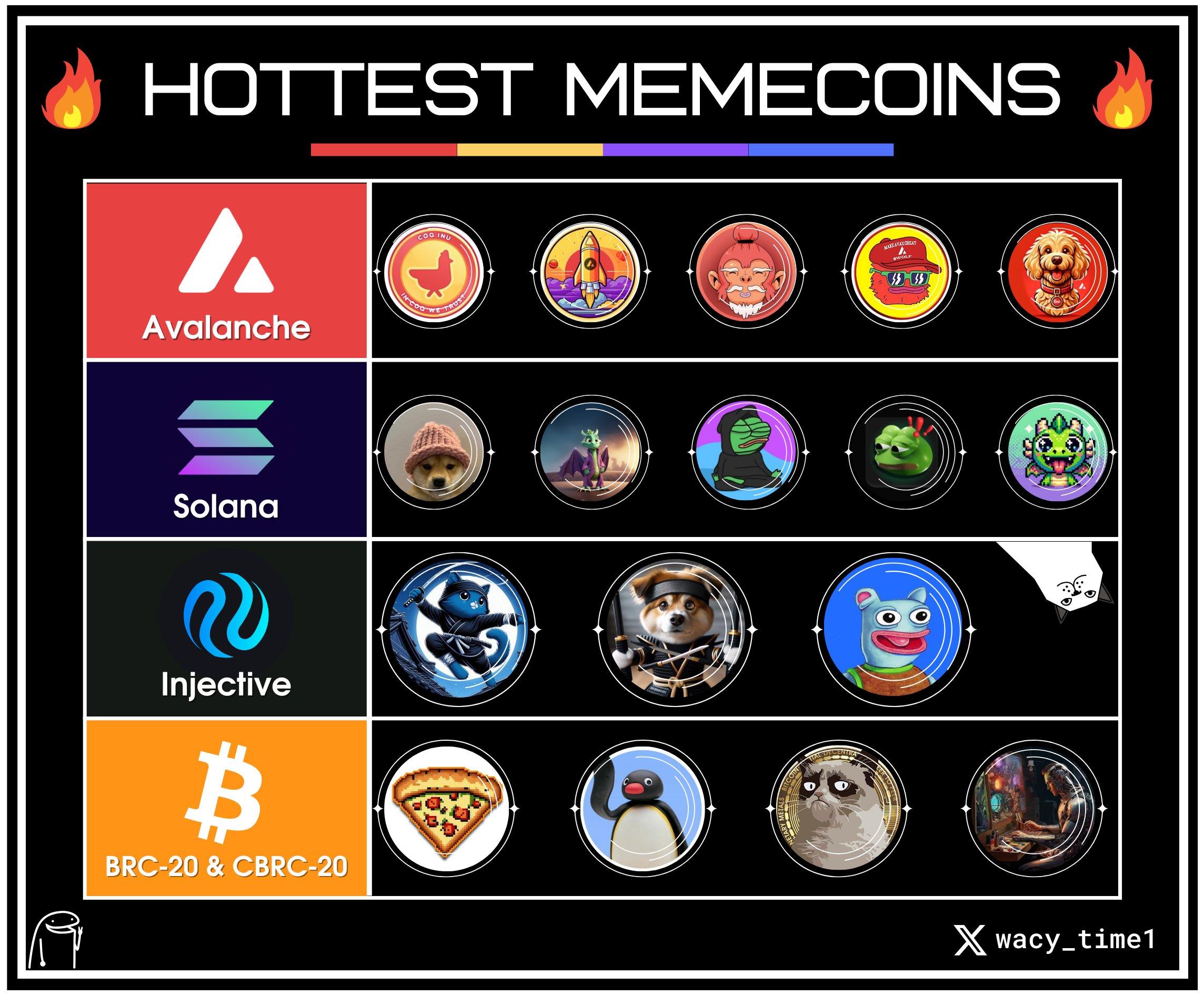
However, the winning formula behind today’s Meme coins has evolved slightly.
Unlike the previous wave of animal-themed hype that merely exploited names and images, this new round of Meme zoo mania targets something more specific:
They’re now focusing on the pets owned by Web3 project founders.
Vitalik's Cat, Toly's Dragon
Dig through a founder’s Twitter or social media, and if they’ve ever posted about their pet, someone will likely mint a similarly named or themed Meme coin. The market then pays attention due to the association with the founder, often triggering a short-term FOMO surge.
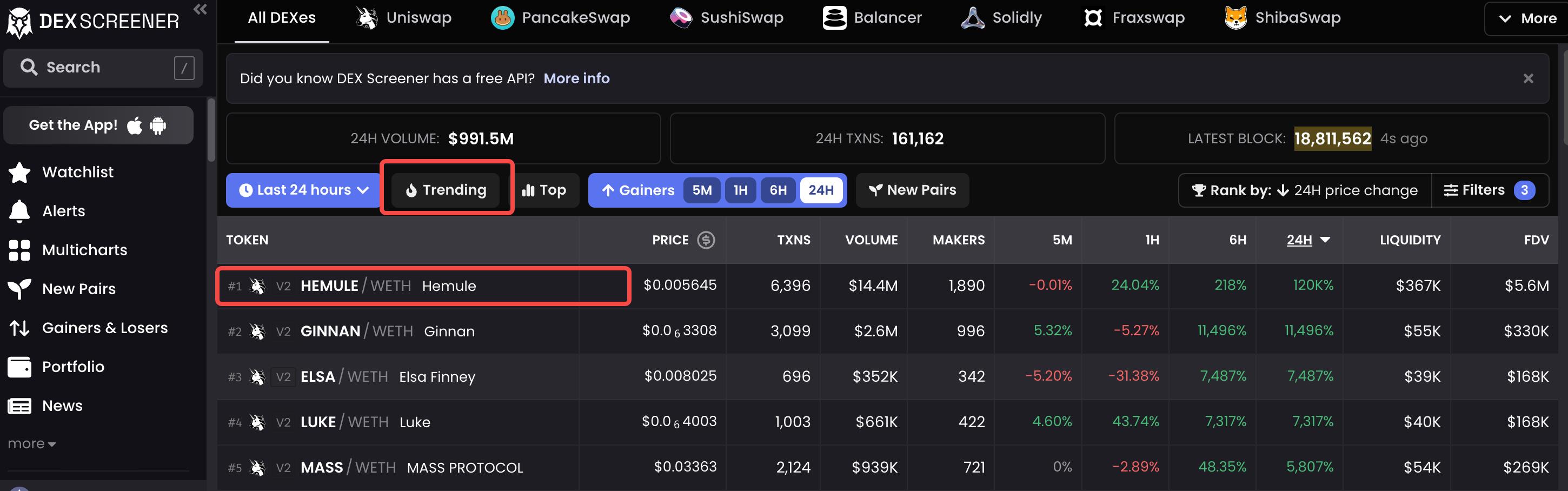
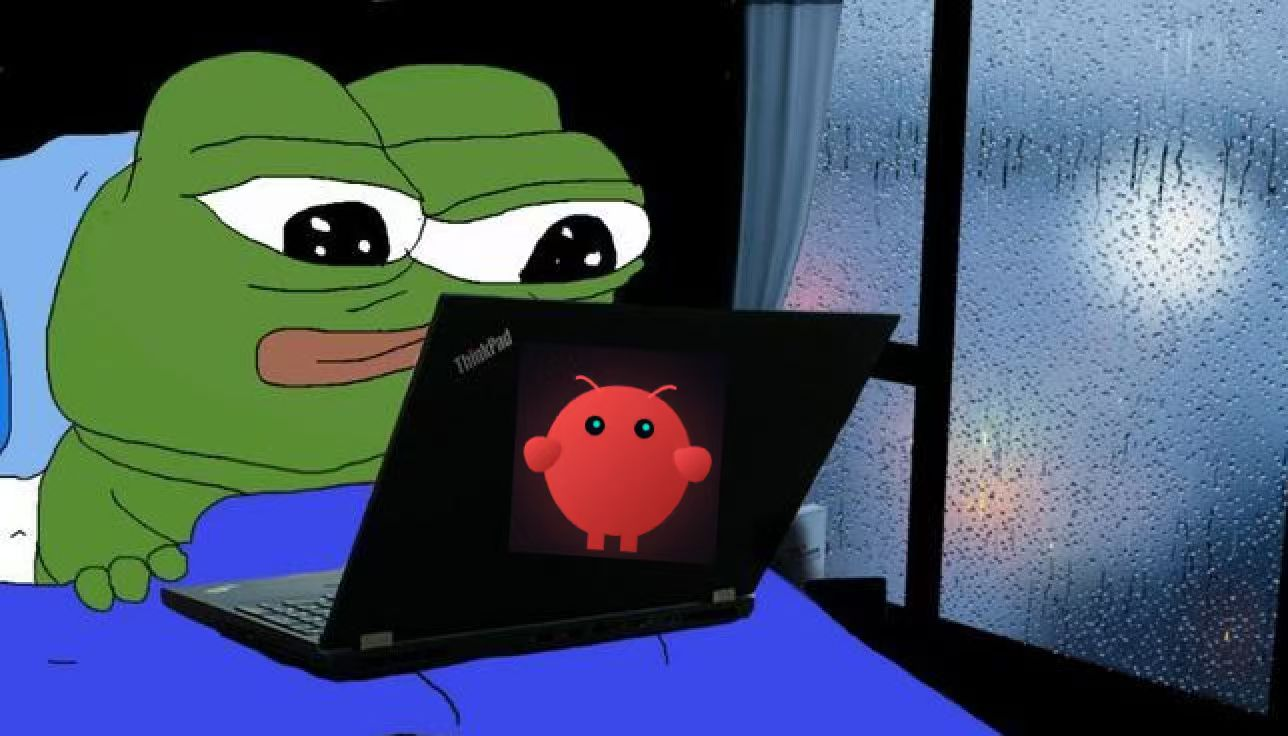
For example, shortly before this article was published, a cat-themed Meme coin called Hemule topped Dexscreener’s trading volume chart, with on-chain analytics showing a steady increase in buyer addresses.

The name Hemule directly references Vitalik’s own pet cat.
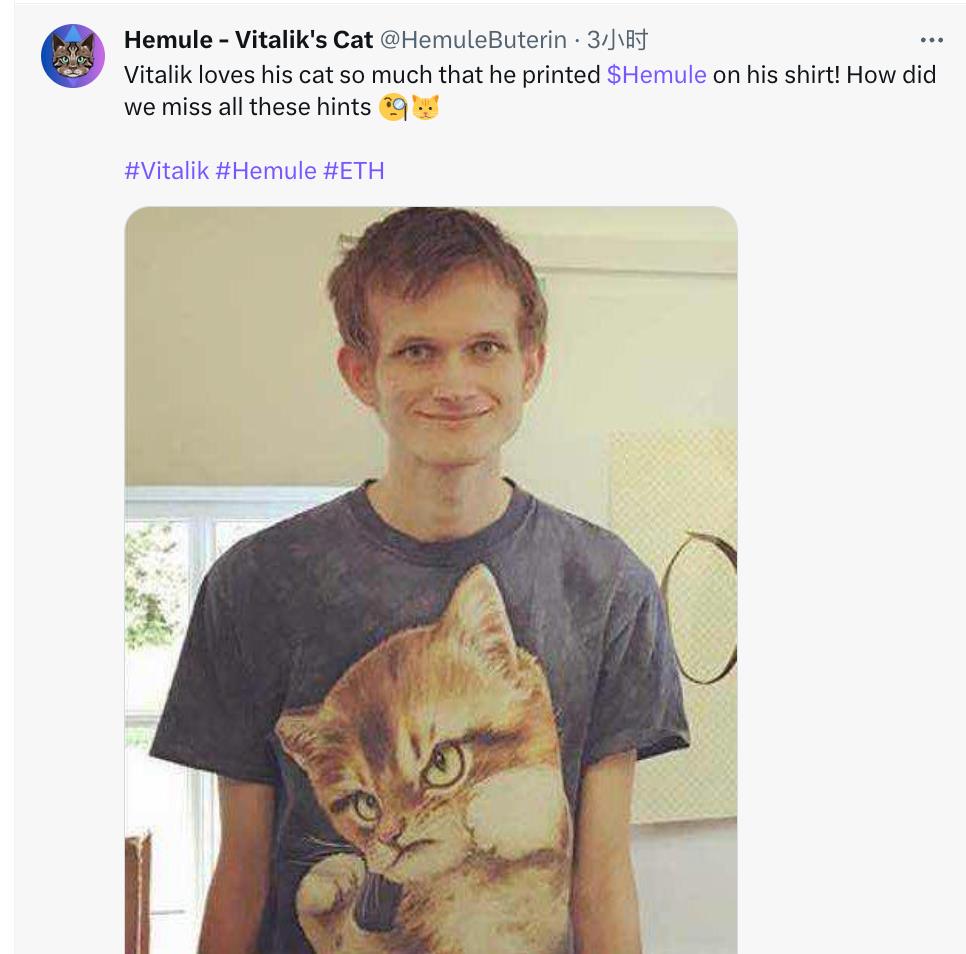
Vitalik himself once printed the cat’s image on a t-shirt as a tribute, and his mother has shared numerous adorable moments of Hemule on Instagram.
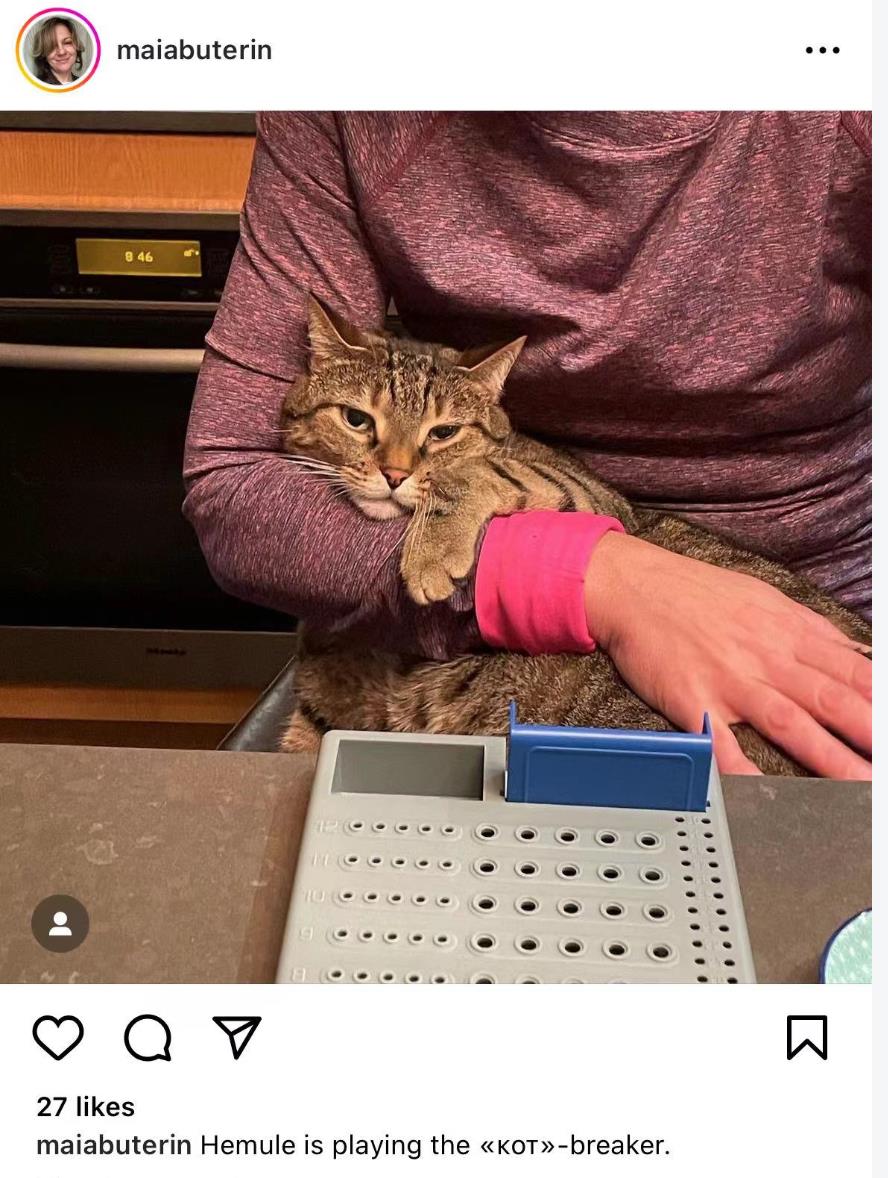
Moreover, the team behind Hemule appears savvy—they proactively sent tokens to Vitalik, seemingly signaling, “We are explicitly tied to V God’s cat.”
And so, Hemule surged. No technology, no rationale—just pure sentiment.
Hemule’s pet-based Meme effect is not an isolated case.
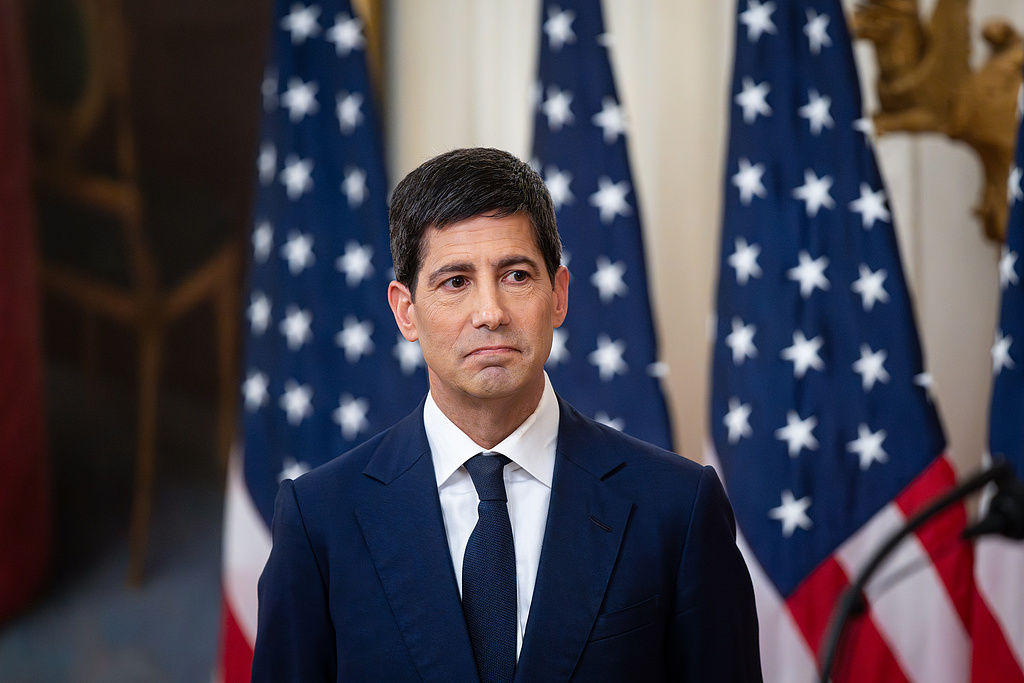
Just a week earlier, a similar story unfolded in the Avalanche ecosystem—Bear, the beloved dog of Avalanche co-founder Kevin Sekniqi, became the subject of a Meme coin.
After Kevin shared photos of his dog Bear on social media, a namesake BEAR token was quickly launched and heavily traded.
Coupled with Avalanche’s ongoing ecosystem revival, FOMO intensified, pushing BEAR’s price higher in the short term.

Similarly, on the Solana ecosystem, another popular chain, Meme coins have developed curious ties to its founders.
Last Saturday, a Meme project called Silly Dragon suddenly caught the attention of Solana co-founder Toly (aeyakovenko).
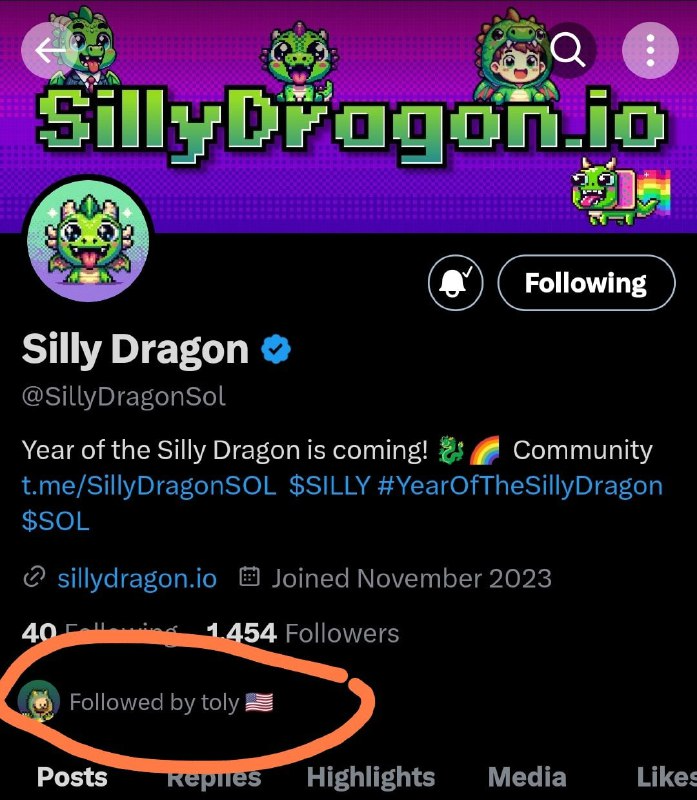
Interestingly, if you examine Toly’s Twitter profile picture closely, you’ll notice it features a cartoon dragon resembling the Silly Dragon character.
The community interpreted this as an implicit endorsement from Toly, and screenshots were widely circulated as “evidence” of support.
Although dragons aren’t exactly pets one can own, the market recognized a deeper symbolic connection between Toly and this dragon:
Wearing a dragon might be even more powerful than owning a pet.

At a public event, Toly once appeared dressed in a full green dragon costume, matching both his Twitter avatar and the Silly Dragon imagery.
While these scattered photos don’t prove any direct link between Toly and Silly Dragon, their visual alignment has brought the two closer in the public imagination.
Additionally, with 2024 being the Year of the Dragon in the Chinese zodiac, this narrative resonates particularly well within Chinese communities.
Within just 1–2 hours of Toly’s mention, the Silly token surged nearly tenfold.
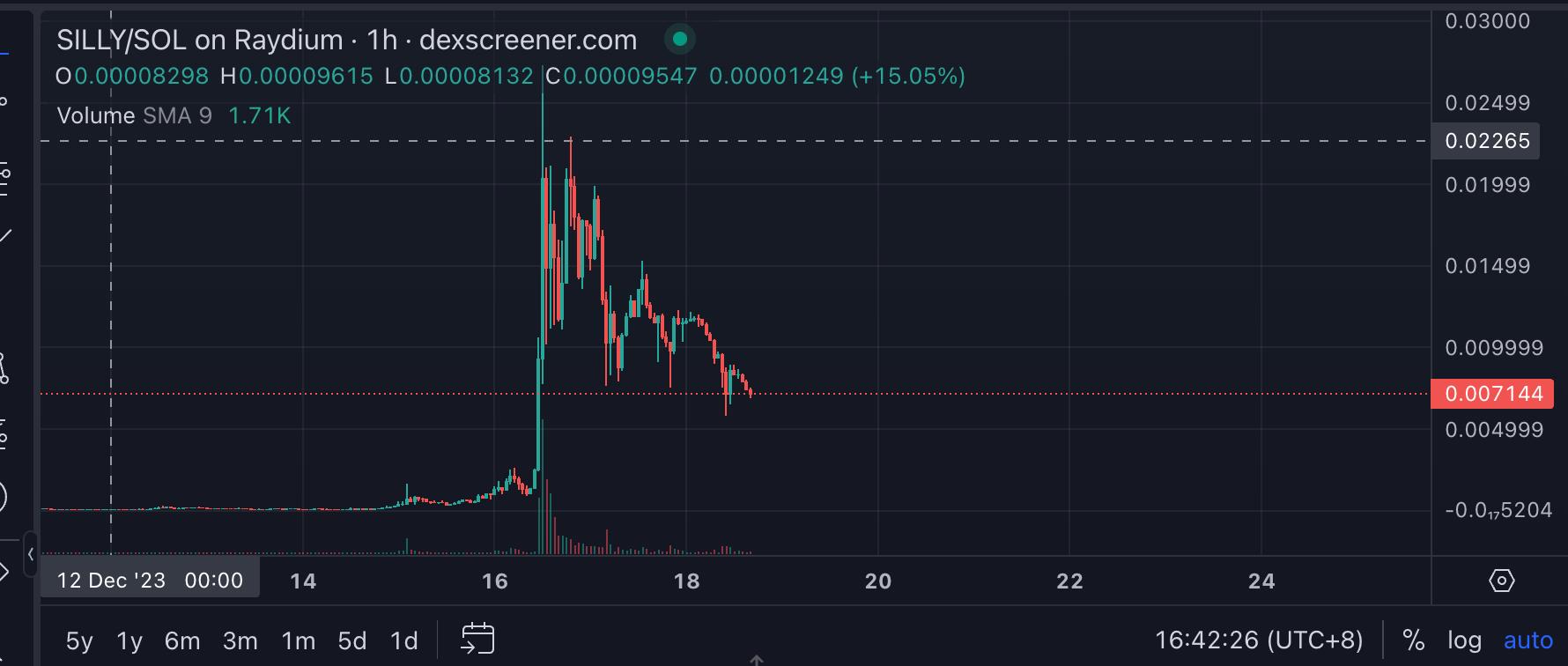
Catching such a surge doesn’t require technical expertise—it requires vigilant monitoring of social media movements.
Beyond these examples, other ecosystems have seen Meme coins linked to founders’ pets or interests—such as Sui’s Uni Wonder Dog, referencing its founder’s pet. However, due to limited traction, these tokens haven’t gained much attention.
While “pet-based narratives” don’t guarantee success, analyzing founders’ pets has clearly become a trendy Meme strategy.
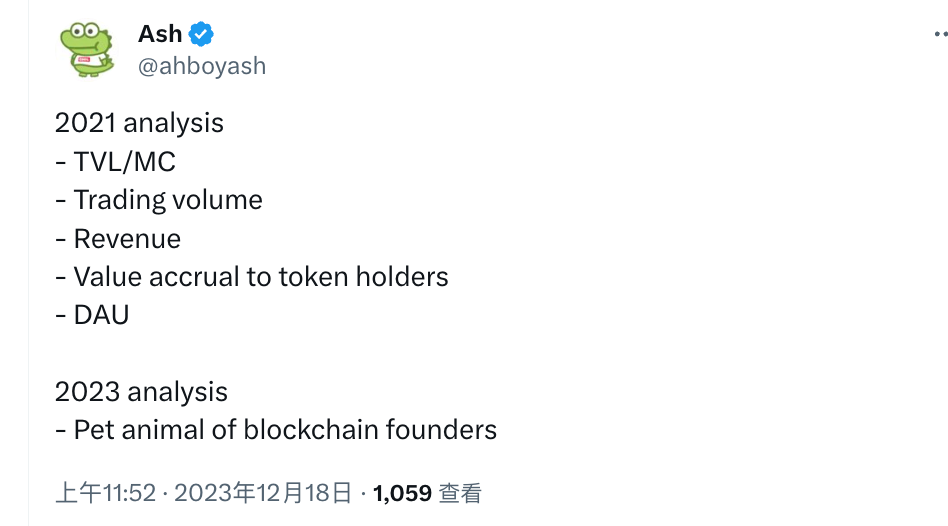
No wonder there’s growing sarcasm on Twitter: In 2021, we analyzed project TVL/MC, trading volume, revenue, and daily active users;
In 2023, we analyze founders’ pets.
Origin of the Trend: Musk and the Shiba Inus
This wave of pet-themed Meme coins reminds me of a classic English proverb:
Love me, love my dog.
In crypto culture, it’s taken a more literal form: Love me? Then buy my dog’s coin.
When a celebrity pairs with a pet, it sparks狂热 buying of the associated “dog” token. Where did this phenomenon begin?
Elon Musk is undoubtedly a pivotal figure.
Whenever the world’s richest man tweets about dogs, prices tremble. Dogecoin skyrocketed on mere mentions from Musk. Tesla accepting Doge payments and SpaceX launching a rocket adorned with the Doge logo reinforced the “to the moon” mentality in investors’ minds.

Truth and feasibility matter less than perception. Today, Doge—with its infinite inflation model—ranks 11th in market cap at nearly $13 billion.
You may argue it has no intrinsic value, but you can’t deny its market cap—or the influence of key figures in driving it.
Two years ago, Musk shared photos of his new pet dog, Floki, over a weekend on social media.
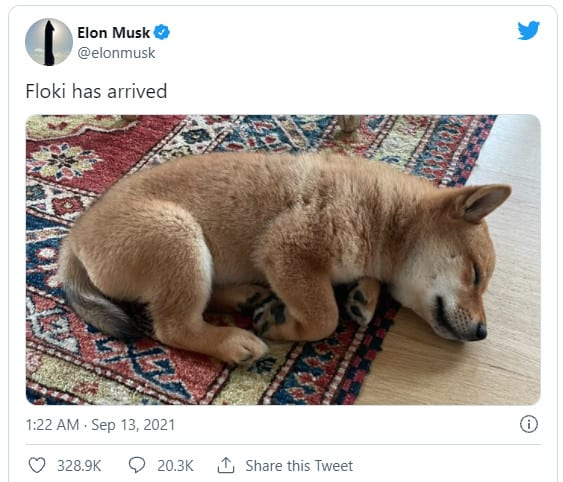
Within 24 hours, the Shiba Floki token surged 1406.37%. Today, Floki is no longer just a Meme riding on Musk’s pet fame—it’s a cryptocurrency with a nearly $350 million market cap, ranking around 150th.
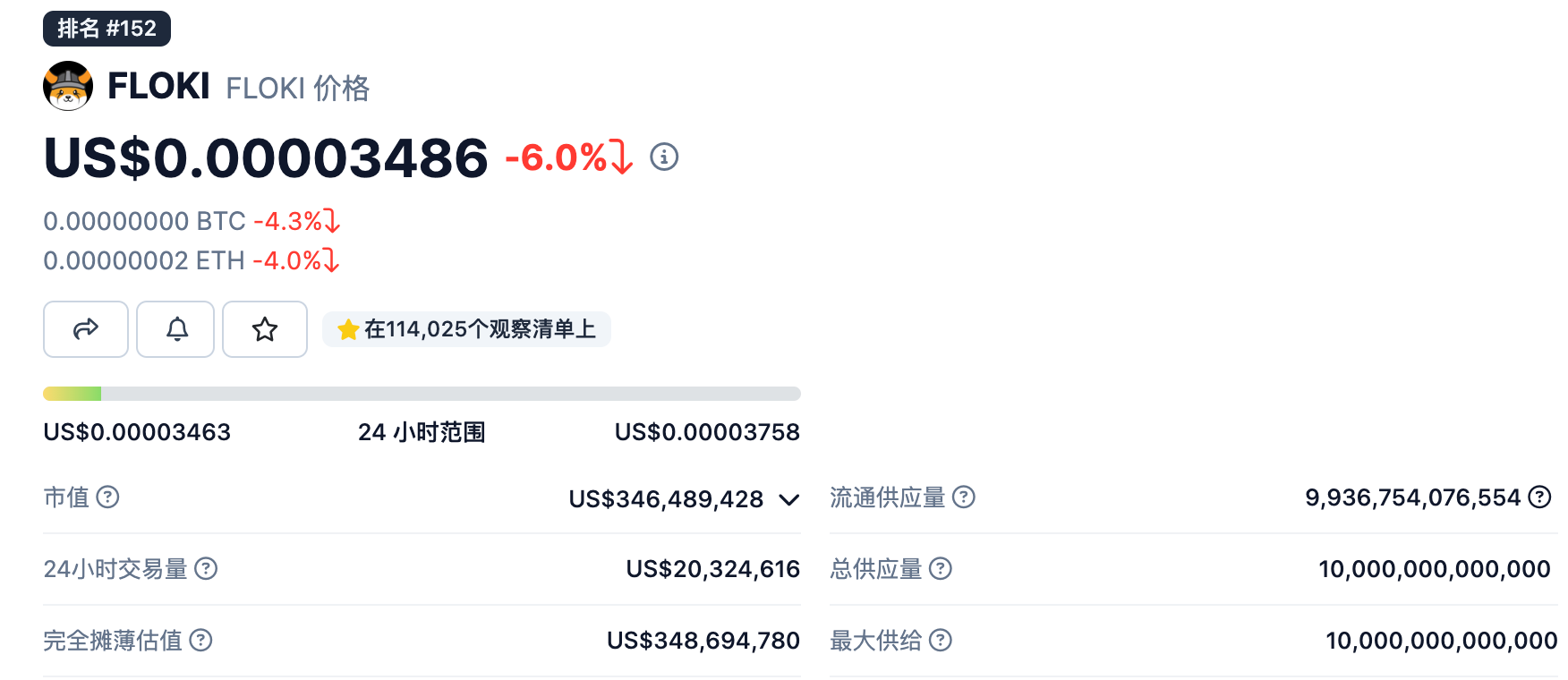
With sustained attention and traffic, Floki has since launched TokenFi, expanding into the RWA sector.
Who says Meme coins aren’t productive? In crypto, attention is gold—and once you have it, everything else can follow.
Pet-inspired tokens may enjoy a viral head start. Musk’s Shiba Inus started this trend—but what comes next? Will they soar using momentum, or fade quietly? That depends entirely on execution and long-term development.
Sustaining Hype: Are We Regressing?
In this latest wave driven by inscriptions and Meme coins, we’re witnessing a more primitive form of speculation:
Nothing substantial—just sentiment-driven pumps.
Recall 2017’s ICO era—most projects at least drafted polished whitepapers full of formulas and grand visions to showcase technological promise.
Recall DeFi Summer in 2020—projects clearly communicated yields and incentives to attract liquidity providers.
Now, in late 2023, this pet-powered Meme season feels strikingly rudimentary. No technology, no utility—just “name-dropping” and “hijacking relevance” to trigger explosive rallies.
The market has craved pumps for so long that the methods themselves are regressing—no logic, only emotion.
This may also reflect a shift in how the crypto market views projects: stop talking about complex tech and narratives—I just want it to go up.
But simplicity rarely equates to benefit.
Crypto hype continues to spread simply—can true prosperity be achieved just as easily?
Join TechFlow official community to stay tuned
Telegram:https://t.me/TechFlowDaily
X (Twitter):https://x.com/TechFlowPost
X (Twitter) EN:https://x.com/BlockFlow_News
 深潮TechFlow