Will Arbitrum Become the New Playground for On-Chain Gaming?
TechFlow Selected TechFlow Selected
Will Arbitrum Become the New Playground for On-Chain Gaming?
The Arbitrum ecosystem has strong potential to become the leading Web3 gaming hub for many years to come.
 Navigating Web3 tides with focused insights
By WILLIAM M. PEASTER
Compiled by TechFlow
With over $5.29 billion in total value locked, Arbitrum One is currently Ethereum’s largest Layer 2 (L2) scaling solution.
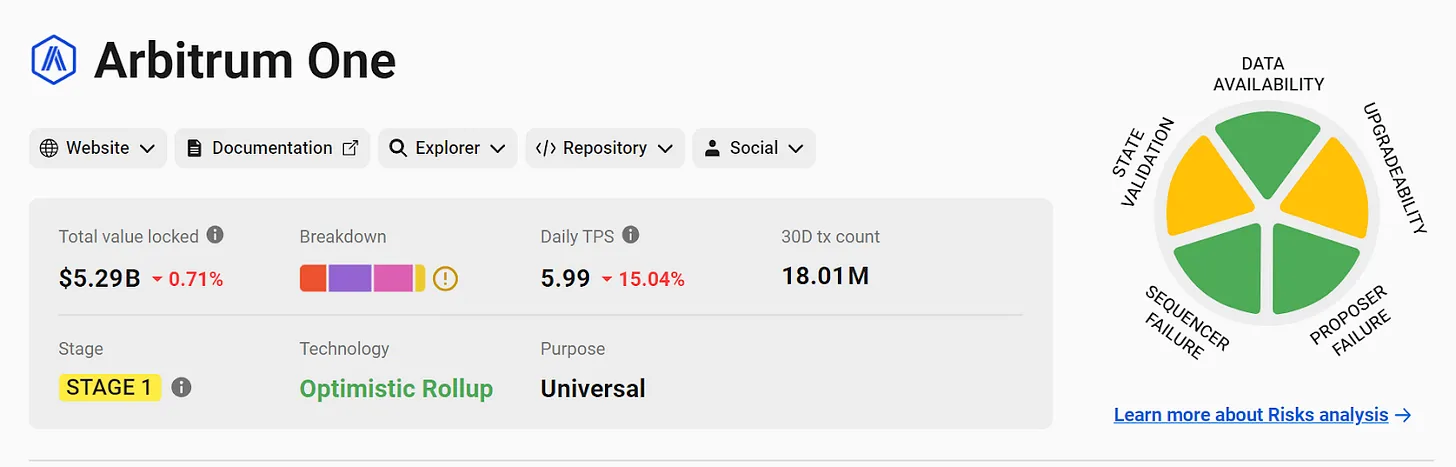
In simple terms, the network enables fast and low-cost cryptocurrency transactions and is compatible with the Ethereum Virtual Machine (EVM), meaning developers can easily port their code from Ethereum.
Arbitrum was one of the first Optimistic rollups to launch, and its timing and features have helped it achieve dominance today—evident from the fact that it currently hosts the largest DeFi ecosystem among all L2s.
However, Arbitrum has faced stronger competition in the NFT space from other L2 scaling solutions. For instance, other scaling platforms like Optimism, Zora Network, and Base have so far attracted more attention from NFT builders.
The notable exception here is the NFT gaming sector, where Offchain Labs—the team behind Arbitrum—has generated significant interest through recent developments.
For example, last year Offchain Labs launched the AnyTrust stack, a system for creating ultra-low-cost, high-security L2s. While Arbitrum One batches all transaction data onto Ethereum, AnyTrust chains reduce costs by using a Data Availability Committee (DAC), only posting data on-chain when the committee fails.
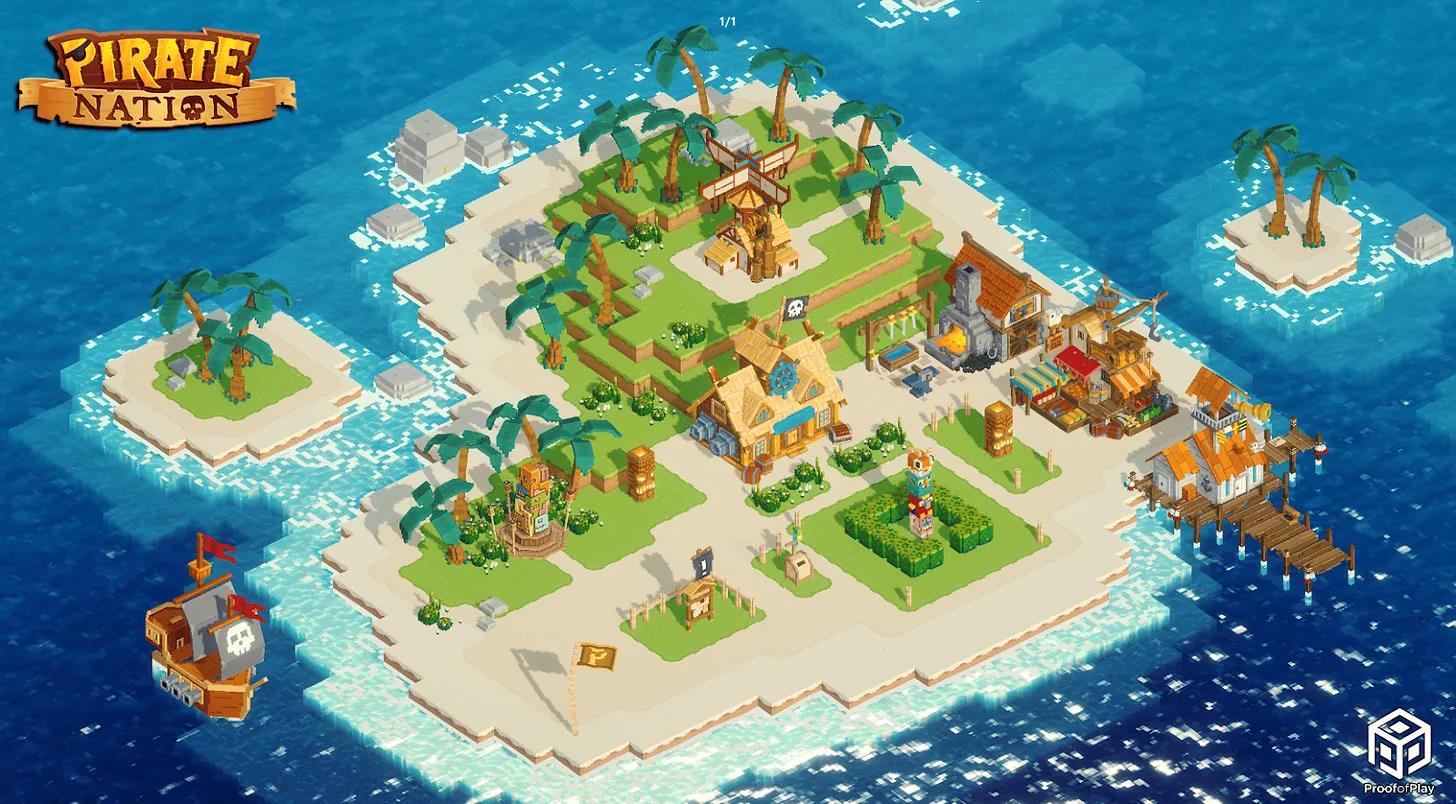
This efficiency gain is particularly ideal for Web3 gaming projects, which demand the fastest and cheapest transactions. As such, the first AnyTrust chain, Arbitrum Nova, launched in July 2022 as a custom gaming-focused L2 and has since become a major hub for various NFT games, most notably Pirate Nation.
Then in March 2023, the Arbitrum Foundation introduced Arbitrum Orbit, a new framework for building third-layer (L3) scaling solutions that settle to Arbitrum chains (such as Arbitrum One or Arbitrum Nova), rather than directly to Ethereum.
Why L3s? They are highly customizable and well-suited for high-throughput use cases like gaming. This is why the first L3 being developed with support from Offchain Labs is Xai Chain, specifically designed to power the next generation of on-chain games.
But the AnyTrust and Orbit stacks are just the beginning. The newest key innovation Arbitrum brings to gaming is Stylus.
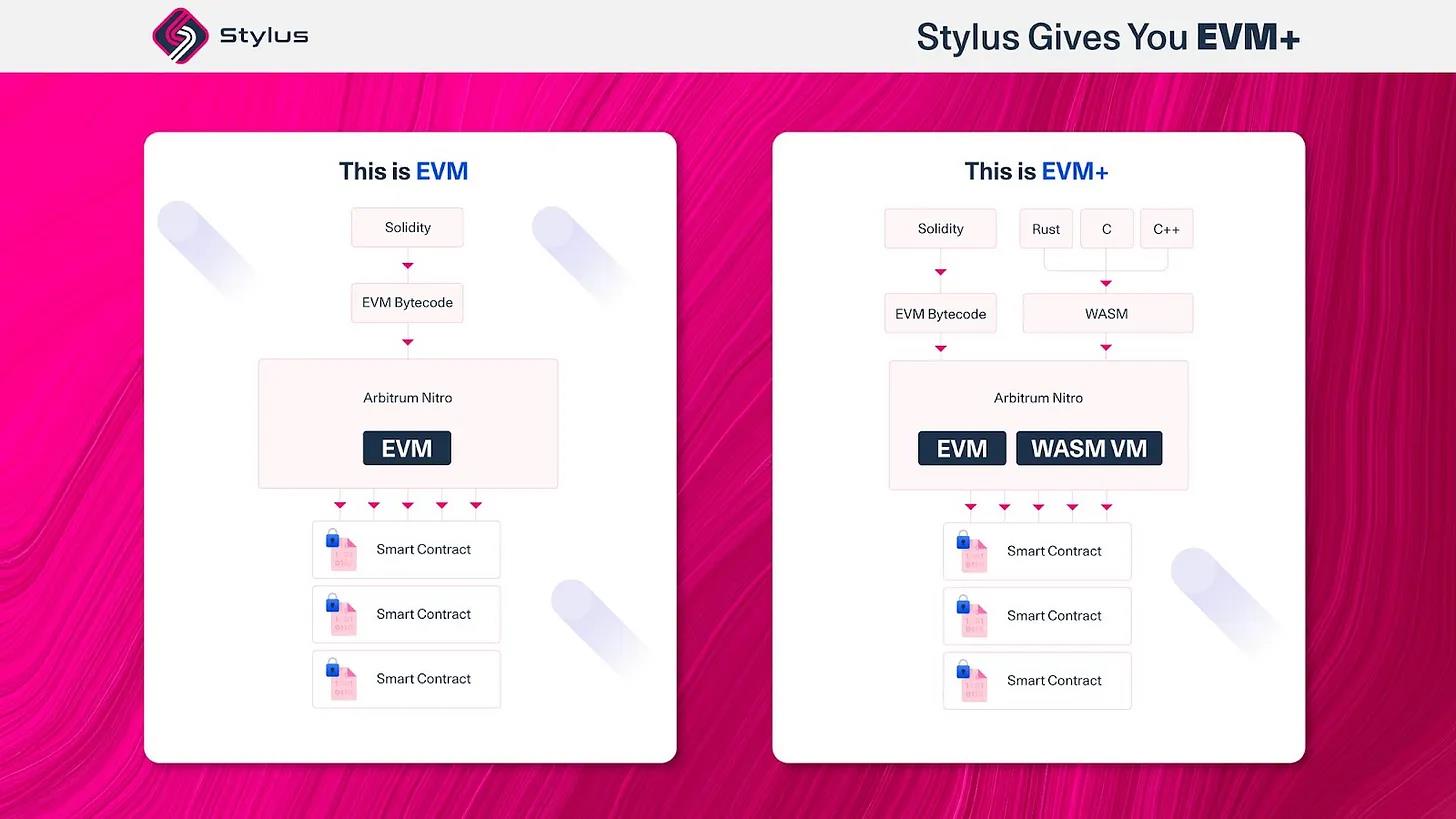
Arbitrum is on the verge of migrating from its Nitro V2 development environment to the new Stylus V3 system. This upgrade will not only significantly reduce gas costs but also enable smart contracts to be written in mainstream programming languages compatible with WASM—such as C, C++, and Rust.
This is a breakthrough for on-chain gaming! For example, C++ offers high performance and fine-grained resource control, making it widely used across many game engines—including the extremely popular Unreal Engine.
In other words, game developers no longer need to learn the intricacies of Ethereum-specific languages like Solidity or Vyper. Instead, they can now write contract logic using familiar languages optimized over years, complete with rich libraries and tools suitable for complex game mechanics.
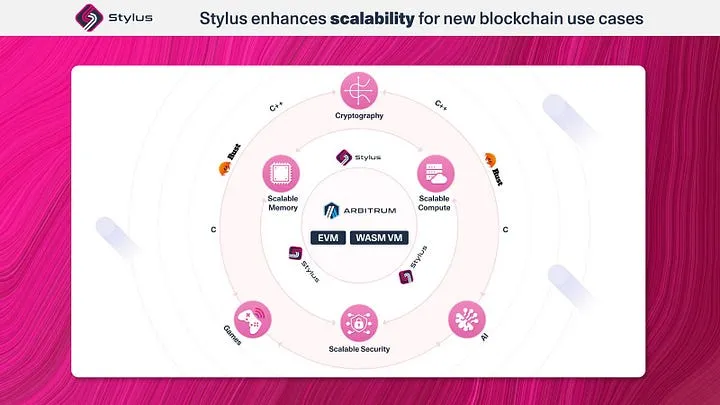
This shift opens up new possibilities for building more sophisticated and resource-intensive games on-chain—all while benefiting from Ethereum’s security and decentralization guarantees via Arbitrum!
It should be noted that Stylus is currently only available on a public testnet, but its future impact is clearly significant. Developer cygaar has already deployed a Rust-based contract on the testnet and observed substantial gas savings compared to Solidity.
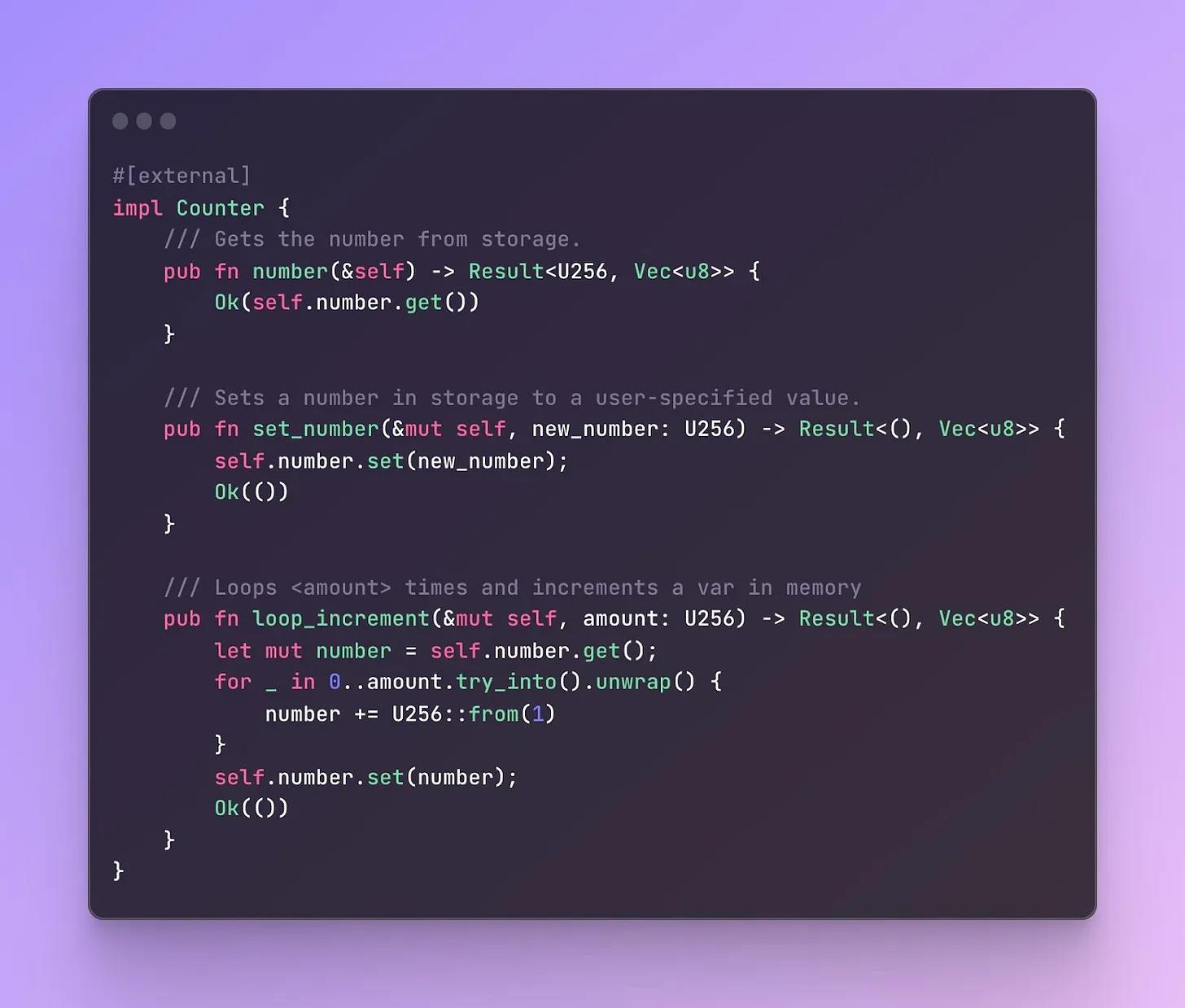
Overall, considering the powerful trio of AnyTrust, Orbit, and Stylus, I believe the Arbitrum ecosystem is exceptionally well-positioned to become the dominant Web3 gaming hub for years to come—encompassing both L2s and L3s secured and backed by Ethereum.
Still, even from today’s standpoint, Arbitrum’s gaming prospects could improve dramatically. For example, the upcoming EIP-4844 "Proto-Danksharding" upgrade will leverage blobspace to exponentially reduce L2 usage costs. Cheaper L2s mean advanced, high-volume on-chain gaming use cases are just around the corner.
Of course, EIP-4844 will benefit all L2s—and L3s—as well. And other scaling solutions like Polygon, Optimism, and Base also present compelling gaming opportunities. But right now, Arbitrum appears poised to become the epicenter of on-chain gaming—an evolution NFT enthusiasts should closely watch in the coming years!
Join TechFlow official community to stay tuned
Telegram:https://t.me/TechFlowDaily
X (Twitter):https://x.com/TechFlowPost
X (Twitter) EN:https://x.com/BlockFlow_News
 @WPeaster