Understanding the Categories, Advantages and Disadvantages, and Key Considerations of Token Presales
TechFlow Selected TechFlow Selected
Understanding the Categories, Advantages and Disadvantages, and Key Considerations of Token Presales
Token presale is a fundraising method used by projects/protocols to raise capital. The project provides you with tokens in exchange for your funds, which are used to cover protocol expenses including marketing, salaries, development, and more.
 Navigating Web3 tides with focused insights
Author: Alpha Xinjiang
When talking about token presales, people always say becoming an early investor is the key to getting rich. But have you ever thought: why do so many people rush in and go all-in, yet you're the one losing money? @CJCJCJCJ_ wrote a detailed educational thread summarizing the main reason: because you simply don't know what you're buying.
Let's first understand what a presale is and what factors to consider before participating. This post will cover the definition of token presales, their types, respective pros and cons, and what I personally do!
A token presale is a fundraising method used by projects/protocols to raise capital for their team. In exchange for your funds—used to cover protocol expenses such as marketing, salaries, and development—the project gives you tokens.
There are several different types of sales before a token enters the open market:
-
Pre-seed round (highest risk and highest return)
-
Friends & family round (funding from people you know)
-
Seed round (high risk and high return)
-
Private presale (friends & family round v2)
-
Public presale (retail) • Series ABC (lower risk and lower return)
For this topic on token sales, we'll focus specifically on public presales targeting retail investors. So, what are the different types of public presales? Let's examine the diagram below and the explanations that follow.
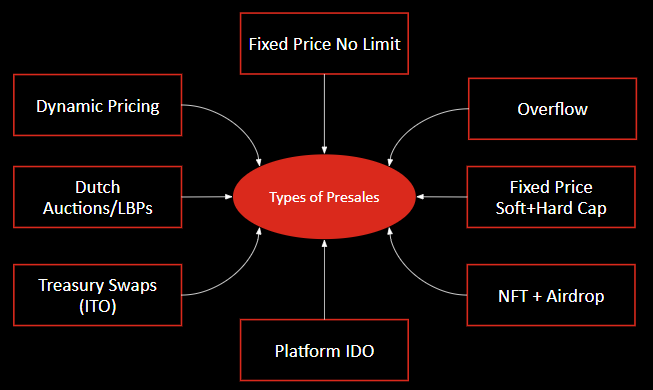
Fixed Price, No Cap
-
A fixed number of tokens sold at a fixed price;
-
Can raise $100 or $1 million—launches regardless, often with only a soft cap;
-
Most are garbage projects purely designed to make money.
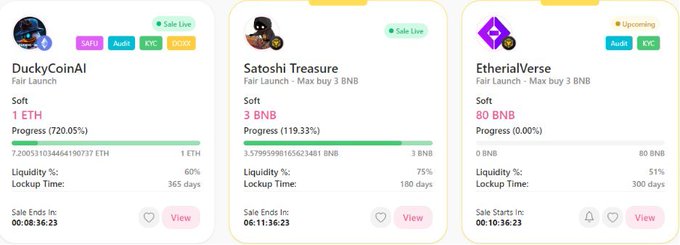
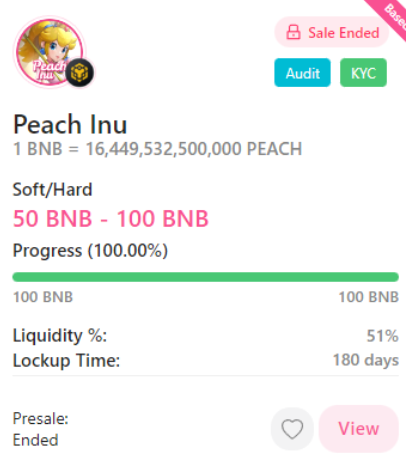
Fixed Price with Soft Cap + Hard Cap
-
Sets both minimum and maximum fundraising targets;
-
If the minimum target isn’t reached, the presale is canceled and everyone gets refunded;
-
Presale closes when either the minimum or maximum target is met;
-
Usually conducted at a fixed price with a fixed token supply;
-
Mostly seen in projects like @pinkecosystem.
Overflow Model
-
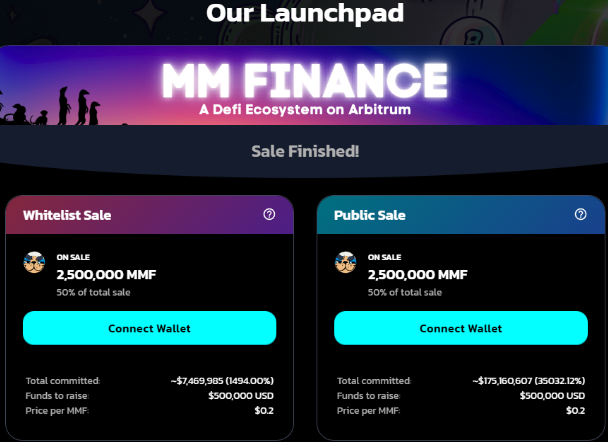
No hard cap, but with a fixed total token allocation;
-
Tokens are distributed proportionally based on each participant’s share of the total raised pool;
-
The more you invest, the more tokens you get; unused funds are refunded;
-
@MMFcrypto favors the overflow model, and recently @velocorexyz also adopted it.
NFT + Airdrop
-
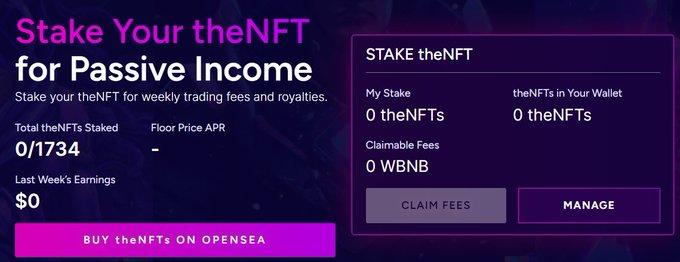
Raise funds by selling NFTs that may grant future airdrops.
-
Used by NFT projects and/or some Solidly forks.
-
NFTs with utility are a good sign—for example, @ThenaFi_ and @ChronosFi_, which allow staking NFTs to earn platform fees/royalties.
Platform IDO
-
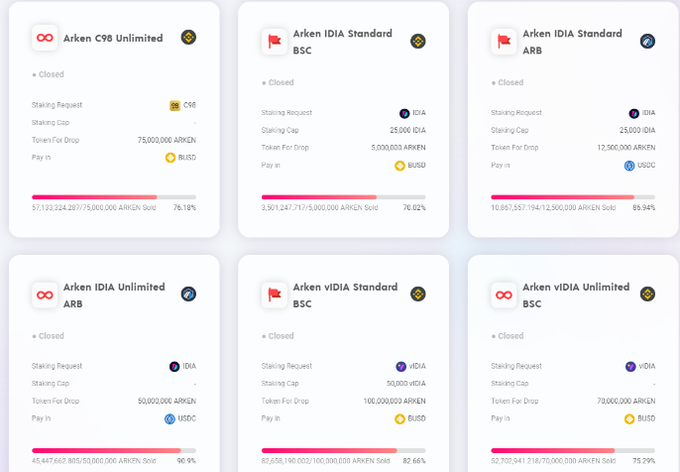
Fundraising conducted via a platform, which may require holding the platform’s token to qualify for allocation;
-
Pinksale / Gempad don’t require users to hold platform tokens but take a cut from the tokens/funds raised by the team;
-
@impossiblefi allows both token holders and non-holders to participate, offering better pricing, larger allocations, and less competition.
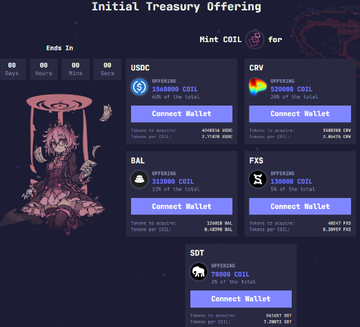
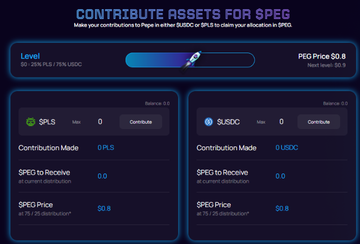
ITO (Treasury Swap)
-
Swap specific whitelisted tokens for their new token;
-
For example, @Spiral_DAO’s recent ITO allowed USDC, CRV, BAL, FXS, and SDT, while @PepesGame accepted PLS and USDC.
Dutch Auctions / LBPs
-
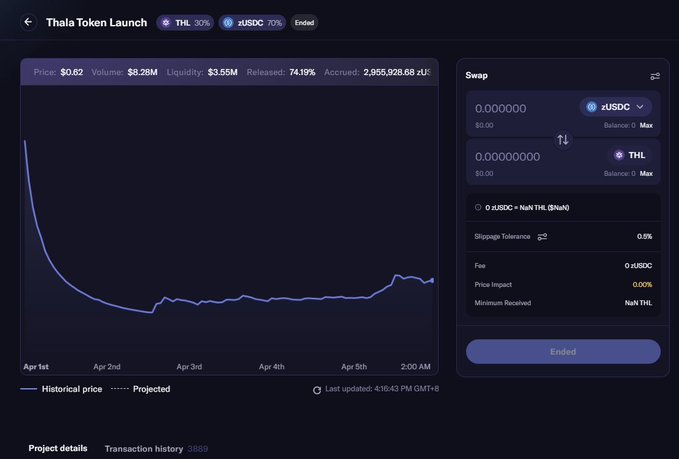
Starts at a high price and gradually decreases over time until all tokens are sold;
-
Typically begins with a pool ratio of 99% Token A and 1% USDC/ETH, trending downward until participants buy in;
-
Platforms like @Balancer’s LBP and @FjordFoundry run these auctions;
-
Recently used by @ThalaLabs on Aptos.
Dynamic Pricing
-
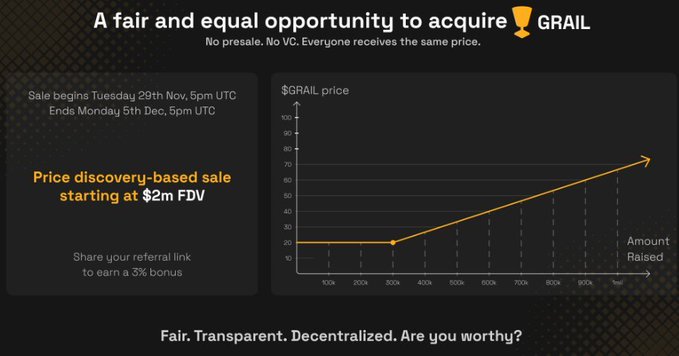
Price increases based on demand—the more people participate, the higher the token price rises;
-
Everyone participates at the same price; what changes is the FDV/MC and final valuation;
-
@CamelotDEX used this fundraising method.
Now that you better understand different types of presales, let’s dive into the pros and cons of each token sale type, along with my personal views:
→ Uncapped or no-hard-cap presales are 100% stupid. If everyone who wants in already got in during the presale, who’s left to buy on the open market? 99% of tokens raised this way tend to dump upon listing.
→ Overflow models are decent, but overly favorable to whales. Imagine a whale contributes $1 million into a $5 million pool, while you contribute $1,000. The whale gets 20% of the token supply, while you get just 0.02%. Those who didn’t “participate enough” often go wild during launch, making whales very happy.

→ Soft cap + hard cap is a decent model, but success depends on actual funds raised. If you’re a memecoin raising $10 million and hit your soft cap, but there’s no buying pressure afterward, post-presale dumping is inevitable.
→ Raising funds via NFTs with promised airdrops depends on context. NFTs are relatively illiquid compared to tokens, but it’s a solid way to fundraise while spreading token ownership. Promising airdrops to NFT holders satisfies their “GIVE ME AIRDROP” demands.
→ Participating in an IDO via a platform can be beneficial depending on which platform you choose, especially if you support the team and already hold their token. Platforms typically take a cut from raised funds or tokens. @impossiblefi’s buyback plan is currently the only mechanism I’ve seen explicitly designed to protect participants.
→ Treasury swaps are a great way to leverage existing tokens you already own (assuming you’re bullish and/or already committed your stablecoins), allowing projects to bootstrap their treasury without buying on-market and paying slippage/fees.
→ Dutch auctions are pure PvP against other buyers/sellers, essentially an open market where you play catch-the-knife and try to DCA/time the bottom until hype builds and others FOMO in—but at least it’s fair for everyone.
Always ask yourself these questions before apeing into any token:
→ After I participate in this sale, will there be real buying pressure post-launch? If yes, decide whether to hold or sell (your call). If not, why not just buy after launch?
→ Is the presale contract/platform secure? If it’s internally developed, can developers cheat?
→ Are there any vesting/lockup plans? How many times must the token rise to offset losses from my unlocked portion?
→ What are the valuations and lockup terms for other rounds?
→ Who holds liquid tokens post-launch? Will they sell? Why or why not?
→ Are there OTC buyers with locked tokens? If so, what are their breakeven prices?
→ If the product hasn’t launched yet, is the token valuation reasonable? If live, are metrics fairly priced vs. peers or overvalued?
→ Does the team keep opening new rounds, like @SatinExchange? If yes, stay away.
What I usually do:
-
Go all-in on Overflow, then sell for profit;
-
Promote my Twitter and @C4dotgg to gain access to private sales;
-
Avoid public sales unless recommended by close friends;
-
Play PvP with other degens in Dutch auctions;
-
Mostly buy the dip after the project launches;
-
Ask friends if the contract is safe before investing;
-
Wait for product launch, then re-evaluate charts and metrics.
Join TechFlow official community to stay tuned
Telegram:https://t.me/TechFlowDaily
X (Twitter):https://x.com/TechFlowPost
X (Twitter) EN:https://x.com/BlockFlow_News