Unlocking a New Model for Crypto Gaming: Play to Die
TechFlow Selected TechFlow Selected
Unlocking a New Model for Crypto Gaming: Play to Die
Is Death Wear Suitable for Introduction into Web3 Games? Battle-Scarred or Factory Fresh?
 Navigating Web3 tides with focused insights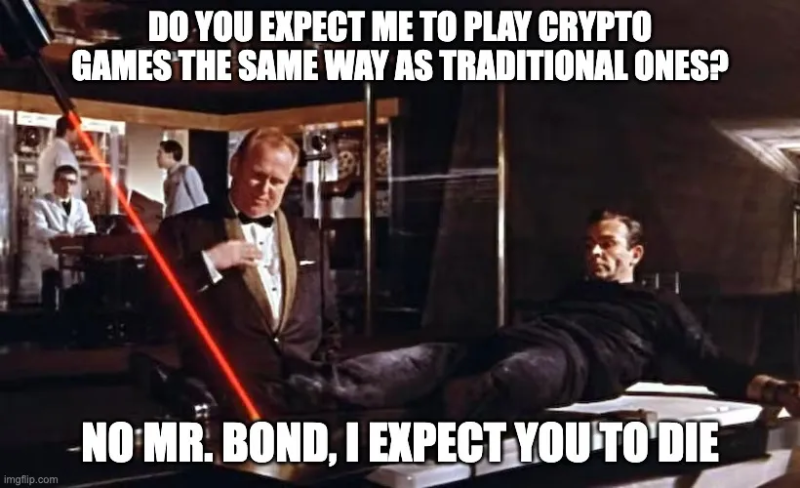
Written by: Dave Stanton
Translated by: TechFlow
The metaverse could make death real.
Well... that might be easily misunderstood. What I mean is, let's introduce the concept of death into crypto games—just like in real life, when you die, you're really dead. But it's not exactly the same as actual death in reality; permanent death in games can unlock new experiences and gameplay mechanics.
You might find this hard to grasp—let me explain step by step.
When playing FPS or RPG games, "death" is common, but you usually have a set number of respawns—or even unlimited ones. Death exists as a mechanic, but it functions more like feedback indicating poor performance in some aspect of the game, rather than truly ending your experience.
I believe there’s now an opportunity to bring this idea into crypto gaming, creating a new kind of experience, offering players fresh ways to earn money, and potentially generating compelling spectator content.
Why Now? Why Crypto?
In the past, many games have experimented with permanent death, but players generally preferred games where resurrection was possible. In my view, NFTs open up a new and viable path forward.
There are two key aspects I see:
-
NFTs represent digital ownership.
-
NFTs can be bought, sold, traded, or used outside the game environment.
I believe these points are crucial and unique compared to previous gaming experiences because players are no longer limited to using their characters solely within one game—they can now buy or sell them on open markets.
NFTs also enable interoperability, which will gradually permeate players’ mindsets. This means game characters will carry greater value—not just monetary, but emotional—because they aren’t locked into a single game. Interoperability can manifest in many ways, such as using the same character across multiple games.
Therefore, I believe the potential value of NFT-based characters is far greater than that of traditional game characters, making the concept of losing something through in-game death much more intriguing and engaging than before.
Imagine in an FPS, action game, or other genres, your character is an NFT. As you win battles, you accumulate skills. But if you lose a fight, your character dies—and the NFT is burned.
What could this mean?
1. If the game becomes popular, any player could start from nothing and purely through skill build up a highly skilled character. Theoretically, high-skill characters would be rare, since many players would die repeatedly during gameplay. Players could either keep playing with such a powerful character or sell it to others who want a high-level avatar without grinding. This essentially creates earning opportunities for skilled gamers without initial capital advantages, where rarity isn’t random (unlike earlier NFT mints based on random traits), but instead rooted in actual player skill.
- a. Additionally, I think things like skins or items should only unlock once a player reaches certain levels or completes specific campaigns. This adds extra layers of value beyond just in-game abilities.
2. Since dying in-game means losing your character, players may become more invested and emotionally attached, acting more thoughtfully and deliberately—potentially drawing in more engagement from the player base.
- a. Higher-level characters may attract more attention precisely because they’re harder to replace due to their resilience.
3. Esports—this model could attract more players to the game. Consider how the world’s biggest sporting events (Super Bowl, World Cup, Olympics, etc.) draw not only sports fans but also many “non-sports fans” who tune in because these events generate cultural momentum—missing them feels like falling behind. With in-game characters facing true stakes upon defeat, emotional investment increases, potentially making the experience more captivating than current gaming formats.
Conclusion
There are certainly countless possibilities I haven’t considered or mentioned. I believe introducing permanent death into gaming can create a unique emotional pull—for both players and spectators—that simply wasn’t feasible before, but now can be realized through NFTs.
Moreover, if this idea takes off in crypto gaming, we’ll see technically skilled but financially disadvantaged players striving for economic opportunity by creating thrilling, high-stakes combat moments. These matches could feel more authentic and heartfelt to non-gamer audiences, mirroring how sports fans feel watching athletes overcome impossible odds—delivering genuine emotion and drama to viewers.
Join TechFlow official community to stay tuned
Telegram:https://t.me/TechFlowDaily
X (Twitter):https://x.com/TechFlowPost
X (Twitter) EN:https://x.com/BlockFlow_News