








The $200 Million Behind DigiDaigaku's Parent Company: Gaming OGs Building a "Free to Own" New Paradigm
TechFlow Selected TechFlow Selected
The $200 Million Behind DigiDaigaku's Parent Company: Gaming OGs Building a "Free to Own" New Paradigm
"Our focus is to replace 'Free to Play' games with what I call 'Free to Own' games."
 Navigating Web3 tides with focused insights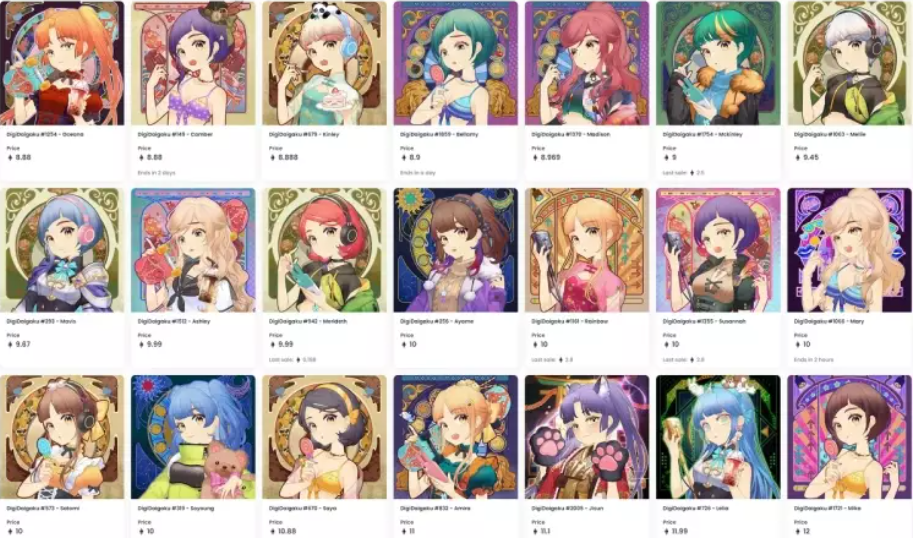
Written by: Dean Takahashi
Translated by: TechFlow
Gabe Leydon once worked at Machine Zone, a pioneer of free-to-play mobile games, which sold to AppLovin for $600 million in 2020. Now he’s back with Limit Break, a blockchain gaming company that recently raised $200 million.
Leydon left Machine Zone in 2018 to explore cryptocurrency technology. His initial attempts weren’t successful, but in August 2021, he partnered with Machine Zone co-founder Halbert Nakagawa to create a new blockchain-based business model for games called "Free to Own."
In an interview with GamesBeat, Leydon said: "Our focus is on replacing 'Free to Play' games with what I call 'Free to Own' games."
This statement carries significant weight because free-to-play has become the dominant business model in the gaming industry, generating $120 billion annually—more than half of all gaming revenue. Free-to-play first gained popularity in Asia through online PC games, then expanded globally with social and mobile gaming, reaching billions of people.
What sets Leydon apart is his approach: using non-fungible tokens (NFTs) on the Ethereum blockchain to verify unique digital items via blockchain ledgers, ultimately achieving "Free to Own." Unlike other game companies that pre-sell NFTs before launching games, Limit Break gives NFTs directly to fans. Leydon calls this a "free mint game."
Leydon believes this avoids scams where companies sell NFTs upfront but fail to deliver the promised game. Instead, by giving away NFTs, he believes he can turn fans into the best ambassadors for upcoming games, enabling viral spread among communities. For fans, creating value from nothing also convinces Leydon that this model will replace both traditional free-to-play and NFT pre-sales.
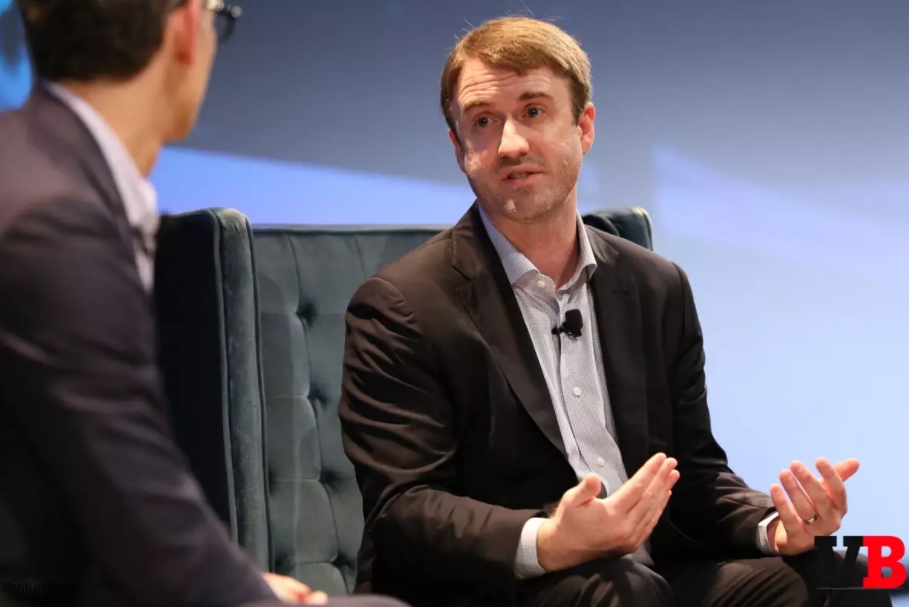
Fans are free to sell their items on NFT marketplaces like OpenSea. If NFT prices rise, Limit Break can also sell its own NFTs alongside fans, generating revenue, Leydon said.
Leydon hasn't shared his full plan yet, as he doesn't want others copying him. But if his vision succeeds, it could usher in a new era—and explains why he was able to raise $200 million for Limit Break last year. Investors include Buckley Ventures, led by Mino Games founder Josh Buckley. Other backers include Paradigm, FTX, Coinbase Ventures, Shervin Pishevar, Anthos Capital, SV Angel, and Standard Crypto.
"We have the perfect partners, the perfect investors, and the perfect team to bring the gaming industry into a new era," Leydon said. "Some investors previously backed Machine Zone, such as Pishevar and Anthos Capital."
"Web3 gaming holds enormous potential but remains misunderstood, especially within the gaming world," said Matt Huang, co-founder of Paradigm, in an email to GamesBeat. "Paradigm is excited to support Limitbreak in realizing this vision. Gabe, Hal, and the rest of the team are truly exceptional thinkers with unique insights into the potential of Web3 gaming. Their track record in mobile gaming speaks for itself, and we believe they’ll achieve similar success in Web3."
In an email to GamesBeat, Buckley added, "Gabe is one of the best game designers and marketers in the world. He and Hal helped shape today’s mobile gaming industry, pioneering new design and marketing techniques that influenced an entire generation of developers. With over 2.5 billion mobile gamers today, Limit Break has the opportunity to embed them into crypto. I’m thrilled to support Gabe and Hal in building Limit Break in this round."
Alok Vasudev of Standard Crypto said in an email, “We’ve spent a lot of time on crypto gaming, looking for the best ideas and teams. Over the past few years, we’ve learned a great deal about crypto gaming and proven many things. But the bridge we need to build is better design—not just around gameplay, but around business models. This is where no one comes close to Gabe, Hal, and Limit Break.”
He added, “They’re already legendary entrepreneur-founders. The Limit Break team pioneered free-to-play—after years of studying crypto—they now see the future of gaming as Free to Own. They've proven capable of taking unconventional approaches because they deeply understand psychology and sociology, giving them deeper insight into how to design games that attract players.”
Vasudev said, there’s no doubt that the future of gaming will include cryptocurrency.
“Because crypto liberates everyone—creators, enthusiasts, regular players—from the app store duopoly,” Vasudev said. “Crypto transforms the economic potential for game creators while turning gaming enthusiasts from consumers into owners of digital assets they control, incentivizing and fostering unprecedented innovation. Entirely new economies and spaces for self-expression will form around crypto gaming. That’s why we believe crypto gaming companies will become some of the largest tech and media companies, and we think Limit Break will be one of them.”
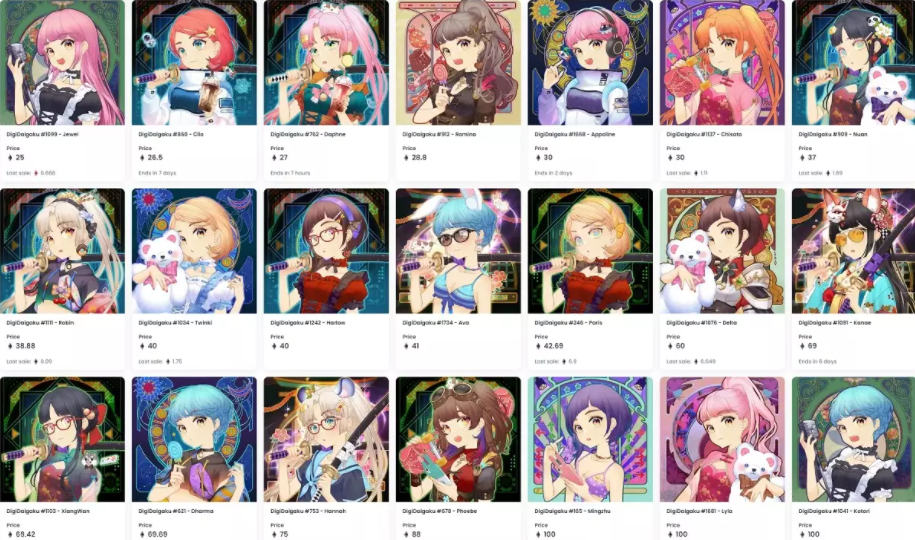
Earlier this month, Limit Break distributed its first batch of NFTs on OpenSea under the DigiDaigaku collection. These anime-style young female character NFTs are now selling for around 4 ETH on the market. For players, this represents creating value from zero.
This excites Leydon. In 2008, Leydon co-founded Addmired, developing social apps. In 2009, with the rise of the iPhone, he turned his attention to free-to-play mobile games. Leydon invested heavily in new games, real-time messaging technologies, and chat translation platforms, helping propel his mobile games to fame.
In 2012, Machine Zone launched Game of War: Fire Age as a real-time strategy game on mobile. The company later released Mobile Strike and Final Fantasy XV: A New Empire. According to Sensor Tower, these games generated over $4.5 billion in revenue between 2014 and 2018.
Leydon became so obsessed with his company’s real-time messaging technology that he spun it off into a standalone business called Satori. Reports suggest disputes with the board over which businesses to prioritize contributed to Leydon’s departure. After leaving Machine Zone, he re-entered the gaming space (though Leydon declined to explain exactly why he left). Meanwhile, Machine Zone—often abbreviated as MZ—was acquired by AppLovin for $600 million in 2020.
Leydon said he took a long break before restarting entrepreneurship in 2021, when everyone was talking about NFTs and the success of SkyMavis’ Axie Infinity, which popularized the play-to-earn (P2E) model. In that game, players had to pay upfront to acquire characters, often spending hundreds of dollars. They could level up these characters, increase their value, and sell them for profit—fueling hype around crypto and NFTs, leading Sky Mavis to raise $152 million at a $3 billion valuation in October 2021.
But when Leydon and others examined the model, they saw flaws. Many Axie Infinity “scholars” borrowed funds—often borrowing characters from guilds like Yield Guild Games—to play, and once characters appreciated in value, all parties had incentives to sell them. Initially, it worked wonders—poor rural players in the Philippines earned several times the minimum wage per month.
New players bought characters, but as new entrants dwindled, buyers became scarce, causing the economy to collapse like a Ponzi scheme, and NFT prices plummeted. P2E games structured this way struggled, especially during the crypto and NFT “winter.”
According to Leydon, even the few “P2E” games that achieved limited success eventually collapsed with the market, inevitably dumping increasingly worthless tokens.
After witnessing this, Leydon proposed the "Free to Own" model, where his company mints NFTs and gives them away for free. Since players start from zero without spending money, they won’t immediately recoup costs—but they’ll promote the game for longer periods.
The company’s name draws inspiration from the "Limit Break" combat sequence popularized in RPG series like Final Fantasy. Leydon entered the gaming industry in the 1990s as a game tester and built Limit Break around his vision for interactive Web3 gaming, aiming to fill major gaps in this emerging field.
"People see Web3 gaming as inevitable," Leydon said, "but it needs to be properly designed and built."
Since August 9, his first NFTs have appeared, and Leydon is now willing to discuss the idea, believing others will follow. The company has grown to 50 people, about 80% of whom are former Machine Zone employees. The team operates remotely, with some members based in Utah.
"Under the free-to-play model," Leydon said, "developers spend so much time in the dark, not knowing what players will do, just hoping players will spend money."
In contrast, under the Free to Own model, Leydon said, "developers have already turned some people into fans who own a piece of the game’s value. They become advocates before the game launches, all wanting the game to succeed because they own these assets."
Leydon said the simplicity of this model is one reason the company was able to raise so much funding.
Leydon also said, "Free to Own Web3 games will squeeze the survival space of free-to-play games. Free-to-play is essentially a pile of virtual goods in downloadable games that you fundamentally cannot own. What we're doing is completely reshaping the gaming industry."
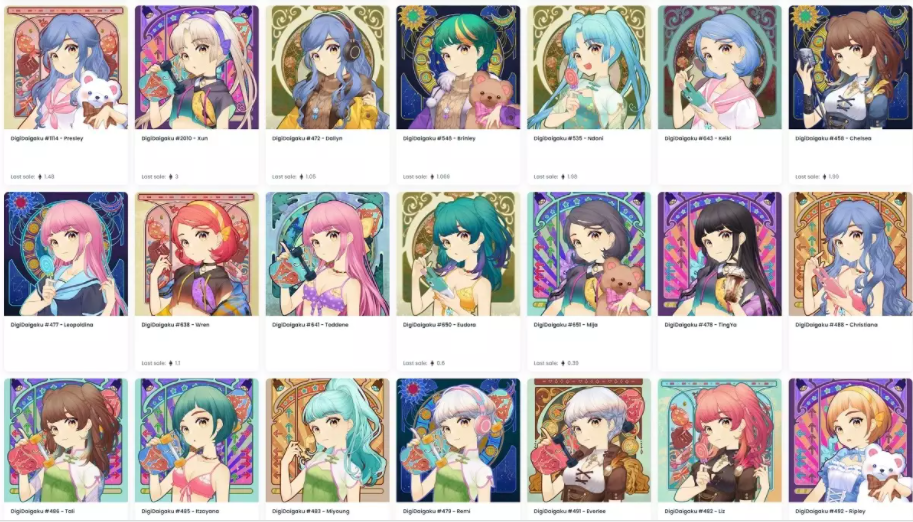
When asked how developers make money, Leydon explained they retain a certain percentage of digital products and sell them at market price. New players can buy from early adopters or directly from the company. Leydon also noted that initial NFT assets can become "factories for future assets," meaning they can generate additional NFTs.
"Game developers still maintain control over the game economy," Leydon said. "But there’s far greater alignment between the player base and the company."
Western gamers still view NFTs as scams, and Leydon believes they’re wrong—just as they once were about free-to-play. But he acknowledges the need to earn their trust, which is partly why his games use free minting.
"We are a very serious organization aiming to win in this space, so I see this as the beginning of Facebook and iPhone-level opportunities," Leydon said.
Leydon didn’t reveal his exact plans but said his goal is to be first again in mobile. He said he’s learned lessons from Machine Zone and won’t scale too quickly this time.
As for the games, Leydon said details will be revealed soon. He feels excited, describing blockchain gaming as reminiscent of the early days of mobile free-to-play. Although the characters are cute anime girls, Leydon emphasized this isn’t a "girlfriend simulation" game (after all, the team is known for making massive multiplayer online games).
Join TechFlow official community to stay tuned
Telegram:https://t.me/TechFlowDaily
X (Twitter):https://x.com/TechFlowPost
X (Twitter) EN:https://x.com/BlockFlow_News






