Forgot to Withdraw? 5% Monthly Deduction: The Hidden Costs Behind Crypto Projects' "Graceful Exits"
Author: Cathy, Baihua Blockchain
Sophon raised $70 million. On its closing day, it collected $30 in fees.
It raised $10 million in its seed round and another $60 million from selling nodes, with daily active users under 200. Withdrawals closed on November 25; after this date, on-chain funds may become unretrievable.
It is not an isolated case. From now until New Year's Day, the calendar is filled with five or six deadline dates. Each shutdown has different procedures, and each requires a different path to retrieve funds.
100 Projects Shut Down This Year
DeFiLlama released a mid-August report stating that 100 projects announced shutdowns in 2026, with 40 of them added in the last 90 days. These 100 projects combined raised approximately $1 billion and collected around $250 million in lifetime fees. In other words, for every $4 investors put in, the projects only recovered $1 from users.
Researcher Stacy Muur published another list on X in October featuring 82 projects, including Balancer, Radiant Capital, and Neon EVM. The two lists use different definitions, so the numbers cannot be added together, but they point in the same direction: projects are exiting in batches.
DeFiLlama gave a one-sentence explanation: demand has dropped, and funds have run out. Many projects paid salaries and subsidized liquidity with their tokens; when those tokens fell by 70% to 90%, the entire financial model collapsed.
The backdrop is Bitcoin's decline from its high of over $126,000 last October to below $60,000 this year. In a bull market, tokens could pay salaries, subsidize users, and attract liquidity; in a bear market, all three disappear. Nearly half of these projects survived for only one to two years.
The list features several established names. BitMEX pioneered perpetual contracts, posting monthly trading volumes exceeding $100 billion for five consecutive months in 2021, but saw them plummet to $4 billion in July before its closure. Loopring shut down its DEX on June 28, with LRC dropping from $3.75 to roughly $0.01. Blast once attracted over $2 billion in deposits and also announced its shutdown in October.
Hacks and rug pulls account for only a minority. Most projects meet a quiet end: they simply lose all users.
A Shutdown Calendar
The most imminent is Sophon. Withdrawals close on November 25, and the mainnet shuts down on the 30th. According to crypto.news, its cross-chain bridge, node services, and official frontend will gradually go offline starting the 25th. However, the announcement does not specify the exact cutoff time or timezone for the 25th. If calculated at 00:00 UTC, that translates to 8:00 AM Beijing Time on the 25th. The safest approach is to act early and prepare for the earliest possible deadline.
Next, everything is packed into December. On the 15th, Abstract, the Layer 2 network under Igloo (parent company of Pudgy Penguins), goes offline. On December 18, Sweat Wallet advises users to complete all operations before this date, with the app and SWEAT token ceasing operations in their current form on the 30th.
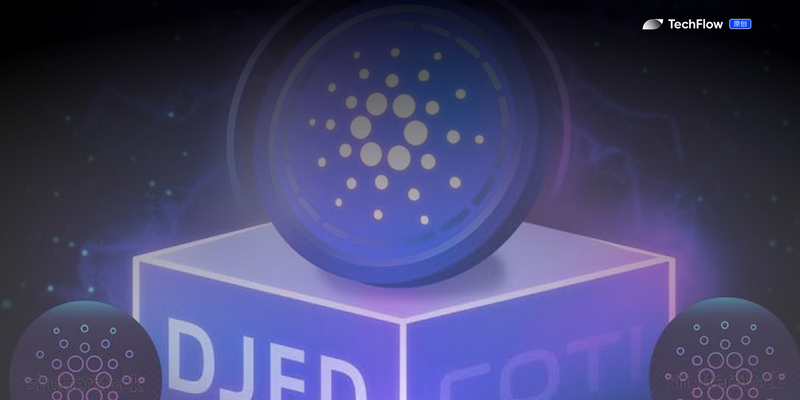
At 02:00 UTC on December 22 (10:00 AM Beijing Time), CoinEx will close withdrawals. At 23:59 UTC on December 31 (7:59 AM Beijing Time on New Year's Day), the Cardano-based stablecoin DJED and its companion token SHEN will halt all services.
Looking further ahead, Babylon has proposed halting Bitcoin staking by year-end, pending a vote; Balancer plans to open treasury redemptions by late May 2027, with a six-month window.
Five or six projects within thirty-plus days. The most dangerous deadline isn't necessarily the nearest date, but the one where the exact time is left unclear.
Three Shutdown Methods, Three Outcomes
First, consider exchanges. Funds are held on the platform, which provides a withdrawal period before closure; failing to withdraw in time results in deductions.
Under CoinEx's rules, unwithdrawn USDT after December 22 will be transferred to an independent custodian, which charges a 5% monthly custody fee. Users can apply via email before August 22, 2028. As reported by overseas media like Arabian Post, the 5% fee is calculated based on the balance at the cutoff. With 20 months between the dates, dragging it out until the final day would result in the balance being entirely deducted.
BitMEX is even harsher, deducting $50 or 1% annualized per month on expired balances, whichever is higher. Balances under $50 will vanish in a single month. The closure itself isn't the worst part; the terrifying reality is watching your funds shrink while trapped inside after the doors close.
Next, look at blockchains. When a chain shuts down, funds remain in your own address, and recovery depends on what escape route the project leaves behind. When Blast's standard interface closed on October 26, approximately $40.4 million still resided in the bridge, but users could subsequently access Ethereum mainnet bridge contracts directly to withdraw funds.
Moonbeam was not so lenient. Less than four hours before its migration window closed on July 31, only 24.83% of GLMR had moved through the migration contract. The remainder had to submit emails for manual review, with no guarantee of recovery. Three-quarters of assets were left stranded on the closed side.
Loopring originally had an "escape pod": even if operators fled, users could independently submit proofs to Ethereum to reclaim funds. This shutdown changes the procedure to a centralized calculation and unified refund. While the money returns, the chain's greatest pride—operating without trusting the team—at the final moment devolves into trusting the team.
Finally, there is protocol liquidation, essentially distributing remaining assets. Balancer's revenue in August was only around $30,000 against monthly operating costs of $150,000. Facing insolvency, the shutdown proposal BIP-928 passed with 99.2% approval. Starting late May 2027, users can burn BAL tokens to claim treasury assets. Former CEO Marcus Hardt estimated the value at approximately $0.158 per token, pending audit.
DJED requires redemption into ADA before year-end. When the reserve ratio falls below 400%, SHEN redemptions are frozen to prioritize DJED. Mid-November observations placed the ratio around 340%, meaning SHEN holders' redemption windows could be frozen at any moment.
Closure Does Not Equal Exit Scam
Shutdowns sound alarming, but some projects on the list are simply pivoting their operational model.
Babylon co-founder Fisher Yu posted on the forum on November 17, proposing to halt Bitcoin staking by year-end and shift resources to Trustless Bitcoin Vaults, allowing native Bitcoin to serve directly as loan collateral. This remains a proposal with no set voting date. Existing stakers will exit under original rules, with time locks unchanged and no fast-track options.
CoinEx has provided over three months for withdrawals. Founder Yang Haipo stated in the announcement that the reserve ratio remains above 100%, and the exchange will execute unlimited buybacks of its platform token CET at $0.005 USDT per coin.
His stated reason for closure is candid: CoinEx failed to become a top-tier exchange, and security and compliance risks have become increasingly difficult to manage. He seriously considered selling the company but ultimately abandoned the idea, reasoning that users trust the platform itself, and often him personally.
Balancer distributed its treasury to BAL holders, rejecting proposal BIP-929 which requested a fork to continue operations. Sweat provided a 90-day advance notice and removed the minimum term requirement for its investment product Grow Jars, allowing users to withdraw at any time.
A dignified shutdown provides you with both time and a clear path. But neither time nor a path matters unless you actively use them yourself.
First, Locate Your Funds
Whether funds are held on an exchange, in your own wallet, or within a staking protocol, the three escape routes differ completely.
Prioritize withdrawing funds locked in protocols. DJED explicitly requires pulling positions out of liquidity pools and lending markets before redemption; Moonbeam made no commitments regarding positions remaining in DeFi.
Backup private keys first if using in-app wallets. Every Sweat account is essentially a NEAR account; once the app closes, the private key becomes your only lifeline. Similarly, staking rewards and node rewards for Sophon must be claimed separately.
Rely solely on official channels. Sweat's website clearly states: we never DM users proactively and never ask for private keys or mnemonics. The closer the deadline, the more phishing attempts arise. Do not wait until the final day, as network congestion and fee spikes are likely.
Another signal to watch: exchanges often act before the projects themselves. Upbit and Binance delisted LRC sequentially this spring; Binance did so on April 1, while Loopring didn't announce its shutdown until June 28. Sweat also cited loss of exchange listings as one of its closure reasons. Next time you witness widespread delistings, take a step back and examine the underlying projects.
The next date on the calendar is November 25.
Join TechFlow official community to stay tuned
Telegram:https://t.me/TechFlowDaily
X (Twitter):https://x.com/TechFlowPost
X (Twitter) EN:https://x.com/BlockFlow_News
 白话区块链