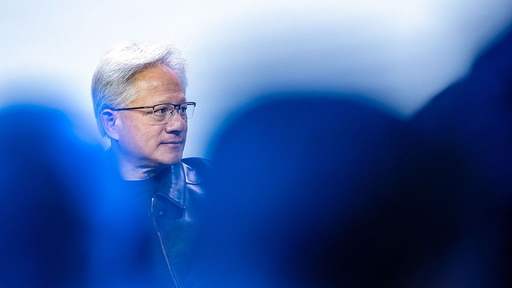
Jensen Huang is back, but NVIDIA now faces tighter national security oversight.
By: Lucas, TechFlow
On November 23, 2026, NVIDIA's board of directors issued an official announcement, voting unanimously to reinstate Jensen Huang's positions as President, CEO, and Board Member, effective immediately.
Following the news, U.S. semiconductor and AI compute stocks surged in premarket trading. NVIDIA's premarket gain expanded to over 30%, while new cloud provider CoreWeave rose 29%, Nebius jumped 27.3%, and both Micron and Arm climbed 16%.
Just six days earlier, on November 17, NVIDIA's board had indicated it had no intention of allowing Jensen Huang to return as CEO after his sudden resignation on November 12. The swift reversal in stance within a single week reveals the true underlying terms of the deal embedded in the announcement.
Behind the Reinstatement: The Board Has Established Two New Compliance Red Lines
In its November 23 announcement, NVIDIA explicitly stated that the board consulted with senior U.S. government officials during its decision-making process, concluding that Huang's reinstatement would not pose a national security risk.
While Jensen Huang has regained control over daily operations and product strategy, NVIDIA's corporate governance structure will never revert to its pre-November 12 configuration.
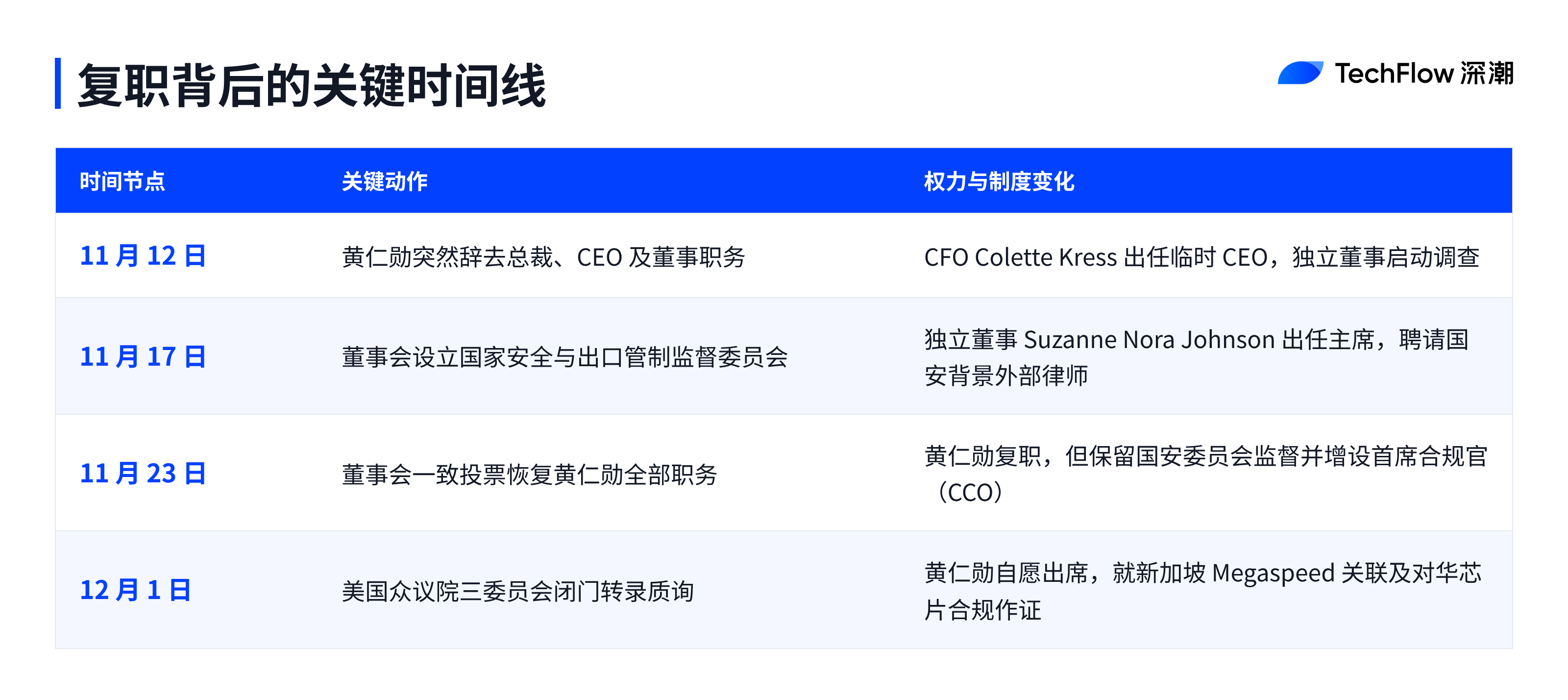
According to the governance adjustments sequentially disclosed by NVIDIA on November 17 and November 23, the newly established "National Security and Export Control Committee" comprises solely independent directors, chaired by director Suzanne Nora Johnson. The committee has specifically retained external legal counsel and experts specializing in national security and global trade compliance to provide independent advisory opinions.
The company has also initiated a global recruitment drive for a newly created executive role, the "Chief Compliance Officer (CCO)." This position reports directly to the board's Nominating and Corporate Governance Committee, independently overseeing compliance matters across the entire organization.
Internal investigations by independent directors into Huang's ties with former executives of Singaporean chip buyer Megaspeed, as well as inquiries into whether he became a target of foreign intelligence operations, will not be halted upon his reinstatement. NVIDIA confirmed in its announcement that these probes will proceed, and Huang himself has pledged full support and cooperation.
Why Washington Greenlit the Return
The direct external catalyst behind this reversal stems from strategic calculations in Washington.
After Jensen Huang resigned on November 12, NVIDIA shares plummeted roughly 14% over just a few trading sessions, triggering severe volatility across the U.S. AI data center and compute supply chain. Although Acting CEO and CFO Colette Kress delivered a quarterly revenue report of $115.8 billion on November 17, Wall Street's anxieties over potential supply chain fractures remain unaddressed.
Tesla CEO Elon Musk publicly highlighted this vulnerability following Huang's departure, noting that numerous critical transactions within NVIDIA's supply chain rely on direct personal agreements with Huang, with formalized written contracts representing a much smaller fraction than commonly assumed.
With domestic U.S. cloud giants, semiconductor fabs, and sovereign AI infrastructure so deeply integrated into NVIDIA's product roadmap, leaving this trillion-dollar titan without consistent leadership would inevitably delay America's deployment timeline in the AI compute race.
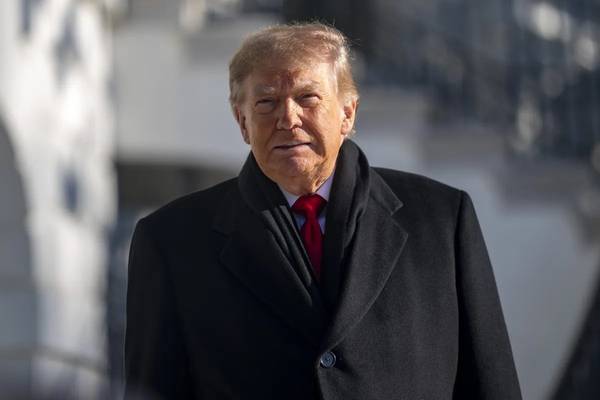
Following President Trump's repeated public statements indicating he would not oppose Huang's return, U.S. government officials ultimately settled on a compromise. Rather than permanently ousting the founder from the board, permitting Huang to resume duties under the institutional guardrails of an "Independent National Security Committee" and a "Chief Compliance Officer" simultaneously stabilizes global compute supply chains and capital market sentiment, while channeling NVIDIA's export approvals and compute allocations to third-party nations directly into Washington's compliance radar.
Closed-Door Congressional Hearings on December 1 Mark the Next True Test
The premarket surge of 30% has already absorbed the short-term euphoria surrounding the "founder's return," but Jensen Huang faces two formidable challenges ahead.
Per scheduling details outlined in a joint letter from the House Committees on Foreign Affairs, Intelligence, and the Select Committee on the Strategic Competition between the United States and China, Huang has agreed to testify at a closed-door recorded hearing convened by all three panels on December 1. NVIDIA General Counsel Tim Teter will face questioning on December 2. Furthermore, Senate Banking Committee Chair Tim Scott has confirmed that Huang has agreed to appear at an open Senate hearing before Christmas.
For NVIDIA's commercial footprint, the actual long-term variable hinges on the restructuring of global compute distribution regulations.
Over the past two years, Huang has toured the Middle East, Europe, and Southeast Asia pitching orders for "sovereign AI" data centers. These third-country facilities have recently come under intense scrutiny from U.S. regulators monitoring chip diversion and remote cloud compute access.
Henceforth, every major overseas contract NVIDIA secures, and even the allocation of next-generation chip capacity to foreign cloud providers, must first pass compliance vetting by the Independent National Security Committee and the newly appointed Chief Compliance Officer. Huang has recovered command of NVIDIA, but from this point forward, every cross-border transaction for the world's premier AI chipmaker will be required to operate strictly within the security red lines delineated by Washington.
Join TechFlow official community to stay tuned
Telegram:https://t.me/TechFlowDaily
X (Twitter):https://x.com/TechFlowPost
X (Twitter) EN:https://x.com/BlockFlow_News
 深潮TechFlow