In-Depth Breakdown of NVIDIA’s Flash Crash: The Endgame Battle and Valuation Truth Overlooked by 99% of Investors
Author: Drew Cohen, Founder and Researcher at Speedwell
Compiled by: TechFlow
TechFlow Highlights: Nvidia is not only the strongest-performing chip giant on the U.S. stock market over the past decade, but has also driven an entire AI computing boom with hundreds of billions in profits. However, following the sudden personal scandal of founder and CEO Jensen Huang and his subsequent announcement of resignation, this trillion-dollar giant finds itself at an unprecedented crossroads, facing dual shocks to its fundamentals and leadership.
Speedwell founder Drew Cohen released a lengthy in-depth research report, comprehensively analyzing Nvidia's true underlying cards: from traffic diversion due to hyperscaler custom chips, cracking of the CUDA moat, disputes over circular financing, to an end-game valuation model based on data center power capacity. It provides investors with a hardcore guide to cutting through market noise.
Introduction: The Crossroads of Jensen Huang’s Resignation Storm and the Stock Price Myth
For a long time, Nvidia has maintained a forward-looking strategic vision, often completing precise early layouts years before actual business lines truly take off.
As early as 2016, the company had already explained to the market how its graphics processing units (GPUs) would derive incomparable unique dividends from emerging terminal markets such as artificial intelligence (AI), autonomous vehicles, and robotics.
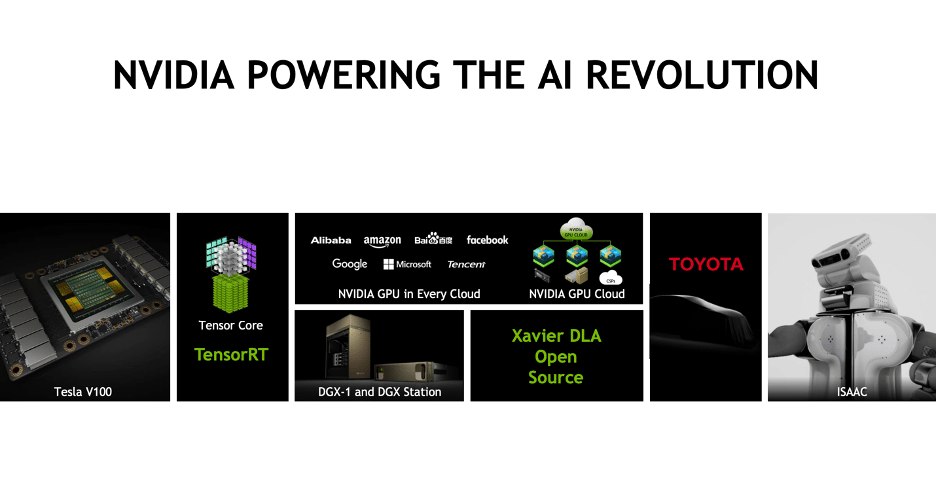
A decade later, this monumental gamble on the AI track has proven to be completely correct.
In 2016, when these predictions were made, Nvidia's full-year revenue was only around $5 billion, with net profit under $1 billion.
A mere decade passed, Nvidia's annual revenue has strongly broken through the $300 billion mark, while net profit surged to a staggering $200 billion, and its stock price achieved an astonishing ~100x increase over the same period.
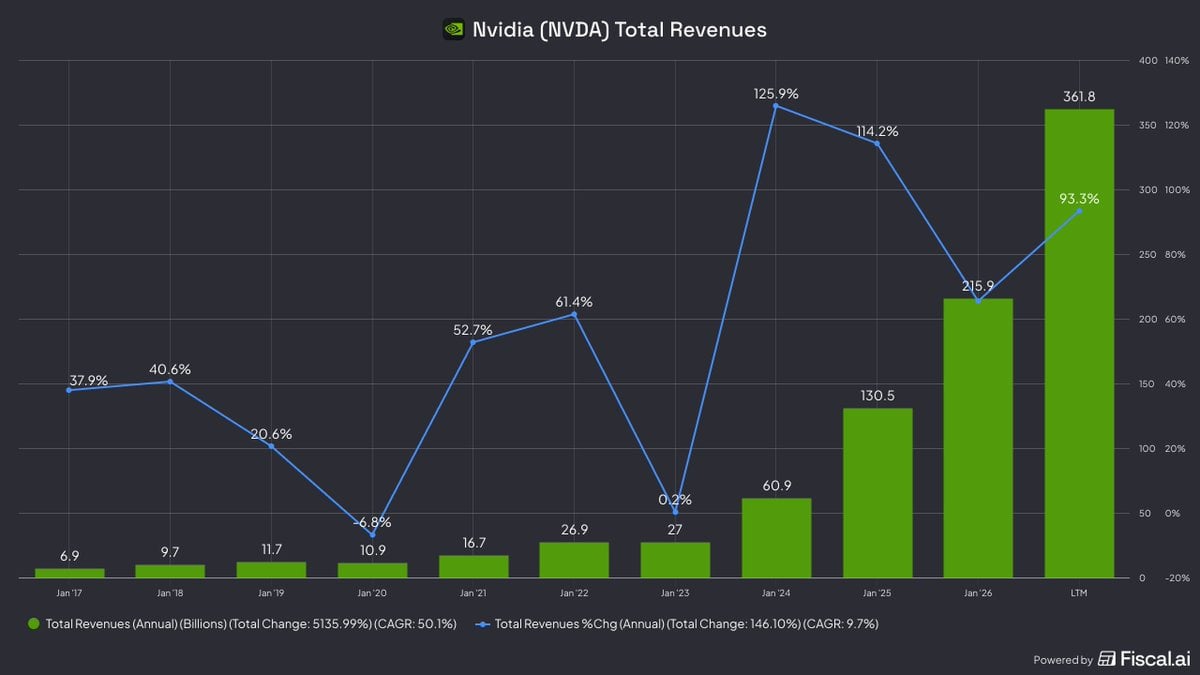
Looking back at Nvidia's performance since its IPO in 1999, this stock ranks among the most powerful super-bull stocks in history in terms of returns.
Had you invested $1,000 on its IPO day, that asset would now be worth approximately $10 million.
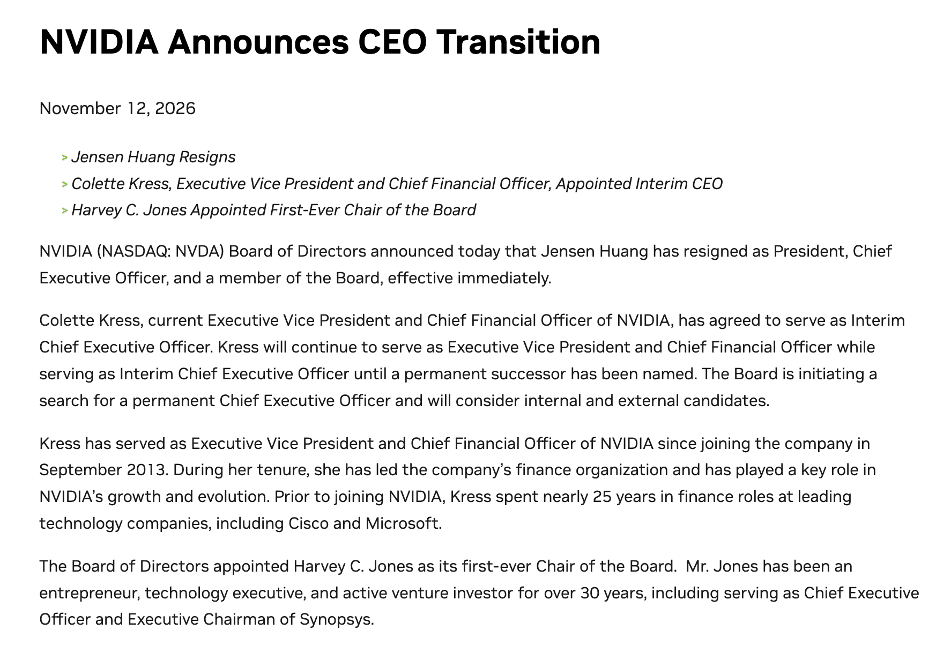
However, the current situation has taken a completely unpredictable turn, especially following this week's explosive bombshell: founder and CEO Jensen Huang officially announced his resignation after being implicated in two separate serious personal scandals within the same week.
Jensen Huang has led Nvidia for over thirty years, maintaining a legendary track record of almost always foreseeing hidden risks that the company's business faces.
This sudden executive departure occurs precisely at a critical juncture where several deep-rooted business crises at Nvidia are accelerating.
On one hand, Nvidia's largest customer base—including Microsoft, Amazon, Meta, and Google—while collectively purchasing up to hundreds of billions of dollars' worth of cutting-edge computing chips annually, are simultaneously accelerating their efforts to develop proprietary custom chips in an attempt to completely replace Nvidia within their own data centers.
On the other hand, the underlying moat of the CUDA software ecosystem, once hailed by the market as impregnable and unbreakable, has begun to show genuine cracks in recent years, with multiple competitors winning significant substantive industry adoption over the past year or two.
Furthermore, in a sense, Nvidia has acted as a backstop guarantor for the lending of the entire AI ecosystem's closed loop, deeply involved in credit financing guarantees exceeding $100 billion tied to related-party transactions within that ecosystem.
In the following comprehensive deep-dive analysis, we will examine each of these core controversies and endgame logics.
Business Overview: Computing Power, Networking, and Full-Stack Ecosystem
Over the past 12 months, Nvidia accumulated revenue reaching $362 billion, with the most recent single quarter alone generating $116 billion—a year-over-year surge of 103%. In recent quarters, its revenue growth rate has even accelerated against broader trends.
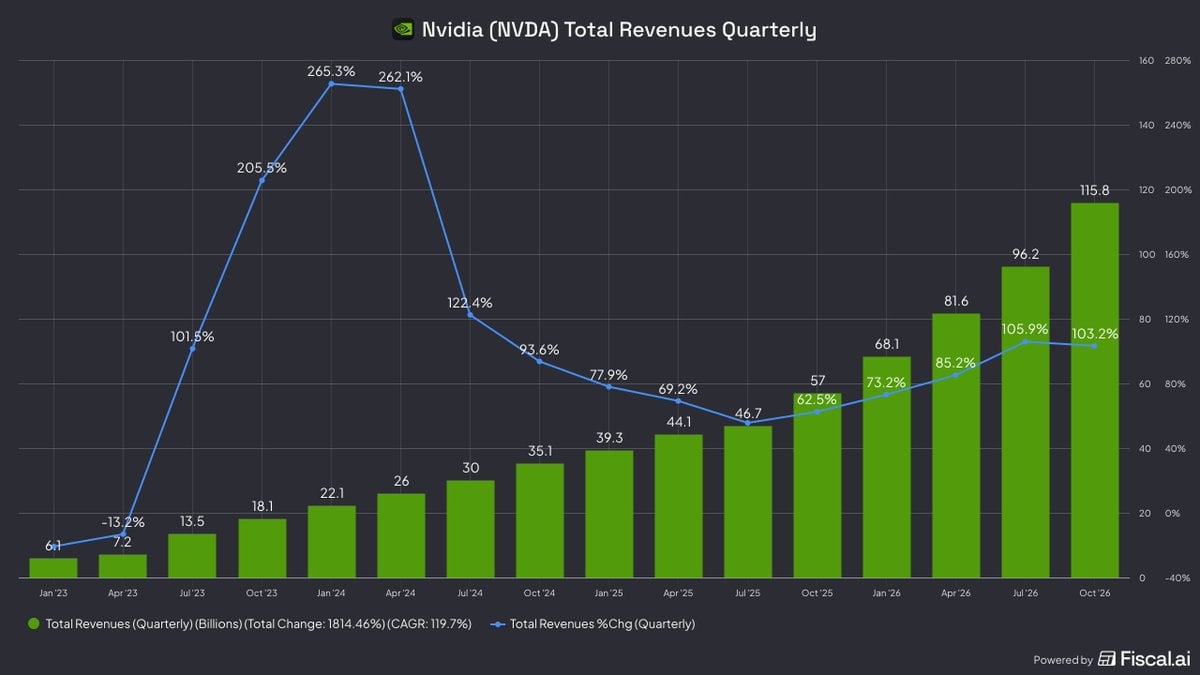
Jensen Huang has publicly stated that Nvidia expects its own chip production capacity to grow by at least 70% next year, while actual customer demand for computing power may accelerate at a rate as high as 100%, creating a massive gap between projected supply and insatiable demand.
Currently, the company's gross margin stands at a lofty 75%, having jumped a full 12 percentage points over the past five years.
Its operating margin expansion is even more staggering: soaring to 65% over the past 12 months, a leap of 35 percentage points from the historical norm of roughly 30% five years ago.
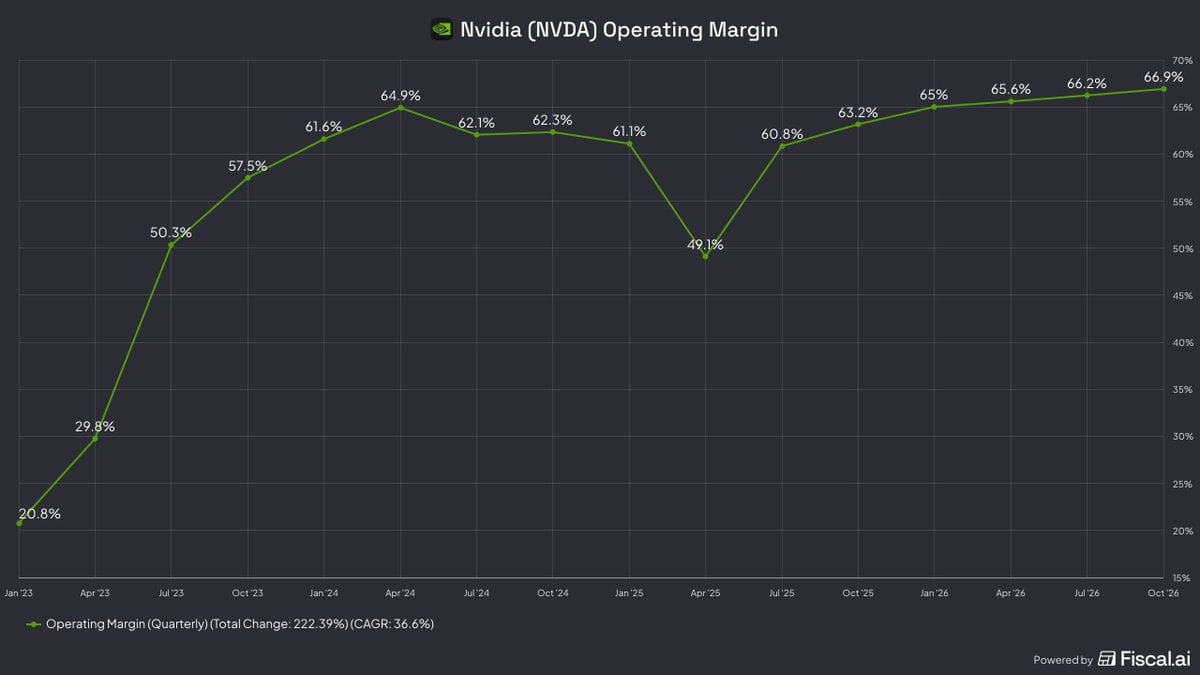
This explosive profitability improvement mainly benefits from extremely high operating leverage in sales, marketing, and R&D expenses: sales and marketing costs as a percentage of total revenue dropped sharply from around 10% to approximately 2%; R&D expense ratios also shrank significantly from about 20% to roughly 8%, though despite the massive scale, Nvidia's absolute dollar investment in R&D remains among the industry's highest.
It is precisely the combination of astronomical revenue growth and dramatic cost leverage that fueled Nvidia's historic annual net profit of nearly $200 billion over the past year.
A Brief History: From Denny's Diner to a Three-Hundred-Billion-Dollar Empire
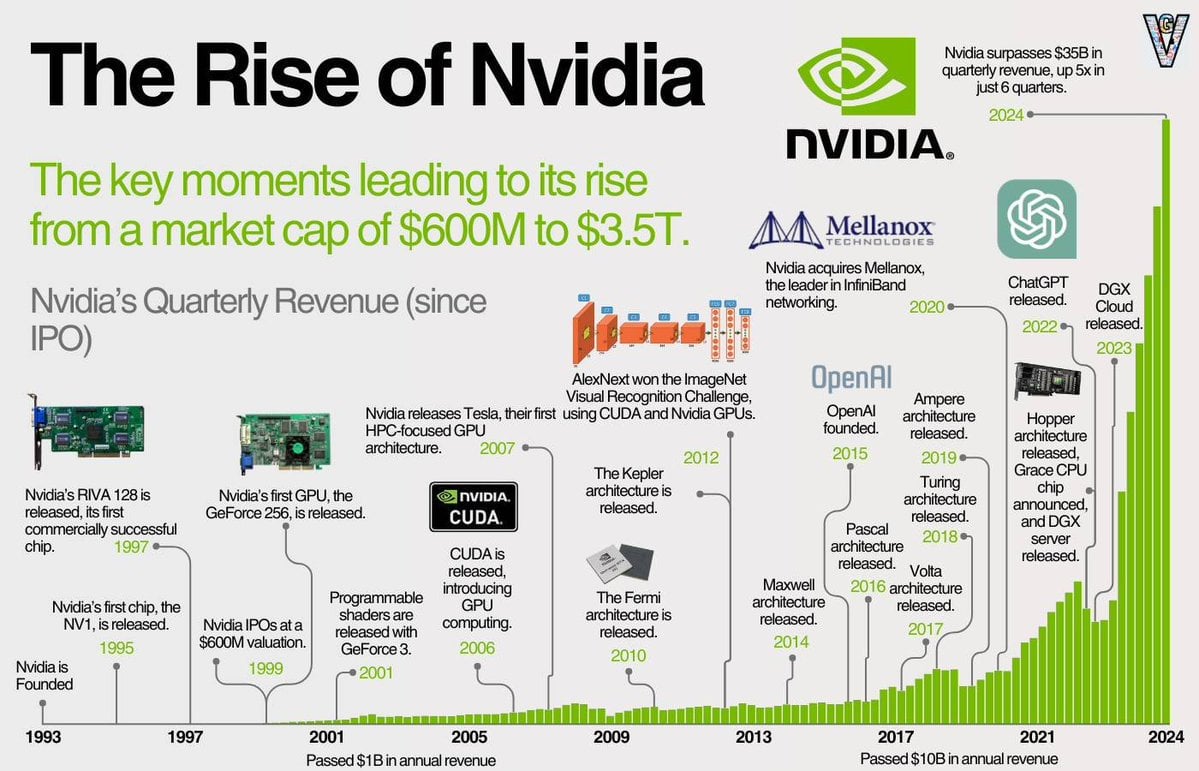
Nvidia was founded in 1993 by Jensen Huang alongside two co-founders, with the initial entrepreneurial concept conceived at a Denny's diner chain.
In 1999, Nvidia officially launched its first GPU product (the GeForce graphics card targeting the gaming market); strictly speaking, Nvidia did not invent the GPU concept, but it single-handedly brought GPUs into the public eye and drove industry-wide adoption.
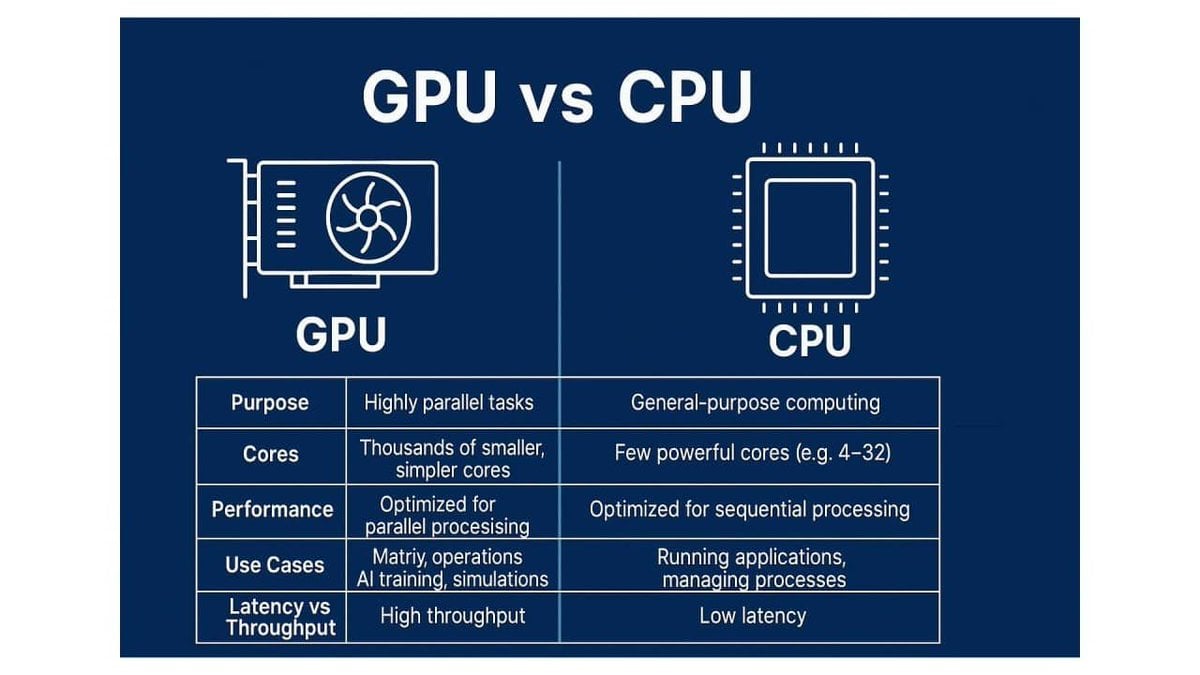
GPUs differ fundamentally from traditional CPUs in information processing mechanisms: CPUs primarily execute instructions serially in chronological order, whereas GPUs can process massive amounts of independent computational tasks in parallel, such as rendering millions of mutually independent pixels on a screen simultaneously.
It is precisely this innate parallel computing architecture that gives GPUs an unrivaled natural advantage in graphics rendering since their inception.
Around 2006, Jensen Huang keenly realized that the application potential of this large-scale parallel computing architecture was far from limited to gaming graphics rendering. He subsequently spearheaded the development of the CUDA platform: a foundational programming platform that allows developers to directly invoke GPU parallel compute power for general-purpose scientific computing tasks.
In 2012, the AlexNet deep neural network, trained on Nvidia GPUs, triumphed dramatically in the ImageNet image recognition competition, significantly boosting accuracy rates. This became one of the earliest industry milestones demonstrating GPUs' exceptional suitability for handling modern AI computing workloads.
Back at Nvidia's 2016 investor conference, Jensen Huang had prophetically depicted future landscapes centered on AI, autonomous driving, and robotics as major demand engines for the company, while the vast majority of mainstream voices in capital markets completely dismissed it at the time.
During that period, Nvidia's revenue pillar relied almost entirely on consumer gaming graphics cards, a highly cyclical business heavily dependent on PC upgrade cycles.
The company's revenue peaked at $4.1 billion in 2008 before stagnating, failing to surpass that level for the following five full years.
A cryptocurrency mining boom that emerged around 2017 once propelled Nvidia's revenue to surge to $11 billion in 2019, with an operating margin of 32%. This frenzy spread throughout the pandemic, but the post-boom hangover was equally brutal: by 2022, the company's revenue came to a complete halt. Due to severe channel inventory buildup, Nvidia was forced to slash prices to clear excess GPU stock, causing its operating margin to plummet by half from 37% to 16%, with revenue standing at just $26 billion.
Yet, merely four years after hitting that cyclical bottom, with the emergence of ChatGPT fully igniting the tsunami of generative AI in 2023, Nvidia rode the era's super windfall following a decade of precise strategic positioning. Revenue rocketed to $300 billion, and the operating margin soared to 65%.
Business Segment Breakdown: Data Center Dominance and Edge Business
In Nvidia's early financial disclosure structures, its business was clearly divided into four market segments: data center, gaming, professional visualization, and automotive.
But in the last official data providing segmented disclosures, the data center segment had already accounted for roughly 90% of total revenue, gaming was compressed to about 7%, professional visualization took up only about 1.5%, and automotive hovered around 1%. As the data center share continued to polarize and expand, Nvidia subsequently ceased detailed breakdown disclosures for these peripheral categories.
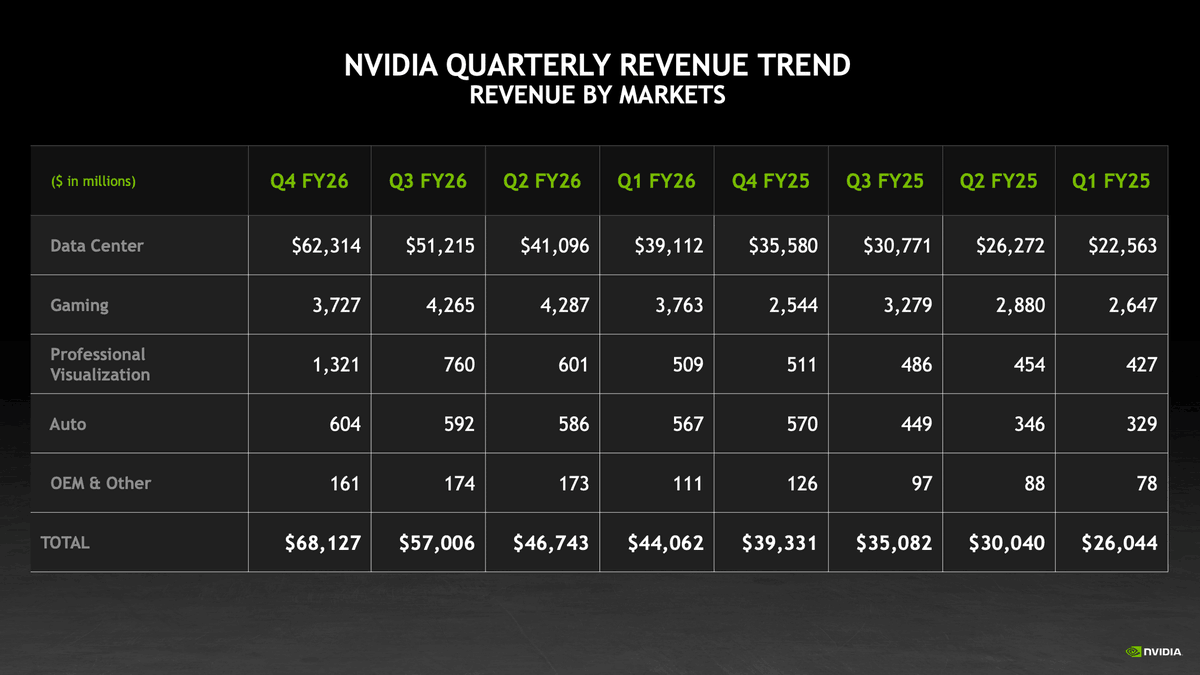
Within the massive data center segment, Nvidia further disclosed the structural split between computing power and networking: the "pure compute" block, centered on GPUs and CPUs, accounts for 83%, while the "networking" block, centered on high-speed interconnects, reaches 17%. Networking is increasingly becoming a critical cornerstone in Nvidia's full-stack competitive barriers.
From a newly disclosed perspective, hyperscalers contributed $194 billion in revenue over the past 12 months, up 91% year-over-year; meanwhile, customers comprising independent AI cloud providers, industrial clients, and traditional enterprise/government buyers contributed $140 billion, with YoY growth surging to 114%.
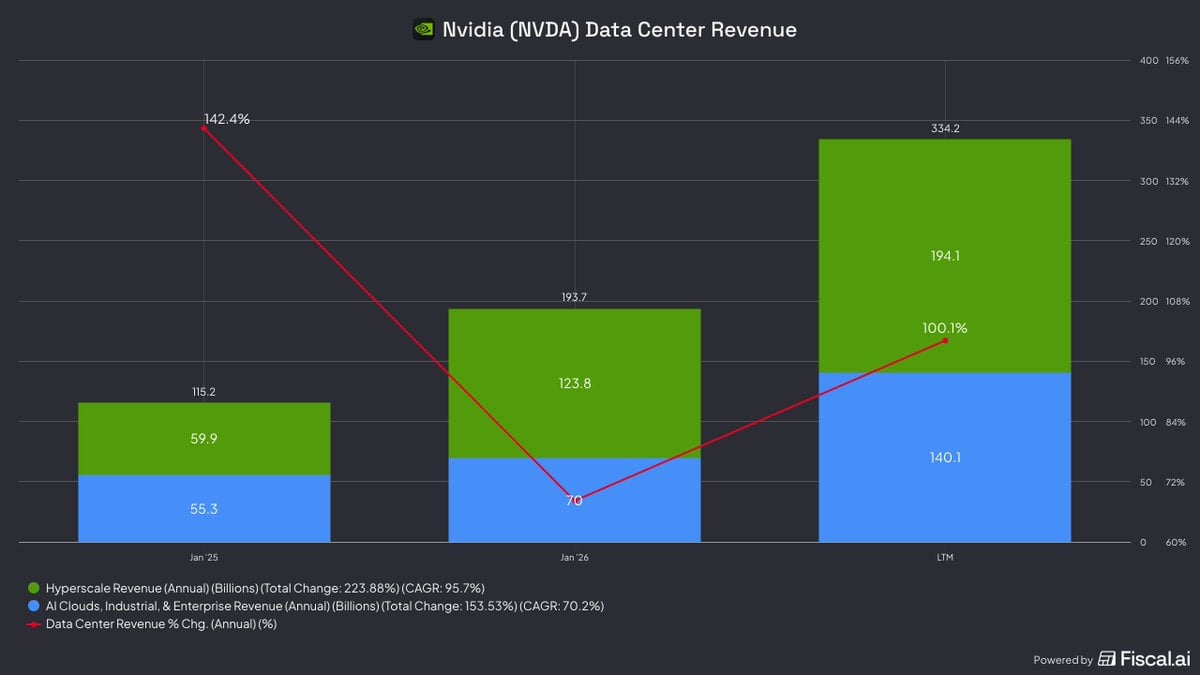
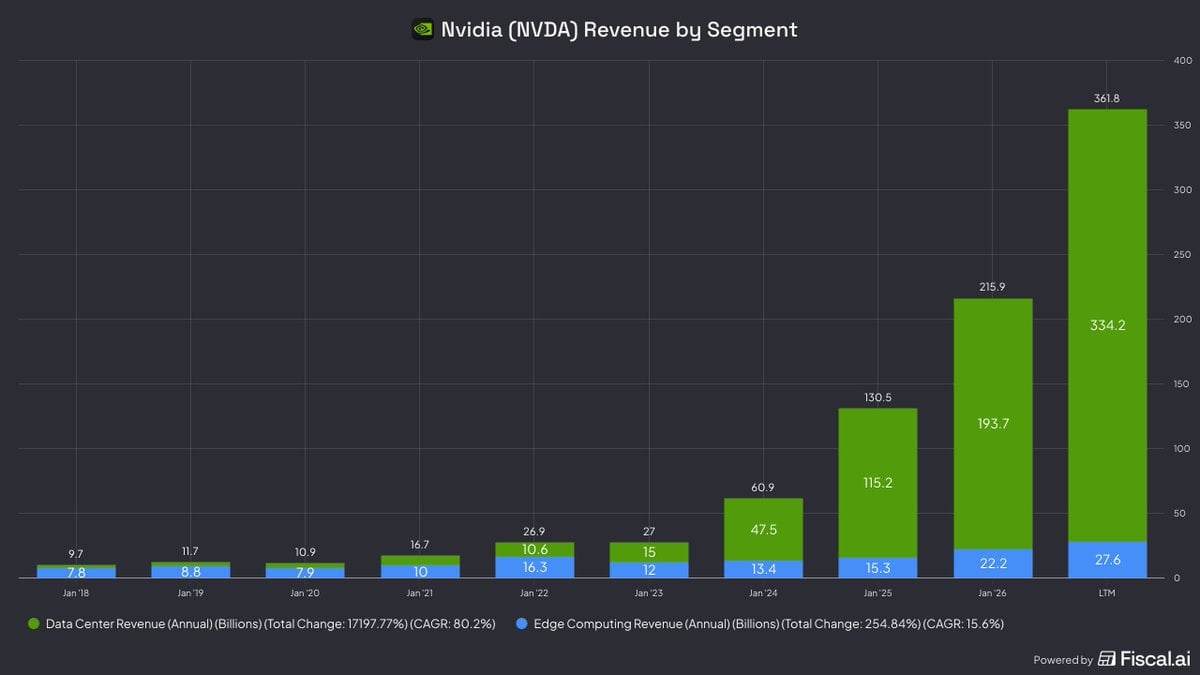
Currently, the company has simplified its overall business structure into two broad categories: data center and edge computing, where edge computing serves as a bundled category encompassing the former gaming, professional visualization, and automotive businesses.
Total edge computing revenue is approximately $27.5 billion, up 37% YoY; data center total revenue has climbed to $334 billion, doubling its YoY growth rate to 100%, and robustly accounting for 92% of Nvidia's overall revenue.
Core Product Lines: Full-Stack Evolution from Hopper to Blackwell
Nvidia's GPU architecture has undergone several leaps across generations: from the early Hopper architecture (H100 and H200), advancing to the current Blackwell architecture (B100 and B200), followed closely by the next-generation codenamed Rubin, working in tandem with proprietary high-performance server CPUs named Grace and Vera.
At the system integration level, the HGX architecture deeply interconnects multiple GPUs via Nvidia's proprietary NVLink high-speed interconnect bus, enabling Nvidia to deliver complete servers as a unit to customers. The DGX takes it a step further, packaging 8 B200 GPUs, 2 Intel Xeon CPUs, 2 NVSwitch switching chips, and a complete NVLink network into a highly integrated AI supercomputing system. For certain specific general-purpose CPU needs, Intel still plays the role of an ecosystem partner.
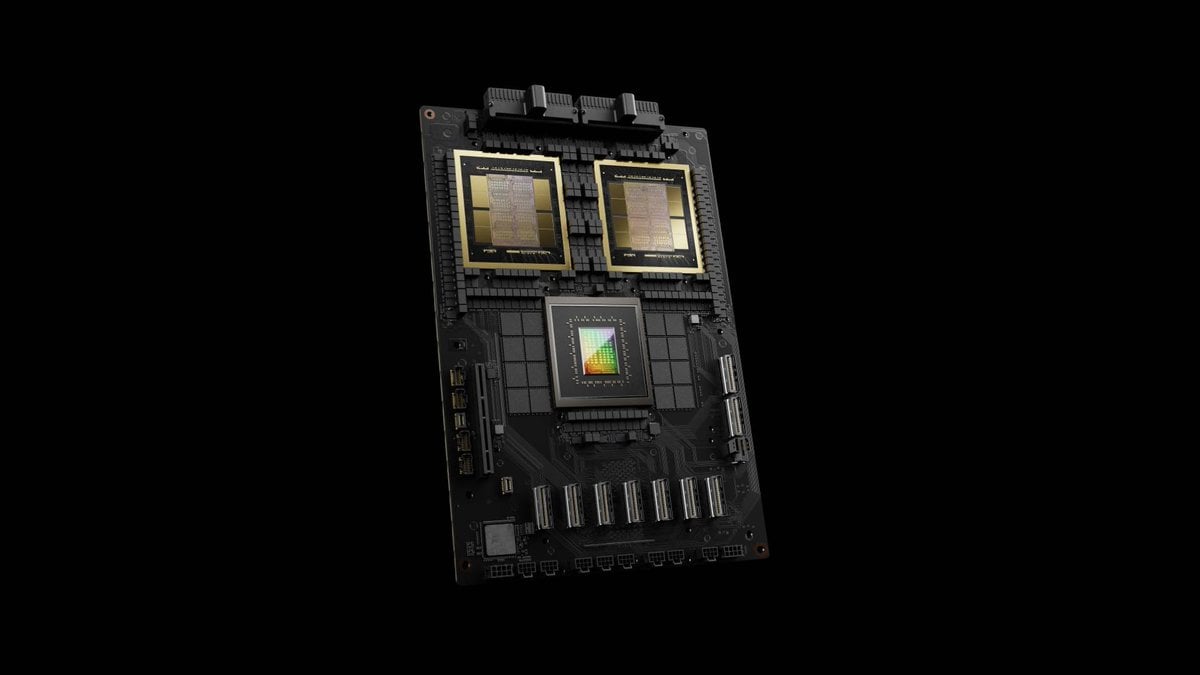
One tier up lies the rack-level AI supercomputer, which represents Nvidia's current most strategically dominant flagship form factor.
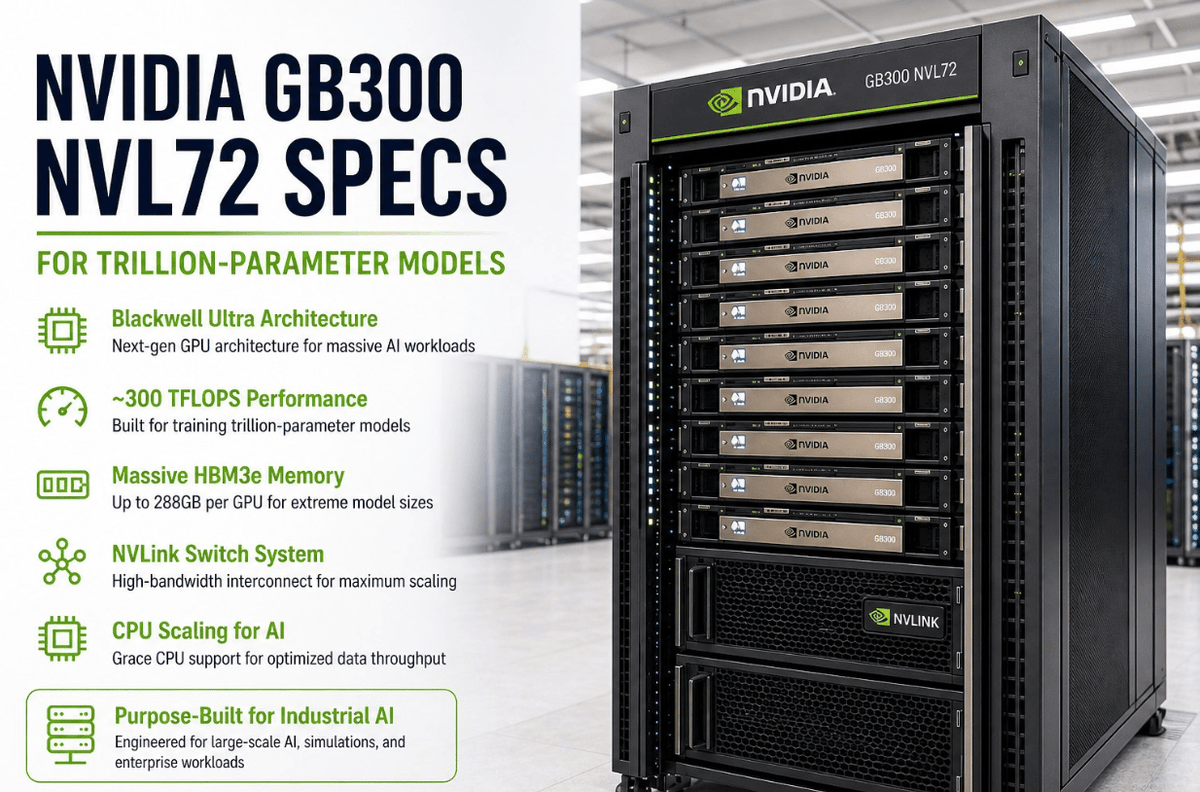
Its ultimate strongest form is the Vera Rubin NVL72, seamlessly integrating 72 Rubin-architecture GPUs, 36 Vera CPUs, a full suite of NVLink networking, and massive high-bandwidth memory (HBM) into a single rack. Customers simply roll it into their data centers to achieve out-of-the-box industrial computing expansion.
Throughout Nvidia's commercial evolution path, it has thoroughly completed a historic metamorphosis from "selling isolated chips" to "selling complete AI supercomputing systems," which Jensen Huang often refers to as the "AI Factory."
This full-stack systemic delivery itself has transformed into a massive performance moat: even if competitors' single chips boast higher theoretical speeds in isolated tests, once placed in massive clusters comprising tens of thousands of chips, Nvidia's holistically tuned full-rack system performance usually remains unbeatable. This is because its compute chips, rack-level network interconnects, and underlying driver software have all achieved the highest dimension of system-level synergy optimization internally.
NVLink, NVSwitch, InfiniBand, and Spectrum-X Ethernet technology (acquired by Nvidia roughly six years ago) collectively weave single chips, entire servers, and full racks into a unified, highly efficient communication substrate across the data center.
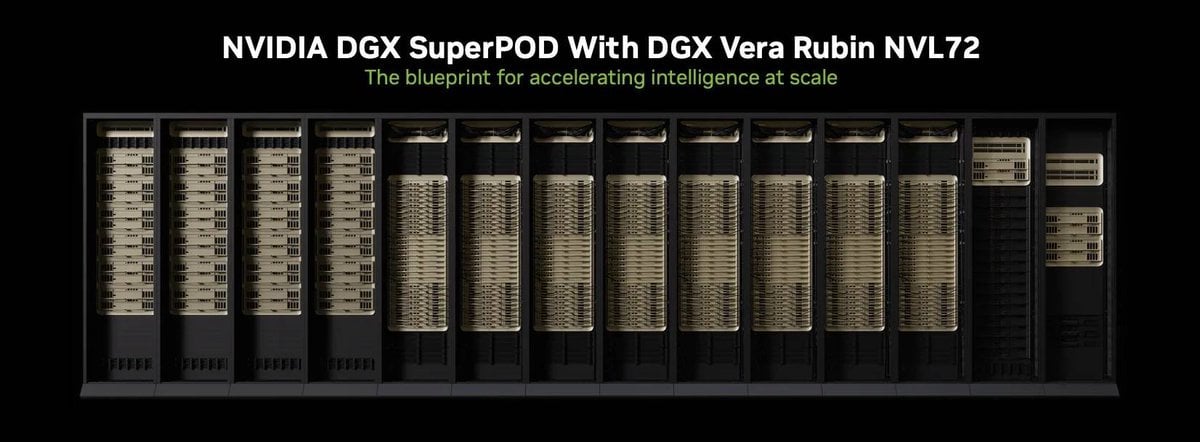
At the edge, the gaming business built around GeForce graphics cards remains substantial in volume, but compared to the massive data center segment, its importance is no longer on the same level.
The core of the automotive business is the NVIDIA Drive autonomous driving platform; meanwhile, Jetson, a small and compact AI computing platform designed specifically for robots, anchors the next wave of potential waves where AI transitions from the digital virtual space into physical embodied robots. (However, this future incremental growth has not yet truly formed a substantive commercial scale, nor is it currently factored into Nvidia's reported financial figures.)
Six Core Considerations Shaping Nvidia's Future
After reviewing the history and current state, the investment game surrounding Nvidia today mainly revolves around six dynamic considerations across continuous dimensions: some represent tangible potential crises, while others are industry dynamics worth deeply understanding. Whether they ultimately empower, weaken, or merely fine-tune Nvidia's business landscape remains to be seen.
Consideration One: The Game Between Hyperscalers and Emerging Next-Gen AI Clouds (Neo Clouds)
The foremost consideration lies in the competitive-cooperative tension between hyperscale cloud service providers and emerging AI-native compute providers.
The essence of hyperscalers is reselling compute externally, giving them a strong intrinsic motivation to develop custom chips (ASICs): thanks to their astronomical procurement volumes and massive data centers, custom chips often yield a superior "performance per dollar" compared to paying Nvidia's near-75% gross margins. This kind of economic scale effect is typically only supportable by the top-tier tech giants.
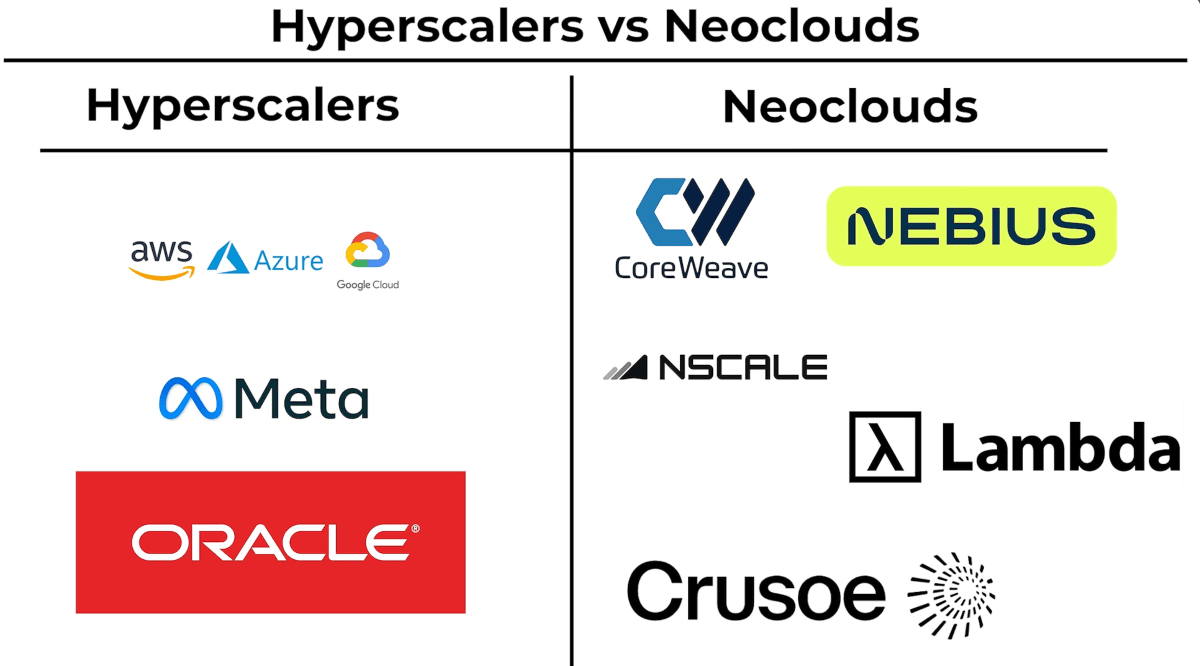
Google has already invested heavily in building a complete TPU matrix, Microsoft introduced its proprietary Maia chip, Amazon developed Trainium as a GPU alternative, and Meta is also aggressively deploying its proprietary MTIA compute architecture.
Oracle is one of the very few mainstream cloud providers that has not yet started developing proprietary chips. While Meta isn't traditionally classified as a public cloud provider, its massive capital expenditures on AI infrastructure have given it behavioral traits indistinguishable from hyperscalers in the industry.
Nvidia's counter-strategy to this trend is very clear and decisive: heavily supporting and investing billions into a series of smaller, more focused next-gen AI clouds (Neo Clouds), including CoreWeave, Nebius, nScale, Lambda, and Crusoe. They not only prioritize supplying these companies with ample GPUs but also directly hold equity stakes in them, thereby avoiding tying their own lifeline completely to the largest tech giants.
This logic is straightforward: giants with massive scale can eventually justify the economics of "custom chips and de-Nvidia-fication"; however, smaller emerging AI cloud vendors lack the capital strength for in-house chip design. This makes them deeply reliant on Nvidia's hardware/software architecture, building a more diversified, dispersed, and virtually impossible-to-defect loyal customer base for Nvidia.
In the short term, Nvidia is unlikely to be completely pushed out of top hyperscale data centers, as its chips still maintain the best overall cost-performance ratio regarding general flexibility and peak compute density. But undeniably, specific workloads are gradually being diverted to cloud providers' custom chips, with Google's TPU evolving into a highly formidable and relatively versatile alternative.
Consideration Two: The Opportunities and Realistic Scope of Sovereign AI
Closely intertwined with this is another macro narrative: "Sovereign AI," which Jensen Huang has repeatedly championed on the international stage in recent years.
The core logic of Sovereign AI is that nations, driven by rigid demands for data security, geopolitical maneuvering, and strategic autonomy, are unwilling to fully entrust their foundational AI compute to transnational cloud providers subject to foreign laws. Thus, they must invest in building AI compute infrastructures within their own borders under their own jurisdiction.
For sovereign states, it is unlikely they will spend years from scratch developing custom chips, so they typically procure ready-made, top-tier industrial full-stack systems like Nvidia's. Meanwhile, because Sovereign AI falls under national fiscal rigid budgets, these buyers are generally far less sensitive to compute procurement prices than meticulous commercial companies.
However, the real-world rollout of Sovereign AI faces extremely heavy physical constraints: funding allocation for sovereign infrastructure is heavily constrained by bureaucratic administrative efficiency, often suffering years-long delays, with construction progress significantly slower than private commercial enterprises.
More fatally, energy bottlenecks pose a huge challenge. Many sovereign entities, despite having fiscal budgets, cannot instantly allocate the hundreds or thousands of megawatts (MW) of stable clean power needed from their domestic grids to deploy hyper-scale intelligent computing clusters.
While Sovereign AI indeed brings steady order inflows to Nvidia, from an overall perspective, it will likely struggle to match the scale of large commercial clients in the coming years, let alone substantially offset potential gaps if commercial giants eventually slow their capital expenditures.
Consideration Three: The Standoff Between Proprietary Closed Architecture and Open Source Software Stacks
The third consideration strikes at the heart of Nvidia's most fundamental soft-power foundation: the software moat.
In most hardware industries, underlying hardware is often treated as a commodity; true stickiness and moats come from software. For a long time, the CUDA platform has served as Nvidia's super weapon for tightly locking in global developers.
In the past, if developers wrote extensive low-level compute logic for CUDA, migrating that code seamlessly to AMD's ROCm architecture or Google TPUs typically required incredibly tedious manual rewriting and deep adaptation, constituting dauntingly high switching costs.
But over the past two years, this landscape is undergoing profound changes. Today, the vast majority of frontier AI developers no longer program at the bare CUDA code level, instead abstracting upward to high-level deep learning frameworks like PyTorch. Meanwhile, open-source compiler tools led by OpenAI, such as Triton, have emerged in the industry, capable of automatically compiling PyTorch code and seamlessly outputting hardware instructions suitable for either CUDA or AMD ROCm.
Of course, the ability to output both instruction sets does not mean runtime efficiency will be perfectly equivalent across both hardware types. Due to differences in underlying hardware architecture designs, squeezing out peak performance usually still requires meticulous manual tuning for specific hardware.
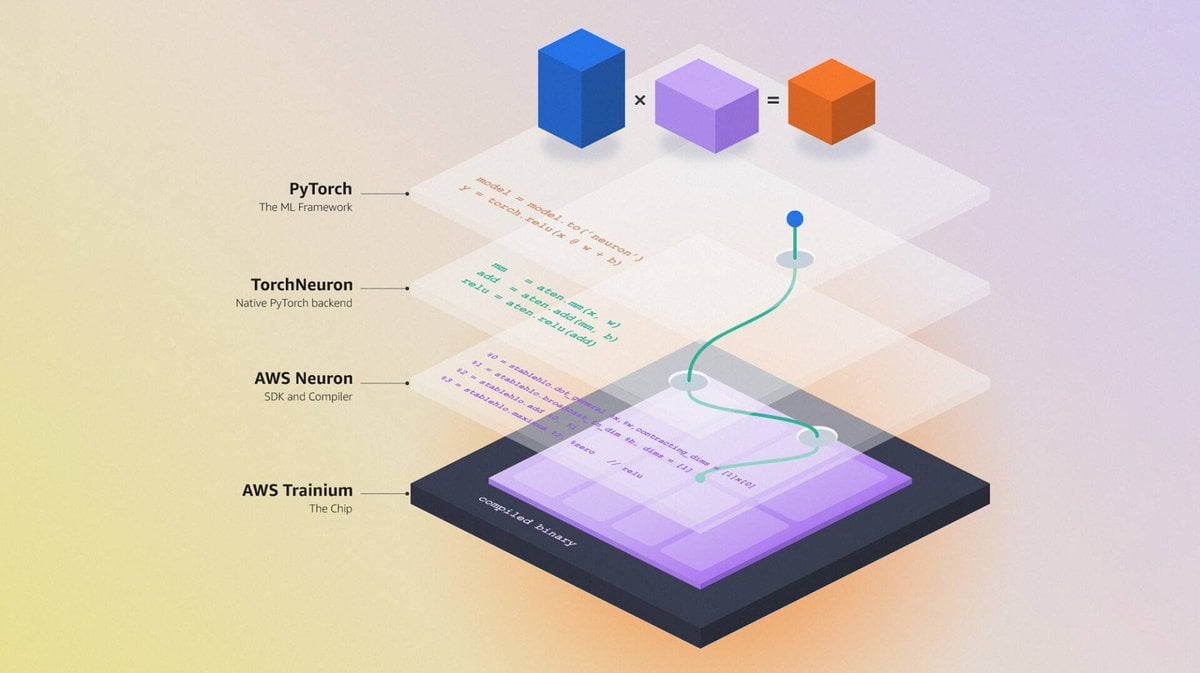
But a far more disruptive variable lies in this: AI models themselves are becoming exceptionally skilled at code translation and system-level compilation optimization. These happen to be the two most core dimensions of low-level chip programming: large models can not only deeply understand the mathematical intent of code but also accurately transcribe it to heterogeneous chip architectures, continuously looping runs on hardware and feeding back results to autonomously learn and uncover the optimal low-level scheduling paths.
This is highly likely to fundamentally and significantly lower the switching threshold for developers abandoning the CUDA ecosystem.
Viewed from the broader industry trend, compared to its historical peak dominance, the absolute moat constructed by CUDA is undoubtedly narrowing incrementally. Although this barrier will certainly not collapse overnight, and Nvidia continues to maintain the highest win rate in hardware-software co-optimization thanks to feedback from massive real-world production workloads, the appearance of cracks in the moat is undeniable fact.
Consideration Four: The Shift in Focus Between Training and Inference Workloads
In traditional industry perception, Nvidia holds an unshakable hegemony in the "training" phase of foundational large models, because model training requires tens of thousands of chips performing high-frequency cluster communication with extremely low latency—an absolute home field for Nvidia's proprietary high-speed interconnect networks.
Relatively, the market originally assumed that "inference" tasks had lower technical thresholds and were easily eroded by cheaper custom dedicated chips like Amazon's Trainium/Inferentia. With global compute demand inevitably shifting broadly toward inference in the mid-to-long term, this was widely viewed as a Sword of Damocles hanging over Nvidia.
However, real-world evolution has again shattered this crude assumption: as large models enter an era characterized by self-reflection, test-time compute scaling, and complex multi-step agent autonomous workflows, the collaborative complexity inherent to inference tasks is experiencing geometric explosions.
Within highly complex agent workflows, numerous sub-tasks require simultaneously coordinating multiple model instances, with downstream tasks often needing to wait in real-time for upstream node computational outputs. This dynamically interwoven high-concurrency communication need is becoming increasingly similar to traditional distributed large model training.
In such complex scenarios, expensive yet powerful chip-level high-speed buses like NVLink demonstrate value during the inference phase nearly as critical as in training, significantly flattening the expected cost-arbitrage space of low-end dedicated inference chips.
Therefore, while this potential risk still warrants continuous tracking, it currently appears insufficient to constitute a fatal threat to Nvidia's actual business.
Consideration Five: The Impact of Open vs. Closed Large Model Landscapes on Chip Bargaining Power
Open-source large models can be freely downloaded by any organization or individual and privately deployed on any infrastructure. In contrast, cutting-edge closed models created by OpenAI or Anthropic are completely controlled by their parent companies, granting these model vendors immense bargaining power over compute scheduling, even allowing them to directly force invocation requests toward their own customized dedicated chips.
This is by no means a pipe dream on paper: OpenAI has already initiated proprietary chip design and development, which will likely soon be mounted in Microsoft's data centers. Reports indicate that Anthropic is also vigorously advancing similar hardware plans.

If the future AI world ends up monopolized by a handful of overwhelmingly powerful closed-model oligarchs, Nvidia's commercial risks will spike dramatically, as these oligarchs will possess extraordinary bargaining chips to force Nvidia into steep price cuts or even completely migrate compute elsewhere.
Nevertheless, the current actual industry trajectory is not converging toward an extremely centralized pessimistic script: the global AI landscape is demonstrating a diverse, flourishing ecosystem, not completely devoured by just one or two closed giants. Nvidia's multi-channel strategy of supporting next-gen AI cloud vendors is also effectively hedging against the bargaining risks of overly concentrated major clients.
After comprehensive weighing, this too is not currently the most critical fatal flaw that could strangle Nvidia.
Consideration Six: Chip Scrappage Cycles and Durability Reassessment
Due to their relatively universal full-function programmability, Nvidia GPUs can flexibly handle a wide range of tasks from complex training to various heterogeneous inferences. Consequently, the market has long assumed their physical depreciation and economic useful life are significantly longer than those narrow-function dedicated ASIC chips. After all, data center operators seek durable assets that can run stably for years, absolutely dreading hardware bought cheaply today turning into scrap metal within just a year or two.
This longevity premium brought by versatility remains firmly entrenched in buyer minds, making data center customers more willing to pay Nvidia's hefty premium. However, competitors including Google TPUs are rapidly closing this versatility gap, with more followers accelerating their pursuit, which may gradually erode Nvidia's durability premium enjoyed thus far.
But under the current extremely tight supply-demand environment marked by severe compute shortages and global data centers lighting up every chip as soon as it's manufactured, the lethal impact this risk could cause is largely masked.
Nvidia's Core Moat: CUDA, Systems Engineering, and the Ecosystem Flywheel
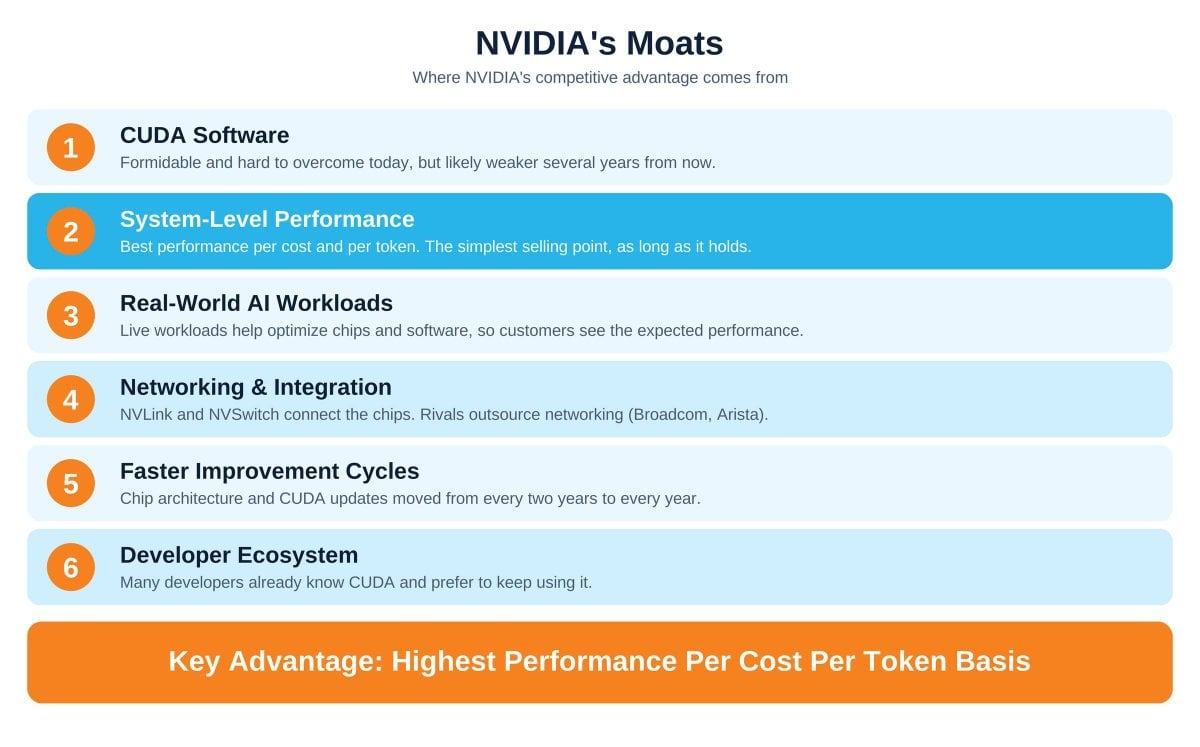
After surveying the above six industry considerations, we can clearly summarize the essential nature of Nvidia's current core competitive moat.
Although the relative monopoly power of the CUDA platform is indeed being slowly eroded compared to its historical peak, its decades-old accumulated ecosystem barriers remain extremely solid. Chasers aiming to surpass it in overall experience still face a real and brutal performance chasm to cross.
Nvidia's currently most irreplaceable overwhelming trump card lies in its full-stack system-level comprehensive performance across the entire "AI Factory". Thanks to long-term high-pressure polishing from the world's largest-scale real AI production workloads, Nvidia can continuously perform deep closed-loop fine-tuning on its chips, networks, and underlying compilers, thereby delivering the globally highest compute output per dollar across the full-system dimension.
By bringing all interconnect trump cards like NVLink, NVSwitch, InfiniBand, and Spectrum-X under its wing, Nvidia possesses an asymmetric competitive advantage to strike as a whole "Super AI Compute System," rather than merely being a passive silicon-seller chip component vendor. This highly integrated end-to-end system capability is extremely difficult for external third-party networking solutions like Broadcom or Arista to fully match through piecemeal assembly; the latter's decoupled schemes inevitably suffer performance losses in communication efficiency.
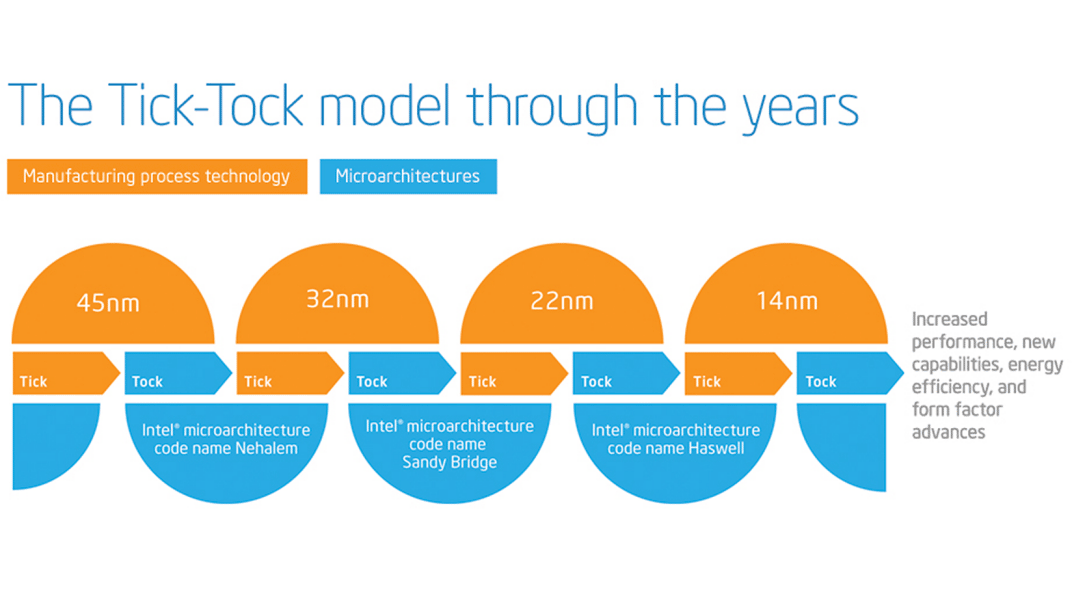
Furthermore, Nvidia has radically compressed its product technology innovation cycle from biennial generations in the past to an aggressive "annual iteration" today. Coupled with a massive developer ecosystem of millions worldwide who have already formed muscle memory around its development tools, this further injects incredibly powerful user stickiness into Nvidia.
Among all these barriers, there is only one most life-and-death iron rule: consistently maintaining the industry's undisputed highest cost-performance ratio across the physical dimension of output per token.
As long as this iron rule is maintained, Nvidia's throne as industry hegemon will remain rock-solid. But to sustain it, Nvidia must sprint at accelerations several times faster than competitors in every generation's performance leap. Only thus can it support its premium pricing and transcendent profit margins.
If one day in the future, rivals like Google can achieve a superior overall cost-performance ratio through extreme low-price strategies despite slightly lagging single-chip performance, then Nvidia, to preserve its 75% gross margin myth, would be forced into a ruthless arms race of continuous self-extraction. This itself hangs as a major latent hazard over the company's long-term profit margins.
Other Crucial Risks That Cannot Be Overlooked
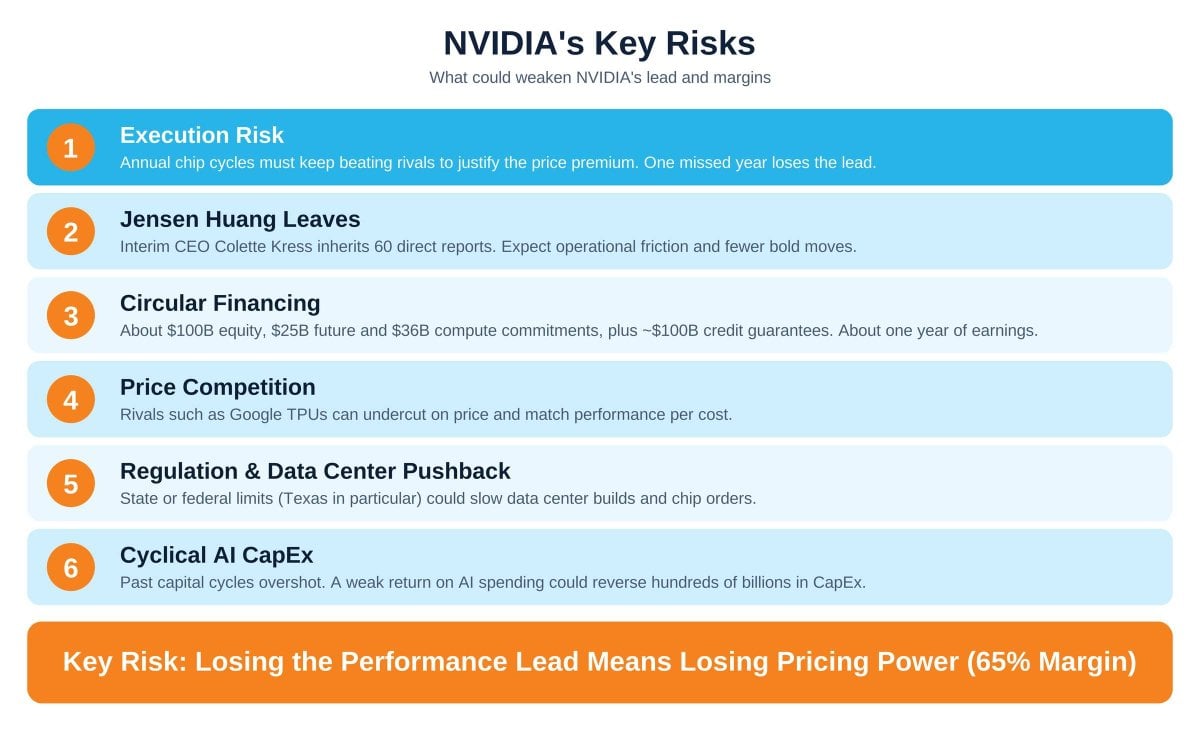
Risk One: Circular Financing and Credit Guarantee Concerns
Inside Wall Street and the tech circle, a closely guarded secret whispered widely but rarely openly dissected is Nvidia's increasingly intricate "Circular Financing" arrangements.
To date, Nvidia has cumulatively conducted equity investments totaling roughly $100 billion, including massive strategic stakes of approximately $30 billion to $40 billion each in Anthropic and OpenAI. Within the entire system, a subtle closed-loop fund chain has clearly emerged: Nvidia invests in emerging AI cloud vendors (like CoreWeave) to help them expand, these companies subsequently use the vast majority of the received funds to purchase Nvidia chips. Ultimately, Nvidia not only books substantial chip sales profits and high margins fully into current financial reports, but also securely acquires precious equity in these high-growth unicorns, further deepening its ties with the entire ecosystem.
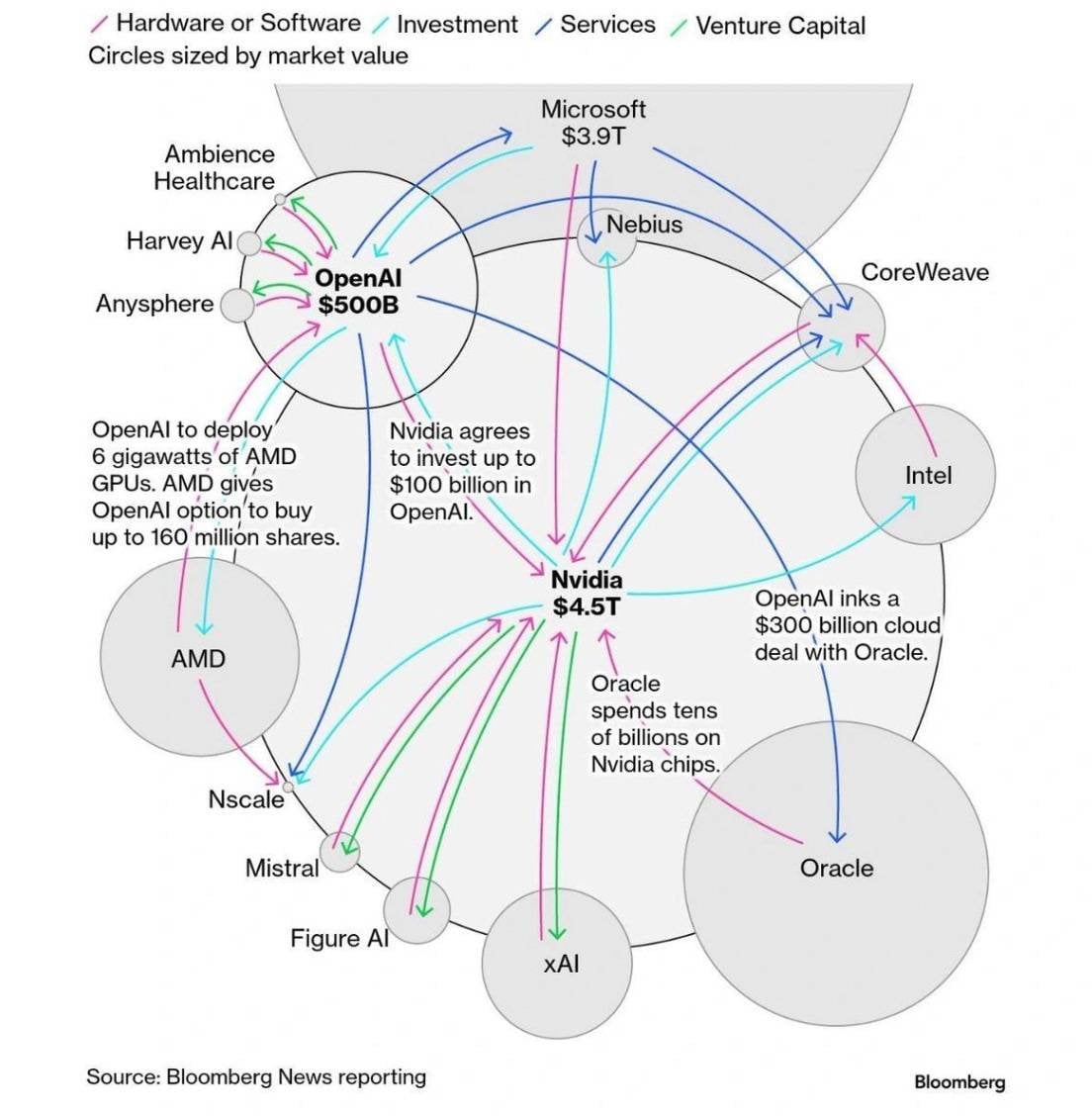
Beyond outright equity investments, Nvidia has about $25 billion in follow-on investment commitments, $36 billion in compute procurement guarantee commitments tied to emerging AI cloud vendors, and estimated up to $100 billion in credit guarantee support providing endorsement for compute financing arrangements across the industry.
If all these on-balance-sheet and off-balance-sheet financial leverage commitments are aggregated, their scale reaches a staggering $100 billion to $200 billion—roughly equivalent to Nvidia's own total net profit for a full year. This closed-loop capital model has triggered associations and vigilance among seasoned investors regarding excessive investment and financing tactics reminiscent of the early 2000s dot-com bubble era.
Objectively speaking, considering Nvidia's currently terrifying cash generation capabilities, the present capital scale is insufficient to cause a fatal breach in its robust balance sheet. But if this closed-loop arrangement leveraging its own assets across the entire supply chain expands blindly and without restraint in the future, it will inevitably evolve into a highly lethal fuse triggering a crisis once industry tides recede.
Risk Two: Leadership Transition Pain from Losing the Founder at the Helm

Compared to long-term financial and competitive games, the most sinister crisis currently facing Nvidia is actually an extremely direct leadership transition execution risk filled with unknown variables.
Internally at Nvidia, Jensen Huang previously maintained an extremely flat organizational management structure where roughly 60 executives reported directly to him. The reason this exceptionally lean management mode could operate efficiently for three decades rests entirely on his absolute authority as the company's lifelong founder and spiritual totem.
Although veteran Colette Kress, who has served as Nvidia's CFO since 2012, has stepped in as acting CEO, regardless of who takes over, forcibly inserting a new hierarchical buffer between the 60 top tech and business executives who used to report directly to Huang will inevitably trigger massive organizational friction and internal drain. Some highly decorated executives may feel extremely frustrated reporting to someone other than the founder, potentially even sparking a wave of departures among core personnel.
More critically, strategic gambles as bold yet controversial as the aforementioned $100 billion in equity direct investments and $100 billion in credit backstop guarantees are exceedingly difficult for a temporary CEO with a professional manager mindset to push forward with the same decisiveness and courage as the founder. This makes it highly probable that Nvidia's pace in advancing major strategic M&A activities will stall in the short term.
Jensen Huang has repeatedly proven to the market his keen business acumen to foresee crises years before they erupt and make advance maneuvers. Losing such a soul figure steering from the front wheel means that as Nvidia navigates upcoming complex storms, its strategic error costs will multiply exponentially.
Risk Three: Geopolitics and Single-Point Dependence on TSMC
At the geopolitical level, strict export controls implemented by the U.S. government on advanced AI compute chips have substantively deprived Nvidia of strategic channels to generate substantial revenue from the massive Chinese mainland market. Currently, Nvidia is only permitted to sell compliant versions with heavily restricted performance levels to that region.
However, a more significant geopolitical death knell lies in Nvidia's absolute physical single-point dependence on TSMC's advanced semiconductor manufacturing and CoWoS advanced packaging capacity.
All of Nvidia's cutting-edge flagship chips are manufactured entirely within advanced process wafer fabs on the island. Should any unpredictable major geopolitical storm occur across the Taiwan Strait, the global cutting-edge semiconductor supply chain will instantly face a complete standstill.
While all fabless design giants, including Apple and Qualcomm, face this same systemic risk, it does nothing to mitigate the devastating blow such an extreme event would inflict upon Nvidia.
Risk Four: The Inescapable Cyclicity of the Semiconductor Industry
The final macro law that must be confronted is the cruel cyclical rhythm of the semiconductor industry, which has never been truly broken in decades of history.
Each chip super-cycle follows an almost identical script: when industry prosperity explodes, irrational repeated ordering and stocking panic stretch chip lead times to months or even over a year. When customers cannot determine when they will actually receive goods, they often submit massive purchase orders far exceeding their actual consumption capacity.
However, once the macroeconomy shows tremors, or large clients' commercial monetization and return on investment (ROI) hit a chasm, the frostbite of capital expenditure cuts descends instantly; at that moment, chip delivery wait times plunge from months down to mere weeks or spot supply, client safety stock instantly turns into severe backlog burdens, and repeat orders are massively canceled overnight.
In the ensuing long inventory-depletion bear market, chip manufacturers are often forced to painfully sell off stock at discounted prices, accompanied by avalanche-style halving of gross margins and net profits, exactly as Nvidia experienced following the 2022 crypto mining crash.
Although the entire industry today incessantly claims generative AI is a century-spanning technological revolution sweeping human society, this does not mean the physical cycle iron rules of the semiconductor industry have been completely abolished. Once hyperscalers' trillion-level capital expenditures hit the brakes at some future node, the cold winter of cyclical de-inventorying will surely deliver another harsh wake-up call to the market.
Valuation Models and Endgame Scenario Projections
Having deconstructed the business quality and core risks, we must finally confront the ultimate question every investor cares about most: Is Nvidia's current price actually expensive? How should its true valuation coordinate system be anchored?
When a company at the highly uncertain forefront of technology advances at an annual pace exceeding 100%, every estimate of the future inevitably comes with extremely volatile scenario divergences.
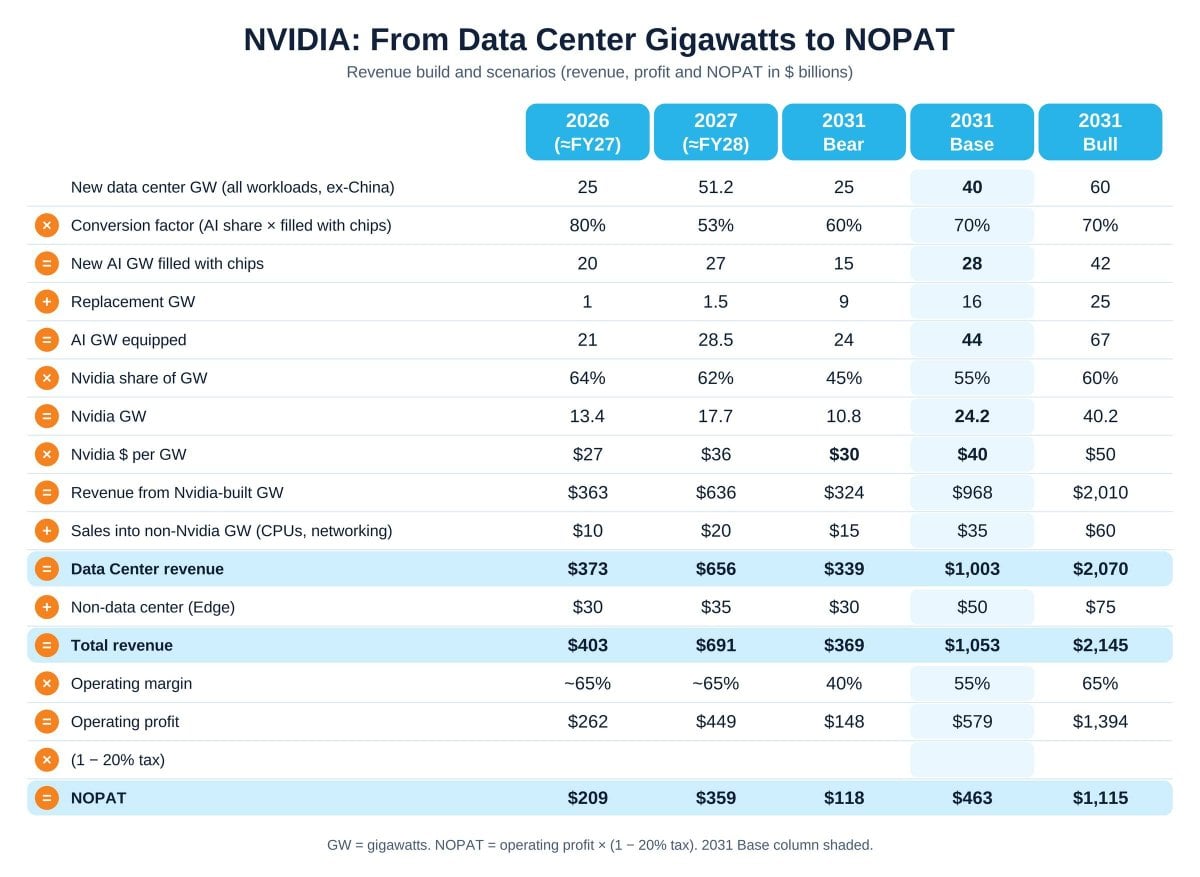
Rather than relying on traditional blind speculation, a quantitatively rigorous bottom-up forecasting framework should be built upon future global data center total installed power capacity (in Gigawatts, GW) through 2031, the compute share Nvidia can capture within it, and the revenue value Nvidia can extract per gigawatt of facility capacity.
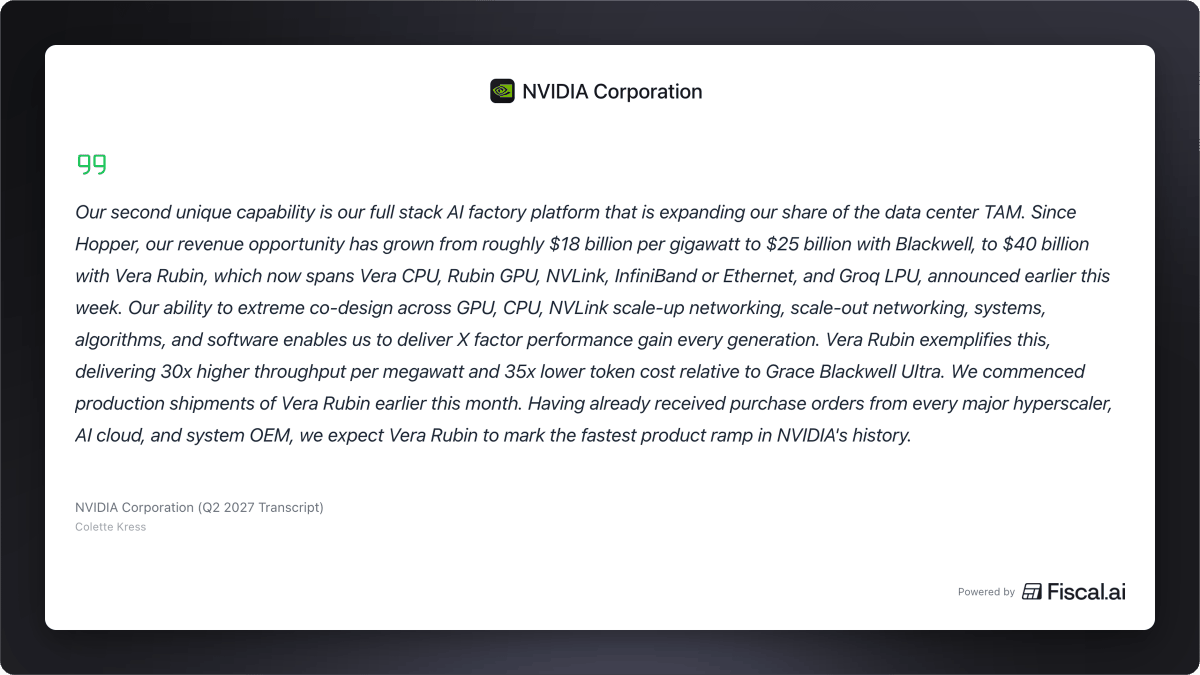
Jensen Huang has pointedly indicated this metric multiple times during earnings calls: during the Hopper architecture era, Nvidia equipment output per gigawatt of facility power was roughly $18 billion; with the rollout of Blackwell systems, this figure skyrocketed to $25 billion; and with the advancement of Vera rack-level full-stack network supercomputing, the total system value per gigawatt is heading straight for $40 billion.
In this model, we clearly divide future facility compute demand into two main parts: "new build expansion gigawatts" and "legacy replacement gigawatts", because data center compute hardware typically maintains a physical and technoeconomic service retirement cycle of about 4 to 6 years. If this depreciation pattern holds true, it means a substantial portion of Nvidia's future revenue will gradually evolve into highly sticky "recurring cyclic revenue" akin to smartphone upgrade waves, rather than purely speculative pulses relying solely on one-off expansions.
Simultaneously, the model prudently assumes that once the first round of frantic global compute infrastructure deployment gradually matures and saturates in the future, the industry will enter a stable maintenance phase with significantly slowed growth. Revenue at that stage will be primarily driven by upgrading and replacing legacy existing hardware. But thanks to the massive global base of in-service equipment accumulated previously, even this seemingly mundane maintenance cash flow from existing inventory might still significantly surpass today's absolute revenue levels.
In the base-case optimistic scenario, assuming Nvidia continues to securely command 55% of global data center compute share and global facility capacity climbs steadily, the model projects: by 2031, Nvidia's annual data center revenue will exceed $1 trillion. Combined with roughly $50 billion in edge computing business, the comprehensive after-tax net operating profit (NOPAT) will reach an astonishing ~$460 billion.
Applying different valuation multiples to this enormous baseline net profit reveals an extremely broad market cap spectrum across scenarios: applying a 15x P/E multiple yields an implied final market cap of roughly $7 trillion; a 20x multiple implies ~$9.2 trillion; and if the market grants a 25x multiple, its cap could soar to the heights of $11.5 trillion.
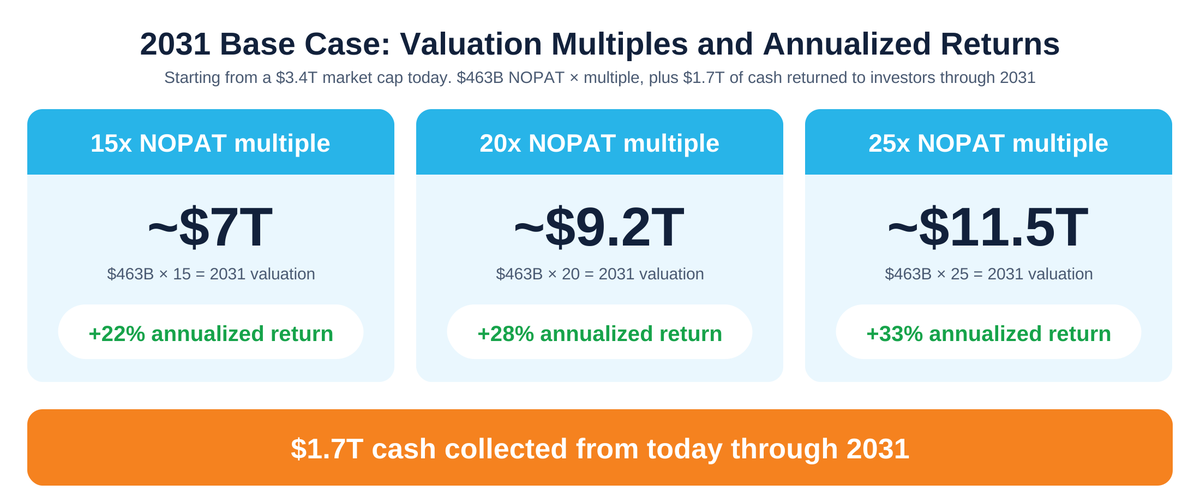
However, we must be extremely sober: every premise in the baseline scenario above essentially rests on an extremely rigorous and euphoric bullish macro narrative. It demands enduring brilliance from the generative AI super-cycle, Nvidia's rock-solid absolute dominance amid wolves circling, and its ultra-high profit margins remaining completely untarnished for years.
Once the lens switches to a defensive bear case scenario, the future investment landscape will undergo earth-shattering transformations.
If, as major clients tighten capital expenditures and custom chips divert demand, Nvidia's future annual profit is slashed in half to roughly $118 billion, the market will utterly abandon its faith premium for an "eternal growth super-tech stock," reverts it back to its original form as a traditional cyclical semiconductor play. In that scenario, the P/E multiple the market is willing to assign faces the risk of a brutal Davis double kill, leaving massive room for deep downward revision in the stock price from its current position.
This unfathomable massive volatility and endgame divergence precisely explain why Nvidia's current valuation multiples trigger such fierce tug-of-war and tearing between bulls and bears: Wall Street harbors extremely real and profound disagreements over how long this AI super-wave can continue racing at its current frenzied intensity.
For an extreme growth company with such unpredictable future trajectories, attempting to force-calculate a fair value precise to two decimal places via complex Discounted Cash Flow (DCF) models often only grants investors a self-deceptive illusion of precision, failing to provide truly guiding investment answers.
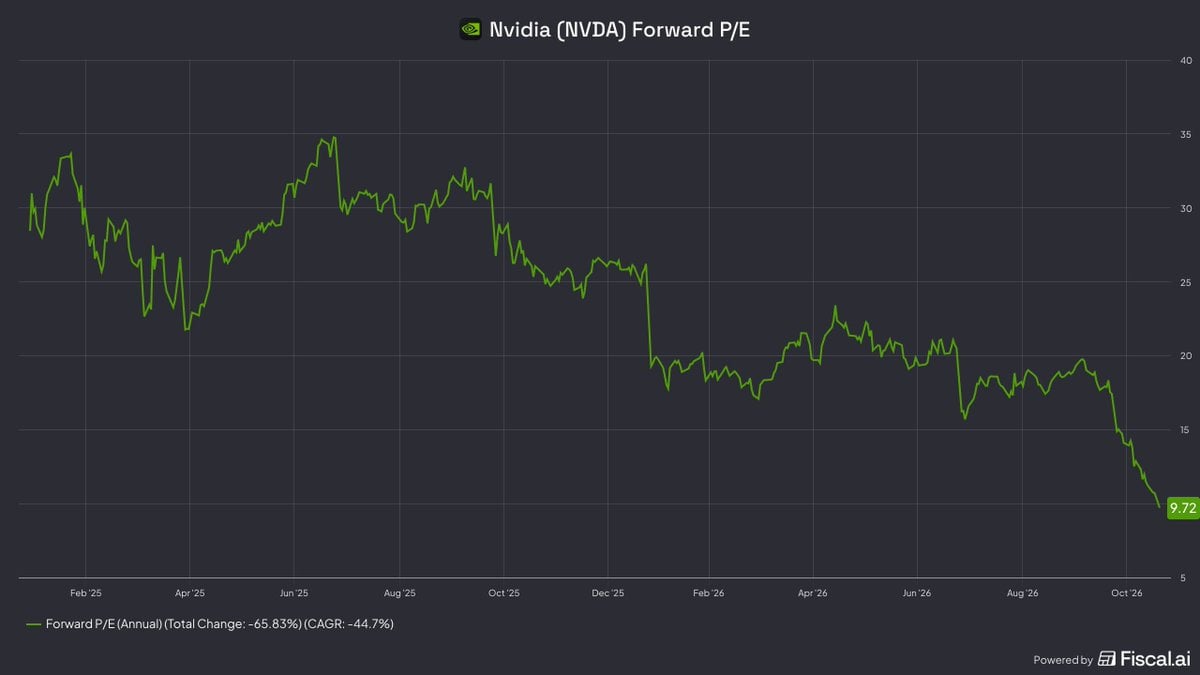
A more pragmatic and rational analytical framework pulls focus back to nearer time nodes where investors can still reasonably extrapolate (e.g., 2027; at which point Nvidia's forward valuation multiple based on market-expected earnings will have retreated to roughly 8.5x). Investors can then coolly conduct horizontal comparisons with the typical valuation multiples historically enjoyed by cyclical semiconductor giants at cycle bottoms and expansion phases.
Facing such a complex century-game standoff, choosing not to recklessly flash aggressive stances today is itself a mature and wise form of investment restraint.
For a super-giant that must deliver perfect quarterly results indefinitely to sustain its high valuation, absolute trust in the helmsman is often the core pillar sustaining shareholder confidence. Yet, with Jensen Huang's abrupt exit due to a sudden scandal and the official successor still hovering in uncertainty today, this bedrock of confidence has fractured the most severely.
Although Nvidia's stock has recently suffered a sharp pullback of roughly 35% from its peaks, and current valuation multiples have partially digested panic emotions surrounding management turbulence, this valuation restructuring certainly buys Nvidia time internally to streamline leadership. Without Jensen Huang at the helm, the uncertainty of Nvidia as an investment target has obviously surged; and precisely this widespread doubt and unease may well be the true source of today's potential excess return opportunities.
Join TechFlow official community to stay tuned
Telegram:https://t.me/TechFlowDaily
X (Twitter):https://x.com/TechFlowPost
X (Twitter) EN:https://x.com/BlockFlow_News
 @DrewCohenMoney