Harmer reiterates the Fed's preference for gradual rate hikes, but says acceleration will be necessary if inflation expectations spiral out of control.
Author: Bao Yilong (Wall Street CN)
Cleveland Fed President Beth Hammack stated that she favors proceeding with interest rate hikes at a modest, steady pace, but if inflationary pressures worsen further, the Federal Reserve may have no choice but to take more aggressive action.
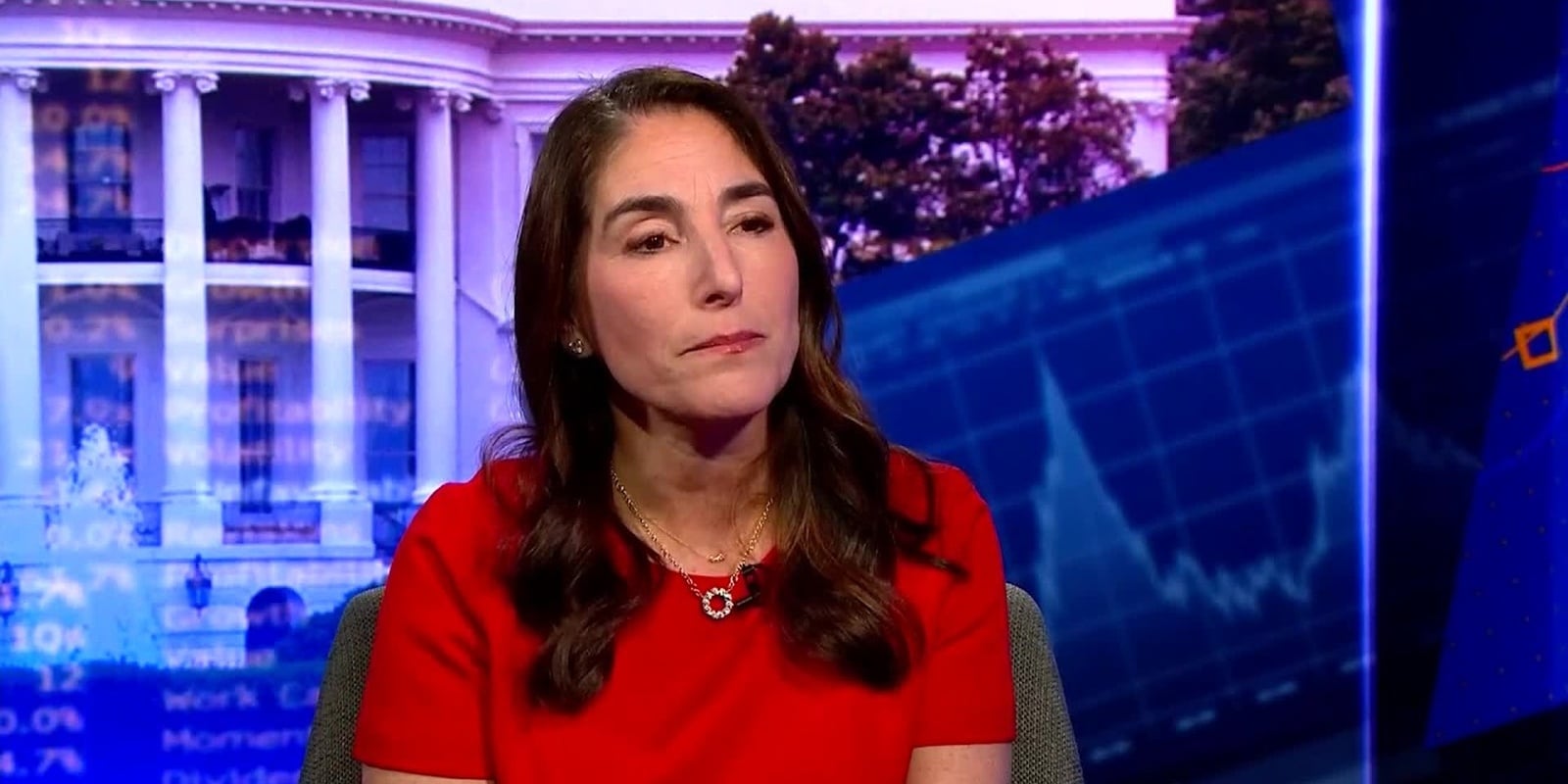
On Nov. 16, in an interview with Bloomberg Television, Hammack noted she is observing more businesses and consumers beginning to make decisions based on the expectation that "inflation will continue to deteriorate," a trend that has raised her alertness.
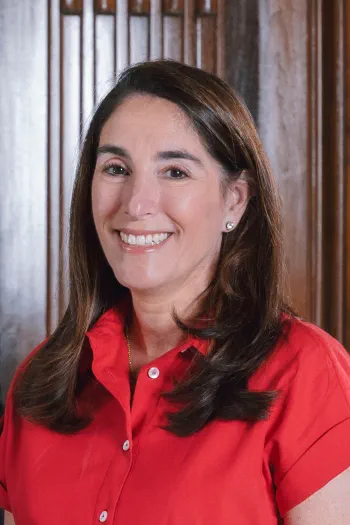
Figure: Cleveland Fed President Hammack (Source: Official website of the Federal Reserve Bank of Cleveland)
She warned that if this inflationary mindset takes root across society, "it could mean we are behind the curve and may have to act faster, raising rates by larger increments. Both the size of individual hikes and the ultimate terminal rate target could be higher than previously anticipated."
Hammack previously cast a dissenting vote against maintaining the interest rate at the October FOMC meeting. Futures markets have already priced in expectations for a December rate hike and anticipate another increase in January.
Broad-Based Inflation Drivers and Signs of Labor Market Tightening
According to reports, Hammack stated that current sources of inflation encompass the fallout from tariffs, energy supply constraints, demand expansion driven by artificial intelligence infrastructure buildouts, and non-AI-related economic growth. She said:
To me, the breadth of inflation sources is precisely why restrictive policy toward the economy is needed.
Regarding the labor market, Hammack pointed out that several contacts within the Cleveland Fed district reported difficulties in recruiting both skilled and unskilled workers, which may signal early signs of labor market tightening.
She also noted that an increasing number of companies are raising wages for lower-income groups, and wage growth is transmitting to core services inflation (excluding shelter) through total compensation costs, particularly benefits and health insurance. She said:
The pressure does not stem directly from employee base pay itself, but rather from costs that include benefits and health insurance.
Nevertheless, Hammack stated she does not expect rate hikes to cause significant disruption to the labor market, noting that "I don't think you need a major adverse impact on employment" to achieve inflation targets.
Stable Inflation Expectations and Economic Resilience Support Further Hikes
On managing inflation expectations, Hammack said long-term inflation expectations remain broadly anchored to the Federal Reserve's 2% policy target, providing the committee with relatively comfortable room to decide on the pace and magnitude of rate hikes. She said:
Inflation expectations are holding fairly stable around the target, which is one of the key factors allowing the committee to comfortably consider when and at what speed to act.
Hammack added that market expectations for sustained low inflation and the pricing of near-term rate hikes both reflect the Fed's strong policy credibility. She estimated that the current Fed policy stance is near or slightly below neutral, and rates still need to rise further to dampen investment activity "at the margin."
Hammack stated that current economic growth remains robust and capable of withstanding the pressure of further rate hikes. She specifically pointed out that some companies, particularly B2B firms, have been able to smoothly pass cost increases downstream, indicating that current demand has not yet been significantly suppressed.