Kansas City Fed's Schmid: Inflation is too high and moving in the wrong direction; the Fed still has work to do.
Author: Dong Jing (Wall Street CN)
Source: Wall Street CN
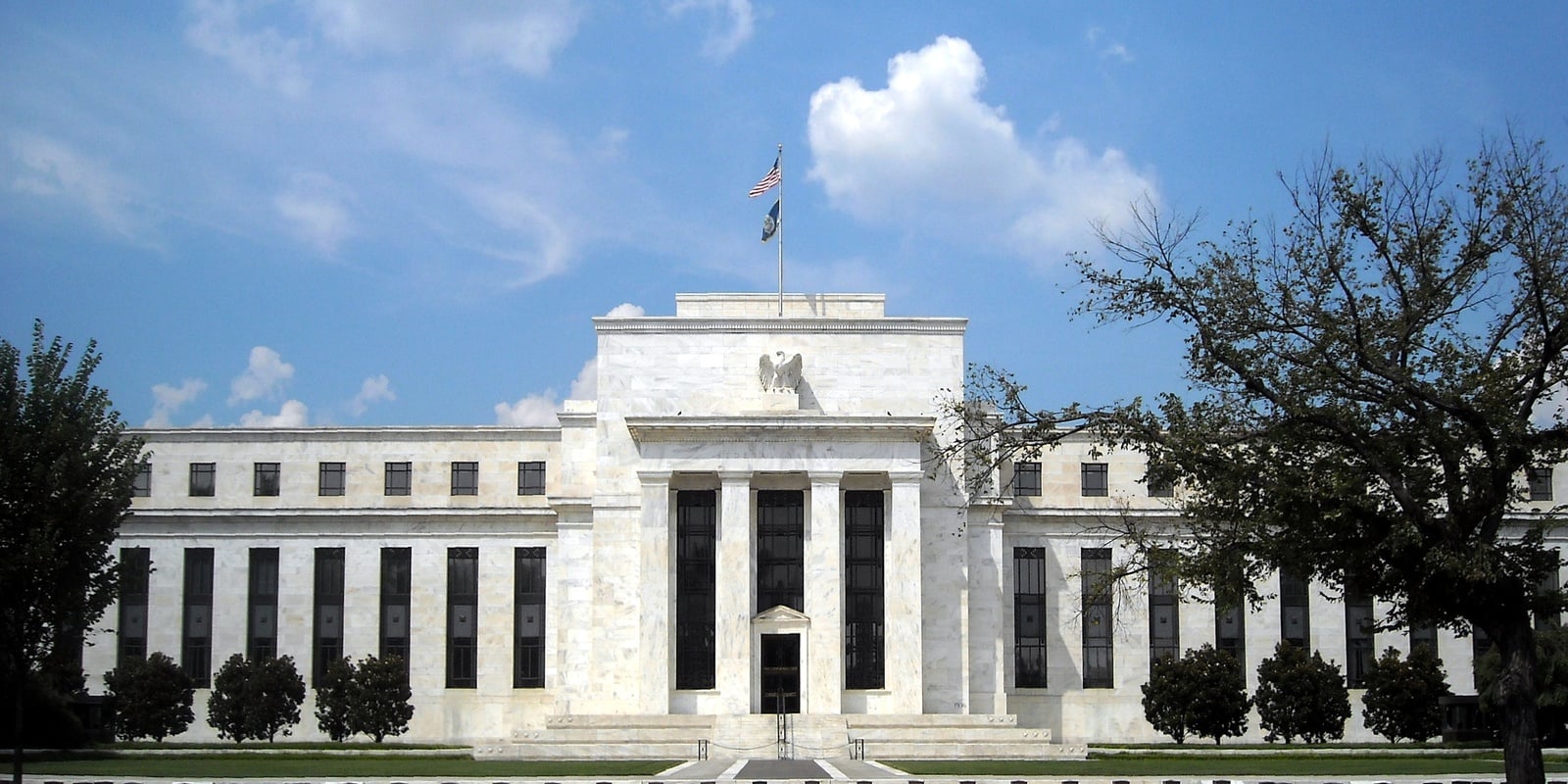
Kansas City Fed President Jeff Schmid stated last Sunday (Nov. 15) that current inflation levels are unsettling and the Federal Reserve still has work to do, though he did not explicitly call for further rate hikes. This follows recent public statements on inflation from other Fed officials, including Chicago Fed President Austan Goolsbee, New York Fed President John Williams, and Federal Reserve Board member Kevin Warsh.
According to Bloomberg, Reuters, and CNBC, Schmid said in written remarks at a credit union conference in Hawaii that the Fed's preferred price gauge rose 3.6% year-over-year in September, 'unsettlingly above its 2% inflation-stability goal and moving in the wrong direction'.
Referencing Warsh's previous remarks, he noted, 'The Fed still has work to do on inflation, and unfortunately, our work has only gotten harder since then'.
Schmid is not a voting member of the Federal Open Market Committee (FOMC) this year. His comments align with recent market expectations: amid persistently better-than-expected inflation data and hawkish signals from several Fed officials, interest rate futures markets have fully priced in a 25-basis-point rate hike at the December meeting, with a small probability of a 50-basis-point increase.
Additionally, Boston Fed President Susan Collins also stated at a housing-focused conference in Boston on Saturday that she supports advancing rate hikes at a steady and gradual pace, arguing this path is better suited to managing economic uncertainties. She simultaneously noted that the past three months of price data and labor market performance lead her to believe the policy rate trajectory over the next year may be higher than previously anticipated.
Refuting the Narrative That Inflation Is Beyond the Fed’s Control
In his remarks, Schmid focused on refuting two popular narratives circulating in the market recently.
The first narrative argues that current high inflation primarily stems from recurring supply shocks, independent of demand. Schmid disagrees, stating:
'Inflation is always the result of supply-demand imbalances. It is precisely against a backdrop of strong demand that supply-side disruptions push up prices. Demand has always played a role in inflation, and through influencing demand, the Fed has always possessed the tools and responsibility to address inflation.'
The second narrative suggests that current demand-driven inflation forces (such as the boom in AI infrastructure construction) are immune to monetary policy, and rate hikes cannot effectively curb them. Schmid also pushes back against this view, stating he does not agree and emphasizing that the Fed does not need to wait for prices in specific categories (such as AI-related technology goods) to respond before achieving its inflation target.
He concluded: 'Both narratives share a common core premise: that inflation is, in some sense, beyond the Fed’s control. I do not believe this is true. The Fed indeed possesses the tools to tackle inflation and bears the responsibility of achieving price stability.'
Multiple Sources of Inflation Pressure Amid Stable Economic Fundamentals
Schmid pointed out that recent inflation pressures stem from diverse sources, including rising energy costs, higher prices for durable goods (partly driven by tariffs), AI infrastructure development, and increasing healthcare expenses. He specifically cautioned against easily assuming that increases in production costs (whether from oil price hikes or tariff shocks) will only have a temporary impact on inflation.
Meanwhile, Schmid expressed a relatively optimistic outlook on the overall economy, characterizing growth as proceeding at a 'steady pace' with unemployment remaining low. He stated that the labor market and wages currently appear to be exerting little upward pressure on inflation.
On the policy front, the Federal Reserve raised its benchmark interest rate by 25 basis points in September to the 3.75%-4.00% range but opted to hold steady at its October meeting. Markets currently widely expect another rate hike at the December session, with further tightening anticipated at the January meeting as well.
Join TechFlow official community to stay tuned
Telegram:https://t.me/TechFlowDaily
X (Twitter):https://x.com/TechFlowPost
X (Twitter) EN:https://x.com/BlockFlow_News