Banks Fight Back Against Stablecoins? 39 U.S. State Associations Form BankChain, Targeting Own Chain Launch in 2027
Author: Claude, TechFlow
TechFlow Summary: On August 25, the banking associations of 39 U.S. states jointly announced the establishment of the BankChain Alliance, planning to build a blockchain network owned, designed, and governed by the banking industry, with a target launch date of 2027. The network will support functionalities such as tokenized deposits, bank-issued stablecoins, smart payments, and automated settlement. Its core purpose is to enable banks to provide services on-chain while preventing customers and deposits from flowing to external stablecoin issuers.
The U.S. banking system is proactively embracing blockchain, but in a manner different from previous market expectations.
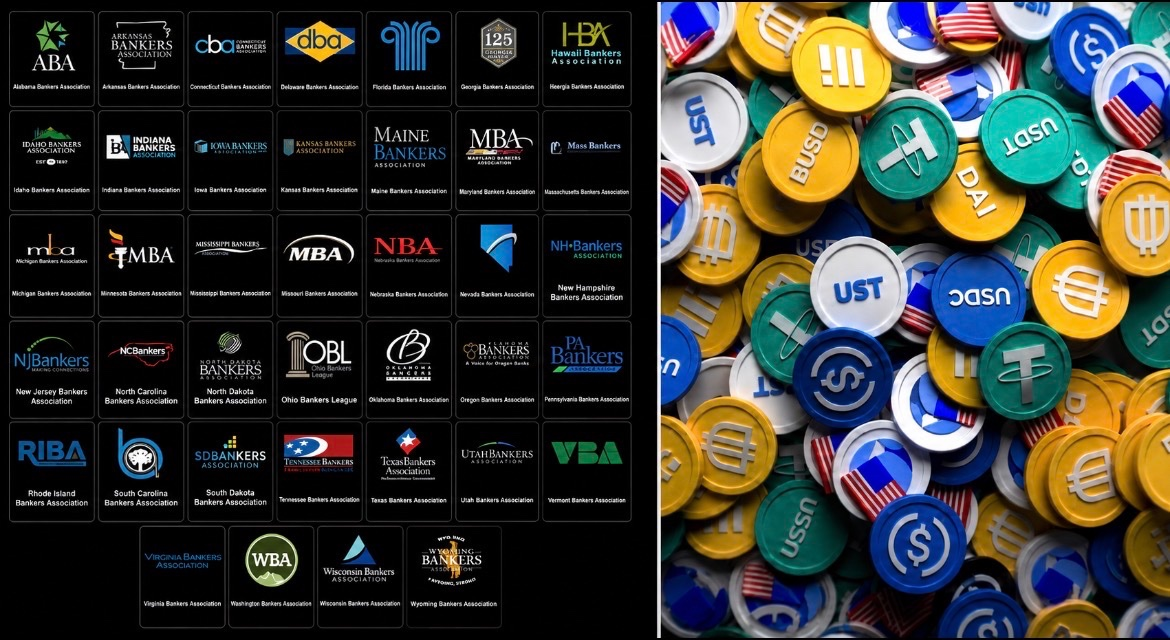
On August 25, the state banking associations of 39 states co-announced the formation of the BankChain Alliance. The alliance will develop an "industry-owned, industry-designed, industry-governed" blockchain network, targeting a launch in 2027. The alliance is currently selecting technical partners and has emphasized that the network will be interoperable with other blockchains.
Covering 3,283 Banks and $21.8 Trillion in Assets
According to the alliance’s official website and statements, the participating state banking associations represent approximately 3,283 banks, managing assets totaling $21.8 trillion (data as of March 31, 2026, from FDIC Call Reports).
The interim chairperson is Kathy Kraninger, President and CEO of the Florida Bankers Association and former Director of the Consumer Financial Protection Bureau (CFPB). In a statement, she said, “This is about banks of all sizes coming together to build our own future.” She emphasized the creation of a “secure, regulated, industry-built and owned” network, enabling banks of all sizes to continue serving customers safely and efficiently in both urban and rural areas.
Core Features: Tokenized Deposits and Bank-Issued Stablecoins
The service directions explicitly listed by the alliance include:
- Smart payment tools
- Tokenized deposits
- Bank-issued stablecoins
- Automated settlement
Among these, tokenized deposits are positioned as a “digital twin” of traditional bank deposits. Funds remain on the bank’s ledger, protected by existing banking regulations and FDIC insurance, yet they enable faster transfers and settlements between participating institutions.
Bank-issued stablecoins, on the other hand, are viewed by the public as a direct response to external issuers like Circle and Tether. Unlike current mainstream stablecoins, these are issued by regulated U.S. banks and backed by actual deposits.
Background: Concerns Over Deposit Outflows
This move comes against the backdrop of the U.S. stabilizing its regulatory framework for stablecoins while the market size of external stablecoins continues to expand. Over the past year, the banking sector and the crypto industry have engaged in multiple rounds of negotiations in Washington regarding stablecoin regulations. Banks have repeatedly expressed concerns that customer funds and deposits could flow into on-chain stablecoin products.
The establishment of the BankChain Alliance is seen as a collective effort by the banking industry to bring “on-chain capabilities” within its own regulatory boundaries. By building a permissioned blockchain network themselves, banks hope to provide modern payment and settlement services while keeping customer funds within the banking system.
The alliance has not yet announced final technology partners or provided a more precise launch timeline. The network is designed to be interoperable with other chains and invites banks nationwide to participate in its ownership.
Whether this move can effectively reshape the stablecoin market landscape remains dependent on subsequent technological implementation, regulatory coordination, and the speed of adoption by banks.
Join TechFlow official community to stay tuned
Telegram:https://t.me/TechFlowDaily
X (Twitter):https://x.com/TechFlowPost
X (Twitter) EN:https://x.com/BlockFlow_News
 深潮TechFlow