








The FBI launched a cryptocurrency—more reliable than half of the projects in the crypto space.
TechFlow Selected TechFlow Selected
The FBI launched a cryptocurrency—more reliable than half of the projects in the crypto space.
The mantis stalks the cicada, unaware of the FBI behind
 Navigating Web3 tides with focused insights
Author: Kuli, TechFlow
Two years ago, FBI agents posed as the founding team of an “AI-and-finance crossover” investment project and launched a token named NexFundAI on Ethereum—complete with an official website, whitepaper, and business plan. To all appearances, it looked no different from any legitimate project on the market.
Then they approached market makers to provide liquidity support.
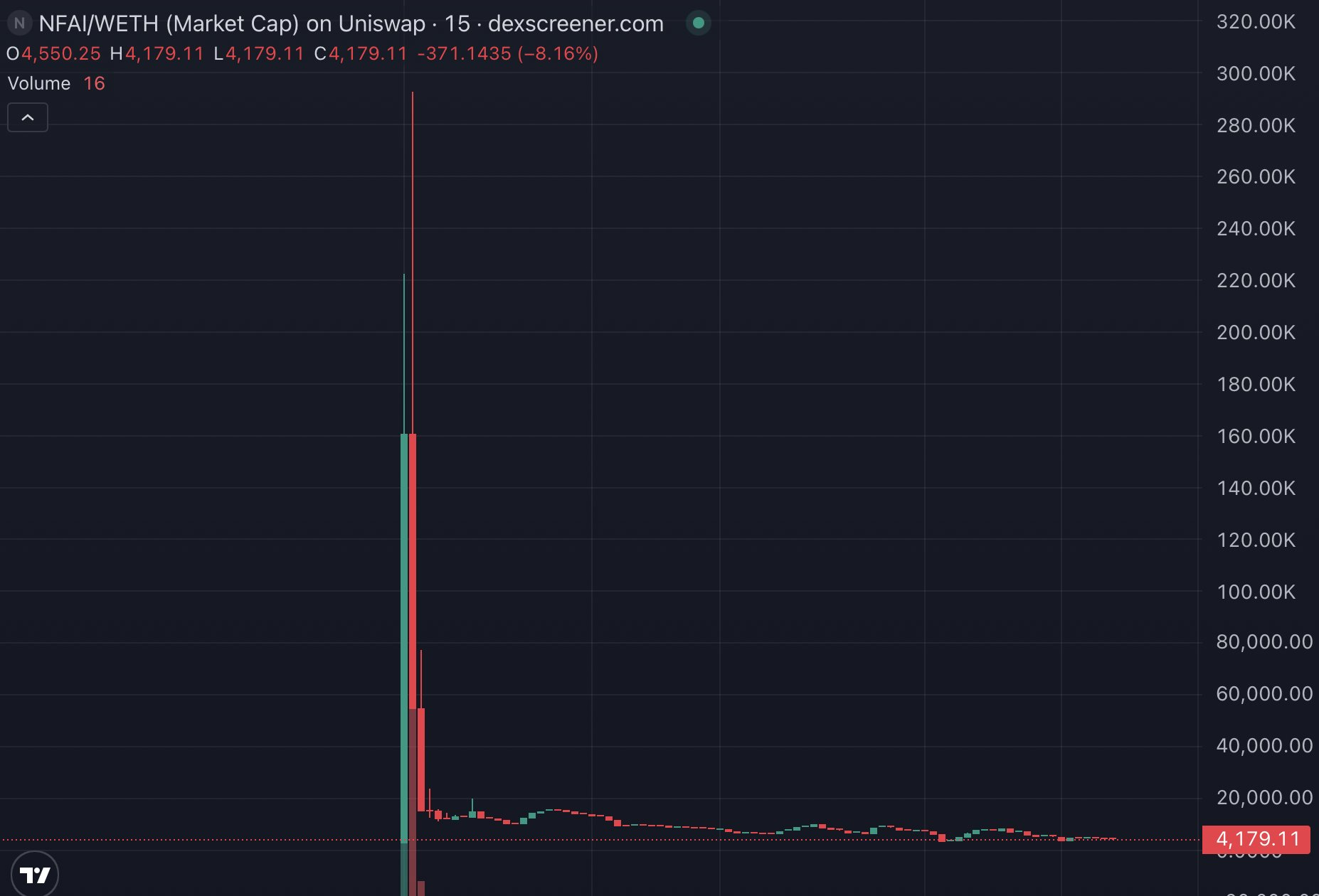
One function of market makers is sometimes to artificially inflate trading volume for projects—a practice colloquially known as “volume support,” or “volume pumping” in Chinese.
The FBI’s undercover agents contacted several well-known market makers in the industry, straight out stating: “We’ve launched a new project and need help boosting its trading volume.”
According to the indictment released by the U.S. Department of Justice (DOJ), every single one agreed.
No one asked whether the project was compliant. No one questioned whether the token had real utility. No one raised concerns about the legality of the request. As documented in court filings released by the DOJ, four market makers—Gotbit, ZM Quant, CLS Global, and MyTrade—accepted the job.
One of these firms’ founders met the undercover agent in person and, while speaking directly into a recording device, referred to himself as the “mastermind.” He detailed how his firm used bots to place simultaneous buy and sell orders to fabricate trading volume—and how they manipulated candlestick charts to resemble roller coasters, luring retail investors in.
Then he said something the FBI recorded verbatim. As quoted by Cointelegraph from the original indictment:
“We must make them lose money so we can profit.”
“They” refers to retail investors.
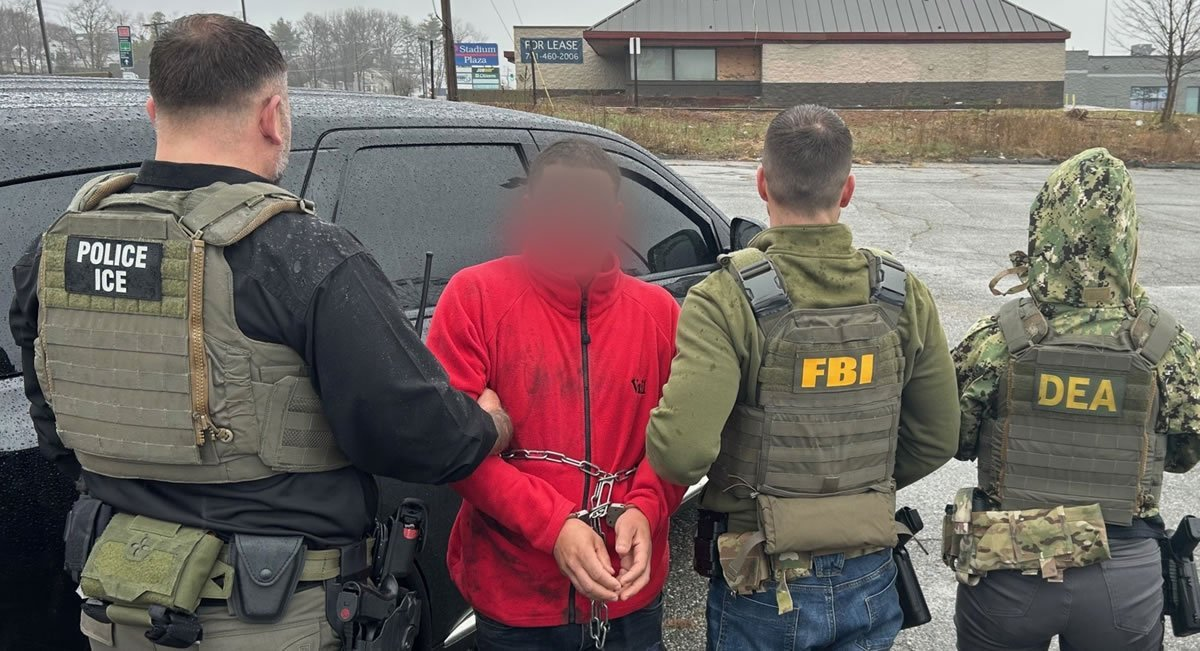
This operation was codenamed “Operation Token Mirrors.” According to the DOJ’s October 9, 2024 announcement, the first wave of charges targeted 18 individuals and entities, with over $25 million in cryptocurrency assets seized. Per the IRS’s March 30, 2025 announcement, a second wave charged 10 more people—including three extradited from Singapore to the U.S.
Two years. Three continents. Twenty-eight people. This is the largest market manipulation enforcement action in cryptocurrency history—and it’s not over yet.
A Price Quote
How exactly did these market makers operate?
According to the DOJ’s indictment, Gotbit’s founder Andriunin maintained an internal spreadsheet listing two columns side-by-side: “Created Volume” and “Market Volume.”
In plain terms: one column showed the fake volume they generated themselves; the other reflected actual market trading activity.
In a 2019 interview with CoinDesk, Andriunin—then a 20-year-old sophomore at Lomonosov Moscow State University—explained on camera how he wrote code to generate artificial volume and helped clients push their tokens onto CoinMarketCap’s trending lists. As reported by CoinDesk, he candidly described the business as “not entirely ethical.”
After the interview aired, he received no subpoenas—instead, he landed five new clients.
By the time of his arrest in 2024, Gotbit had operated for six years, serving projects worldwide. Per the DOJ’s sentencing announcement, Andriunin received an eight-month prison sentence; Gotbit was ordered dissolved; and approximately $23 million in cryptocurrency assets were forfeited.
Gotbit wasn’t the cheapest option.
According to pricing disclosed in the indictment for another market maker, generating $1 million in daily trading volume cost roughly $200. As cited by Cointelegraph from court documents, a ZM Quant employee explained on a recorded call with the FBI agent: “We use one thousand to two thousand wallets, trading ten times per hour—or even ten times per minute—to hit our target volume.”
Each trade cost about $3.
CLS Global went even further. According to SEC investigative documents, this UAE-registered firm executed 740 fake trades using just 30 wallets—generating nearly $600,000 in fictitious volume, accounting for 98% of NexFundAI’s total trading volume during the same period.
$7.5 Billion of Hot Air
Market makers are tools—their clients are the true protagonists.
According to the DOJ’s indictment, the largest client uncovered in this sting operation was Saitama, a Massachusetts-incorporated crypto company founded in 2021 that claimed a peak market cap of $7.5 billion.
What does $7.5 billion mean? At the time, it exceeded the market caps of numerous legitimate companies listed on the Nasdaq.
Yet according to the indictment, how was that figure conjured? Starting in July 2021, Saitama’s management coordinated actions via Telegram groups—using multiple wallets to place small buy orders, manufacturing the illusion of “massive new buyer inflows.”
As quoted in Telegram chat logs cited in the indictment, a core team member clarified the intent: “We want these small buys to look like many buyers—that’s the plan.”
The chats also included mutual confirmations of purchases and celebratory “PUMP IT” memes and GIFs when retail investors followed suit.
Per the same indictment, Saitama subsequently hired market makers—including ZM Quant and Gotbit—to conduct large-scale volume pumping on exchanges such as BitMart and LBank. Once the market cap surged, management quietly dumped their token holdings, cashing out tens of millions of dollars. According to the DOJ announcement, Saitama’s CEO was arrested in the UK; five former and current employees were charged, with three pleading guilty.
Saitama wasn’t alone.
Also cited in the same indictment is a project called Lillian Finance, founded by 48-year-old Bradley Beatty of Florida. Beatty publicly claimed to be a defense contractor, asserted he had testified before Congress on cryptocurrency issues, and promised that part of the token’s revenue would fund charitable initiatives supporting children’s healthcare.
According to the indictment, all these claims were fabricated. Beatty pocketed profits earmarked for charity.
A defense contractor background, congressional testimony, pediatric healthcare philanthropy—you only need a compelling narrative, plus a market maker to polish the candlestick chart, and you’re ready to trigger FOMO.
Looking back on these cases, what feels most unsettling isn’t how sophisticated the scams were—but precisely the opposite: how crude they were.
FBI’s Token Was Surprisingly Legitimate
After the operation concluded, the FBI did something unexpected.
Per the DOJ’s announcement, NexFundAI’s official website remains live—except now a banner appears across the top reading: “This website was created under the guidance of the Federal Bureau of Investigation for the purpose of investigating cryptocurrency fraud and market manipulation.” Below the banner sits a link directing users to the full text of the DOJ’s indictment.
The FBI even set up a dedicated victim registration portal. As stated verbatim in the DOJ announcement, anyone who lost money on NexFundAI or related tokens could submit a form to apply for compensation and legal protection.
The FBI issued a token, proactively disclosed details upon concluding the operation, and opened a compensation channel for victims—making its process arguably more formal and transparent than those of the very projects it caught.
The most absurd twist came next.
According to a report by blockchain analytics firm TRM Labs, within 24 hours of the DOJ’s announcement, someone cloned the FBI’s NexFundAI smart contract and launched a copycat token. Using roughly $2,300 as initial capital, the perpetrator cashed out over 52 ETH within 24 hours—worth approximately $127,000 at prevailing prices.
The FBI used a fake token to expose market maker fraud—and on the very day news broke, someone replicated the same scam to mint a meme coin and profit again. The investigation took two years—but the market digested the entire episode in two hours, by launching yet another vaporware token.
So next time you see a meme coin suddenly skyrocket, pause and ask: Is this performance art—or real trading?
Of course, it might even be the FBI.
Join TechFlow official community to stay tuned
Telegram:https://t.me/TechFlowDaily
X (Twitter):https://x.com/TechFlowPost
X (Twitter) EN:https://x.com/BlockFlow_News
 深潮TechFlow









