Xu Zhuoyun: The emergence of Bitcoin is like a gambling game set up by a magician
TechFlow Selected TechFlow Selected
Xu Zhuoyun: The emergence of Bitcoin is like a gambling game set up by a magician
The wizard is playing with his wand.
 Navigating Web3 tides with focused insights
Author: Xu Zhuoyun
Published in April 2020
Credit card systems, already very common in the United States, have influenced the money supply. Due to the rapid circulation of money, even if the amount issued remains stable, the increased velocity effectively multiplies the available money supply several times over.
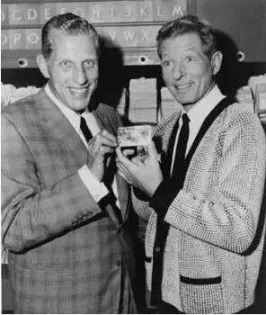
The world's first credit card was invented by Frank McNamara
From my memory, before World War II, credit cards were not widespread. Only individuals or businesses with close ties to banks could make payments using letters of credit, which the bank would then settle.
At that time, there were probably only three well-known cards. One was used by wealthy merchants and elites at luxury hotels and restaurants when hosting guests, known as the "Diners Club." Another, even more ostentatious, was the "Card Blanc," meaning the cardholder could write any spending amount, allowing the recipient to collect payment directly from the bank.
The third was the widely used American Express in the U.S., where cardholders had agreements with the American Telegraph Company. Travelers could use the card to pay anywhere, with local telegraph offices covering the cost upfront and settling accounts at month's end.
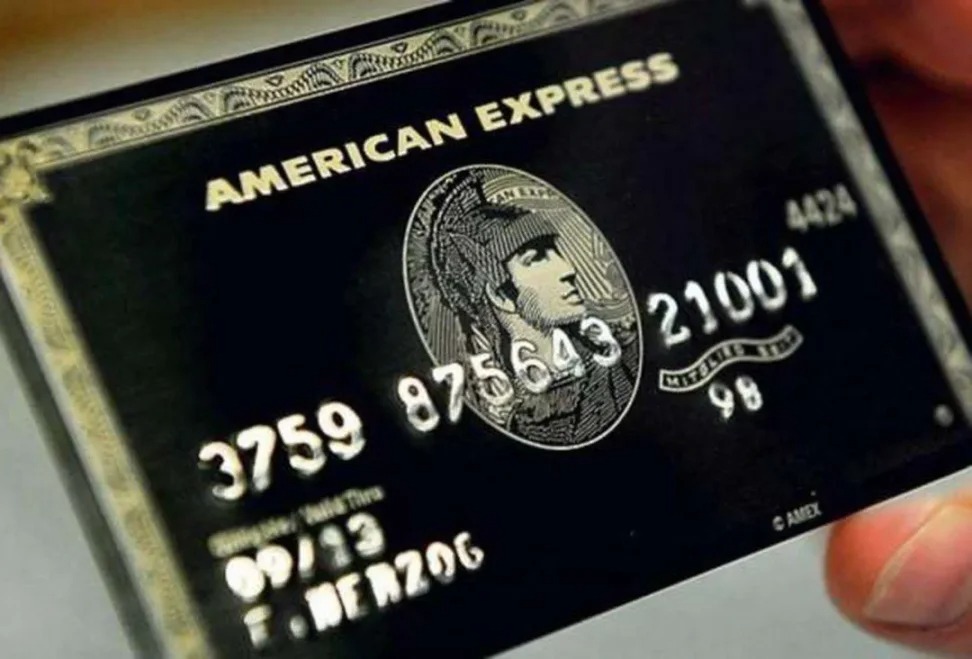
American Express
These cards were accessible only to privileged or high-status individuals. Their membership fees were also quite expensive. Because their numbers were limited and each cardholder maintained substantial bank deposits, banks weren't worried about defaults. Thus, the operation of these cards did not significantly affect overall money circulation.
After World War II, with economic prosperity in the U.S.—especially during the 1950s, as the national highway system expanded and the aviation industry rapidly developed—travelers increasingly preferred carrying cards for convenience. Beyond the earlier limited card types, banks began issuing credit cards en masse, and even department stores and oil companies started issuing similar cards.
Cards became so widespread that large institutions, such as universities, could issue them in partnership with banks, authorizing certain staff members to carry cards and charge purchases.

Harvard University students in uniform
The proliferation of credit cards created a crisis: some users spent large amounts without timely repayment, simply disappearing afterward. Since card issuance was extremely easy, many issuers failed to verify applicants' creditworthiness, creating further problems.
A cardholder, although aware that overdue payments incurred interest rates of 19 to over 20 percent, might apply for another card to pay off the previous debt.
A common sight around the 1980s: someone could pull out a dozen or even twenty cards from their wallet, using new cards to pay off old ones. Eventually, burdened with massive debt, they would vanish or file for bankruptcy, wiping out all prior obligations.
To counter this problem, today’s credit card system has split into two types: traditional credit cards and prepaid cards. With the latter, funds are directly deducted from the user’s bank account. When swiping, machines instantly check whether sufficient funds are available. With such arrangements, maxed-out cards have become less common.
However, with vast numbers of cards circulating, there is typically a one-month gap between a cardholder’s purchase and payment. During this period, considering the volume of card usage, credit equivalent to several times the actual money supply circulates freely.
This kind of inflation is difficult to control. While it appears on the surface to stimulate prosperity, it actually masks the severity of unchecked inflation. The issues surrounding credit cards reflect how today’s money has detached from the government-backed security it once had.
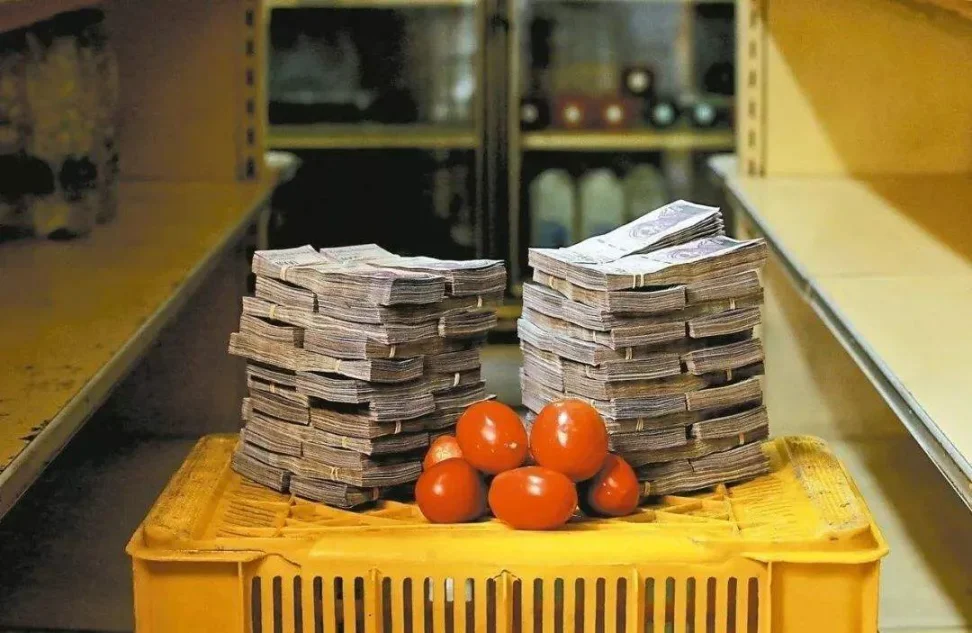
Widespread credit card circulation may lead to inflation
Currency itself expands multiple times through credit mechanisms, unchecked by anyone. A nation’s economy, or even a market economy, now almost rests upon empty bubbles. These bubbles stimulate monetary production, causing overproduction and eventual inability to repay. Without regulation, the bursting of excessively large bubbles will lead to economic collapse.
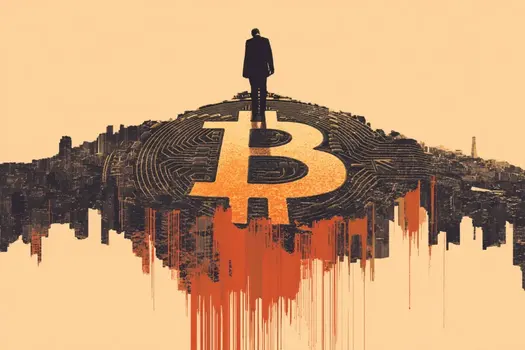
Recently, another phenomenon has emerged: virtual symbols replacing physical currency. On November 19, 2017, Chicago's Merchandise Market announced it would officially include Bitcoin as an exchange commodity.
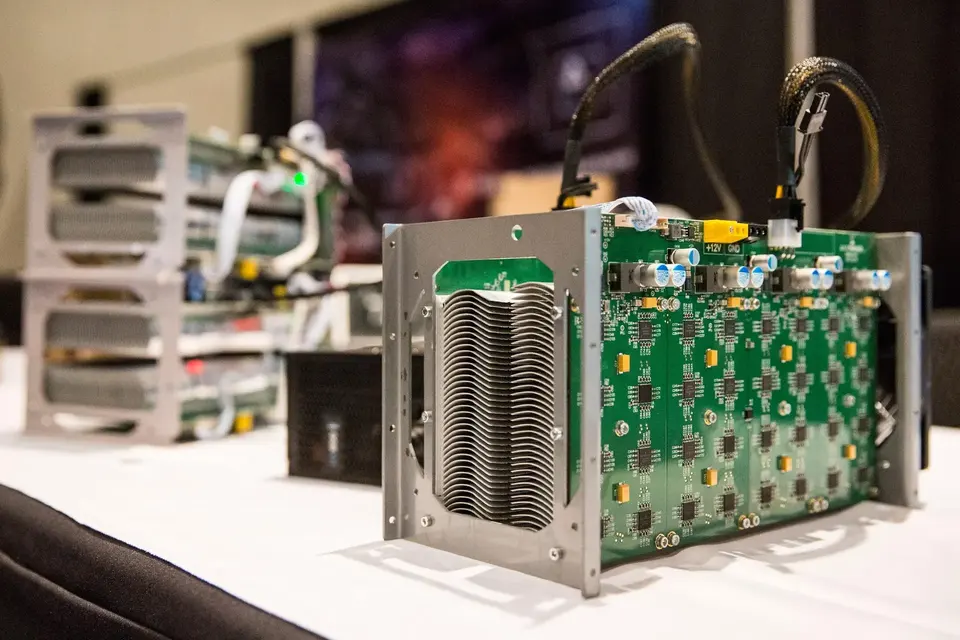
Bitcoin is a specially designed virtual unit within computer programs calculating exchange rates among global currencies. Its value is extremely small, hence the name "bit." Through this program, it provides a standard reference rate whenever converting currencies worldwide. This computational standard is a virtual unit—not any country’s official currency—and cannot be used to settle debts, yet it has now become a tradable "commodity."

Though Bitcoin doesn’t inherently exist, it has become an investment target
In markets, Bitcoin prices fluctuate constantly and sensitively. Speculators exploit these swings, buying certain amounts at one moment and selling at another. At this stage, the traded item is no longer a product with intrinsic value, nor does it represent underlying credit support.
Bitcoin has no real existence; this purely virtual, hollow unit has somehow become an object for trading and investment. Modern economies have reached a point where they’ve completely detached from the relationship between production and consumption. The market has turned into a gambling arena, and the economy into a game of chance.
This is no longer capitalism as we understand it, but rather an illusion built upon accumulated currency. Yet, because profits are possible, people continue to stir up chaos. A human-made illusion now influences an economy that should naturally self-balance. We can only say: magicians are playing with their wands.
Magicians playing with their wands
American economic development originated from opening up frontier lands, increasing agricultural output and purchasing power, establishing factories to produce basic raw materials like steel and machinery, and finally manufacturing everyday consumer goods. This capitalist mode of production involved using money to cover equipment, labor costs, transportation, and land acquisition.
On top of production costs, the price of each unit included interest representing the original capital’s expected return over that period, forming the final price of consumer goods. Investors earned profits reflected as this interest-based gain.
Workers at every stage—including factory line workers and, at the final stage, shop clerks wrapping goods for customers—formed a chain where numerous laborers received wages. This was standard capitalism: a production and exchange system constituting the economic order.

Workers on a U.S. meat and poultry production line
Today, after more than a century of evolution—high industrialization and continuously updated production models driven by technological advances—this supposedly superior modern industrial civilization has fallen into a false, bubble-driven credit economy!
This credit economy sustains prosperity through constant expansion, stimulating desires to increase consumption, and fearing only that circulation might slow. All these behaviors sustain and continually enlarge the bubble. No matter how sophisticated economic theories explain it, common sense tells us this system lacks solid foundations.

Trump's 'America First'—isn't this just a dream?
In an era of economic globalization, while other economies grow increasingly robust, America’s is becoming progressively hollow. How can American economic dominance possibly endure? Trump fails to grasp this reality, yet claims to restore 'America First'—isn't this nothing but a dream?
Join TechFlow official community to stay tuned
Telegram:https://t.me/TechFlowDaily
X (Twitter):https://x.com/TechFlowPost
X (Twitter) EN:https://x.com/BlockFlow_News