180-degree turnaround: Who changed Trump's mind?
TechFlow Selected TechFlow Selected
180-degree turnaround: Who changed Trump's mind?
4 reasons behind Trump's sudden shift in tariff stance.
 Navigating Web3 tides with focused insights
By Li Xiaoyin, Wall Street Insights
Trump has finally backed down.
According to the Shanghai Securities News, during U.S. trading hours on April 9, President Donald Trump posted on his social media platform authorizing a 90-day suspension of tariffs for certain countries, slashing tariffs to 10% during this period.
Yet according to Xinhua News Agency, just on Monday this week, Trump had stated he was not considering a temporary halt to his so-called "reciprocal tariffs" on multiple nations, though he hinted at being open to negotiations.
What caused Trump’s dramatic 180-degree reversal on tariffs within just two days?
In Internal Power Struggle, Treasury Secretary Bessent Gains Key Influence
Reports indicate that before Trump’s shift, top government officials dispersed to meet with lawmakers, revealing almost nothing about what was coming.
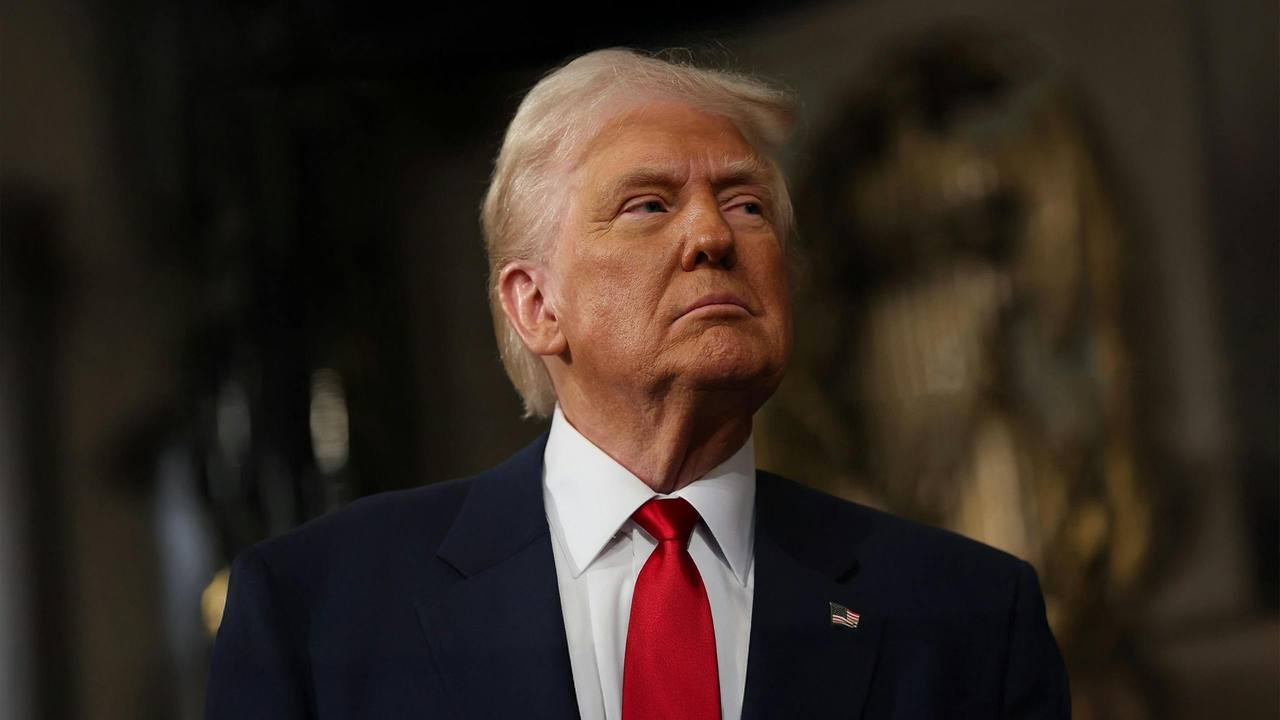
Just hours after the new tariff policy officially took effect, Trump suddenly announced the reversal on his social media platform. He then made the announcement from the Oval Office at the White House, accompanied by Treasury Secretary Scott Bessent and Commerce Secretary Howard Lutnick.
Bessent told reporters outside the White House that the idea to pause some tariffs was discussed during a meeting with Trump on Sunday, insisting it had “always been my strategy.”
This suggests Bessent has gained greater authority within the trade advisory team. Bessent also revealed that after meeting with Trump, he was authorized to publicly comment on the agreement.
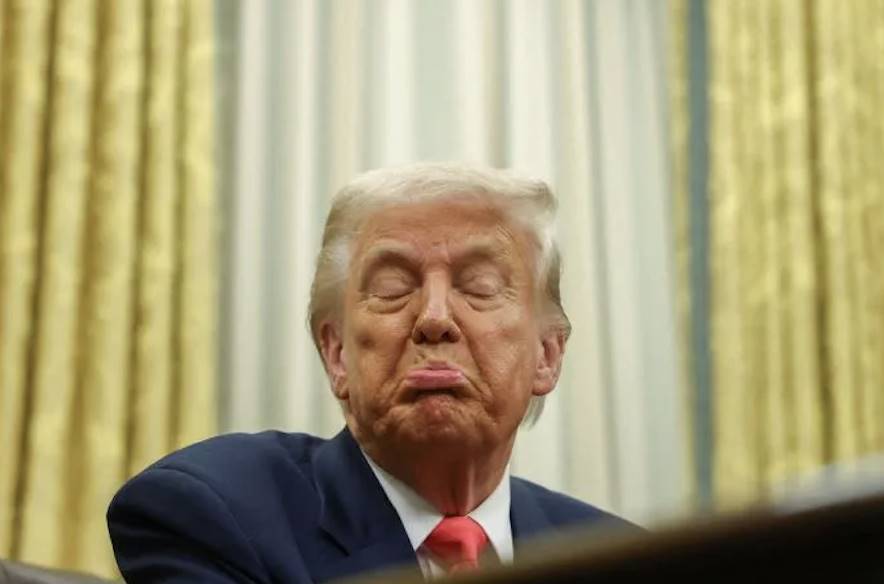
At the press event, Trump told journalists he had “been thinking about pausing tariffs over the past few days,” adding that the decision “probably came together quite early this morning.”
He said he did not consult lawyers on the wording of the announcement, instead directly adopting input from Bessent and Lutnick:
“We wrote it from the heart. We didn’t want to hurt certain countries that want to negotiate.”
Although senior financial officials told media that the administration uniformly supports Trump's strategy to promote America's economic and national security, Peter Navarro—a longtime proponent of Trump’s aggressive tariff agenda—was not mentioned during the press briefing. U.S. Trade Representative Jamieson Greer learned about the news only after seeing Trump’s post, while he was still testifying before Congress defending the original tariff plan.
Business CEOs Exert Collective Pressure
Concerns voiced by business leaders also influenced Trump.
Over the past several days, numerous corporate executives and lobbyists have called White House Chief of Staff Susie Wiles, urging Trump and his advisors to make concessions and “find a way out” for businesses.
Banking executives, frustrated by their limited influence with government officials, recently turned to Republican lawmakers to lobby Trump on the tariff issue. According to sources, their message was clear: Trump’s actions would cripple the economy.
The report notes Trump has indeed been in listening mode—over recent days, he has repeatedly asked friends and advisors about market conditions, saying he is closely monitoring developments.
On Wednesday, Trump had lunch at the White House with financier and investor Charles Schwab and met with Michigan Democratic Governor Gretchen Whitmer, who warned that Michigan’s auto industry was already feeling the impact of the tariffs.
Bond Market Panic Erupts; Jamie Dimon Warns of Recession Risk
Following last week’s tariff announcement, the U.S. bond market plunged into panic selling. The yield on the 10-year Treasury surged nearly 40 basis points in two days, briefly touching 4.5%, while the 30-year yield一度 breached 5%.
The risk of a bond market collapse also sounded alarms for Trump. On Wednesday, he said he had noticed the bad news of the bond market selloff: “Last night I saw people getting a bit uneasy.”
Trump said he watched JPMorgan Chase CEO Jamie Dimon’s interview with Fox News on Wednesday morning.
In the interview, Dimon stated that the “likely outcome” of the new tariff plan would be a recession, urging the president to give Bessent time to reach agreements. He added:
“I’m calm about it, but things could get worse.”
According to media citing insiders, Dimon hasn’t had substantive conversations with Trump for years. However, Dimon knew that Trump and his inner circle frequently watch Fox News, meaning his message would likely reach them.
Stock Market Rally May Have Bolstered Trump’s Decision to Pivot
On Wednesday morning at 9:33 a.m., Trump posted on Truth Social telling everyone to “stay calm,” then followed up at 9:37 a.m. saying “now is a good time to buy.”
However, according to one government official cited by media, Trump had not yet made a final decision at that time.
Trump’s posts then triggered a stock market rally, swiftly reversing panic sentiment. This encouraging market reaction may have served as a “shot in the arm” reinforcing Trump’s pivot.
The report says Bessent and other White House aides described Trump’s series of moves as part of a negotiation strategy, believing he used maximum pressure tactics to force other countries to the negotiating table.
Join TechFlow official community to stay tuned
Telegram:https://t.me/TechFlowDaily
X (Twitter):https://x.com/TechFlowPost
X (Twitter) EN:https://x.com/BlockFlow_News