Irrational Crypto Markets: Hype, Misinformation, and Overlooked Intrinsic Utility Value
TechFlow Selected TechFlow Selected
Irrational Crypto Markets: Hype, Misinformation, and Overlooked Intrinsic Utility Value
Investors should focus on fundamentals rather than short-term gimmicks to promote the healthy development of the industry.
 Navigating Web3 tides with focused insights
Author: Henri
Translation: Baicai Blockchain
In today's crypto market—a chaotic frontier filled with frenzy and hype—gimmicks often overshadow logic. Judging by market valuations, projects endorsed by celebrities and influencers tend to be more popular than those quietly building foundational ecosystems and generating real revenue. As a technology developer focused on creating impactful software rather than chasing market bubbles, I invite you to temporarily tune out the market noise and explore together the true value of crypto projects.
1. Hype Over Substance
Consider tokens like Ripple (XRP), Dogecoin (DOGE), Cardano (ADA), and TRUMP. As of February 2, 2025, their market caps reached $166 billion, $44 billion, $31 billion, and $21 billion respectively. These figures create an illusion of immense value and promising prospects.
Yet many of these tokens were designed with little substance beyond a catchy concept. For instance, XRP has long been mired in controversy, with its centralization issues frequently questioned, raising doubts about whether its actual use cases justify its market cap. Recently disclosed court documents revealed that Ripple has signed over 1,700 XRP transaction agreements with financial institutions and enterprises—an insight into its commercial operations. While some in the XRP community interpret this as positive news, these agreements are essentially standard business terms and hardly constitute breakthrough achievements given the project’s massive valuation.
DOGE started as a joke meme coin. Despite its passionate community, it lacks clear use cases and technical foundations, leading many to question whether its market cap is entirely driven by speculation. As for ADA, despite being marketed as a representative blockchain solution, it has failed for years to deliver on its grand promises, creating a stark contrast between its high valuation and the actual progress of its underlying technology.
All hype, no delivery
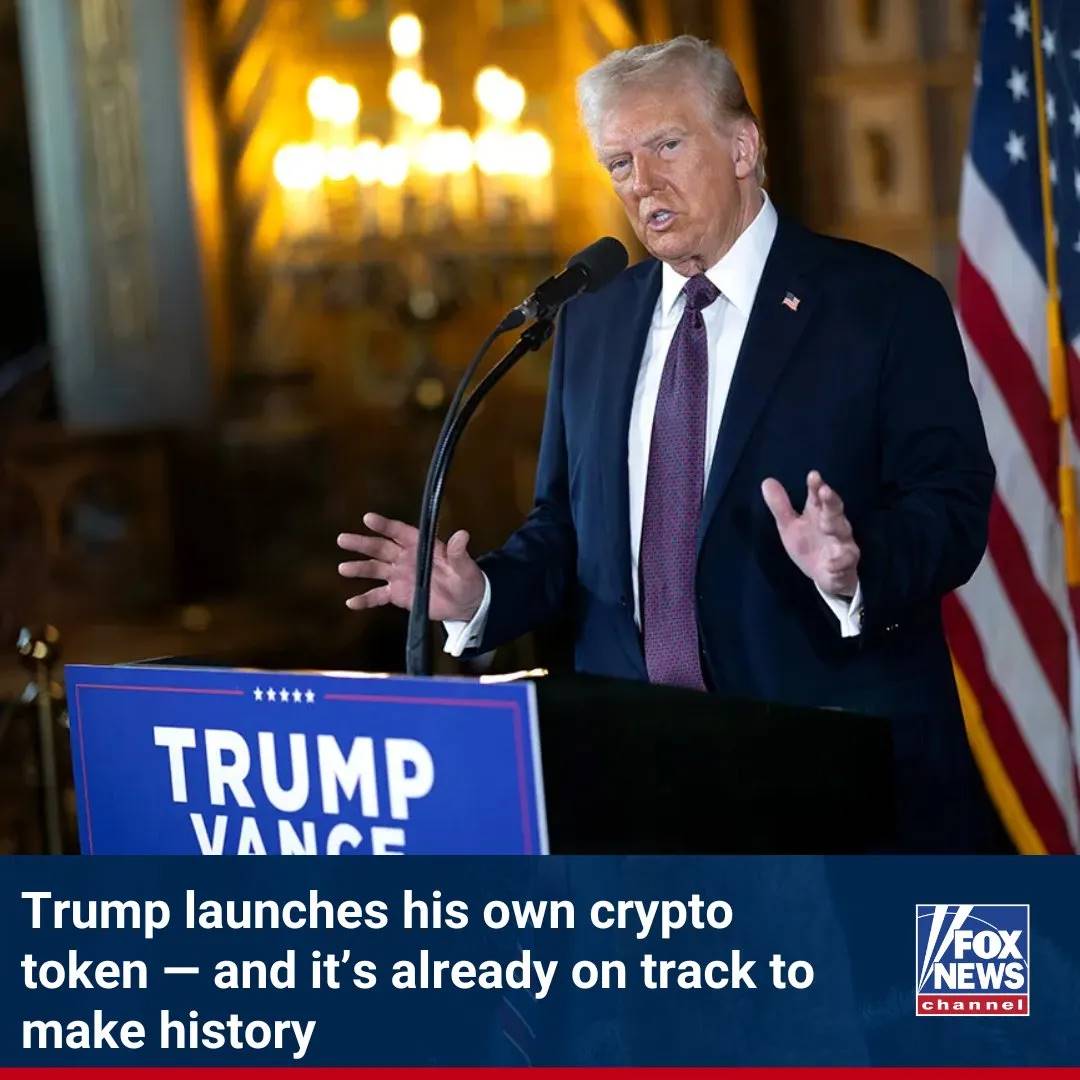
The highly publicized TRUMP token did not rise due to technological innovation but through celebrity influence—demonstrating how market sentiment can inflate the valuation of a token lacking real-world applications. Within days, its market cap surged to $70 billion, drawing significant capital away from projects with greater credibility or utility.
2. Real Projects Are Building the Industry
In contrast to hype-driven tokens, protocol tokens with real-world applications and widespread daily usage tell a different story. Especially within the Ethereum ecosystem, core projects advancing the technological frontier of the crypto industry are the true builders.
Take UNI, the token of Uniswap—the leading decentralized exchange (DEX) processing massive trading volumes. Or AAVE, currently the largest decentralized lending platform, which directly enables users to borrow and lend assets while generating income through fees and interest. Similarly, layer-2 solutions like Arbitrum (ARB), Optimism (OP), and Starknet (STRK) scale blockchain networks by reducing congestion and lowering costs. Starknet, in particular, pioneers cutting-edge research in zero-knowledge proofs. Behind these projects are teams of experienced researchers and engineers who have spent years developing advanced technologies. Yet, combined, the total market cap of these industry-driving projects still falls far short of XRP’s alone.
There are many other examples—technical pioneers such as Lido (LDO), Ethereum Name Service (ENS), and Curve (CRV). These protocols not only support critical infrastructure but also possess clear revenue models, consistent development progress, and active user bases relying on their functionality every day.
Compared to projects whose valuations are inflated solely by media attention, these protocols form the bedrock of decentralized finance (DeFi) and the broader blockchain ecosystem. They enable transaction execution, smart contract operations, and innovative financial products. Yet, when compared to projects devoid of real value and sustained purely by market hype, their market caps remain insignificant.
3. The Role of Information and Media
This irrational behavior stems largely from information asymmetry—or rather, the public’s access to incomplete information. Many investors are easily swayed by surface-level metrics and buzzwords, lacking accessible channels for deeper analysis to distinguish between genuinely useful projects and those relying purely on marketing hype.
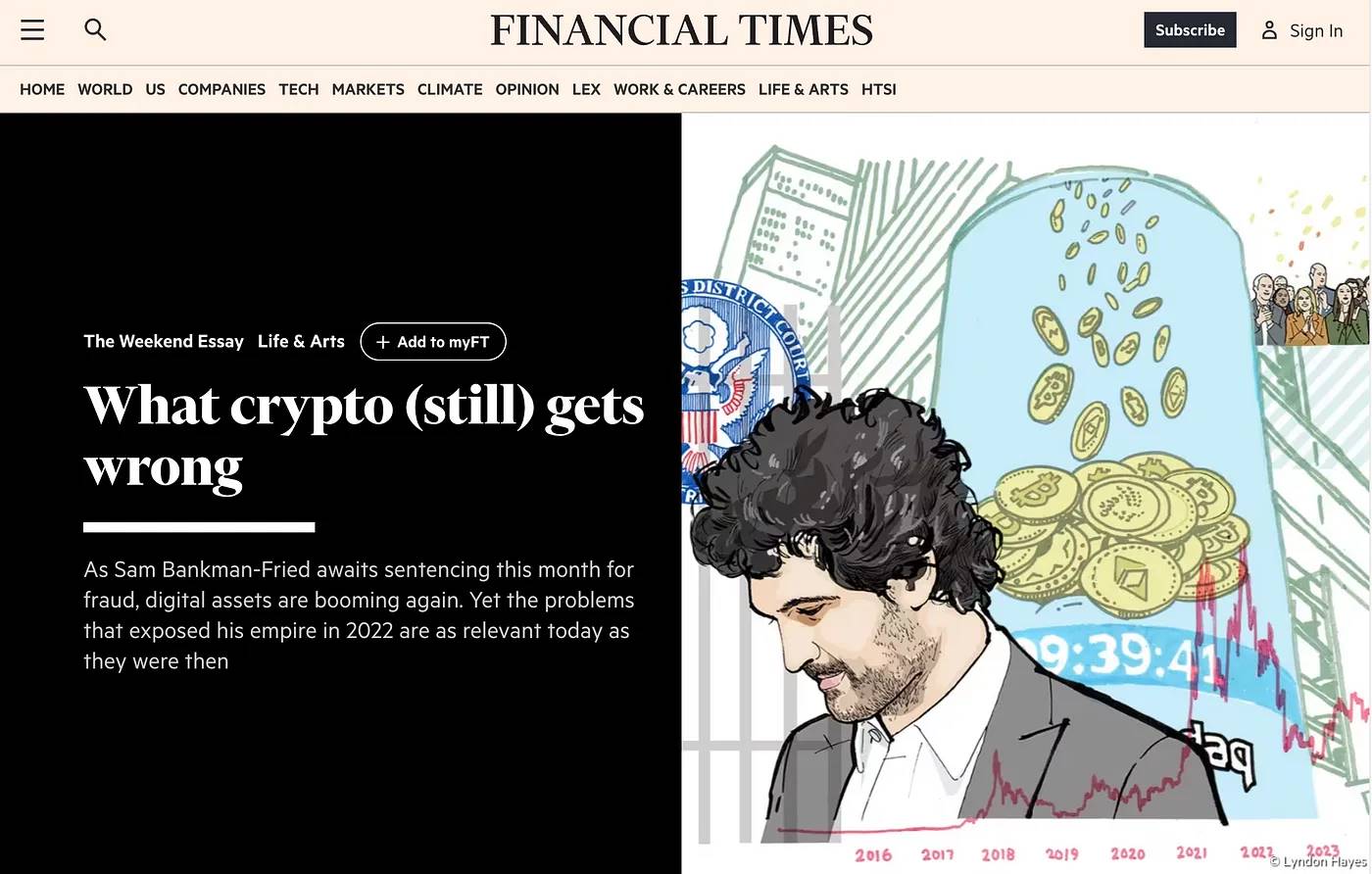
Mainstream media tends to focus on eye-catching numbers, often interpreting them through a negative lens, while rarely delving into the real-world applications behind these tokens. Ultimately, this information gap benefits projects with strong branding but weak fundamentals, while technically robust and long-term valuable projects get overlooked.
It's easy to blame the media when it favors sensationalism over real value
An average investor seeing XRP’s $166 billion market cap or DOGE’s $44 billion valuation might mistakenly assume these figures represent extraordinary technological or financial innovation. The same investor often overlooks UNI or AAVE—not because they lack real value, but because the narratives around them aren’t flashy enough or lack viral appeal.
When the public lacks access to in-depth analysis of these projects, markets become dominated by hype and speculation. This makes the market appear increasingly irrational to those who focus on fundamental performance.
4. Real Utility Often Goes Unnoticed
Projects that actually generate revenue are often reported using dry technical language, unable to spark market excitement like headlines proclaiming “Market Cap Surpasses $166 Billion!”
This creates an uneven playing field—projects without real users or use cases can still dominate discourse through hype and controversy, while those silently supporting DeFi infrastructure become unsung heroes of the crypto industry. They process millions of dollars in transactions daily, advance decentralized lending, and continuously reduce user costs. Yet, their crucial contributions to the crypto economy rarely receive mainstream media coverage.
The undervaluation of truly useful tokens may have profound consequences. Investors could misallocate funds into projects unable to fulfill long-term promises, and if markets are driven by hype rather than performance, extreme volatility and speculative bubbles may follow. Therefore, the industry urgently needs better educational resources and deeper investigative reporting—data-driven analysis instead of click-chasing sensationalism.
5. Small-Scale But With Real Impact
GMX is one such project—despite low name recognition, it delivers real utility and stable income. In a market flooded with exaggerated narratives, GMX stands out through genuine use cases.
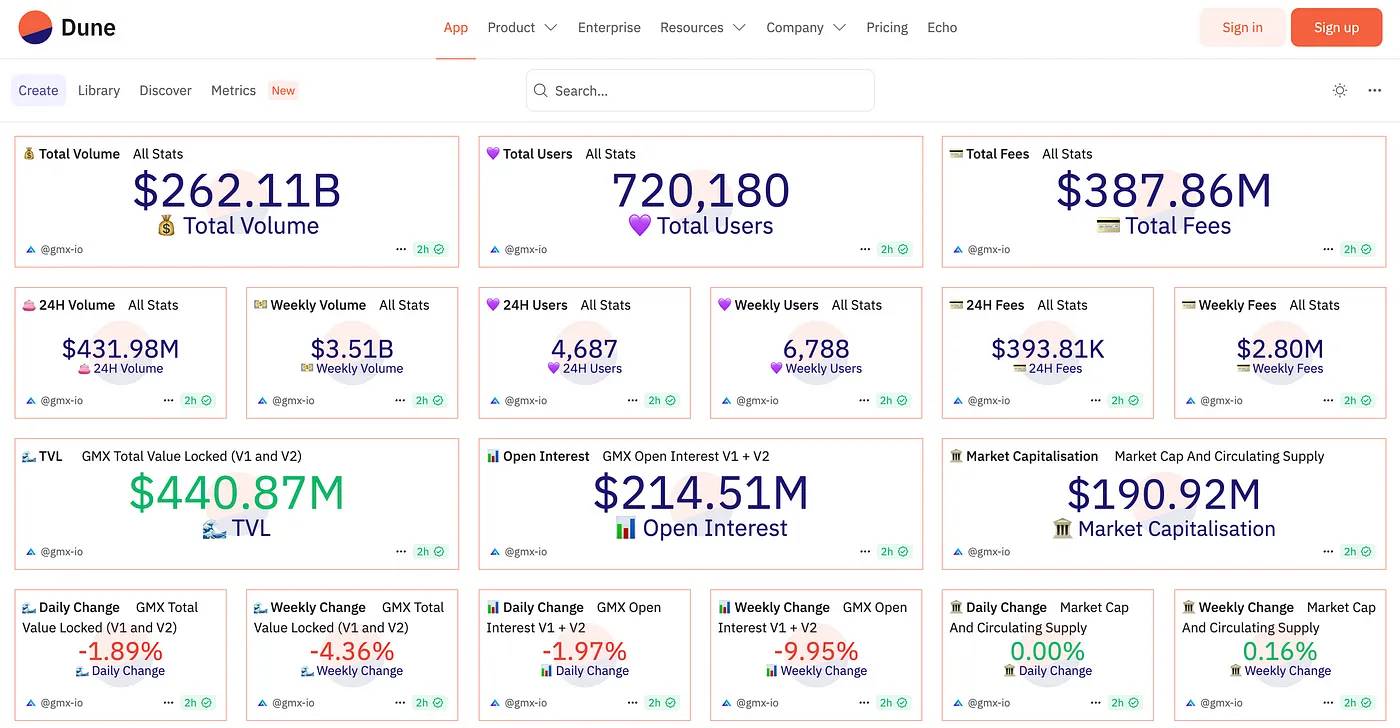
Like all legitimate blockchain projects, GMX’s protocol data is fully transparent and publicly accessible in real time—this transparency itself is the best proof of its value.
GMX’s data dashboard on Dune
GMX has operated stably for three years, quietly building a solid reputation. Its annual fee revenue approaches $130 million, clearly indicating traders’ strong reliance on its decentralized trading platform. The protocol captures 27% of trading fees, translating to approximately $35.1 million in annual earnings. With a current market cap of $180 million, this results in a price-to-earnings (P/E) ratio of just around 5.1.
By traditional market standards, a P/E ratio of 5.1 is relatively reasonable—even conservative—especially considering the vast growth potential of blockchain technology. This valuation sharply contrasts with projects lacking sustainable revenue streams yet inflated by market hype.
Beyond financials, GMX’s technical strength further validates its value. The project has developed a high-quality open-source codebase widely recognized in the industry. Numerous projects have attempted to fork GMX’s code, but without GMX’s consistent performance and community support, they ultimately rely on social media hype to maintain valuations—and sometimes achieve similar market recognition.
With measurable real-world utility and a sustainable revenue model, GMX stands as a severely undervalued asset—distinctive in a crypto market rife with irrational hype.
6. Looking Ahead
Just days ago, a new U.S. administration officially took office, signaling support for cryptocurrencies and bringing a more favorable regulatory environment. This political shift presents an ideal opportunity to return to fundamentals—prioritizing real-world applications and technological innovation over pure speculation. Now, investors and developers should seize this favorable moment to drive sustainable growth across the entire crypto ecosystem.
A healthy market should reward projects with real utility and continuous development with the highest valuations. However, until media narratives fully evolve, the crypto market will continue to show a sharp divide—“fake” projects fueled by hype may enjoy bloated valuations in the short term, while those truly supporting decentralized applications and financial systems work behind the scenes to lay the foundation for the future economy.
For investors, moving beyond market noise and diving deep into data—such as trading volume, fee revenue, and user growth—is essential to accurately identify tokens with genuine long-term value. As the market matures, media and analysts must also take responsibility by offering clearer, more objective perspectives to help the public differentiate fleeting hype from sustainable growth, steering the market toward greater rationality.
Join TechFlow official community to stay tuned
Telegram:https://t.me/TechFlowDaily
X (Twitter):https://x.com/TechFlowPost
X (Twitter) EN:https://x.com/BlockFlow_News
 @hbbiok