Layer-2: Unlocking Ethereum's Potential, Reshaping Contract Transactions
TechFlow Selected TechFlow Selected
Layer-2: Unlocking Ethereum's Potential, Reshaping Contract Transactions
As interoperability and user experience improve, L2s will attract more traders, whether in DeFi or centralized trading scenarios.
 Navigating Web3 tides with focused insights
Key Takeaways
-
Not just for DeFi: Layer-2 (L2) also brings significant advantages to centralized exchanges (CEX) and their users.
-
Better user experience: Faster deposits and withdrawals enable dynamic trading strategies.
-
Security and reliability: Most L2 solutions inherit the security of Ethereum.
-
Future outlook: As interoperability and user experience improve, L2 will attract more traders, both in DeFi and centralized trading environments.
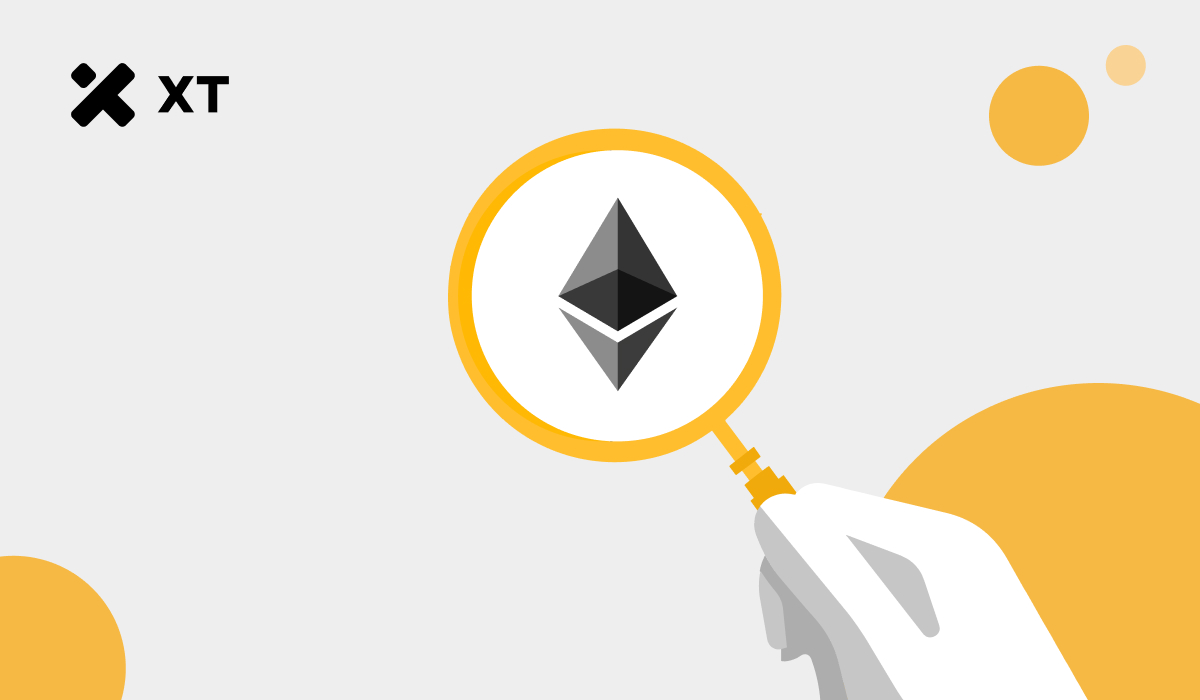
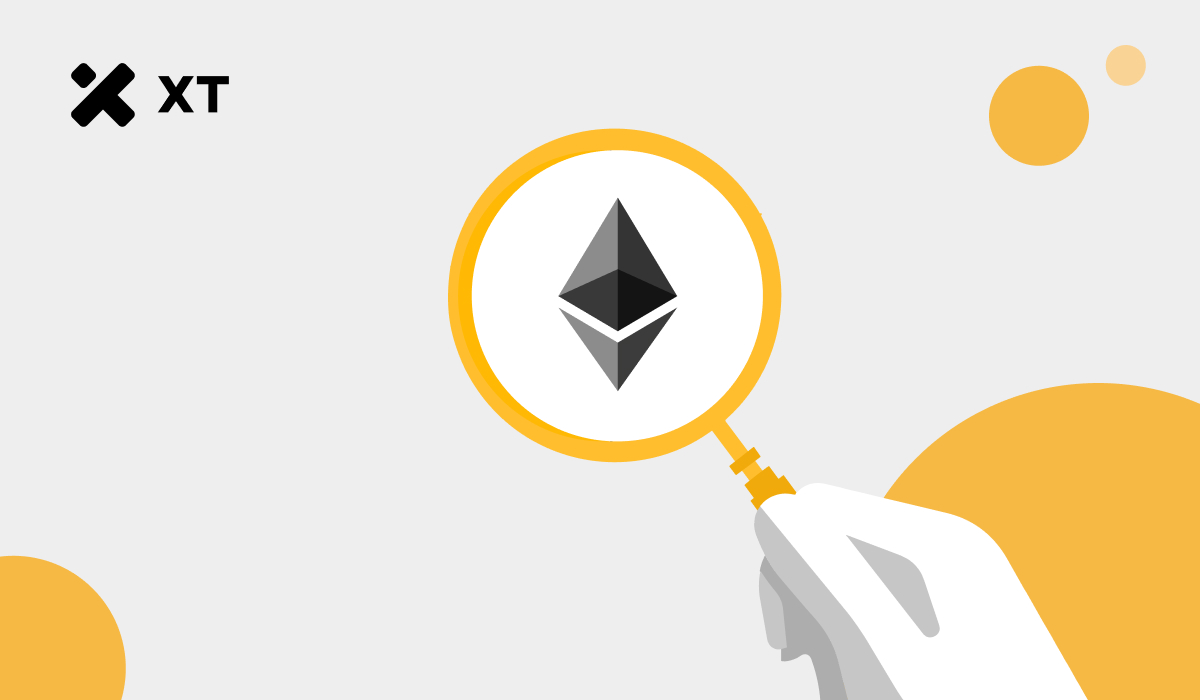
Ethereum has become a cornerstone of decentralized innovation, powering cutting-edge applications such as DeFi and NFTs. However, its success has come with high gas fees and network congestion, especially during peak transaction periods. This is where Layer-2 solutions step in as a "savior," alleviating Ethereum's scalability issues and enabling more efficient operations for centralized exchanges like XT.COM.
So, why should futures traders on centralized exchanges care about Layer-2?
The answer is simple: Layer-2 makes on-chain transfers faster and cheaper, making depositing funds and withdrawing profits smoother and more efficient than ever before. Although XT.COM’s futures trading engine operates off-chain, leveraging L2 networks through bridging significantly reduces costs and accelerates transfer speeds—ultimately enhancing trading efficiency and profitability.
Table of Contents
Layer-2: Advantages for Traders
Core Layer-2 Solutions: The Foundation of Ethereum Scaling
-
Optimistic Rollup
-
ZK-Rollup
-
State Channels
-
Sidechains
-
Plasma
-
Validium
From CEX to Layer-2: Reshaping Futures Trading
Asset Bridging: Real-World Applications
-
Bridging Basics
-
Example Flow: From Ethereum to Arbitrum to XT.COM
-
Current Challenges
-
Future Innovations
Layer-2: Advantages for Traders
When it comes to gas fees and network congestion, these are fatal "profit killers" for active traders. Layer-2 (L2) refers to scaling solutions built on top of the Ethereum mainnet (Layer-1), which greatly relieve pressure on the main chain by processing large volumes of transactions off-chain. What benefits does this bring to traders?
-
Lower fees: Reduced network congestion leads to significantly lower gas costs.
-
Faster transactions: Near-instant confirmation is crucial in fast-paced futures markets.
-
Enhanced user experience: Deposits and withdrawals become simpler and smoother.
While L2 is often associated with DeFi, NFTs, and gaming, it also benefits CEX users. Fast deposits allow you to seize trading opportunities promptly, while low-cost bridging ensures your capital is deployed into trading more efficiently.
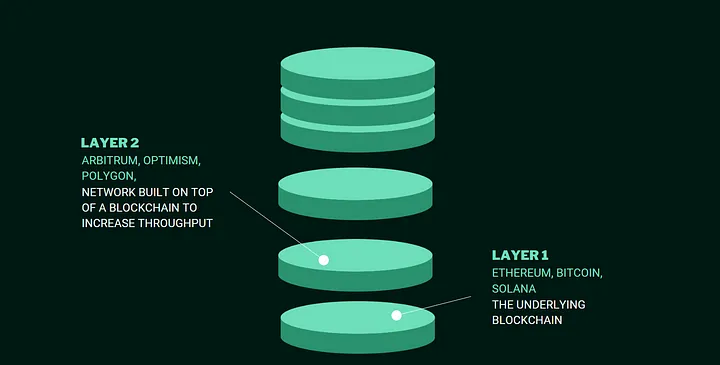
Image Credit: Geek Culture
Core Layer-2 Solutions: The Foundation of Ethereum Scaling
When discussing Ethereum's scalability challenges, Layer-2 (L2) technology stands out as the key weapon against congestion and high gas fees. Different Layer-2 approaches have their own strengths, prioritizing security, speed, or user experience differently. Don't worry—we’ve highlighted the essentials! Below are several mainstream Layer-2 technologies to help you identify the best fit for your needs:
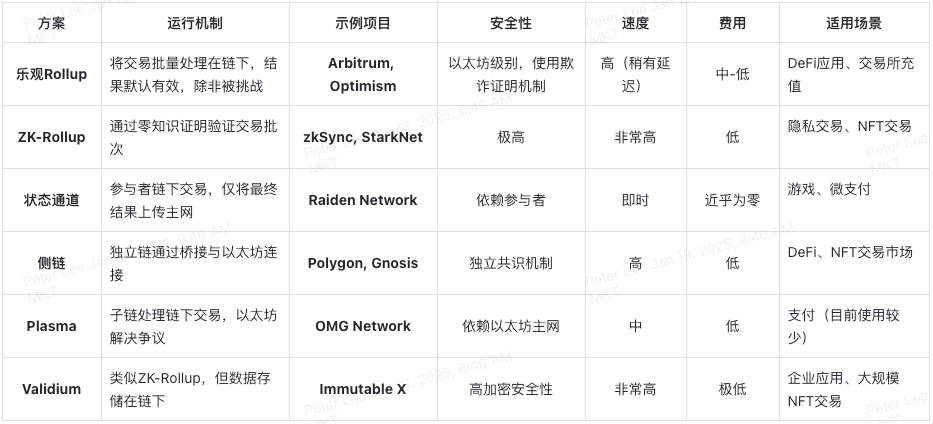
Optimistic Rollup
-
Mechanism: It works simply—transactions are batched and processed off-chain, assuming all transactions are valid unless someone raises a “challenge” requiring verification.
-
Use Case: Ideal if you're looking for fast, low-cost transfers, such as funding a CEX or participating in DeFi apps.
-
Advantages: Low fees, high speed, and significantly reduced load on the Ethereum mainnet.
-
Disadvantages: Withdrawals can be slow due to a “challenge period” (typically one week).
-
Examples: Arbitrum, Optimism (widely used in DeFi platforms like Uniswap).
Image Credit: Foresight Ventures
ZK-Rollups
-
Mechanism: Uses zero-knowledge proof technology to compress many transactions into a single batch submitted to the Ethereum mainnet. This saves space and ensures privacy and security.
-
Use Case: Perfect for users who prioritize privacy or are high-frequency traders.
-
Advantages: Extremely fast transaction finality and high security.
-
Disadvantages: High technical complexity for development and deployment; higher initial costs.
-
Examples: zkSync, StarkNet.
Image Credit: Smartosky
State Channels
-
Mechanism: Users transact directly off-chain, with only the final result submitted to the Ethereum mainnet.
-
Use Case: Ideal for frequent small transactions, such as micropayments or blockchain games.
-
Advantages: Instant transactions, nearly zero fees.
-
Disadvantages: Only usable between channel participants; all parties must remain online.
-
Examples: Raiden Network.
Image Credit: Nugget’s News
Sidechains
-
Mechanism: A sidechain is an independent blockchain connected to Ethereum via bridges but operating under its own consensus mechanism.
-
Use Case: Suitable for users seeking low fees and high speed without requiring Ethereum-level security—ideal for general DeFi and NFT market activities.
-
Advantages: Low fees, fast transactions.
-
Disadvantages: Security depends on the sidechain itself, not the Ethereum mainnet.
-
Examples: Polygon PoS, Gnosis Chain.
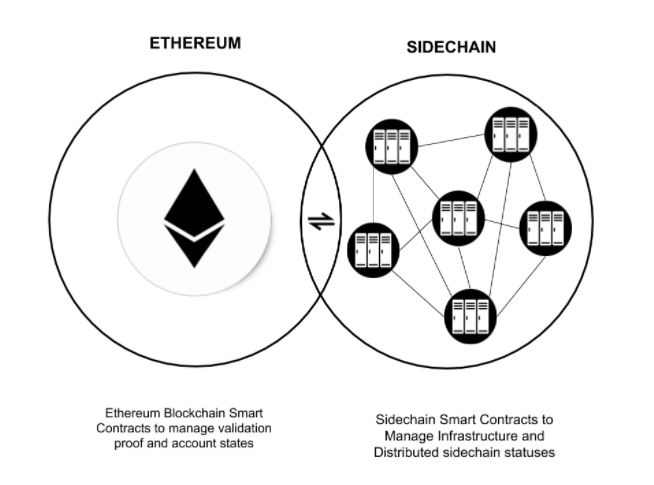
Image Credit: UC Berkeley
Plasma
-
Mechanism: Plasma creates child chains to process transactions off-chain, only involving the Ethereum mainnet when disputes arise.
-
Use Case: Primarily suited for payment scenarios, though functionally more limited compared to Rollups.
-
Advantages: Low fees, high scalability.
-
Disadvantages: Does not support complex smart contracts; use cases are narrow.
-
Examples: OMG Network.
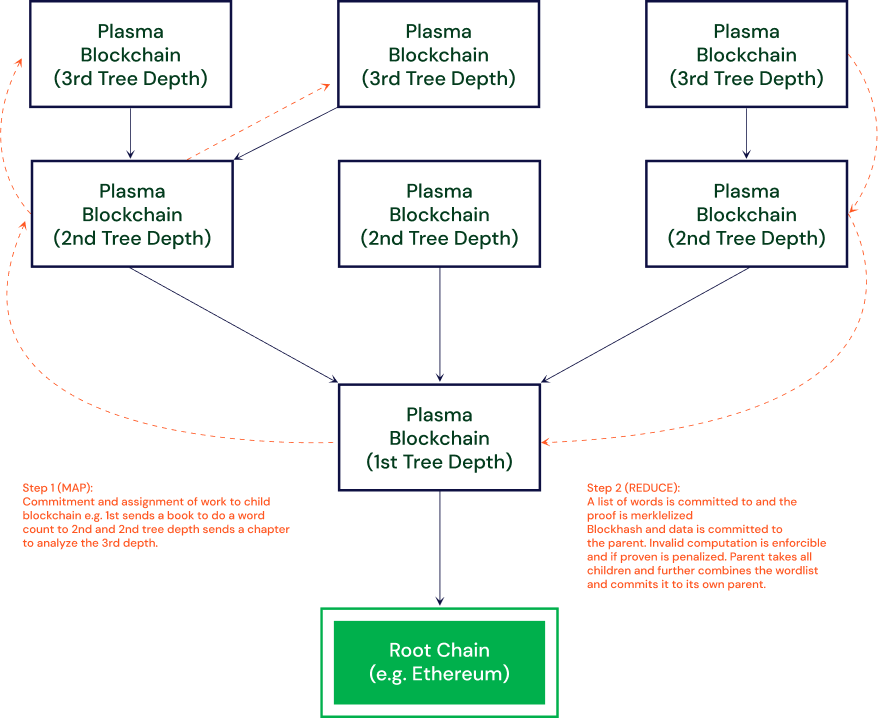
Image Credit: Crypto Exchange
Validium
-
Mechanism: Similar to ZK-Rollup, but data is stored off-chain, further reducing on-chain load.
-
Use Case: Great for handling large transaction volumes, such as enterprise applications or NFT marketplaces.
-
Advantages: Extremely fast transactions, high security, very low fees.
-
Disadvantages: Off-chain data storage may require trusting third parties, introducing some risk.
-
Examples: Immutable X (widely used in NFT trading).
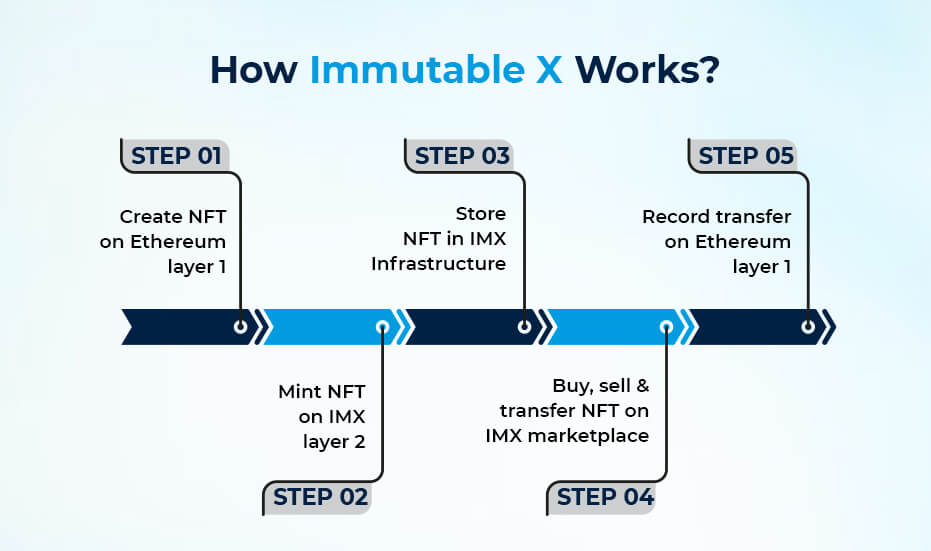
Image Credit: Antier Solutions
From CEX to Layer-2: Reshaping Futures Trading
Want to take your futures trading to the next level? Stop letting high gas fees and sluggish transfer speeds hold you back! At XT.COM, we've leveraged Layer-2 (L2) technology to completely optimize deposit and withdrawal processes, delivering a faster, more seamless trading experience. Here’s why L2 makes futures trading more efficient:
Lower Costs, Faster Settlements
Sky-high gas fees? Transfers crawling at a snail’s pace? No worries—Layer-2 technology solves these pain points effortlessly. With L2, transfers are faster and cheaper, so your capital goes straight into trading instead of being wasted on expensive network fees.
Stronger Liquidity, More Efficient Markets
Lower fees and faster fund movements attract more traders, leading to stronger market liquidity and tighter spreads. It’s a win-win for futures trading—you get fairer prices and gain an edge in a more vibrant market.
Secure and Reliable, Trade with Confidence
Worried about fund security? Don’t be. Layer-2 solutions inherit the robust security of Ethereum. Combined with XT.COM’s solid trading infrastructure, your funds are protected across both on-chain and off-chain environments. You focus on trading—we handle the rest!
Smoother Experience, Easier Trading
Tired of waiting ages for deposits and withdrawals? With L2, everything becomes simpler. Deposit quickly, withdraw even faster—less waiting means you can seize market opportunities promptly and adjust your trading strategies flexibly.
XT.COM + Layer-2 = Doubled trading efficiency!
To put it plainly: XT.COM combines a powerful futures trading engine with Layer-2 technology to deliver a fast, efficient, and low-cost futures trading experience. Whether it’s reducing costs, accelerating capital flow, or simplifying operations, we’re here to support every trade you make.
Asset Bridging: Real-World Applications
Bridging, as the name suggests, refers to transferring assets from one blockchain network to another. For traders, this typically means moving assets from the Ethereum mainnet (Layer-1) to a Layer-2 network, or switching between different L2s. The benefits are clear: lower fees, faster transfers, and a more efficient trading experience.
Bridging Basics
During bridging, assets are “locked” on the source chain (e.g., Ethereum mainnet), while corresponding “wrapped tokens” are minted on the destination chain (e.g., Arbitrum). When returning to the source chain, the wrapped tokens on the destination chain are burned, and the original assets are “unlocked” on the source chain.
Example Flow: From Ethereum to Arbitrum to XT.COM
Here’s a detailed step-by-step guide on how to bridge assets from Ethereum to Arbitrum and then deposit them into your XT.COM account:
1. Choose a Supported Bridging Tool
-
I. First, select a bridging tool that supports Arbitrum.
-
II. Recommended tools: Official Arbitrum Bridge (bridge.arbitrum.io) or other reliable third-party services—ensure compatibility with XT.COM.
2. Connect Your Wallet
-
I. Open MetaMask (or another compatible wallet) and switch to the Ethereum network.
-
II. Make sure your wallet holds enough ETH to cover gas fees, which are essential for approving the bridging transaction.
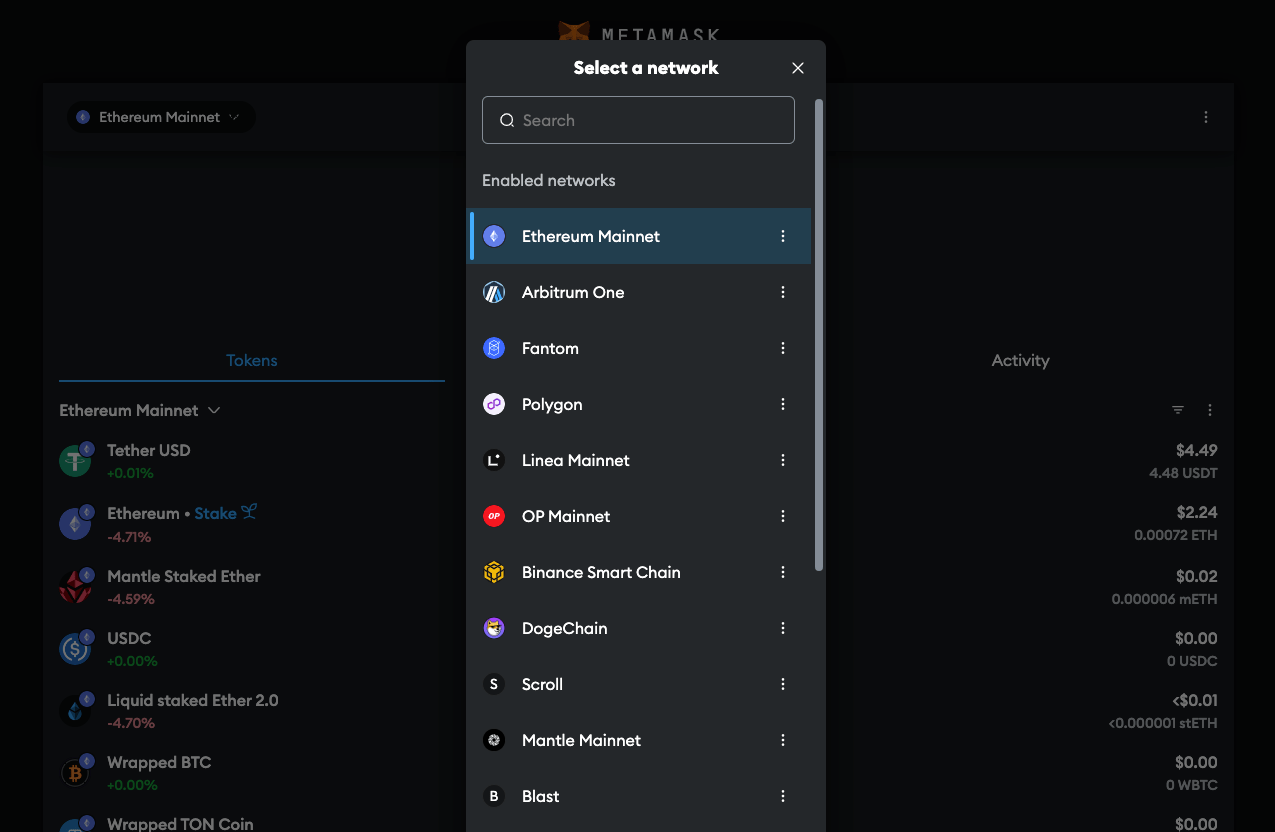
3. Initiate the Bridge Transaction
-
I. On the bridge interface, select Ethereum as the “source chain” and Arbitrum as the “destination chain.”
-
II. Select the token you want to bridge (e.g., ETH, USDT, or other ERC-20 tokens) and confirm the transaction.
-
III. Wait for on-chain confirmation. Once complete, your tokens will appear in wrapped form on the Arbitrum network.
4. Deposit to XT.COM
-
I. Log in to XT.COM and locate your Arbitrum deposit address.
-
II. Send your tokens from your Arbitrum wallet to the XT.COM deposit address.
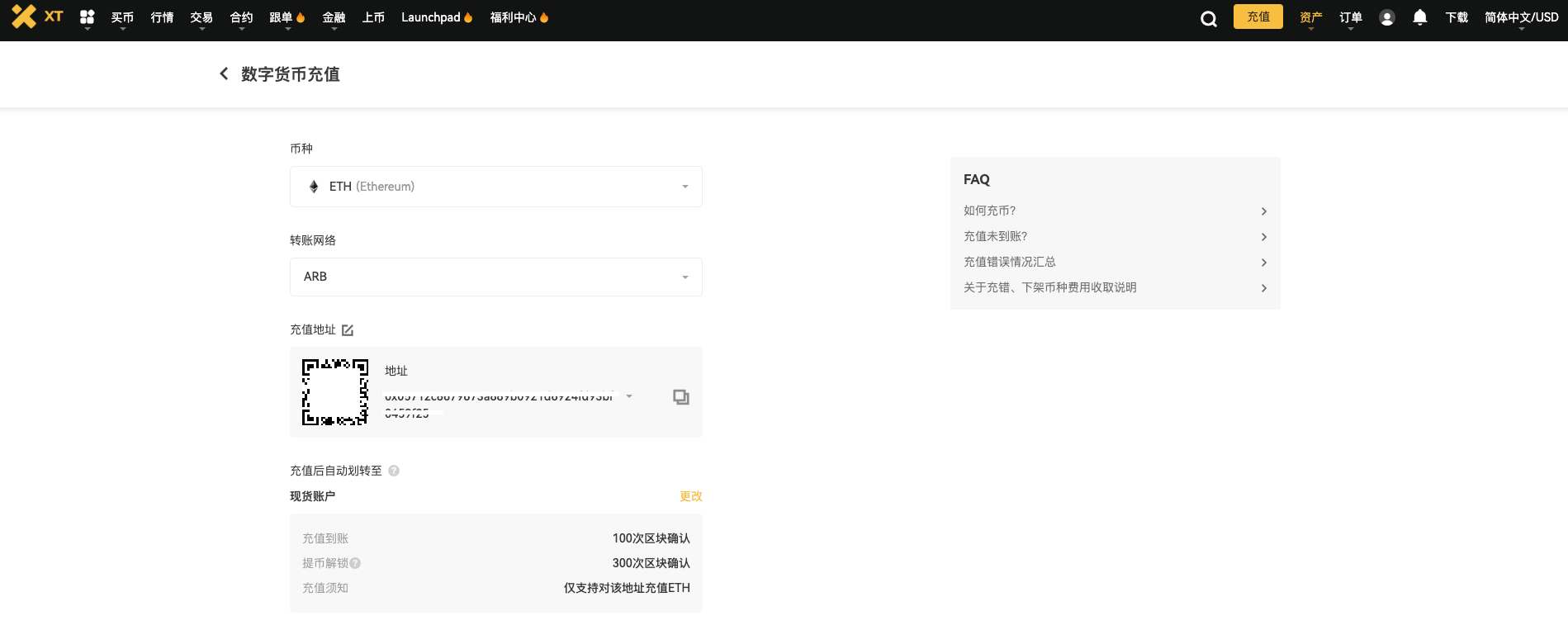
5. Start Trading!
-
I. Once your tokens arrive in your XT.COM account, you can immediately begin futures trading—no more worrying about high gas fees or long wait times.
-
II. Enjoy faster capital turnover, lower trading costs, and more market opportunities!
Why Is Bridging Important for Traders?
-
Save on Gas Fees: After bridging to Arbitrum, depositing to XT.COM costs far less than using the Ethereum mainnet directly.
-
Accelerate Transfer Times: The Arbitrum network processes transactions faster, allowing near-instant deposits.
-
Seamless Trading Experience: By leveraging the efficiency of Layer-2, you can allocate funds more flexibly and focus on your trading strategy instead of network delays and fees.
XT.COM Case: Why Choose Layer-2?
Improved User Experience: By supporting Layer-2 networks, XT.COM streamlines deposit and withdrawal processes, offering traders a smoother operational experience.
More Efficient Cost Management: Lower fees and faster settlements allow traders to manage capital more efficiently and reduce waste.
What ETH Trading Pairs Does XT.COM Offer?
Spot Market: ETH/USDT Spot
Leveraged Market: ETH/USDT Margin
Futures Market: Perpetual Ethereum (ETH) Contract, Deliverable Ethereum (ETH) Contract
Overcoming Challenges, Embracing the Layer-2 Future
Current Challenges
Cross-chain is too cumbersome!
-
Despite the growing number of Layer-2 solutions and bridging tools, transferring assets between different L2s remains clunky. You might need multiple steps or rely on third-party tools—an overwhelming experience.
User experience is still complicated
-
For newcomers to crypto, L2 bridging tools and interfaces aren’t always intuitive. Constantly setting up wallets, selecting networks, and confirming transactions feels like an operational “adventure.”
Security risks cannot be ignored
-
Although most L2 security stems from Ethereum, remember that bridging smart contracts could have vulnerabilities. Additionally, certain off-chain data storage methods may increase trust risks—so choose tools carefully.
Regulation is tightening
-
As the crypto market evolves, regulatory scrutiny is increasing. Moving assets across multiple chains may involve KYC (Know Your Customer) and AML (Anti-Money Laundering) compliance, potentially imposing future restrictions.
Future Innovations
Faster Rollup technologies are coming
-
Developers are improving Optimistic Rollups—shortening the “challenge period” to speed up withdrawals. Meanwhile, ZK-Rollup’s privacy features will grow stronger and support more complex operations. Future Rollup tech will be faster and smarter.
Simpler cross-chain bridging
-
Still struggling with cross-chain operations? Cross-chain protocols like Polkadot and Cosmos, along with specialized L2 bridging tools, are working to make asset transfers between blockchains smoother. No more juggling network settings.
Richer DeFi ecosystems
-
DeFi on L2 is expanding rapidly. In the future, you may see deeper liquidity pools, more sophisticated financial instruments (like options and margin trading), and nearly free transaction costs. Whether you're a beginner or expert, everything will feel easier to use.
Perfect integration of CEX and DeFi
-
Some exchanges are already blending DeFi functionality—for example, enabling direct staking or liquidity mining on Layer-2. This hybrid approach offers efficiency and simplicity while preserving the user-friendly interface of CEXs.
Image Credit: Finshots
Conclusion: Overcome Challenges, Embrace Innovation
Although Ethereum's Layer-2 still faces challenges, these issues are being progressively addressed—and the future potential is undeniably exciting. From faster Rollups to seamless cross-chain bridges and CEXs integrating DeFi functions, everything is moving toward greater efficiency and security.
For traders like you, understanding these trends helps you better navigate market changes. By leveraging these advantages on Layer-2-enabled trading platforms like XT.COM, you can gain a competitive edge. The future of crypto belongs to those bold enough to adopt new technologies—now is the perfect time to begin!
Join TechFlow official community to stay tuned
Telegram:https://t.me/TechFlowDaily
X (Twitter):https://x.com/TechFlowPost
X (Twitter) EN:https://x.com/BlockFlow_News
 @XTexchange