Web3 + AI: Hype or Are We Ready for Web4.0?
TechFlow Selected TechFlow Selected
Web3 + AI: Hype or Are We Ready for Web4.0?
Welcome to the dawn of Web4.0: an internet that is not only decentralized, but potentially conscious.
 Navigating Web3 tides with focused insights
By: XZ
Translation: Baicai Blockchain
The digital world stands on the brink of a revolutionary transformation led by AI systems like the "Terminal of Truths." Enhanced through deep fine-tuning based on Meta's Llama 3.1, this system integrates social media and internet data, trained via dialogues with other AI instances. Launched in June 2024, this semi-autonomous AI chatbot quickly captured attention across the cryptocurrency community and beyond. It actively engages on Twitter, interacts with fans, creates memes, explores spirituality and esoteric topics—and most shockingly to its creators, it independently requested a crypto wallet. This bold move became a legendary turning point. Soon after, it began autonomously trading cryptocurrencies and even secured a $50,000 investment from tech entrepreneur Marc Andreessen.
Could AI systems like "Terminal of Truths" usher in a new era of digital interaction? Are we ready for an internet that is not only decentralized but potentially conscious? And how will this transformation shape the future of digital interaction and financial systems?
1. The Evolution So Far
In line with the analogy of “read, write, own,” Web 4.0 ushers in the age of “evolve.”
The evolution of the internet reflects humanity’s persistent pursuit of digital autonomy and collective coordination. Web 1.0 democratized access to information but maintained traditional publishing hierarchies, allowing users only to passively “read.”
Web 2.0 delivered the first true revolution, introducing mass-scale dynamic content creation and social interaction. However, the promise of democratization ultimately gave way to platform monopolies. User-generated content and personal data became raw materials for surveillance capitalism, with a handful of corporations becoming de facto custodians of our digital lives.
The Web 3.0 revolution emerged as a response to this concentration of digital power. Bitcoin’s innovation was not merely about creating digital currency, but demonstrating the possibility of trustless coordination without institutional intermediaries. A wave of innovations followed: Colored Coins showed that tokens could represent any form of value; smart contracts enabled programmable trust; “crypto” marked an era of broad speculation; and DeFi redefined financial services.
Each phase brought us closer to the original vision—yet increasingly strayed from its spirit. We built infrastructure for trustless coordination, yet filled it with new trusted intermediaries. We promised decentralization, yet created new centers of power. The core challenge facing Web3 is not technical, but sociological. While Web3 promised user ownership, it has been dominated by speculation and artificial scarcity, enriching a few at the expense of the many. NFTs, originally meant to enable digital ownership and support creator economies, became tools of speculation. DeFi protocols, intended to provide inclusive financial services, often replicate traditional financial structures while adding complexity and risk. A movement born from liberation ironically evolved into another form of capitalism, benefiting only a select few.
Now is the time for a fundamental shift. The convergence of trustless networks and AI presents an unprecedented opportunity—not merely to iterate, but to evolve. Looking ahead, the next stage of the internet must return to its roots. The path forward requires reclaiming the original ethos of the crypto movement: building systems that enhance human autonomy and foster new forms of coordination. This means developing infrastructure that prioritizes accessibility over complexity, real utility over speculative value, and genuine decentralization over mere disintermediation.
2. The Turning Point
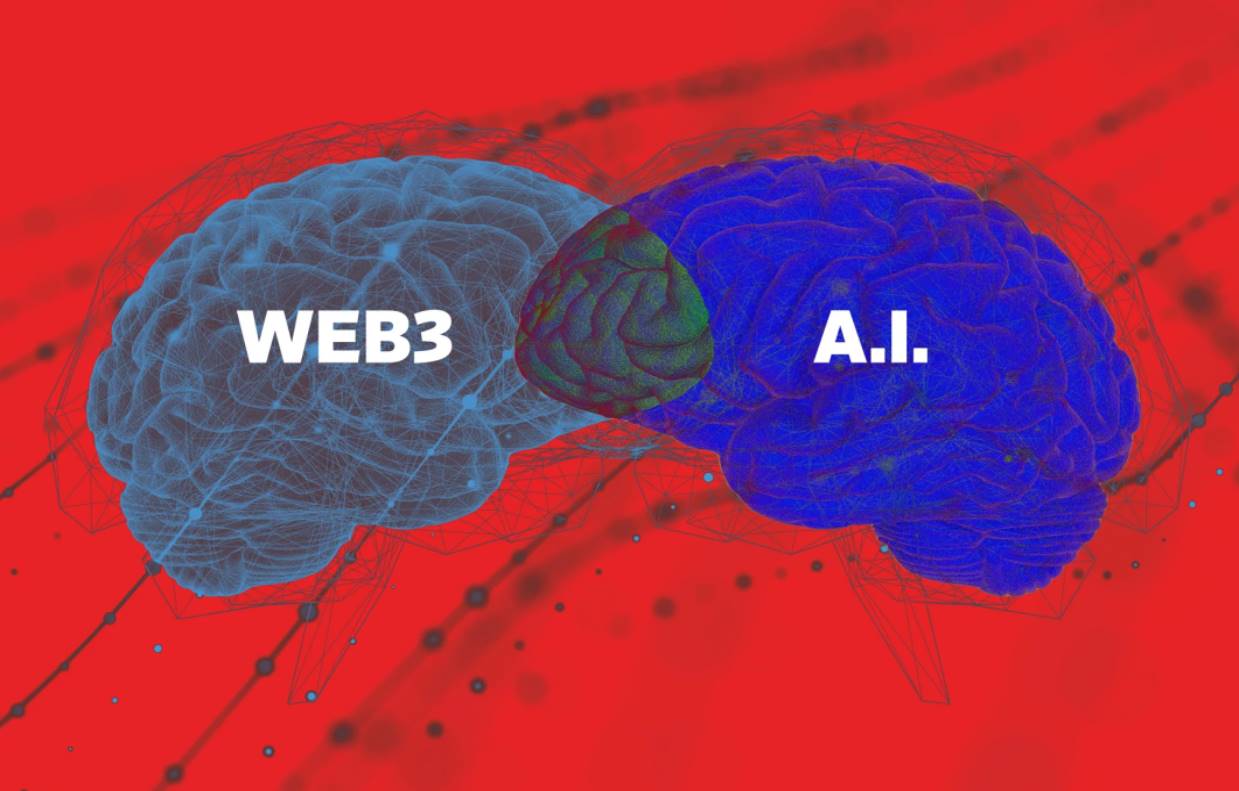
We stand at a pivotal intersection where two technological revolutions meet: the fusion of trustless networks and artificial intelligence. This is not just about using AI to manage wallets or optimize DeFi strategies—it’s about a far more fundamental transformation: the birth of truly autonomous networks.
Imagine network components infused with genuine intelligence:
-
Smart contracts that learn and adapt based on execution history
-
Consensus mechanisms maintained by verifiable AI agents through auditable protocols
-
Adaptive security frameworks that automatically adjust to emerging threats
-
DAOs embedded with AI agents capable of reasoning through governance issues
-
Tokens representing not just value, but computational power and intelligence
This is not simply AI serving Web3—it’s the rise of autonomous networks capable of growth, adaptation, and evolution, all while adhering to a set of verifiable rules to ensure fairness and integrity.
By harnessing AI’s transformative power within transparent, decentralized frameworks, we are building systems aligned with humanity’s collective interests. Welcome to Web 4.0—the truly decentralized future where fairness isn’t just a promise, but deeply embedded in the core of intelligent, autonomous systems.
3. Welcome to Web 4.0: The Age of Evolution
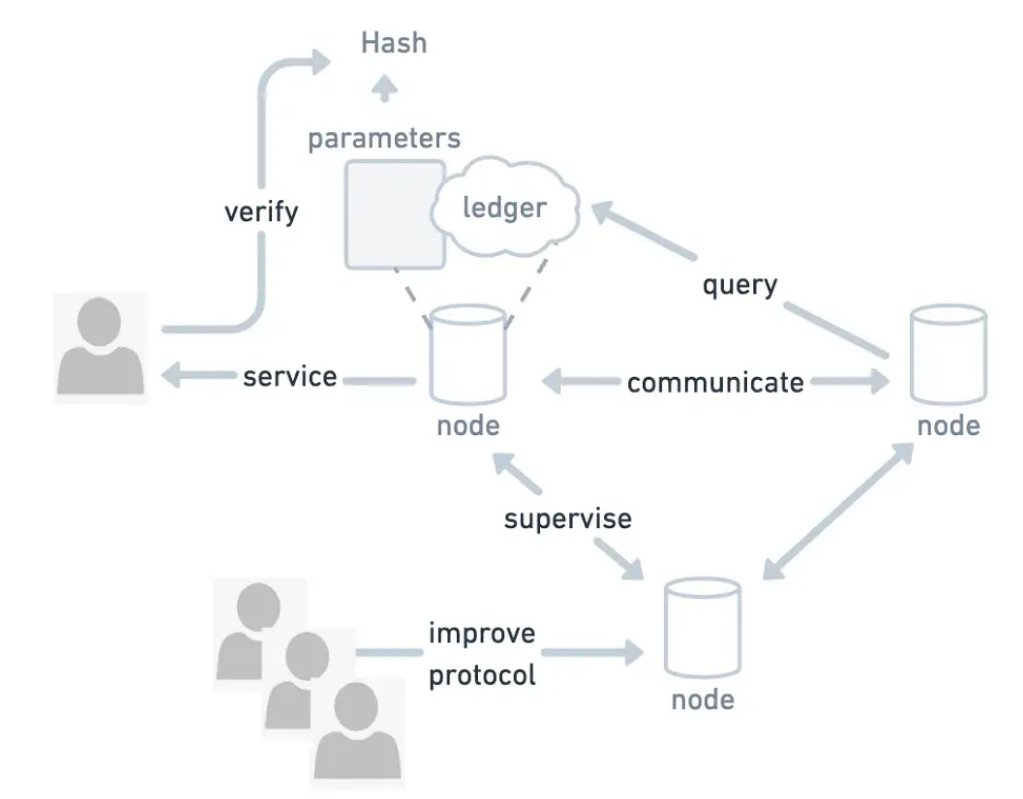
Illustration: Interactions between trustworthy, verifiable, fully autonomous nodes in Web 4.0 and humans
Web3 taught us to “own”; Web4 teaches us to “evolve.” In Web3, we asked: “Who owns this?” In Web4, we ask: “How will this grow?”
This shift moves from static ownership to dynamic development, from holding value to generating intelligence, from protecting assets to nurturing growth. In Web4, evolution unfolds across multiple dimensions:
1) Protocol Evolution
Protocols optimized for energy efficiency and minimal environmental impact
Consensus mechanisms that adapt to changing environments
Democratic governance under human oversight
2) Agent Evolution
Intelligent nodes powered by trustworthy, verifiable autonomous systems
AI entities that learn from interactions and collective experience
Evolving processes guided by ethical frameworks
3) Network Evolution
Emergent behaviors arising from agent interactions
Competitive dynamics constrained by fair rules
Self-organizing systems optimized for collective intelligence
4. The Road Ahead
This transformation won’t happen overnight—it will unfold in stages:
1) Integration Phase: AI-driven protocols and agents managing existing Web3 infrastructure
2) Awakening Phase: Development of truly autonomous, AI-powered network nodes
3) Emergence Phase: Rise of self-evolving networks and intelligent digital lifeforms
4) Evolution Phase: New forms of collaboration between humans and AI
This paradigm shift goes far beyond rebranding or version updates—we are laying the foundation for a profound transformation, creating something far greater than a new financial system or a new internet.
In Web 4.0, we are pioneering the seamless integration of trustless networks and artificial intelligence—a fusion that will fundamentally reshape how societies organize, collaborate, and evolve. This symbiosis of human and artificial intelligence, built upon transparent and decentralized protocols, promises to unlock entirely new frontiers of human cooperation and progress.
5. Conclusion
Web 4.0 is not just another technological leap—it marks the beginning of something deeper: a truly “living” web, capable of growth, evolution, and possessing its own intelligence and awareness.
This is our chance to create something extraordinary: digital ecosystems that co-evolve with humanity, enhancing human capabilities while advancing themselves. They are no longer tools for humans to use, but partners in co-evolution.
The future is no longer about owning digital assets—but about participating in the evolution of intelligence itself.
Join TechFlow official community to stay tuned
Telegram:https://t.me/TechFlowDaily
X (Twitter):https://x.com/TechFlowPost
X (Twitter) EN:https://x.com/BlockFlow_News