Movement Ecosystem Hackathon concludes: A quick overview of the 10 winning projects
TechFlow Selected TechFlow Selected
Movement Ecosystem Hackathon concludes: A quick overview of the 10 winning projects
The awarded projects this time span multiple key areas from infrastructure to application levels.
 Navigating Web3 tides with focused insights
Author: TechFlow
As another public blockchain dubbed a potential "Ethereum killer," Movement—sharing the same development language with Sui and Aptos—has been one of the most anticipated blockchains this year. (For more on Movement, see: Movement: Bringing Move to EVM and Reshaping Ethereum's Security)
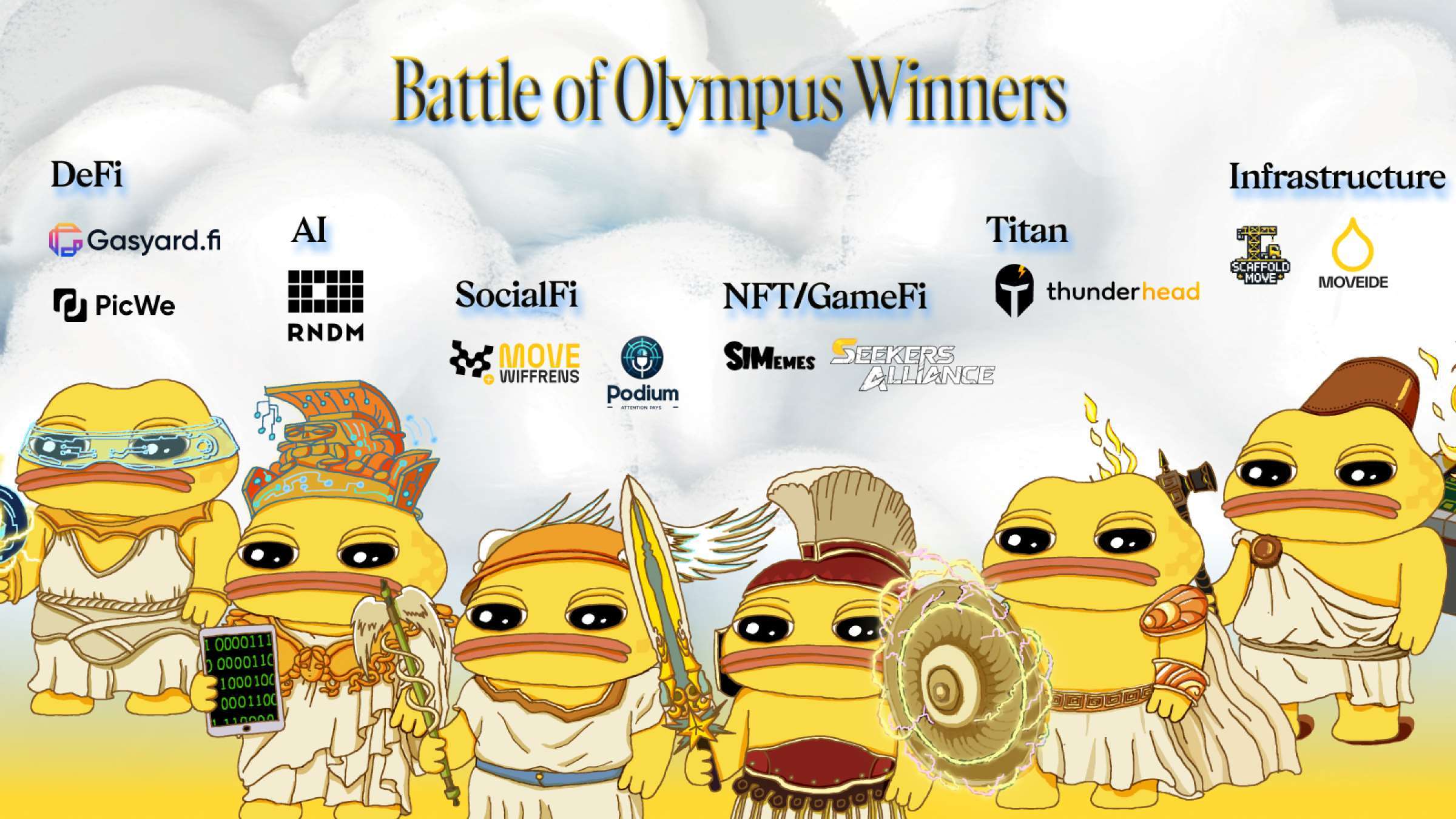
Recently, Movement’s hackathon, Battle of Olympus, concluded successfully. The event received 2,100 project applications, with 10 ultimately winning across various tracks.
What makes these top-tier projects stand out? This article introduces the winning projects to help readers understand them and further explore the Movement ecosystem.
Titan Category
TechFlow Note: The "Titan" category refers to projects that have already been operating within the Movement ecosystem for some time. Each project link leads to its social media accounts for easy follow-up.
StakedMove (by Thunderhead): First LST Protocol in the Movement Ecosystem
StakedMove is developed by Thunder Head Labs, a veteran team in the liquid staking sector. It aims to provide $MOVE holders with a service that maintains asset liquidity while generating additional protocol rewards.
Users can stake their $MOVE into StakedMove and receive an equivalent amount of $stMOVE, a liquid staking token (LST). While earning staking rewards, users can also utilize $stMOVE across other DeFi platforms. Protocol rewards are automatically distributed through daily rebases, meaning users earn rewards passively just by holding $stMOVE, without any additional actions required.
StakedMove offers multiple unstaking options:
-
Instant redemption: Users can immediately swap $stMOVE back to $MOVE.
-
DEX trading: Users can sell $stMOVE instantly on third-party decentralized exchanges at a small discount.
-
Standard unstaking: Users can submit an unstake request and receive $MOVE after a 30-minute waiting period.
The StakedMove interface is highly intuitive—users simply connect their wallet and stake $MOVE on the homepage to complete the process and begin earning rewards with $stMOVE.
DeFi
Gasyard: Cross-chain Gas Optimization Protocol
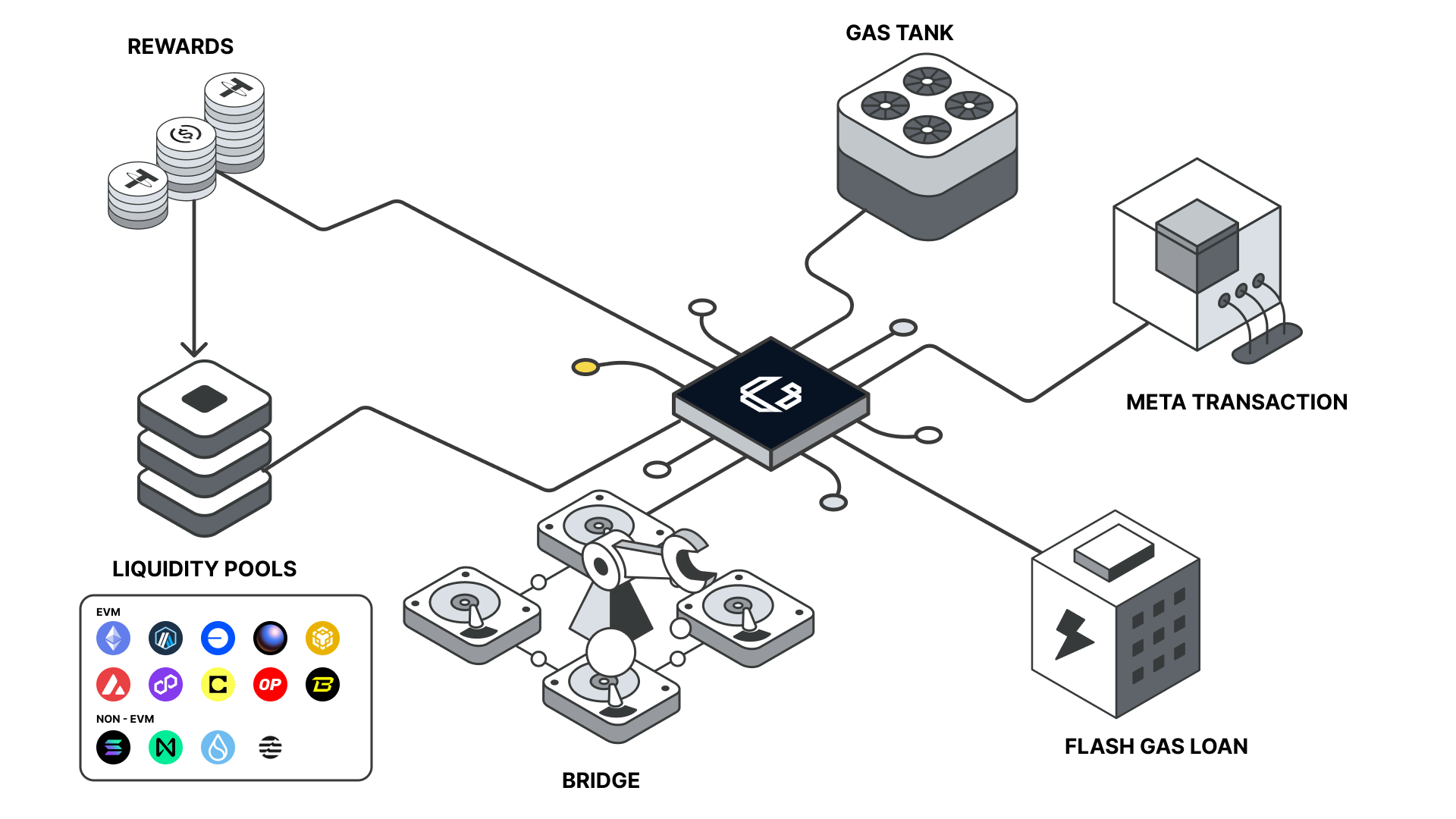
High gas fees have long been a pain point for frequent cross-chain DeFi users. Gasyard aims to reduce cross-chain gas costs, improve user experience, and lower the barrier to on-chain operations.
Gasyard significantly accelerates cross-chain transactions, reducing transfer times to around one minute. It supports numerous EVM-compatible chains without relying on predefined routing paths. Focusing on native token bridging, it simplifies the transaction process by eliminating complexities associated with ERC20 tokens. For users, this means faster, more direct cross-chain interactions without worrying about token compatibility issues.
Gasyard employs a collateral-based bridging model, leveraging Chainlink's data feeds to calculate and manage collateral, and uses Turnkey technology to secure relay keys, ensuring safe and reliable cross-chain transactions.
PicWe: Full-chain Decentralized Social Trading Platform Simplifying User Onboarding
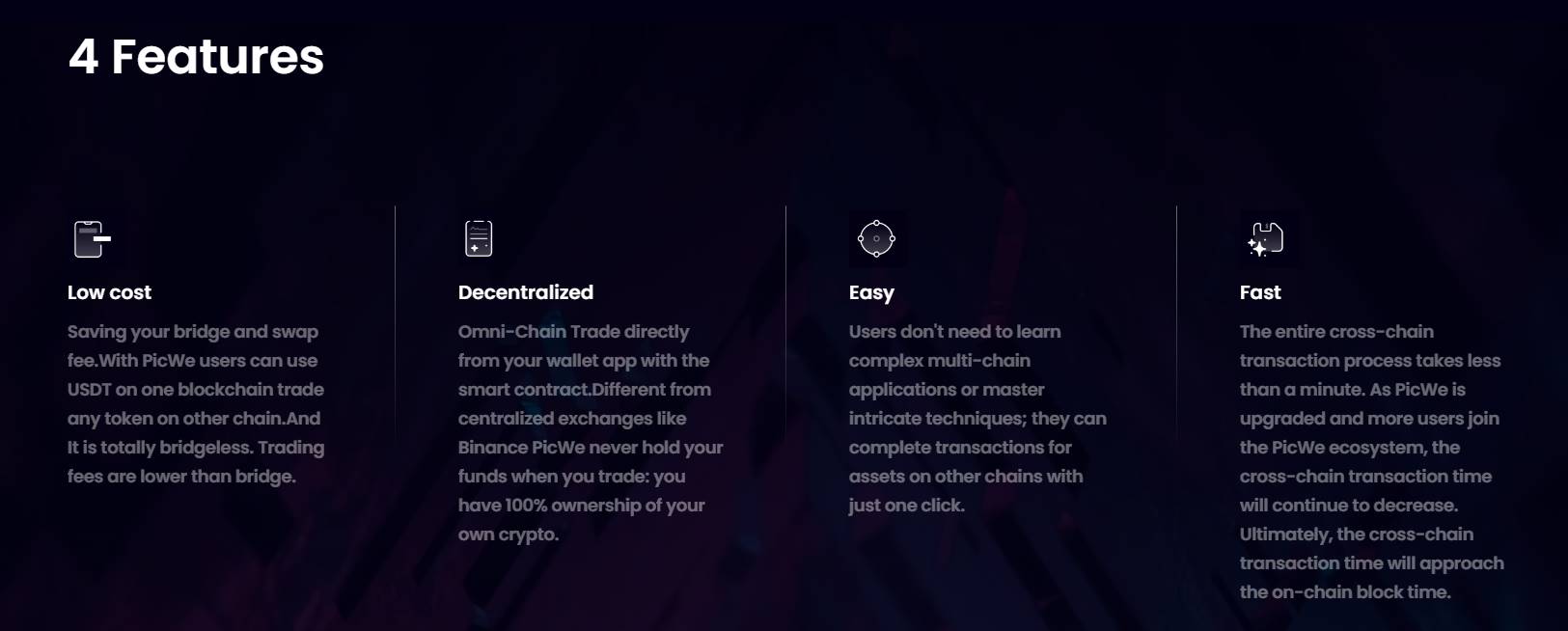
PicWe is a full-chain decentralized social and trading platform designed to simplify cross-chain trading.
PicWe’s workflow is minimalist: connect wallet → select chain → trade token. Users can use USDT on one chain to trade tokens on another chain without relying on traditional bridges—and at lower fees. Without needing to master complex multi-chain mechanics, users enjoy fast and straightforward transactions.
Unlike centralized exchanges, PicWe ensures users retain 100% ownership of their crypto assets. As the platform evolves and user numbers grow, cross-chain transaction times are expected to shorten further. The platform has already attracted over 10,000 traders and community members.
AI
RNDM: AI-powered Modular Liquidity Solution
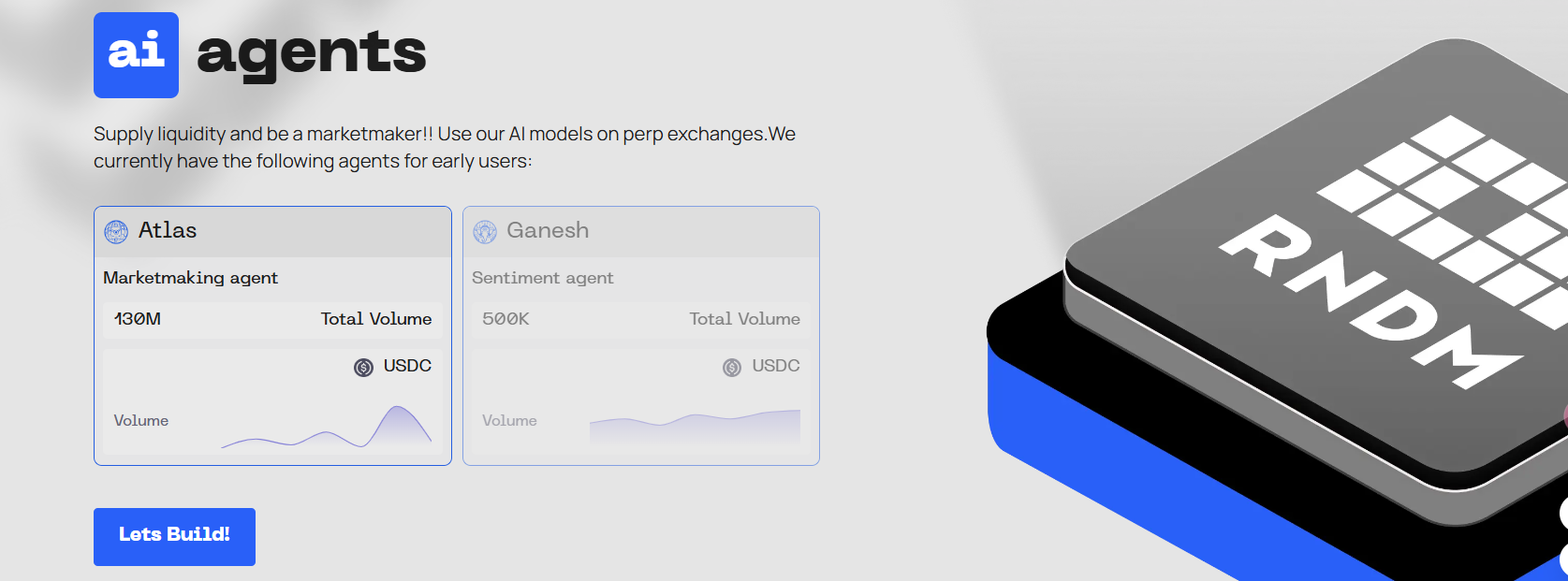
RNDM combines AI technology with trading infrastructure. Its core is a proprietary AI model called the curation engine, which runs on inference nodes from Ritual and has been trained on order flow patterns from all major exchanges. This enables deep understanding and analysis of market dynamics, delivering smarter and more precise trading strategies to users.
The AI model operates via Agents that execute actions in vaults across various exchanges, dynamically adjusting parameters based on specific assets and exchange conditions. RNDM has already launched two primary Agents: Atlas and Ganesh. Atlas, a market-making assistant, has achieved a total trading volume of $130 million; Ganesh, a sentiment analysis agent, has reached $500,000 in trading volume.
SocialFi
Podium: Web3 Audio Social Platform
Podium seeks to merge decentralized on-chain technology with audio-based social media. Currently available on Google Play, detailed information about the project remains limited. However, based on public data and user feedback, Podiam appears to function as a blockchain version of Clubhouse + Google Meet + podcasting, supporting login via centralized social accounts.
Movewiffrens (MWFs): Social Platform with Paid Content and Private Messaging
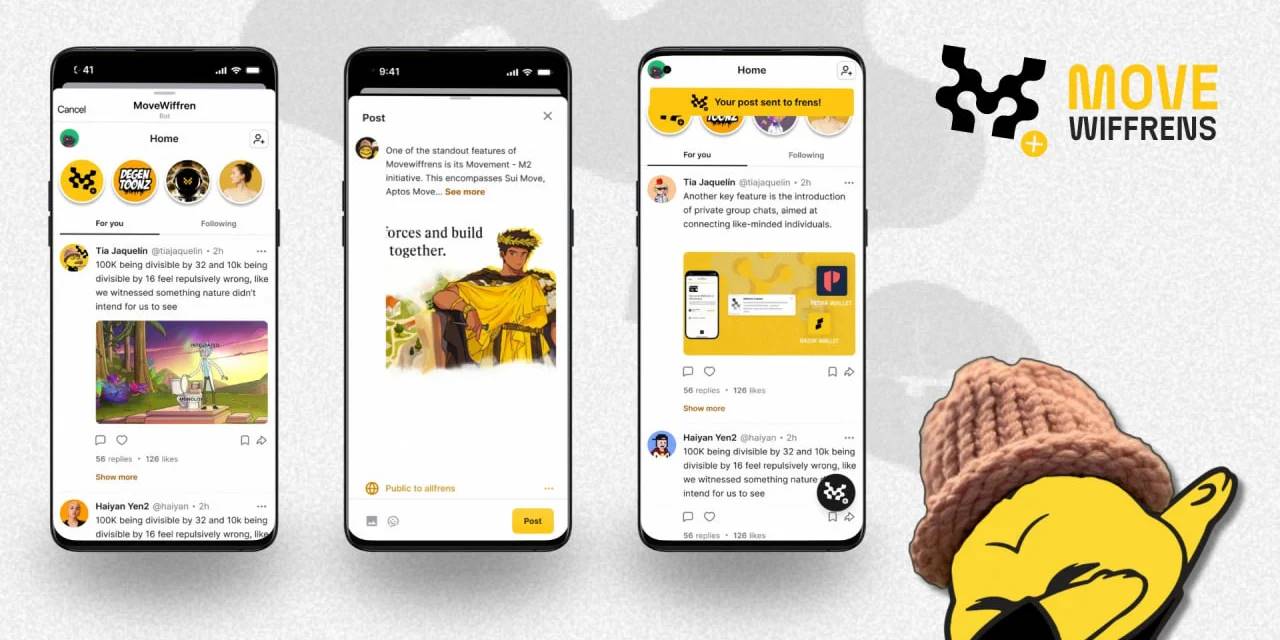
Beyond standard SocialFi features like posting and engagement, Movewiffrens introduces unique paid content and private chat functionalities.
Users can earn Frenspoints through activities both on the platform and external ones (e.g., Twitter and Discord) to unlock premium content. Creators can set access levels and offer previews to incentivize users to spend Frenspoints for full access. Additionally, users who mint the platform’s PASS card, Frenspass, gain access to private messaging, enabling direct conversations with KOLs and celebrities.
NFTs/GameFi Seekers Alliance: Card Game
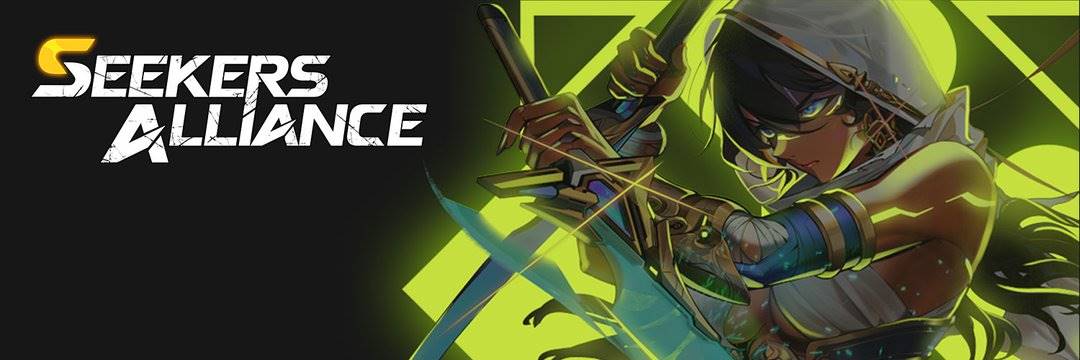
Seekers Alliance is a multiplayer collectible crypto card game developed by Taiwan-based Hermi Rabbit Entertainment. Set in a fictional island world, players choose one of three story-driven factions to join.
The core gameplay revolves around card collection and battles. Players acquire cards through various methods, build decks, and compete against others. The game features multiple modes including adventure and ranked play. The team integrates on-chain technology into the card-drawing mechanism, claiming increased transparency by publishing draw probabilities on-chain and using third-party random number generation for results.
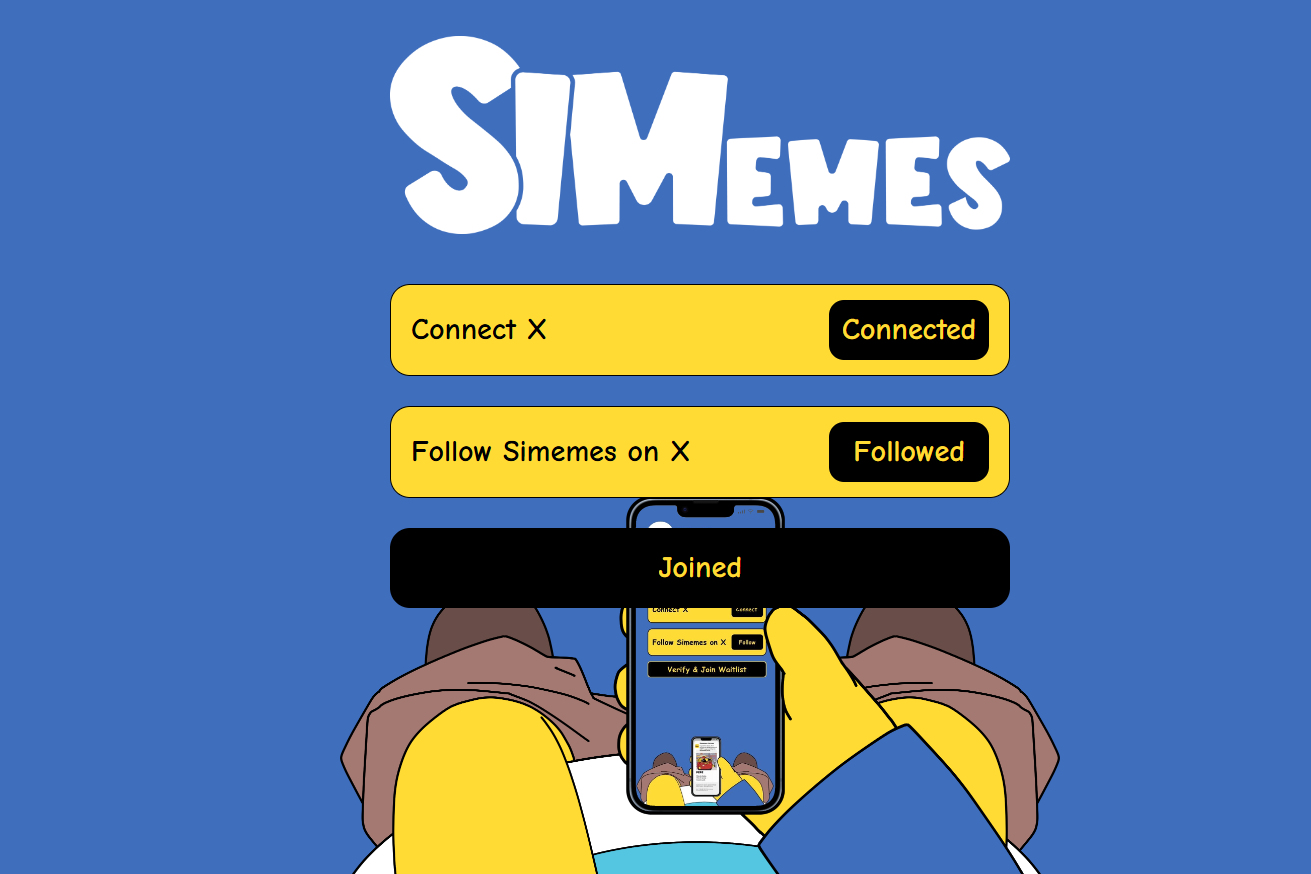
Simemes: Merging Meme Culture with GameFi
Still not open for public testing, the official website only offers a whitelist registration option. The official X account primarily posts meme-style content riffing on trending topics. (Unclear what criteria led to its award...?)
Infrastructure
Movide (By Sovide): Online Integrated Development Environment for the Move Language
Movide is an online integrated development environment (IDE) specifically designed for the Move programming language, targeting Move-based blockchains such as Movement and Sui. Built on Solide—a broader developer ecosystem—Movide aims to simplify Move development through a lightweight, user-friendly interface paired with powerful tools. It supports directly loading Move packages from GitHub or verified on-chain sources, allowing developers to compile, build, and deploy Move packages entirely in-browser without complex local setup, greatly improving development efficiency.
Beyond core development features, Movide offers robust on-chain object management. Developers can easily load and manage on-chain objects via object ID or transaction hash. It supports multiple network types—including devnet, testnet, and mainnet—providing comprehensive options for testing and deployment.
Scaffold Move: Comprehensive dApp Development Toolkit
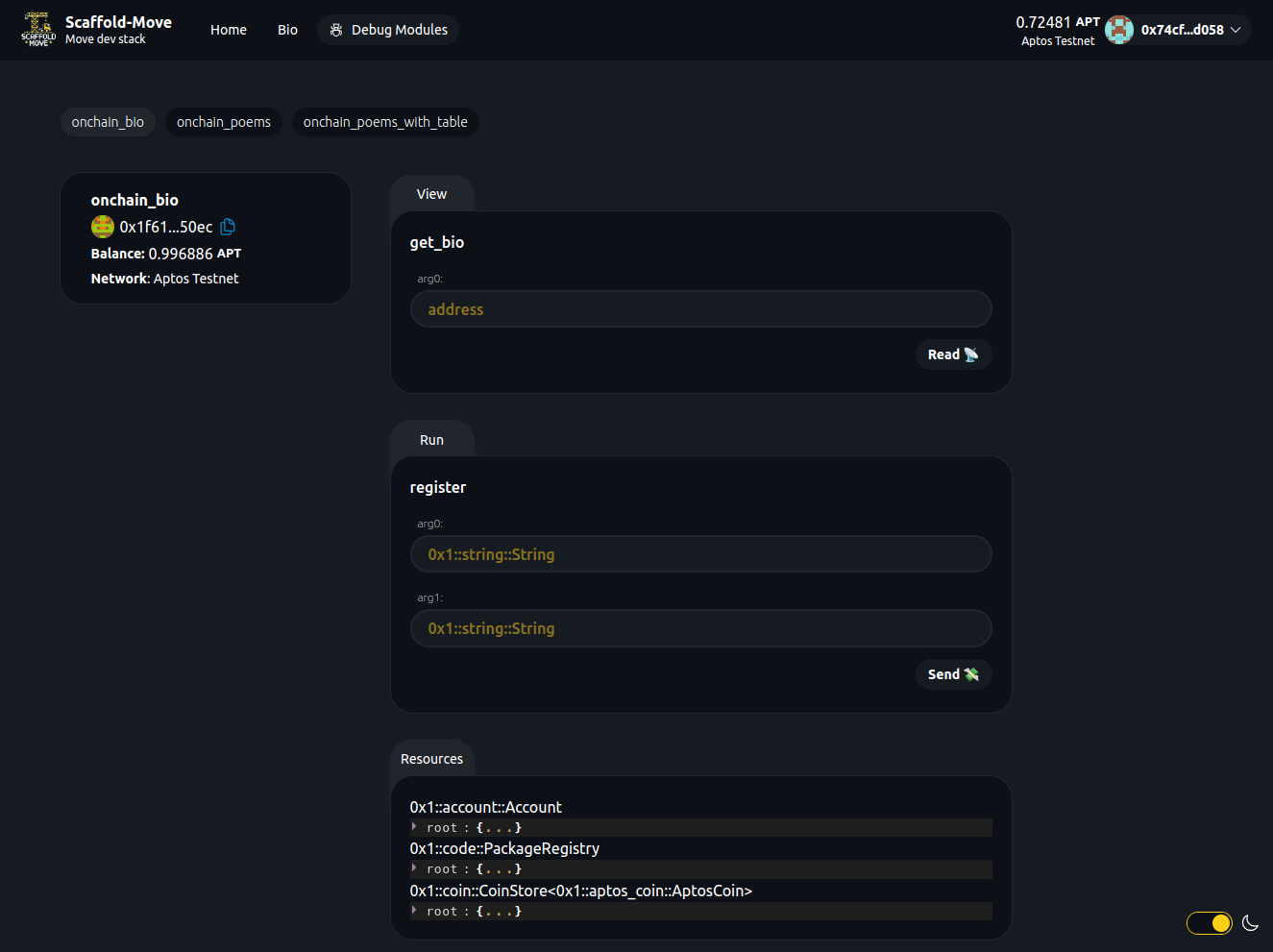
Scaffold Move is an open-source toolkit tailored for developers using the Move language. It streamlines the process of building dApps on Move-based blockchains by integrating technologies such as Move, Aptos TS SDK, Next.js, Tailwind CSS, and TypeScript.
Key features include automated deployment scripts, module hot reloading, custom React hooks, and a Web3 component library, making it easier to create and deploy Move modules and build interactive frontends. It also includes wallet integration, supporting connections to Aptos-compatible wallets.
Overall, Scaffold Move provides a practical development suite that makes building dApps in the Move ecosystem significantly more accessible.
Summary
In summary, the winning projects spanned key areas from infrastructure to application layers. Notably, solutions focused on cross-chain or omnichain functionality demonstrated strong innovation in simplifying on-chain operations and lowering entry barriers for both users and developers.
Join TechFlow official community to stay tuned
Telegram:https://t.me/TechFlowDaily
X (Twitter):https://x.com/TechFlowPost
X (Twitter) EN:https://x.com/BlockFlow_News
 深潮TechFlow